New research shows that taking a break can strengthen our genes – and that benefits are even greater when wellness programmes are added to the mix. Katie Barnes reports
By Katie Barnes | Published in Spa Business 2016 issue 4
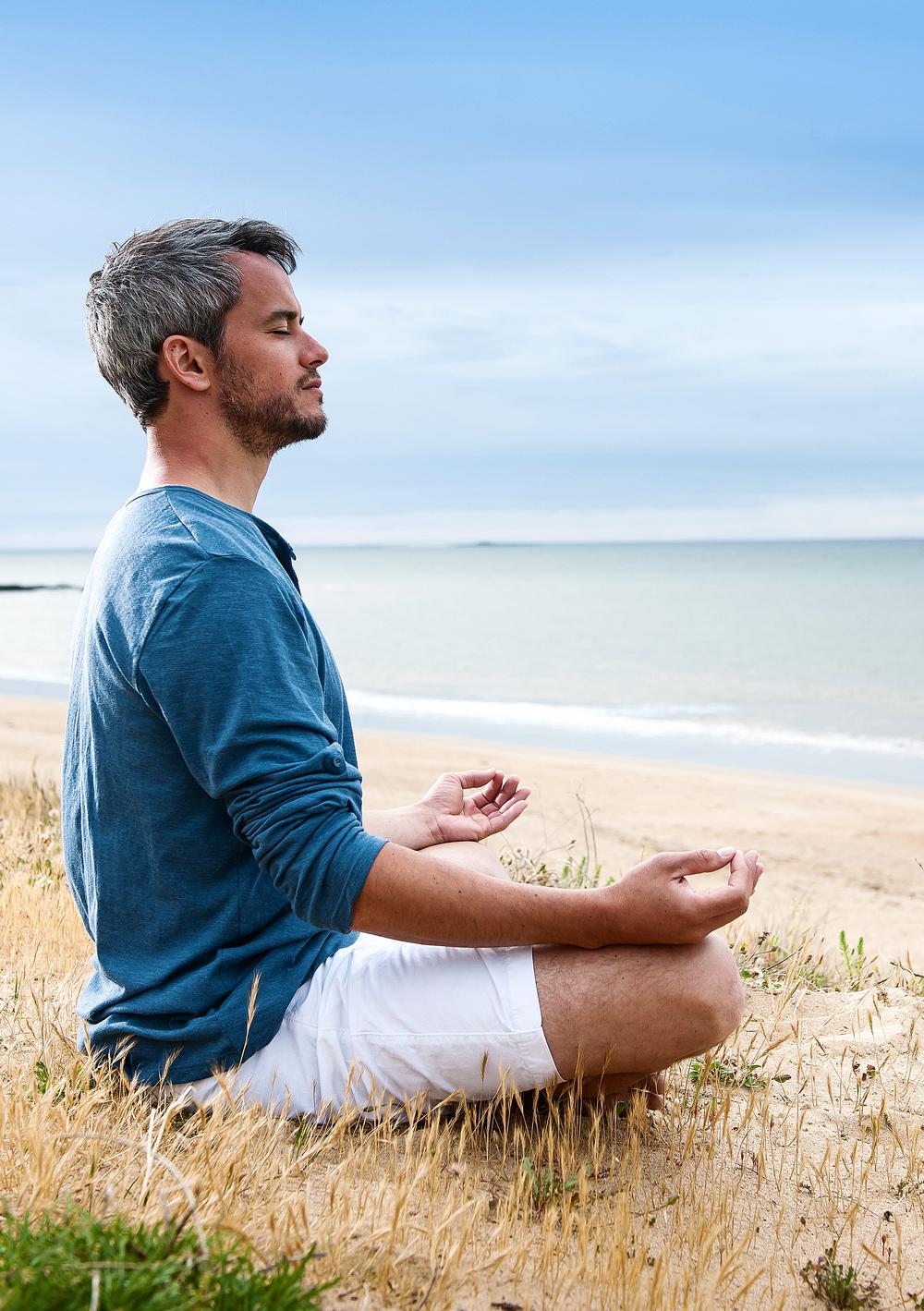
The study was based on meditation, but it’s believed other mind-body therapies could have the same benefits / SHUTTERSTOCK/ Jack Frog
While it’s known that having time away from work can help us switch off mentally, the physical benefits of getting away from it all aren’t so well documented. A study released this August*, however, has found that a break of just six days sets off genetic changes which can boost the immune system, decrease symptoms of depression and dementia and reduce stress.
What’s more, breaks that include wellness programmes further increase our wellbeing – and the effects last for up to a month.
“We know intuitively that taking a break reduces biological processes related to stress,” says the study’s first author Dr Elissa Epel of the University of California, San Francisco (UCSF), “but it was still impressive to see the large changes in gene expression people experienced after being away from a busy pace of life, in a relaxing environment, for such a short period of time.”
The findings are good news for spas located around the world, as they’re one of the main providers of wellness-focused retreats and holidays.
Chopra retreat The study, by scientists from the Icahn School of Medicine at Mount Sinai UCSF and Harvard Medical School, involved 94 healthy women aged 30-60.
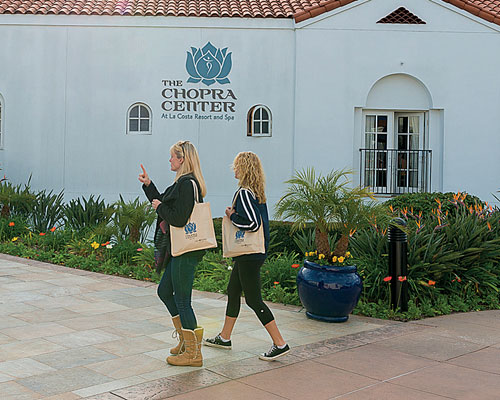
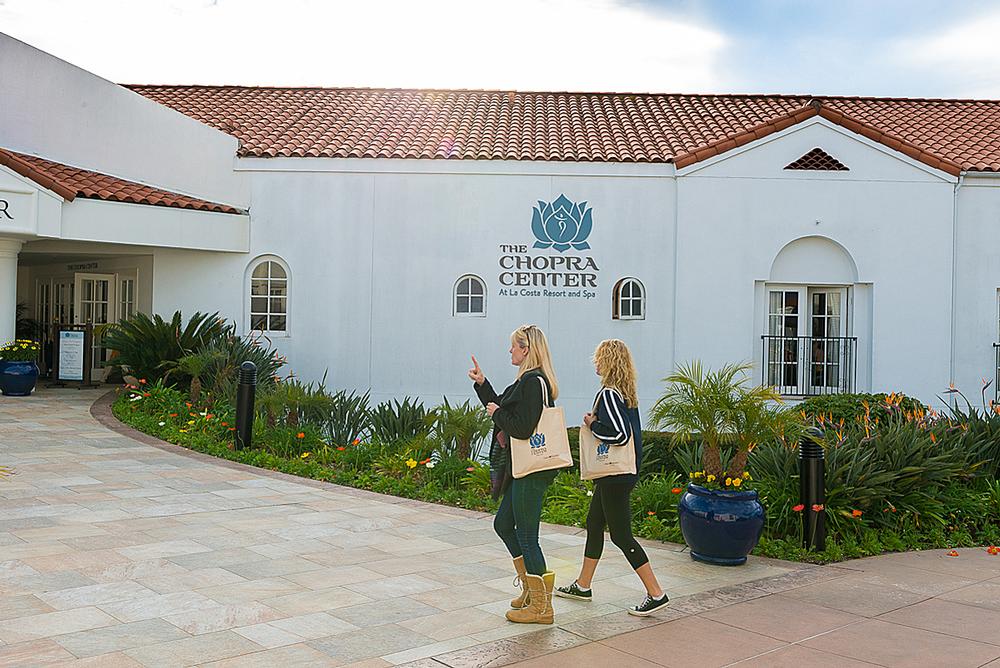
One half of the participants were randomly selected to join a meditation retreat at the Chopra Centre for Wellbeing in California for six days, while the other half simply holidayed there. The retreat included training in mantra meditation, yoga and self-reflection exercises.
Sixty-four women in the study were new to meditation while 30 others regularly practiced the discipline. For greater insight into the long-term effects of what scientists dubbed the ‘meditation effect’ compared to the ‘vacation effect’, the team also observed a group of 30 experienced meditators who were enrolled on the Chopra programme during the same week.
The researchers collected blood samples for genetic analysis and gathered self-reported surveys on wellbeing before and directly after the holiday, as well as a month and 10 months later.
Gene activity The results from the study show that all groups – novice meditators, experienced meditators and vacationers – had significant changes in molecular patterns after a week at the resort. The most notable changes in gene activity were related to stress response and immune function.
Upon assessing the wellbeing surveys, the researchers found that novice meditators had fewer symptoms of depression and less stress for far longer than those who were just on holiday. They reported significantly more positive effects in both the one-month and 10-month follow up wellbeing survey.
More research is needed to determine whether similar effects can occur at home compared to a resort setting.
The study was published in Springer Nature’s neuroscience journal Translational Psychiatry in August.
Expert insight Epel, a professor of psychiatry at UCSF, is no stranger to the spa industry, having spoke at the 2012 Global Spa & Wellness Summit on the subject of telomeres and cellular ageing (see SB13/1 p55).
She told Spa Business that the effects on mental health lasted longer in the group trained in meditation because “it leaves you with more than a residue of peace and calm.” It enables people to observe their thoughts without getting sucked into them, something she refers to as ‘metacognition’.
However, Epel also believes the benefits aren’t restricted just to meditation. “There are many other activities, mainly mind-body ones, offered at spas, that can produce this enhanced state,” she says.
The findings of the study, which was part-funded by The Chopra Foundation, dovetail neatly with alternative health guru Dr Deepak Chopra’s own beliefs that genes can be altered by healthy lifestyle changes.
In an interview with Spa Business (see SB15/4 p36) he said: “Even though we all have genetic dispositions, it’s now known that biological ageing is influenced by lifestyle habits and daily activities such as meditation, movement, diet, stress management and quality of sleep.
“By making conscious choices and focused awareness, we choose to have a joyful energetic body, a restful alert mind and lightness of being.”
* Epel, ES and Schadt, EE et al. Meditation and vacation effects have an impact on disease-associated molecular phenotypes. Translational Psychiatry. 30 August 2016
Read more from this issue of Spa Business magazine
Promotional feature: Phytomer
As a pioneer of marine skincare, Phytomer represents a story of three impassioned generations and a dedication to cultivating the purest spa ingredients from the northern French coast
Even though we have genetic dispositions, it’s now known that biological ageing is influenced by lifestyle habits such as meditation, diet, stress and sleep
New research shows that taking a break can strengthen our genes – and that benefits are even greater when wellness programmes are added to the mix. Katie Barnes reports
By Katie Barnes | Published in Spa Business 2016 issue 4
The study was based on meditation, but it’s believed other mind-body therapies could have the same benefits / SHUTTERSTOCK/ Jack Frog
While it’s known that having time away from work can help us switch off mentally, the physical benefits of getting away from it all aren’t so well documented. A study released this August*, however, has found that a break of just six days sets off genetic changes which can boost the immune system, decrease symptoms of depression and dementia and reduce stress.
What’s more, breaks that include wellness programmes further increase our wellbeing – and the effects last for up to a month.
“We know intuitively that taking a break reduces biological processes related to stress,” says the study’s first author Dr Elissa Epel of the University of California, San Francisco (UCSF), “but it was still impressive to see the large changes in gene expression people experienced after being away from a busy pace of life, in a relaxing environment, for such a short period of time.”
The findings are good news for spas located around the world, as they’re one of the main providers of wellness-focused retreats and holidays.
Chopra retreat The study, by scientists from the Icahn School of Medicine at Mount Sinai UCSF and Harvard Medical School, involved 94 healthy women aged 30-60.
One half of the participants were randomly selected to join a meditation retreat at the Chopra Centre for Wellbeing in California for six days, while the other half simply holidayed there. The retreat included training in mantra meditation, yoga and self-reflection exercises.
Sixty-four women in the study were new to meditation while 30 others regularly practiced the discipline. For greater insight into the long-term effects of what scientists dubbed the ‘meditation effect’ compared to the ‘vacation effect’, the team also observed a group of 30 experienced meditators who were enrolled on the Chopra programme during the same week.
The researchers collected blood samples for genetic analysis and gathered self-reported surveys on wellbeing before and directly after the holiday, as well as a month and 10 months later.
Gene activity The results from the study show that all groups – novice meditators, experienced meditators and vacationers – had significant changes in molecular patterns after a week at the resort. The most notable changes in gene activity were related to stress response and immune function.
Upon assessing the wellbeing surveys, the researchers found that novice meditators had fewer symptoms of depression and less stress for far longer than those who were just on holiday. They reported significantly more positive effects in both the one-month and 10-month follow up wellbeing survey.
More research is needed to determine whether similar effects can occur at home compared to a resort setting.
The study was published in Springer Nature’s neuroscience journal Translational Psychiatry in August.
Expert insight Epel, a professor of psychiatry at UCSF, is no stranger to the spa industry, having spoke at the 2012 Global Spa & Wellness Summit on the subject of telomeres and cellular ageing (see SB13/1 p55).
She told Spa Business that the effects on mental health lasted longer in the group trained in meditation because “it leaves you with more than a residue of peace and calm.” It enables people to observe their thoughts without getting sucked into them, something she refers to as ‘metacognition’.
However, Epel also believes the benefits aren’t restricted just to meditation. “There are many other activities, mainly mind-body ones, offered at spas, that can produce this enhanced state,” she says.
The findings of the study, which was part-funded by The Chopra Foundation, dovetail neatly with alternative health guru Dr Deepak Chopra’s own beliefs that genes can be altered by healthy lifestyle changes.
In an interview with Spa Business (see SB15/4 p36) he said: “Even though we all have genetic dispositions, it’s now known that biological ageing is influenced by lifestyle habits and daily activities such as meditation, movement, diet, stress management and quality of sleep.
“By making conscious choices and focused awareness, we choose to have a joyful energetic body, a restful alert mind and lightness of being.”
* Epel, ES and Schadt, EE et al. Meditation and vacation effects have an impact on disease-associated molecular phenotypes. Translational Psychiatry. 30 August 2016
Read more from this issue of Spa Business magazine
Promotional feature: Phytomer
As a pioneer of marine skincare, Phytomer represents a story of three impassioned generations and a dedication to cultivating the purest spa ingredients from the northern French coast
Even though we have genetic dispositions, it’s now known that biological ageing is influenced by lifestyle habits such as meditation, diet, stress and sleep
People taking GLP-1 weight loss medications such as Ozempic, Wegovy, Mounjaro and Zepbound
may be losing weight, but they’re also becoming less physically active, according to new
research presented at the ENDO 2026 annual meeting of the Endocrine Society
Global retreat trade show, Synergy The Retreat Show, has launched a resource called The
Source, which hosts an open-access online Transformation Series programme.
The Standards Authority for Touch in Cancer Care (SATCC) charity has announced its first five-
day Living with Cancer and Beyond retreat, which will be held at Carden Park Hotel and Spa in
Cheshire, UK, between 1 and 5 September.
Patmos Aktis, a Luxury Collection Resort and Spa, has opened in Greece, with a renovated and
rebranded wellness offering called Ansana Wellness and Spa.
The Mauna Kea Beach Hotel, an Autograph Collection property in Hawaii, US, has opened its
22,000 sq ft indoor-outdoor Spa at Mauna Kea as the final step in the property’s overall
renovation, which has cost more than US$180 million (€166 million, £140 mill
The UK spa review and discovery platform for consumers, the Good Spa Guide, has announced
it will host the Good Spa Guide Awards 2026 during an event on 16 November at Sopwell House
Hotel in St Albans, UK.
Eighty-four per cent of consumers now say wellness is a top priority in their lives, with this
percentage increasing year on year, according to a preview presentation of McKinsey’s Future of
Wellness 2026 research report.
Mass protests have been taking place since Monday 1 June in Albania over the development of
a luxury resort by Donald Trump’s daughter Ivanka Trump and her husband Jared Kushner.
Global Wellness Day (GWD) marked its 15th anniversary on Saturday 13 June 2026, with the
theme: #JoyMagenta – a celebration of the healing qualities of simple gestures and activities
that spark joy.
Global luxury hospitality brand, Six Senses, has partnered with longevity healthcare provider,
HUM2N, to launch a clinic at Six Senses London, at The Whiteley.