Latest
issue
Uniting the world of spa & wellness
Get Spa Business and Spa Business insider digital magazines FREE
Sign up here ▸
News   Features   Products   Company profilesProfiles   Press releasesProfiles   Magazine   Handbook   Advertise    Subscribe  
Research
High achiever

New figures value the global wellness economy at US$6.8 tn, an all-time record high, but where does longevity fit into the equation?


The global wellness economy hit US$6.8 trillion (€5.86 trillion, £5.17 trillion) in 2024, according to fresh data by the Global Wellness Institute (GWI). Diagram 1 gives a breakdown of this figure, which is a record peak for the fourth year in a row since COVID-19.

The 100+ page GWI report, titled Global Wellness Economy Monitor 2025, was released at the Global Wellness Summit (GWS) in November (see p98).

The research, which provides data on 11 wellness sectors, predicts the global wellness economy will reach nearly US$9.8 trillion (€8.45 trillion, £7.45 trillion) in 2029. Trends fuelling this growth include an ageing population, increasing rates of chronic disease, mental unwellness and the market’s pivot to focus on prevention and longevity.

Wellness is now a larger market than other global industries, including sports, tourism and the pharmaceutical sector

Longevity insights
While the report doesn’t quantify longevity as a standalone sector, GWI researchers say longevity-related services increasingly sit at the intersection of wellness, health/medical care, and biotech.

Presenting findings live on stage, Katherine Johnston, GWI senior researcher, said: “Even though it may feel like longevity is the hottest buzzword, it’s not a new concept. We’ve already had a longevity revolution in history – lifespan has doubled due to public health initiatives and healthier food being made available.”

She added: “Any future gains in longevity will require advances in medical and wellness markets. The potential impacts are huge and there’s plenty of money to be made too.”

Room for expansion
The Global Wellness Economy Monitor 2025 shows the market increasing 7.9 per cent from 2023-2024, doubling in size since 2013. It now represents 6.12 per cent of global GDP and with the new predicted forecast of US$9.8 trillion in 2029, it’s likely to outpace the projected global GDP growth of 4.5 per cent annually.

Wellness is now a larger market than other global industries – sports, valued at US$2.7 trillion (€2.33 trillion, £2.05 trillion); tourism, at US$5 trillion (€4.3 trillion, £3.8 trillion); and it is almost four times larger than the US$1.8 trillion (€1.55 trillion, £1.37 trillion) pharmaceutical industry.

“As of 2024, we can say the entire wellness economy has recovered from the pandemic. We can now say we are truly in the post-pandemic era,” Johnston told delegates.

North America leads growth at 7.9 per cent, followed by the Middle East & North Africa (MENA) at 7.2 per cent and Europe at 6.3 per cent. Spending remains highest in North America and Europe, significantly outpacing Latin America–Caribbean, Asia, and MENA.

The pace of the global wellness economy’s growth is expected to outpace projected GDP of 4.5 per cent

Fastest-growing sectors
Wellness real estate has risen 19.5 per cent annually over the last five years, reflecting the pandemic-driven awareness of how environments affect physical and mental health.

Mental wellness has gone up 12.4 per cent annually from 2019-2024, with the US market worth US$125 billion (€107.74 billion, £95.0 billion) and China US$16 billion (€13.80 billion, £12.2 billion). High-growth areas include cannabis products, meditation, mindfulness and sleep.

Wellness tourism and spas are rebounding strongly, with year-on-year growth of 13.8 per cent and 14.6 per cent from 2023-2024, respectively, while thermal/mineral springs rose 11.1 per cent.

Workplace wellness remains slow-growing (0.7 per cent annually over five years) mostly due to the shift toward remote and gig work.

New valuations
Fresh valuations for the 11 sectors that make up the global wellness economy were provided:

  • Personal Care & Beauty – US$1.35 trillion (€1.16 trillion, £1.03 trillion)
  • Healthy Eating, Nutrition & Weight Loss – US$1.15 trillion (€0.99 trillion, £0.87 trillion)
  • Physical Activity – US$1.14 trillion (€0.98 trillion, £0.87 trillion)
  • Wellness Tourism – US$894 billion (€771.1 billion, £678.7 billion)
  • Public Health, Prevention & Personalised Medicine – US$676 billion (€575.9 billion, £504.6 billion)
  • Traditional & Complementary Medicine – US$606 billion (€522.1 billion, £460.6 billion)
  • Wellness Real Estate – US$548 billion (€472.2 billion, £416.8 billion)
  • Mental Wellness – US$268 billion (€231.2 billion, £203.4 billion)
  • Spas – US$157 billion – (€135.3 billion, £119.1 billion)
  • Thermal/Mineral Springs – US$72 billion (€62.1 billion, £54.5 billion)
  • Workplace Wellness – US$53 billion (€45.7 billion, £40.3 billion)

By 2029, six sectors are expected to exceed US$1 trillion (€0.86 trillion, £0.76 trillion). These include traditional & complementary medicine, wellness tourism, wellness real estate, physical activity, personal care & beauty and healthy eating, nutrition & weight loss.

Growth forecast
GWI’s five-year growth predictions (2024-2029) highlight sectors that could present key opportunities for investors and operators:

  • Wellness Real Estate – 15.2 per cent
  • Traditional & Complementary Medicine – 10.8 per cent
  • Mental Wellness – 10.1 per cent
  • Wellness Tourism – 9.1 per cent
  • Thermal/Mineral Springs – 10.0 per cent

Projections for all sectors confirm that wellness is now a mainstream, high-growth market with clear opportunities for expansion. Overall, these figures underline a strong market trajectory, highlighting where capital, development and operational focus can yield the highest returns. 
Read more from this issue of Spa Business magazine

View contents of Spa Business 2025 issue 4
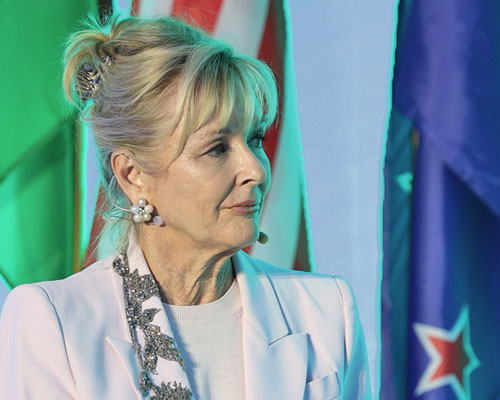
Katherine Johnston (left) and Susie Ellis revealed the latest numbers at the GWS in November
Katherine Johnston (left) and Susie Ellis revealed the latest numbers at the GWS in November / GWS 2025
/ GWS
People standing in a group, facing to the left, eyes closed and arms outstretched to the side
Mental wellness is predicted to be one of the fastest growing segments in the future / shutterstock/Rido
FEATURED SUPPLIERS

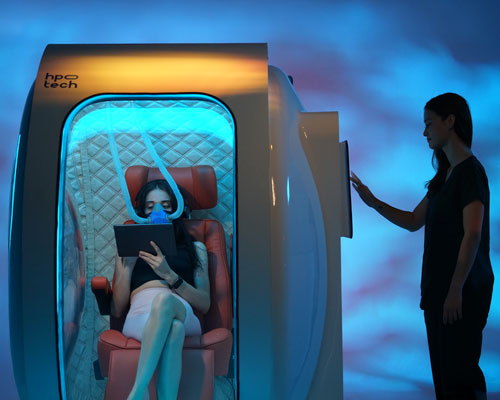
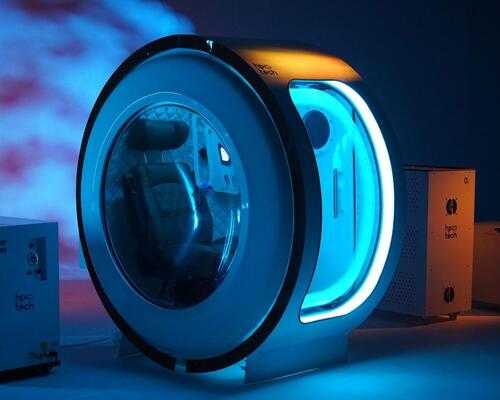
HPO Tech brings design-led hyperbaric systems to the spa floor
Hyperbaric oxygen therapy has moved well beyond the clinic and spa operators represent the fastest-growing market for the technology. [more...]

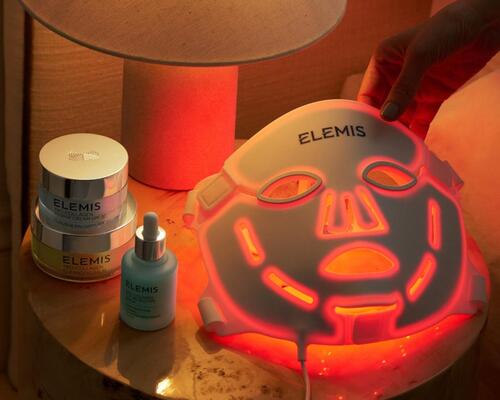
Elemis launches its first Red Light Mask, lighting the way to advanced skin health and restoration
Elemis has branched into LED skincare with the launch of its breakthrough Red Light Mask. [more...]
+ More featured suppliers  
COMPANY PROFILES
Phytomer

Founded in Brittany, France, in 1972 by Jean Gédouin, Phytomer is a family-owned company now in its [more...]
Barr + Wray Ltd

Barr + Wray has more than 60 years’ experience in the design and delivery of world-class spa and wel [more...]
+ More profiles  
CATALOGUE GALLERY
 

+ More catalogues  

DIRECTORY
+ More directory  
DIARY


23-26 Aug 2026

Elevate Spa Riviera Maya Edition

The Riviera Maya Edition Kanai, Playa del Carmen, Mexico
31 Aug - 02 Sep 2026

SpaTec North America

Pier Sixty Six, Fort Lauderdale, United States
+ More diary  
 
ABOUT LEISURE MEDIA
LEISURE MEDIA MAGAZINES
LEISURE MEDIA HANDBOOKS
LEISURE MEDIA WEBSITES
LEISURE MEDIA PRODUCT SEARCH
 
SPA BUSINESS
SPA OPPORTUNITIES
SPA BUSINESS HANDBOOK
PRINT SUBSCRIPTIONS
FREE DIGITAL SUBSCRIPTIONS
ADVERTISE . CONTACT US

Leisure Media
Tel: +44 (0)1462 431385

©Cybertrek 2026
Uniting the world of spa & wellness
Get Spa Business and Spa Business insider digital magazines FREE
Sign up here ▸
News   Products   Magazine   Subscribe
Research
High achiever

New figures value the global wellness economy at US$6.8 tn, an all-time record high, but where does longevity fit into the equation?


The global wellness economy hit US$6.8 trillion (€5.86 trillion, £5.17 trillion) in 2024, according to fresh data by the Global Wellness Institute (GWI). Diagram 1 gives a breakdown of this figure, which is a record peak for the fourth year in a row since COVID-19.

The 100+ page GWI report, titled Global Wellness Economy Monitor 2025, was released at the Global Wellness Summit (GWS) in November (see p98).

The research, which provides data on 11 wellness sectors, predicts the global wellness economy will reach nearly US$9.8 trillion (€8.45 trillion, £7.45 trillion) in 2029. Trends fuelling this growth include an ageing population, increasing rates of chronic disease, mental unwellness and the market’s pivot to focus on prevention and longevity.

Wellness is now a larger market than other global industries, including sports, tourism and the pharmaceutical sector

Longevity insights
While the report doesn’t quantify longevity as a standalone sector, GWI researchers say longevity-related services increasingly sit at the intersection of wellness, health/medical care, and biotech.

Presenting findings live on stage, Katherine Johnston, GWI senior researcher, said: “Even though it may feel like longevity is the hottest buzzword, it’s not a new concept. We’ve already had a longevity revolution in history – lifespan has doubled due to public health initiatives and healthier food being made available.”

She added: “Any future gains in longevity will require advances in medical and wellness markets. The potential impacts are huge and there’s plenty of money to be made too.”

Room for expansion
The Global Wellness Economy Monitor 2025 shows the market increasing 7.9 per cent from 2023-2024, doubling in size since 2013. It now represents 6.12 per cent of global GDP and with the new predicted forecast of US$9.8 trillion in 2029, it’s likely to outpace the projected global GDP growth of 4.5 per cent annually.

Wellness is now a larger market than other global industries – sports, valued at US$2.7 trillion (€2.33 trillion, £2.05 trillion); tourism, at US$5 trillion (€4.3 trillion, £3.8 trillion); and it is almost four times larger than the US$1.8 trillion (€1.55 trillion, £1.37 trillion) pharmaceutical industry.

“As of 2024, we can say the entire wellness economy has recovered from the pandemic. We can now say we are truly in the post-pandemic era,” Johnston told delegates.

North America leads growth at 7.9 per cent, followed by the Middle East & North Africa (MENA) at 7.2 per cent and Europe at 6.3 per cent. Spending remains highest in North America and Europe, significantly outpacing Latin America–Caribbean, Asia, and MENA.

The pace of the global wellness economy’s growth is expected to outpace projected GDP of 4.5 per cent

Fastest-growing sectors
Wellness real estate has risen 19.5 per cent annually over the last five years, reflecting the pandemic-driven awareness of how environments affect physical and mental health.

Mental wellness has gone up 12.4 per cent annually from 2019-2024, with the US market worth US$125 billion (€107.74 billion, £95.0 billion) and China US$16 billion (€13.80 billion, £12.2 billion). High-growth areas include cannabis products, meditation, mindfulness and sleep.

Wellness tourism and spas are rebounding strongly, with year-on-year growth of 13.8 per cent and 14.6 per cent from 2023-2024, respectively, while thermal/mineral springs rose 11.1 per cent.

Workplace wellness remains slow-growing (0.7 per cent annually over five years) mostly due to the shift toward remote and gig work.

New valuations
Fresh valuations for the 11 sectors that make up the global wellness economy were provided:

  • Personal Care & Beauty – US$1.35 trillion (€1.16 trillion, £1.03 trillion)
  • Healthy Eating, Nutrition & Weight Loss – US$1.15 trillion (€0.99 trillion, £0.87 trillion)
  • Physical Activity – US$1.14 trillion (€0.98 trillion, £0.87 trillion)
  • Wellness Tourism – US$894 billion (€771.1 billion, £678.7 billion)
  • Public Health, Prevention & Personalised Medicine – US$676 billion (€575.9 billion, £504.6 billion)
  • Traditional & Complementary Medicine – US$606 billion (€522.1 billion, £460.6 billion)
  • Wellness Real Estate – US$548 billion (€472.2 billion, £416.8 billion)
  • Mental Wellness – US$268 billion (€231.2 billion, £203.4 billion)
  • Spas – US$157 billion – (€135.3 billion, £119.1 billion)
  • Thermal/Mineral Springs – US$72 billion (€62.1 billion, £54.5 billion)
  • Workplace Wellness – US$53 billion (€45.7 billion, £40.3 billion)

By 2029, six sectors are expected to exceed US$1 trillion (€0.86 trillion, £0.76 trillion). These include traditional & complementary medicine, wellness tourism, wellness real estate, physical activity, personal care & beauty and healthy eating, nutrition & weight loss.

Growth forecast
GWI’s five-year growth predictions (2024-2029) highlight sectors that could present key opportunities for investors and operators:

  • Wellness Real Estate – 15.2 per cent
  • Traditional & Complementary Medicine – 10.8 per cent
  • Mental Wellness – 10.1 per cent
  • Wellness Tourism – 9.1 per cent
  • Thermal/Mineral Springs – 10.0 per cent

Projections for all sectors confirm that wellness is now a mainstream, high-growth market with clear opportunities for expansion. Overall, these figures underline a strong market trajectory, highlighting where capital, development and operational focus can yield the highest returns. 

Read more from this issue of Spa Business magazine

View contents of Spa Business 2025 issue 4
Katherine Johnston (left) and Susie Ellis revealed the latest numbers at the GWS in November
Katherine Johnston (left) and Susie Ellis revealed the latest numbers at the GWS in November / GWS 2025
/ GWS
People standing in a group, facing to the left, eyes closed and arms outstretched to the side
Mental wellness is predicted to be one of the fastest growing segments in the future / shutterstock/Rido
LATEST NEWS
Jessica Sloyan establishes UK Academy of Sound and Therapeutic Arts
Jessica Sloyan, a wellness operations and training expert, has established an independent private training academy to provide professional qualifications for practitioners looking to offer immersive wellness experiences.

ISPA releases full 2026 US Spa Industry Study as annual industry revenue rises by US$1bn
The International Spa Association (ISPA) has published its full 2026 US Spa Industry Study, providing further insights into the region’s total US$1 billion (€855 million, £780 million) industry revenue increase from 2024 to 2025.

Hot spring wellness community Ameyalli sells residences and breaks ground on resort and spa
Ameyalli, the 78-acre wellbeing resort and residential community in Midway in Utah, US, has broken ground on phase two of the hot spring development – the Ameyalli Resort and Spa – which is due to open in 2028.
AI firm Midjourney enters wellness with spa, fitness and body scanning concept
TLee Spas and Wellness has revealed the design concept for a high-tech spa with body mapping scanners to improve public health, for AI company Midjourney.
Swissline opens renovated urban wellness destination Labo Spa in Zurich
Swissline has opened a flagship day spa in Zurich, Switzerland, called Labo Spa.
Gran Hotel Taoro opens Sandára Wellness Centre
Gran Hotel Taoro in northern Tenerife, Spain, has completed the final phase of its three-year renovation with the debut of its Sandára Wellness Centre.
Franchise expert Carrie Walsh joins Hand and Stone Massage and Facial Spa as CEO
Hand and Stone Massage and Facial Spa, the spa business with more than 650 locations across the US and Canada, has appointed franchise expert Carrie Walsh as CEO as the company plans to expand.
HCM Invest opens applications for pitching slots
The inaugural HCM Invest event has opened applications for pitching slots ahead of its launch in London on 21 October 2026.
Synergy – The Retreat Show invites consumer and industry perspectives on retreats for research
Synergy – The Retreat Show, the global trade show for retreats, has launched a global research initiative that will provide insights into the retreat sector from both consumer and industry perspectives.
Turkey is crowned the best massage nation at world championship
Turkey came first at this year’s World Championship in Massage between 3-5 July in Copenhagen, Denmark.
The Wellness Tourism Association publishes industry framework for ethical and responsible retreats
The Wellness Tourism Association (WTA) has published a non-regulatory global industry framework designed to ensure the retreat market offers responsible experiences.
One in three spa practitioners have considered leaving the industry due to concerns about their own wellbeing
A new survey of UK and international spa practitioners shows that stress, burnout and wellbeing concerns have caused one in three respondents to consider leaving the industry.
+ More news   
 
FEATURED SUPPLIERS

HPO Tech brings design-led hyperbaric systems to the spa floor
Hyperbaric oxygen therapy has moved well beyond the clinic and spa operators represent the fastest-growing market for the technology. [more...]

Elemis launches its first Red Light Mask, lighting the way to advanced skin health and restoration
Elemis has branched into LED skincare with the launch of its breakthrough Red Light Mask. [more...]
+ More featured suppliers  
COMPANY PROFILES
Phytomer

Founded in Brittany, France, in 1972 by Jean Gédouin, Phytomer is a family-owned company now in its [more...]
+ More profiles  
CATALOGUE GALLERY
+ More catalogues  

DIRECTORY
+ More directory  
DIARY


23-26 Aug 2026

Elevate Spa Riviera Maya Edition

The Riviera Maya Edition Kanai, Playa del Carmen, Mexico
31 Aug - 02 Sep 2026

SpaTec North America

Pier Sixty Six, Fort Lauderdale, United States
+ More diary  


ADVERTISE . CONTACT US

Leisure Media
Tel: +44 (0)1462 431385

©Cybertrek 2026

ABOUT LEISURE MEDIA
LEISURE MEDIA MAGAZINES
LEISURE MEDIA HANDBOOKS
LEISURE MEDIA WEBSITES
LEISURE MEDIA PRODUCT SEARCH
PRINT SUBSCRIPTIONS
FREE DIGITAL SUBSCRIPTIONS