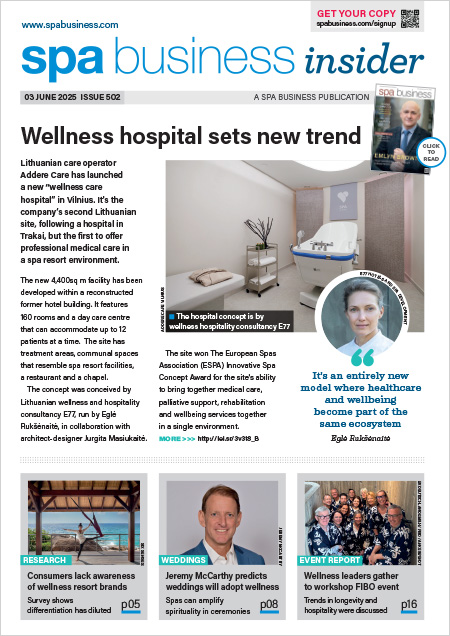
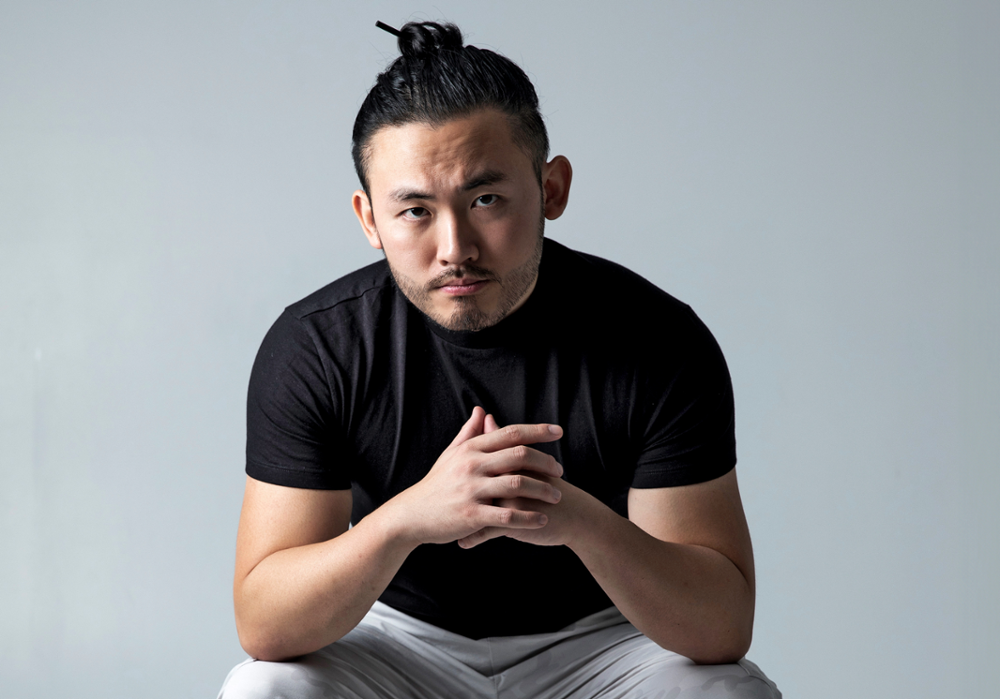
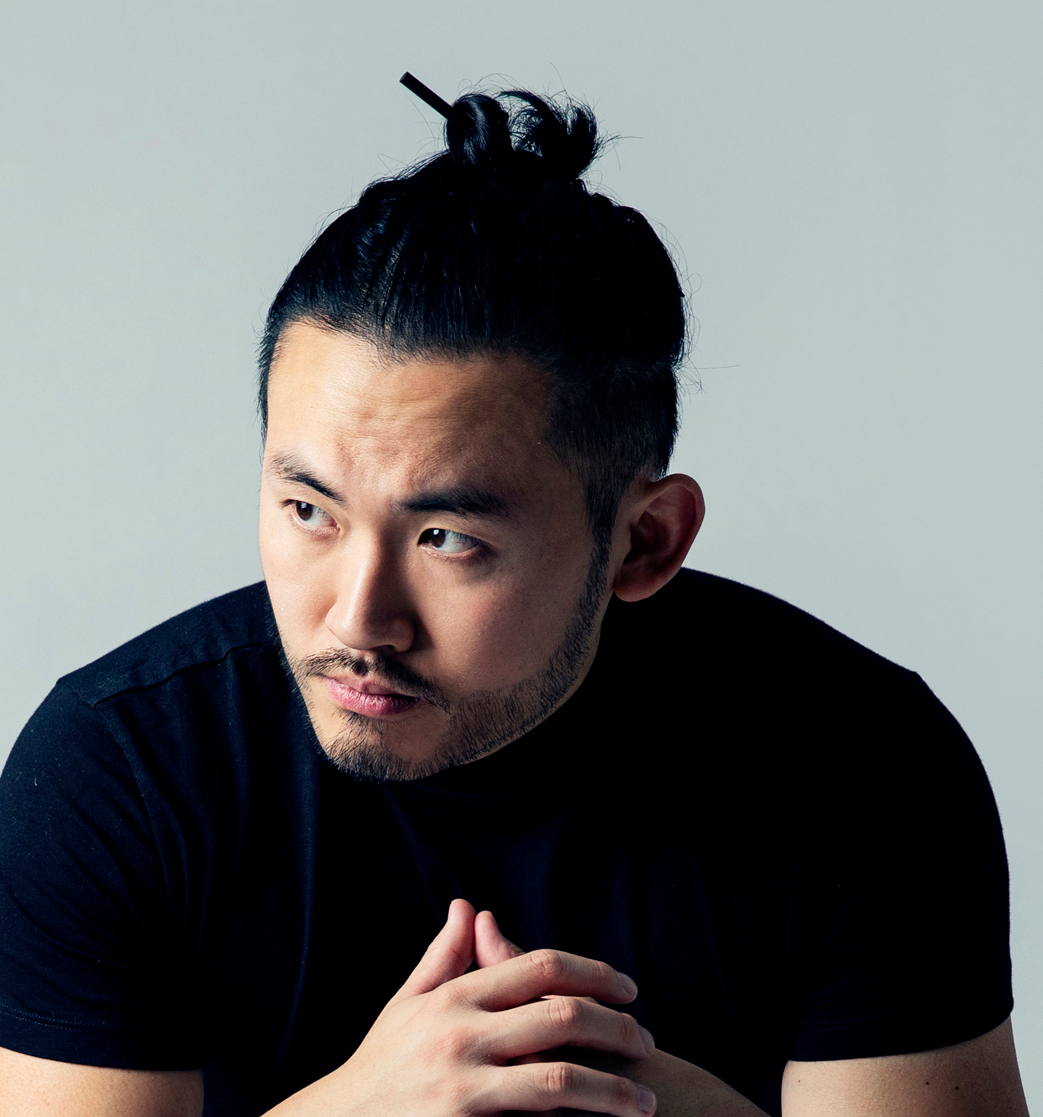
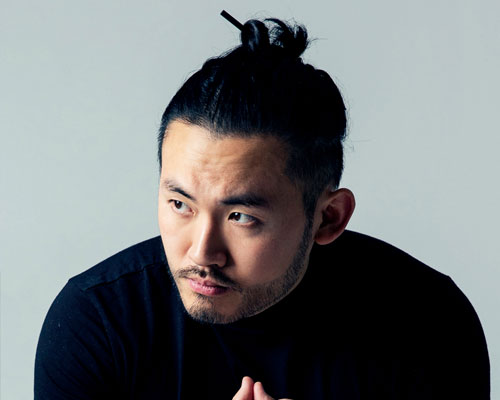
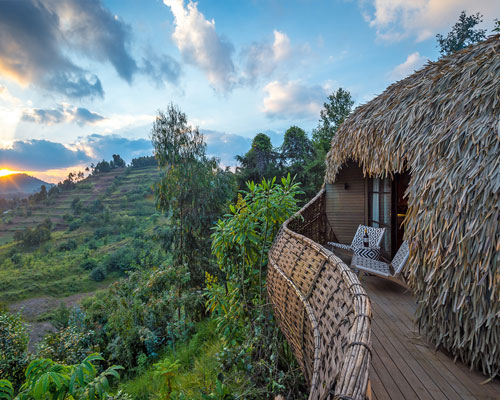
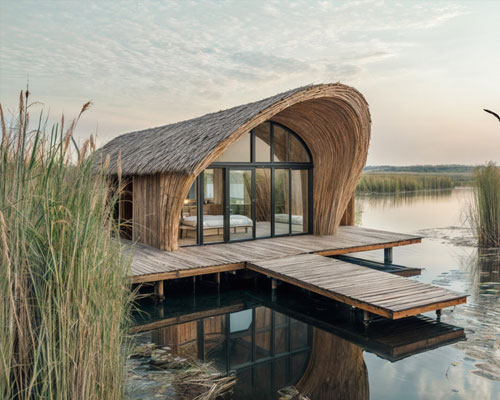
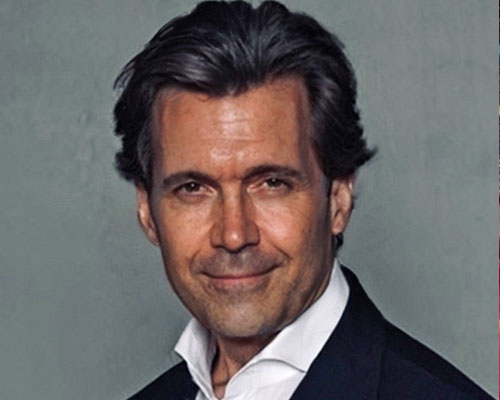
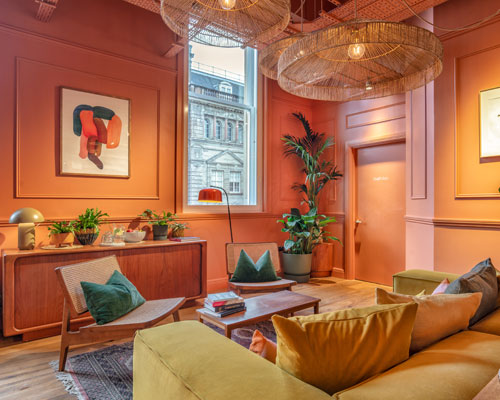
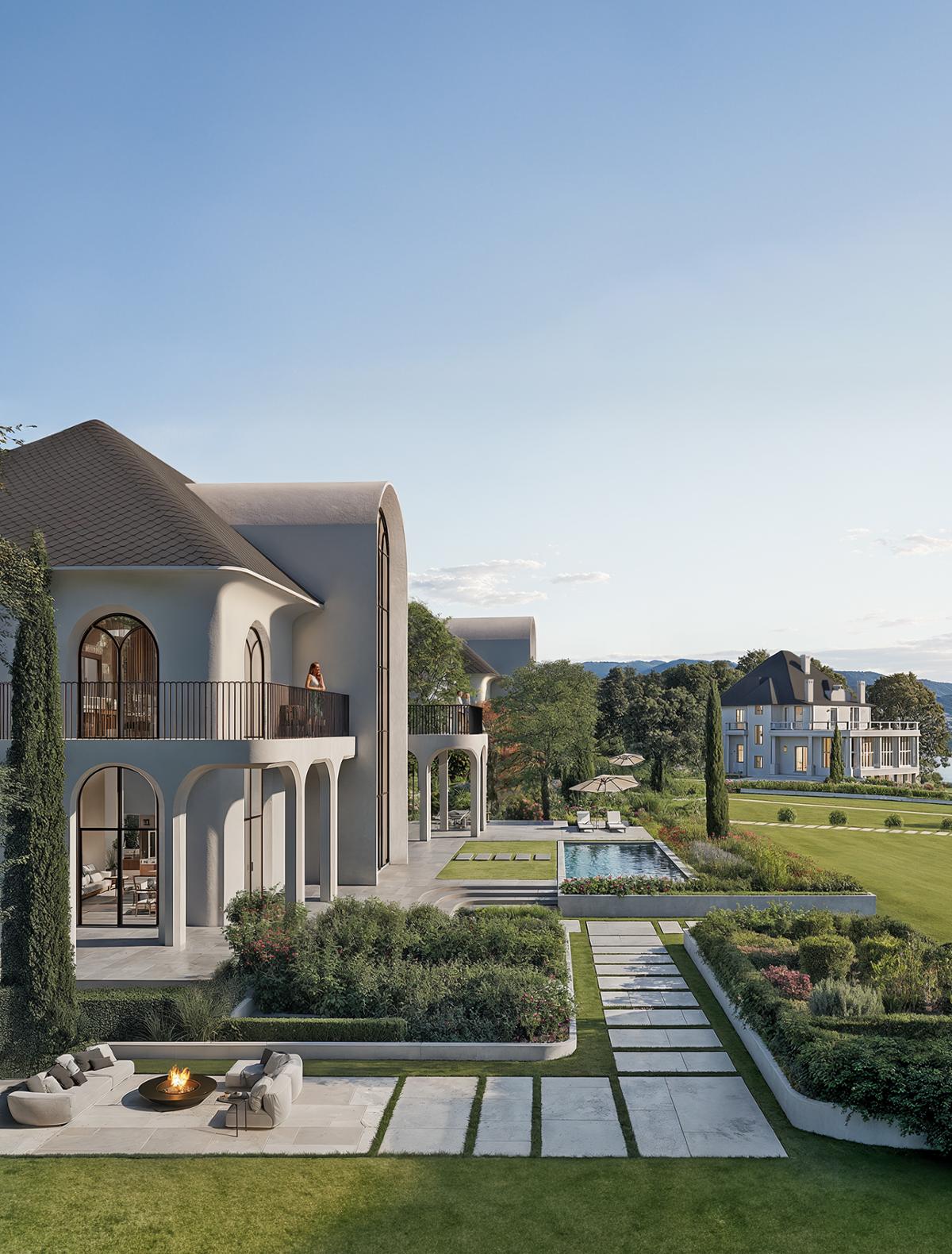
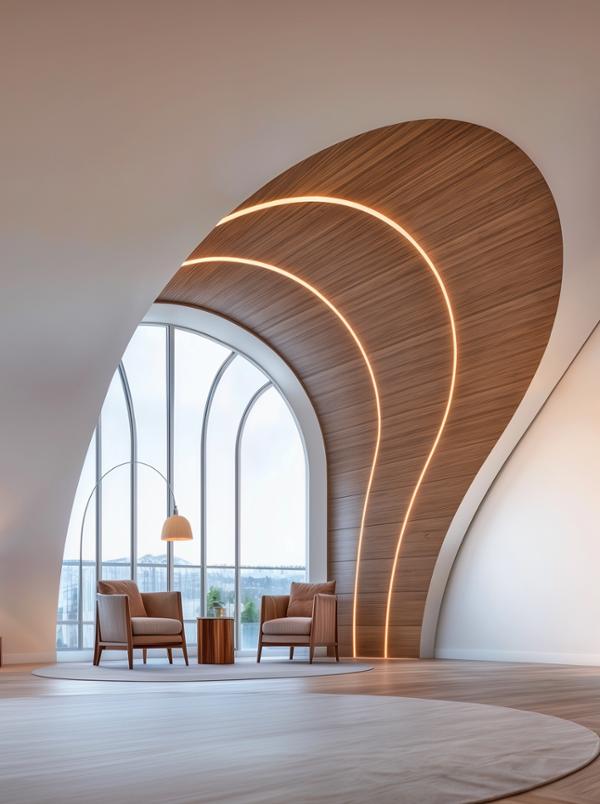
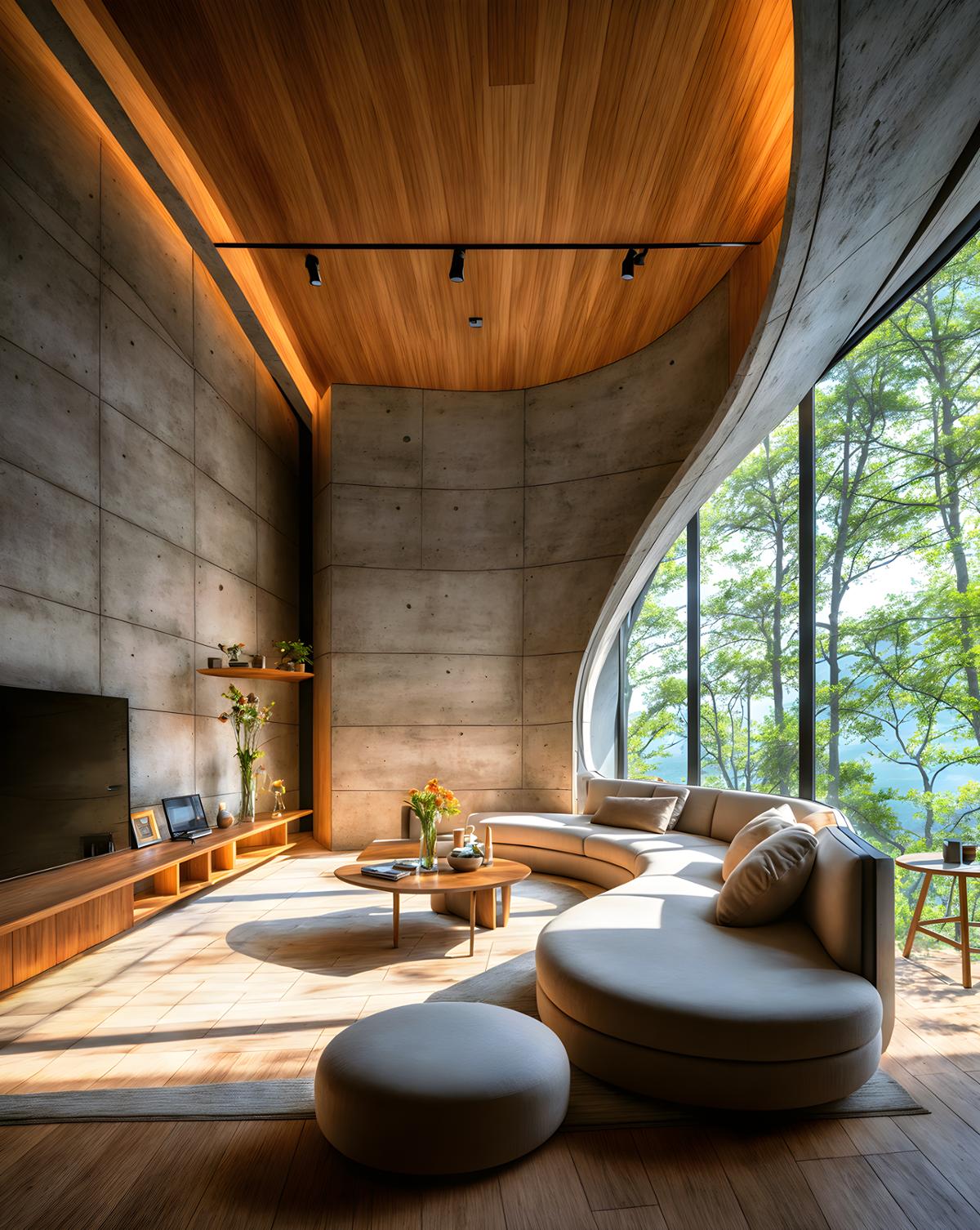
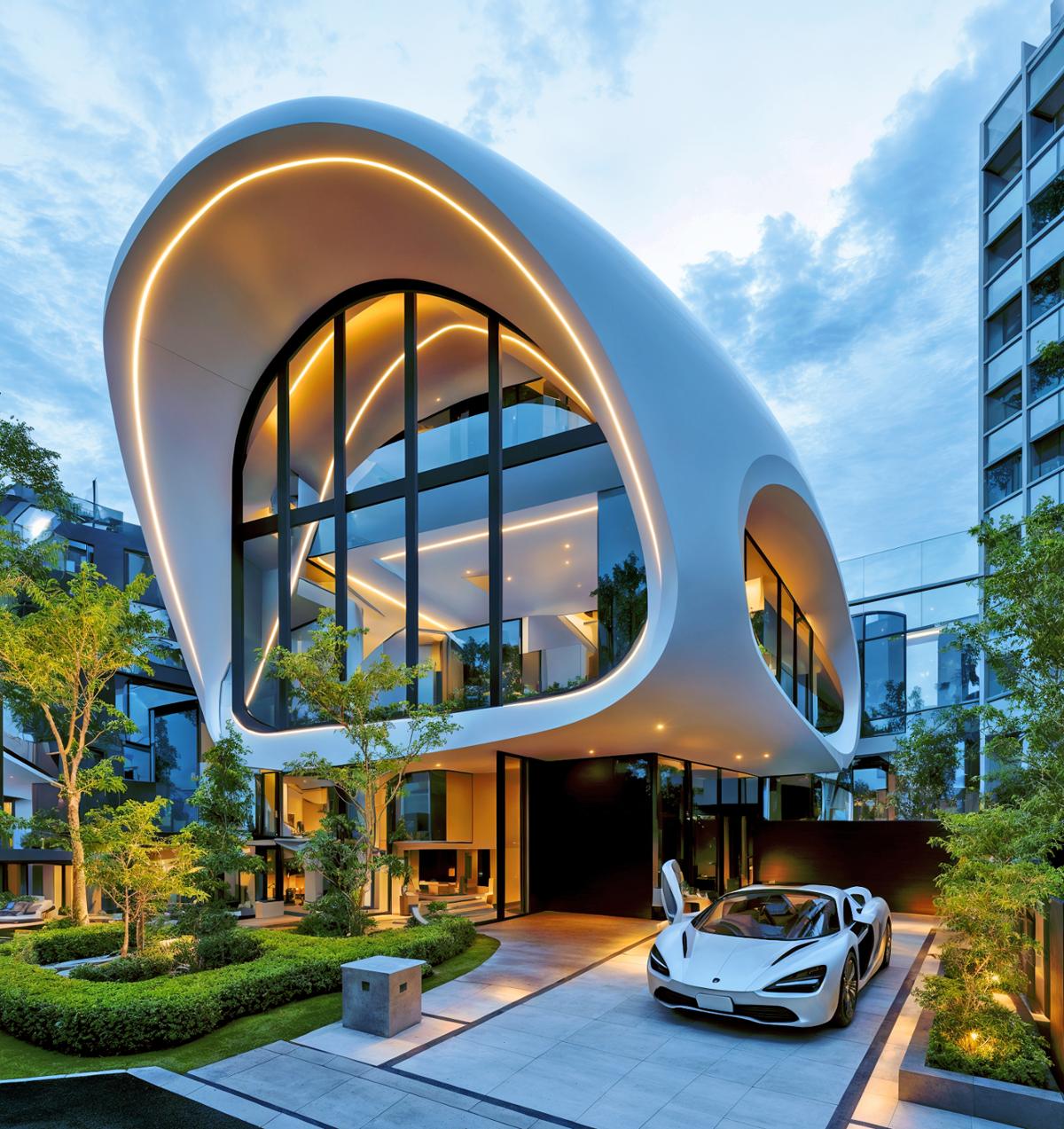
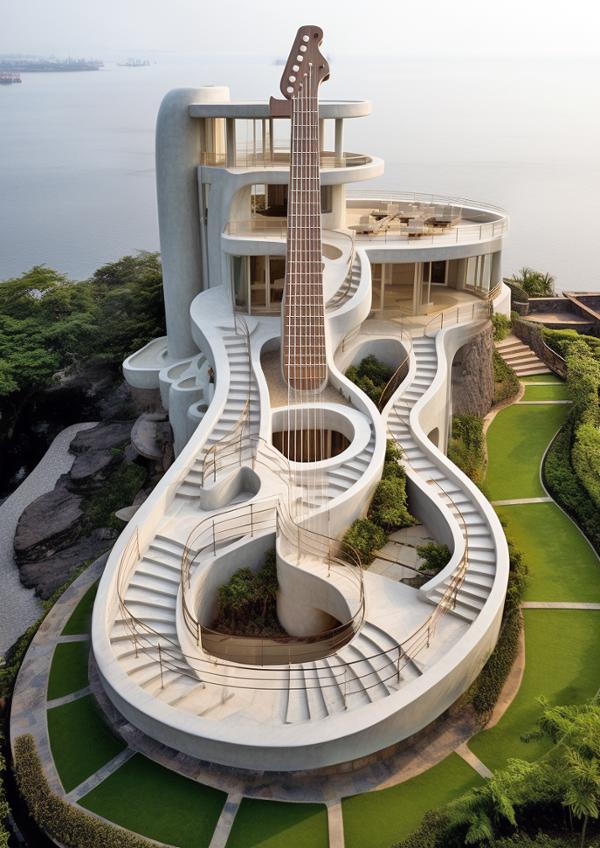
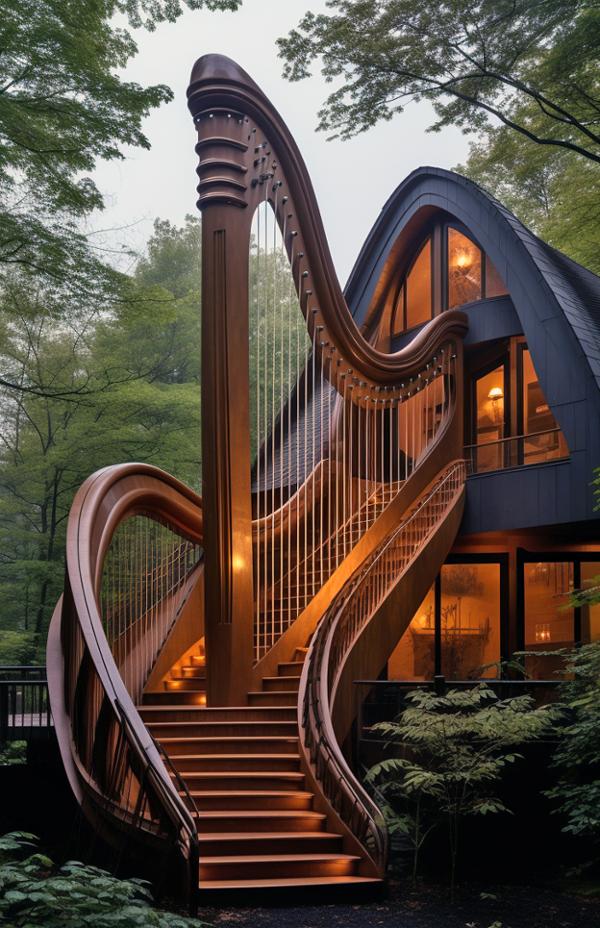
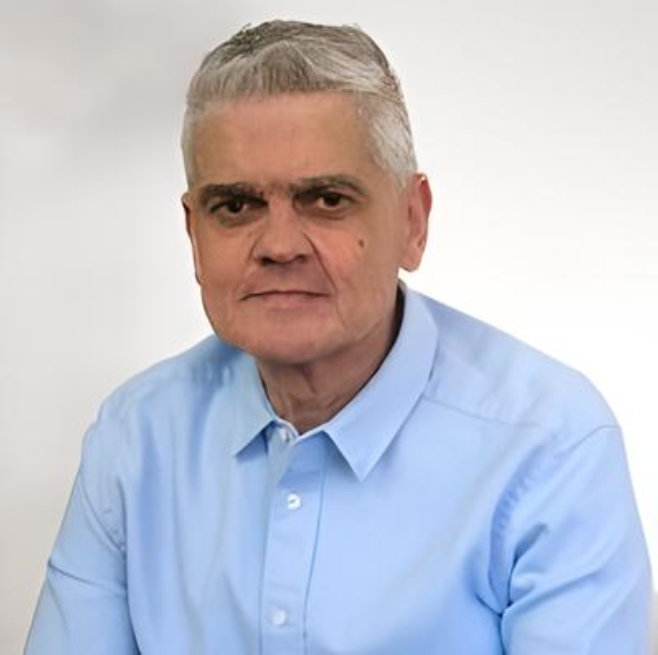
Fu, who’s worked for Zaha Hadid and BIG, claims the project is the first in the world to use AI in all design stages / photo: Studio Tim Fu
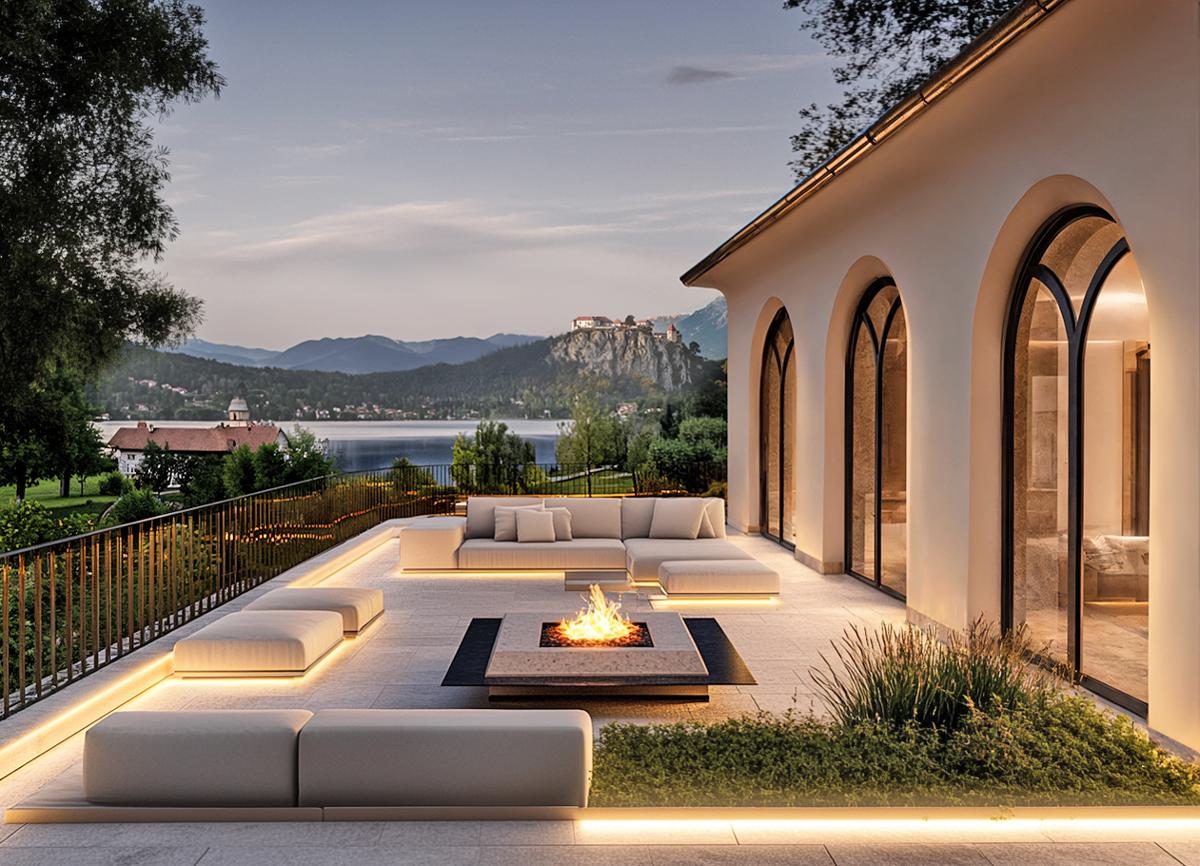
Architect Tim Fu, an alumnus of Zaha Hadid’s practice, has revealed plans for a collection of wellness-focused luxury villas on the shore of Slovenia’s Lake Bled, which he claims is the world’s first architecture project to use AI at all stages of the design process.
Commissioned by an unnamed Slovenian philanthropist, the 22,000sq m development consists of six new villas, as well as the restoration of Vila Epos, a protected cultural monument. The brief was to design a development according to biophilic principles, harnessing the power of nature to promote wellbeing.
For wellness developers, Fu’s project signals a potential shift in how future destinations are imagined, delivered and experienced. As design becomes ever more central to guest experience and asset value in our sector, we ask Fu – who’s also worked for the Bjarke Ingels Group (BIG) – how he’s used AI and whether it can really grasp the nuances of wellness architecture.
What’s your philosophy when it comes to architecture? I see it as the deliberate marriage between art and technology. One speaks to the soul and the other to the system. True design emerges when both are in harmony.
Technology is ever-evolving and from its embrace we can propose new methods of practice, unlock previously inaccessible forms, and expand the architect’s role beyond traditional boundaries. Tools such as AI are not just instruments of efficiency – they’re catalysts for imagination. When used thoughtfully, they allow us to ask better questions, to explore deeper layers of meaning and to design with greater agility and intention.
At its core, architecture remains a human act, using a spatial language that’s shaped by empathy, curiosity and care. No matter how advanced our tools become, the pursuit of meaningful experiences must always lead the way at all times.
What’s the aim of Studio Tim Fu? Studio Tim Fu was founded upon recognising the immense creative potential of generative AI. Unlike practices that limit AI to conceptual phases, we integrate AI across the entire design workflow – from rapid exploration and development to refinement and optimisation. Traditional architectural considerations such as programming, context, and materiality remain central to our work. However, AI accelerates and enhances these processes, enabling iterative and exploratory workflows that improve outcomes across all stages.
What excites you most about the use of AI in architecture? Its potential to expand the creative process rather than constrain it. It’s not about automating design – it’s about augmenting intuition. AI opens up entirely new ways of thinking spatially, allowing us to explore complex geometries, generate rapid iterations, and respond to context with far more nuance and depth.
It also challenges the role of the architect. We become curators of possibility, editors of a vast design space and that allows for a kind of collaborative creativity between human and machine, where ideas evolve in real-time and design becomes more fluid, adaptive, and imaginative. Ultimately, it’s a tool that helps us design not just faster, but smarter and to access higher levels of creativity.
Tell us about the Lake Bled Estate project and how you used AI This project presented two exciting and meaningful challenges. First, creating a new benchmark for elevated luxury and innovative design in Slovenia. At the same time, it was vital to respect the legacy of Vila Epos, carefully navigating the strict heritage regulations.
By training our AI models on traditional and contemporary Slovenian architecture, we generated a wide range of design options, blending tradition with innovation. AI-enriched decision-making by proposing a vast array of ideas and opportunities, shifting our workflow from prescriptive to exploratory.
How did you combine the use of AI and human creativity with this project? Studio Tim Fu was built from the ground up as an AI-first firm with the goal of pioneering methods that blend human creativity with machine intelligence. One example is our diffusion visualisation workflow, where we can plan architectural programming while AI generates design options in real time. We’ve also integrated optimisation algorithms that enable machine intelligence to maximise key parameters, such as daylighting and room efficiency.
What are the pros and cons of using AI in architecture? AI can provide a high quantity of creative inputs. But there’s a real danger in the irresponsible use of AI – it can lead to a kind of creative atrophy if we rely on it too heavily.
Take the camera, for example. Anyone can point and shoot and get a photograph, but it takes an artist to transform that same tool into a medium of expression. Photography becomes art when guided by vision, skill and passion.
AI is no different. Humans should always decide which values to pursue, based on our collective understanding of culture, society and what we want to proliferate into our built environment. As architects, it’s our responsibility to use AI not as a crutch, but as a catalyst. It should challenge us, not replace us.
What’s the future for AI in architecture? AI has proven to be a transformative force. As it takes on more of the technical and generative work, our value will lie in how we guide it, shaping outcomes that are aligned with human intent and need and also with spatial empathy.
The future of architecture is not about resisting AI, but working with it. It’s our responsibility to ensure what we build continues to reflect the richness of human history, emotion, and imagination in an age increasingly shaped by machines.
photo: Studio Tim Fu
"Tools such as AI are not just instruments of efficiency – they’re catalysts for imagination" – Tim Fu
Read more from this issue of Spa Business magazine
Spa people: Tim Fu
Leading a wellness architecture project in Slovenia that’s one of the first in the world to use AI in all stages of design
Spa people: Kayley Thomas
Lush is famous for its bath bombs and retail empire, but the co-founder of its day spa concept reveals why its 19 global spa facilities are so essential
Spa people: Colin Mcilheney
We find out more about Colin Mcilheney, the man who created the ISPA US Spa Industry Study and has been analysing the sector’s performance ever since
News report: Map of luxury
New research by WATG shows emerging wealth hubs in India, the Gulf, Southeast Asia and Africa are reshaping luxury travel demand
Interview: Chris Norton
The CEO of Equinox Hotels tells Katie Barnes how the uber-cool brand is scaling its bold fusion of fitness, spa and luxury
Ask an expert...: Recovery
From cryo to compression to contrast bathing, Julie Cramer investigates why and how spas and resorts are integrating recovery packages
Research: Behind the boom
What are the hidden messages in the latest US study by ISPA? Colin Mcilheney digs beneath the surface
Research: Bigger picture
Rising salaries and shifting consumer expectations – two new surveys by the UKSA and GSG reveal the trends impacting UK spa operators
Sponsored: Lemi - Good sensations
Lemi’s Venice Head Spa combines the beauty of Italian design with fine-tuned technology to provide the ultimate top-to-toe treatment station for spas
Sponsored: G.M. COLLIN – Smooth operator
The new toner from G.M. Collin represents a ‘gold standard’ in leave-on liquid exfoliation for smooth and radiant results, without the irritation of a scrub
Sponsored: TechnoAlpin – Snow for all seasons
TechnoAlpin’s magical Snowroom installation at the Alpenrose resort brings the Austrian landscape and feel-good nature factor to its wellbeing experience
First person: Costa Blanca cure
Jane Kitchen visits Spain to compare and contrast two world-class medi-wellness clinics: well-established SHA and ambitious newcomer ZEM
Sponsored: Gharieni Group – Tech-powered recovery
The new brand in the Gharieni Group portfolio – Metawell – is delivering what today’s wellness clients are seeking most – deep recovery and mind-body renewal
Sponsored: BC Softwear – Human touch
While touchless therapies are a positive addition to spas, nothing can replace the healing power of human touch, says Barbara Cooke
Sponsored: Yon-ka – A potent blend
Yon-Ka’s new Serum Omega is a potent blend of Omega 3, 6 and 9 to target
dry, stressed-out skin and deliver a calm and nourishing client experience
Menu engineering: At your service
Self-playing gongs in Sweden, surfing therapy in Morocco and Ananda launches holistic diabetes management programme in India
In the fast-paced world of fitness and wellness, where high-intensity workouts push us to
our limits and the sweat pours, the importance of efficient recovery cannot be overstated. [more...]
Fu, who’s worked for Zaha Hadid and BIG, claims the project is the first in the world to use AI in all design stages / photo: Studio Tim Fu
Architect Tim Fu, an alumnus of Zaha Hadid’s practice, has revealed plans for a collection of wellness-focused luxury villas on the shore of Slovenia’s Lake Bled, which he claims is the world’s first architecture project to use AI at all stages of the design process.
Commissioned by an unnamed Slovenian philanthropist, the 22,000sq m development consists of six new villas, as well as the restoration of Vila Epos, a protected cultural monument. The brief was to design a development according to biophilic principles, harnessing the power of nature to promote wellbeing.
For wellness developers, Fu’s project signals a potential shift in how future destinations are imagined, delivered and experienced. As design becomes ever more central to guest experience and asset value in our sector, we ask Fu – who’s also worked for the Bjarke Ingels Group (BIG) – how he’s used AI and whether it can really grasp the nuances of wellness architecture.
What’s your philosophy when it comes to architecture? I see it as the deliberate marriage between art and technology. One speaks to the soul and the other to the system. True design emerges when both are in harmony.
Technology is ever-evolving and from its embrace we can propose new methods of practice, unlock previously inaccessible forms, and expand the architect’s role beyond traditional boundaries. Tools such as AI are not just instruments of efficiency – they’re catalysts for imagination. When used thoughtfully, they allow us to ask better questions, to explore deeper layers of meaning and to design with greater agility and intention.
At its core, architecture remains a human act, using a spatial language that’s shaped by empathy, curiosity and care. No matter how advanced our tools become, the pursuit of meaningful experiences must always lead the way at all times.
What’s the aim of Studio Tim Fu? Studio Tim Fu was founded upon recognising the immense creative potential of generative AI. Unlike practices that limit AI to conceptual phases, we integrate AI across the entire design workflow – from rapid exploration and development to refinement and optimisation. Traditional architectural considerations such as programming, context, and materiality remain central to our work. However, AI accelerates and enhances these processes, enabling iterative and exploratory workflows that improve outcomes across all stages.
What excites you most about the use of AI in architecture? Its potential to expand the creative process rather than constrain it. It’s not about automating design – it’s about augmenting intuition. AI opens up entirely new ways of thinking spatially, allowing us to explore complex geometries, generate rapid iterations, and respond to context with far more nuance and depth.
It also challenges the role of the architect. We become curators of possibility, editors of a vast design space and that allows for a kind of collaborative creativity between human and machine, where ideas evolve in real-time and design becomes more fluid, adaptive, and imaginative. Ultimately, it’s a tool that helps us design not just faster, but smarter and to access higher levels of creativity.
Tell us about the Lake Bled Estate project and how you used AI This project presented two exciting and meaningful challenges. First, creating a new benchmark for elevated luxury and innovative design in Slovenia. At the same time, it was vital to respect the legacy of Vila Epos, carefully navigating the strict heritage regulations.
By training our AI models on traditional and contemporary Slovenian architecture, we generated a wide range of design options, blending tradition with innovation. AI-enriched decision-making by proposing a vast array of ideas and opportunities, shifting our workflow from prescriptive to exploratory.
How did you combine the use of AI and human creativity with this project? Studio Tim Fu was built from the ground up as an AI-first firm with the goal of pioneering methods that blend human creativity with machine intelligence. One example is our diffusion visualisation workflow, where we can plan architectural programming while AI generates design options in real time. We’ve also integrated optimisation algorithms that enable machine intelligence to maximise key parameters, such as daylighting and room efficiency.
What are the pros and cons of using AI in architecture? AI can provide a high quantity of creative inputs. But there’s a real danger in the irresponsible use of AI – it can lead to a kind of creative atrophy if we rely on it too heavily.
Take the camera, for example. Anyone can point and shoot and get a photograph, but it takes an artist to transform that same tool into a medium of expression. Photography becomes art when guided by vision, skill and passion.
AI is no different. Humans should always decide which values to pursue, based on our collective understanding of culture, society and what we want to proliferate into our built environment. As architects, it’s our responsibility to use AI not as a crutch, but as a catalyst. It should challenge us, not replace us.
What’s the future for AI in architecture? AI has proven to be a transformative force. As it takes on more of the technical and generative work, our value will lie in how we guide it, shaping outcomes that are aligned with human intent and need and also with spatial empathy.
The future of architecture is not about resisting AI, but working with it. It’s our responsibility to ensure what we build continues to reflect the richness of human history, emotion, and imagination in an age increasingly shaped by machines.
photo: Studio Tim Fu
"Tools such as AI are not just instruments of efficiency – they’re catalysts for imagination" – Tim Fu
Read more from this issue of Spa Business magazine
Spa people: Tim Fu
Leading a wellness architecture project in Slovenia that’s one of the first in the world to use AI in all stages of design
Spa people: Kayley Thomas
Lush is famous for its bath bombs and retail empire, but the co-founder of its day spa concept reveals why its 19 global spa facilities are so essential
Spa people: Colin Mcilheney
We find out more about Colin Mcilheney, the man who created the ISPA US Spa Industry Study and has been analysing the sector’s performance ever since
News report: Map of luxury
New research by WATG shows emerging wealth hubs in India, the Gulf, Southeast Asia and Africa are reshaping luxury travel demand
Interview: Chris Norton
The CEO of Equinox Hotels tells Katie Barnes how the uber-cool brand is scaling its bold fusion of fitness, spa and luxury
Ask an expert...: Recovery
From cryo to compression to contrast bathing, Julie Cramer investigates why and how spas and resorts are integrating recovery packages
Research: Behind the boom
What are the hidden messages in the latest US study by ISPA? Colin Mcilheney digs beneath the surface
Research: Bigger picture
Rising salaries and shifting consumer expectations – two new surveys by the UKSA and GSG reveal the trends impacting UK spa operators
Sponsored: Lemi - Good sensations
Lemi’s Venice Head Spa combines the beauty of Italian design with fine-tuned technology to provide the ultimate top-to-toe treatment station for spas
Sponsored: G.M. COLLIN – Smooth operator
The new toner from G.M. Collin represents a ‘gold standard’ in leave-on liquid exfoliation for smooth and radiant results, without the irritation of a scrub
Sponsored: TechnoAlpin – Snow for all seasons
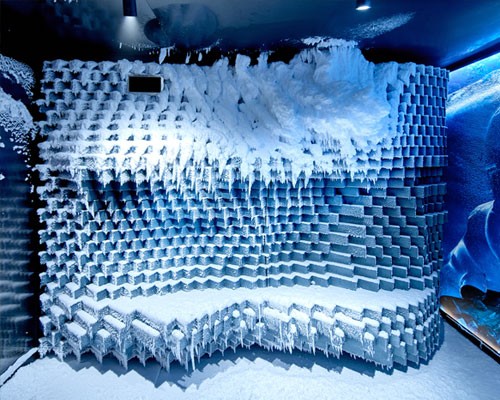
TechnoAlpin’s magical Snowroom installation at the Alpenrose resort brings the Austrian landscape and feel-good nature factor to its wellbeing experience
First person: Costa Blanca cure
Jane Kitchen visits Spain to compare and contrast two world-class medi-wellness clinics: well-established SHA and ambitious newcomer ZEM
Sponsored: Gharieni Group – Tech-powered recovery
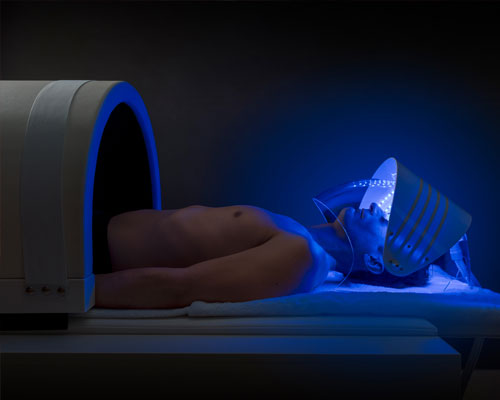
The new brand in the Gharieni Group portfolio – Metawell – is delivering what today’s wellness clients are seeking most – deep recovery and mind-body renewal
Sponsored: BC Softwear – Human touch
While touchless therapies are a positive addition to spas, nothing can replace the healing power of human touch, says Barbara Cooke
Sponsored: Yon-ka – A potent blend
Yon-Ka’s new Serum Omega is a potent blend of Omega 3, 6 and 9 to target
dry, stressed-out skin and deliver a calm and nourishing client experience
Menu engineering: At your service
Self-playing gongs in Sweden, surfing therapy in Morocco and Ananda launches holistic diabetes management programme in India
A recent survey by the UK Spa Association (UKSA) into the industry’s approach to cancer care
has revealed that almost half of participating respondents (46 per cent) are unaware that
cancer is a disability and guests with a cancer diagnosis must be given
Mexican operator, Solmar Hotels and Resorts, is hosting a series of events in celebration of
Global Wellness Day, including a Temazcal ceremony at its Playa Grande Resort and Spa in Los
Cabos.
Mandarin Oriental has announced a standalone residence brand, Mansions, which will debut at
Emirates Palace, Mandarin Oriental Mansions, Abu Dhabi, in 2029.
Four Seasons Resort The Nam Hai in Hoi An, Vietnam, has put together a Global Wellness Day
(GWD) agenda with activations rooted in nature and shaped by four pillars of Joy – in
alignment with the day’s theme #JoyMagenta.
The Global Wellness Summit (GWS) will celebrate its 20th anniversary at the 2026 event in
Phuket, Thailand, later this year with the theme: The Science, Art and Soul of Wellness.
Auko, an all-inclusive development, is opening in Phong Nha in Vietnam in Q3 2026, with a
series of 30 tented eco-lodges and wellness hospitality operations by Lumina Wellbeing.
Therme Manchester’s 28-acre development, which will include interconnected glass pavilions
that measure 65,000sq m, will be the largest bathing and wellbeing attraction in the world once
complete, according to prof David Russell, CEO of Therme UK.
Naples Beach Club, a Four Seasons Resort, has opened a 2,800sq m spa called The Sanctuary,
with the design and concept inspired by the Native American people that populated Florida’s
Southwest coast – the Calusa.
Swire Hotels’ luxury hospitality brand Upper House has revealed it will roll out its two-day
House of Healing retreats at its three hotels in Hong Kong, Chengdu and Shanghai.
In the fast-paced world of fitness and wellness, where high-intensity workouts push us to
our limits and the sweat pours, the importance of efficient recovery cannot be overstated. [more...]