Yes! Send me the FREE digital editions of Spa Business and Spa Business insider magazines and the FREE weekly Spa Business and Spa Business insider ezines and breaking news alerts!
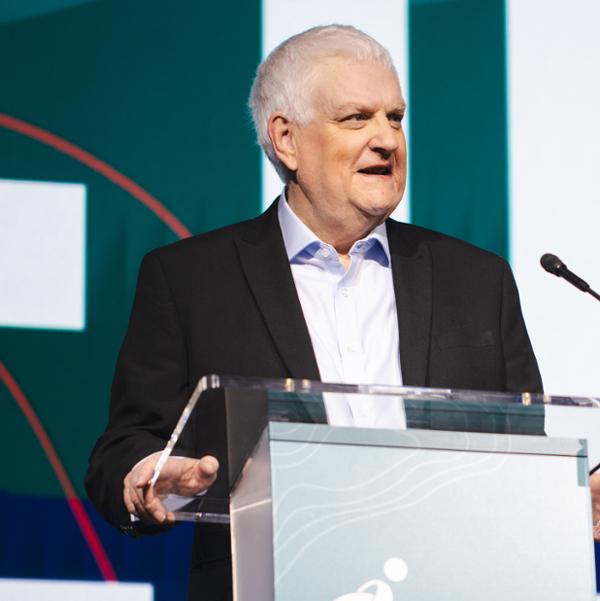
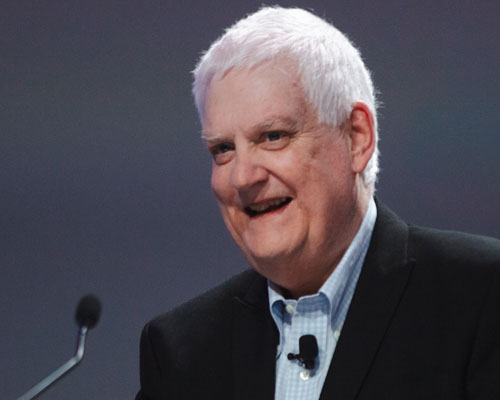
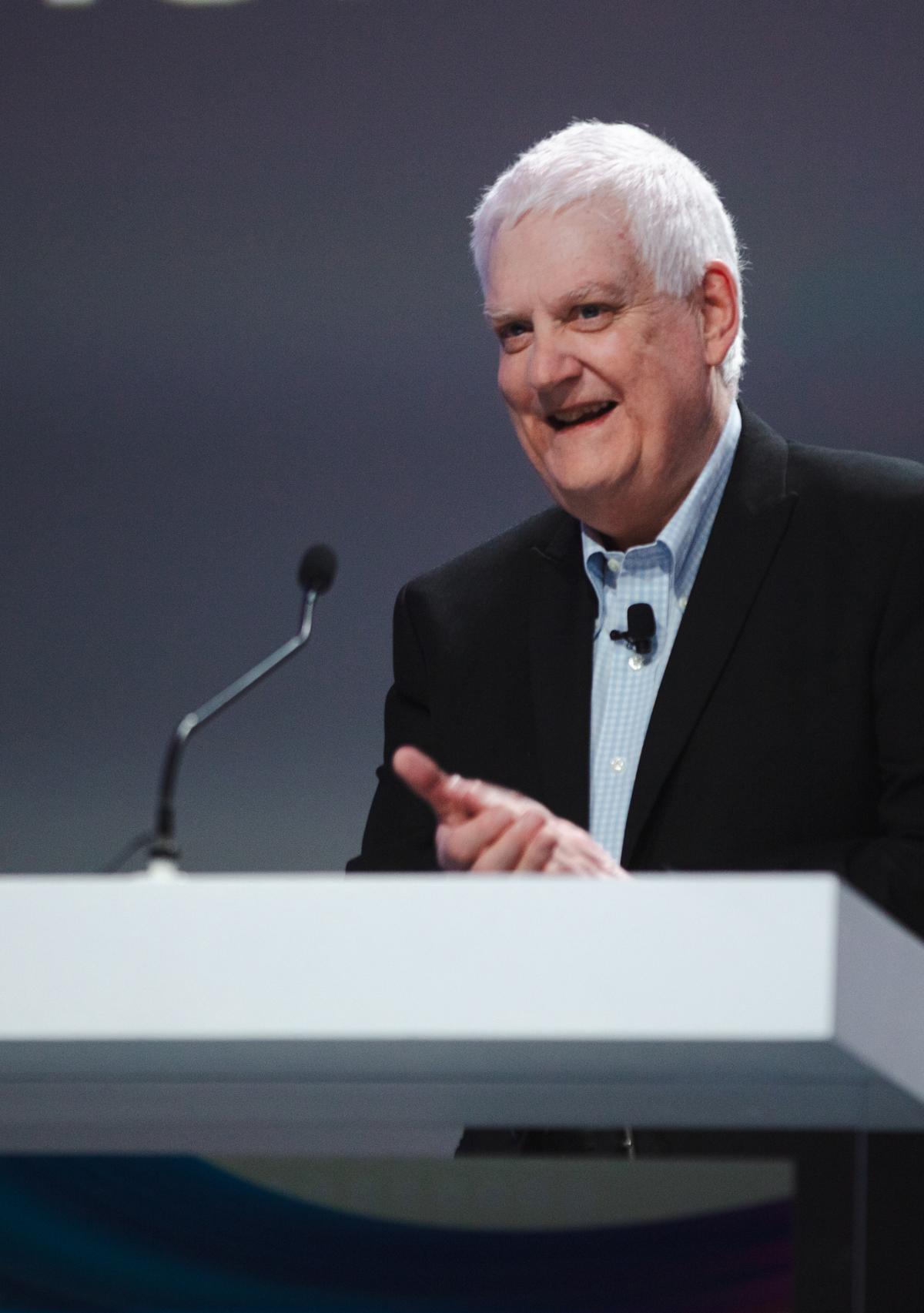
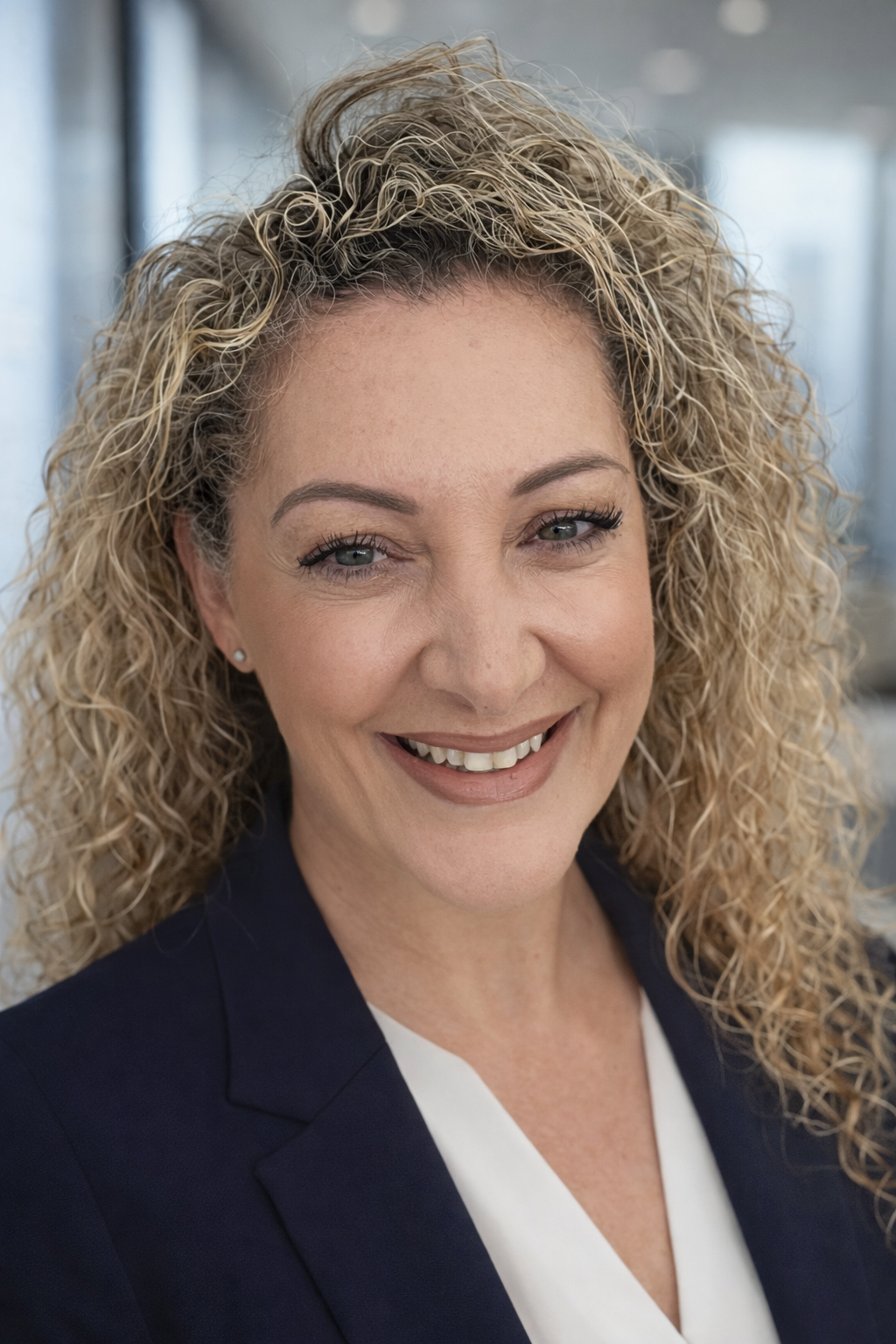
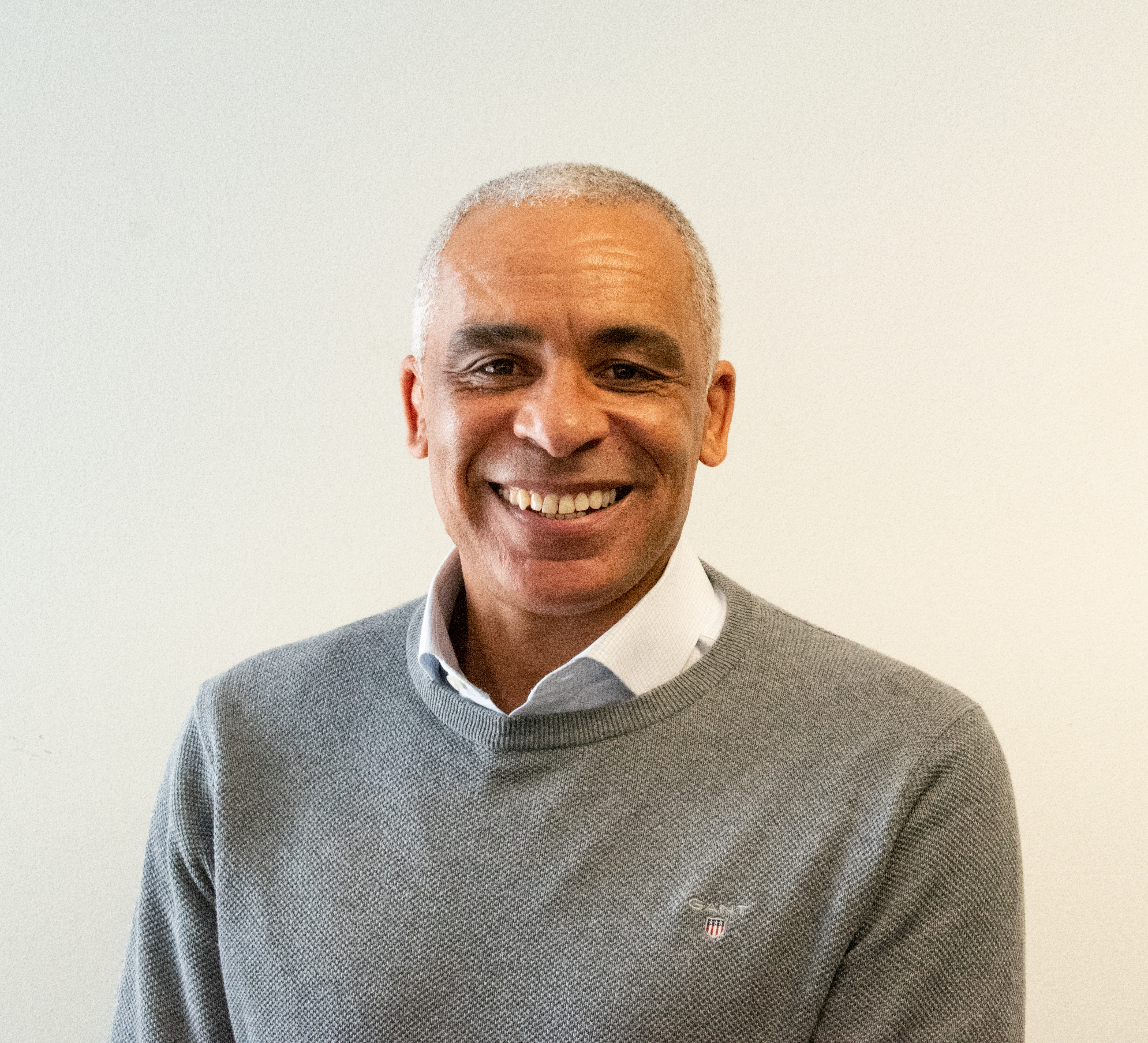
Mcilheney takes centre stage at ISPA’s conference annually / photo: ISPA
It was a landmark moment when the International Spa Association (ISPA) revealed its inaugural Spa Industry Study in 2000. The first of its kind, the report provided a true picture of the sector in the US and Canada, looking at the number of locations, their size, spa visits, revenues and employment figures. Released almost annually since then, it’s become an invaluable benchmark.
From day one, knowing how credibility was essential, ISPA teamed up with PricewaterhouseCoopers (PwC) – one of the world’s leading professional services and accounting firms – to gather and analyse the data.
And from day one, Colin Mcilheney has been a constant behind those figures. On p64, he digs out the gems from the latest 2025 US Spa Industry Study exclusively for Spa Business. But here, we find out more about the Irishman who delivers the findings at the ISPA conference each year and get his take on the major challenges and opportunities ahead.
How did it all start for you? I’ve always had an aptitude for numbers and a fascination with trend changes. At the same time, I’ve also been inquisitive about survey design and aside from my main career, I’ve been involved in the national census advisory group in Northern Ireland since the early 1990s.
My career in research has spanned the academic, public and private sectors – including 30 years at PwC. One of my biggest highlights was helping to establish PwC’s International Survey Unit. We were tasked with building a team of experts in questionnaire design and organising surveys, particularly on a global scale, who could also implement them, analyse the findings and come up with recommendations.
Our flagship study was an annual survey of chief executives, which still takes centre stage at the Davos World Economic Forum.
So you’ve travelled a lot? Yes. I’m from Northern Ireland and started with PwC in its Belfast office, but then moved to New York for 10 years to build up its reputation as a global specialist research centre. It’s been a tremendously enjoyable career visiting so many cities, from Johannesburg to Auckland, and being exposed to so many cultures.
What industries have you covered in your time? We adapted the PwC global survey to consult in a multitude of sectors, from the armed forces and aviation to banking. I’ve done a lot of work in the business and executive coaching market as well as with travel tour operators. Leisure and hospitality has been a particular specialism.
When did you start working with ISPA? I was drafted in as a survey expert in the late 1990s, creating and leading its very first Spa Industry Study.
I think of myself as an ‘institutional memory’ and one of the real beauties of research for this industry is that you can track the same metrics year-on-year. I’ve seen it grow from 3,000-4,000 spas to more than 20,000.
What’s the advantage of working on something for so long? You become sensitive to the small details – what does and doesn’t feel right – and can pinpoint trends, giving you the ability to talk with authority.
However, you have to be honest. In 2008, I had to deliver some tough messages in the height of the global downturn and again during the pandemic in 2020. But credibility is essential.
Another plus is the relationships I’ve made. Most of the biggest spa operators in the US freely hand over their sensitive data to me and the level of detail they give is the holy grail for analysts. A lot of responsibility comes with having access to this information and I take this incredibly seriously.
You set up your own consultancy nearly two years ago? Yes, I’ve just turned 70 and now have four grandsons, so it was time to retire. I’ve maintained clients in the coaching and travel sector, but ISPA is still my main focus. In 2022, they presented me with the Distinguished Service Award for contributions to the industry and that really meant a lot to me. I’ve already started on the 2026 study – and long may our relationship continue, I say.
What’s your key takeaway from the latest US Spa Industry Study? I give a full summary on p64, but I think it’s got to be the 187 million spa visits that were recorded in the last year. This demonstrates that we’re starting to see a real return to spa, which has been a concern for a number of years. They’re not back to pre-pandemic levels yet, but they’ve gone up by a significant 3.1 per cent, showing that efforts to entice clients back are paying off.
Revenues are also up by 5.8 per cent to US$22.5 billion (€19.15 billion, £16.67 billion) and there’s clear evidence that visitors are spending more each time. As far as I can tell, there hasn’t been a pushback on prices going up – yet – but the reality is that you can’t squeeze people indefinitely. To keep growing, spas need to reach out to different demographics. There’s a large number of Americans who never go to spas.
Where’s the untapped potential? I’ve profiled spa guests across generations and it’s clear that baby boomers are dwindling. Remarkably, while we still think of millennials as Peter Pan, many are now in their 40s with more financial responsibilities. Gen Z, however, is rapidly emerging with spending power and I’m convinced they’ll be interested in spa-going.
What models are the most resilient? Some ultra-high-end hotels, especially those tied to global luxury brands, are showing profit margins of up to 35 per cent. But not all is rosy – 1,500 spas across the board aren’t making money and are feeling the impact of rising costs.
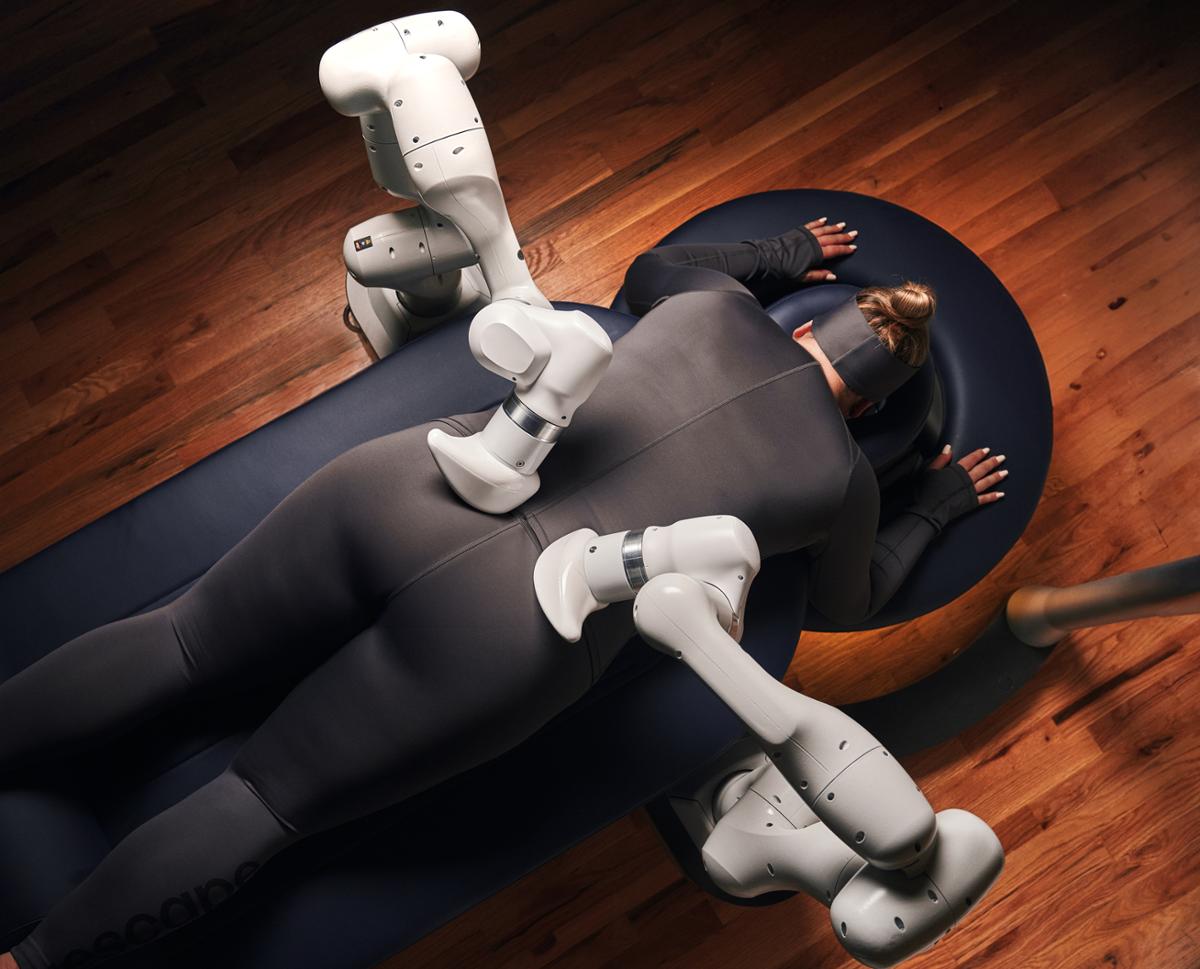
How do spa margins compare to adjacent sectors? Being labour-intensive, wages will always weigh on profits in comparison to the fitness or hospitality sectors. AI innovations like massage robots and other touchless therapies may help with this. But at its heart, I believe spa will always be a hands-on industry (literally) with high labour costs.
What numbers are stakeholders pushing for? Operators always ask me about compensation. It’s top of people’s minds and we first posed questions about it four, maybe five years ago. ISPA publishes average salary details for managers and therapists in its full study, though variation is huge. There hasn’t been much state-by-state analysis yet, but California is always a good barometer as it has such a high concentration of spas.
What’s the fallout from the Trump tariffs? They will definitely affect operators reliant on imports of raw materials, products and equipment. But they’re difficult to navigate, as they’re so volatile. The topic might be something ISPA focuses on in a dedicated snapshot survey and I imagine the issue will be addressed in its main 2026 study.
What other challenges do you foresee? If I were an operator, I’d be questioning whether the wellness trend will continue to dominate in the long-term. Will there be a point when consumers return to spas simply to be pampered? People are bombarded with advice on what’s good for them – perhaps they’ll just want to go somewhere to relax again.
What do the next 10 years look like for the industry? US spas have performed well for some time and I believe in the ‘build it and they will come’ approach. The key to growing faster lies in attracting more first-time visitors – because once they cross the threshold, we know they’ll spend.
Read more from this issue of Spa Business magazine
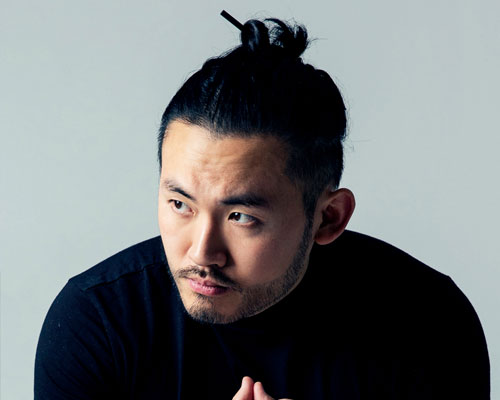
Spa people: Tim Fu
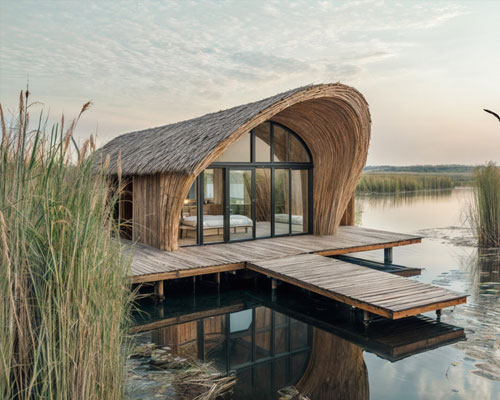
Leading a wellness architecture project in Slovenia that’s one of the first in the world to use AI in all stages of design
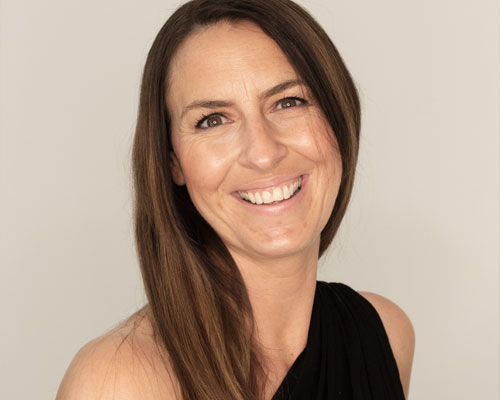
Spa people: Kayley Thomas
Lush is famous for its bath bombs and retail empire, but the co-founder of its day spa concept reveals why its 19 global spa facilities are so essential
Spa people: Colin Mcilheney
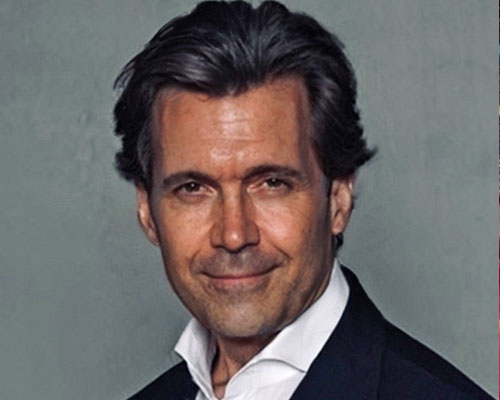
We find out more about Colin Mcilheney, the man who created the ISPA US Spa Industry Study and has been analysing the sector’s performance ever since
News report: Map of luxury
New research by WATG shows emerging wealth hubs in India, the Gulf, Southeast Asia and Africa are reshaping luxury travel demand
Interview: Chris Norton
The CEO of Equinox Hotels tells Katie Barnes how the uber-cool brand is scaling its bold fusion of fitness, spa and luxury
Ask an expert...: Recovery
From cryo to compression to contrast bathing, Julie Cramer investigates why and how spas and resorts are integrating recovery packages
Research: Behind the boom
What are the hidden messages in the latest US study by ISPA? Colin Mcilheney digs beneath the surface
Research: Bigger picture
Rising salaries and shifting consumer expectations – two new surveys by the UKSA and GSG reveal the trends impacting UK spa operators
Sponsored: Lemi - Good sensations
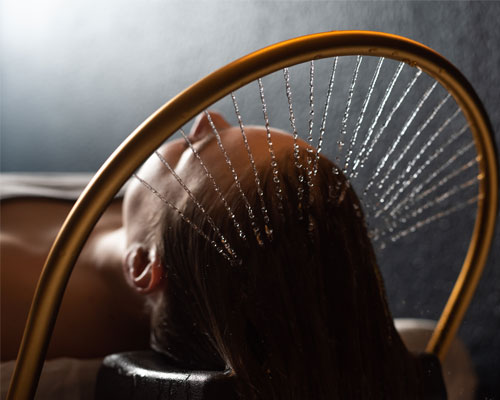
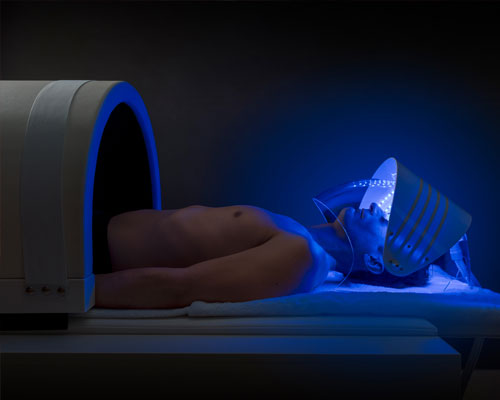
Lemi’s Venice Head Spa combines the beauty of Italian design with fine-tuned technology to provide the ultimate top-to-toe treatment station for spas
Sponsored: G.M. COLLIN – Smooth operator
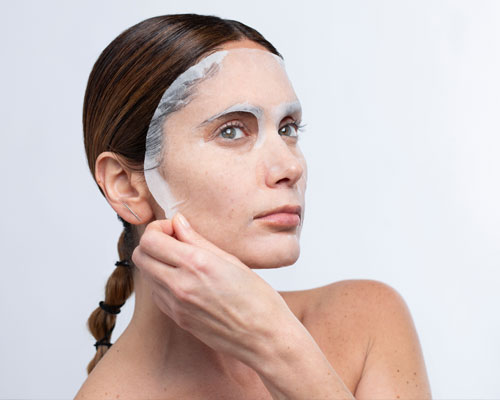
The new toner from G.M. Collin represents a ‘gold standard’ in leave-on liquid exfoliation for smooth and radiant results, without the irritation of a scrub
Sponsored: TechnoAlpin – Snow for all seasons
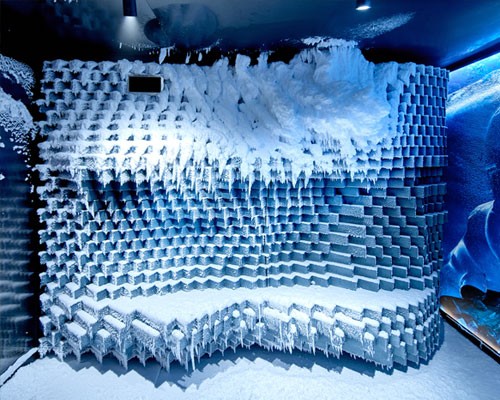
TechnoAlpin’s magical Snowroom installation at the Alpenrose resort brings the Austrian landscape and feel-good nature factor to its wellbeing experience
First person: Costa Blanca cure
Jane Kitchen visits Spain to compare and contrast two world-class medi-wellness clinics: well-established SHA and ambitious newcomer ZEM
Sponsored: Gharieni Group – Tech-powered recovery
The new brand in the Gharieni Group portfolio – Metawell – is delivering what today’s wellness clients are seeking most – deep recovery and mind-body renewal
Sponsored: BC Softwear – Human touch
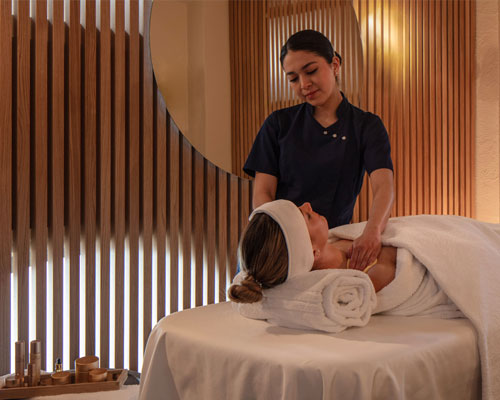
While touchless therapies are a positive addition to spas, nothing can replace the healing power of human touch, says Barbara Cooke
Sponsored: Yon-ka – A potent blend
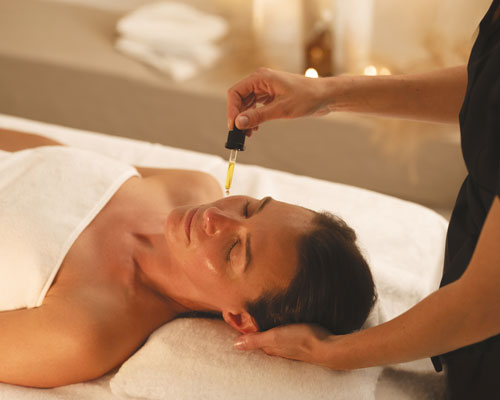
Yon-Ka’s new Serum Omega is a potent blend of Omega 3, 6 and 9 to target
dry, stressed-out skin and deliver a calm and nourishing client experience
Menu engineering: At your service
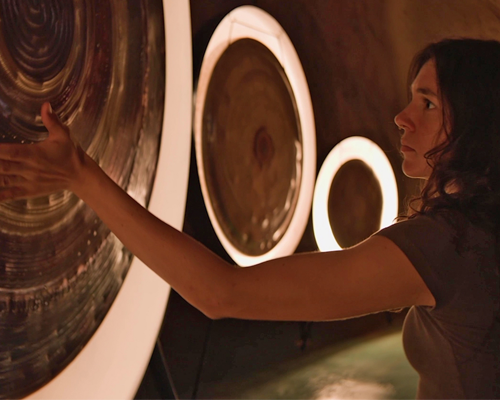
Self-playing gongs in Sweden, surfing therapy in Morocco and Ananda launches holistic diabetes management programme in India
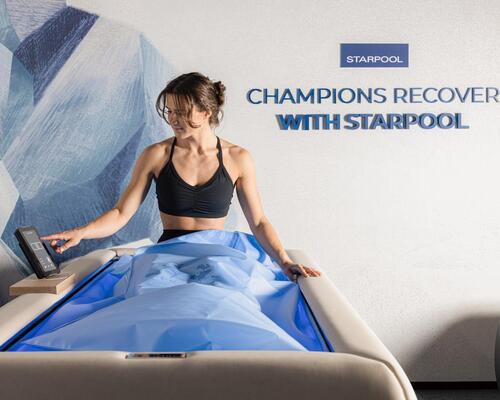
Contrast therapy, based on the alternation of hot and cold rituals, has become one of the
most valued practices in the fields of wellness and recovery. [more...]
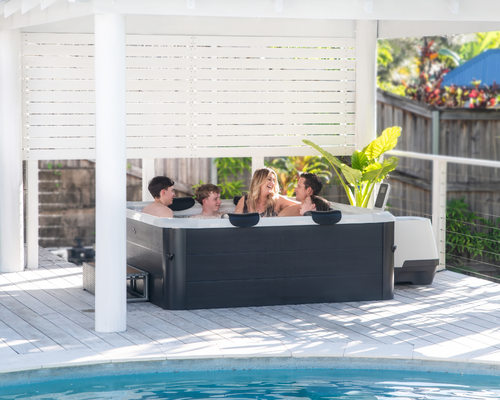
The MSpa Oslo series is a perennial bestseller in global markets. With innovative
engineering and premium performance, this completely portable spa line-up is expertly
designed to meet the needs of customers worldwide. [more...]
+ More featured suppliers
COMPANY PROFILES
Voya Organic Beauty
Voya Organic Beauty, founded in 2006 in Ireland by Mark Walton and Kira Guckian Walton, is a private [more...]
Power Plate
Power Plate is owned, manufactured and distributed by Northbrook, Ill.-based Performance Health Syst [more...]
Mcilheney takes centre stage at ISPA’s conference annually / photo: ISPA
It was a landmark moment when the International Spa Association (ISPA) revealed its inaugural Spa Industry Study in 2000. The first of its kind, the report provided a true picture of the sector in the US and Canada, looking at the number of locations, their size, spa visits, revenues and employment figures. Released almost annually since then, it’s become an invaluable benchmark.
From day one, knowing how credibility was essential, ISPA teamed up with PricewaterhouseCoopers (PwC) – one of the world’s leading professional services and accounting firms – to gather and analyse the data.
And from day one, Colin Mcilheney has been a constant behind those figures. On p64, he digs out the gems from the latest 2025 US Spa Industry Study exclusively for Spa Business. But here, we find out more about the Irishman who delivers the findings at the ISPA conference each year and get his take on the major challenges and opportunities ahead.
How did it all start for you? I’ve always had an aptitude for numbers and a fascination with trend changes. At the same time, I’ve also been inquisitive about survey design and aside from my main career, I’ve been involved in the national census advisory group in Northern Ireland since the early 1990s.
My career in research has spanned the academic, public and private sectors – including 30 years at PwC. One of my biggest highlights was helping to establish PwC’s International Survey Unit. We were tasked with building a team of experts in questionnaire design and organising surveys, particularly on a global scale, who could also implement them, analyse the findings and come up with recommendations.
Our flagship study was an annual survey of chief executives, which still takes centre stage at the Davos World Economic Forum.
So you’ve travelled a lot? Yes. I’m from Northern Ireland and started with PwC in its Belfast office, but then moved to New York for 10 years to build up its reputation as a global specialist research centre. It’s been a tremendously enjoyable career visiting so many cities, from Johannesburg to Auckland, and being exposed to so many cultures.
What industries have you covered in your time? We adapted the PwC global survey to consult in a multitude of sectors, from the armed forces and aviation to banking. I’ve done a lot of work in the business and executive coaching market as well as with travel tour operators. Leisure and hospitality has been a particular specialism.
When did you start working with ISPA? I was drafted in as a survey expert in the late 1990s, creating and leading its very first Spa Industry Study.
I think of myself as an ‘institutional memory’ and one of the real beauties of research for this industry is that you can track the same metrics year-on-year. I’ve seen it grow from 3,000-4,000 spas to more than 20,000.
What’s the advantage of working on something for so long? You become sensitive to the small details – what does and doesn’t feel right – and can pinpoint trends, giving you the ability to talk with authority.
However, you have to be honest. In 2008, I had to deliver some tough messages in the height of the global downturn and again during the pandemic in 2020. But credibility is essential.
Another plus is the relationships I’ve made. Most of the biggest spa operators in the US freely hand over their sensitive data to me and the level of detail they give is the holy grail for analysts. A lot of responsibility comes with having access to this information and I take this incredibly seriously.
You set up your own consultancy nearly two years ago? Yes, I’ve just turned 70 and now have four grandsons, so it was time to retire. I’ve maintained clients in the coaching and travel sector, but ISPA is still my main focus. In 2022, they presented me with the Distinguished Service Award for contributions to the industry and that really meant a lot to me. I’ve already started on the 2026 study – and long may our relationship continue, I say.
What’s your key takeaway from the latest US Spa Industry Study? I give a full summary on p64, but I think it’s got to be the 187 million spa visits that were recorded in the last year. This demonstrates that we’re starting to see a real return to spa, which has been a concern for a number of years. They’re not back to pre-pandemic levels yet, but they’ve gone up by a significant 3.1 per cent, showing that efforts to entice clients back are paying off.
Revenues are also up by 5.8 per cent to US$22.5 billion (€19.15 billion, £16.67 billion) and there’s clear evidence that visitors are spending more each time. As far as I can tell, there hasn’t been a pushback on prices going up – yet – but the reality is that you can’t squeeze people indefinitely. To keep growing, spas need to reach out to different demographics. There’s a large number of Americans who never go to spas.
Where’s the untapped potential? I’ve profiled spa guests across generations and it’s clear that baby boomers are dwindling. Remarkably, while we still think of millennials as Peter Pan, many are now in their 40s with more financial responsibilities. Gen Z, however, is rapidly emerging with spending power and I’m convinced they’ll be interested in spa-going.
What models are the most resilient? Some ultra-high-end hotels, especially those tied to global luxury brands, are showing profit margins of up to 35 per cent. But not all is rosy – 1,500 spas across the board aren’t making money and are feeling the impact of rising costs.
How do spa margins compare to adjacent sectors? Being labour-intensive, wages will always weigh on profits in comparison to the fitness or hospitality sectors. AI innovations like massage robots and other touchless therapies may help with this. But at its heart, I believe spa will always be a hands-on industry (literally) with high labour costs.
What numbers are stakeholders pushing for? Operators always ask me about compensation. It’s top of people’s minds and we first posed questions about it four, maybe five years ago. ISPA publishes average salary details for managers and therapists in its full study, though variation is huge. There hasn’t been much state-by-state analysis yet, but California is always a good barometer as it has such a high concentration of spas.
What’s the fallout from the Trump tariffs? They will definitely affect operators reliant on imports of raw materials, products and equipment. But they’re difficult to navigate, as they’re so volatile. The topic might be something ISPA focuses on in a dedicated snapshot survey and I imagine the issue will be addressed in its main 2026 study.
What other challenges do you foresee? If I were an operator, I’d be questioning whether the wellness trend will continue to dominate in the long-term. Will there be a point when consumers return to spas simply to be pampered? People are bombarded with advice on what’s good for them – perhaps they’ll just want to go somewhere to relax again.
What do the next 10 years look like for the industry? US spas have performed well for some time and I believe in the ‘build it and they will come’ approach. The key to growing faster lies in attracting more first-time visitors – because once they cross the threshold, we know they’ll spend.
Read more from this issue of Spa Business magazine
Spa people: Tim Fu
Leading a wellness architecture project in Slovenia that’s one of the first in the world to use AI in all stages of design
Spa people: Kayley Thomas
Lush is famous for its bath bombs and retail empire, but the co-founder of its day spa concept reveals why its 19 global spa facilities are so essential
Spa people: Colin Mcilheney
We find out more about Colin Mcilheney, the man who created the ISPA US Spa Industry Study and has been analysing the sector’s performance ever since
News report: Map of luxury
New research by WATG shows emerging wealth hubs in India, the Gulf, Southeast Asia and Africa are reshaping luxury travel demand
Interview: Chris Norton
The CEO of Equinox Hotels tells Katie Barnes how the uber-cool brand is scaling its bold fusion of fitness, spa and luxury
Ask an expert...: Recovery
From cryo to compression to contrast bathing, Julie Cramer investigates why and how spas and resorts are integrating recovery packages
Research: Behind the boom
What are the hidden messages in the latest US study by ISPA? Colin Mcilheney digs beneath the surface
Research: Bigger picture
Rising salaries and shifting consumer expectations – two new surveys by the UKSA and GSG reveal the trends impacting UK spa operators
Sponsored: Lemi - Good sensations
Lemi’s Venice Head Spa combines the beauty of Italian design with fine-tuned technology to provide the ultimate top-to-toe treatment station for spas
Sponsored: G.M. COLLIN – Smooth operator
The new toner from G.M. Collin represents a ‘gold standard’ in leave-on liquid exfoliation for smooth and radiant results, without the irritation of a scrub
Sponsored: TechnoAlpin – Snow for all seasons
TechnoAlpin’s magical Snowroom installation at the Alpenrose resort brings the Austrian landscape and feel-good nature factor to its wellbeing experience
First person: Costa Blanca cure
Jane Kitchen visits Spain to compare and contrast two world-class medi-wellness clinics: well-established SHA and ambitious newcomer ZEM
Sponsored: Gharieni Group – Tech-powered recovery
The new brand in the Gharieni Group portfolio – Metawell – is delivering what today’s wellness clients are seeking most – deep recovery and mind-body renewal
Sponsored: BC Softwear – Human touch
While touchless therapies are a positive addition to spas, nothing can replace the healing power of human touch, says Barbara Cooke
Sponsored: Yon-ka – A potent blend
Yon-Ka’s new Serum Omega is a potent blend of Omega 3, 6 and 9 to target
dry, stressed-out skin and deliver a calm and nourishing client experience
Menu engineering: At your service
Self-playing gongs in Sweden, surfing therapy in Morocco and Ananda launches holistic diabetes management programme in India
A new survey of UK and international spa practitioners shows that stress, burnout and
wellbeing concerns have caused one in three respondents to consider leaving the industry.
The UK's four Chief Medical Officers have published a refreshed edition of Physical activity
guidelines: UK Chief Medical Officers' report, updating the evidence that underpins the nation's
physical activity recommendations and placing greater emphasis on strength, balance, reducing
sedentary behaviour and, for the first time, supporting people taking weight loss medications.
Anna Bjurstam has left her role as Wellness Pioneer at Six Senses Hotels and Resorts and
launched a new wellness, longevity and “consciousness consultancy” called Wahayla.
Fairmont Cheshire, The Mere, has opened today (10 July) in the Northwest of England
with a
1,715sq m Fairmont Spa that has been designed using a ‘Wellness without Walls’
concept.
Wellness hotels generating less than US$1 million (€932,700, £785,200) – or 10 per cent of
total revenue from wellness and leisure – recorded the strongest RevPAR and TRevPAR growth
in 2025 across categories when compared with 2024, according to the latest Wellness Real
Estate Report by RLA Global, produced in partnership with P and L benchmarking firm HotStats.
Lefay Resorts, the portfolio of two luxury wellness properties in Italy, has added emotional
dance classes and group cold plunge sessions in response to market demand for social
connection.
Aditya Saluja, an industry leader in luxury wellness hospitality, has been
appointed as
commercial director of spa and wellness for the spa management division of
Minor Hotels,
MSpa International.
Contrast therapy, based on the alternation of hot and cold rituals, has become one of the
most valued practices in the fields of wellness and recovery. [more...]
The MSpa Oslo series is a perennial bestseller in global markets. With innovative
engineering and premium performance, this completely portable spa line-up is expertly
designed to meet the needs of customers worldwide. [more...]
+ More featured suppliers
COMPANY PROFILES
Voya Organic Beauty Voya Organic Beauty, founded in 2006 in Ireland by Mark Walton and Kira Guckian Walton, is a private [more...]