In a Spa Business exclusive, the author of the 2025 ISPA US Spa Industry Study, Colin Mcilheney, reveals the fresh trends and opportunities shaping the US sector’s next wave of growth
Spa visits are finally on the up, increasing by 5 million in the last year / photo: shutterstock/Alina RosanovA
Business is booming! This is the message one hears loud and clear at the moment from many spas and it’s undoubtedly true in most cases. However, there’s much more to see than these banner headlines. Some spas are runaway successes – others are not. The key is to understand what’s driving these diverse outcomes so individual outlets can better tailor their offering to the consumer.
By looking in more detail at the 2025 ISPA US Spa Industry Study by the International Spa Association (ISPA), based on responses from 2,832 operators, some nuances begin to emerge. These nuggets give a clearer picture of trends and patterns in key metrics.
BUILD IT AND THEY WILL COME There’s a striking symmetry between the number of spas and revenues generated in this year’s ISPA study. Some 22,000 locations are generating more than US$22 billion (€18.7 billion, £16.3 billion) as shown in the study’s Big Five statistics in Table 1. It’s a remarkable growth trajectory from the first ISPA study in 1999, which recorded just 4,140 locations.
Total revenues are at an all-time high. In fact, there’s been close to 6 per cent growth in revenues across the board, with US spas adding US$1.2 billion (€1.02 billion, £888 million) to the previous year’s tally. It’s also noteworthy that the average annual revenue per spa has broken through the US$1 million (€850,000, £740,000) threshold for the first time since the turn of the millennium.
However, within the aggregate tallies, there are some stark differences, particularly in terms of profitability. For instance, in the ultra-luxury high-end segment, some spas are showing profits of more than 35 per cent, while in general, the study shows that over 1,500 spas are operating at a loss, which raises questions about sustainability.
Another macro-level finding is that while the industry took a decade to recover from the global financial crisis of 2008, the bounce back from the 2020 pandemic has been quicker and steeper, with many metrics rebounding within four years. It’s a testament to the resilience of the sector that even when COVID-19 was raging, the number of planned openings still exceeded the actual number of closures. This highlighted the long-term belief that the spa industry could ride out this shorter-term disaster and the strong revival in numbers in the current figures shows that the confidence was well placed.
FIVE MILLION MORE VISITS At the 2024 ISPA conference in Phoenix, many operators voiced concerns about getting spa visits up to pre-pandemic levels. This is a warranted worry because if the number of visits doesn’t increase, the only way to stay on a trajectory of rising revenue is to increase pricing – leading to consumer kickback when those in the US economy, like many others globally, are facing a cost-of-living crisis.
It became clear that operators must devise initiatives to entice more customers and tap into a reservoir of new spa-goers, rather than squeezing additional money out of existing regular clients. In a happy coincidence, parallel consumer research showed there was indeed huge potential to attract various demographic groups to spas. Crucially, the emerging Gen Z segment presents one of the biggest opportunities. If spas can capture them now, they’ll provide the bedrock for future generations of hopefully regular spa-goers.
It’s therefore very encouraging that the latest ISPA study numbers show an annual increase of 5 million visits. While the 187 million visit total is still 3 million less than the all-time high achieved just before the pandemic, it is a remarkable turnaround from 2019/2020 when visits were 53 million lower. There’s still work to be done, but there are promising signs that spa visitor numbers could reach the important 190 million threshold for the current year.
SURGE IN SPEND Perhaps, the most positive statistic from ISPA’s 2025 study is that revenues per visit have reached a record high of US$120 (€149, £129). Indeed, the real revenue growth across all sectors was underpinned by the 21 per cent rise in average revenue per visit between 2019 and 2024. Yes, prices have increased, but some contribution has also come from already attracting a greater range of consumers.
When delving into the numbers, however, there’s a huge variation. Notably, resort and hotel spas average US$175 (€149, £129) per visit, which is nearly double the amount of US$108 (€92, £80) per day spa.
Even within these two large groups, there are noticeable differences with many operators across the board saying they’re performing better or worse than the averages, based on a number of significant outliers at the upper and lower ends of the segments. Some resort/hotel spas reported average spends in excess of US$300 (€255, £222), perhaps driven by the much commented on White Lotus effect. Equally, there are day spas reporting spend per visit in and around the US$70 (€60, £52) mark.
What this highlights is that the spa industry is a great example of where one hat doesn’t fit all and that digging deeper into the complexities of the data will reveal some genuine hidden gems of information.
WORKFORCE SUCCESS The latest number for total employment in the US spa industry stands at 376,200. This is an increase of just over 6,000, or 1.6 per cent, since January 2024. The growth is an indication that the workforce is now back to within 2 per cent of its pre-pandemic level.
Over recent years, the percentage share of full-time and part-time employment has stayed reasonably static. Yet the most recent statistics show full-time employment gaining by 1,700, while part-time employment increased by 5,400. In addition, there’s been a steady decline in independent contractors over the past few years. The latest numbers show an annual drop of 1,000 to an overall total of 14,500 in January 2025.
There’s positive news in terms of unfilled positions. Just a few years ago, there were more than 40,000 vacancies across all types of employment in the US spa industry, but this has been reduced to under 25,000. In an industry that focuses on numbers and trends, this is actually one area in which a decline is actually good news.
Looking at specific occupational categories, there are 17,760 service provider job openings, of which just under 3,500 are aestheticians and 12,280 are massage therapists. What’s more, the most recent analysis shows 300 unstaffed spa director positions and a further 1,000 openings for spa managers.
It’s clear that the many ongoing recruitment initiatives and coordinated efforts are helping to reduce what has been a stubbornly high number of vacancies for several years. This should be celebrated as an industry-wide success story and it will be a key data point to track going forward to see if the downward trend continues.
CLEAR SKIES OR grey CLOUDS? At the 2025 ISPA conference this year in Colorado Springs, there was a distinct feeling of optimism rising from the encouraging revenue and employment metrics. Yet even in the clear Colorado air, it was evident that there were some gathering clouds on the horizon.
Respondents to the ISPA study noted several significant challenges. Concerns include inflation, ageing facilities, saturated local markets, improving profit margins and growing retail sales in what is a highly competitive environment. And, of course, the emerging elephant in the room – trade tariffs. With spas needing to import so many business essentials, this will be one of the most vital aspects that will need to be monitored closely in the coming months. It’s also linked to an essential truth – if tourism numbers to the US decline, this will inevitably have an adverse spin-off effect.
On a more upbeat note, study respondents also highlighted opportunities for development. There’s a major trend towards spas being increasingly woven into wellness lifestyles, with younger demographics embracing them as part of ongoing health routines – pointing to significant potential growth for the industry.”
• A full copy of the 2025 ISPA US Spa Industry Study is available at experienceispa.com.
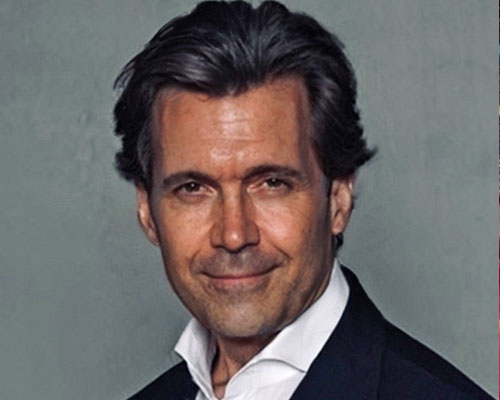
Colin Mcilheney, former global research lead at PwC, has worked on the ISPA Spa Industry Study since its inception in 2000. He’s drilled down into its latest figures exclusively for Spa Business magazine. To find out more about the man behind the numbers, see p22.
photo: ISPA
"The huge drop in job vacancies
should be celebrated as an
industry-wide success" - Colin Mcilheney
Read more from this issue of Spa Business magazine
Spa people: Tim Fu
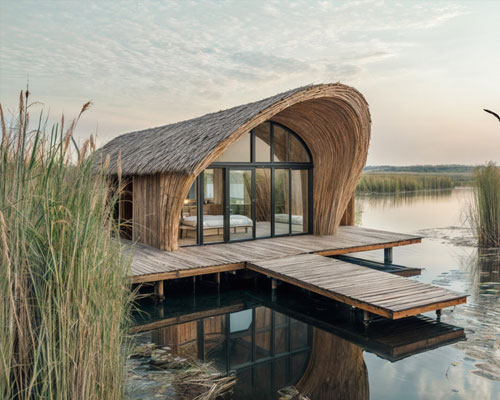
Leading a wellness architecture project in Slovenia that’s one of the first in the world to use AI in all stages of design
Spa people: Kayley Thomas
Lush is famous for its bath bombs and retail empire, but the co-founder of its day spa concept reveals why its 19 global spa facilities are so essential
Spa people: Colin Mcilheney
We find out more about Colin Mcilheney, the man who created the ISPA US Spa Industry Study and has been analysing the sector’s performance ever since
News report: Map of luxury
New research by WATG shows emerging wealth hubs in India, the Gulf, Southeast Asia and Africa are reshaping luxury travel demand
Interview: Chris Norton
The CEO of Equinox Hotels tells Katie Barnes how the uber-cool brand is scaling its bold fusion of fitness, spa and luxury
Ask an expert...: Recovery
From cryo to compression to contrast bathing, Julie Cramer investigates why and how spas and resorts are integrating recovery packages
Research: Behind the boom
What are the hidden messages in the latest US study by ISPA? Colin Mcilheney digs beneath the surface
Research: Bigger picture
Rising salaries and shifting consumer expectations – two new surveys by the UKSA and GSG reveal the trends impacting UK spa operators
Sponsored: Lemi - Good sensations
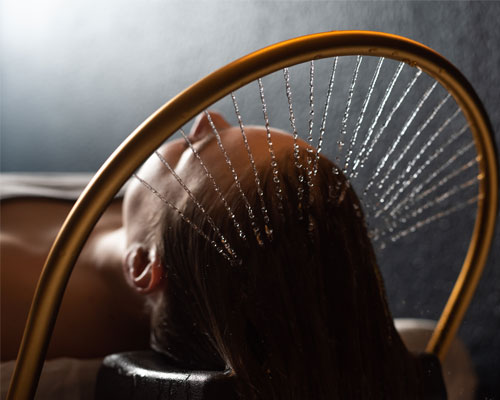
Lemi’s Venice Head Spa combines the beauty of Italian design with fine-tuned technology to provide the ultimate top-to-toe treatment station for spas
Sponsored: G.M. COLLIN – Smooth operator
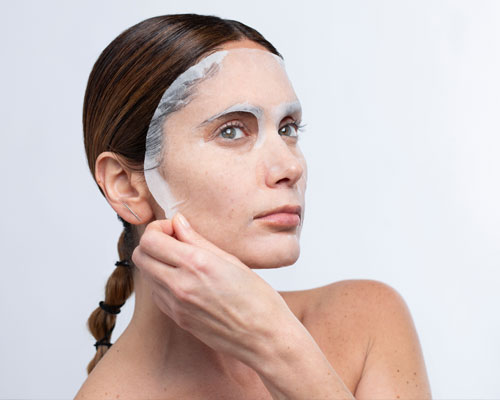
The new toner from G.M. Collin represents a ‘gold standard’ in leave-on liquid exfoliation for smooth and radiant results, without the irritation of a scrub
Sponsored: TechnoAlpin – Snow for all seasons
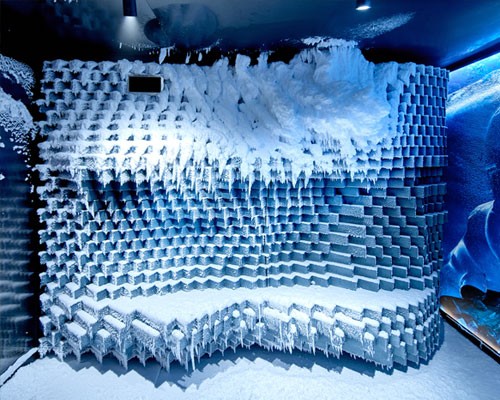
TechnoAlpin’s magical Snowroom installation at the Alpenrose resort brings the Austrian landscape and feel-good nature factor to its wellbeing experience
First person: Costa Blanca cure
Jane Kitchen visits Spain to compare and contrast two world-class medi-wellness clinics: well-established SHA and ambitious newcomer ZEM
Sponsored: Gharieni Group – Tech-powered recovery
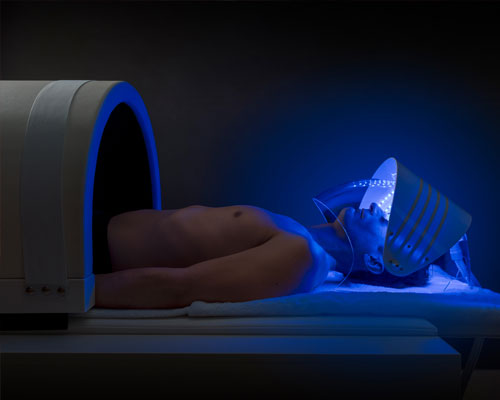
The new brand in the Gharieni Group portfolio – Metawell – is delivering what today’s wellness clients are seeking most – deep recovery and mind-body renewal
Sponsored: BC Softwear – Human touch
While touchless therapies are a positive addition to spas, nothing can replace the healing power of human touch, says Barbara Cooke
Sponsored: Yon-ka – A potent blend
Yon-Ka’s new Serum Omega is a potent blend of Omega 3, 6 and 9 to target
dry, stressed-out skin and deliver a calm and nourishing client experience
Menu engineering: At your service
Self-playing gongs in Sweden, surfing therapy in Morocco and Ananda launches holistic diabetes management programme in India
In the fast-paced world of fitness and wellness, where high-intensity workouts push us to
our limits and the sweat pours, the importance of efficient recovery cannot be overstated. [more...]
Contrast therapy, based on the alternation of hot and cold rituals, has become one of the
most valued practices in the fields of wellness and recovery. [more...]
+ More featured suppliers
COMPANY PROFILES
Borghese Roma
Borghese is an Italian luxury skincare brand founded in 1957 by Princess Marcella Borghese. [more...]
RKF Luxury Linen
RKF Luxury Linen, established in the East of France for several decades, owns an artisanal know-how [more...]
In a Spa Business exclusive, the author of the 2025 ISPA US Spa Industry Study, Colin Mcilheney, reveals the fresh trends and opportunities shaping the US sector’s next wave of growth
Spa visits are finally on the up, increasing by 5 million in the last year / photo: shutterstock/Alina RosanovA
Business is booming! This is the message one hears loud and clear at the moment from many spas and it’s undoubtedly true in most cases. However, there’s much more to see than these banner headlines. Some spas are runaway successes – others are not. The key is to understand what’s driving these diverse outcomes so individual outlets can better tailor their offering to the consumer.
By looking in more detail at the 2025 ISPA US Spa Industry Study by the International Spa Association (ISPA), based on responses from 2,832 operators, some nuances begin to emerge. These nuggets give a clearer picture of trends and patterns in key metrics.
BUILD IT AND THEY WILL COME There’s a striking symmetry between the number of spas and revenues generated in this year’s ISPA study. Some 22,000 locations are generating more than US$22 billion (€18.7 billion, £16.3 billion) as shown in the study’s Big Five statistics in Table 1. It’s a remarkable growth trajectory from the first ISPA study in 1999, which recorded just 4,140 locations.
Total revenues are at an all-time high. In fact, there’s been close to 6 per cent growth in revenues across the board, with US spas adding US$1.2 billion (€1.02 billion, £888 million) to the previous year’s tally. It’s also noteworthy that the average annual revenue per spa has broken through the US$1 million (€850,000, £740,000) threshold for the first time since the turn of the millennium.
However, within the aggregate tallies, there are some stark differences, particularly in terms of profitability. For instance, in the ultra-luxury high-end segment, some spas are showing profits of more than 35 per cent, while in general, the study shows that over 1,500 spas are operating at a loss, which raises questions about sustainability.
Another macro-level finding is that while the industry took a decade to recover from the global financial crisis of 2008, the bounce back from the 2020 pandemic has been quicker and steeper, with many metrics rebounding within four years. It’s a testament to the resilience of the sector that even when COVID-19 was raging, the number of planned openings still exceeded the actual number of closures. This highlighted the long-term belief that the spa industry could ride out this shorter-term disaster and the strong revival in numbers in the current figures shows that the confidence was well placed.
FIVE MILLION MORE VISITS At the 2024 ISPA conference in Phoenix, many operators voiced concerns about getting spa visits up to pre-pandemic levels. This is a warranted worry because if the number of visits doesn’t increase, the only way to stay on a trajectory of rising revenue is to increase pricing – leading to consumer kickback when those in the US economy, like many others globally, are facing a cost-of-living crisis.
It became clear that operators must devise initiatives to entice more customers and tap into a reservoir of new spa-goers, rather than squeezing additional money out of existing regular clients. In a happy coincidence, parallel consumer research showed there was indeed huge potential to attract various demographic groups to spas. Crucially, the emerging Gen Z segment presents one of the biggest opportunities. If spas can capture them now, they’ll provide the bedrock for future generations of hopefully regular spa-goers.
It’s therefore very encouraging that the latest ISPA study numbers show an annual increase of 5 million visits. While the 187 million visit total is still 3 million less than the all-time high achieved just before the pandemic, it is a remarkable turnaround from 2019/2020 when visits were 53 million lower. There’s still work to be done, but there are promising signs that spa visitor numbers could reach the important 190 million threshold for the current year.
SURGE IN SPEND Perhaps, the most positive statistic from ISPA’s 2025 study is that revenues per visit have reached a record high of US$120 (€149, £129). Indeed, the real revenue growth across all sectors was underpinned by the 21 per cent rise in average revenue per visit between 2019 and 2024. Yes, prices have increased, but some contribution has also come from already attracting a greater range of consumers.
When delving into the numbers, however, there’s a huge variation. Notably, resort and hotel spas average US$175 (€149, £129) per visit, which is nearly double the amount of US$108 (€92, £80) per day spa.
Even within these two large groups, there are noticeable differences with many operators across the board saying they’re performing better or worse than the averages, based on a number of significant outliers at the upper and lower ends of the segments. Some resort/hotel spas reported average spends in excess of US$300 (€255, £222), perhaps driven by the much commented on White Lotus effect. Equally, there are day spas reporting spend per visit in and around the US$70 (€60, £52) mark.
What this highlights is that the spa industry is a great example of where one hat doesn’t fit all and that digging deeper into the complexities of the data will reveal some genuine hidden gems of information.
WORKFORCE SUCCESS The latest number for total employment in the US spa industry stands at 376,200. This is an increase of just over 6,000, or 1.6 per cent, since January 2024. The growth is an indication that the workforce is now back to within 2 per cent of its pre-pandemic level.
Over recent years, the percentage share of full-time and part-time employment has stayed reasonably static. Yet the most recent statistics show full-time employment gaining by 1,700, while part-time employment increased by 5,400. In addition, there’s been a steady decline in independent contractors over the past few years. The latest numbers show an annual drop of 1,000 to an overall total of 14,500 in January 2025.
There’s positive news in terms of unfilled positions. Just a few years ago, there were more than 40,000 vacancies across all types of employment in the US spa industry, but this has been reduced to under 25,000. In an industry that focuses on numbers and trends, this is actually one area in which a decline is actually good news.
Looking at specific occupational categories, there are 17,760 service provider job openings, of which just under 3,500 are aestheticians and 12,280 are massage therapists. What’s more, the most recent analysis shows 300 unstaffed spa director positions and a further 1,000 openings for spa managers.
It’s clear that the many ongoing recruitment initiatives and coordinated efforts are helping to reduce what has been a stubbornly high number of vacancies for several years. This should be celebrated as an industry-wide success story and it will be a key data point to track going forward to see if the downward trend continues.
CLEAR SKIES OR grey CLOUDS? At the 2025 ISPA conference this year in Colorado Springs, there was a distinct feeling of optimism rising from the encouraging revenue and employment metrics. Yet even in the clear Colorado air, it was evident that there were some gathering clouds on the horizon.
Respondents to the ISPA study noted several significant challenges. Concerns include inflation, ageing facilities, saturated local markets, improving profit margins and growing retail sales in what is a highly competitive environment. And, of course, the emerging elephant in the room – trade tariffs. With spas needing to import so many business essentials, this will be one of the most vital aspects that will need to be monitored closely in the coming months. It’s also linked to an essential truth – if tourism numbers to the US decline, this will inevitably have an adverse spin-off effect.
On a more upbeat note, study respondents also highlighted opportunities for development. There’s a major trend towards spas being increasingly woven into wellness lifestyles, with younger demographics embracing them as part of ongoing health routines – pointing to significant potential growth for the industry.”
• A full copy of the 2025 ISPA US Spa Industry Study is available at experienceispa.com.
Colin Mcilheney, former global research lead at PwC, has worked on the ISPA Spa Industry Study since its inception in 2000. He’s drilled down into its latest figures exclusively for Spa Business magazine. To find out more about the man behind the numbers, see p22.
photo: ISPA
"The huge drop in job vacancies
should be celebrated as an
industry-wide success" - Colin Mcilheney
Read more from this issue of Spa Business magazine
Spa people: Tim Fu
Leading a wellness architecture project in Slovenia that’s one of the first in the world to use AI in all stages of design
Spa people: Kayley Thomas
Lush is famous for its bath bombs and retail empire, but the co-founder of its day spa concept reveals why its 19 global spa facilities are so essential
Spa people: Colin Mcilheney
We find out more about Colin Mcilheney, the man who created the ISPA US Spa Industry Study and has been analysing the sector’s performance ever since
News report: Map of luxury
New research by WATG shows emerging wealth hubs in India, the Gulf, Southeast Asia and Africa are reshaping luxury travel demand
Interview: Chris Norton
The CEO of Equinox Hotels tells Katie Barnes how the uber-cool brand is scaling its bold fusion of fitness, spa and luxury
Ask an expert...: Recovery
From cryo to compression to contrast bathing, Julie Cramer investigates why and how spas and resorts are integrating recovery packages
Research: Behind the boom
What are the hidden messages in the latest US study by ISPA? Colin Mcilheney digs beneath the surface
Research: Bigger picture
Rising salaries and shifting consumer expectations – two new surveys by the UKSA and GSG reveal the trends impacting UK spa operators
Sponsored: Lemi - Good sensations
Lemi’s Venice Head Spa combines the beauty of Italian design with fine-tuned technology to provide the ultimate top-to-toe treatment station for spas
Sponsored: G.M. COLLIN – Smooth operator
The new toner from G.M. Collin represents a ‘gold standard’ in leave-on liquid exfoliation for smooth and radiant results, without the irritation of a scrub
Sponsored: TechnoAlpin – Snow for all seasons
TechnoAlpin’s magical Snowroom installation at the Alpenrose resort brings the Austrian landscape and feel-good nature factor to its wellbeing experience
First person: Costa Blanca cure
Jane Kitchen visits Spain to compare and contrast two world-class medi-wellness clinics: well-established SHA and ambitious newcomer ZEM
Sponsored: Gharieni Group – Tech-powered recovery
The new brand in the Gharieni Group portfolio – Metawell – is delivering what today’s wellness clients are seeking most – deep recovery and mind-body renewal
Sponsored: BC Softwear – Human touch
While touchless therapies are a positive addition to spas, nothing can replace the healing power of human touch, says Barbara Cooke
Sponsored: Yon-ka – A potent blend
Yon-Ka’s new Serum Omega is a potent blend of Omega 3, 6 and 9 to target
dry, stressed-out skin and deliver a calm and nourishing client experience
Menu engineering: At your service
Self-playing gongs in Sweden, surfing therapy in Morocco and Ananda launches holistic diabetes management programme in India
A new survey of UK and international spa practitioners shows that stress, burnout and
wellbeing concerns have caused one in three respondents to consider leaving the industry.
The UK's four Chief Medical Officers have published a refreshed edition of Physical activity
guidelines: UK Chief Medical Officers' report, updating the evidence that underpins the nation's
physical activity recommendations and placing greater emphasis on strength, balance, reducing
sedentary behaviour and, for the first time, supporting people taking weight loss medications.
Anna Bjurstam has left her role as Wellness Pioneer at Six Senses Hotels and Resorts and
launched a new wellness, longevity and “consciousness consultancy” called Wahayla.
Fairmont Cheshire, The Mere, has opened today (10 July) in the Northwest of England
with a
1,715sq m Fairmont Spa that has been designed using a ‘Wellness without Walls’
concept.
Wellness hotels generating less than US$1 million (€932,700, £785,200) – or 10 per cent of
total revenue from wellness and leisure – recorded the strongest RevPAR and TRevPAR growth
in 2025 across categories when compared with 2024, according to the latest Wellness Real
Estate Report by RLA Global, produced in partnership with P and L benchmarking firm HotStats.
Lefay Resorts, the portfolio of two luxury wellness properties in Italy, has added emotional
dance classes and group cold plunge sessions in response to market demand for social
connection.
Aditya Saluja, an industry leader in luxury wellness hospitality, has been
appointed as
commercial director of spa and wellness for the spa management division of
Minor Hotels,
MSpa International.
In the fast-paced world of fitness and wellness, where high-intensity workouts push us to
our limits and the sweat pours, the importance of efficient recovery cannot be overstated. [more...]
Contrast therapy, based on the alternation of hot and cold rituals, has become one of the
most valued practices in the fields of wellness and recovery. [more...]
+ More featured suppliers
COMPANY PROFILES
Borghese Roma Borghese is an Italian luxury skincare brand founded in 1957 by Princess Marcella Borghese. [more...]