While hotels the world over are postponing wellness plans to focus on their core business in the aftermath of the pandemic, Banyan Tree is forging ahead with a new Wellbeing Sanctuary. The group’s executive director of wellbeing tells Katie Barnes why
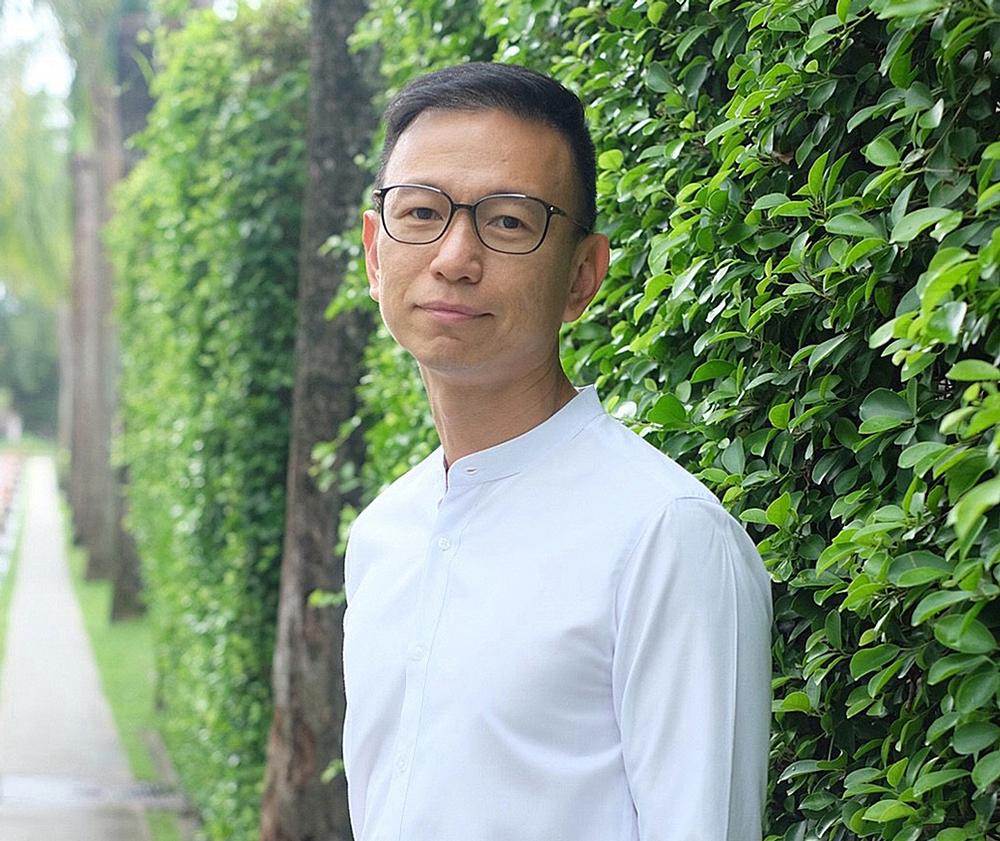
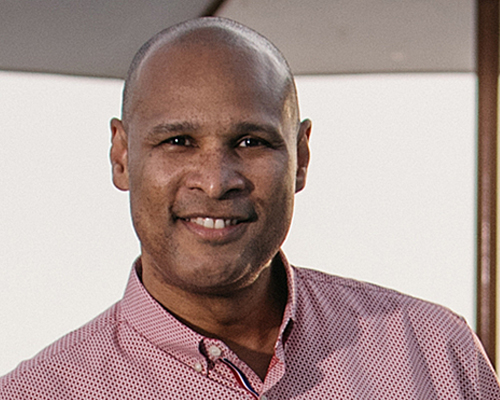
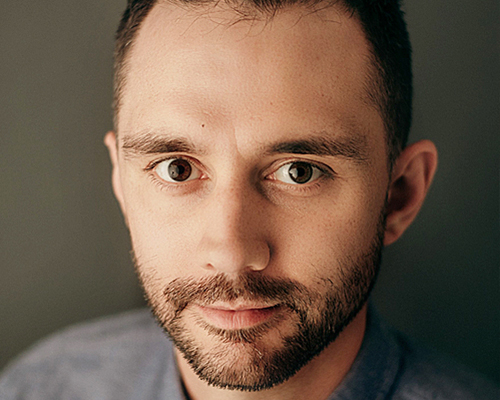
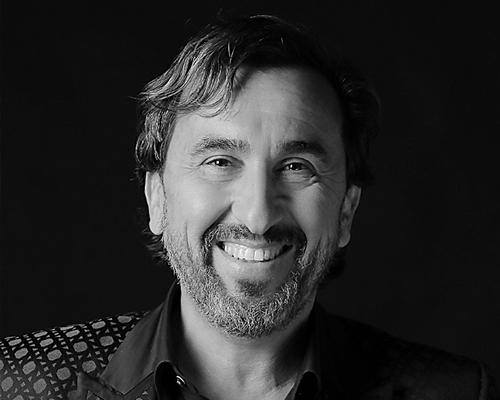
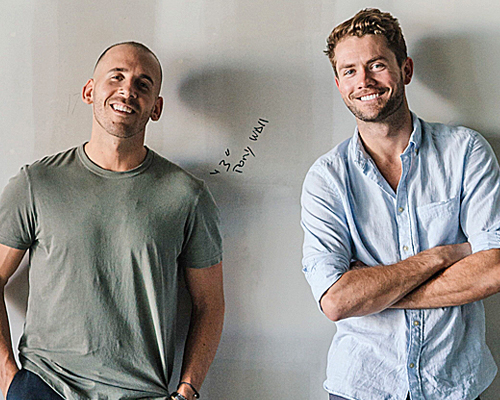
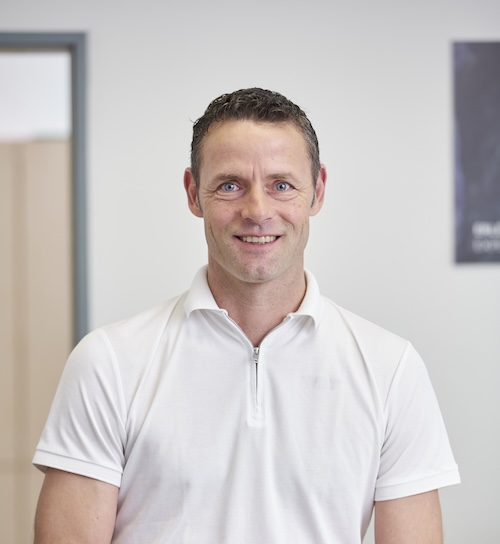
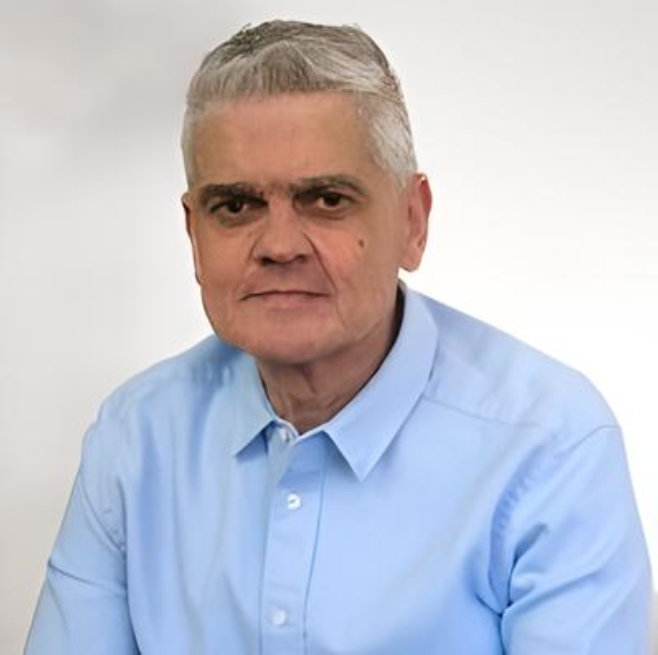
The concept will broaden Banyan Tree’s market, says Lee Woon Hoe
"When you go to most wellness retreats and destination spas, you typically have a consultation lasting 30 minutes to an hour and you’re prescribed a range of activities that you’re expected to adhere to,” says Lee Woon Hoe, senior assistant vice president/executive director of wellbeing for Singapore-based Banyan Tree Holdings. “My fundamental belief is that you can’t diagnose or prescribe holistic wellbeing in 30 minutes. It has so many facets and means so many different things to different people.”
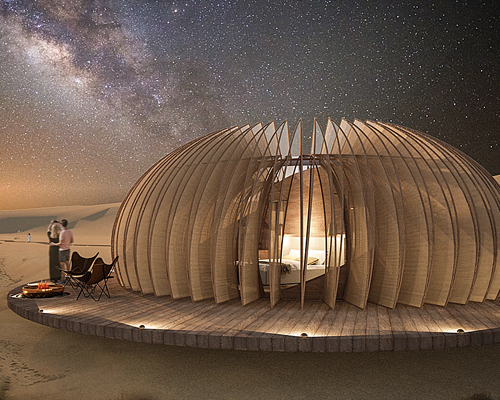
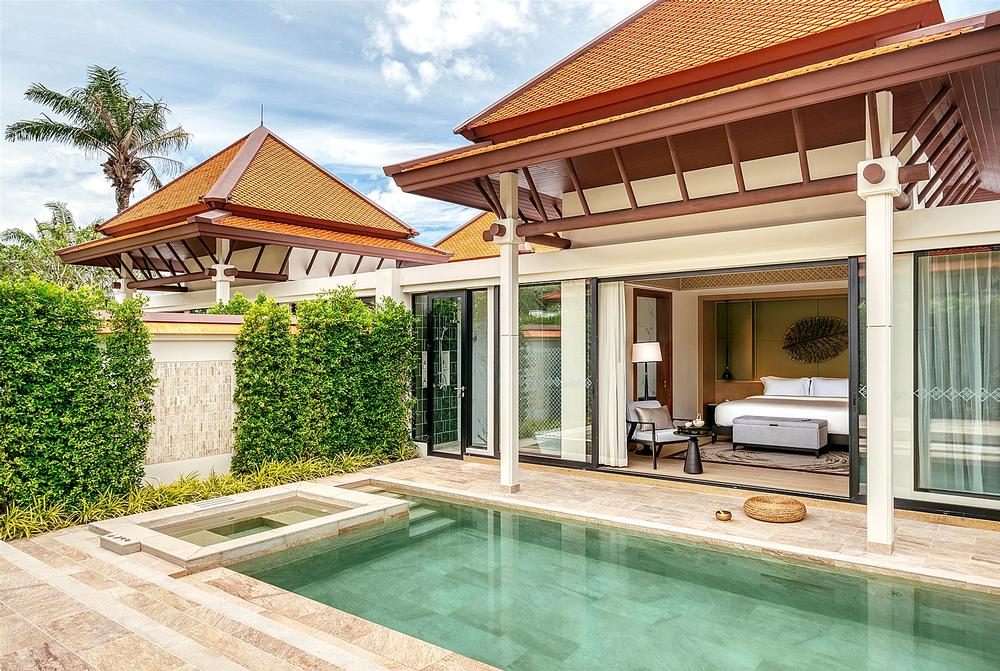
It’s with this mindset that he’s been creating a new concept for the group with Ho Renyung, the daughter of Banyan Tree founder Ho Kwon Ping and brand vice president. The new concept, Banyan Tree Wellbeing Sanctuary, is based on ecotherapy, and guests staying in a Wellbeing Sanctuary villa pay a set rate that gives them access to up to 50 different types of wellness activities a week and a daily massage. The purpose is to encourage individuals to practice sustainable wellbeing and to discover the links between ‘self, others and nature’ with no hidden costs. It also enables Banyan Tree to target a much broader audience.
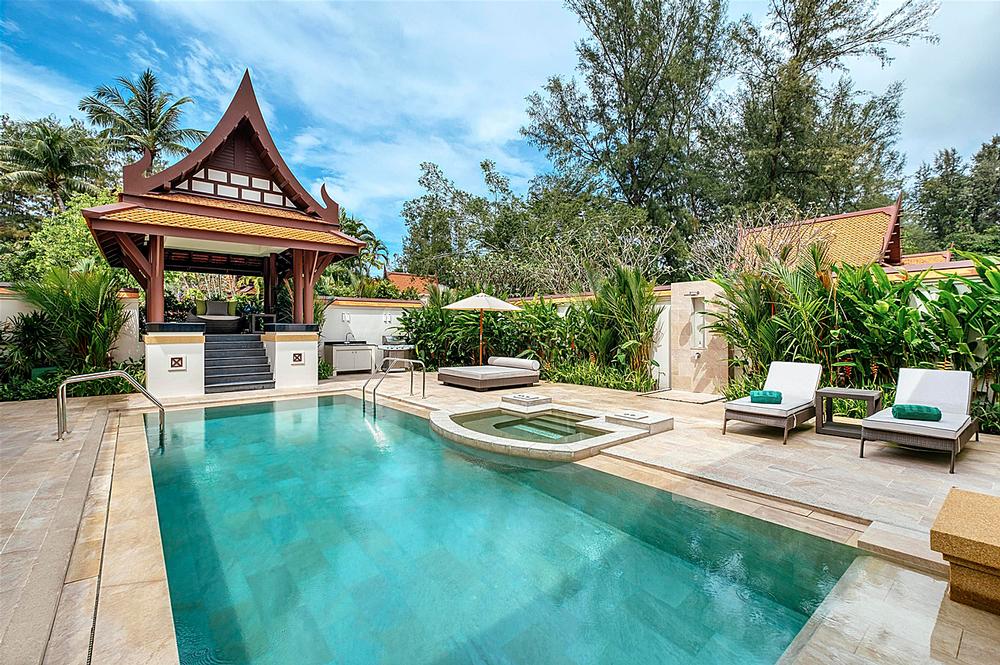
The villas, in their first guise, quietly launched at the flagship Banyan Tree Phuket, Thailand, in May 2018. Now, after continuous fine-tuning, the group is ready to officially welcome the concept with full fanfare and has at least three more sites earmarked for its development.
Spa differentiator Spa has always been a part of the DNA at Banyan Tree Group which celebrated its 25th anniversary last year. The listed company owns and/or manages 47 hotels and resorts worldwide across five brands – Banyan Tree, Angsana, Cassia, Dhawa and Laguna – and the majority of these have spas. It also manages spas on a third-party basis, bringing its total number of wellness operations to 60 to date.
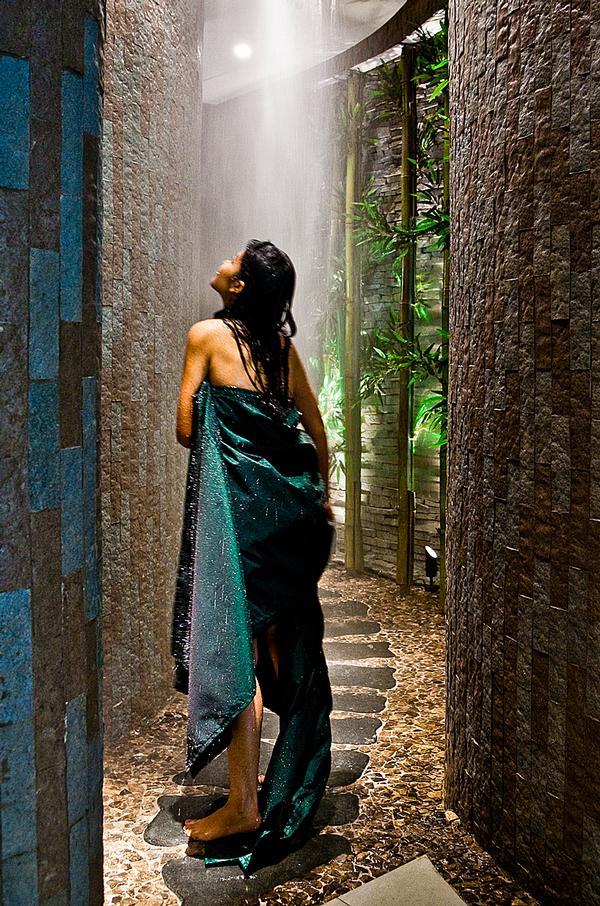
Banyan Tree Spa has carved a name for itself as a ‘sanctuary for the senses’ with a holistic approach based on traditional Asian therapies and its comprehensive hydrothermal facilities known as the Rainforest Experience. In 2001 it cemented its commitment by launching the Banyan Tree Spa Academy, a dedicated teaching arm with locations in Phuket, Thailand and Bintan, which puts each therapist through 650-hours of training based on a stringent curriculum. Recently, it’s also relaunched its in-house Banyan Tree Essentials range, a natural, aromatherapy-based line which consists of 100 products and a dedicated website.
Rolling out new hotels in China has been a big focus for Banyan Tree over the past decade, but it’s maintained its wellness focus and three years ago Ho approached Lee to develop a fresh wellbeing concept. Lee was already familiar with Banyan Tree having operated its spas in the Middle East and north-east Asia for nearly seven years from 2004. After a stint in teaching spa management at a polytechnic in Singapore and owning a gallery for contemporary Buddhist art, he was recruited by Octave to develop the programming at Sangha, one of China’s first wellness communities, before Banyan Tree came knocking once more.
He’s been refining Wellbeing Sanctuary’s offering ever since but plans to officially launch it earlier this year were stalled due to the global pandemic. As of late August 40 out of Banyan Tree’s 60 spas had reopened and Lee expects most of them to be back up and running by Q4 2020 – “although I am a perpetual optimist,” he admits. Spas have had to adjust capacity due to local regulations, but as the facilities are “generously large by industry standards they can still, fortunately, operate at almost the same level and easily fulfil social distancing measures.”
Lee adds: “COVID-19 has been a life-changing experience for many and it’s actually quite an opportune time for us to share what we’re trying to do. What we’ve gone through has made us reevaluate our lives and appreciate the importance of one’s wellbeing.”
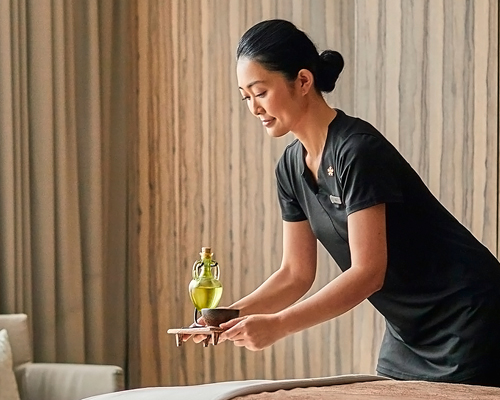
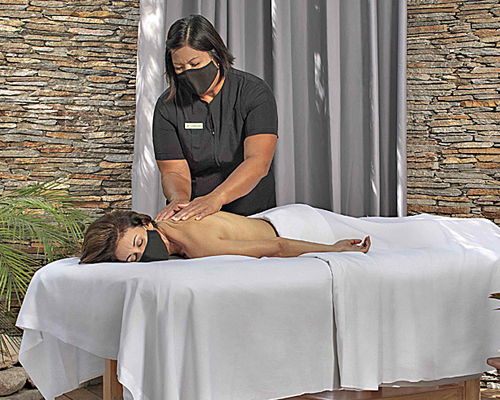
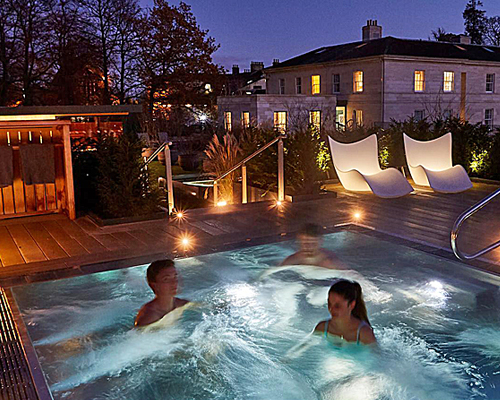
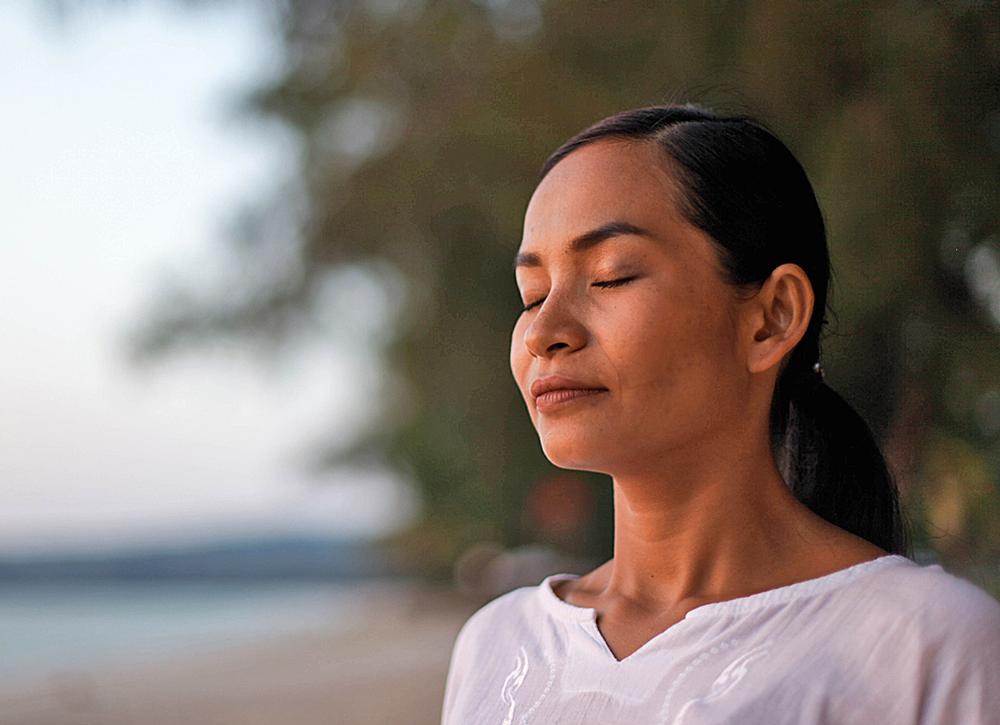
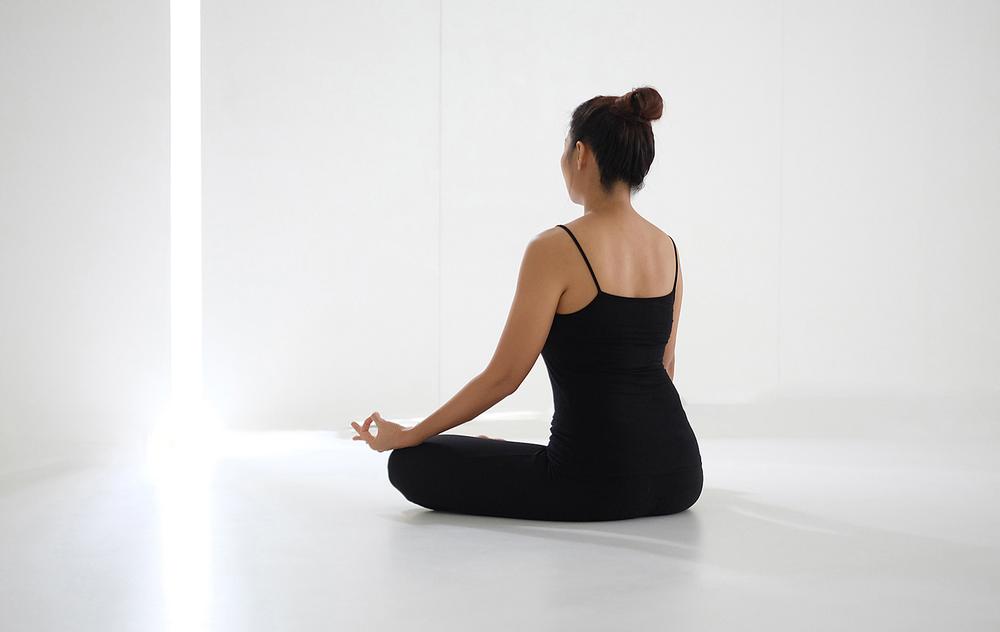
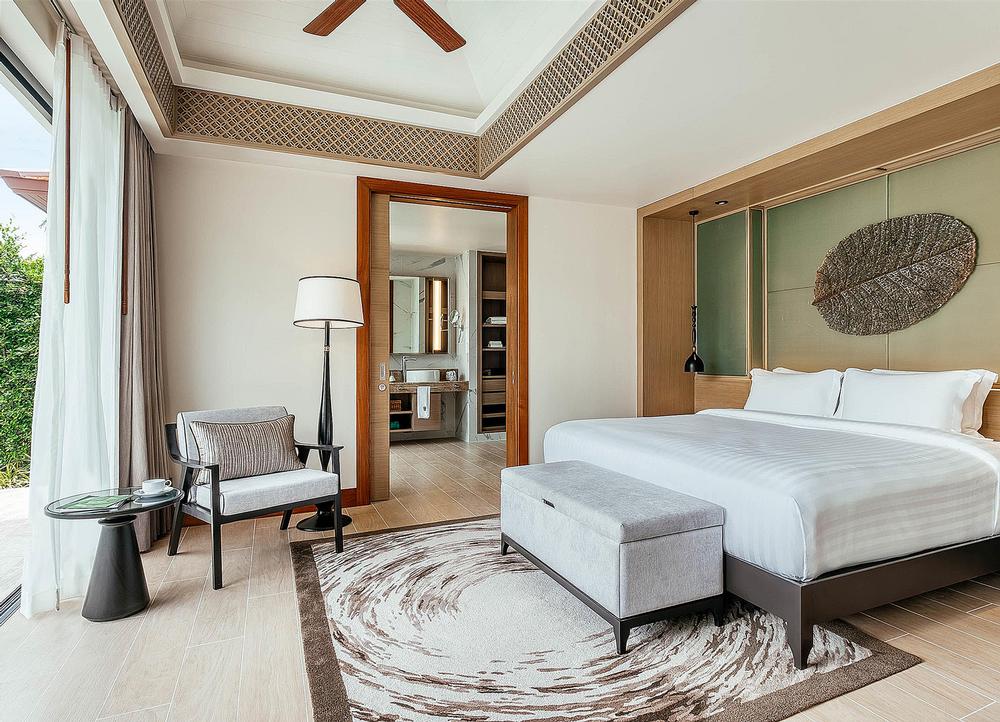
Discovering wellbeing Guests pay around US$500 (€425, £383) a night to stay in one of the 23 Banyan Tree Wellbeing Sanctuary villas in Phuket. That’s a 15-30 per cent premium depending on season and location. Included in this price is a daily massage – “spa is a critical component, we’re building on our foundation as a known wellbeing leader,” says Lee – and the option to try 50 different types of wellness activities, or 80 classes, a week. These range from more typical sessions such as yoga, pilates and talks on nutrition to less conventional things like gratitude meditation and conscious grounding (forest bathing and breathing by the ocean), which reflect Wellbeing Sanctuary’s philosophy of the intertwining of self, others and nature.
“We’re also going to place a greater emphasis on mental wellbeing in response to the pandemic,” adds Lee, “with classes that focus on self-introspection and being aware of your emotions. I think this is the first step towards a journey of recovery and greater elevation.
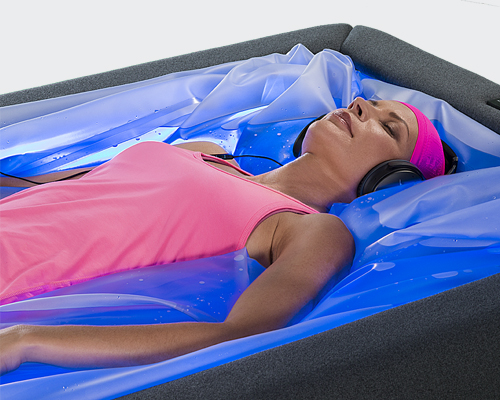
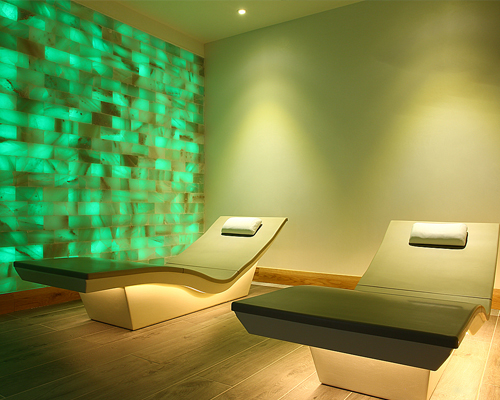
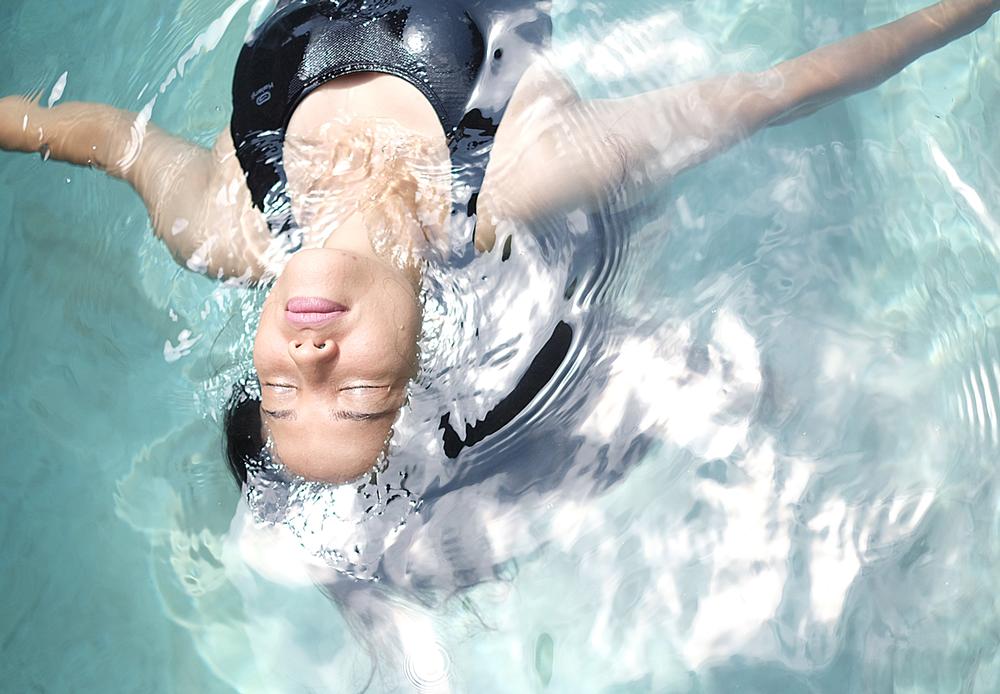
“This year, we built a space called the White Room, which provides a sanctuary for a sensory detox and we’re now developing a range of floatation experiences for our villas which we’ve found can be highly calming for the mind. We’ll launch these in Phuket towards the end of this year and roll them out over the next 12 months.”
The key intention behind Wellbeing Sanctuary, says Lee, is to “help people discover the many components of wellbeing”. Not just physical, mental and social wellness, but things like gratitude, forgiveness and compassion. “We weave in a lot of activities and experiences which you probably don’t find in your daily life,” he says. And it’s not prescriptive. While tailored programmes can be put together if guests want, the starting point is to give them the freedom to pick and choose activities – at no extra cost. “We made a very conscious decision to make the activities complimentary to build a sense of trust,” says Lee, explaining that people are more likely to try something different if they’re not worried about hidden charges.
This approach enables Banyan Tree to target a much broader market. Not just primary wellness travellers (those who choose a resort specifically for their health) but also secondary wellness travellers, (those who experience wellness as part of their trip) – a less catered-to group which actually makes up 84 per cent of wellness tourists, according to research from the Global Wellness Institute.
“We have different offerings from places likes Sha and Chiva-Som,” explains Lee. “They’re highly established and the people who go there are very clear about what they want. The market is wide and our product caters to those who are in the early stages of developing and exploring wellbeing.”
Concept rolllout So far, Lee is heartened with how the concept has been received. The occupancy of Wellbeing Sanctuary villas sits at an average of 65-75 per cent, making them the strongest room category at Banyan Tree Phuket. The average length of stay is three nights for Asians and at least six nights for guests coming from the US/Europe.
Typically, guests try out 2.5 activities a day – one in the morning, one in the afternoon, plus the daily massage – “it’s a nice balance between discovery and relaxation,” says Lee. But, what he’s most excited about is that guests are, indeed, trying new things. “In their daily life, men would generally workout at the gym, but here they’re willing to try yoga because it’s in an intimate, safe setting where they’re not worried about doing well.
“We’re really interested to find that people aren’t just trying out fitness classes. Traditional favourites such as yoga are popular, but other popular activities include posture alignment, balance tuning and grounding exercises.”
Banyan Tree is also noticing a broader spectrum of guests. Exactly what the concept was developed for. “It’s not about people staying in a pool villa with their friends or those on a romantic break,” says Lee.
“Mothers and sons are coming for retreats, couples are coming to discover wellbeing. We even have medical doctors. There’s no set age or demographic, but the common thread is that people are looking to live well, to live better.”
It’s a strong start for Lee who’s actively pitching the concept to hotel owners. “Owners are excited with our proposal. The market is saturated right now and what we’re suggesting can really differentiate them. It’s unique, but not high-niche or out of reach, and it also makes financial sense.” To this end, he says COVID-19 has not had an impact on the rollout of Wellbeing Sanctuary villas. Ongoing discussions are still happening with three new properties, one of which will open in China in early 2022 and another which is outside Asia. “Owners can see it’s a product with tremendous potential and they want to push on with it for when people do come back,” says Lee, adding that the number of rooms will be around the same number they have in Phuket and certainly no more than 60 keys – “it’s not in our interest to go too large because classes will be too big and there will be inhibitions.”
Employee focus Recently, Banyan Tree launched a tele-therapy service for associates, giving its staff access to private sessions with external wellbeing practitioners to manage their stress and mental wellbeing during such a difficult time. This dovetails with another project Lee is heading up – the rollout of an Organisational Wellbeing Index. Not just in spas, but across the whole company, which amounts to 10,000 employees worldwide. “We initially developed the Wellbeing Index as a form to assess the lifestyle of our guests, but we believe this should be extended to our team,” explains Lee.
The index is a set of 64 questions which reviews lifestyle practices based around Banyan Tree’s eight pillars of wellbeing. For example, do you meditate regularly? Do you minimise blue light before you sleep? Do you have colourful vegetables on your plate? After associates at a property fill in the details, Banyan Tree will then accumulate the results to pinpoint overall trends, strengths and weaknesses in employee wellbeing and work with the hotel’s management team to suggest appropriate guidelines, training and activities to address any issues. Lee’s already trialled the index at three properties this year and is planning to launch it on a group-wide level by 2021. “I’m very fortunate to be in an organisation which supports leadership roles which look at not just taking care of guests, but also the wellbeing of associates,” says Lee.
The group’s approach mirrors that of other international chains which are firmly staking a claim in the wellness hotel bracket. Yet, many of these competitors have now taken a big step back following COVID-19 and are cutting out those in wellness leadership roles – and sometimes whole departments – to focus squarely on guestrooms once more. It’s an understandable move given the huge hit the hospitality and travel industry has taken, but a short-sighted one. By sticking to its wellbeing plans, Banyan Tree looks set to be in an even stronger position when the market does recover.
Lee shares his feelings of how COVID-19 will impact the spa industry in general. “In the short-term, I think the business impact will be quite severe, given the close contact between therapist and guest. But in the long-run, the need for touch, for human connection and the desire to live better is timeless.”
He concludes: “My hope for the Wellbeing Sanctuary programme is to help more people live a healthier and more fulfilling life. I’m just really fortunate that I’m with a company with very supportive management which shares that same vision. Can you imagine the impact that the Wellbeing Index will have for 10,000 associates worldwide and their families? It’s surreal for me. Such an opportunity. And I feel so grateful and privileged.”
• Katie Barnes is the editor
of Spa Business magazine
Read more from this issue of Spa Business magazine
View contents of Spa Business 2020 issue 3
Editor's letter: The fight ahead
There’s a huge job of work to do to build our reputation and win support in the corridors of power, says Katie Barnes
Spa people: Patrick Huey
The vice-president of spa and retail at Montage talks about his new role as ISPA chair, Black Lives Matter and how his spas are fighting back against COVID-19
Spa people: Rianna Riego
Wellness consultant Rianna Riego speaks out about racial discrimination in the global spa industry
Spa people: Anna Teal
The CEO of Aromatherapy Associates outlines the online innovations it's using to connect with customers in exciting new ways
Spa programmes: On the menu
How are spas changing their treatments and services now they’re staring to reopen again?
Interview: Lee Woon Hoe
Banyan Tree’s executive director of wellbeing tells Spa Business magazine why now is the right time for the group to launch its new wellness concept
Ask an expert: Spa design 2030
Spa Business magazine asks leading designers and architects to give their predictions about pandemic-proof spa models
Promotion: Trendsetting
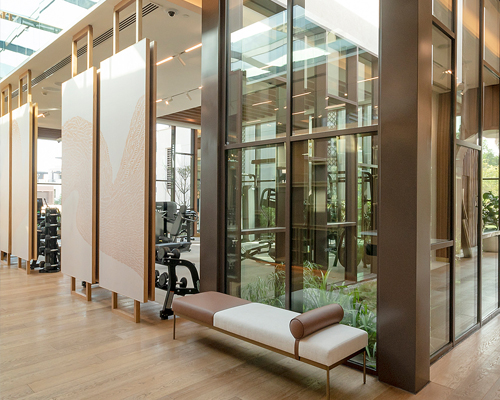
Design specialists, The Wellness, worked with in-house engineers for Jumeirah to create a state-of-the-art gym for Talise Fitness at the Jumeirah Al Naseem in Dubai
Research: Manner of speaking
ISPA’s latest study reveals consumer attitudes in the aftermath of COVID-19. Josh Corman picks out the key details
Research: New perspectives
Two surveys in the UK highlight both spa operator and spa-goer insights as facilities across the country begin to welcome guests back
Promotion: The power of touchless
Spa and wellness innovator, Sammy Gharieni, reveals how his on-trend products are perfect for delivering high-value touchless treatments
Country focus: Best of British
We take a look at the standout concepts offered in the world-class spas that have opened in the UK over the last three years
Promotion: Sustain and regenerate
Sustainable skincare brand, Comfort Zone, has radically reinvented its entire Sacred Nature line, driven by the ambition to create some of the world’s first carbon-negative products
Interview: Emma Darby
Despite closing during in lockdown, some Resense spas still hit revenue targets. Its COO tells Spa Business magazine how
Promotion: Redefining the snowroom
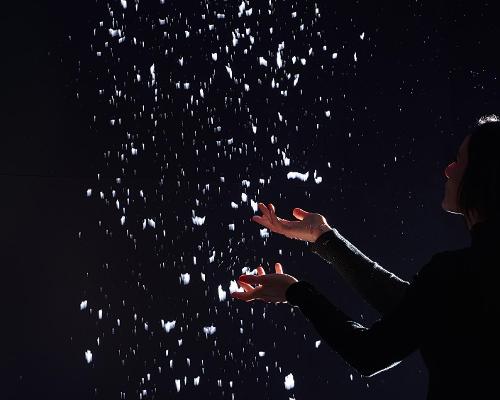
Italian snowroom expert, TechnoAlpin, has collaborated with groundbreaking architectural practice, Snøhetta, to create a snowroom like no other
Medi-wellness: On good termes
Italy’s Long Life clinic, which offers anti-ageing science alongside water cures, is gaining greater attention post-lockdown. Sophie Benge pays a visit
Supplier showcase: Premium Fitness
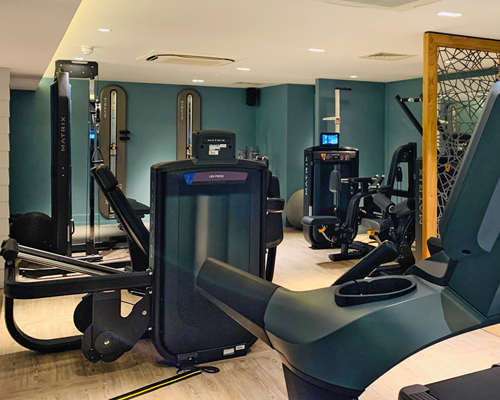
Dormy House has partnered with Matrix Fitness to create two fully-connected fitness suites to take its offering to a new and more sophisticated level @DormyHouse @MatrixFitnessUK
Promotion: Sothys
Sothys’ beauty treatment designer, Séverine Monjanel, and training director, Isabelle Villey, talk to Spa Business about the company’s new authentic ancestral Indonesian treatment
In the fast-paced world of fitness and wellness, where high-intensity workouts push us to
our limits and the sweat pours, the importance of efficient recovery cannot be overstated. [more...]
Contrast therapy, based on the alternation of hot and cold rituals, has become one of the
most valued practices in the fields of wellness and recovery. [more...]
While hotels the world over are postponing wellness plans to focus on their core business in the aftermath of the pandemic, Banyan Tree is forging ahead with a new Wellbeing Sanctuary. The group’s executive director of wellbeing tells Katie Barnes why
The concept will broaden Banyan Tree’s market, says Lee Woon Hoe
"When you go to most wellness retreats and destination spas, you typically have a consultation lasting 30 minutes to an hour and you’re prescribed a range of activities that you’re expected to adhere to,” says Lee Woon Hoe, senior assistant vice president/executive director of wellbeing for Singapore-based Banyan Tree Holdings. “My fundamental belief is that you can’t diagnose or prescribe holistic wellbeing in 30 minutes. It has so many facets and means so many different things to different people.”
It’s with this mindset that he’s been creating a new concept for the group with Ho Renyung, the daughter of Banyan Tree founder Ho Kwon Ping and brand vice president. The new concept, Banyan Tree Wellbeing Sanctuary, is based on ecotherapy, and guests staying in a Wellbeing Sanctuary villa pay a set rate that gives them access to up to 50 different types of wellness activities a week and a daily massage. The purpose is to encourage individuals to practice sustainable wellbeing and to discover the links between ‘self, others and nature’ with no hidden costs. It also enables Banyan Tree to target a much broader audience.
The villas, in their first guise, quietly launched at the flagship Banyan Tree Phuket, Thailand, in May 2018. Now, after continuous fine-tuning, the group is ready to officially welcome the concept with full fanfare and has at least three more sites earmarked for its development.
Spa differentiator Spa has always been a part of the DNA at Banyan Tree Group which celebrated its 25th anniversary last year. The listed company owns and/or manages 47 hotels and resorts worldwide across five brands – Banyan Tree, Angsana, Cassia, Dhawa and Laguna – and the majority of these have spas. It also manages spas on a third-party basis, bringing its total number of wellness operations to 60 to date.
Banyan Tree Spa has carved a name for itself as a ‘sanctuary for the senses’ with a holistic approach based on traditional Asian therapies and its comprehensive hydrothermal facilities known as the Rainforest Experience. In 2001 it cemented its commitment by launching the Banyan Tree Spa Academy, a dedicated teaching arm with locations in Phuket, Thailand and Bintan, which puts each therapist through 650-hours of training based on a stringent curriculum. Recently, it’s also relaunched its in-house Banyan Tree Essentials range, a natural, aromatherapy-based line which consists of 100 products and a dedicated website.
Rolling out new hotels in China has been a big focus for Banyan Tree over the past decade, but it’s maintained its wellness focus and three years ago Ho approached Lee to develop a fresh wellbeing concept. Lee was already familiar with Banyan Tree having operated its spas in the Middle East and north-east Asia for nearly seven years from 2004. After a stint in teaching spa management at a polytechnic in Singapore and owning a gallery for contemporary Buddhist art, he was recruited by Octave to develop the programming at Sangha, one of China’s first wellness communities, before Banyan Tree came knocking once more.
He’s been refining Wellbeing Sanctuary’s offering ever since but plans to officially launch it earlier this year were stalled due to the global pandemic. As of late August 40 out of Banyan Tree’s 60 spas had reopened and Lee expects most of them to be back up and running by Q4 2020 – “although I am a perpetual optimist,” he admits. Spas have had to adjust capacity due to local regulations, but as the facilities are “generously large by industry standards they can still, fortunately, operate at almost the same level and easily fulfil social distancing measures.”
Lee adds: “COVID-19 has been a life-changing experience for many and it’s actually quite an opportune time for us to share what we’re trying to do. What we’ve gone through has made us reevaluate our lives and appreciate the importance of one’s wellbeing.”
Discovering wellbeing Guests pay around US$500 (€425, £383) a night to stay in one of the 23 Banyan Tree Wellbeing Sanctuary villas in Phuket. That’s a 15-30 per cent premium depending on season and location. Included in this price is a daily massage – “spa is a critical component, we’re building on our foundation as a known wellbeing leader,” says Lee – and the option to try 50 different types of wellness activities, or 80 classes, a week. These range from more typical sessions such as yoga, pilates and talks on nutrition to less conventional things like gratitude meditation and conscious grounding (forest bathing and breathing by the ocean), which reflect Wellbeing Sanctuary’s philosophy of the intertwining of self, others and nature.
“We’re also going to place a greater emphasis on mental wellbeing in response to the pandemic,” adds Lee, “with classes that focus on self-introspection and being aware of your emotions. I think this is the first step towards a journey of recovery and greater elevation.
“This year, we built a space called the White Room, which provides a sanctuary for a sensory detox and we’re now developing a range of floatation experiences for our villas which we’ve found can be highly calming for the mind. We’ll launch these in Phuket towards the end of this year and roll them out over the next 12 months.”
The key intention behind Wellbeing Sanctuary, says Lee, is to “help people discover the many components of wellbeing”. Not just physical, mental and social wellness, but things like gratitude, forgiveness and compassion. “We weave in a lot of activities and experiences which you probably don’t find in your daily life,” he says. And it’s not prescriptive. While tailored programmes can be put together if guests want, the starting point is to give them the freedom to pick and choose activities – at no extra cost. “We made a very conscious decision to make the activities complimentary to build a sense of trust,” says Lee, explaining that people are more likely to try something different if they’re not worried about hidden charges.
This approach enables Banyan Tree to target a much broader market. Not just primary wellness travellers (those who choose a resort specifically for their health) but also secondary wellness travellers, (those who experience wellness as part of their trip) – a less catered-to group which actually makes up 84 per cent of wellness tourists, according to research from the Global Wellness Institute.
“We have different offerings from places likes Sha and Chiva-Som,” explains Lee. “They’re highly established and the people who go there are very clear about what they want. The market is wide and our product caters to those who are in the early stages of developing and exploring wellbeing.”
Concept rolllout So far, Lee is heartened with how the concept has been received. The occupancy of Wellbeing Sanctuary villas sits at an average of 65-75 per cent, making them the strongest room category at Banyan Tree Phuket. The average length of stay is three nights for Asians and at least six nights for guests coming from the US/Europe.
Typically, guests try out 2.5 activities a day – one in the morning, one in the afternoon, plus the daily massage – “it’s a nice balance between discovery and relaxation,” says Lee. But, what he’s most excited about is that guests are, indeed, trying new things. “In their daily life, men would generally workout at the gym, but here they’re willing to try yoga because it’s in an intimate, safe setting where they’re not worried about doing well.
“We’re really interested to find that people aren’t just trying out fitness classes. Traditional favourites such as yoga are popular, but other popular activities include posture alignment, balance tuning and grounding exercises.”
Banyan Tree is also noticing a broader spectrum of guests. Exactly what the concept was developed for. “It’s not about people staying in a pool villa with their friends or those on a romantic break,” says Lee.
“Mothers and sons are coming for retreats, couples are coming to discover wellbeing. We even have medical doctors. There’s no set age or demographic, but the common thread is that people are looking to live well, to live better.”
It’s a strong start for Lee who’s actively pitching the concept to hotel owners. “Owners are excited with our proposal. The market is saturated right now and what we’re suggesting can really differentiate them. It’s unique, but not high-niche or out of reach, and it also makes financial sense.” To this end, he says COVID-19 has not had an impact on the rollout of Wellbeing Sanctuary villas. Ongoing discussions are still happening with three new properties, one of which will open in China in early 2022 and another which is outside Asia. “Owners can see it’s a product with tremendous potential and they want to push on with it for when people do come back,” says Lee, adding that the number of rooms will be around the same number they have in Phuket and certainly no more than 60 keys – “it’s not in our interest to go too large because classes will be too big and there will be inhibitions.”
Employee focus Recently, Banyan Tree launched a tele-therapy service for associates, giving its staff access to private sessions with external wellbeing practitioners to manage their stress and mental wellbeing during such a difficult time. This dovetails with another project Lee is heading up – the rollout of an Organisational Wellbeing Index. Not just in spas, but across the whole company, which amounts to 10,000 employees worldwide. “We initially developed the Wellbeing Index as a form to assess the lifestyle of our guests, but we believe this should be extended to our team,” explains Lee.
The index is a set of 64 questions which reviews lifestyle practices based around Banyan Tree’s eight pillars of wellbeing. For example, do you meditate regularly? Do you minimise blue light before you sleep? Do you have colourful vegetables on your plate? After associates at a property fill in the details, Banyan Tree will then accumulate the results to pinpoint overall trends, strengths and weaknesses in employee wellbeing and work with the hotel’s management team to suggest appropriate guidelines, training and activities to address any issues. Lee’s already trialled the index at three properties this year and is planning to launch it on a group-wide level by 2021. “I’m very fortunate to be in an organisation which supports leadership roles which look at not just taking care of guests, but also the wellbeing of associates,” says Lee.
The group’s approach mirrors that of other international chains which are firmly staking a claim in the wellness hotel bracket. Yet, many of these competitors have now taken a big step back following COVID-19 and are cutting out those in wellness leadership roles – and sometimes whole departments – to focus squarely on guestrooms once more. It’s an understandable move given the huge hit the hospitality and travel industry has taken, but a short-sighted one. By sticking to its wellbeing plans, Banyan Tree looks set to be in an even stronger position when the market does recover.
Lee shares his feelings of how COVID-19 will impact the spa industry in general. “In the short-term, I think the business impact will be quite severe, given the close contact between therapist and guest. But in the long-run, the need for touch, for human connection and the desire to live better is timeless.”
He concludes: “My hope for the Wellbeing Sanctuary programme is to help more people live a healthier and more fulfilling life. I’m just really fortunate that I’m with a company with very supportive management which shares that same vision. Can you imagine the impact that the Wellbeing Index will have for 10,000 associates worldwide and their families? It’s surreal for me. Such an opportunity. And I feel so grateful and privileged.”
• Katie Barnes is the editor
of Spa Business magazine
Read more from this issue of Spa Business magazine
View contents of Spa Business 2020 issue 3
Editor's letter: The fight ahead
There’s a huge job of work to do to build our reputation and win support in the corridors of power, says Katie Barnes
Spa people: Patrick Huey
The vice-president of spa and retail at Montage talks about his new role as ISPA chair, Black Lives Matter and how his spas are fighting back against COVID-19
Spa people: Rianna Riego
Wellness consultant Rianna Riego speaks out about racial discrimination in the global spa industry
Spa people: Anna Teal
The CEO of Aromatherapy Associates outlines the online innovations it's using to connect with customers in exciting new ways
Spa programmes: On the menu
How are spas changing their treatments and services now they’re staring to reopen again?
Interview: Lee Woon Hoe
Banyan Tree’s executive director of wellbeing tells Spa Business magazine why now is the right time for the group to launch its new wellness concept
Ask an expert: Spa design 2030
Spa Business magazine asks leading designers and architects to give their predictions about pandemic-proof spa models
Promotion: Trendsetting
Design specialists, The Wellness, worked with in-house engineers for Jumeirah to create a state-of-the-art gym for Talise Fitness at the Jumeirah Al Naseem in Dubai
Research: Manner of speaking
ISPA’s latest study reveals consumer attitudes in the aftermath of COVID-19. Josh Corman picks out the key details
Research: New perspectives
Two surveys in the UK highlight both spa operator and spa-goer insights as facilities across the country begin to welcome guests back
Promotion: The power of touchless
Spa and wellness innovator, Sammy Gharieni, reveals how his on-trend products are perfect for delivering high-value touchless treatments
Country focus: Best of British
We take a look at the standout concepts offered in the world-class spas that have opened in the UK over the last three years
Promotion: Sustain and regenerate
Sustainable skincare brand, Comfort Zone, has radically reinvented its entire Sacred Nature line, driven by the ambition to create some of the world’s first carbon-negative products
Interview: Emma Darby
Despite closing during in lockdown, some Resense spas still hit revenue targets. Its COO tells Spa Business magazine how
Promotion: Redefining the snowroom
Italian snowroom expert, TechnoAlpin, has collaborated with groundbreaking architectural practice, Snøhetta, to create a snowroom like no other
Medi-wellness: On good termes
Italy’s Long Life clinic, which offers anti-ageing science alongside water cures, is gaining greater attention post-lockdown. Sophie Benge pays a visit
Supplier showcase: Premium Fitness
Dormy House has partnered with Matrix Fitness to create two fully-connected fitness suites to take its offering to a new and more sophisticated level @DormyHouse @MatrixFitnessUK
Promotion: Sothys
Sothys’ beauty treatment designer, Séverine Monjanel, and training director, Isabelle Villey, talk to Spa Business about the company’s new authentic ancestral Indonesian treatment
Hand and Stone Massage and Facial Spa, the spa business with more than 650 locations across
the US and Canada, has appointed franchise expert Carrie Walsh as CEO as the company plans
to expand.
Synergy – The Retreat Show, the global trade show for retreats, has launched a global research
initiative that will provide insights into the retreat sector from both consumer and industry
perspectives.
The Wellness Tourism Association (WTA) has published a non-regulatory global industry
framework designed to ensure the retreat market offers responsible experiences.
A new survey of UK and international spa practitioners shows that stress, burnout and
wellbeing concerns have caused one in three respondents to consider leaving the industry.
The UK's four Chief Medical Officers have published a refreshed edition of Physical activity
guidelines: UK Chief Medical Officers' report, updating the evidence that underpins the nation's
physical activity recommendations and placing greater emphasis on strength, balance, reducing
sedentary behaviour and, for the first time, supporting people taking weight loss medications.
Anna Bjurstam has left her role as Wellness Pioneer at Six Senses Hotels and Resorts and
launched a new wellness, longevity and “consciousness consultancy” called Wahayla.
Fairmont Cheshire, The Mere, has opened today (10 July) in the Northwest of England
with a
1,715sq m Fairmont Spa that has been designed using a ‘Wellness without Walls’
concept.
Wellness hotels generating less than US$1 million (€932,700, £785,200) – or 10 per cent of
total revenue from wellness and leisure – recorded the strongest RevPAR and TRevPAR growth
in 2025 across categories when compared with 2024, according to the latest Wellness Real
Estate Report by RLA Global, produced in partnership with P and L benchmarking firm HotStats.
In the fast-paced world of fitness and wellness, where high-intensity workouts push us to
our limits and the sweat pours, the importance of efficient recovery cannot be overstated. [more...]
Contrast therapy, based on the alternation of hot and cold rituals, has become one of the
most valued practices in the fields of wellness and recovery. [more...]