Phytomer’s director of R&D, Pierre Yves Morvan, explains how the company’s huge investment in science has made it a world innovator in marine cosmetics
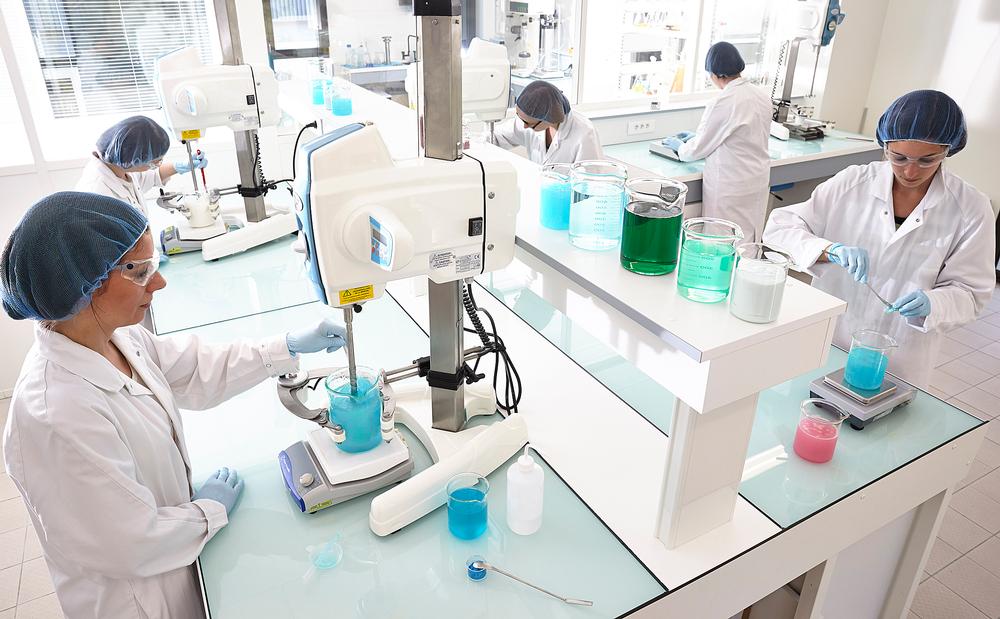
When were Phytomer’s laboratories founded? We’ve had laboratories at our Brittany headquarters for more than 40 years, but have in the past decade invested heavily in their expansion – adding new facilities for research, the culture of algae and seaweed, the culture of skin cells, and formulation.
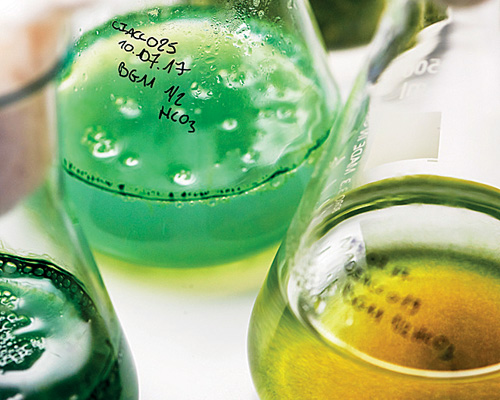
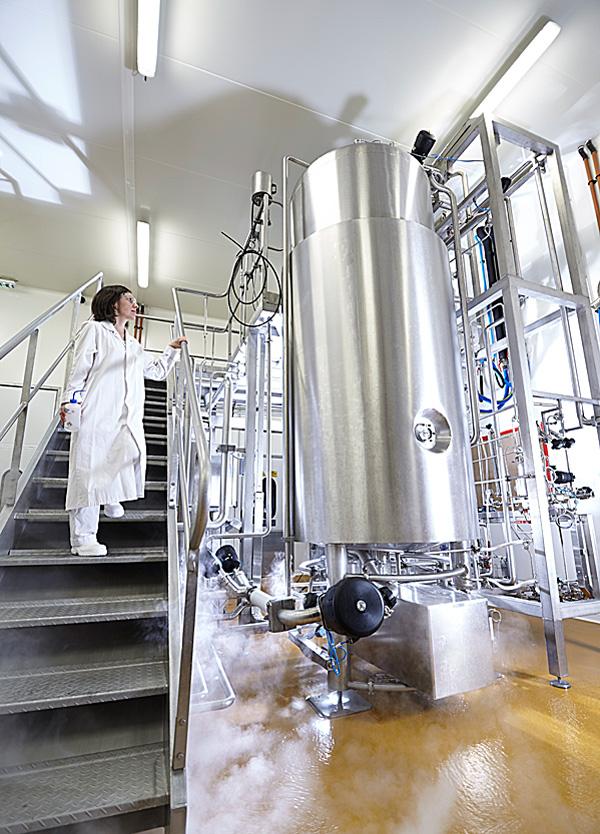
Our biotech building was opened in 2010, specifically for the cultivation of seaweed that’s hand-harvested from the Brittany coast. It’s like a giant aquarium factory, where you’ll find our unique photo-bioreactors – tall glass columns containing seawater, through which light and energy can filter.
In 2016, we built a new factory to comply with OTC (Over the Counter) regulations. These are pharmaceutical controls for skincare products – in particular suncare – that are for export to the US, Canada and Australia. Now Phytomer products undergo this rigorous testing, whether it’s required or not.
What’s your background and role? I’m a scientist passionate about the sea, with a PhD in biochemistry and immunology. I joined Phytomer in 1997, so I’ve been with the company for 20 years.
I’m director of the R & D team. Phytomer is dedicated to leading in the field of scientific discovery in marine cosmetics, and we have around 20-30 scientists working here at any one time.
We also welcome PhD students from the universities of Brittany, and we’re collaborating with several science start-ups on some exciting projects on marine biotechnologies, green production processes and biomaterials, etc.
What have been Phytomer’s most notable innovations? Our most famous ingredient is Oligomer®, which is a concentrate from seawater containing all the most precious trace elements of the sea. It’s a compound in its own right, but also a powerfully active ingredient that goes into all our products to revitalise the skin.
The exact production process - a way to freeze dry seawater – is protected by a manufacturing secret that has enabled us to keep worldwide exclusivity since its creation in 1972.
Instead of using hot temperatures for extraction or drying in the sun – which both destroy the beneficial properties – we reduce the temperature of the seawater to produce ice, and then under pressure we eliminate all the water to produce a gas. This way we’re able to preserve the structure, minerals and trace elements of the seawater, and therefore all its many benefits for the beauty and health of the skin.
As pioneer in marine biotechnologies, we’re also the only company in the world to currently be creating EPS (exopolysaccharides) from seawater. EPS are marine sugars produced by marine micro-organisms with inimitable properties that are highly beneficial to the skin.
Can you explain EPS in more detail? We’ve been producing EPS since 2011. Working in partnership with the start-up Polymaris, we collect micro-organisms from the ‘Abers’ – Brittany’s coastal fjords.
We’re currently cultivating around 500 different species by fermentation, which is a process done in seawater in the lab without light. Each micro-organism has a specific structure, composition and activity, and each can potentially produce one specific marine sugar (EPS).
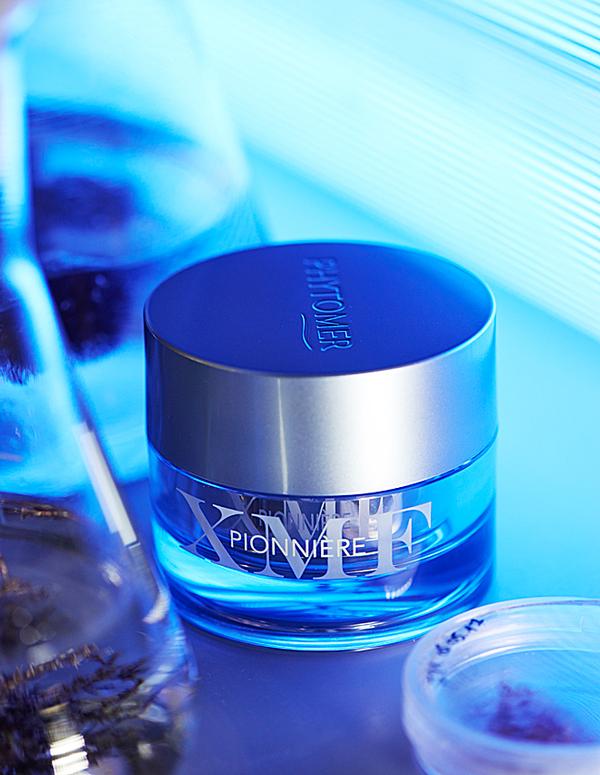
We now have five different EPS in Phytomer products - the first one being XMF (Extra Marine Filler), which is used in our highly effective anti-ageing cream Pionnière XMF, launched in 2012.
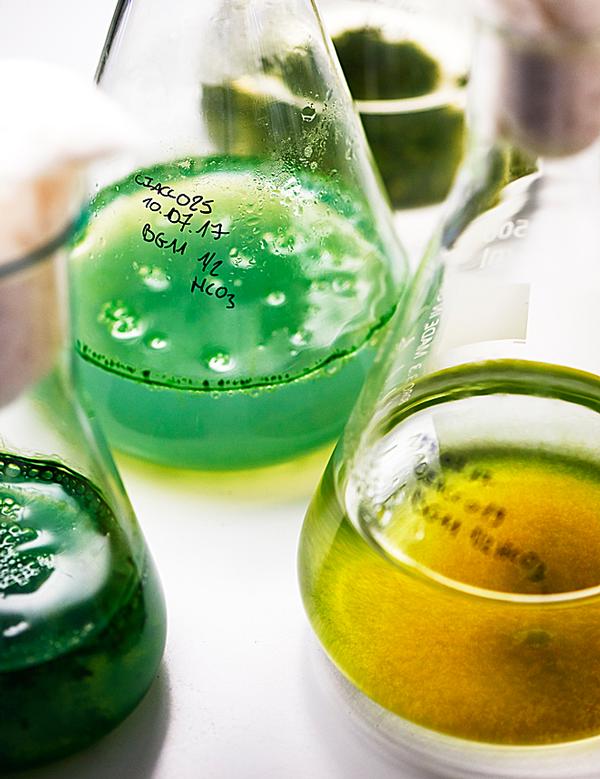
What are the benefits of culturing algae in the lab? By cultivating in our photo-bioreactors we gain a much higher rate of reproducibility, and create more constant properties for our skincare products.
Algae are not the same in the summer or the winter – there’s a natural evolution during the seasons. In the lab we’re able to control the conditions, and so maintain the same temperature, salinity and light, for example. We also eliminate contaminants, heavy metals and other pollutants.
Thanks to this process we’ve also been able to cultivate algae that don’t exist elsewhere in the world – because they’re often too diluted to thrive in nature.
We only ever need to take very small amounts from nature, so the process is very sustainable. For example, with coralina (a kind of vegetable coral) we may only harvest 1cm, but will grow many more kilograms in the lab. In just three months we can produce a quantity that would take three years to grow in nature.
While some companies may use genetically modified bacteria in the cultivation process, Phytomer’s processes are 100 per cent natural and non-GMO.
What’s next for Phytomer? There is so much more to discover. We currently only know about one per cent of the microorganisms living in seawater. And thanks largely to the Gulf Stream, Brittany has one of the most diverse eco-systems in the world, so we’re in the perfect location!
We’re also cultivating more and more algae in photo-bioreactors. For example, we’ve just started to grow the red algae Rhodella Violacea because of its incredible benefits against the effects of mental stress on the skin. We’ll incorporate this algae in our soon-to-launch CRÈME 30 – our first wrinkle cream for women in their 30s who lead a stressful life.
By observing the biology of sea plants and organisms, we can adapt to the biology of human skin. In science it’s called biomimitism, and with Phytomer’s richness of resources, we’ll continue to be a leader and innovator in this field for many decades to come.
Read more from this issue of Spa Business magazine
Promotional feature: Anne Semonin
Katherine Connolly, newly appointed global
director of retail and spa operations at Anne
Semonin, discusses her plans for the brand
Promotional feature: Thalion
Thalion is the first company to develop highly
specialised mineral therapies for clients, says
training manager Sophie Alemany
Research: Finishing touch
A new study shows that massage can
help muscle re-growth after an injury –
even when applied to the opposite limb
Le Atelier by C.O.D.E. doesn't offer a standard bespoke service, it provides a highly
customised approach to designing massage beds and loungers in high-end wellness
environments. [more...]
Phytomer’s director of R&D, Pierre Yves Morvan, explains how the company’s huge investment in science has made it a world innovator in marine cosmetics
When were Phytomer’s laboratories founded? We’ve had laboratories at our Brittany headquarters for more than 40 years, but have in the past decade invested heavily in their expansion – adding new facilities for research, the culture of algae and seaweed, the culture of skin cells, and formulation.
Our biotech building was opened in 2010, specifically for the cultivation of seaweed that’s hand-harvested from the Brittany coast. It’s like a giant aquarium factory, where you’ll find our unique photo-bioreactors – tall glass columns containing seawater, through which light and energy can filter.
In 2016, we built a new factory to comply with OTC (Over the Counter) regulations. These are pharmaceutical controls for skincare products – in particular suncare – that are for export to the US, Canada and Australia. Now Phytomer products undergo this rigorous testing, whether it’s required or not.
What’s your background and role? I’m a scientist passionate about the sea, with a PhD in biochemistry and immunology. I joined Phytomer in 1997, so I’ve been with the company for 20 years.
I’m director of the R & D team. Phytomer is dedicated to leading in the field of scientific discovery in marine cosmetics, and we have around 20-30 scientists working here at any one time.
We also welcome PhD students from the universities of Brittany, and we’re collaborating with several science start-ups on some exciting projects on marine biotechnologies, green production processes and biomaterials, etc.
What have been Phytomer’s most notable innovations? Our most famous ingredient is Oligomer®, which is a concentrate from seawater containing all the most precious trace elements of the sea. It’s a compound in its own right, but also a powerfully active ingredient that goes into all our products to revitalise the skin.
The exact production process - a way to freeze dry seawater – is protected by a manufacturing secret that has enabled us to keep worldwide exclusivity since its creation in 1972.
Instead of using hot temperatures for extraction or drying in the sun – which both destroy the beneficial properties – we reduce the temperature of the seawater to produce ice, and then under pressure we eliminate all the water to produce a gas. This way we’re able to preserve the structure, minerals and trace elements of the seawater, and therefore all its many benefits for the beauty and health of the skin.
As pioneer in marine biotechnologies, we’re also the only company in the world to currently be creating EPS (exopolysaccharides) from seawater. EPS are marine sugars produced by marine micro-organisms with inimitable properties that are highly beneficial to the skin.
Can you explain EPS in more detail? We’ve been producing EPS since 2011. Working in partnership with the start-up Polymaris, we collect micro-organisms from the ‘Abers’ – Brittany’s coastal fjords.
We’re currently cultivating around 500 different species by fermentation, which is a process done in seawater in the lab without light. Each micro-organism has a specific structure, composition and activity, and each can potentially produce one specific marine sugar (EPS).
We now have five different EPS in Phytomer products - the first one being XMF (Extra Marine Filler), which is used in our highly effective anti-ageing cream Pionnière XMF, launched in 2012.
What are the benefits of culturing algae in the lab? By cultivating in our photo-bioreactors we gain a much higher rate of reproducibility, and create more constant properties for our skincare products.
Algae are not the same in the summer or the winter – there’s a natural evolution during the seasons. In the lab we’re able to control the conditions, and so maintain the same temperature, salinity and light, for example. We also eliminate contaminants, heavy metals and other pollutants.
Thanks to this process we’ve also been able to cultivate algae that don’t exist elsewhere in the world – because they’re often too diluted to thrive in nature.
We only ever need to take very small amounts from nature, so the process is very sustainable. For example, with coralina (a kind of vegetable coral) we may only harvest 1cm, but will grow many more kilograms in the lab. In just three months we can produce a quantity that would take three years to grow in nature.
While some companies may use genetically modified bacteria in the cultivation process, Phytomer’s processes are 100 per cent natural and non-GMO.
What’s next for Phytomer? There is so much more to discover. We currently only know about one per cent of the microorganisms living in seawater. And thanks largely to the Gulf Stream, Brittany has one of the most diverse eco-systems in the world, so we’re in the perfect location!
We’re also cultivating more and more algae in photo-bioreactors. For example, we’ve just started to grow the red algae Rhodella Violacea because of its incredible benefits against the effects of mental stress on the skin. We’ll incorporate this algae in our soon-to-launch CRÈME 30 – our first wrinkle cream for women in their 30s who lead a stressful life.
By observing the biology of sea plants and organisms, we can adapt to the biology of human skin. In science it’s called biomimitism, and with Phytomer’s richness of resources, we’ll continue to be a leader and innovator in this field for many decades to come.
Read more from this issue of Spa Business magazine
Promotional feature: Anne Semonin
Katherine Connolly, newly appointed global
director of retail and spa operations at Anne
Semonin, discusses her plans for the brand
Promotional feature: Thalion
Thalion is the first company to develop highly
specialised mineral therapies for clients, says
training manager Sophie Alemany
Research: Finishing touch
A new study shows that massage can
help muscle re-growth after an injury –
even when applied to the opposite limb
Global Wellness Day (GWD) marked its 15th anniversary on Saturday 13 June 2026, with the
theme: #JoyMagenta – a celebration of the healing qualities of simple gestures and activities
that spark joy.
Global luxury hospitality brand, Six Senses, has partnered with longevity healthcare provider,
HUM2N, to launch a clinic at Six Senses London, at The Whiteley.
As part of its first hotel partnership, Mayrlife – the medical health resort company known for its
site in Altaussee, Austria – has launched a day clinic at the Rosewood Vienna.
Premium London health club, KX Chelsea, will imminently unveil its most significant
redevelopment since its launch in 2002 to create an integrated wellness model combining
training, recovery and relaxation.
Rosewood Le Guanahani St Barth, on the northeast coast of Saint Barthélemy in the French
West Indies, is offering a programme of ocean-inspired yoga classes between 8-14 June to
celebrate Global Wellness Day (GWD).
Hotel de France, located on the British Isle of Jersey, has created a wellness retreat package
that includes a hot yoga session that will take place in Jersey Zoo’s butterfly sanctuary.
The Ritz-Carlton, Langkawi, in Malaysia, has revealed a schedule for Global Wellness Day
(GWD) that includes guided rainforest walks, mindful movement and guided coastal meditation
experiences.
Longevitix, a clinical platform for preventive and longevity medicine, has launched its AI-
powered intelligence system to help physicians deliver continuous, personalised longevity-
focused care at scale.
Atmantan Wellness Centre, an integrative wellness destination in Mulshi, near Pune in India, is
expanding its portfolio by adding a new centre in Hyderabad that will launch between 2028 and
2029.
Le Atelier by C.O.D.E. doesn't offer a standard bespoke service, it provides a highly
customised approach to designing massage beds and loungers in high-end wellness
environments. [more...]