Yes! Send me the FREE digital editions of Spa Business and Spa Business insider magazines and the FREE weekly Spa Business and Spa Business insider ezines and breaking news alerts!
In the final part of this series by industry consultant David Camp, we address the obstacles faced by developers and look at creative funding options and economic impacts
By David Camp | Published in Attractions Management 2017 issue 4
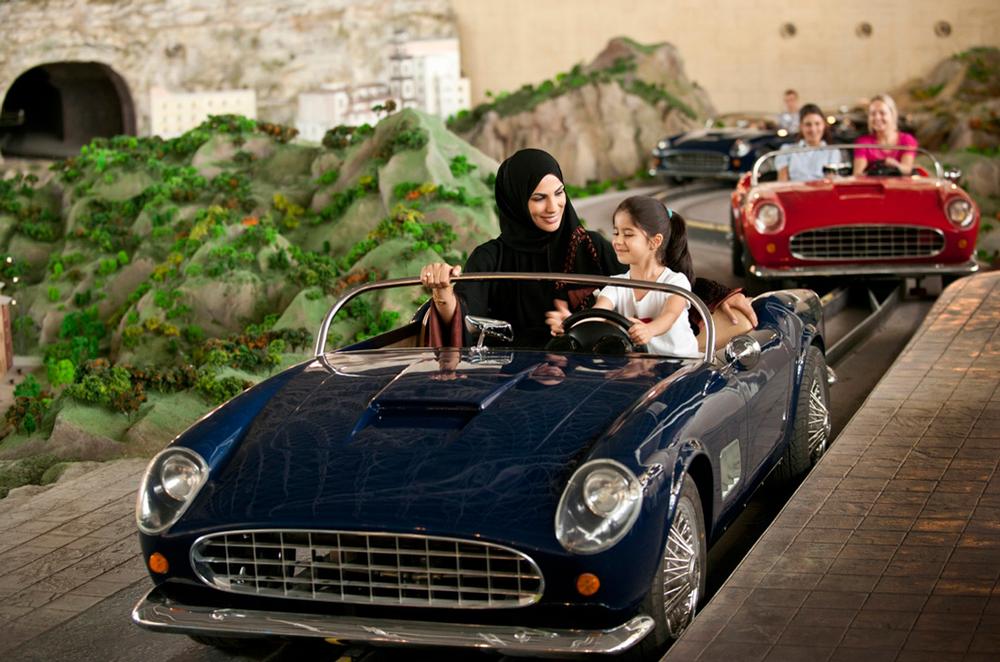
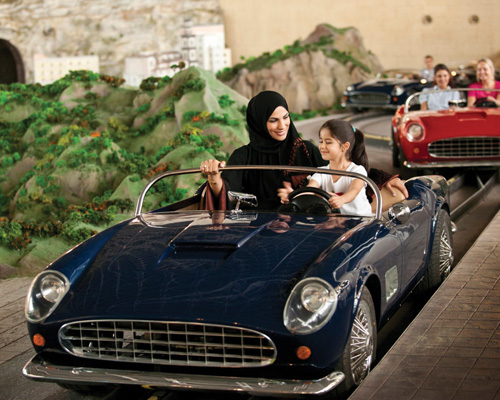
Ferrari World and nearby attractions in Abu Dhabi have received investment from the emirate
Many attractions that have been operating for a number of years have grown steadily over time, ploughing their operating profits back into the business to fund ongoing development and expansion. A prime example of this is the family-run Europa Park in Germany, which attracted 250,000 visitors in its first operating season in 1975. By the park’s 40th anniversary, through reinvesting in the business, attendance had increased to 5.5 million and the resort had expanded to provide almost 1,000 hotel rooms.
Park operating groups such as Merlin Entertainments have grown through a combination of development and acquisitions, with attraction purchase values based on earnings multiples. As noted in the previous article, these are based on the operating business rather than the investment levels, and while the valuation may not equate to the total amount invested in the attraction, the impact of depreciation over the operating period of the attraction means that such deals are generally good for both parties.
Development challenges New schemes face different challenges. There’s an increasing aspiration among developers to create attractions that are bigger and better than those currently existing in a market, but this can often lead to a position where the level of investment required to create an attraction is not able to be supported by the business model.
In this case, scheme promoters can look at cutting the development budget, reducing operating costs, increasing admission prices or accepting a lower return on their investment. Yet these routes can have negative impacts on the quality of the offer, guest experience, and/or attendance levels.
To overcome these challenges and stop the scheme failing at the concept stage, a number of projects have been able to secure supporting funding via grants, donations, interest-free loans, cross-subsidies and other sources. Much of this funding is through public sector sources, charitable trusts, quangos and, at least in the UK, lottery-funded organisations.
Impact studies Visitor attractions are among the highest profile recipients of this kind of funding support as they can have major benefits for a city or area. Funding decisions are generally supported by an assessment of the impact the attraction is likely to have on the image of an area or city, whether it will drive tourism, increase spending within an area, support overnight accommodation, create jobs or a combination of these.
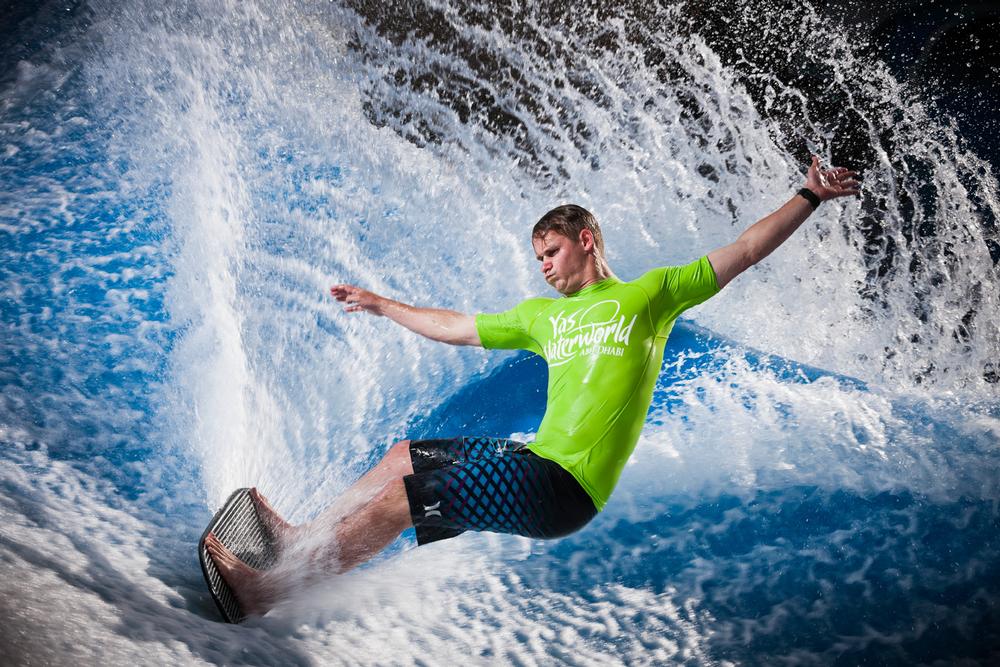
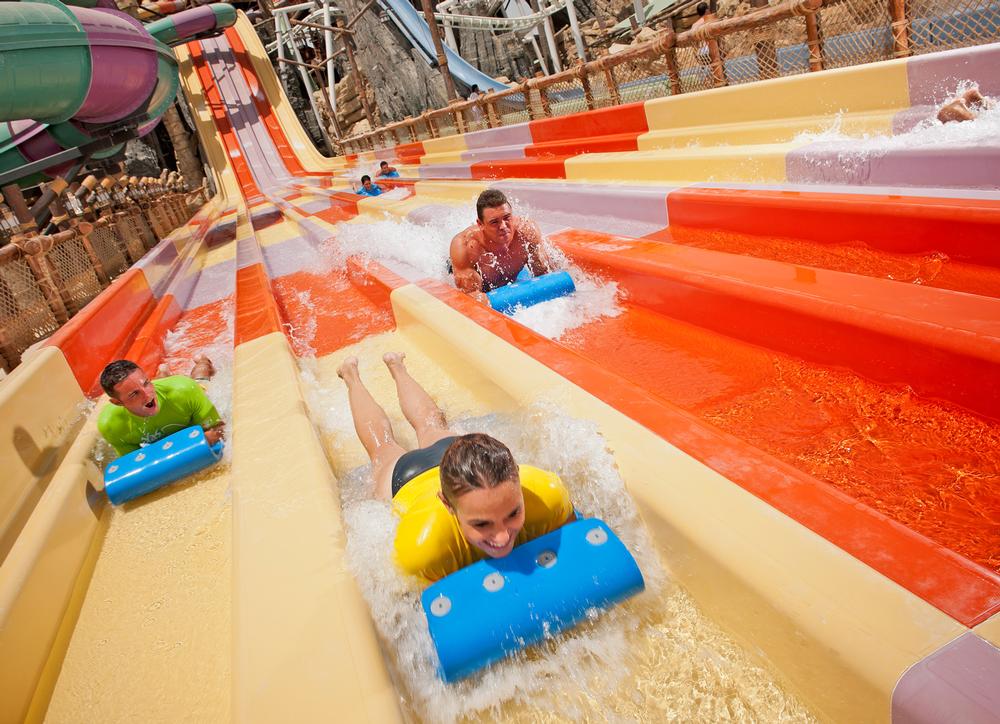
Impacts like this are important in Abu Dhabi, where the massive investment in creating Ferrari World, Yas Waterworld, the Louvre and Warner Bros World Abu Dhabi has served to put the emirate on the international stage and increase tourism.
Other attraction developments that have benefited from significant subsidies and have had a major impact on the surrounding area include the Guggenheim Bilbao, the Eden Project and Titanic Belfast.
Securing such funding is not easy and in many cases economic impact studies are used to assess the benefits that these developments are likely to realise. There are three aspects to economic impacts:
• Direct impacts, resulting from direct expenditure by visitors to the attraction
• Indirect impacts, relating to the spending by the attraction to buying goods and services for the operation as well as the staff salaries and payroll
• Induced impacts, which are created when the attraction employees, and workers at suppliers of goods and services, spend their salaries on additional goods and services within the area
An assessment of these figures can show the impact of an attraction on an area’s economy, jobs, salaries and taxes, and the impact figures are often much greater than the initial investment.
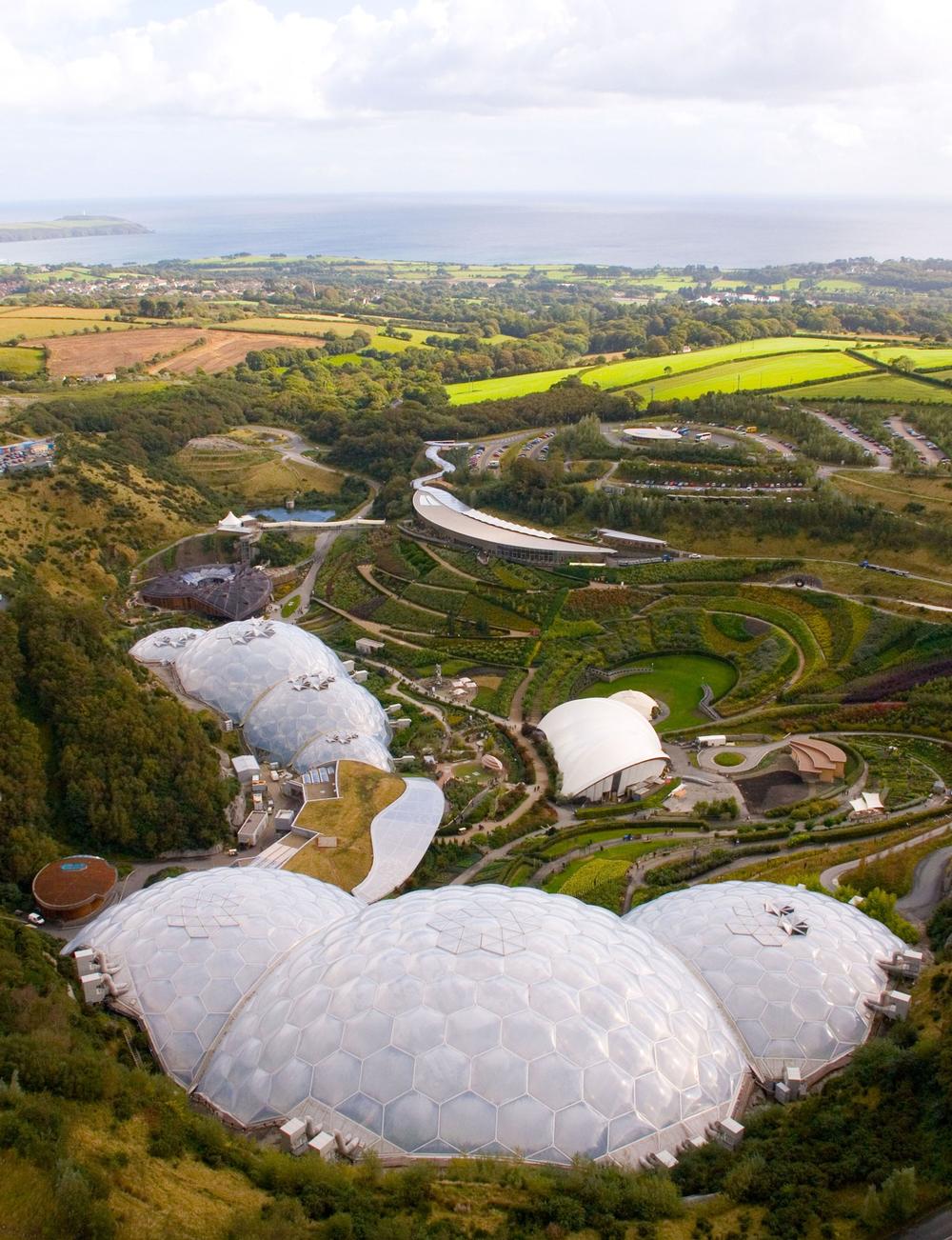
For example, the Eden Project in Cornwall opened in 2001 and the attraction has been supported by just over £100m ($132m, €112) in public-sector funding over the past 16 years. The company estimate that this investment has resulted in a total contribution of £1.7bn ($2.2bn, €1.9bn) to the regional economy over this period; a positive impact that’s equivalent to the total investment each year.
A study on the impact of Titanic Belfast revealed that the £77m ($102m, €86m) development that opened in 2012 generated an additional £105m ($139, €117m) tourism spend within the Northern Ireland economy within the first three years, and supports almost 900 jobs within the local community. It has also been a catalyst for additional investment in other attractions and commercial real-estate development in the surrounding area.
Cross-funding opportunities These external impacts can be substantial and are significantly enhanced when the attraction leads to people staying overnight in an area, rather than just visiting for a day trip. A study undertaken by Harrison “Buzz” Price for Walt Disney in the 1950s revealed that for every $1 spent by visitors to Disneyland in California, $2 was spent at the surrounding hotels, restaurants and shops. As these were not owned by Disney, it was clear that the honeypot that Walt had created was feeding lots of others.
As a result, Walt scoured the country and bought 12,000 hectares of land south of Orlando, where he could develop new parks, hotels, residential areas and shopping centres in order to capture as much visitor spend as possible.
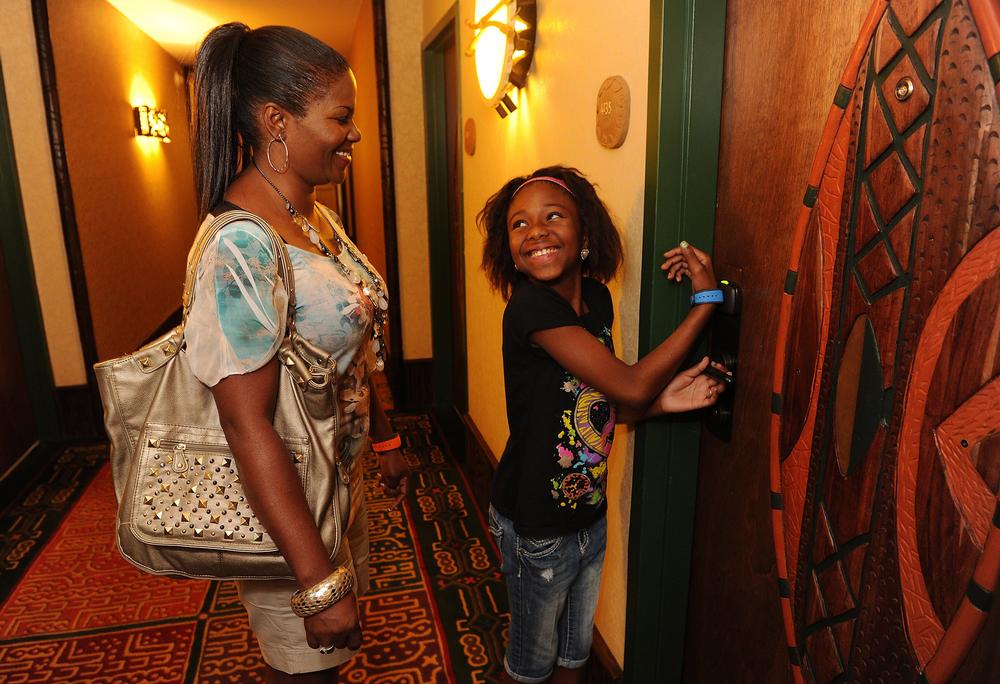
Disney now owns almost 13,000 hotel rooms at their resorts around the world and caters to around 3 million overnight guests annually. While this is only a tiny proportion of the 139 million guests visiting their parks each year, these overnight guests spend around four times as much per person as day visitors do.
Additional revenue streams can allow for cross-funding opportunities where profits from accommodation, retail and other real estate elements are used to support the creation of an attraction.
This is a common route within retail and entertainment centres, where centre owners often invest in the creation of attractions to help the centre stand out and attract visitors. Ski Dubai within the Mall of the Emirates, and Dubai Aquarium at the Dubai Mall are examples of this. These attractions not only generate paying guests, they are an important visual feature of the malls. They draw high footfall to those areas of the mall and this helps to drive strong rents from nearby retail and F&B outlets, enhancing the overall business.
A final thought While securing funds for the development of visitor attractions is not easy, looking beyond the core business at the potential for wider impacts can open up opportunities. This may require changes in location, scale, ownership structure and operating philosophy, and this may be too much for some project champions. But, if such changes can lead to a vision becoming reality rather than just remaining a dream, they may well be worth making.
Read more from this issue of Spa Business magazine
Interview: Jane Cooper
We talked to Jane Cooper, COO
and president of Herschend Family
Entertainment, about the company
portfolio and all things Dollywood
Series roadmap This eight-part series outlines the patterns and dynamics that define every attraction – from visitor behaviour and guest spending to operating costs and profitability CONTENTS 1. An overview 2. How are you perceived? 3. Benchmarking 4. Planning a new attraction 5. Driving revenues 6. Controlling costs 7. Is it worth it? 8. Benefits and impacts
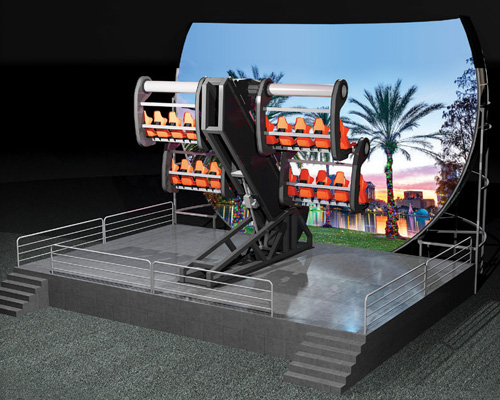
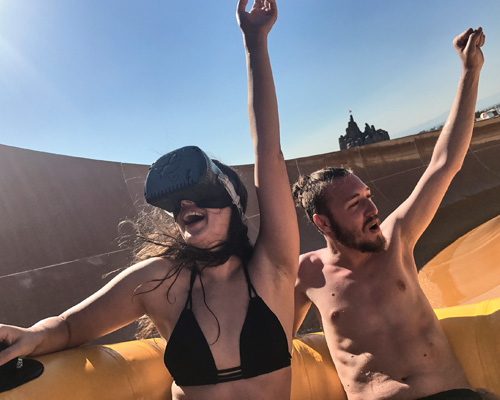
Yas Waterworld is important to Abu Dhabi’s tourism strategy;
Yas Waterworld is important to Abu Dhabi’s tourism strategy
the Eden Project boosted Cornwall’s economy
Operating on-site hotels and resorts, like Disney, increases visitor spend
Operating on-site hotels and resorts, like Disney, increases visitor spend
In the final part of this series by industry consultant David Camp, we address the obstacles faced by developers and look at creative funding options and economic impacts
By David Camp | Published in Attractions Management 2017 issue 4
Ferrari World and nearby attractions in Abu Dhabi have received investment from the emirate
Many attractions that have been operating for a number of years have grown steadily over time, ploughing their operating profits back into the business to fund ongoing development and expansion. A prime example of this is the family-run Europa Park in Germany, which attracted 250,000 visitors in its first operating season in 1975. By the park’s 40th anniversary, through reinvesting in the business, attendance had increased to 5.5 million and the resort had expanded to provide almost 1,000 hotel rooms.
Park operating groups such as Merlin Entertainments have grown through a combination of development and acquisitions, with attraction purchase values based on earnings multiples. As noted in the previous article, these are based on the operating business rather than the investment levels, and while the valuation may not equate to the total amount invested in the attraction, the impact of depreciation over the operating period of the attraction means that such deals are generally good for both parties.
Development challenges New schemes face different challenges. There’s an increasing aspiration among developers to create attractions that are bigger and better than those currently existing in a market, but this can often lead to a position where the level of investment required to create an attraction is not able to be supported by the business model.
In this case, scheme promoters can look at cutting the development budget, reducing operating costs, increasing admission prices or accepting a lower return on their investment. Yet these routes can have negative impacts on the quality of the offer, guest experience, and/or attendance levels.
To overcome these challenges and stop the scheme failing at the concept stage, a number of projects have been able to secure supporting funding via grants, donations, interest-free loans, cross-subsidies and other sources. Much of this funding is through public sector sources, charitable trusts, quangos and, at least in the UK, lottery-funded organisations.
Impact studies Visitor attractions are among the highest profile recipients of this kind of funding support as they can have major benefits for a city or area. Funding decisions are generally supported by an assessment of the impact the attraction is likely to have on the image of an area or city, whether it will drive tourism, increase spending within an area, support overnight accommodation, create jobs or a combination of these.
Impacts like this are important in Abu Dhabi, where the massive investment in creating Ferrari World, Yas Waterworld, the Louvre and Warner Bros World Abu Dhabi has served to put the emirate on the international stage and increase tourism.
Other attraction developments that have benefited from significant subsidies and have had a major impact on the surrounding area include the Guggenheim Bilbao, the Eden Project and Titanic Belfast.
Securing such funding is not easy and in many cases economic impact studies are used to assess the benefits that these developments are likely to realise. There are three aspects to economic impacts:
• Direct impacts, resulting from direct expenditure by visitors to the attraction
• Indirect impacts, relating to the spending by the attraction to buying goods and services for the operation as well as the staff salaries and payroll
• Induced impacts, which are created when the attraction employees, and workers at suppliers of goods and services, spend their salaries on additional goods and services within the area
An assessment of these figures can show the impact of an attraction on an area’s economy, jobs, salaries and taxes, and the impact figures are often much greater than the initial investment.
For example, the Eden Project in Cornwall opened in 2001 and the attraction has been supported by just over £100m ($132m, €112) in public-sector funding over the past 16 years. The company estimate that this investment has resulted in a total contribution of £1.7bn ($2.2bn, €1.9bn) to the regional economy over this period; a positive impact that’s equivalent to the total investment each year.
A study on the impact of Titanic Belfast revealed that the £77m ($102m, €86m) development that opened in 2012 generated an additional £105m ($139, €117m) tourism spend within the Northern Ireland economy within the first three years, and supports almost 900 jobs within the local community. It has also been a catalyst for additional investment in other attractions and commercial real-estate development in the surrounding area.
Cross-funding opportunities These external impacts can be substantial and are significantly enhanced when the attraction leads to people staying overnight in an area, rather than just visiting for a day trip. A study undertaken by Harrison “Buzz” Price for Walt Disney in the 1950s revealed that for every $1 spent by visitors to Disneyland in California, $2 was spent at the surrounding hotels, restaurants and shops. As these were not owned by Disney, it was clear that the honeypot that Walt had created was feeding lots of others.
As a result, Walt scoured the country and bought 12,000 hectares of land south of Orlando, where he could develop new parks, hotels, residential areas and shopping centres in order to capture as much visitor spend as possible.
Disney now owns almost 13,000 hotel rooms at their resorts around the world and caters to around 3 million overnight guests annually. While this is only a tiny proportion of the 139 million guests visiting their parks each year, these overnight guests spend around four times as much per person as day visitors do.
Additional revenue streams can allow for cross-funding opportunities where profits from accommodation, retail and other real estate elements are used to support the creation of an attraction.
This is a common route within retail and entertainment centres, where centre owners often invest in the creation of attractions to help the centre stand out and attract visitors. Ski Dubai within the Mall of the Emirates, and Dubai Aquarium at the Dubai Mall are examples of this. These attractions not only generate paying guests, they are an important visual feature of the malls. They draw high footfall to those areas of the mall and this helps to drive strong rents from nearby retail and F&B outlets, enhancing the overall business.
A final thought While securing funds for the development of visitor attractions is not easy, looking beyond the core business at the potential for wider impacts can open up opportunities. This may require changes in location, scale, ownership structure and operating philosophy, and this may be too much for some project champions. But, if such changes can lead to a vision becoming reality rather than just remaining a dream, they may well be worth making.
Read more from this issue of Spa Business magazine
Interview: Jane Cooper
We talked to Jane Cooper, COO
and president of Herschend Family
Entertainment, about the company
portfolio and all things Dollywood
Series roadmap This eight-part series outlines the patterns and dynamics that define every attraction – from visitor behaviour and guest spending to operating costs and profitability CONTENTS 1. An overview 2. How are you perceived? 3. Benchmarking 4. Planning a new attraction 5. Driving revenues 6. Controlling costs 7. Is it worth it? 8. Benefits and impacts
Yas Waterworld is important to Abu Dhabi’s tourism strategy;
Yas Waterworld is important to Abu Dhabi’s tourism strategy
the Eden Project boosted Cornwall’s economy
Operating on-site hotels and resorts, like Disney, increases visitor spend
Operating on-site hotels and resorts, like Disney, increases visitor spend
Global Wellness Day (GWD) will mark its 15th anniversary on Saturday 13 June 2026, with the
theme: #JoyMagenta – a celebration of the healing qualities of simple gestures and activities
that spark joy.
Global luxury hospitality brand, Six Senses, has partnered with longevity healthcare provider,
HUM2N, to launch a clinic at Six Senses London, at The Whiteley.
As part of its first hotel partnership, Mayrlife – the medical health resort company known for its
site in Altaussee, Austria – has launched a day clinic at the Rosewood Vienna.
Premium London health club, KX Chelsea, will imminently unveil its most significant
redevelopment since its launch in 2002 to create an integrated wellness model combining
training, recovery and relaxation.
Rosewood Le Guanahani St Barth, on the northeast coast of Saint Barthélemy in the French
West Indies, is offering a programme of ocean-inspired yoga classes between 8-14 June to
celebrate Global Wellness Day (GWD).
Hotel de France, located on the British Isle of Jersey, has created a wellness retreat package
that includes a hot yoga session that will take place in Jersey Zoo’s butterfly sanctuary.
The Ritz-Carlton, Langkawi, in Malaysia, has revealed a schedule for Global Wellness Day
(GWD) that includes guided rainforest walks, mindful movement and guided coastal meditation
experiences.
Longevitix, a clinical platform for preventive and longevity medicine, has launched its AI-
powered intelligence system to help physicians deliver continuous, personalised longevity-
focused care at scale.
Atmantan Wellness Centre, an integrative wellness destination in Mulshi, near Pune in India, is
expanding its portfolio by adding a new centre in Hyderabad that will launch between 2028 and
2029.
A recent survey by the UK Spa Association (UKSA) into the industry’s approach to cancer care
has revealed that almost half of participating respondents (46 per cent) are unaware that
cancer is a disability and guests with a cancer diagnosis must be given