Yes! Send me the FREE digital editions of Spa Business and Spa Business insider magazines and the FREE weekly Spa Business and Spa Business insider ezines and breaking news alerts!
An underground postal transport system has reopened as the Mail Rail experience, with an accompanying Postal Museum. Alice Davis visited London’s newest attraction
By Alice Davis | Published in Attractions Management 2017 issue 4
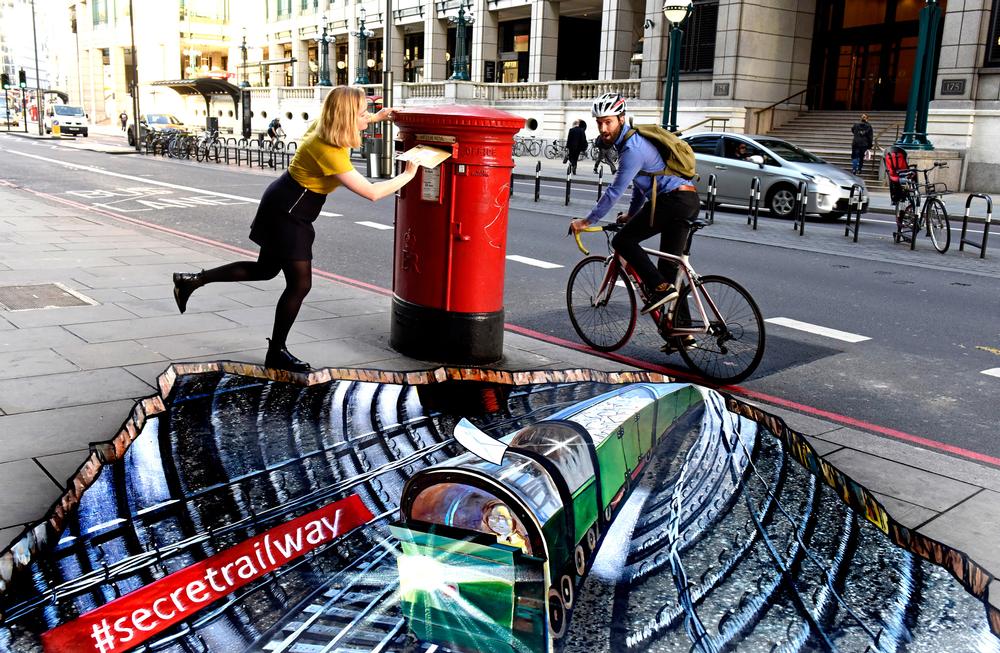
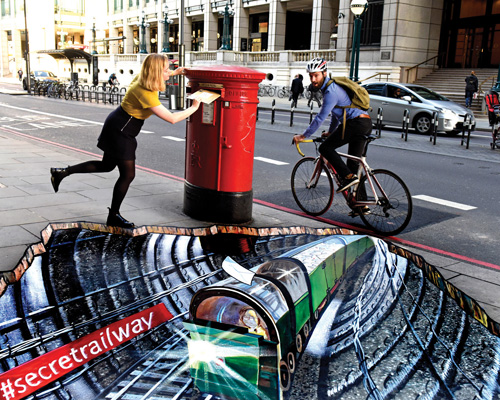
Specially commissioned street art marked the launch of Mail Rail and the Postal Museum
For 75 years, underneath the busy streets of London, a network of driverless electric trains transported millions of letters around the city. Though hidden from sight, the Mail Rail and its mail stations were alive with the loud rattle of the constant trains, the noise of the sorting machinery and the chatter of the people who worked there.
This fascinating feat of engineering is a part of an almost secret history, which has been preserved and transformed into a new attraction. First conceived in Victorian times, Mail Rail was the heart of the postal system and connected the UK to the rest of the world. Even through the World Wars, the post still had to be delivered, and the Mail Rail worked 22 hours a day, never resting, until the moment it ceased operation in the early hours of 31 May 2003.
Since then, the network has been regularly maintained and the site has now reopened as an attraction, with visitors able to ride a train through the original tunnels under Mount Pleasant. The Royal Mail also donated a disused building across the road from Mail Rail to the project, which is now the Postal Museum.
Located at Mount Pleasant Mail Centre – London’s largest sorting office – the two-site attraction is a 15-minute walk or short bus journey from Kings Cross station. For most visitors, the main draw will be the Mail Rail; the chance to travel on a miniature train through abandoned underground tunnels promises a rare level of authenticity and has an inimitable appeal.
Because the capacity of the two trains is limited, rides on the Mail Rail run to a strict schedule and visitors need a timed ticket. The attraction is making a limited number of walk-up tickets available on weekdays, but due to the popularity of the attraction in its first few weeks of being open, it is much safer to book online and buy tickets in advance of a visit.
The high demand apparently took Mail Rail unawares. When I first tried to purchase a ticket, the attraction was completely sold out until January. Luckily, a new batch of tickets was made available, but I had to move quickly to get a ticket for a Thursday afternoon in October. The facility underestimated how many people would want to ride the Mail Rail, expecting to sell about 20 per cent of its tickets as advance bookings. It has, in fact, been selling 90 per cent online. On the other hand, there are plenty of tickets available for the Postal Museum without the train, showing almost everyone is opting for the Mail Rail and museum combination ticket.
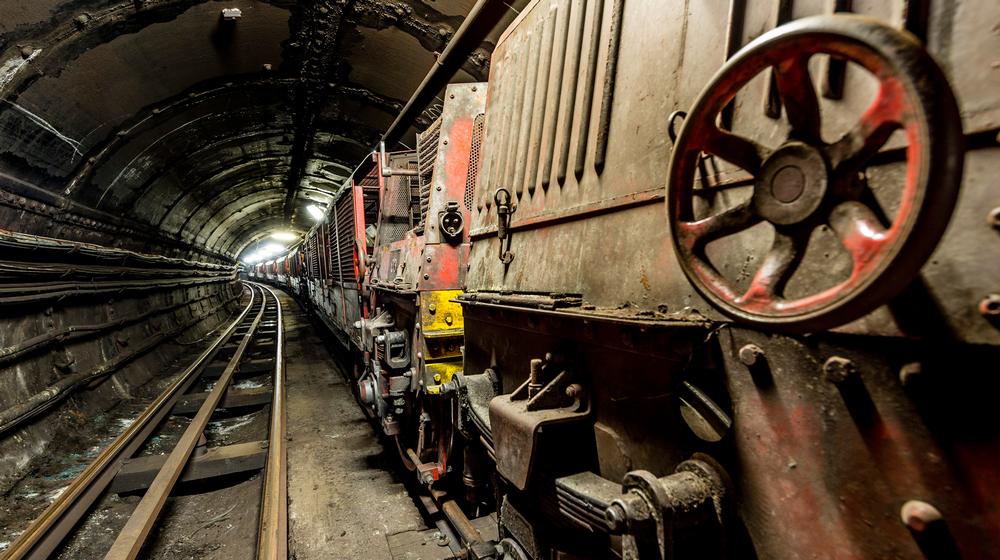
Mail Rail The Mail Rail stretched 6.5 miles (10.5km) from Whitechapel Eastern Delivery Office to Paddington Sorting Office, with Mount Pleasant in the middle. The carts, brimming with post, travelled at speeds of up to 40mph (64kph) and stopped at the station platforms for less than a minute, just enough time for the operators to unload the bags intended for them, and reload the carts with onward deliveries.
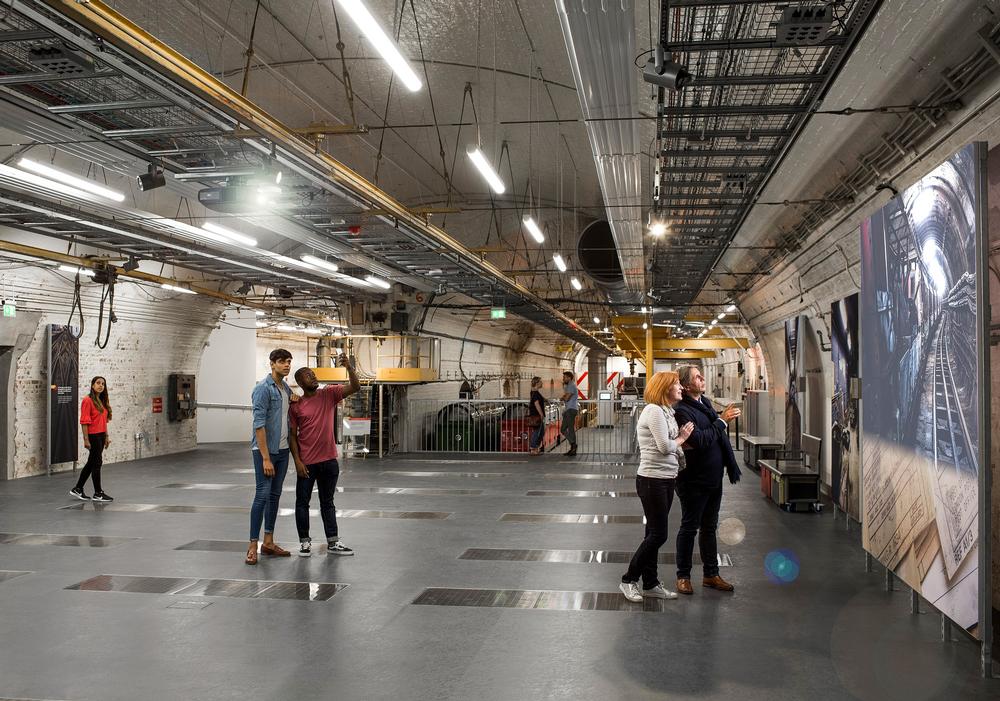
On the ground floor of the Mail Rail building – the network’s former engineering depot – is a well staffed welcome desk and shop stocked with post-themed souvenirs. Heading downstairs into the large depot hall where the trains depart, minimal renovation has been done. The warehouse-like space looks much as it did when it was a working rail yard. While waiting to board, you can browse displays around the hall and watch a large-screen film that provides some background to the network.
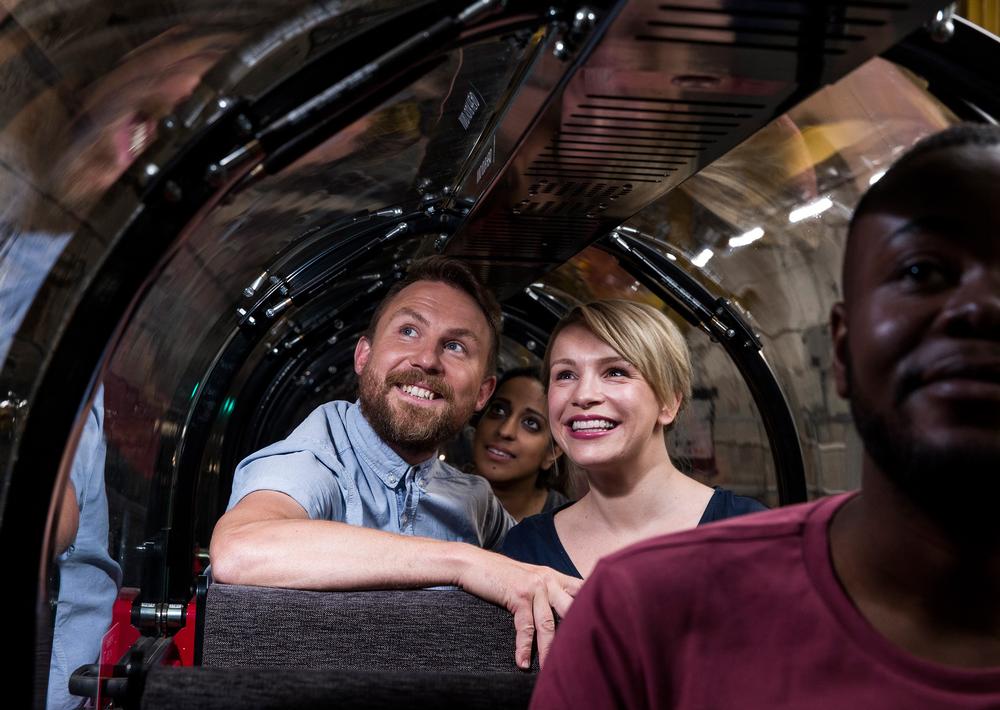
The 20-minute experience takes you on a loop through the tunnels at Mount Pleasant station – though you do have a driver and you don’t reach speeds of 40mph (it’s more like 7mph). Boarding was a simple process, with staff scanning tickets to make sure visitors are booked for the next ride. The trains are cosy, but designed so that the roof and door both open up and make them easier to get in and out of, with the staff happy to help. Though it’s small, the benches are well spaced out. If you’re tall, you might find it a bit of a squeeze.
All aboard! Once the driver ensures everyone is safely in, the train departs. The journey through the tunnels is interspersed with recorded narration from Ray Middlesworth, an engineer on London’s underground postal network for 30 years. Middlesworth explains what it was like working on the underground platform at Mount Pleasant, sorting the mail, and as an engineer, making sure the rail carts were running and the tracks and trains were maintained.
When the train stops, the story of Mail Rail is told with large-scale multimedia displays and dynamic 3D mapping projected on the tunnel walls. It’s a history lesson, showing the roles the service has played throughout the decades.
It makes for a one-of-a-kind immersive experience, being shown what it was like to work in those tunnels, which are brought to life before your eyes. There’s a choreography to the storytelling, using a mix of archive photography, music and animation, that further emphasises what a vibrant place this once was. Though the work must have been backbreaking, the people who worked here were proud of what they did and part of something important.
After alighting the train, visitors enter the Mail Rail’s permanent exhibition area inside the same depot building. There are interesting artefacts, such as the lockers, exactly as they were left when the staff clocked out at the end of their final shift.
There’s an engineer’s tool box and a deconstructed engine from one of the original trains. Many of these exhibits are accompanied by an oral history – pick up the receiver to hear the station controller tell his story. The exhibit signage – at both sites – is equally excellent, giving short but informative summaries, almost every time imparting a fact so fascinating you want to go and tell everybody. (This element of shareability continues throughout, with numerous spots perfect for sharing a snap on social media.)
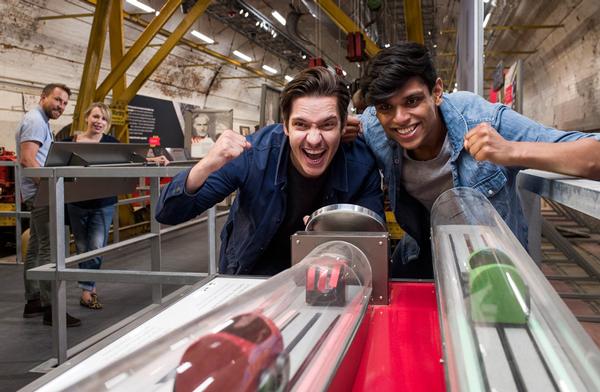
In this zone, exhibition designers Haley Sharpe Design (hsd) invite visitors to get involved, and there’s plenty of competition with some robust, man-size interactives. Challenge your companion to power their pneumatic train to the finish line before you, or step inside a rocking carriage and find out who can sort the letters inside more quickly. These interactives are big, bold, sturdy and fun, designed to challenge both grown-ups and kids, and almost impossible to resist. On my visit, I saw adult guests happily engaging with the gamified exhibits, which is something you don’t see in every museum. But then, we had all just been on a tiny train…
Postal Museum Across the road is the Postal Museum, which you enter through an airy extension which holds the ticket desk, café and more retail space. The ground-floor museum, which is not large in size, is still jam-packed with content, and wayfinding is easy with the space divided into five sections, clearly demarcated through brightly coloured signposting.
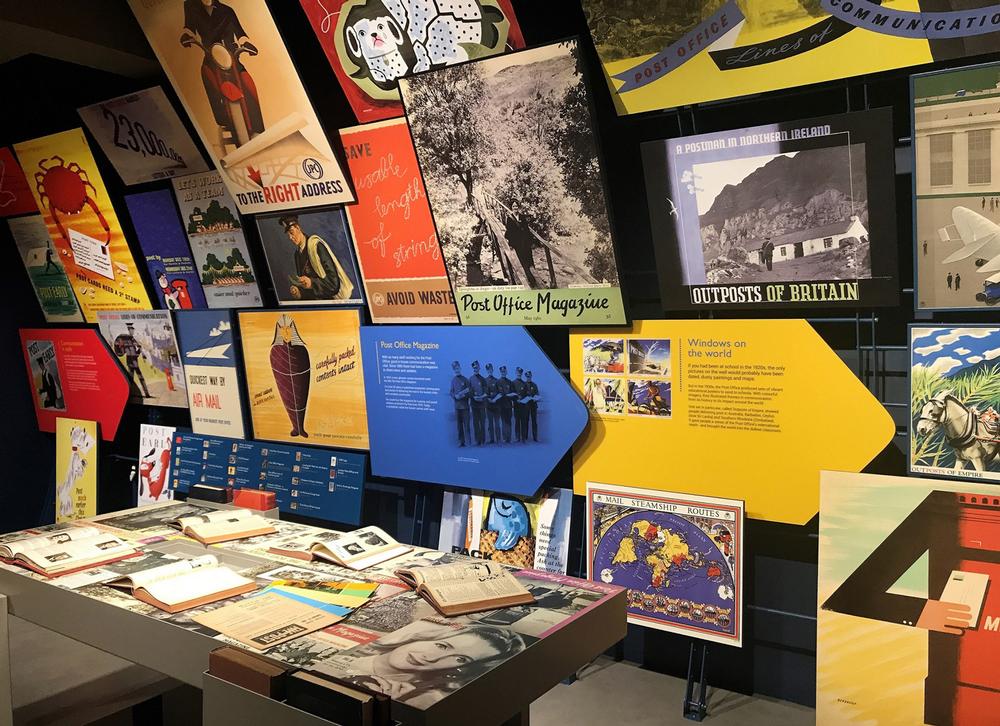
The zones begin with the early history of the post – did you know it was founded by Henry VIII so he could more easily send orders around his kingdom? – and follow on to cover the Victorian era of invention, times of war, the Royal Mail’s design culture, and communication and change.
And the museum does not just tell the story of post, but the telephone, telegrams, pneumatic systems – guests can even write and send their own pneumatic message across the exhibition space.
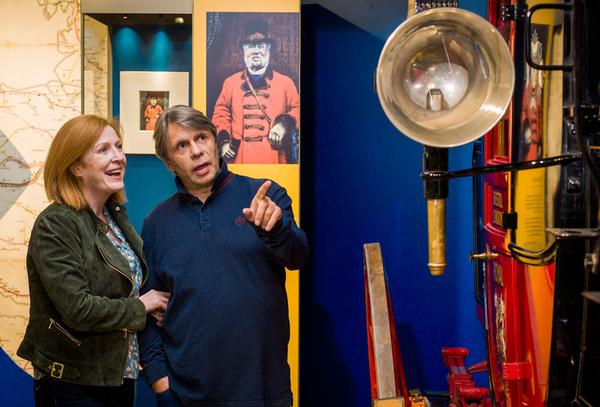
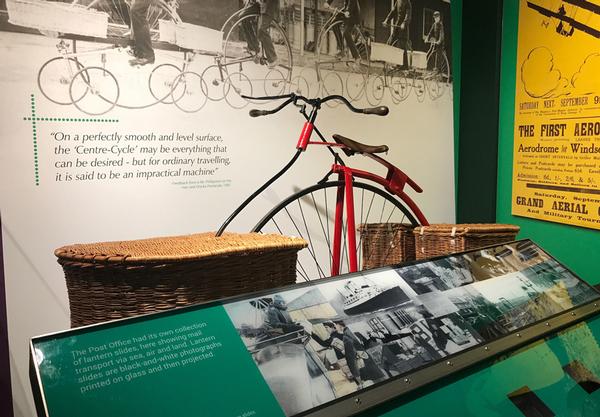
Like the Mail Rail exhibit, there are plenty of other opportunities for interaction. I loved the old dial telephones: refer to the “phone book” and choose whose oral history you want to hear. Then dial the number and listen; I suspect digital natives might be amused by this. There are stories with mystery boxes, authentic vehicles like a five-wheeled cycle and a horse-drawn mail coach, old post boxes and phone boxes, lantern slide displays, dress-up opportunities. The experience is completely engaging, made all the more meaningful because – aside from a couple of touchscreen games and challenges – it relies very little on digital technology.
If I had one tiny criticism about the Postal Museum, it’s that the acoustics seemed compromised when lots of the louder exhibits were being used at the same time, which made it a little hard to focus on the exhibit in hand.
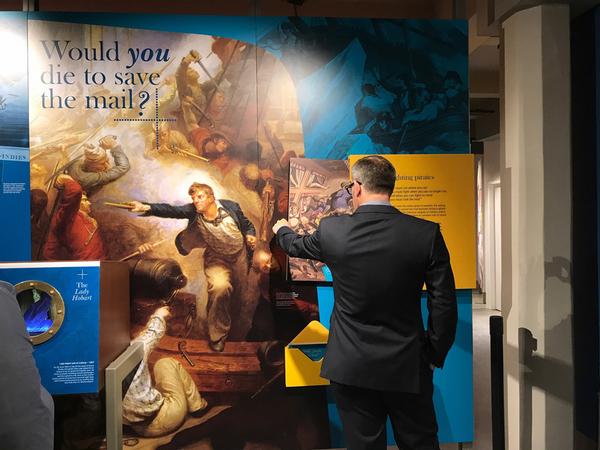
Another aspect that makes this new attraction so memorable is its focus on people, those who worked for the postal service throughout history, or for the Mail Rail itself. There are many stories, from prisoners of war who got a chance to write home, to the 1940s postwoman who demanded she be allowed to wear trousers instead of a skirt, to the first Sikh postman in 1960s Birmingham. It ended with a temporary exhibit called Writing Home, which told stories from around the world and rounded off the experience by presenting the postal system within a global context.
All in all, the Postal Museum and Mail Rail is a journey of discovery, exploring abandoned tunnels and absorbing untold stories. Leaving the museum, I check my phone and reply to a text message. I spare a thought for the 18th-century post boy, travelling on horseback to deliver people’s letters, and London’s engineers, who kept the Mail Rail running.
Communication is at our fingertips today, but the story of how we got here will have even the most dedicated nomophobes putting their phones away.
Read more from this issue of Spa Business magazine
Interview: Jane Cooper
We talked to Jane Cooper, COO
and president of Herschend Family
Entertainment, about the company
portfolio and all things Dollywood
LOCATION The Postal Museum and Mail Rail is located at 15-20 Phoenix Place, London. The nearest stations are King’s Cross, Russell Square and Farringdon.
OPENING HOURS The Postal Museum is open every day from 10.00 to 17.00.
ADMISSION PRICES General admission, including Mail Rail ride and exhibitions, costs £14.50 ($19, €16) for an adult and £7.25 for a child aged one to 15. Royal Mail staff go free. An exhibitions-only ticket costs £11 for an adult ($14.40, €12) and is free for children under 15. A 45-minute session in Sorted!, the postal-themed play area, is £5 ($6.50, €5.50) per child.
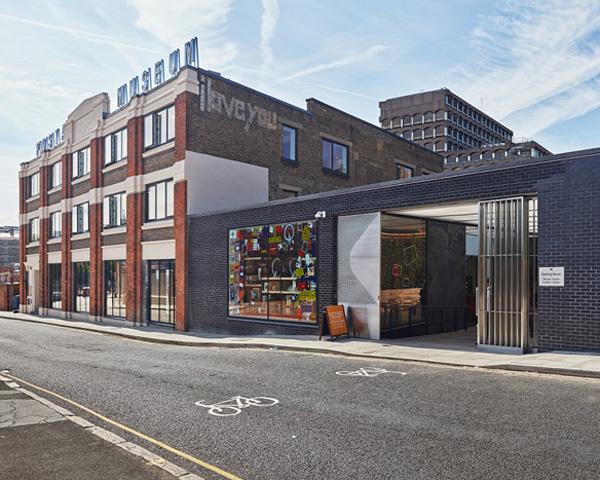
The entrance to the Postal Museum, with Mail Rail located across the road
Sorted!
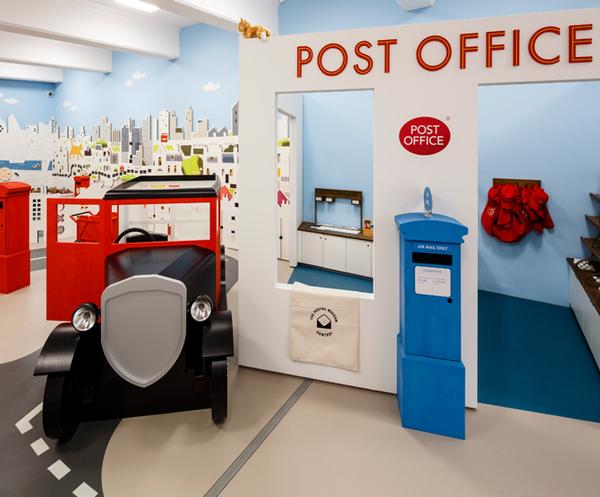
The Postal Play Space Sorted! is a KidZania-style play space on the ground floor of Mail Rail. In this miniature town, with trolleys, pulleys, slides and chutes, kids can dress up in post service uniforms, roleplay in the Post Office, sort mail and even drive a mail van and deliver post around town. Sessions are available in 45-minute slots.
The Postal Play Space
ACCESS ALL AREAS
The Postal Museum and Mail Rail has strived to create an accessible environment. All areas have step-free access, except for the ride. Any visitors who cannot travel on the train can experience the Accessible Mail Rail Show (with video and audio from the ride). There are folding seats for those unable to stand for long periods. Large print guides, magnifiers and Braille guides are available and AV exhibits are subtitled and fitted with induction loops. The attraction says described tours for blind visitors and regular BSL tours will be available soon.
what’s the score?
Staff
9/10
Cleanliness
8/10
Toilets
8/10
Experience
9/10
Value for money
8/10
Overall experience
9/10
RIGHT TO REPLY
Harry Huskisson, head of communications and marketing, the Postal Museum and Mail Rail
Harry Huskisson,
“We’ve seen incredible interest in the Postal Museum and Mail Rail since opening in September and we’ve had fantastic feedback from visitors. We’re delighted the experience has been met with such enthusiasm and reaches the high standards we set ourselves. More tickets will be released soon, so we’d encourage everyone to sign up to our mailing list to be the first to hear when they go on sale and come see this unique part of hidden London for themselves.”
Specially designed trains take visitors on a ride through the 2-metre-wide tunnels
The boarding zone in the former engineering depot
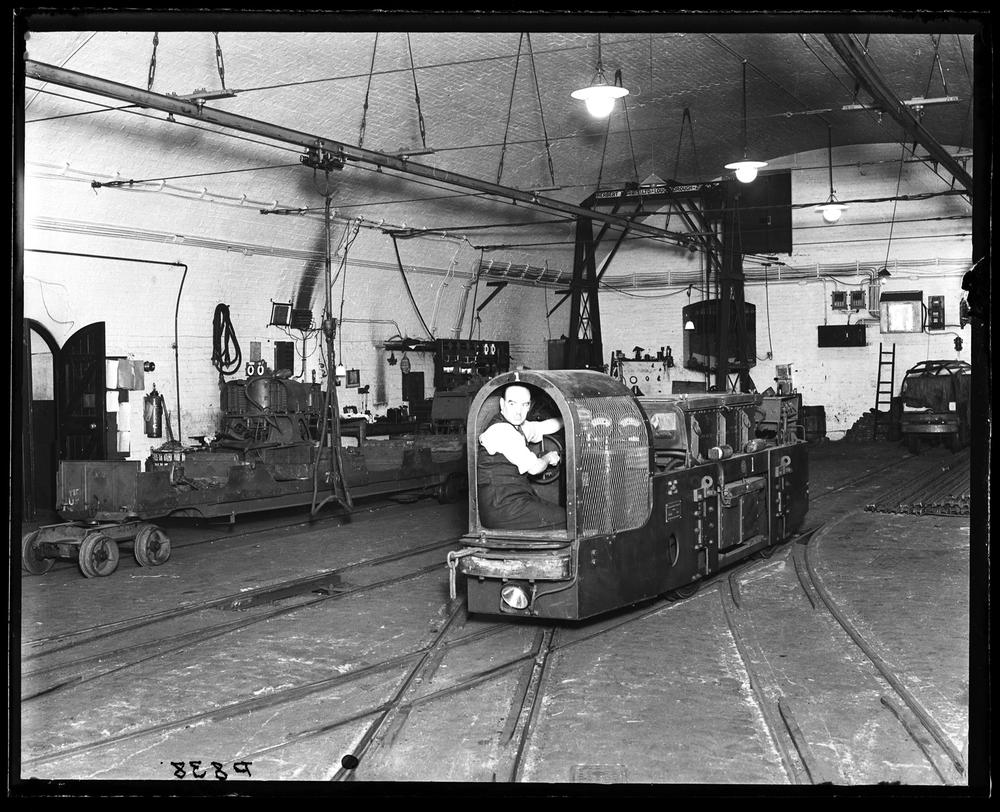
Mail trains were serviced and maintained at the network’s engineering depot located at
Mount Pleasant Sorting Office
Following the train ride, visitors can learn about the history of Mail Rail and try the hands-on exhibits, like the wind-up pneumatic train race
Following the train ride, visitors can learn about the history of Mail Rail and try the hands-on exhibits, like the wind-up pneumatic train race
Following the train ride, visitors can learn about the history of Mail Rail and try the hands-on exhibits, like the wind-up pneumatic train race
Exhibits in the Postal Museum illustrate the design culture at the Post Office
the pentacycle was invented to help deliver parcels, but was almost impossible to ride
Exhibits in the Postal Museum illustrate the design culture at the Post Office
The Spa Life UK Convention returns from 21–23 June 2026 at Whittlebury Park Hotel, Spa &
Golf Resort, bringing together spa managers, directors and owners for two days of focused
education, meaningful connection and commercial insight. [more...]
In the fast-paced world of fitness and wellness, where high-intensity workouts push us to
our limits and the sweat pours, the importance of efficient recovery cannot be overstated. [more...]
+ More featured suppliers
COMPANY PROFILES
Subtle Energies
With 30 years of clinical research, Subtle Energies is widely recognised for its
authentic wellness [more...]
We Work Well Inc
In 2019 Monica Helmstetter and Lucy Hugo founded the American hosted buyer event company We Work Wel [more...]
An underground postal transport system has reopened as the Mail Rail experience, with an accompanying Postal Museum. Alice Davis visited London’s newest attraction
By Alice Davis | Published in Attractions Management 2017 issue 4
Specially commissioned street art marked the launch of Mail Rail and the Postal Museum
For 75 years, underneath the busy streets of London, a network of driverless electric trains transported millions of letters around the city. Though hidden from sight, the Mail Rail and its mail stations were alive with the loud rattle of the constant trains, the noise of the sorting machinery and the chatter of the people who worked there.
This fascinating feat of engineering is a part of an almost secret history, which has been preserved and transformed into a new attraction. First conceived in Victorian times, Mail Rail was the heart of the postal system and connected the UK to the rest of the world. Even through the World Wars, the post still had to be delivered, and the Mail Rail worked 22 hours a day, never resting, until the moment it ceased operation in the early hours of 31 May 2003.
Since then, the network has been regularly maintained and the site has now reopened as an attraction, with visitors able to ride a train through the original tunnels under Mount Pleasant. The Royal Mail also donated a disused building across the road from Mail Rail to the project, which is now the Postal Museum.
Located at Mount Pleasant Mail Centre – London’s largest sorting office – the two-site attraction is a 15-minute walk or short bus journey from Kings Cross station. For most visitors, the main draw will be the Mail Rail; the chance to travel on a miniature train through abandoned underground tunnels promises a rare level of authenticity and has an inimitable appeal.
Because the capacity of the two trains is limited, rides on the Mail Rail run to a strict schedule and visitors need a timed ticket. The attraction is making a limited number of walk-up tickets available on weekdays, but due to the popularity of the attraction in its first few weeks of being open, it is much safer to book online and buy tickets in advance of a visit.
The high demand apparently took Mail Rail unawares. When I first tried to purchase a ticket, the attraction was completely sold out until January. Luckily, a new batch of tickets was made available, but I had to move quickly to get a ticket for a Thursday afternoon in October. The facility underestimated how many people would want to ride the Mail Rail, expecting to sell about 20 per cent of its tickets as advance bookings. It has, in fact, been selling 90 per cent online. On the other hand, there are plenty of tickets available for the Postal Museum without the train, showing almost everyone is opting for the Mail Rail and museum combination ticket.
Mail Rail The Mail Rail stretched 6.5 miles (10.5km) from Whitechapel Eastern Delivery Office to Paddington Sorting Office, with Mount Pleasant in the middle. The carts, brimming with post, travelled at speeds of up to 40mph (64kph) and stopped at the station platforms for less than a minute, just enough time for the operators to unload the bags intended for them, and reload the carts with onward deliveries.
On the ground floor of the Mail Rail building – the network’s former engineering depot – is a well staffed welcome desk and shop stocked with post-themed souvenirs. Heading downstairs into the large depot hall where the trains depart, minimal renovation has been done. The warehouse-like space looks much as it did when it was a working rail yard. While waiting to board, you can browse displays around the hall and watch a large-screen film that provides some background to the network.
The 20-minute experience takes you on a loop through the tunnels at Mount Pleasant station – though you do have a driver and you don’t reach speeds of 40mph (it’s more like 7mph). Boarding was a simple process, with staff scanning tickets to make sure visitors are booked for the next ride. The trains are cosy, but designed so that the roof and door both open up and make them easier to get in and out of, with the staff happy to help. Though it’s small, the benches are well spaced out. If you’re tall, you might find it a bit of a squeeze.
All aboard! Once the driver ensures everyone is safely in, the train departs. The journey through the tunnels is interspersed with recorded narration from Ray Middlesworth, an engineer on London’s underground postal network for 30 years. Middlesworth explains what it was like working on the underground platform at Mount Pleasant, sorting the mail, and as an engineer, making sure the rail carts were running and the tracks and trains were maintained.
When the train stops, the story of Mail Rail is told with large-scale multimedia displays and dynamic 3D mapping projected on the tunnel walls. It’s a history lesson, showing the roles the service has played throughout the decades.
It makes for a one-of-a-kind immersive experience, being shown what it was like to work in those tunnels, which are brought to life before your eyes. There’s a choreography to the storytelling, using a mix of archive photography, music and animation, that further emphasises what a vibrant place this once was. Though the work must have been backbreaking, the people who worked here were proud of what they did and part of something important.
After alighting the train, visitors enter the Mail Rail’s permanent exhibition area inside the same depot building. There are interesting artefacts, such as the lockers, exactly as they were left when the staff clocked out at the end of their final shift.
There’s an engineer’s tool box and a deconstructed engine from one of the original trains. Many of these exhibits are accompanied by an oral history – pick up the receiver to hear the station controller tell his story. The exhibit signage – at both sites – is equally excellent, giving short but informative summaries, almost every time imparting a fact so fascinating you want to go and tell everybody. (This element of shareability continues throughout, with numerous spots perfect for sharing a snap on social media.)
In this zone, exhibition designers Haley Sharpe Design (hsd) invite visitors to get involved, and there’s plenty of competition with some robust, man-size interactives. Challenge your companion to power their pneumatic train to the finish line before you, or step inside a rocking carriage and find out who can sort the letters inside more quickly. These interactives are big, bold, sturdy and fun, designed to challenge both grown-ups and kids, and almost impossible to resist. On my visit, I saw adult guests happily engaging with the gamified exhibits, which is something you don’t see in every museum. But then, we had all just been on a tiny train…
Postal Museum Across the road is the Postal Museum, which you enter through an airy extension which holds the ticket desk, café and more retail space. The ground-floor museum, which is not large in size, is still jam-packed with content, and wayfinding is easy with the space divided into five sections, clearly demarcated through brightly coloured signposting.
The zones begin with the early history of the post – did you know it was founded by Henry VIII so he could more easily send orders around his kingdom? – and follow on to cover the Victorian era of invention, times of war, the Royal Mail’s design culture, and communication and change.
And the museum does not just tell the story of post, but the telephone, telegrams, pneumatic systems – guests can even write and send their own pneumatic message across the exhibition space.
Like the Mail Rail exhibit, there are plenty of other opportunities for interaction. I loved the old dial telephones: refer to the “phone book” and choose whose oral history you want to hear. Then dial the number and listen; I suspect digital natives might be amused by this. There are stories with mystery boxes, authentic vehicles like a five-wheeled cycle and a horse-drawn mail coach, old post boxes and phone boxes, lantern slide displays, dress-up opportunities. The experience is completely engaging, made all the more meaningful because – aside from a couple of touchscreen games and challenges – it relies very little on digital technology.
If I had one tiny criticism about the Postal Museum, it’s that the acoustics seemed compromised when lots of the louder exhibits were being used at the same time, which made it a little hard to focus on the exhibit in hand.
Another aspect that makes this new attraction so memorable is its focus on people, those who worked for the postal service throughout history, or for the Mail Rail itself. There are many stories, from prisoners of war who got a chance to write home, to the 1940s postwoman who demanded she be allowed to wear trousers instead of a skirt, to the first Sikh postman in 1960s Birmingham. It ended with a temporary exhibit called Writing Home, which told stories from around the world and rounded off the experience by presenting the postal system within a global context.
All in all, the Postal Museum and Mail Rail is a journey of discovery, exploring abandoned tunnels and absorbing untold stories. Leaving the museum, I check my phone and reply to a text message. I spare a thought for the 18th-century post boy, travelling on horseback to deliver people’s letters, and London’s engineers, who kept the Mail Rail running.
Communication is at our fingertips today, but the story of how we got here will have even the most dedicated nomophobes putting their phones away.
Read more from this issue of Spa Business magazine
Interview: Jane Cooper
We talked to Jane Cooper, COO
and president of Herschend Family
Entertainment, about the company
portfolio and all things Dollywood
LOCATION The Postal Museum and Mail Rail is located at 15-20 Phoenix Place, London. The nearest stations are King’s Cross, Russell Square and Farringdon.
OPENING HOURS The Postal Museum is open every day from 10.00 to 17.00.
ADMISSION PRICES General admission, including Mail Rail ride and exhibitions, costs £14.50 ($19, €16) for an adult and £7.25 for a child aged one to 15. Royal Mail staff go free. An exhibitions-only ticket costs £11 for an adult ($14.40, €12) and is free for children under 15. A 45-minute session in Sorted!, the postal-themed play area, is £5 ($6.50, €5.50) per child.
The entrance to the Postal Museum, with Mail Rail located across the road
Sorted!
The Postal Play Space Sorted! is a KidZania-style play space on the ground floor of Mail Rail. In this miniature town, with trolleys, pulleys, slides and chutes, kids can dress up in post service uniforms, roleplay in the Post Office, sort mail and even drive a mail van and deliver post around town. Sessions are available in 45-minute slots.
The Postal Play Space
ACCESS ALL AREAS
The Postal Museum and Mail Rail has strived to create an accessible environment. All areas have step-free access, except for the ride. Any visitors who cannot travel on the train can experience the Accessible Mail Rail Show (with video and audio from the ride). There are folding seats for those unable to stand for long periods. Large print guides, magnifiers and Braille guides are available and AV exhibits are subtitled and fitted with induction loops. The attraction says described tours for blind visitors and regular BSL tours will be available soon.
what’s the score?
Staff
9/10
Cleanliness
8/10
Toilets
8/10
Experience
9/10
Value for money
8/10
Overall experience
9/10
RIGHT TO REPLY
Harry Huskisson, head of communications and marketing, the Postal Museum and Mail Rail
Harry Huskisson,
“We’ve seen incredible interest in the Postal Museum and Mail Rail since opening in September and we’ve had fantastic feedback from visitors. We’re delighted the experience has been met with such enthusiasm and reaches the high standards we set ourselves. More tickets will be released soon, so we’d encourage everyone to sign up to our mailing list to be the first to hear when they go on sale and come see this unique part of hidden London for themselves.”
Specially designed trains take visitors on a ride through the 2-metre-wide tunnels
The boarding zone in the former engineering depot
Mail trains were serviced and maintained at the network’s engineering depot located at
Mount Pleasant Sorting Office
Following the train ride, visitors can learn about the history of Mail Rail and try the hands-on exhibits, like the wind-up pneumatic train race
Following the train ride, visitors can learn about the history of Mail Rail and try the hands-on exhibits, like the wind-up pneumatic train race
Following the train ride, visitors can learn about the history of Mail Rail and try the hands-on exhibits, like the wind-up pneumatic train race
Exhibits in the Postal Museum illustrate the design culture at the Post Office
the pentacycle was invented to help deliver parcels, but was almost impossible to ride
Exhibits in the Postal Museum illustrate the design culture at the Post Office
As part of its first hotel partnership, Mayrlife – the medical health resort company known for its
site in Altaussee, Austria – has launched a day clinic at the Rosewood Vienna.
Premium London health club, KX Chelsea, will imminently unveil its most significant
redevelopment since its launch in 2002 to create an integrated wellness model combining
training, recovery and relaxation.
Rosewood Le Guanahani St Barth, on the northeast coast of Saint Barthélemy in the French
West Indies, is offering a programme of ocean-inspired yoga classes between 8-14 June to
celebrate Global Wellness Day (GWD).
Hotel de France, located on the British Isle of Jersey, has created a wellness retreat package
that includes a hot yoga session that will take place in Jersey Zoo’s butterfly sanctuary.
The Ritz-Carlton, Langkawi, in Malaysia, has revealed a schedule for Global Wellness Day
(GWD) that includes guided rainforest walks, mindful movement and guided coastal meditation
experiences.
Longevitix, a clinical platform for preventive and longevity medicine, has launched its AI-
powered intelligence system to help physicians deliver continuous, personalised longevity-
focused care at scale.
Atmantan Wellness Centre, an integrative wellness destination in Mulshi, near Pune in India, is
expanding its portfolio by adding a new centre in Hyderabad that will launch between 2028 and
2029.
A recent survey by the UK Spa Association (UKSA) into the industry’s approach to cancer care
has revealed that almost half of participating respondents (46 per cent) are unaware that
cancer is a disability and guests with a cancer diagnosis must be given
Mexican operator, Solmar Hotels and Resorts, is hosting a series of events in celebration of
Global Wellness Day, including a Temazcal ceremony at its Playa Grande Resort and Spa in Los
Cabos.
Mandarin Oriental has announced a standalone residence brand, Mansions, which will debut at
Emirates Palace, Mandarin Oriental Mansions, Abu Dhabi, in 2029.
The Spa Life UK Convention returns from 21–23 June 2026 at Whittlebury Park Hotel, Spa &
Golf Resort, bringing together spa managers, directors and owners for two days of focused
education, meaningful connection and commercial insight. [more...]
In the fast-paced world of fitness and wellness, where high-intensity workouts push us to
our limits and the sweat pours, the importance of efficient recovery cannot be overstated. [more...]
+ More featured suppliers
COMPANY PROFILES
Subtle Energies With 30 years of clinical research, Subtle Energies is widely recognised for its
authentic wellness [more...]