This year’s SATE conference in Los Angeles looked at how the attractions industry is harnessing film and gaming techniques and technologies to create evermore immersive experiences. Christine Kerr filed this report
By Christine Kerr | Published in Attractions Management 2017 issue 4
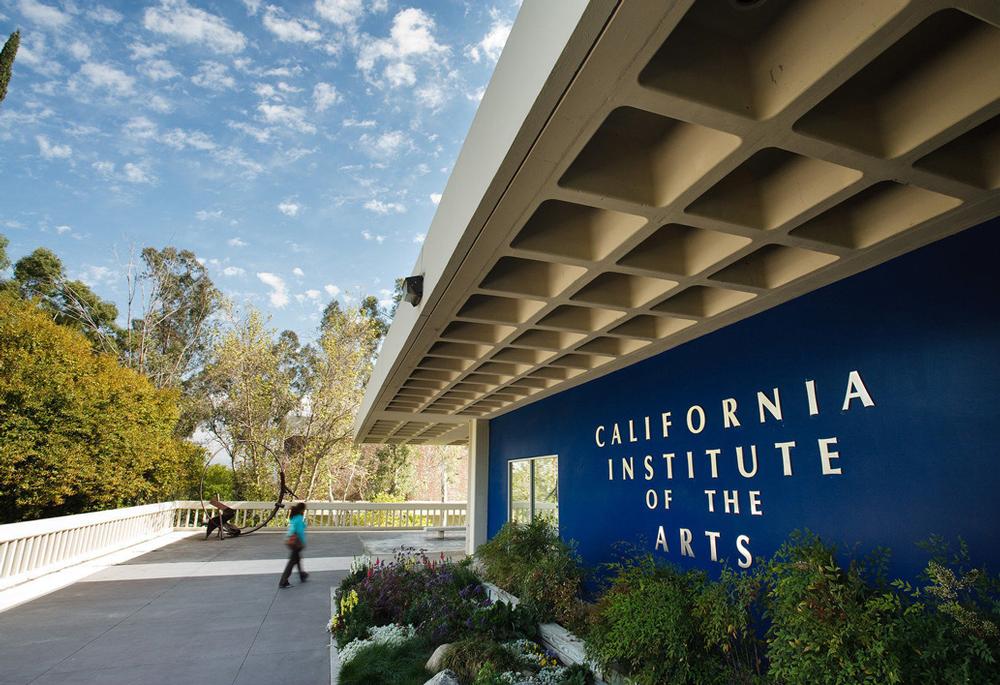
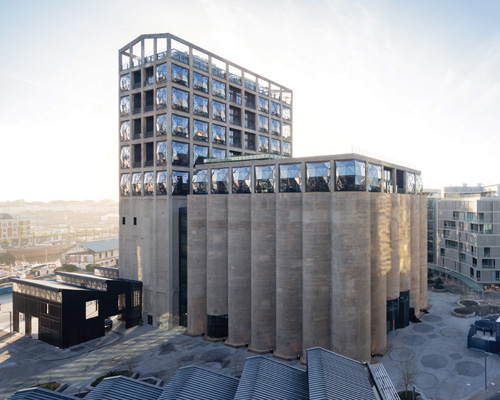
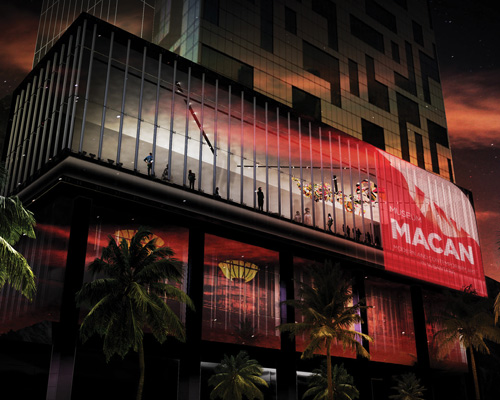
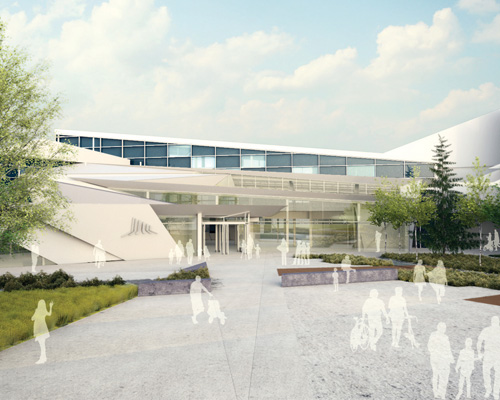
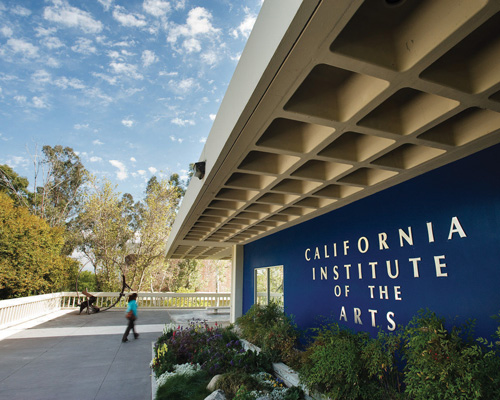
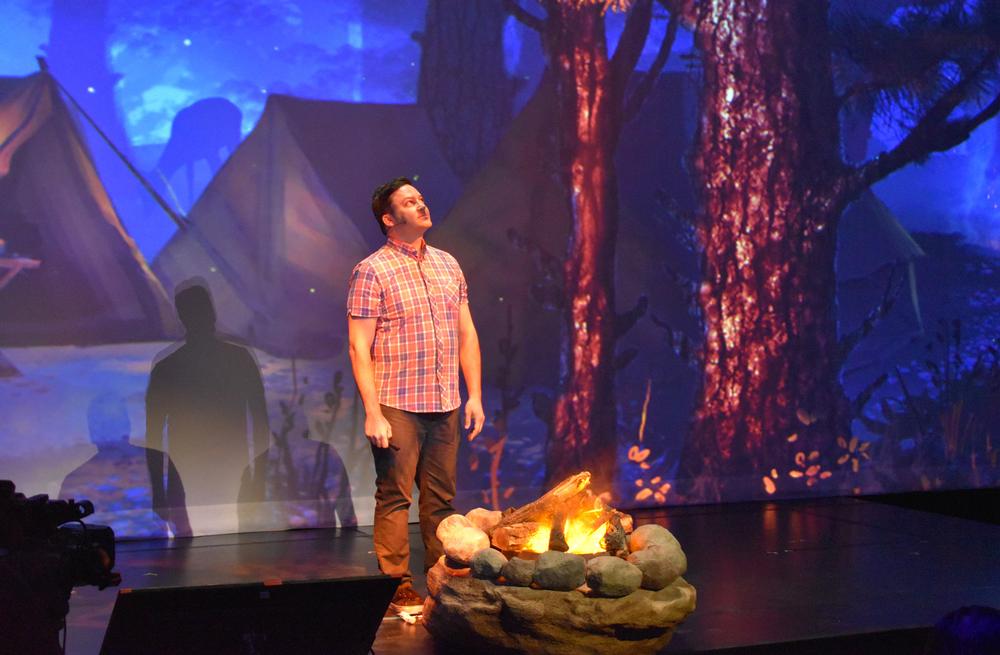
California Institute of the Arts in Valencia, California, hosted the gathering of themed entertainment professionals
Beyond the screen: the future of immersive realities was the theme of the Themed Entertainment Association’s (TEA) SATE 2017 conference, which was held in early October at the California Institute for the Arts in Valencia, California. It focused on storytelling devices originally developed for film, television and gaming and on the impact they are having on experiences across many categories, from theme parks to traditional theatre to museum exhibits and more.
As expected, there was much discussion about media, lighting, audio, AR and VR – all of them part of the toolkit available to creators of immersive experiences. The basics weren’t forgotten, however. There was a real exploration of the importance of immersion based on people interacting with people, that this interaction is fundamental to creating emotional connections, and the increasing importance of such connections. There was also an emphasis on the pure art of themed entertainment and the attention to detail in built environments that is required and appreciated by today’s increasingly sophisticated audiences.
The SATE co-chairs – Chris Conte (Electrosonic), Dina Benadon (Super 78) and Christian Kubsch (Walt Disney Imagineering) – along with Storytelling chair Paul Osterhout (Universal Creative), Architecture chair Louis Allen (Adirondack Scenic) and Technology chair Cory Rosen (Tippett Studio) all brought a variety of perspectives to the conference theme and this was reflected in the wide-ranging presentations.
Create our own story Danny Byerly of On Track Themes started things off with a challenge for attendees: do they consider theme park design an art form that should be taken as seriously as theatre, painting or the movies? He went on to say that true immersion is far more than projection mapping, wraparound monitors and 4D theatres. Immersion is storytelling in every detail possible. It is multi-layered and physical. It’s how guests move through the space emotionally and physically. Storytelling is also the driving force in design, story, budget, schedule and production and he reminded the attendees that they must be a steward for the design when pragmatic decisions are made.
Byerly returned to the idea of immersion as a catalyst for transformation, and suggested that while theming says “here I am, listen to my story”, true immersion says “here you are, create your own story”. Immersive environments transform the stories we tell ourselves and the stories we tell ourselves transform our lives.
He reminded the audience that we have a shared responsibility to touch the lives of every guest that walks into our story. This was a great start to a trend in the conference that took attendees away from any preconceived notion that true immersion requires high-tech solutions.
Immersive theatre This trend continued with the Future of Immersive Realities presented by David Ruzicka, a writer and director of themed entertainment projects who also works in immersive theatre. Ruzicka took the attendees on a journey that very effectively defined this form of theatre and opened their eyes to the possibilities of its potential for themed entertainment projects. Immersive theatre brings together an audience and actors in a specific location for a non-traditional theatre experience where often the actors stay in one place and the audience moves – they are immersed in a realistic world where they can lose themselves. Successful immersive theatre projects that appear spontaneous are actually based on clear expectations and rules for the actors and audience, providing a foundation from which creativity and interaction can grow.
This requires performers who can stand alone but also act as stage manager and director at the same time; with this remarkable capacity and range, they can work in groups or have intimate, one-on-one encounters. The audience embraces this type of theatre because it feeds their desire to lose control (but not too much… ).
Ruzicka points out that the storytelling approach for immersive theatre projects needs to follow the KISS (Keep it simple, stupid) principle because the audience doesn’t know the story and characters very well. So, it is important to rely on pure scenario with not too much backstory, leaving room to respond to the audience.
These types of immersive experiences are epic and intimate at the same time, something that most storytellers strive to create and often fail to deliver. Ultimately, the most critical factor for immersive theatre is that people remember people.
Data-hacked creative Amy Blackman from Contend Immersive looked at immersion from a different point of view – using analytics about your audience to drive creative, an approach she calls “data-hacked creative”. It goes beyond listening to your audience – as with traditional focus groups – to collecting data from their online behaviour and social chatter. This approach allows for precision creative and ultimately involves humans because the data must be interpreted and developed into human experiences.
Blackman insists that the tools available don’t undermine the end result: they provide creative teams with extremely focused and efficient ideas, ultimately augmenting the creative development process. This also makes it much more impactful because it is based on intelligence insights for the core audience. This kind of insight takes creators from the “for who” to the “why” very quickly.
Blackman also talked about the opportunity for erasing the lines between the real and the virtual to create lasting impact that is relevant for today. It’s a creative approach that extends the in-person experience back to the online audience with a quantifiable result and a way to actually quantify ROE (Return On Experience). To further explain the approach, Blackman used an example of a project they were given: to establish the basis for a new Netflix show’s brand, including visuals, aesthetics and the start of a campaign. This major opportunity was based on a vague brief from the client for a new show that was simply described as a sci-fi thriller set in the 1980s.
Given that they had such minimal information, they decided to consider the audience first, learning from online behaviour and social chatter to gather data on what they knew. This new way of researching the audience transformed their approach to starting the creative process: the final art and imagery was done by humans (designers) but AI (online research) provided the starting point. The show was the hit Netflix series Stranger Things.
Deeper understanding Travis Preston, dean of the CalArts Theater School, hosted this year’s “Conversation with”. Michael Jung, creative executive of theatrical development for Walt Disney Imagineering Live Entertainment was the participant. Jung is also an alumnus of and currently on faculty at Cal Arts.
The conversation began with a discussion of the fundamental principles in transforming content from the screen to live experiences. Jung used the incredibly successful production of The Lion King on Broadway as an example of how to be faithful to a much-loved animated film by relying on extremely different tools to create an immersive theatrical experience that is embraced by the fans of the original. The Broadway production understood the heart of the film but dug deeper into the African heritage and the art of puppetry, introducing additional layers of indigenous music over the well-known score and exploring the duality of the performers with their puppets.
For Jung, this really speaks to the importance of exploring, researching and learning the backstory. He suggests that Shanghai Disneyland is an excellent example of this, where Disney embedded Chinese artists and theatrical traditions into the shows. The Tarzan show demonstrates this very successfully – a re-telling of the story using Chinese acrobats and their acrobatic traditions.
Finally, Preston and Jung explored the idea of true immersion: an experience where you lose yourself, a world where guests or audiences can choose their own level of immersion and their own way of being involved in the story.
Sharing generation As a millennial himself, Jason McManus of Thinkwell knows a lot about how millennials tell stories. (And reaching this demographic is always of interest for experience creators.) McManus talked about how the speed and way in which we generate and consume media has changed.
The early response to this from many industries was to present “snackable content”, small bits of information for dwindling attention spans. But it turns out that is not the way millennials want to take in content at all. They are more interested in long-form stories. Evidence of this comes from a variety of sources: binge-watching on Netflix, the fact that millennials love documentaries and games like Minecraft where they connect with a community of players around the world.
Millennials are the “sharing generation”, says McManus. They want to talk about it and they appreciate that humans are natural storytellers, passing information from generation to generation in the form of stories. McManus pointed out that the attraction experience is shared with family and friends, including the social tree that comes with each person on their phone. The fact that they are not all there in person does not matter to this generation. Millennials want control of the story and this represents genuine immersion. His advice is to continue to tell a good story. Millennials will embrace this approach because they value memories and experiences and they will share these with the world.
Screen to exhibition Both Genevieve Angio-Morneau (GSM Project) and John Zaller (Imagine Exhibitions) explored immersion in museums, taking blockbuster movie and television IPs and presenting a familiar story supported by layers of scientific, historical or archeological context. The resulting exhibits are large-scale, truly immersive and boundary-breaking for the right institution. They include layers of technology and media but also integrate giant dinosaurs (Jurassic World: The Exhibition) or authentic props and costumes and sets (Downton Abbey: The Exhibition, Star Wars Identities, Indiana Jones and the Adventure of Archeology) as context for educational content. The authenticity of the experiences is truly immersive.
Waiting for Westworld One of the final sessions of the conference was moderated by Brent Young and Robert Coker of Super 78 and explored the premise of Westworld (both the original film and the current HBO series). They asked the question: “Are we on the path to a Westworld?”
Bringing together a panel of industry leaders, each played an expert in one of the various disciplines required to create and manage an amusement park intended for rich vacationers, who are looked after by robot hosts and allowed to live out their fantasies through artificial consciousness. After a fascinating exploration of the technological, storytelling and control requirements to achieve what is portrayed in both versions of Westworld, the conclusion was unanimous – we are moving in this direction. But don’t be fooled by Siri and Alexa; perhaps thankfully, we are still decades away and need to invent a lot more before we get there.
Conference attendees were polled over the two days, asked to identify their favourite immersive experience. The result was a tie: Diagon Alley (Wizarding World of Harry Potter, Universal Studios Florida) and Sleep No More (Punchdrunk, McKittrick Hotel, New York). What do they have in common? They effectively take guests somewhere else, transport them mentally, emotionally and physically to a place outside the usual, normal or everyday.
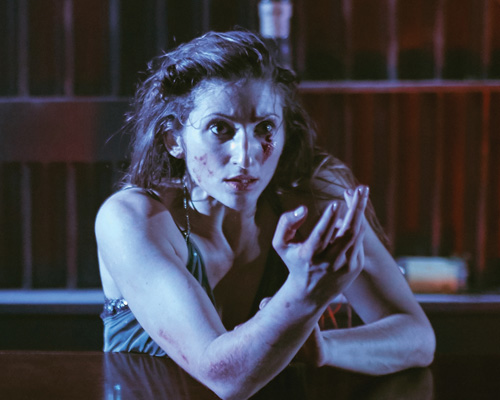
Diagon Alley is a beautiful physical space where guests can explore details and discover surprises whether they are familiar with the Harry Potter stories or not. They can visit multiple times and find something new. Sleep No More tells Shakespeare’s classic tragedy Macbeth through a darkly cinematic lens, where audiences move freely through the epic story, creating their own journeys in a film noir world. It is a different theatrical experience every time. They are both immersive, authentic, human experiences and they both truly reflect the art of themed entertainment.
Read more from this issue of Spa Business magazine
Interview: Jane Cooper
We talked to Jane Cooper, COO
and president of Herschend Family
Entertainment, about the company
portfolio and all things Dollywood
Christine Kerr is vice president at BaAM Productions and a former president of the TEA.
California Institute of the Arts in Valencia, California, hosted the gathering of themed entertainment professionals
Technology chair Cory Rosen (Tippett Studio)
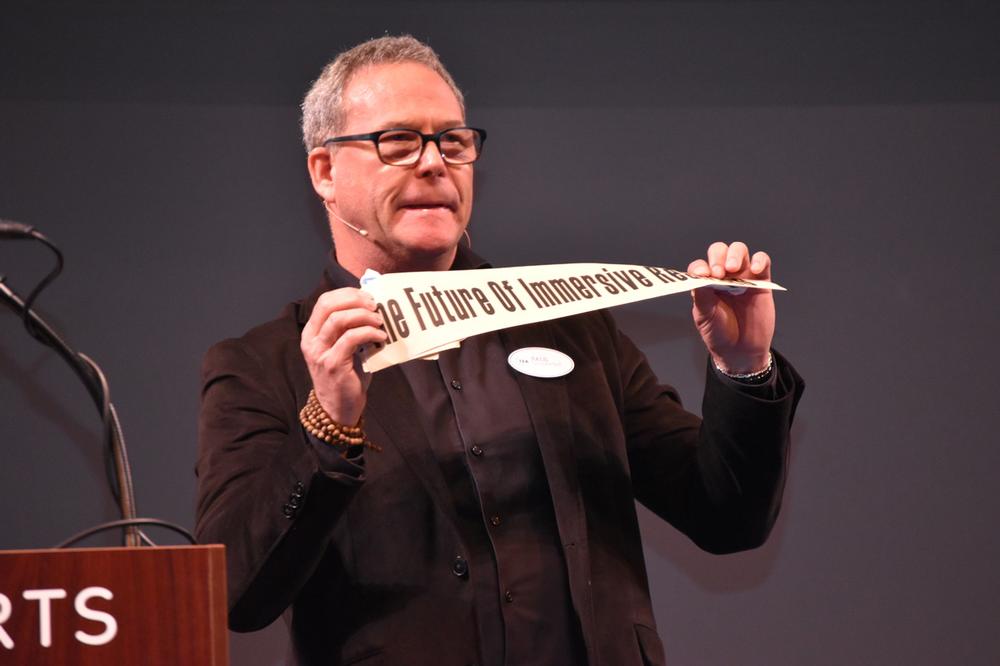
Storytelling chair Paul Osterhout (Universal Creative) and his fellow segment chairs hosted the event
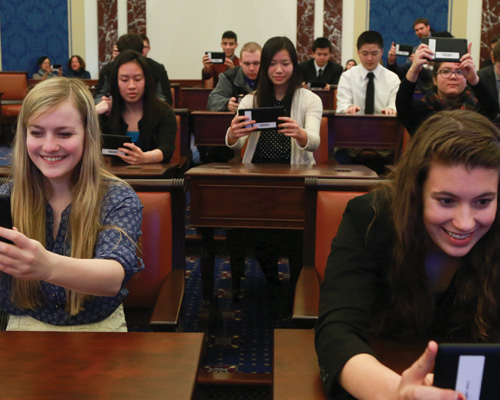
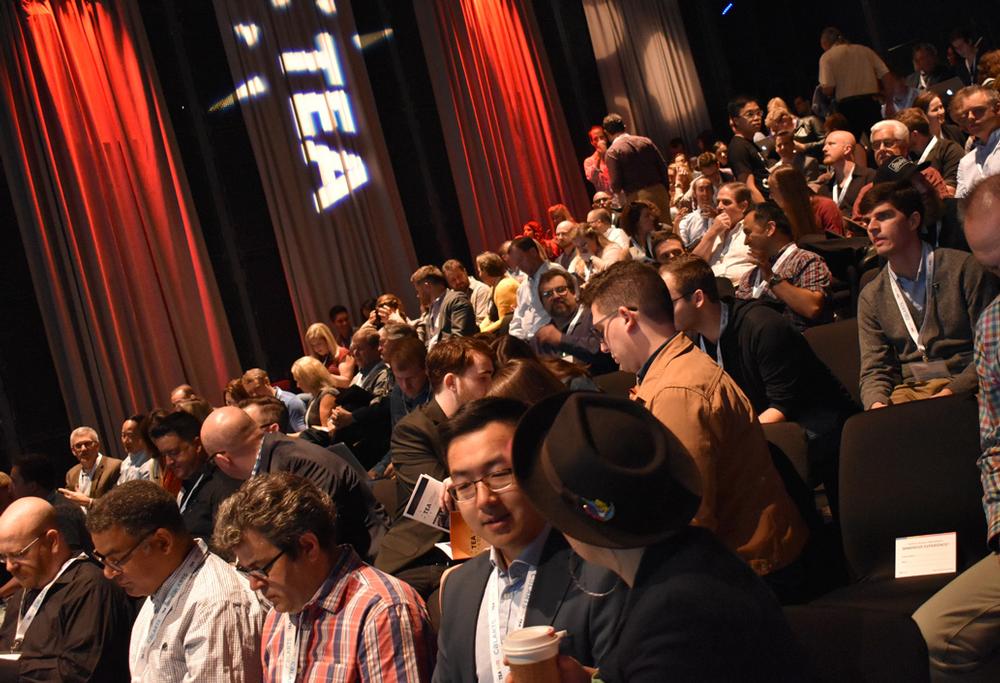
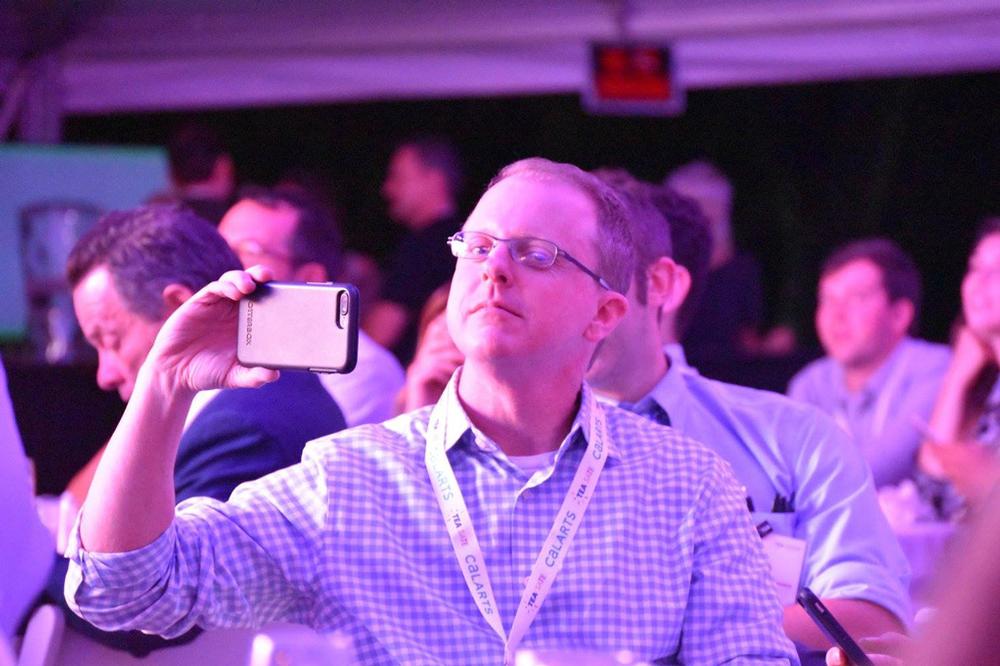
A conference attendee takes a picture at SATE (Storytelling + Architecture + Technology = Experience)
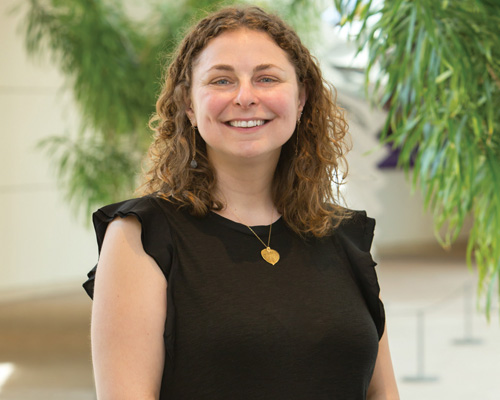
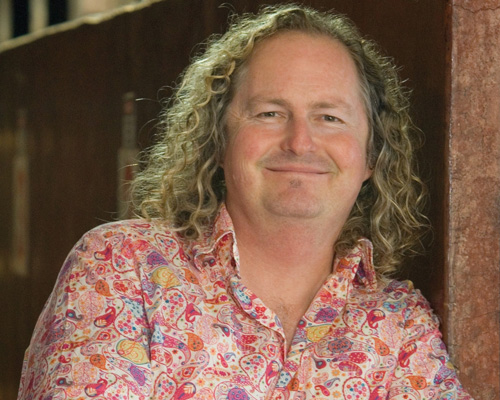
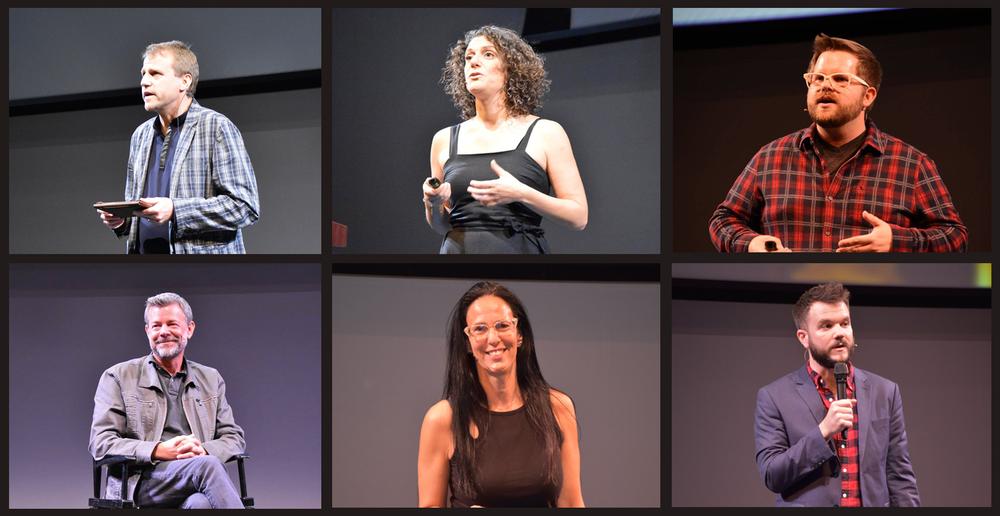
From top left: John Zaller from Imagine Exhibitions; Genevieve Angio-Morneau from GSM; Jason McManus from Thinkwell; Michael Jung from Walt Disney Imagineering Live Entertainment; Amy Blackman from Contend Immersive; Danny Byerly from On Track Themes
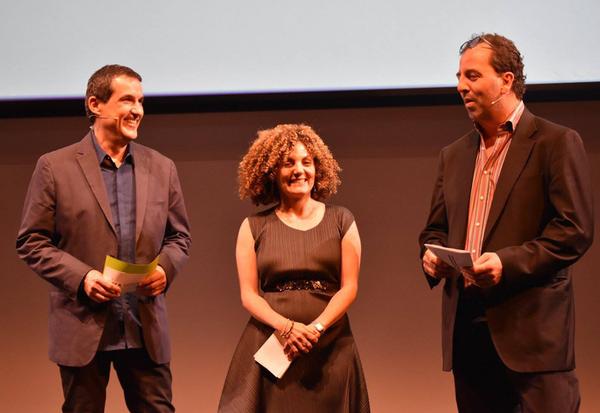
Below: SATE co-chairs Chris Conte (Electrosonic), Dina Benadon (Super 78) and Christian Kubsch (Walt Disney Imagineering) oversaw proceedings
The Lion King on Broadway dived deeper into African heritage and music
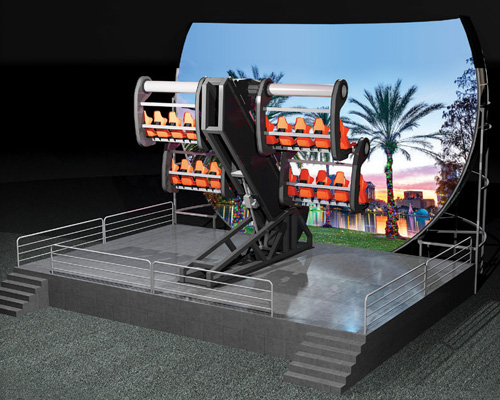
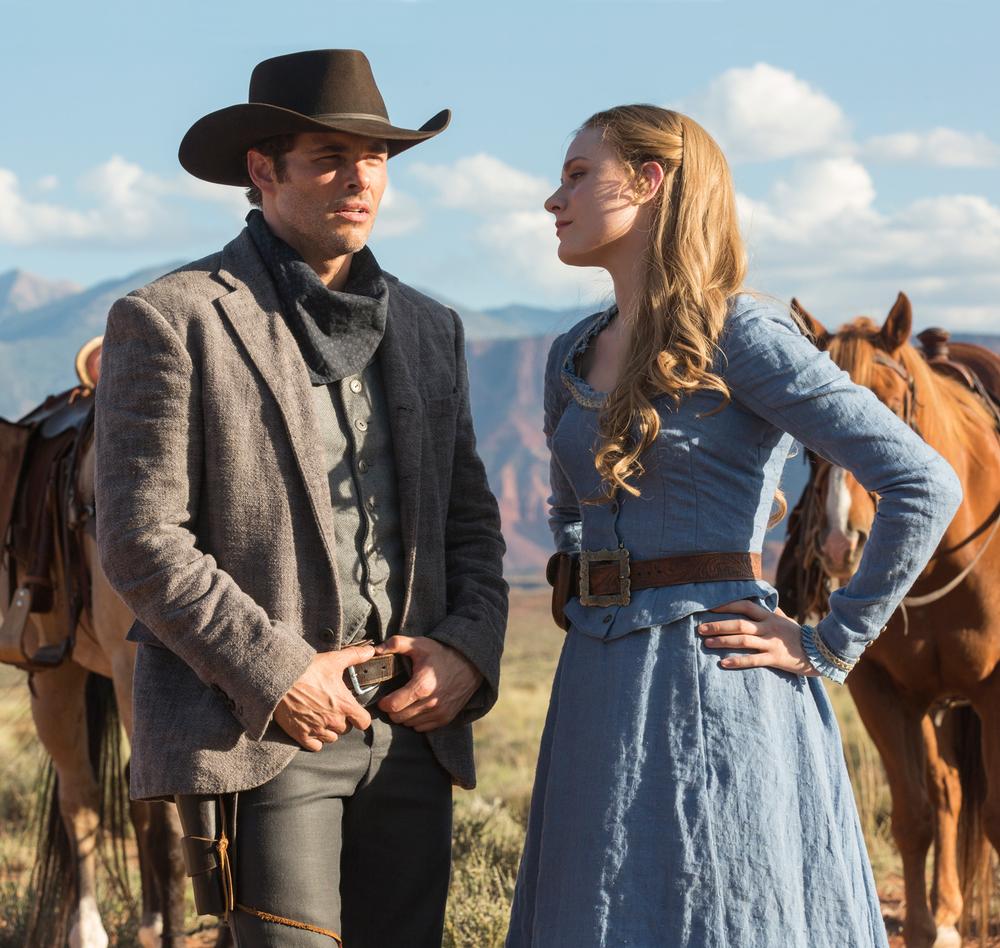
A panel discussed whether we are on the road to theme park experiences similar to HBO’s Westworld series
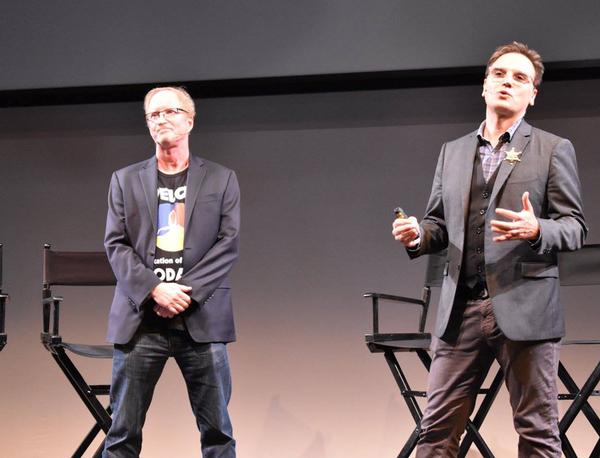
Super 78’s Robert Coker (left) and Brent Young explore the premise of Westworld
Le Atelier by C.O.D.E. doesn't offer a standard bespoke service, it provides a highly
customised approach to designing massage beds and loungers in high-end wellness
environments. [more...]
+ More featured suppliers
COMPANY PROFILES
Prism Light Pod
Prism Light Pod launched its first
whole-body red light bed in 2016. We
expanded with the Prism Li [more...]
Omnisens
Rooted in nature and guided by a holistic philosophy, Omnisens' treatments and products are crafted [more...]
This year’s SATE conference in Los Angeles looked at how the attractions industry is harnessing film and gaming techniques and technologies to create evermore immersive experiences. Christine Kerr filed this report
By Christine Kerr | Published in Attractions Management 2017 issue 4
California Institute of the Arts in Valencia, California, hosted the gathering of themed entertainment professionals
Beyond the screen: the future of immersive realities was the theme of the Themed Entertainment Association’s (TEA) SATE 2017 conference, which was held in early October at the California Institute for the Arts in Valencia, California. It focused on storytelling devices originally developed for film, television and gaming and on the impact they are having on experiences across many categories, from theme parks to traditional theatre to museum exhibits and more.
As expected, there was much discussion about media, lighting, audio, AR and VR – all of them part of the toolkit available to creators of immersive experiences. The basics weren’t forgotten, however. There was a real exploration of the importance of immersion based on people interacting with people, that this interaction is fundamental to creating emotional connections, and the increasing importance of such connections. There was also an emphasis on the pure art of themed entertainment and the attention to detail in built environments that is required and appreciated by today’s increasingly sophisticated audiences.
The SATE co-chairs – Chris Conte (Electrosonic), Dina Benadon (Super 78) and Christian Kubsch (Walt Disney Imagineering) – along with Storytelling chair Paul Osterhout (Universal Creative), Architecture chair Louis Allen (Adirondack Scenic) and Technology chair Cory Rosen (Tippett Studio) all brought a variety of perspectives to the conference theme and this was reflected in the wide-ranging presentations.
Create our own story Danny Byerly of On Track Themes started things off with a challenge for attendees: do they consider theme park design an art form that should be taken as seriously as theatre, painting or the movies? He went on to say that true immersion is far more than projection mapping, wraparound monitors and 4D theatres. Immersion is storytelling in every detail possible. It is multi-layered and physical. It’s how guests move through the space emotionally and physically. Storytelling is also the driving force in design, story, budget, schedule and production and he reminded the attendees that they must be a steward for the design when pragmatic decisions are made.
Byerly returned to the idea of immersion as a catalyst for transformation, and suggested that while theming says “here I am, listen to my story”, true immersion says “here you are, create your own story”. Immersive environments transform the stories we tell ourselves and the stories we tell ourselves transform our lives.
He reminded the audience that we have a shared responsibility to touch the lives of every guest that walks into our story. This was a great start to a trend in the conference that took attendees away from any preconceived notion that true immersion requires high-tech solutions.
Immersive theatre This trend continued with the Future of Immersive Realities presented by David Ruzicka, a writer and director of themed entertainment projects who also works in immersive theatre. Ruzicka took the attendees on a journey that very effectively defined this form of theatre and opened their eyes to the possibilities of its potential for themed entertainment projects. Immersive theatre brings together an audience and actors in a specific location for a non-traditional theatre experience where often the actors stay in one place and the audience moves – they are immersed in a realistic world where they can lose themselves. Successful immersive theatre projects that appear spontaneous are actually based on clear expectations and rules for the actors and audience, providing a foundation from which creativity and interaction can grow.
This requires performers who can stand alone but also act as stage manager and director at the same time; with this remarkable capacity and range, they can work in groups or have intimate, one-on-one encounters. The audience embraces this type of theatre because it feeds their desire to lose control (but not too much… ).
Ruzicka points out that the storytelling approach for immersive theatre projects needs to follow the KISS (Keep it simple, stupid) principle because the audience doesn’t know the story and characters very well. So, it is important to rely on pure scenario with not too much backstory, leaving room to respond to the audience.
These types of immersive experiences are epic and intimate at the same time, something that most storytellers strive to create and often fail to deliver. Ultimately, the most critical factor for immersive theatre is that people remember people.
Data-hacked creative Amy Blackman from Contend Immersive looked at immersion from a different point of view – using analytics about your audience to drive creative, an approach she calls “data-hacked creative”. It goes beyond listening to your audience – as with traditional focus groups – to collecting data from their online behaviour and social chatter. This approach allows for precision creative and ultimately involves humans because the data must be interpreted and developed into human experiences.
Blackman insists that the tools available don’t undermine the end result: they provide creative teams with extremely focused and efficient ideas, ultimately augmenting the creative development process. This also makes it much more impactful because it is based on intelligence insights for the core audience. This kind of insight takes creators from the “for who” to the “why” very quickly.
Blackman also talked about the opportunity for erasing the lines between the real and the virtual to create lasting impact that is relevant for today. It’s a creative approach that extends the in-person experience back to the online audience with a quantifiable result and a way to actually quantify ROE (Return On Experience). To further explain the approach, Blackman used an example of a project they were given: to establish the basis for a new Netflix show’s brand, including visuals, aesthetics and the start of a campaign. This major opportunity was based on a vague brief from the client for a new show that was simply described as a sci-fi thriller set in the 1980s.
Given that they had such minimal information, they decided to consider the audience first, learning from online behaviour and social chatter to gather data on what they knew. This new way of researching the audience transformed their approach to starting the creative process: the final art and imagery was done by humans (designers) but AI (online research) provided the starting point. The show was the hit Netflix series Stranger Things.
Deeper understanding Travis Preston, dean of the CalArts Theater School, hosted this year’s “Conversation with”. Michael Jung, creative executive of theatrical development for Walt Disney Imagineering Live Entertainment was the participant. Jung is also an alumnus of and currently on faculty at Cal Arts.
The conversation began with a discussion of the fundamental principles in transforming content from the screen to live experiences. Jung used the incredibly successful production of The Lion King on Broadway as an example of how to be faithful to a much-loved animated film by relying on extremely different tools to create an immersive theatrical experience that is embraced by the fans of the original. The Broadway production understood the heart of the film but dug deeper into the African heritage and the art of puppetry, introducing additional layers of indigenous music over the well-known score and exploring the duality of the performers with their puppets.
For Jung, this really speaks to the importance of exploring, researching and learning the backstory. He suggests that Shanghai Disneyland is an excellent example of this, where Disney embedded Chinese artists and theatrical traditions into the shows. The Tarzan show demonstrates this very successfully – a re-telling of the story using Chinese acrobats and their acrobatic traditions.
Finally, Preston and Jung explored the idea of true immersion: an experience where you lose yourself, a world where guests or audiences can choose their own level of immersion and their own way of being involved in the story.
Sharing generation As a millennial himself, Jason McManus of Thinkwell knows a lot about how millennials tell stories. (And reaching this demographic is always of interest for experience creators.) McManus talked about how the speed and way in which we generate and consume media has changed.
The early response to this from many industries was to present “snackable content”, small bits of information for dwindling attention spans. But it turns out that is not the way millennials want to take in content at all. They are more interested in long-form stories. Evidence of this comes from a variety of sources: binge-watching on Netflix, the fact that millennials love documentaries and games like Minecraft where they connect with a community of players around the world.
Millennials are the “sharing generation”, says McManus. They want to talk about it and they appreciate that humans are natural storytellers, passing information from generation to generation in the form of stories. McManus pointed out that the attraction experience is shared with family and friends, including the social tree that comes with each person on their phone. The fact that they are not all there in person does not matter to this generation. Millennials want control of the story and this represents genuine immersion. His advice is to continue to tell a good story. Millennials will embrace this approach because they value memories and experiences and they will share these with the world.
Screen to exhibition Both Genevieve Angio-Morneau (GSM Project) and John Zaller (Imagine Exhibitions) explored immersion in museums, taking blockbuster movie and television IPs and presenting a familiar story supported by layers of scientific, historical or archeological context. The resulting exhibits are large-scale, truly immersive and boundary-breaking for the right institution. They include layers of technology and media but also integrate giant dinosaurs (Jurassic World: The Exhibition) or authentic props and costumes and sets (Downton Abbey: The Exhibition, Star Wars Identities, Indiana Jones and the Adventure of Archeology) as context for educational content. The authenticity of the experiences is truly immersive.
Waiting for Westworld One of the final sessions of the conference was moderated by Brent Young and Robert Coker of Super 78 and explored the premise of Westworld (both the original film and the current HBO series). They asked the question: “Are we on the path to a Westworld?”
Bringing together a panel of industry leaders, each played an expert in one of the various disciplines required to create and manage an amusement park intended for rich vacationers, who are looked after by robot hosts and allowed to live out their fantasies through artificial consciousness. After a fascinating exploration of the technological, storytelling and control requirements to achieve what is portrayed in both versions of Westworld, the conclusion was unanimous – we are moving in this direction. But don’t be fooled by Siri and Alexa; perhaps thankfully, we are still decades away and need to invent a lot more before we get there.
Conference attendees were polled over the two days, asked to identify their favourite immersive experience. The result was a tie: Diagon Alley (Wizarding World of Harry Potter, Universal Studios Florida) and Sleep No More (Punchdrunk, McKittrick Hotel, New York). What do they have in common? They effectively take guests somewhere else, transport them mentally, emotionally and physically to a place outside the usual, normal or everyday.
Diagon Alley is a beautiful physical space where guests can explore details and discover surprises whether they are familiar with the Harry Potter stories or not. They can visit multiple times and find something new. Sleep No More tells Shakespeare’s classic tragedy Macbeth through a darkly cinematic lens, where audiences move freely through the epic story, creating their own journeys in a film noir world. It is a different theatrical experience every time. They are both immersive, authentic, human experiences and they both truly reflect the art of themed entertainment.
Read more from this issue of Spa Business magazine
Interview: Jane Cooper
We talked to Jane Cooper, COO
and president of Herschend Family
Entertainment, about the company
portfolio and all things Dollywood
Christine Kerr is vice president at BaAM Productions and a former president of the TEA.
California Institute of the Arts in Valencia, California, hosted the gathering of themed entertainment professionals
Technology chair Cory Rosen (Tippett Studio)
Storytelling chair Paul Osterhout (Universal Creative) and his fellow segment chairs hosted the event
A conference attendee takes a picture at SATE (Storytelling + Architecture + Technology = Experience)
From top left: John Zaller from Imagine Exhibitions; Genevieve Angio-Morneau from GSM; Jason McManus from Thinkwell; Michael Jung from Walt Disney Imagineering Live Entertainment; Amy Blackman from Contend Immersive; Danny Byerly from On Track Themes
Below: SATE co-chairs Chris Conte (Electrosonic), Dina Benadon (Super 78) and Christian Kubsch (Walt Disney Imagineering) oversaw proceedings
The Lion King on Broadway dived deeper into African heritage and music
A panel discussed whether we are on the road to theme park experiences similar to HBO’s Westworld series
Super 78’s Robert Coker (left) and Brent Young explore the premise of Westworld
The UK spa review and discovery platform for consumers, the Good Spa Guide, has announced
it will host the Good Spa Guide Awards 2026 during an event on 16 November at Sopwell House
Hotel in St Albans, UK.
Eighty-four per cent of consumers now say wellness is a top priority in their lives, with this
percentage increasing year on year, according to a preview presentation of McKinsey’s Future of
Wellness 2026 research report.
Mass protests have been taking place since Monday 1 June in Albania over the development of
a luxury resort by Donald Trump’s daughter Ivanka Trump and her husband Jared Kushner.
Global Wellness Day (GWD) marked its 15th anniversary on Saturday 13 June 2026, with the
theme: #JoyMagenta – a celebration of the healing qualities of simple gestures and activities
that spark joy.
Global luxury hospitality brand, Six Senses, has partnered with longevity healthcare provider,
HUM2N, to launch a clinic at Six Senses London, at The Whiteley.
As part of its first hotel partnership, Mayrlife – the medical health resort company known for its
site in Altaussee, Austria – has launched a day clinic at the Rosewood Vienna.
Premium London health club, KX Chelsea, will imminently unveil its most significant
redevelopment since its launch in 2002 to create an integrated wellness model combining
training, recovery and relaxation.
Rosewood Le Guanahani St Barth, on the northeast coast of Saint Barthélemy in the French
West Indies, is offering a programme of ocean-inspired yoga classes between 8-14 June to
celebrate Global Wellness Day (GWD).
Hotel de France, located on the British Isle of Jersey, has created a wellness retreat package
that includes a hot yoga session that will take place in Jersey Zoo’s butterfly sanctuary.
The Ritz-Carlton, Langkawi, in Malaysia, has revealed a schedule for Global Wellness Day
(GWD) that includes guided rainforest walks, mindful movement and guided coastal meditation
experiences.
Le Atelier by C.O.D.E. doesn't offer a standard bespoke service, it provides a highly
customised approach to designing massage beds and loungers in high-end wellness
environments. [more...]
+ More featured suppliers
COMPANY PROFILES
Prism Light Pod Prism Light Pod launched its first
whole-body red light bed in 2016. We
expanded with the Prism Li [more...]