Neuroscientists, user experience designers and anthropologists are being drawn to work in the attractions industry. Their expertise is opening up the potential for us to create a new generation of even more immersive experiences which are emotionally rewarding
By Liz Terry | Published in Attractions Management 2017 issue 4
This month we reported on work by Disney Research which has created a haptic system that enables people to ‘feel’ fireworks using computerised water jets sprayed on flexible screens.
The technology has been developed for use by blind and visually impaired people, but is part of an emerging interest in harnessing the senses to create a new generation of sensory experiences for use in visitor attractions.
In this issue, we examine a number of projects in which experts are turning to science and neuroscience to find new ways to connect with guests and create more powerful, immersive experiences.
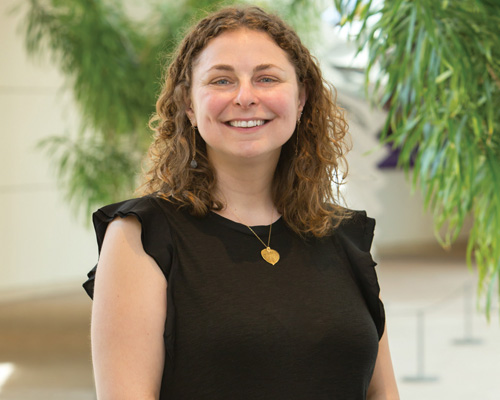
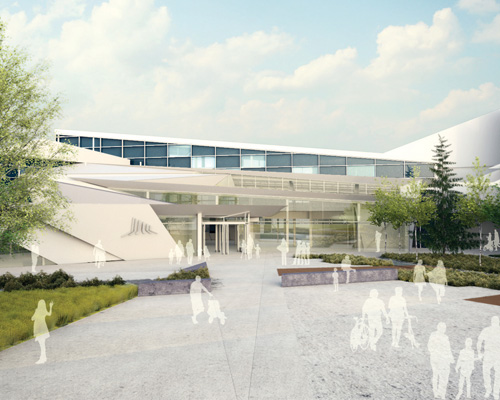
On page 16, neuroscience researcher Tedi Asher from the Peabody Essex Museum in Salem, Massachusetts, talks to Attractions Management about using neuroscience to create the best experience for visitors – the aim being to display collections in a manner that complements the way the brain functions.
Asher’s work has been made possible by a grant from the Barr Foundation, a Boston-based private institute that works to elevate the arts and creative expression.
Applying the latest neuroscientific research and neuroaesthetic theory to enhance visitor experiences across the museum’s permanent collection, Asher will publish her findings so they can be shared with museums worldwide.
Elsewhere in this issue, the science behind sensory design and ways in which it can be harnessed to create compelling attractions is examined by our expert panel on page 82.
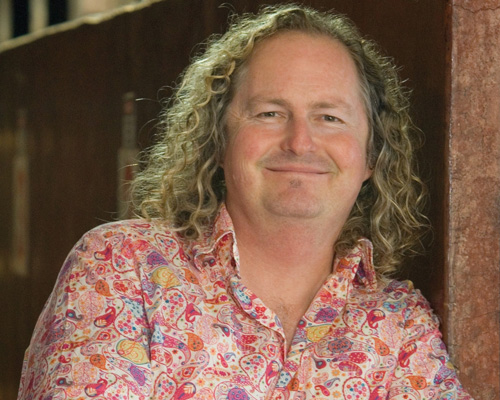
Composer Joel Beckerman, architect and writer Gordon Grice and researcher and anthropologist Scott A Lukas talk us through ways to understand the five senses and highlight how they can be used to create more resonant experiences.
They reveal fascinating sensory facts, for example: unlike most memories, sensory memories are not subject to ‘retroactive interference’ – ie, they can’t be disturbed or altered by memories which are acquired later, so your grandma’s cookies will always smell as good as they did on the day they were baked, when it comes to your memory of them.
When it comes to taste, experiments show people experience different flavours when drinking the same wine in different coloured environments – it tastes richer in a darker, room.
The main objective is to get all of the senses working together, combining aromatic elements with visual, auditory and tactile ones, to create a total experience which delivers ‘environmental authenticity’.
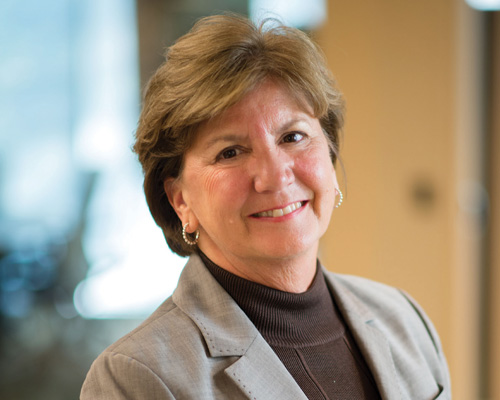
Understanding visitor psychology and how guests use our attractions can also feed into the science of safety, and on page 64, Dr Kathryn Woodcock of Ryerson University explains the theory of ‘human factors engineering’, looking at how to best design attractions to ensure people use them safely by adjusting and anticipating their perceptions of risk and danger.
Welcoming scientists into our industry will enable the creation of a new generation of safer and more engaging experiences, which will, in turn, make the memories of tomorrow.
Read more from this issue of Spa Business magazine
Interview: Jane Cooper
We talked to Jane Cooper, COO
and president of Herschend Family
Entertainment, about the company
portfolio and all things Dollywood
Le Atelier by C.O.D.E. doesn't offer a standard bespoke service, it provides a highly
customised approach to designing massage beds and loungers in high-end wellness
environments. [more...]
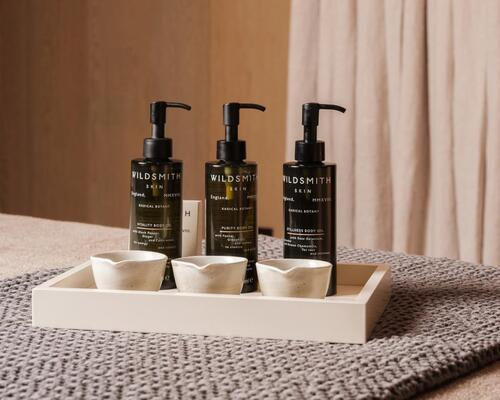
In a world where imbalance often accumulates quietly, Wildsmith unveils its newest
wellbeing innovation: Silent Loads, an approach designed to meet the needs of modern spa
guests with precision and depth. [more...]
+ More featured suppliers
COMPANY PROFILES
Fenix Group srl
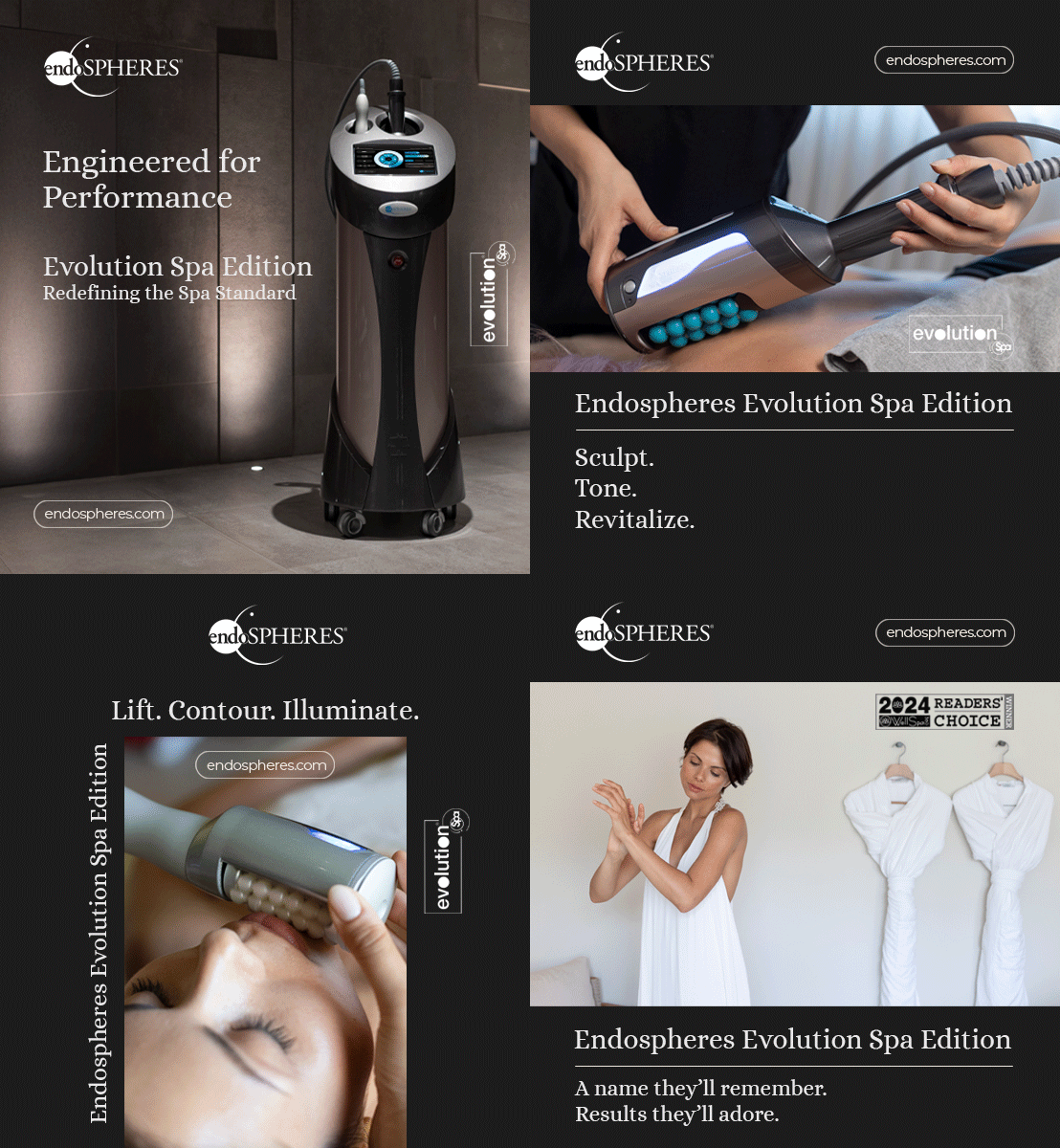
Fenix Group, founded by Gianluca Cavalletti in Italy, launched Endospheres to revolutionise aestheti [more...]
Knesko Skin
Known for their unique approach to wellness and beauty, Knesko’s products combine ancient healing tr [more...]
Neuroscientists, user experience designers and anthropologists are being drawn to work in the attractions industry. Their expertise is opening up the potential for us to create a new generation of even more immersive experiences which are emotionally rewarding
By Liz Terry | Published in Attractions Management 2017 issue 4
This month we reported on work by Disney Research which has created a haptic system that enables people to ‘feel’ fireworks using computerised water jets sprayed on flexible screens.
The technology has been developed for use by blind and visually impaired people, but is part of an emerging interest in harnessing the senses to create a new generation of sensory experiences for use in visitor attractions.
In this issue, we examine a number of projects in which experts are turning to science and neuroscience to find new ways to connect with guests and create more powerful, immersive experiences.
On page 16, neuroscience researcher Tedi Asher from the Peabody Essex Museum in Salem, Massachusetts, talks to Attractions Management about using neuroscience to create the best experience for visitors – the aim being to display collections in a manner that complements the way the brain functions.
Asher’s work has been made possible by a grant from the Barr Foundation, a Boston-based private institute that works to elevate the arts and creative expression.
Applying the latest neuroscientific research and neuroaesthetic theory to enhance visitor experiences across the museum’s permanent collection, Asher will publish her findings so they can be shared with museums worldwide.
Elsewhere in this issue, the science behind sensory design and ways in which it can be harnessed to create compelling attractions is examined by our expert panel on page 82.
Composer Joel Beckerman, architect and writer Gordon Grice and researcher and anthropologist Scott A Lukas talk us through ways to understand the five senses and highlight how they can be used to create more resonant experiences.
They reveal fascinating sensory facts, for example: unlike most memories, sensory memories are not subject to ‘retroactive interference’ – ie, they can’t be disturbed or altered by memories which are acquired later, so your grandma’s cookies will always smell as good as they did on the day they were baked, when it comes to your memory of them.
When it comes to taste, experiments show people experience different flavours when drinking the same wine in different coloured environments – it tastes richer in a darker, room.
The main objective is to get all of the senses working together, combining aromatic elements with visual, auditory and tactile ones, to create a total experience which delivers ‘environmental authenticity’.
Understanding visitor psychology and how guests use our attractions can also feed into the science of safety, and on page 64, Dr Kathryn Woodcock of Ryerson University explains the theory of ‘human factors engineering’, looking at how to best design attractions to ensure people use them safely by adjusting and anticipating their perceptions of risk and danger.
Welcoming scientists into our industry will enable the creation of a new generation of safer and more engaging experiences, which will, in turn, make the memories of tomorrow.
Read more from this issue of Spa Business magazine
Interview: Jane Cooper
We talked to Jane Cooper, COO
and president of Herschend Family
Entertainment, about the company
portfolio and all things Dollywood
As part of its first hotel partnership, Mayrlife – the medical health resort company known for its
site in Altaussee, Austria – has launched a day clinic at the Rosewood Vienna.
Premium London health club, KX Chelsea, will imminently unveil its most significant
redevelopment since its launch in 2002 to create an integrated wellness model combining
training, recovery and relaxation.
Rosewood Le Guanahani St Barth, on the northeast coast of Saint Barthélemy in the French
West Indies, is offering a programme of ocean-inspired yoga classes between 8-14 June to
celebrate Global Wellness Day (GWD).
Hotel de France, located on the British Isle of Jersey, has created a wellness retreat package
that includes a hot yoga session that will take place in Jersey Zoo’s butterfly sanctuary.
The Ritz-Carlton, Langkawi, in Malaysia, has revealed a schedule for Global Wellness Day
(GWD) that includes guided rainforest walks, mindful movement and guided coastal meditation
experiences.
Longevitix, a clinical platform for preventive and longevity medicine, has launched its AI-
powered intelligence system to help physicians deliver continuous, personalised longevity-
focused care at scale.
Atmantan Wellness Centre, an integrative wellness destination in Mulshi, near Pune in India, is
expanding its portfolio by adding a new centre in Hyderabad that will launch between 2028 and
2029.
A recent survey by the UK Spa Association (UKSA) into the industry’s approach to cancer care
has revealed that almost half of participating respondents (46 per cent) are unaware that
cancer is a disability and guests with a cancer diagnosis must be given
Mexican operator, Solmar Hotels and Resorts, is hosting a series of events in celebration of
Global Wellness Day, including a Temazcal ceremony at its Playa Grande Resort and Spa in Los
Cabos.
Mandarin Oriental has announced a standalone residence brand, Mansions, which will debut at
Emirates Palace, Mandarin Oriental Mansions, Abu Dhabi, in 2029.
Le Atelier by C.O.D.E. doesn't offer a standard bespoke service, it provides a highly
customised approach to designing massage beds and loungers in high-end wellness
environments. [more...]
In a world where imbalance often accumulates quietly, Wildsmith unveils its newest
wellbeing innovation: Silent Loads, an approach designed to meet the needs of modern spa
guests with precision and depth. [more...]
+ More featured suppliers
COMPANY PROFILES
Fenix Group srl Fenix Group, founded by Gianluca Cavalletti in Italy, launched Endospheres to revolutionise aestheti [more...]