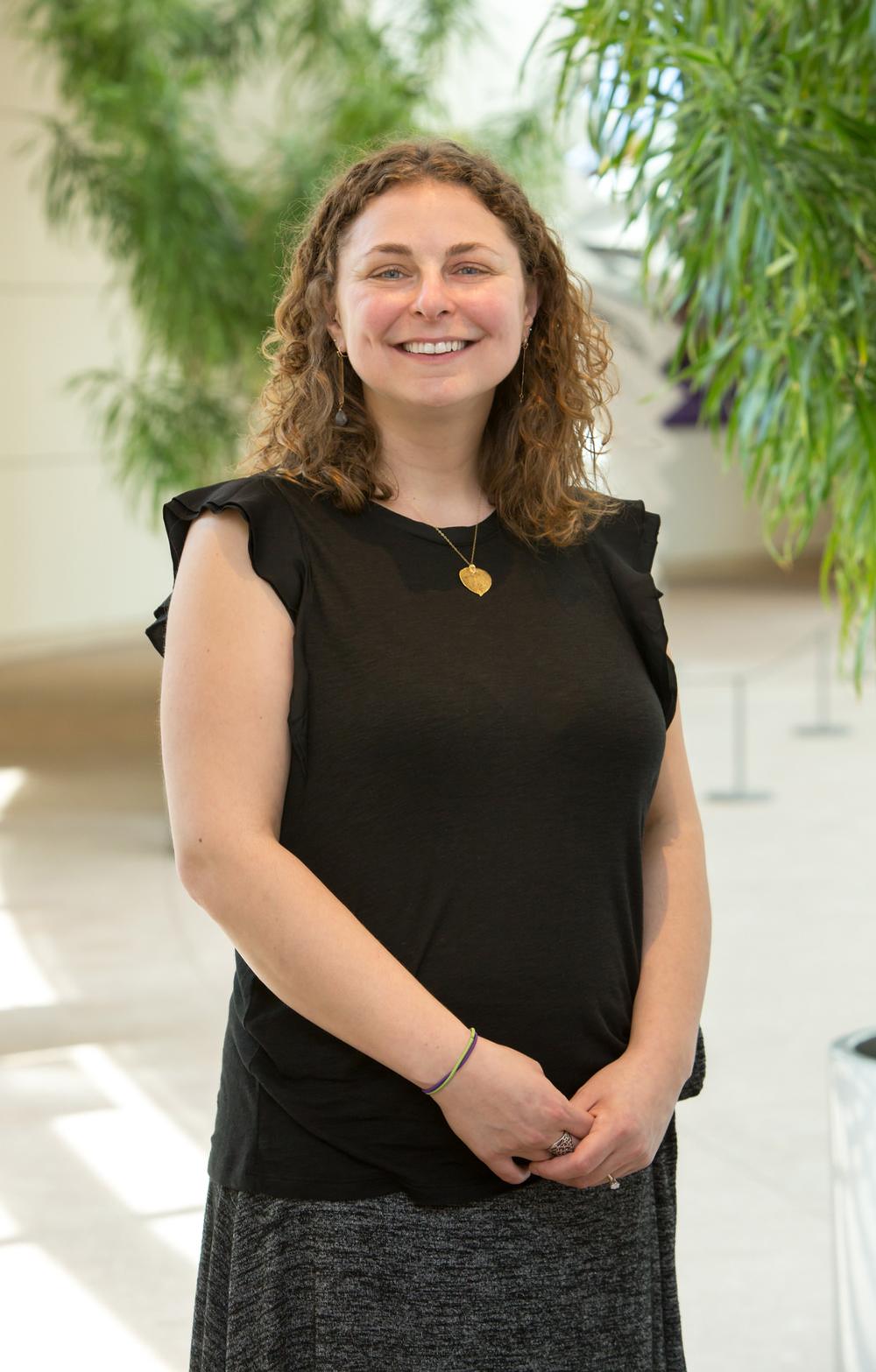
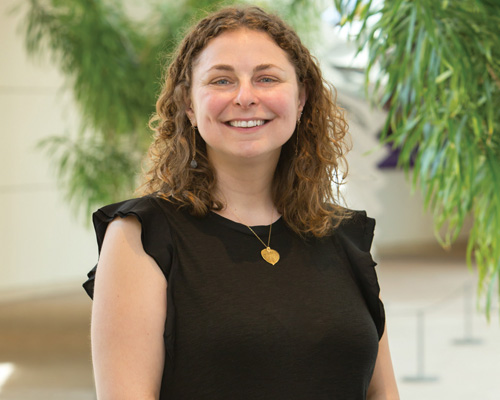
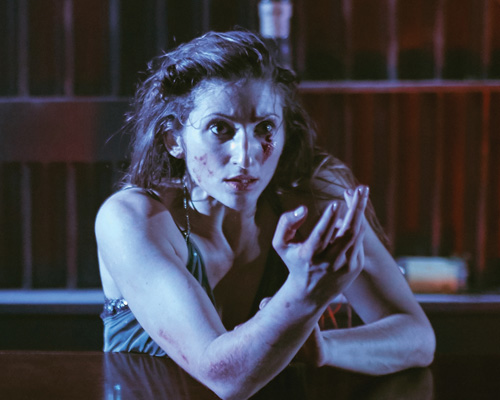
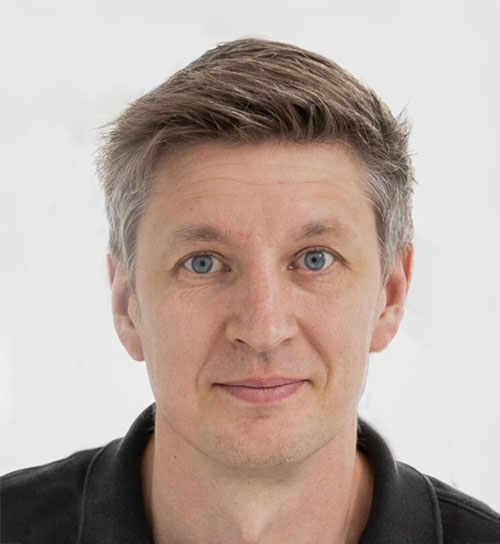
Tedi Asher will apply neuroscience research findings to enhance the visitor experience at the Peabody Essex Museum / PHOTOS: Courtesy OF Peabody Essex Museum
When a visitor walks into an art gallery, they expect to see paintings hanging alongside one another on every wall, and the rooms categorised by era or movement or artist.
Sometimes, galleries adopt different methods – displaying a single artwork in a room on its own or making use of flexible design techniques that enable them to rearrange the layout of the space.
Experts now believe displaying many works side-by-side and top-to-tail on a gallery wall is not the best way for the visitor to appreciate the art. It makes sense – doesn’t it? – that seeing maybe one hundred works in a room altogether might overwhelm the visitor’s brain?
At Peabody Essex Museum (PEM), in Salem, Massachusetts, Dr Tedi Asher has joined the team to advise on exactly this conundrum – what is, neurologically speaking, the best gallery experience?
Asher takes the role of neuroscience researcher, part of a PEM neuroscience initiative made possible through $130,000 (£100,000, €110,000) funding from the Barr Foundation, a Boston-based private institute that works to “elevate the arts and creative expression”. PEM’s neuroscience initiative aims to find strategies to display art in a way that complements the way the brain functions.
“PEM’s cross-disciplinary approach is exciting and comes at a time when neuroscience findings are beginning to be more widely embraced outside of the scientific community,” says Asher.
Applying the latest neuroscientific research and neuroaesthetic theory to enhance visitor experiences across the museum’s permanent collection, Asher will document her work and work with PEM to write and publish her findings, which will be shared with art museums worldwide.
“We’re all familiar with the idea that a satisfying experience has this delicate balance of meeting and violating our expectations,” the Harvard-educated Asher, who has a special interest in neuroscience and psychology, told Artsy magazine. “In the context of exhibition design, how can we surprise people in a way that won’t be jarring, but will help viewers make sense of what they have seen? Something that is unexpected takes longer to detect – but it also makes a more lasting imprint.”
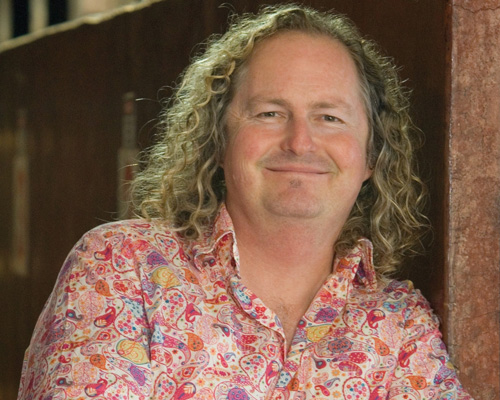
Museum head Dan Monroe has been introducing neuroscience to PEM over the past couple of years, experimenting with less cluttered exhibition spaces, more manageable and engaging descriptions for the art and some multi-sensory elements. The appointment of Asher will help him take this work to previously unexplored levels.
“We’re excited to be the first art museum to employ a full-time neuroscientist to help develop new ways of designing experiences that are highly meaningful and relevant to visitors,” says Monroe. “Dr Asher’s unique perspective and deep insight will make the process of art exploration and discovery especially rewarding, stimulating and fun.
“We believe there are new ways to present and interpret art that will enliven and enrich the art and art museum experience. We also believe the collaboration may benefit the art museum community at large,” Monroe says.
Read more from this issue of Spa Business magazine
Interview: Jane Cooper
We talked to Jane Cooper, COO
and president of Herschend Family
Entertainment, about the company
portfolio and all things Dollywood
Tedi Asher will apply neuroscience research findings to enhance the visitor experience at the Peabody Essex Museum / PHOTOS: Courtesy OF Peabody Essex Museum
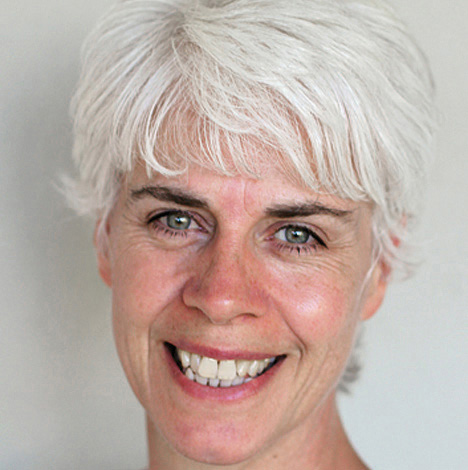
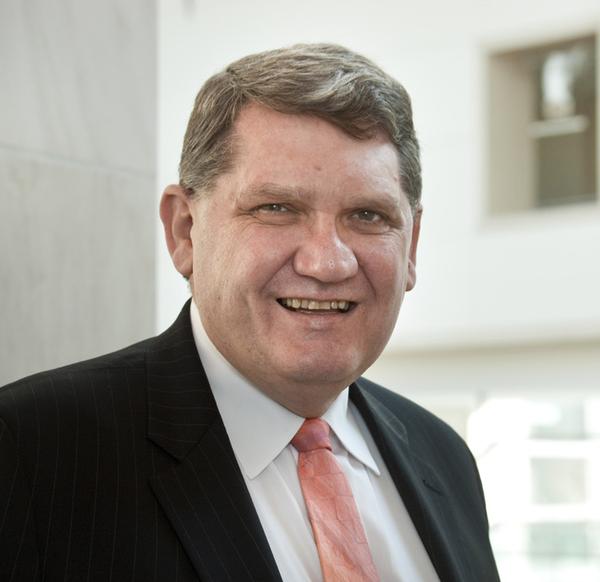
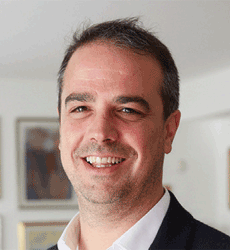
Peabody Essex Museum head Dan Monroe; / PHOTOS: Courtesy OF Peabody Essex Museum
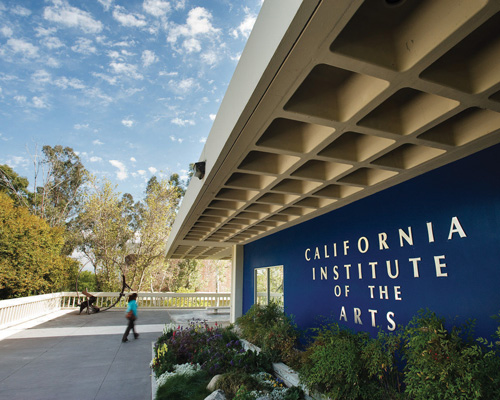
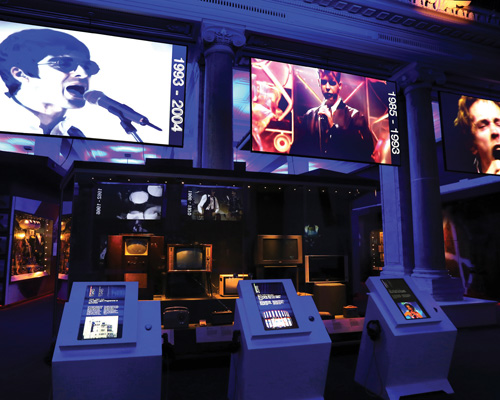
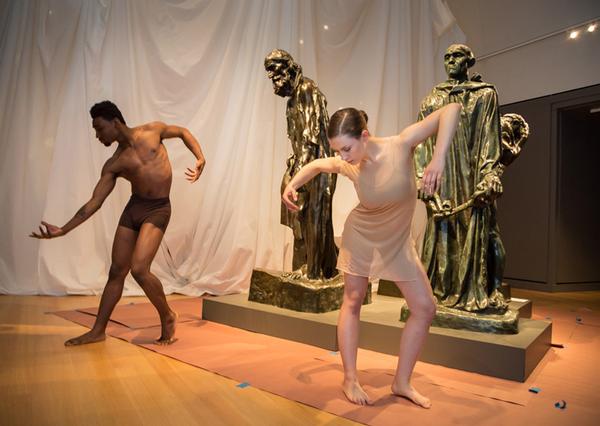
In Rodin: Transforming Sculpture, dancers encourage visitors to think about art in new ways / PHOTOS: Courtesy OF Peabody Essex Museum
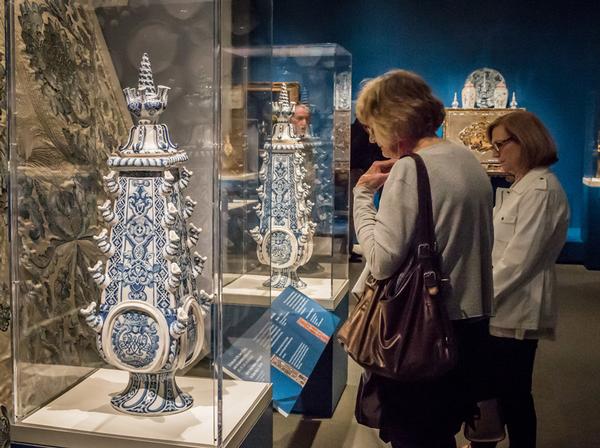
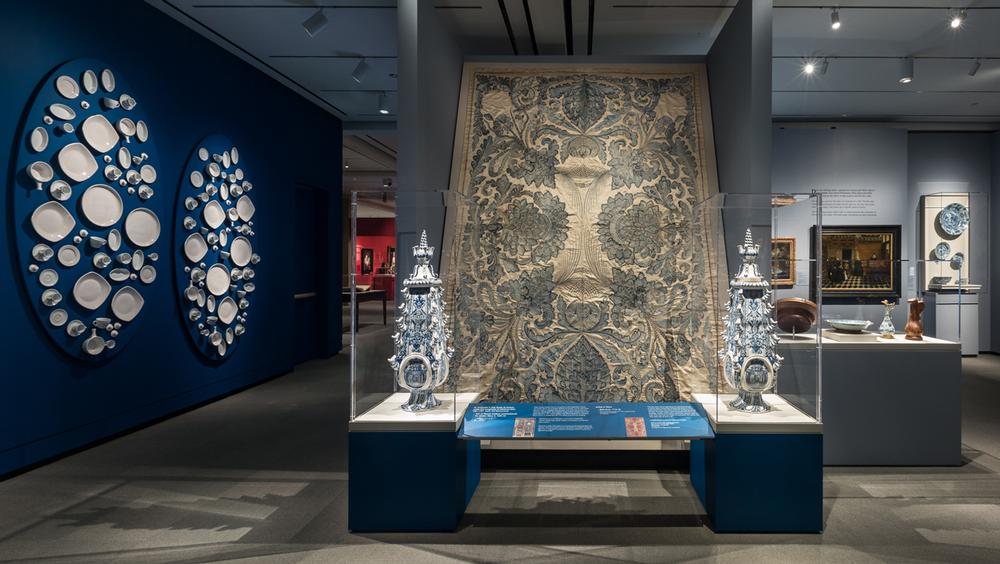
The Asia in Amsterdam exhibit uses jars filled with spices to elicit multi-sensory reactions in guests / PHOTOS: Courtesy OF Peabody
Le Atelier by C.O.D.E. doesn't offer a standard bespoke service, it provides a highly
customised approach to designing massage beds and loungers in high-end wellness
environments. [more...]
Tedi Asher will apply neuroscience research findings to enhance the visitor experience at the Peabody Essex Museum / PHOTOS: Courtesy OF Peabody Essex Museum
When a visitor walks into an art gallery, they expect to see paintings hanging alongside one another on every wall, and the rooms categorised by era or movement or artist.
Sometimes, galleries adopt different methods – displaying a single artwork in a room on its own or making use of flexible design techniques that enable them to rearrange the layout of the space.
Experts now believe displaying many works side-by-side and top-to-tail on a gallery wall is not the best way for the visitor to appreciate the art. It makes sense – doesn’t it? – that seeing maybe one hundred works in a room altogether might overwhelm the visitor’s brain?
At Peabody Essex Museum (PEM), in Salem, Massachusetts, Dr Tedi Asher has joined the team to advise on exactly this conundrum – what is, neurologically speaking, the best gallery experience?
Asher takes the role of neuroscience researcher, part of a PEM neuroscience initiative made possible through $130,000 (£100,000, €110,000) funding from the Barr Foundation, a Boston-based private institute that works to “elevate the arts and creative expression”. PEM’s neuroscience initiative aims to find strategies to display art in a way that complements the way the brain functions.
“PEM’s cross-disciplinary approach is exciting and comes at a time when neuroscience findings are beginning to be more widely embraced outside of the scientific community,” says Asher.
Applying the latest neuroscientific research and neuroaesthetic theory to enhance visitor experiences across the museum’s permanent collection, Asher will document her work and work with PEM to write and publish her findings, which will be shared with art museums worldwide.
“We’re all familiar with the idea that a satisfying experience has this delicate balance of meeting and violating our expectations,” the Harvard-educated Asher, who has a special interest in neuroscience and psychology, told Artsy magazine. “In the context of exhibition design, how can we surprise people in a way that won’t be jarring, but will help viewers make sense of what they have seen? Something that is unexpected takes longer to detect – but it also makes a more lasting imprint.”
Museum head Dan Monroe has been introducing neuroscience to PEM over the past couple of years, experimenting with less cluttered exhibition spaces, more manageable and engaging descriptions for the art and some multi-sensory elements. The appointment of Asher will help him take this work to previously unexplored levels.
“We’re excited to be the first art museum to employ a full-time neuroscientist to help develop new ways of designing experiences that are highly meaningful and relevant to visitors,” says Monroe. “Dr Asher’s unique perspective and deep insight will make the process of art exploration and discovery especially rewarding, stimulating and fun.
“We believe there are new ways to present and interpret art that will enliven and enrich the art and art museum experience. We also believe the collaboration may benefit the art museum community at large,” Monroe says.
Read more from this issue of Spa Business magazine
Interview: Jane Cooper
We talked to Jane Cooper, COO
and president of Herschend Family
Entertainment, about the company
portfolio and all things Dollywood
Tedi Asher will apply neuroscience research findings to enhance the visitor experience at the Peabody Essex Museum / PHOTOS: Courtesy OF Peabody Essex Museum
Peabody Essex Museum head Dan Monroe; / PHOTOS: Courtesy OF Peabody Essex Museum
In Rodin: Transforming Sculpture, dancers encourage visitors to think about art in new ways / PHOTOS: Courtesy OF Peabody Essex Museum
The Asia in Amsterdam exhibit uses jars filled with spices to elicit multi-sensory reactions in guests / PHOTOS: Courtesy OF Peabody
Global Wellness Day (GWD) will mark its 15th anniversary on Saturday 13 June 2026, with the
theme: #JoyMagenta – a celebration of the healing qualities of simple gestures and activities
that spark joy.
Global luxury hospitality brand, Six Senses, has partnered with longevity healthcare provider,
HUM2N, to launch a clinic at Six Senses London, at The Whiteley.
As part of its first hotel partnership, Mayrlife – the medical health resort company known for its
site in Altaussee, Austria – has launched a day clinic at the Rosewood Vienna.
Premium London health club, KX Chelsea, will imminently unveil its most significant
redevelopment since its launch in 2002 to create an integrated wellness model combining
training, recovery and relaxation.
Rosewood Le Guanahani St Barth, on the northeast coast of Saint Barthélemy in the French
West Indies, is offering a programme of ocean-inspired yoga classes between 8-14 June to
celebrate Global Wellness Day (GWD).
Hotel de France, located on the British Isle of Jersey, has created a wellness retreat package
that includes a hot yoga session that will take place in Jersey Zoo’s butterfly sanctuary.
The Ritz-Carlton, Langkawi, in Malaysia, has revealed a schedule for Global Wellness Day
(GWD) that includes guided rainforest walks, mindful movement and guided coastal meditation
experiences.
Longevitix, a clinical platform for preventive and longevity medicine, has launched its AI-
powered intelligence system to help physicians deliver continuous, personalised longevity-
focused care at scale.
Atmantan Wellness Centre, an integrative wellness destination in Mulshi, near Pune in India, is
expanding its portfolio by adding a new centre in Hyderabad that will launch between 2028 and
2029.
A recent survey by the UK Spa Association (UKSA) into the industry’s approach to cancer care
has revealed that almost half of participating respondents (46 per cent) are unaware that
cancer is a disability and guests with a cancer diagnosis must be given
Le Atelier by C.O.D.E. doesn't offer a standard bespoke service, it provides a highly
customised approach to designing massage beds and loungers in high-end wellness
environments. [more...]