Yes! Send me the FREE digital editions of Spa Business and Spa Business insider magazines and the FREE weekly Spa Business and Spa Business insider ezines and breaking news alerts!
Many spas, and clinics such as Buchinger, already have the right natural environment to support fasting regimes
Fasting – abstaining from solid food for short or prolonged periods – has become a fashionable practice in recent years. Many spas now offer dedicated juice fasts and there’s been a huge growth in popularity of at-home fasting plans like the 5:2 protocol where you eat for five days and semi-fast for two each week.
Fasting, of course, has been practised in different cultures and religions for thousands of years, recognised for both its physical and spiritual benefits. And as scientific knowledge advances, the world is learning more about how effective even short periods of fasting can be for longer-term health. Benefits include normalisation of weight, blood pressure and cholesterol, increased protection against Alzheimer’s and diabetes, and even, some experts believe, a lengthened life span.
A new study by researchers at the University of Southern California has shown that total fasting for as little as two days was enough to trigger regeneration in the immune system, helping the body to fight infection – and we take a closer look at findings on page 116. Such effects could be of help to the elderly who have decreased immunity as well as cancer patients whose immune systems have been damaged by chemotherapy.
But should fasting retreats be the domain of specialised facilities like medical spas, with a highly trained team of experts on hand, or can it be safely offered as a restorative programme at spa resorts?
The beautiful and natural setting of many spas and resorts will certainly be conducive to the process of fasting. The long-established Buchinger fasting clinics in Spain and Germany (see opposite), which have a luxurious, spa-like, setting are testimony to this.
For those facilities that lack the on-site medical expertise of specialist facilities like Buchinger, programmes based around the 5:2 protocol – or ‘fasting lite’ if you like – are proving to be a more attractive and accessible option for both spa operators and their guests.
Whatever the wellness facility, customers must be carefully assessed for their suitability to the programme, provided with a transition period into the fast and a safe re-feeding period post-fast.
The consensus among most experts appears to be that total abstinence from food is both unnecessary and highly unattractive to participants. Those attending a high-quality spa will be expecting more for their fees than just water.
The Buchinger clinics, and most other fasting facilities, offer raw vegetable and fruit juices, broths and herbal teas as part of the fast. In fact, many experts agree that the addition of such nutrients only serve to enhance, not detract, from the results.
Many spas already have the right natural environment and supporting therapies (lymph drainage massage, body scrubs, meditation, etc) to complement a fasting programme. But which fasting model should they adopt and what support and expertise do they need to have to deliver it? We ask the experts for their advice on the matter.
Read more from this issue of Spa Business magazine
Spa Foresight™: Spa Foresight™
Trends, technologies and strategies which will shape the future of the global spa and wellness industry
Interview: Steve Jeisman
The group director of spas and development at Alila talks to Katie Barnes about leading the way in spa innovation and about new investment from US firm Geolo Capital
Ask an expert: Fasting
What makes a successful fasting programme and how can spas offer them safely? Julie Cramer investigates
Advertisement promotion: ESPA
At 21, ESPA is a veteran
of the global spa industry,
but it’s still leading the
way. Founder and CEO Sue
Harmsworth explains how
Therapy: Mineral matters
Sophie Benge focuses on water and mud therapies in the last of her series on wellness in central and eastern Europe
Everyone’s talking about: Russia
Jak Phillips gives a SWOT analysis of the Russian spa industry and gets insights from operators and consultants working in the sector
Glacial Spa: Tribal gathering
Wellness and adventure tourism is a key focus for Ng?i Tahu, one of the richest Maori tribes in New Zealand. Jennifer Harbottle finds out more
Summit review: Bright future
Katie Barnes shares her highlights from the 2014 Global Spa & Wellness Summit held in Marrakech, Morocco
Research: Strength in numbers
The worldwide spa industry has grown 56 per cent since 2007 and is part of a US$3.4tn cluster according to the 2014 Global Spa & Wellness Economy Monitor report. Ophelia Yeung reveals more
Wellness: Wearable technology
The latest wellness wearables for your spa, including devices by Google, Apple and Ralph Lauren
Technically a fasting programme would be nothing but water, but it can include food, raw juices and broths depending on the goals and condition of the person.
The main benefit is that it gives the body a chance to clean itself out. If done well, the body will be able to alkalise itself (most of us are overly acidic) which helps get rid of aches, pains and that foggy brain feeling.
I recommend seven to 10 days maximum for a fast. If you know how fasting works on your body, longer is possible, but I’d rather people repeated it more frequently than do it for excessively long periods.
For regular fasting programmes, spas need a great nutritionist or naturopath to orientate and monitor clients, and nurses on standby for any issues, such as side effects or withdrawal symptoms. I definitely don’t recommend putting in fasting programmes with no oversight, even though it’s basically safe and easy, because people will always manage to do the wrong thing to excess.
Be flexible with your programme. Food costs are nothing, so don’t refuse requests for food unnecessarily. Ensure F&B staff all get to try the fast and train them in what it is, why people do it and how to encourage them, and to flag up problems to the key people monitoring guests’ progress.
After a three- to four-day adjustment period, when people lose the caffeine withdrawal headache and hunger, most people start to feel great. They feel lighter, think clearer, realise they have a freedom from food and more time in the day as they’re not slothing about digesting.
Fasting ideally is a stepping stone to feeling better, which needs to be continued on through a great regular diet, rather than bingeing and going back to fasting again.
The worst misconception about short-term fasting is that it helps weight loss, and if you promote it as such your guests will only be disappointed. In detox/fasting, we want to lower metabolism, whereas in weight loss we want to maximise it. So to be successful, detox/fasting needs to do the opposite to the body than what we want to achieve with weight loss. Trying to achieve both these goals during a weeklong retreat is physiologically impractical.
I think fasting will continue to grow in popularity and become more accessible, especially at medical centres. In Thailand there’s been a big move from the medical profession to offer these kind of programmes that used to be the domain of complementary therapy practitioners.
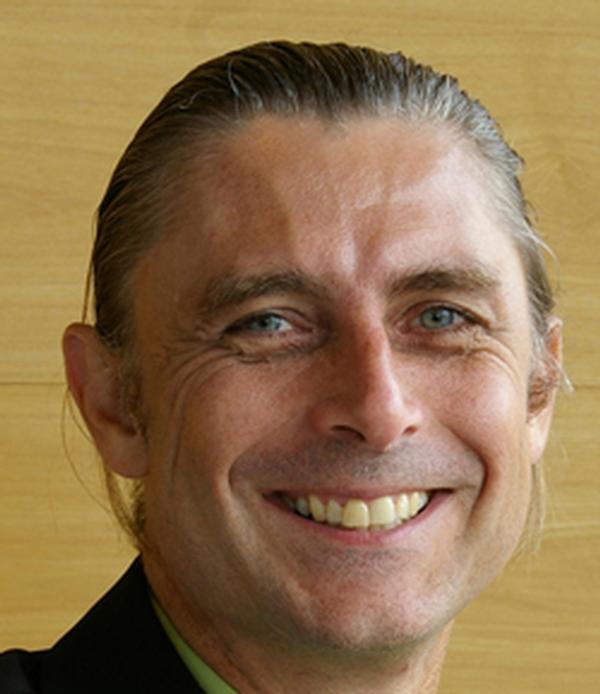
Nieuwenhuizen has been running wellness programmes in Asia for over 20 years. He specialises in nutrition and customised supplement therapy.
Details: www.thewellnessdirector.com
I think fasting will continue to grow in popularity and become more accessible, especially at medical centres. In Thailand there’s been a big move from the medical profession to offer these kinds of programmes
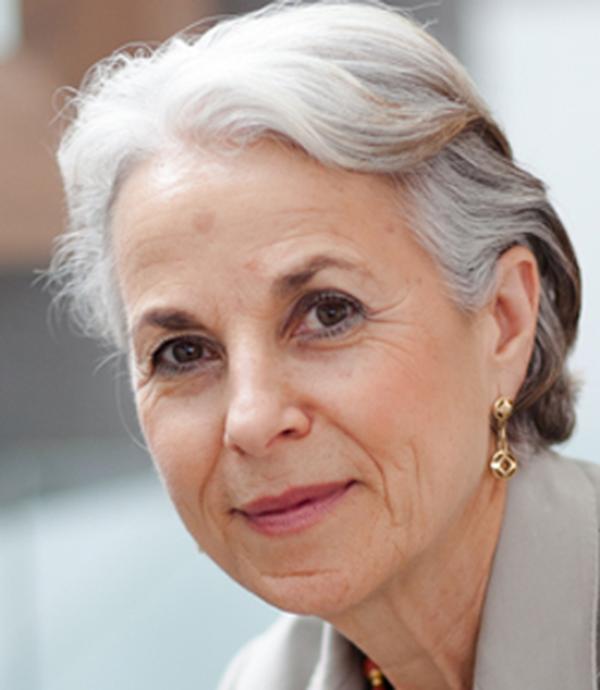
Francoise Wilhelmi de ToledoManaging director and medical director, Buchinger Wilhelmi Clinics, Germany and Spain
Francoise Wilhelmi de Toledo
Fasting is one of the only scientifically-proven ways to live longer and possibly without associated age-related diseases too.
When you stop absorbing food through your digestive system, the body switches to the consumption of its own reserves, mostly fats. The cells enter a self-repair mode, which when taken care of properly – with a balance between exercise, rest and self-reflection – can lead to positive metabolic and neuro-hormonal regeneration, as well as mood-enhancing effects.
Small amounts of juices and broths make the fasting experience more pleasant and easy to adhere to, as well as providing extra vitamins and minerals. The positive effects don’t seem diminished when compared to water fasting, but wellbeing and compliance are enhanced.
At Buchinger, the doctor decides with the client if fasting is needed or if a supplemented fasting or a calorie-restricted, plant-based, organic diet is better.
Clients must be healthy physically and emotionally to be able to fast [for short periods] without medical supervision. If they’re under any drug treatment it’s mandatory to be under the guidance of a physician specialised in fasting, to adapt the dosages accordingly.
We offer a whole fasting process; a smooth transition of two to three days of fasting, and a progressive refeeding period of three to four days. Our packages are 10 days, two weeks, or three weeks and 5-10 per cent of our guests stay longer.
Guests are given the opportunity to learn how to cook and eat differently, how to relax and which exercise suits them best. Mindfulness meditation is also offered.
We train our staff constantly. All the therapists have to fast themselves at least once when they start their jobs. Most of them do it regularly.
To enter a totally protected mode of fasting, a specialised facility with professional guidance is the right place to go. You need a medical structure, but also beautiful natural surroundings and your staff must radiate both professionalism and a special, loving spirit.
The Buchinger Clinics in Germany and Spain offer Otto Buchinger’s (1878-1966) fasting method, which has been in practice for more than six decades.
Details: www.buchinger-wilhelmi.com
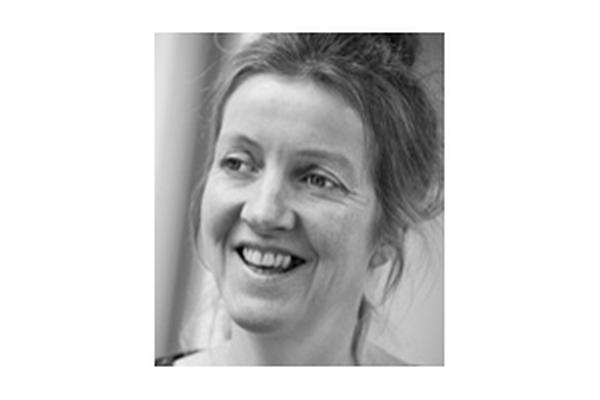
Dr Michelle HarvieResearch dietitianGenesis Breast Cancer Prevention Centre, UK
Dr Michelle Harvie
People don’t need to undertake highly-restricted fasting regimes to improve their health or lose weight. It’s unlikely that there’s more to be gained by extreme fasting at all.
At the Genesis Breast Cancer Research Centre, we pioneered the concept of the 2-Day Diet, where people restrict their calories for two consecutive days and eat a healthy Mediterranean-style diet for the rest of the time. It was originally developed to help women at high risk of breast cancer to lose weight, as we know being a healthy weight cuts their risk of cancer.
We’ve found people can get great reductions in weight and markers of risk of cancer, heart disease and diabetes by restricting calories for just two days a week and ensuring that they maintain the correct balance of protein, fats and carbohydrates on these days. For two days, people can eat between 600-1,000 calories a day depending on their appetite.
Unlike other 5:2 diets, many of which advocate the consumption of just 500 calories for two days a week, the 2-Day Diet has been clinically proven in randomised trials of real-life dieters. The results show that intermittent dieting is more effective and easier to follow than a standard, continuous diet – a 65 per cent success rate versus only 40 per cent with a standard diet. We also found that it retrained people’s appetites on the five unrestricted days so they eat, on average, 25 per cent fewer calories.
More studies are showing that intermittent calorie restriction is an effective, viable alternative to standard weight loss diets, which in turn can improve health. But the 2-Day Diet has only been designed and tested for weight loss. It should not be followed by those of a normal weight who perhaps have other health issues.
There are many studies looking into and making claims about the anti-ageing effects of intermittent fasting, but most of these have so far only been tested on mice.
Scientists are learning more about intermittent fasting day by day and it’s certainly captured the imagination of the public in recent years. It’s a results-driven diet that’s here to stay and not a passing fad, and so something that reputable spas could certainly look to offer their guests.
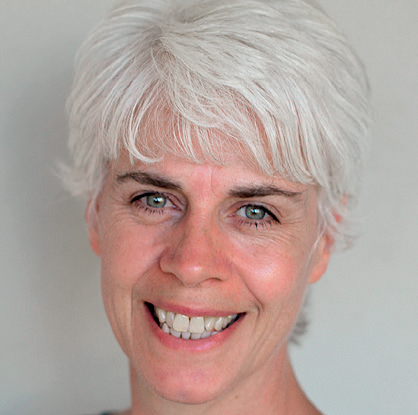
For the last 17 years Dr Harvie has specialised in diet and exercise strategies for weight loss and preventing breast cancer. She’s also the co-author of The 2-Day Diet.
Details: www.genesisuk.org and www.thetwodaydiet.co.uk
Sue Davis Health and wellness manager and resident naturopathLifehouse Spa & Hotel, UK
Sue Davis
Anyone seeking a very strict fasting regime, with little or no food intake, should visit a reputable medical spa. Austere protocols are best left to specialists and are not the domain of leisure spas.
As a naturopath, I’m not a fan of extreme fasting and I find that most people don’t particularly enjoy the process. Anyone who fasts regularly, especially with the goal of weight loss, can affect their metabolism and lose lean muscle mass making it more of a challenge to lose weight.
Lifehouse offers an intermittent fasting programme based on the 5:2 protocol. It’s a much more sustainable programme that people find enjoyable to do while they’re here. They can also easily learn the principles to carry it on in their daily life.
We chose the 5:2 for the wealth of solid research behind it and some impressive potential benefits for those who follow it for a sustained period. With two days of intermittent fasting per week, people are able to lose visceral fat while retaining muscle mass, and the long-term benefits appear to be protection against conditions such as Alzheimer’s, dementia and decreased risk of certain types of cancers.
Guests who undertake a fasting regime should be closely monitored for the duration of the programme. It’s really important that you keep a good dialogue with them as they can potentially become faint, dizzy or experience muscle fatigue due to the sharp reduction in calories – especially if they’re not following the programme correctly.
We see our clients daily and give them a diet plan that’s very personalised.
Spas should offer a range of therapies that complement the fasting regime. Lifehouse offers body scrubs and seaweed wraps to aid detox, hot stone massage to help with lymphatic drainage as well as lava shell massage which gives a deep, detoxifying massage working on the principle of alternating hot and cold therapy. But we find colonics to be a step too far – they’re really the domain of the medical spa and should be administered by a trained nurse.
Energy work can also be beneficial. The liver stores emotions as well as toxins and these can be released during a fast or cleanse, so it’s important to know how to help clients who become tearful and emotional during their stay.
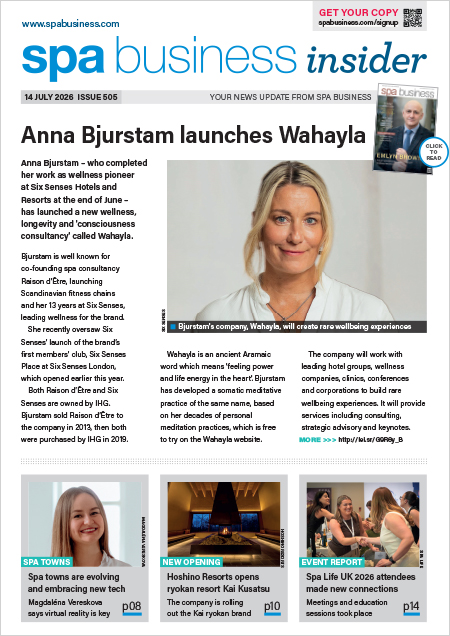
Davis helped set up the original cleansing programmes at Chiva-Som in Thailand in the early 90s. Lifehouse offers a range of wellness programmes, including a 5:2 fasting retreat.
Details: www.lifehouse.co.uk
Spas should offer a range of therapies to complement the fasting regime... But we find colonics to be a step too far – they’re really the domain of the medical spa and should be administered by a trained nurse
The MSpa Oslo series is a perennial bestseller in global markets. With innovative
engineering and premium performance, this completely portable spa line-up is expertly
designed to meet the needs of customers worldwide. [more...]
Many spas, and clinics such as Buchinger, already have the right natural environment to support fasting regimes
Fasting – abstaining from solid food for short or prolonged periods – has become a fashionable practice in recent years. Many spas now offer dedicated juice fasts and there’s been a huge growth in popularity of at-home fasting plans like the 5:2 protocol where you eat for five days and semi-fast for two each week.
Fasting, of course, has been practised in different cultures and religions for thousands of years, recognised for both its physical and spiritual benefits. And as scientific knowledge advances, the world is learning more about how effective even short periods of fasting can be for longer-term health. Benefits include normalisation of weight, blood pressure and cholesterol, increased protection against Alzheimer’s and diabetes, and even, some experts believe, a lengthened life span.
A new study by researchers at the University of Southern California has shown that total fasting for as little as two days was enough to trigger regeneration in the immune system, helping the body to fight infection – and we take a closer look at findings on page 116. Such effects could be of help to the elderly who have decreased immunity as well as cancer patients whose immune systems have been damaged by chemotherapy.
But should fasting retreats be the domain of specialised facilities like medical spas, with a highly trained team of experts on hand, or can it be safely offered as a restorative programme at spa resorts?
The beautiful and natural setting of many spas and resorts will certainly be conducive to the process of fasting. The long-established Buchinger fasting clinics in Spain and Germany (see opposite), which have a luxurious, spa-like, setting are testimony to this.
For those facilities that lack the on-site medical expertise of specialist facilities like Buchinger, programmes based around the 5:2 protocol – or ‘fasting lite’ if you like – are proving to be a more attractive and accessible option for both spa operators and their guests.
Whatever the wellness facility, customers must be carefully assessed for their suitability to the programme, provided with a transition period into the fast and a safe re-feeding period post-fast.
The consensus among most experts appears to be that total abstinence from food is both unnecessary and highly unattractive to participants. Those attending a high-quality spa will be expecting more for their fees than just water.
The Buchinger clinics, and most other fasting facilities, offer raw vegetable and fruit juices, broths and herbal teas as part of the fast. In fact, many experts agree that the addition of such nutrients only serve to enhance, not detract, from the results.
Many spas already have the right natural environment and supporting therapies (lymph drainage massage, body scrubs, meditation, etc) to complement a fasting programme. But which fasting model should they adopt and what support and expertise do they need to have to deliver it? We ask the experts for their advice on the matter.
Read more from this issue of Spa Business magazine
Spa Foresight™: Spa Foresight™
Trends, technologies and strategies which will shape the future of the global spa and wellness industry
Interview: Steve Jeisman
The group director of spas and development at Alila talks to Katie Barnes about leading the way in spa innovation and about new investment from US firm Geolo Capital
Ask an expert: Fasting
What makes a successful fasting programme and how can spas offer them safely? Julie Cramer investigates
Advertisement promotion: ESPA
At 21, ESPA is a veteran
of the global spa industry,
but it’s still leading the
way. Founder and CEO Sue
Harmsworth explains how
Therapy: Mineral matters
Sophie Benge focuses on water and mud therapies in the last of her series on wellness in central and eastern Europe
Everyone’s talking about: Russia
Jak Phillips gives a SWOT analysis of the Russian spa industry and gets insights from operators and consultants working in the sector
Glacial Spa: Tribal gathering
Wellness and adventure tourism is a key focus for Ng?i Tahu, one of the richest Maori tribes in New Zealand. Jennifer Harbottle finds out more
Summit review: Bright future
Katie Barnes shares her highlights from the 2014 Global Spa & Wellness Summit held in Marrakech, Morocco
Research: Strength in numbers
The worldwide spa industry has grown 56 per cent since 2007 and is part of a US$3.4tn cluster according to the 2014 Global Spa & Wellness Economy Monitor report. Ophelia Yeung reveals more
Wellness: Wearable technology
The latest wellness wearables for your spa, including devices by Google, Apple and Ralph Lauren
Technically a fasting programme would be nothing but water, but it can include food, raw juices and broths depending on the goals and condition of the person.
The main benefit is that it gives the body a chance to clean itself out. If done well, the body will be able to alkalise itself (most of us are overly acidic) which helps get rid of aches, pains and that foggy brain feeling.
I recommend seven to 10 days maximum for a fast. If you know how fasting works on your body, longer is possible, but I’d rather people repeated it more frequently than do it for excessively long periods.
For regular fasting programmes, spas need a great nutritionist or naturopath to orientate and monitor clients, and nurses on standby for any issues, such as side effects or withdrawal symptoms. I definitely don’t recommend putting in fasting programmes with no oversight, even though it’s basically safe and easy, because people will always manage to do the wrong thing to excess.
Be flexible with your programme. Food costs are nothing, so don’t refuse requests for food unnecessarily. Ensure F&B staff all get to try the fast and train them in what it is, why people do it and how to encourage them, and to flag up problems to the key people monitoring guests’ progress.
After a three- to four-day adjustment period, when people lose the caffeine withdrawal headache and hunger, most people start to feel great. They feel lighter, think clearer, realise they have a freedom from food and more time in the day as they’re not slothing about digesting.
Fasting ideally is a stepping stone to feeling better, which needs to be continued on through a great regular diet, rather than bingeing and going back to fasting again.
The worst misconception about short-term fasting is that it helps weight loss, and if you promote it as such your guests will only be disappointed. In detox/fasting, we want to lower metabolism, whereas in weight loss we want to maximise it. So to be successful, detox/fasting needs to do the opposite to the body than what we want to achieve with weight loss. Trying to achieve both these goals during a weeklong retreat is physiologically impractical.
I think fasting will continue to grow in popularity and become more accessible, especially at medical centres. In Thailand there’s been a big move from the medical profession to offer these kind of programmes that used to be the domain of complementary therapy practitioners.
Nieuwenhuizen has been running wellness programmes in Asia for over 20 years. He specialises in nutrition and customised supplement therapy.
Details: www.thewellnessdirector.com
I think fasting will continue to grow in popularity and become more accessible, especially at medical centres. In Thailand there’s been a big move from the medical profession to offer these kinds of programmes
Francoise Wilhelmi de ToledoManaging director and medical director, Buchinger Wilhelmi Clinics, Germany and Spain
Francoise Wilhelmi de Toledo
Fasting is one of the only scientifically-proven ways to live longer and possibly without associated age-related diseases too.
When you stop absorbing food through your digestive system, the body switches to the consumption of its own reserves, mostly fats. The cells enter a self-repair mode, which when taken care of properly – with a balance between exercise, rest and self-reflection – can lead to positive metabolic and neuro-hormonal regeneration, as well as mood-enhancing effects.
Small amounts of juices and broths make the fasting experience more pleasant and easy to adhere to, as well as providing extra vitamins and minerals. The positive effects don’t seem diminished when compared to water fasting, but wellbeing and compliance are enhanced.
At Buchinger, the doctor decides with the client if fasting is needed or if a supplemented fasting or a calorie-restricted, plant-based, organic diet is better.
Clients must be healthy physically and emotionally to be able to fast [for short periods] without medical supervision. If they’re under any drug treatment it’s mandatory to be under the guidance of a physician specialised in fasting, to adapt the dosages accordingly.
We offer a whole fasting process; a smooth transition of two to three days of fasting, and a progressive refeeding period of three to four days. Our packages are 10 days, two weeks, or three weeks and 5-10 per cent of our guests stay longer.
Guests are given the opportunity to learn how to cook and eat differently, how to relax and which exercise suits them best. Mindfulness meditation is also offered.
We train our staff constantly. All the therapists have to fast themselves at least once when they start their jobs. Most of them do it regularly.
To enter a totally protected mode of fasting, a specialised facility with professional guidance is the right place to go. You need a medical structure, but also beautiful natural surroundings and your staff must radiate both professionalism and a special, loving spirit.
The Buchinger Clinics in Germany and Spain offer Otto Buchinger’s (1878-1966) fasting method, which has been in practice for more than six decades.
Details: www.buchinger-wilhelmi.com
Dr Michelle HarvieResearch dietitianGenesis Breast Cancer Prevention Centre, UK
Dr Michelle Harvie
People don’t need to undertake highly-restricted fasting regimes to improve their health or lose weight. It’s unlikely that there’s more to be gained by extreme fasting at all.
At the Genesis Breast Cancer Research Centre, we pioneered the concept of the 2-Day Diet, where people restrict their calories for two consecutive days and eat a healthy Mediterranean-style diet for the rest of the time. It was originally developed to help women at high risk of breast cancer to lose weight, as we know being a healthy weight cuts their risk of cancer.
We’ve found people can get great reductions in weight and markers of risk of cancer, heart disease and diabetes by restricting calories for just two days a week and ensuring that they maintain the correct balance of protein, fats and carbohydrates on these days. For two days, people can eat between 600-1,000 calories a day depending on their appetite.
Unlike other 5:2 diets, many of which advocate the consumption of just 500 calories for two days a week, the 2-Day Diet has been clinically proven in randomised trials of real-life dieters. The results show that intermittent dieting is more effective and easier to follow than a standard, continuous diet – a 65 per cent success rate versus only 40 per cent with a standard diet. We also found that it retrained people’s appetites on the five unrestricted days so they eat, on average, 25 per cent fewer calories.
More studies are showing that intermittent calorie restriction is an effective, viable alternative to standard weight loss diets, which in turn can improve health. But the 2-Day Diet has only been designed and tested for weight loss. It should not be followed by those of a normal weight who perhaps have other health issues.
There are many studies looking into and making claims about the anti-ageing effects of intermittent fasting, but most of these have so far only been tested on mice.
Scientists are learning more about intermittent fasting day by day and it’s certainly captured the imagination of the public in recent years. It’s a results-driven diet that’s here to stay and not a passing fad, and so something that reputable spas could certainly look to offer their guests.
For the last 17 years Dr Harvie has specialised in diet and exercise strategies for weight loss and preventing breast cancer. She’s also the co-author of The 2-Day Diet.
Details: www.genesisuk.org and www.thetwodaydiet.co.uk
Sue Davis Health and wellness manager and resident naturopathLifehouse Spa & Hotel, UK
Sue Davis
Anyone seeking a very strict fasting regime, with little or no food intake, should visit a reputable medical spa. Austere protocols are best left to specialists and are not the domain of leisure spas.
As a naturopath, I’m not a fan of extreme fasting and I find that most people don’t particularly enjoy the process. Anyone who fasts regularly, especially with the goal of weight loss, can affect their metabolism and lose lean muscle mass making it more of a challenge to lose weight.
Lifehouse offers an intermittent fasting programme based on the 5:2 protocol. It’s a much more sustainable programme that people find enjoyable to do while they’re here. They can also easily learn the principles to carry it on in their daily life.
We chose the 5:2 for the wealth of solid research behind it and some impressive potential benefits for those who follow it for a sustained period. With two days of intermittent fasting per week, people are able to lose visceral fat while retaining muscle mass, and the long-term benefits appear to be protection against conditions such as Alzheimer’s, dementia and decreased risk of certain types of cancers.
Guests who undertake a fasting regime should be closely monitored for the duration of the programme. It’s really important that you keep a good dialogue with them as they can potentially become faint, dizzy or experience muscle fatigue due to the sharp reduction in calories – especially if they’re not following the programme correctly.
We see our clients daily and give them a diet plan that’s very personalised.
Spas should offer a range of therapies that complement the fasting regime. Lifehouse offers body scrubs and seaweed wraps to aid detox, hot stone massage to help with lymphatic drainage as well as lava shell massage which gives a deep, detoxifying massage working on the principle of alternating hot and cold therapy. But we find colonics to be a step too far – they’re really the domain of the medical spa and should be administered by a trained nurse.
Energy work can also be beneficial. The liver stores emotions as well as toxins and these can be released during a fast or cleanse, so it’s important to know how to help clients who become tearful and emotional during their stay.
Davis helped set up the original cleansing programmes at Chiva-Som in Thailand in the early 90s. Lifehouse offers a range of wellness programmes, including a 5:2 fasting retreat.
Details: www.lifehouse.co.uk
Spas should offer a range of therapies to complement the fasting regime... But we find colonics to be a step too far – they’re really the domain of the medical spa and should be administered by a trained nurse
Gran Hotel Taoro in northern Tenerife, Spain, has completed the final phase of its three-year
renovation with the debut of its Sandára Wellness Centre.
Hand and Stone Massage and Facial Spa, the spa business with more than 650 locations across
the US and Canada, has appointed franchise expert Carrie Walsh as CEO as the company plans
to expand.
Synergy – The Retreat Show, the global trade show for retreats, has launched a global research
initiative that will provide insights into the retreat sector from both consumer and industry
perspectives.
The Wellness Tourism Association (WTA) has published a non-regulatory global industry
framework designed to ensure the retreat market offers responsible experiences.
A new survey of UK and international spa practitioners shows that stress, burnout and
wellbeing concerns have caused one in three respondents to consider leaving the industry.
The UK's four Chief Medical Officers have published a refreshed edition of Physical activity
guidelines: UK Chief Medical Officers' report, updating the evidence that underpins the nation's
physical activity recommendations and placing greater emphasis on strength, balance, reducing
sedentary behaviour and, for the first time, supporting people taking weight loss medications.
Anna Bjurstam has left her role as Wellness Pioneer at Six Senses Hotels and Resorts and
launched a new wellness, longevity and “consciousness consultancy” called Wahayla.
Fairmont Cheshire, The Mere, has opened today (10 July) in the Northwest of England
with a
1,715sq m Fairmont Spa that has been designed using a ‘Wellness without Walls’
concept.
The MSpa Oslo series is a perennial bestseller in global markets. With innovative
engineering and premium performance, this completely portable spa line-up is expertly
designed to meet the needs of customers worldwide. [more...]