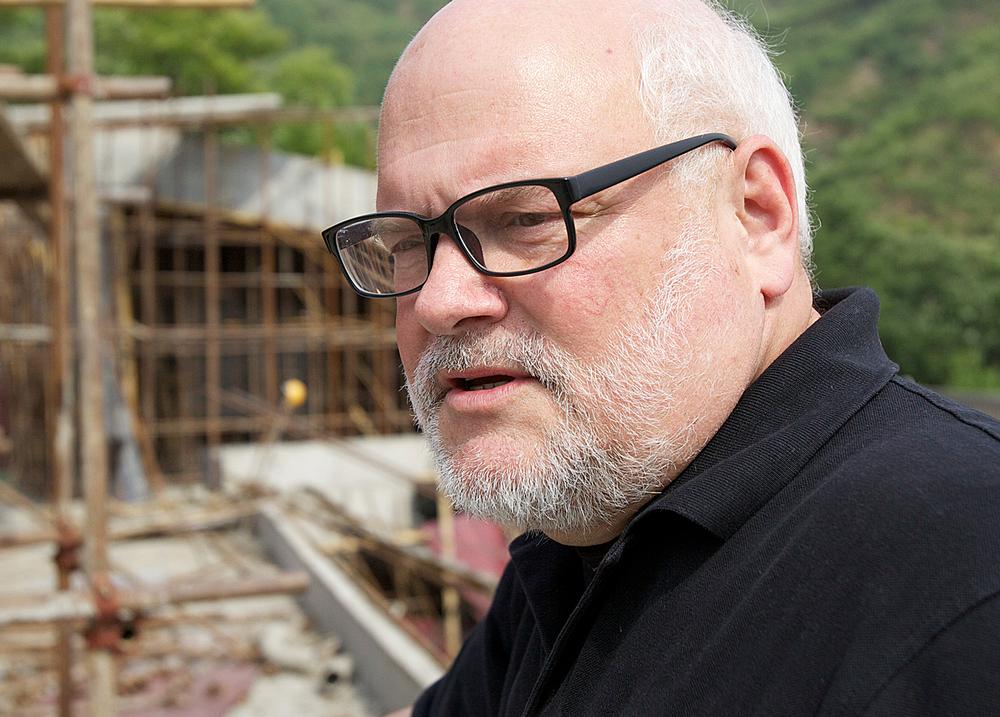
Katie Barnes talks to the man behind The Schoolhouse, a sustainable tourism enterprise – including a boutique hotel and spa – that he’s established in a remote village near the Great Wall of China
By Katie Barnes | Published in Spa Business 2014 issue 4
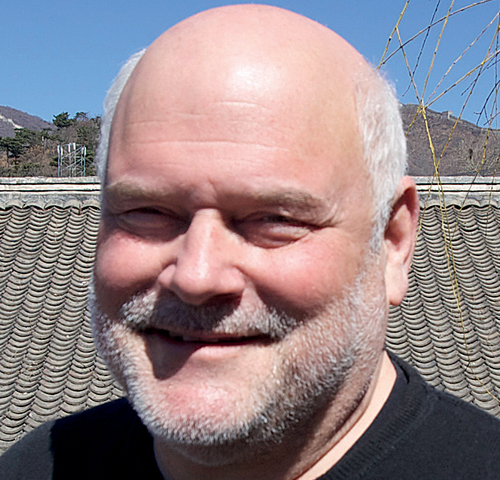
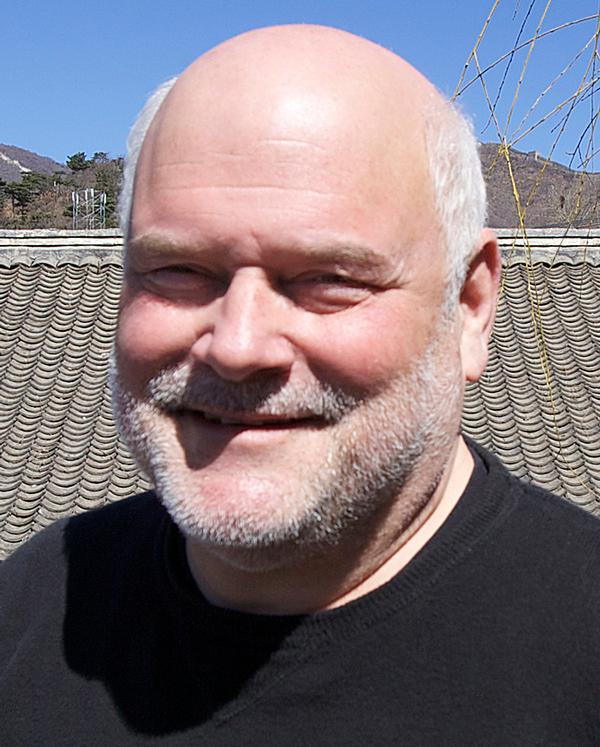
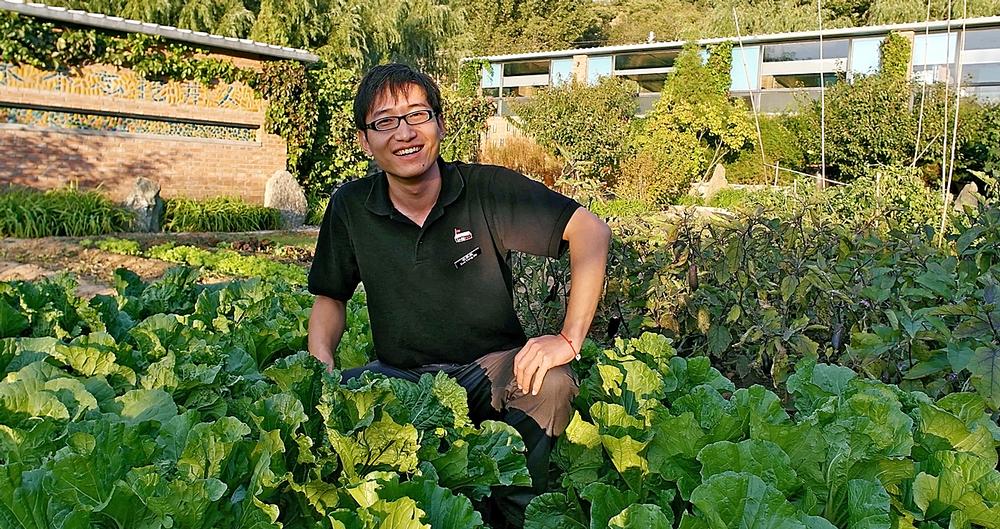
In 1986, American Jim Spear and his wife Liang Tang moved with their daughter to Beijing. Spear had a master’s degree in political science from UC Berkeley and took a consulting job in the city at an exciting time of rapid development. On a weekend trip to a remote part of the Great Wall of China in Mutianyu, 70km north of Beijing, they purchased a peasant’s house on a whim with a view to turning it into a country retreat.
Since then, they’ve turned an abandoned primary school into a restaurant and glass factory, old homes into designer rentals and a brick kiln into an eco-lodge and spa which has welcomed guests from over 100 countries. The businesses, known collectively as The Schoolhouse, have put Mutianyu on the tourist map. And they’ve done so while supporting the local community.
Here, Spear tells Spa Business about his inspiration for The Schoolhouse, how the project grew and what it’s like doing business in rural China.
Where did you get the idea to develop The Schoolhouse? Not long after I moved to Mutianyu full-time, the mayor called me to the village hall and gave me a lecture – the community had a declining and ageing population, low incomes and lack of investment. He asked me to give something back to my adopted home. He really got me to open my eyes to what was happening around me.
What was your vision? To make an investment that would provide jobs to local employees and suppliers while running an ethical, sustainably-designed, operation.
Today our businesses include a gallery, general store, orchard, several farm plots, a food product development centre, three Slow Food restaurants, rental homes, meeting facilities and, of course, the Brickyard boutique hotel and spa.
Overall the goal was to help Mutianyu at the Great Wall become a more recognised tourism destination – and now it ranks 14 in the top 25 landmarks in the whole wide world on TripAdvisor!
What’s it like doing business in China? Like most other foreign investors we’ve been granted ‘national treatment’ – meaning we get treated like a Chinese-owned business. That’s not always a blessing, as there are strict rules and laws to abide by. But overall it’s fairly transparent. People who fail here often blame corruption or culture, but sometimes that’s just an excuse for not doing a good enough job.
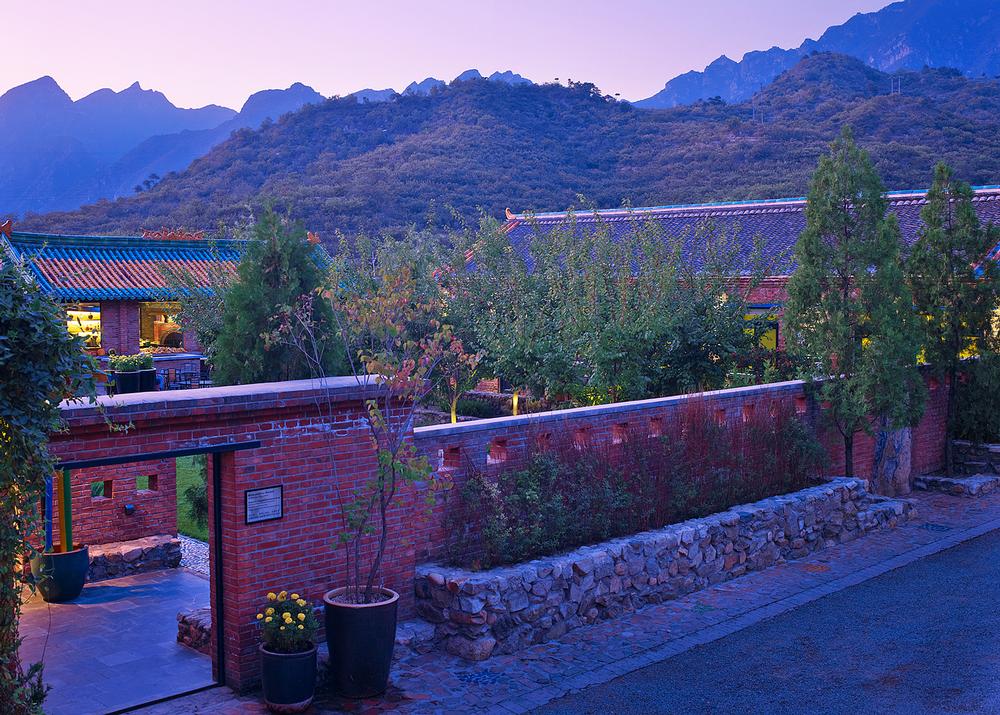
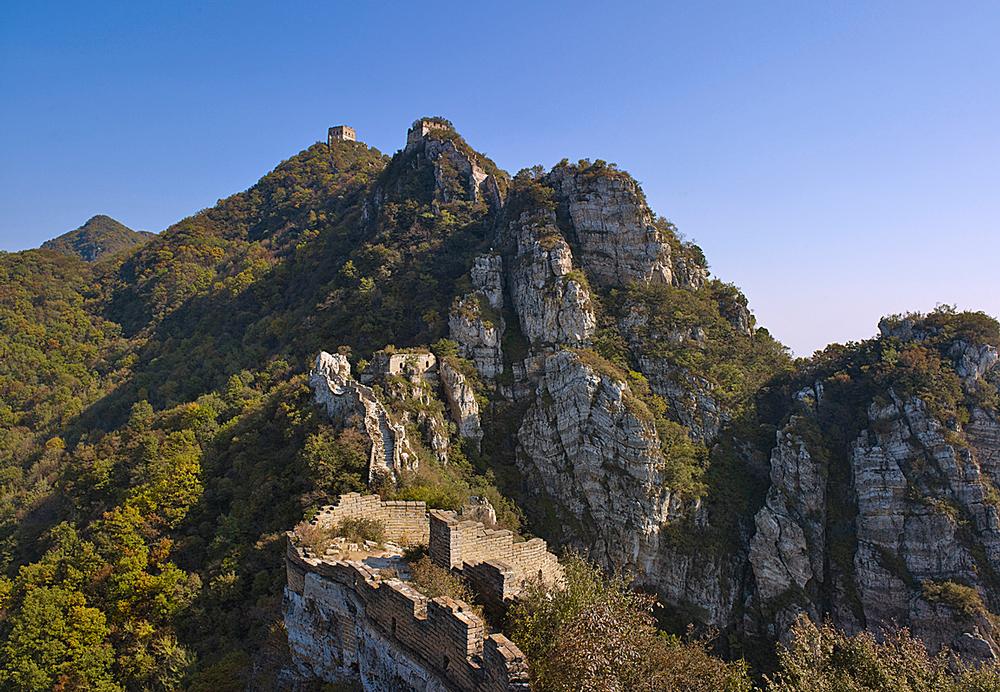
Why did you build the Brickyard? My wife found a working tile factory in Beigou, the village next to Mutianyu, in 2006 and thought it would be a great site for a new project. It was a desert and the chimneys belched out horrible acrid, black smoke. I was appalled and thought ‘no way’ until she told me to turn round and I saw the incredible view of forested ridges topped by the imposing Great Wall.
How did you design it? My aim was to keep the factory buildings and complement them with rooms, all 25 of which have views of the Great Wall. I redeployed every scrap of building material, including used bricks and broken glazed tiles. I think the Brickyard is a happy marriage of traditional and vernacular building styles with a modern aesthetic.
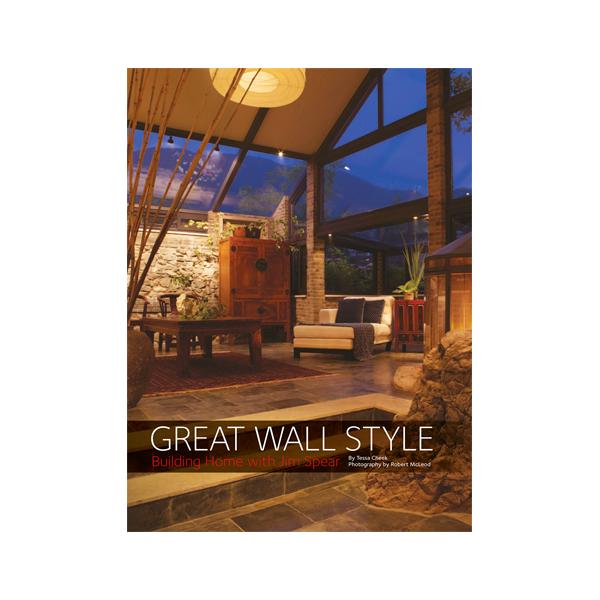
Tell us about your book Great Wall Style which launched last year. I have a passion for design and as well as the Brickyard, I’ve refurbished dozens of homes in or near Mutianyu including nine that we rent out. After these were featured in Architectural Digest, people asked to see more. With the help of their wonderfully talented photographer Robert McLeod and an international stylist, Ampol Paul J, we created a book that would encompass Great Wall style – not just my designs but the incredible setting of the Great Wall, the villages and the villagers themselves presented imaginatively.
Who are your customers? There’s an equal split between Chinese citizens and people from other countries, with most of those coming from Europe and North America. There’s a mix between tourists and business people who have meetings here or take a break at the Great Wall before or after corporate trips elsewhere.
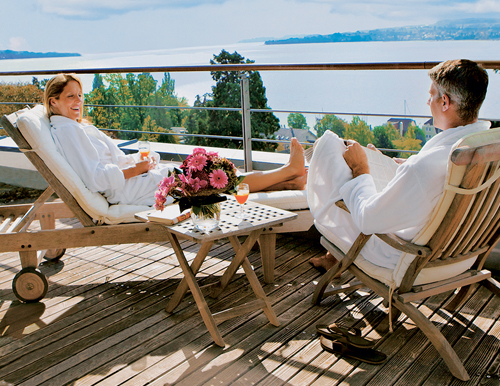
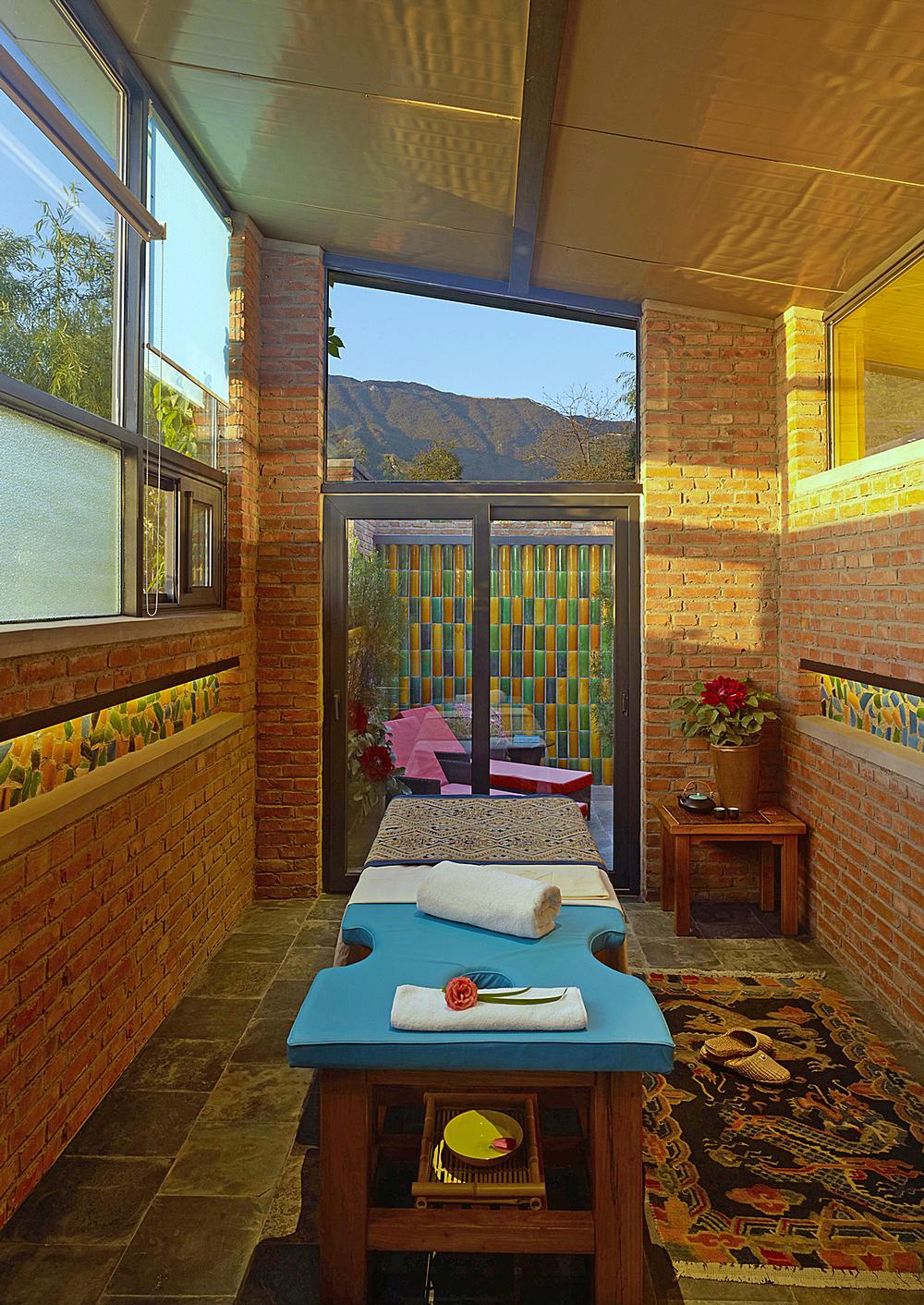
What’s your spa like? My wife and I have enjoyed spas in many places. I’m really selfish, so when I designed the Brickyard Spa I designed it first to please us. It’s not huge – we have just three treatment suites – it’s not gold-plated. It’s a concrete expression of what I like to think of as the ‘luxury of simplicity’.
The building is set apart from the rest of the Brickyard in an area that features our kitchen garden, the lotus pond and yoga platform, arbors and secluded areas for relaxation. The grounds get more beautiful, fragrant and peaceful as the years go by.
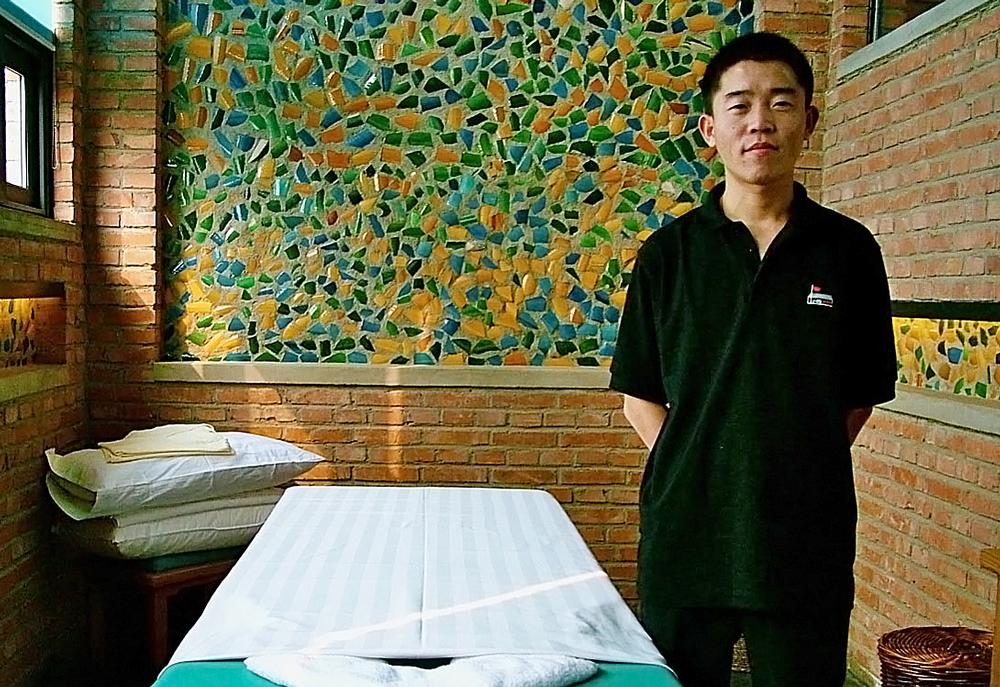
The walls are red brick with tiled murals created by local craftsmen and the floors are polished native slate. All of the furnishings were handmade to my design from distressed old elm.
It’s an intimate place to relax in peace. The Gold Suite has a sauna with direct views of the Great Wall. There’s an exercise room as well as an outdoor whirlpool where guests can take in the mountain scenery and stars at night 365 days a year.
What’s the benefit of having a spa? A balanced life requires physical and mental nurturing and many of the guests we attract feel the same way. And our relaxing spa complements the many sports and activities on offer around Mutianyu.
It gets booked up, especially on weekends, and the number of guests taking treatments increases 25 per cent each year.
How did you decide what treatments to offer? This was easy. We kept it simple. Chinese tui na is a special, traditional bodywork massage that stimulates energy (or chi) in the meridians and muscles. And we were able to find experienced therapists to offer a high-quality treatment. We also offer a warm foot soak followed by a complete massage of the feet and lower legs. That’s a no-brainer as so many of our guests explore and hike the mountains near us.
What yoga classes and retreats do you have? We offer outdoor sessions by the lotus pond with a professional teacher nearly every Sunday morning in spring and autumn when the weather is most suitable. This year, we organised six weekend yoga retreats that included complementary meals. The programmes are small-scale, simple and participants report enjoying them very much.
What products do you use? Everything’s natural. Our balms, shampoos and conditioners are from Shangrila Farms, a supplier that shares our commitment to making a difference in rural China. Liquid soap is by Kaimi, certified natural and pure. There’s a selection of high-quality teas from toasted barley to peppermint. And we make our own potpourri, foot soak and eye pillows containing local lavender, while our filtered ice water has lemon and mint from our garden.
How does the spa help to support the Mutianyu community? It supports nearby suppliers. Many products are sourced locally including our spa pyjamas, which are handsewn by a local seamstress and our singing bowls from our sister business Schoolhouse Art Glass.
As a rule, we also like to employ and train local people but unfortunately we weren’t able to hire therapists from the area as we couldn’t train or certify tui na which is a specialised therapeutic massage.
What’s your overall goal at the Brickyard and The Schoolhouse? To provide wonderful experiences for our guests and sustain our business while making a difference in our community.
What drives you? Beauty, building, learning, providing ways for other people to thrive, making guests feel special and becoming a better person.
Read more from this issue of Spa Business magazine
Spa Foresight™: Spa Foresight™
Trends, technologies and strategies which will shape the future of the global spa and wellness industry
Interview: Steve Jeisman
The group director of spas and development at Alila talks to Katie Barnes about leading the way in spa innovation and about new investment from US firm Geolo Capital
Ask an expert: Fasting
What makes a successful fasting programme and how can spas offer them safely? Julie Cramer investigates
Advertisement promotion: ESPA
At 21, ESPA is a veteran
of the global spa industry,
but it’s still leading the
way. Founder and CEO Sue
Harmsworth explains how
Therapy: Mineral matters
Sophie Benge focuses on water and mud therapies in the last of her series on wellness in central and eastern Europe
Everyone’s talking about: Russia
Jak Phillips gives a SWOT analysis of the Russian spa industry and gets insights from operators and consultants working in the sector
Glacial Spa: Tribal gathering
Wellness and adventure tourism is a key focus for Ng?i Tahu, one of the richest Maori tribes in New Zealand. Jennifer Harbottle finds out more
Summit review: Bright future
Katie Barnes shares her highlights from the 2014 Global Spa & Wellness Summit held in Marrakech, Morocco
Research: Strength in numbers
The worldwide spa industry has grown 56 per cent since 2007 and is part of a US$3.4tn cluster according to the 2014 Global Spa & Wellness Economy Monitor report. Ophelia Yeung reveals more
Wellness: Wearable technology
The latest wellness wearables for your spa, including devices by Google, Apple and Ralph Lauren
The MSpa Oslo series is a perennial bestseller in global markets. With innovative
engineering and premium performance, this completely portable spa line-up is expertly
designed to meet the needs of customers worldwide. [more...]
Katie Barnes talks to the man behind The Schoolhouse, a sustainable tourism enterprise – including a boutique hotel and spa – that he’s established in a remote village near the Great Wall of China
By Katie Barnes | Published in Spa Business 2014 issue 4
In 1986, American Jim Spear and his wife Liang Tang moved with their daughter to Beijing. Spear had a master’s degree in political science from UC Berkeley and took a consulting job in the city at an exciting time of rapid development. On a weekend trip to a remote part of the Great Wall of China in Mutianyu, 70km north of Beijing, they purchased a peasant’s house on a whim with a view to turning it into a country retreat.
Since then, they’ve turned an abandoned primary school into a restaurant and glass factory, old homes into designer rentals and a brick kiln into an eco-lodge and spa which has welcomed guests from over 100 countries. The businesses, known collectively as The Schoolhouse, have put Mutianyu on the tourist map. And they’ve done so while supporting the local community.
Here, Spear tells Spa Business about his inspiration for The Schoolhouse, how the project grew and what it’s like doing business in rural China.
Where did you get the idea to develop The Schoolhouse? Not long after I moved to Mutianyu full-time, the mayor called me to the village hall and gave me a lecture – the community had a declining and ageing population, low incomes and lack of investment. He asked me to give something back to my adopted home. He really got me to open my eyes to what was happening around me.
What was your vision? To make an investment that would provide jobs to local employees and suppliers while running an ethical, sustainably-designed, operation.
Today our businesses include a gallery, general store, orchard, several farm plots, a food product development centre, three Slow Food restaurants, rental homes, meeting facilities and, of course, the Brickyard boutique hotel and spa.
Overall the goal was to help Mutianyu at the Great Wall become a more recognised tourism destination – and now it ranks 14 in the top 25 landmarks in the whole wide world on TripAdvisor!
What’s it like doing business in China? Like most other foreign investors we’ve been granted ‘national treatment’ – meaning we get treated like a Chinese-owned business. That’s not always a blessing, as there are strict rules and laws to abide by. But overall it’s fairly transparent. People who fail here often blame corruption or culture, but sometimes that’s just an excuse for not doing a good enough job.
Why did you build the Brickyard? My wife found a working tile factory in Beigou, the village next to Mutianyu, in 2006 and thought it would be a great site for a new project. It was a desert and the chimneys belched out horrible acrid, black smoke. I was appalled and thought ‘no way’ until she told me to turn round and I saw the incredible view of forested ridges topped by the imposing Great Wall.
How did you design it? My aim was to keep the factory buildings and complement them with rooms, all 25 of which have views of the Great Wall. I redeployed every scrap of building material, including used bricks and broken glazed tiles. I think the Brickyard is a happy marriage of traditional and vernacular building styles with a modern aesthetic.
Tell us about your book Great Wall Style which launched last year. I have a passion for design and as well as the Brickyard, I’ve refurbished dozens of homes in or near Mutianyu including nine that we rent out. After these were featured in Architectural Digest, people asked to see more. With the help of their wonderfully talented photographer Robert McLeod and an international stylist, Ampol Paul J, we created a book that would encompass Great Wall style – not just my designs but the incredible setting of the Great Wall, the villages and the villagers themselves presented imaginatively.
Who are your customers? There’s an equal split between Chinese citizens and people from other countries, with most of those coming from Europe and North America. There’s a mix between tourists and business people who have meetings here or take a break at the Great Wall before or after corporate trips elsewhere.
What’s your spa like? My wife and I have enjoyed spas in many places. I’m really selfish, so when I designed the Brickyard Spa I designed it first to please us. It’s not huge – we have just three treatment suites – it’s not gold-plated. It’s a concrete expression of what I like to think of as the ‘luxury of simplicity’.
The building is set apart from the rest of the Brickyard in an area that features our kitchen garden, the lotus pond and yoga platform, arbors and secluded areas for relaxation. The grounds get more beautiful, fragrant and peaceful as the years go by.
The walls are red brick with tiled murals created by local craftsmen and the floors are polished native slate. All of the furnishings were handmade to my design from distressed old elm.
It’s an intimate place to relax in peace. The Gold Suite has a sauna with direct views of the Great Wall. There’s an exercise room as well as an outdoor whirlpool where guests can take in the mountain scenery and stars at night 365 days a year.
What’s the benefit of having a spa? A balanced life requires physical and mental nurturing and many of the guests we attract feel the same way. And our relaxing spa complements the many sports and activities on offer around Mutianyu.
It gets booked up, especially on weekends, and the number of guests taking treatments increases 25 per cent each year.
How did you decide what treatments to offer? This was easy. We kept it simple. Chinese tui na is a special, traditional bodywork massage that stimulates energy (or chi) in the meridians and muscles. And we were able to find experienced therapists to offer a high-quality treatment. We also offer a warm foot soak followed by a complete massage of the feet and lower legs. That’s a no-brainer as so many of our guests explore and hike the mountains near us.
What yoga classes and retreats do you have? We offer outdoor sessions by the lotus pond with a professional teacher nearly every Sunday morning in spring and autumn when the weather is most suitable. This year, we organised six weekend yoga retreats that included complementary meals. The programmes are small-scale, simple and participants report enjoying them very much.
What products do you use? Everything’s natural. Our balms, shampoos and conditioners are from Shangrila Farms, a supplier that shares our commitment to making a difference in rural China. Liquid soap is by Kaimi, certified natural and pure. There’s a selection of high-quality teas from toasted barley to peppermint. And we make our own potpourri, foot soak and eye pillows containing local lavender, while our filtered ice water has lemon and mint from our garden.
How does the spa help to support the Mutianyu community? It supports nearby suppliers. Many products are sourced locally including our spa pyjamas, which are handsewn by a local seamstress and our singing bowls from our sister business Schoolhouse Art Glass.
As a rule, we also like to employ and train local people but unfortunately we weren’t able to hire therapists from the area as we couldn’t train or certify tui na which is a specialised therapeutic massage.
What’s your overall goal at the Brickyard and The Schoolhouse? To provide wonderful experiences for our guests and sustain our business while making a difference in our community.
What drives you? Beauty, building, learning, providing ways for other people to thrive, making guests feel special and becoming a better person.
Read more from this issue of Spa Business magazine
Spa Foresight™: Spa Foresight™
Trends, technologies and strategies which will shape the future of the global spa and wellness industry
Interview: Steve Jeisman
The group director of spas and development at Alila talks to Katie Barnes about leading the way in spa innovation and about new investment from US firm Geolo Capital
Ask an expert: Fasting
What makes a successful fasting programme and how can spas offer them safely? Julie Cramer investigates
Advertisement promotion: ESPA
At 21, ESPA is a veteran
of the global spa industry,
but it’s still leading the
way. Founder and CEO Sue
Harmsworth explains how
Therapy: Mineral matters
Sophie Benge focuses on water and mud therapies in the last of her series on wellness in central and eastern Europe
Everyone’s talking about: Russia
Jak Phillips gives a SWOT analysis of the Russian spa industry and gets insights from operators and consultants working in the sector
Glacial Spa: Tribal gathering
Wellness and adventure tourism is a key focus for Ng?i Tahu, one of the richest Maori tribes in New Zealand. Jennifer Harbottle finds out more
Summit review: Bright future
Katie Barnes shares her highlights from the 2014 Global Spa & Wellness Summit held in Marrakech, Morocco
Research: Strength in numbers
The worldwide spa industry has grown 56 per cent since 2007 and is part of a US$3.4tn cluster according to the 2014 Global Spa & Wellness Economy Monitor report. Ophelia Yeung reveals more
Wellness: Wearable technology
The latest wellness wearables for your spa, including devices by Google, Apple and Ralph Lauren
Gran Hotel Taoro in northern Tenerife, Spain, has completed the final phase of its three-year
renovation with the debut of its Sandára Wellness Centre.
Hand and Stone Massage and Facial Spa, the spa business with more than 650 locations across
the US and Canada, has appointed franchise expert Carrie Walsh as CEO as the company plans
to expand.
Synergy – The Retreat Show, the global trade show for retreats, has launched a global research
initiative that will provide insights into the retreat sector from both consumer and industry
perspectives.
The Wellness Tourism Association (WTA) has published a non-regulatory global industry
framework designed to ensure the retreat market offers responsible experiences.
A new survey of UK and international spa practitioners shows that stress, burnout and
wellbeing concerns have caused one in three respondents to consider leaving the industry.
The UK's four Chief Medical Officers have published a refreshed edition of Physical activity
guidelines: UK Chief Medical Officers' report, updating the evidence that underpins the nation's
physical activity recommendations and placing greater emphasis on strength, balance, reducing
sedentary behaviour and, for the first time, supporting people taking weight loss medications.
Anna Bjurstam has left her role as Wellness Pioneer at Six Senses Hotels and Resorts and
launched a new wellness, longevity and “consciousness consultancy” called Wahayla.
Fairmont Cheshire, The Mere, has opened today (10 July) in the Northwest of England
with a
1,715sq m Fairmont Spa that has been designed using a ‘Wellness without Walls’
concept.
The MSpa Oslo series is a perennial bestseller in global markets. With innovative
engineering and premium performance, this completely portable spa line-up is expertly
designed to meet the needs of customers worldwide. [more...]