Yes! Send me the FREE digital editions of Spa Business and Spa Business insider magazines and the FREE weekly Spa Business and Spa Business insider ezines and breaking news alerts!
Do you have a strong opinion, or disagree with somebody else’s point of view on topics related to the spa industry? If so, Spa Business would love to hear from you. Email your letters, thoughts and suggestions to [email protected]
Spa Foresight™: Spa Foresight™
Trends, technologies and strategies which will shape the future of the global spa and wellness industry
Interview: Steve Jeisman
The group director of spas and development at Alila talks to Katie Barnes about leading the way in spa innovation and about new investment from US firm Geolo Capital
Ask an expert: Fasting
What makes a successful fasting programme and how can spas offer them safely? Julie Cramer investigates
Advertisement promotion: ESPA
At 21, ESPA is a veteran
of the global spa industry,
but it’s still leading the
way. Founder and CEO Sue
Harmsworth explains how
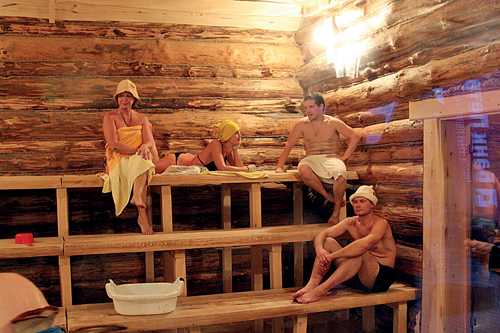
Therapy: Mineral matters
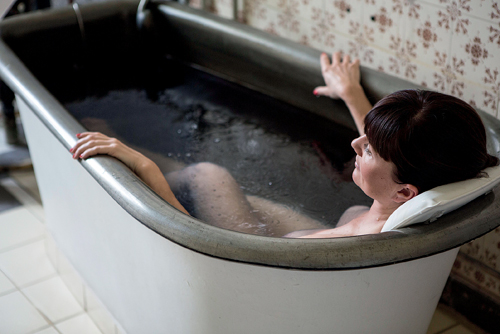
Sophie Benge focuses on water and mud therapies in the last of her series on wellness in central and eastern Europe
Everyone’s talking about: Russia
Jak Phillips gives a SWOT analysis of the Russian spa industry and gets insights from operators and consultants working in the sector
Glacial Spa: Tribal gathering
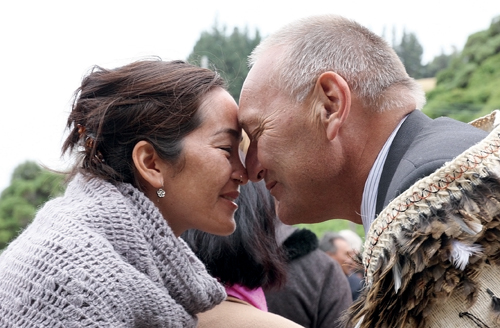
Wellness and adventure tourism is a key focus for Ng?i Tahu, one of the richest Maori tribes in New Zealand. Jennifer Harbottle finds out more
Summit review: Bright future
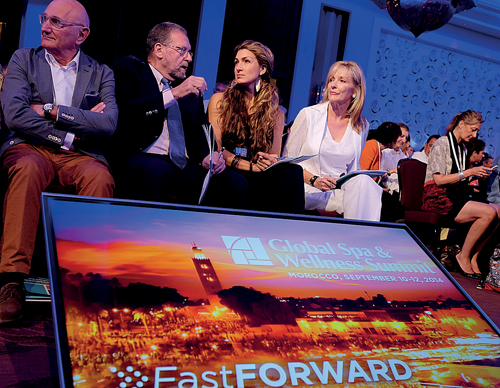
Katie Barnes shares her highlights from the 2014 Global Spa & Wellness Summit held in Marrakech, Morocco
Research: Strength in numbers
The worldwide spa industry has grown 56 per cent since 2007 and is part of a US$3.4tn cluster according to the 2014 Global Spa & Wellness Economy Monitor report. Ophelia Yeung reveals more
Wellness: Wearable technology
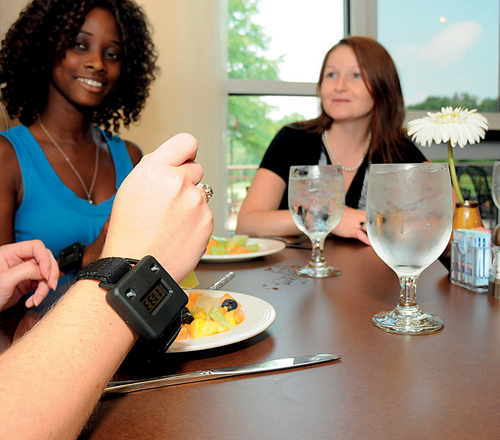
The latest wellness wearables for your spa, including devices by Google, Apple and Ralph Lauren
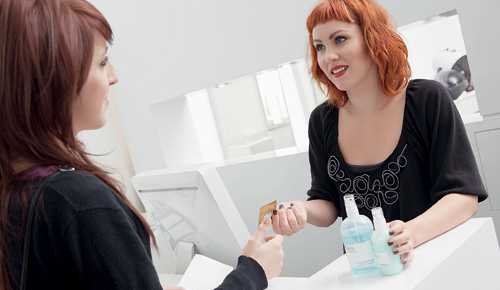
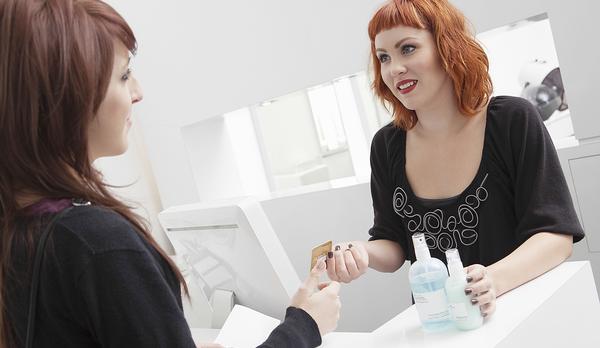
While crossing the Atlantic after attending the Global Spa & Wellness Summit (see p88), I reflected on points made by the speakers. Retail expert Paul Price shared some great information on how to improve the sales experience. He spoke about in-spa marketing, digital marketing, emotional selling, appealing to peoples’ dreams and more. He had great things to say but – yes here is the but – as an industry we’re terrible at selling products!
We only have a sliver of the self-wellness product market share. Why? Because spa teams don’t like to sell. Why are we so bad at retailing? It’s due to the lack of systems and training and, importantly, it’s also due to the lack of consequences when targets are not met.
Of course performance expectations must be set first. To improve performance, leaders need to outline obligations in detail and set targets for both treatment and retail volume per guest. Then they need to measure them daily and reward and recognise when it’s worthy.
But what happens when targets are not met? Typically when a team member doesn’t recommend retail, there are no established expectations and consequences in place – and this is the biggest mistake I see spa owners make. Every day guests come and go, leaving empty handed. This habit is costing spas major revenue. This is the only industry I know where a team can perform only half of their responsibilities (treatment without retail) and keep their job.
Spas need to address the ‘what if’. What if staff don’t reach retail targets month after month? What are you willing to do? You can train and coach them, but if they still don’t do it, what will you do? How much money are you willing to lose because your team doesn’t view retail as one of their responsibilities?
Spas need to address what happens when staff don’t reach their retail targets
GLOBAL ACTION NEEDED TO PROMOTE WELLNESS: A BASIC HUMAN RIGHT
Talal Bin Ali
Talal Bin AliFounder and PresidentEnaya Care International
I’ve been in the spa and salon business for nine years, but my passion for holistic wellness was born in India in 2010. I spent a few weeks at a nature cure resort consuming healthy food, exercising and having massages. It was a life-changing experience as I got rid of my obesity, diabetic and high blood pressure problems.
My understanding of wellness matured. I realised that it’s about preventing sickness and that wellness should be embraced by every nation and delivered to everyone as a basic human right.
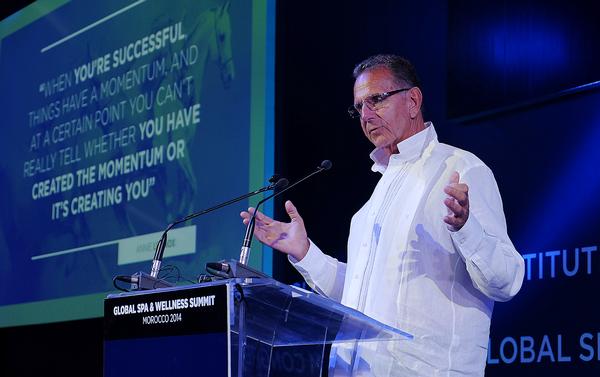
I’ve just returned from the Global Spa & Wellness Summit (GSWS) and I was happy to hear about the Global Wellness Institute (GWI) – the organisation that’s been set up to drive wellness tourism and the spa industry forward (see p94). It’s a great starting point, but more must be done to get the message out to the masses.
I come from a background of working with global corporations such as Unilever and have witnessed first hand how changes can happen if a clear strategy and action plan is put in place. I successfully lobbied at G8 level to fight against counterfeit products and fruitful results came from aligning interests. The GWI needs to do the same – lobby at UN and G20 levels – and fast. I have offered my assistance as it’s my true vision to take wellness and the awareness of it global.
I admire the GSWS team for creating an international community which has wellness as a common interest. Although I do think they lack true global representation, as there’s not much participation from the African nations or the GCC region either at the summit or on the board. This does leave me with doubts. But at the same time, I’m also hopeful that the GWI will be the light at the end of the tunnel.
GWI plans have just been revealed (left), but Bin Ali is calling for global representation
RIGHT TO REPLY
Susie Ellis
Susie EllisChairman & CEO,Global Wellness Institute
Global representation is a top priority for the Global Spa & Wellness Summit and is core to its DNA, as evidenced by the 400 people from 45 countries that attended our recent conference in Morocco. As part of our new identity – the Global Wellness Institute™ – we expect even more opportunity to diversify our board as well as future executive functions and committees.
Additionally, we’re exploring strategic alliances and partnerships with organisations such as the World Travel & Tourism Council, the UNWTO and the World Economic Forum, as well as several multi-national corporations that are eager to both get involved in the work that we do, as well as to access the research and information for which our organisation is now known. We’re grateful for the interest and generous support of forward-thinking companies like Enaya Care and are committed to expanding our global reach and public sector initiatives as we build our resources and necessary infrastructure.
The Spa Life UK Convention returns from 21–23 June 2026 at Whittlebury Park Hotel, Spa &
Golf Resort, bringing together spa managers, directors and owners for two days of focused
education, meaningful connection and commercial insight. [more...]
In a world where imbalance often accumulates quietly, Wildsmith unveils its newest
wellbeing innovation: Silent Loads, an approach designed to meet the needs of modern spa
guests with precision and depth. [more...]
Do you have a strong opinion, or disagree with somebody else’s point of view on topics related to the spa industry? If so, Spa Business would love to hear from you. Email your letters, thoughts and suggestions to [email protected]
Spa Foresight™: Spa Foresight™
Trends, technologies and strategies which will shape the future of the global spa and wellness industry
Interview: Steve Jeisman
The group director of spas and development at Alila talks to Katie Barnes about leading the way in spa innovation and about new investment from US firm Geolo Capital
Ask an expert: Fasting
What makes a successful fasting programme and how can spas offer them safely? Julie Cramer investigates
Advertisement promotion: ESPA
At 21, ESPA is a veteran
of the global spa industry,
but it’s still leading the
way. Founder and CEO Sue
Harmsworth explains how
Therapy: Mineral matters
Sophie Benge focuses on water and mud therapies in the last of her series on wellness in central and eastern Europe
Everyone’s talking about: Russia
Jak Phillips gives a SWOT analysis of the Russian spa industry and gets insights from operators and consultants working in the sector
Glacial Spa: Tribal gathering
Wellness and adventure tourism is a key focus for Ng?i Tahu, one of the richest Maori tribes in New Zealand. Jennifer Harbottle finds out more
Summit review: Bright future
Katie Barnes shares her highlights from the 2014 Global Spa & Wellness Summit held in Marrakech, Morocco
Research: Strength in numbers
The worldwide spa industry has grown 56 per cent since 2007 and is part of a US$3.4tn cluster according to the 2014 Global Spa & Wellness Economy Monitor report. Ophelia Yeung reveals more
Wellness: Wearable technology
The latest wellness wearables for your spa, including devices by Google, Apple and Ralph Lauren
While crossing the Atlantic after attending the Global Spa & Wellness Summit (see p88), I reflected on points made by the speakers. Retail expert Paul Price shared some great information on how to improve the sales experience. He spoke about in-spa marketing, digital marketing, emotional selling, appealing to peoples’ dreams and more. He had great things to say but – yes here is the but – as an industry we’re terrible at selling products!
We only have a sliver of the self-wellness product market share. Why? Because spa teams don’t like to sell. Why are we so bad at retailing? It’s due to the lack of systems and training and, importantly, it’s also due to the lack of consequences when targets are not met.
Of course performance expectations must be set first. To improve performance, leaders need to outline obligations in detail and set targets for both treatment and retail volume per guest. Then they need to measure them daily and reward and recognise when it’s worthy.
But what happens when targets are not met? Typically when a team member doesn’t recommend retail, there are no established expectations and consequences in place – and this is the biggest mistake I see spa owners make. Every day guests come and go, leaving empty handed. This habit is costing spas major revenue. This is the only industry I know where a team can perform only half of their responsibilities (treatment without retail) and keep their job.
Spas need to address the ‘what if’. What if staff don’t reach retail targets month after month? What are you willing to do? You can train and coach them, but if they still don’t do it, what will you do? How much money are you willing to lose because your team doesn’t view retail as one of their responsibilities?
Spas need to address what happens when staff don’t reach their retail targets
GLOBAL ACTION NEEDED TO PROMOTE WELLNESS: A BASIC HUMAN RIGHT
Talal Bin Ali
Talal Bin AliFounder and PresidentEnaya Care International
I’ve been in the spa and salon business for nine years, but my passion for holistic wellness was born in India in 2010. I spent a few weeks at a nature cure resort consuming healthy food, exercising and having massages. It was a life-changing experience as I got rid of my obesity, diabetic and high blood pressure problems.
My understanding of wellness matured. I realised that it’s about preventing sickness and that wellness should be embraced by every nation and delivered to everyone as a basic human right.
I’ve just returned from the Global Spa & Wellness Summit (GSWS) and I was happy to hear about the Global Wellness Institute (GWI) – the organisation that’s been set up to drive wellness tourism and the spa industry forward (see p94). It’s a great starting point, but more must be done to get the message out to the masses.
I come from a background of working with global corporations such as Unilever and have witnessed first hand how changes can happen if a clear strategy and action plan is put in place. I successfully lobbied at G8 level to fight against counterfeit products and fruitful results came from aligning interests. The GWI needs to do the same – lobby at UN and G20 levels – and fast. I have offered my assistance as it’s my true vision to take wellness and the awareness of it global.
I admire the GSWS team for creating an international community which has wellness as a common interest. Although I do think they lack true global representation, as there’s not much participation from the African nations or the GCC region either at the summit or on the board. This does leave me with doubts. But at the same time, I’m also hopeful that the GWI will be the light at the end of the tunnel.
GWI plans have just been revealed (left), but Bin Ali is calling for global representation
RIGHT TO REPLY
Susie Ellis
Susie EllisChairman & CEO,Global Wellness Institute
Global representation is a top priority for the Global Spa & Wellness Summit and is core to its DNA, as evidenced by the 400 people from 45 countries that attended our recent conference in Morocco. As part of our new identity – the Global Wellness Institute™ – we expect even more opportunity to diversify our board as well as future executive functions and committees.
Additionally, we’re exploring strategic alliances and partnerships with organisations such as the World Travel & Tourism Council, the UNWTO and the World Economic Forum, as well as several multi-national corporations that are eager to both get involved in the work that we do, as well as to access the research and information for which our organisation is now known. We’re grateful for the interest and generous support of forward-thinking companies like Enaya Care and are committed to expanding our global reach and public sector initiatives as we build our resources and necessary infrastructure.
Four Seasons Resort The Nam Hai in Hoi An, Vietnam, has put together a Global Wellness Day
(GWD) agenda with activations rooted in nature and shaped by four pillars of Joy – in
alignment with the day’s theme #JoyMagenta.
The Global Wellness Summit (GWS) will celebrate its 20th anniversary at the 2026 event in
Phuket, Thailand, later this year with the theme: The Science, Art and Soul of Wellness.
Auko, an all-inclusive development, is opening in Phong Nha in Vietnam in Q3 2026, with a
series of 30 tented eco-lodges and wellness hospitality operations by Lumina Wellbeing.
Therme Manchester’s 28-acre development, which will include interconnected glass pavilions
that measure 65,000sq m, will be the largest bathing and wellbeing attraction in the world once
complete, according to prof David Russell, CEO of Therme UK.
Naples Beach Club, a Four Seasons Resort, has opened a 2,800sq m spa called The Sanctuary,
with the design and concept inspired by the Native American people that populated Florida’s
Southwest coast – the Calusa.
Swire Hotels’ luxury hospitality brand Upper House has revealed it will roll out its two-day
House of Healing retreats at its three hotels in Hong Kong, Chengdu and Shanghai.
LVMH-owned beauty house Guerlain will launch up to five spas with partners a year as part of
its plan to expand globally, according to the brand’s international spa and wellness director,
Diane Davody.
A new global study by Kevin Kelly and Peter Yesawich, called WELLSurvey 2.0, has revealed
more than half of consumers in the UK, US and Germany would not choose numerous high-
profile wellness resort brands for a future trip.
Luxury hospitality and wellness pioneer Jeremy McCarthy has launched Leisure Alchemy, a
digital platform that will provide professionals with strategic guidance on how to build
transformational leisure experiences that drive profit.
The Spa Life UK Convention returns from 21–23 June 2026 at Whittlebury Park Hotel, Spa &
Golf Resort, bringing together spa managers, directors and owners for two days of focused
education, meaningful connection and commercial insight. [more...]
In a world where imbalance often accumulates quietly, Wildsmith unveils its newest
wellbeing innovation: Silent Loads, an approach designed to meet the needs of modern spa
guests with precision and depth. [more...]