Yes! Send me the FREE digital editions of Spa Business and Spa Business insider magazines and the FREE weekly Spa Business and Spa Business insider ezines and breaking news alerts!
New research shows there’s a tipping point where greater business volume transforms profitability, indicating the industry must focus single-mindedly on all aspects of occupancy, from yield management to turnaway analysis. Wellness is also key
By Liz Terry | Published in Spa Business 2014 issue 4
As more consumers turn to a wellness lifestyle, spas in urban hotels in the US are enjoying the benefits of increased volume, with profits up significantly, according to a new report from PKFC – Trends® in the Hotel Spa Industry.
The report shows spa and wellness as the standout performers: while spa revenues were increasing at 4.6 per cent in 2013, the combined revenues from other departments, such as food and beverage and retail, only grew by 4.4 per cent.
Couple this with the fact that spa managers controlled their cost increases to 2.5 per cent and urban hotel spa departments were able to translate this growth in revenue into a significant profit increase of 13.9 percent.
Andrea Foster, VP and national director of spa and wellness consulting for PKFC says the performance is in part explained by growth in volume: “Scheduling spa technicians has always been a challenge. However, as volumes increase, it’s easier for managers to bring on personnel for longer shifts and have the confidence there’ll be sufficient revenues to cover the labor cost.”
There are wider lessons for the spa industry here. Too many spas are bumping along the bottom, with low occupancy leading to nervous management limiting therapist availability which leads to higher levels of turnaways, a downward spiral and lack of engagement.
It’s exciting that consumer behaviour is driving urban hotel spas out of this Catch 22 situation and shows the profit potential spas have when they get critical mass.
We need to be brave enough to learn from this and risk ramping up wellness marketing and therapist availability.
PKFC found evidence of a wellness ripple effect too, saying that the revenue sources that increased the most were whole-health oriented. They also found customers no longer expect a spa and wellness experience solely in the spa. “We expect hotels to take advantage of the desire for whole-health options and drive revenue elsewhere in the hotel by offering spa menus, healthy bedrooms/meeting rooms and fitness programmes like bike shares.”
Wellness tourism is high on the industry’s agenda (see our feature on page 96) and identified by SRI, for the GSWS, as a fast-growing, US$494bn (€384bn, £301bn) market, with 587 million trips in 2013. It’s fascinating to see how this trend is impacting the various market sectors as we move towards a more holistic approach.
Liz Terry, editor twitter: @elizterry
Read more from this issue of Spa Business magazine
Spa Foresight™: Spa Foresight™
Trends, technologies and strategies which will shape the future of the global spa and wellness industry
Interview: Steve Jeisman
The group director of spas and development at Alila talks to Katie Barnes about leading the way in spa innovation and about new investment from US firm Geolo Capital
Ask an expert: Fasting
What makes a successful fasting programme and how can spas offer them safely? Julie Cramer investigates
Advertisement promotion: ESPA
At 21, ESPA is a veteran
of the global spa industry,
but it’s still leading the
way. Founder and CEO Sue
Harmsworth explains how
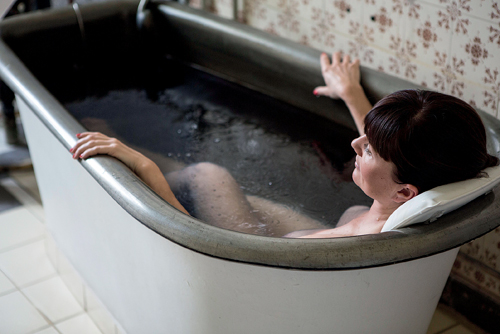
Therapy: Mineral matters
Sophie Benge focuses on water and mud therapies in the last of her series on wellness in central and eastern Europe
Everyone’s talking about: Russia
Jak Phillips gives a SWOT analysis of the Russian spa industry and gets insights from operators and consultants working in the sector
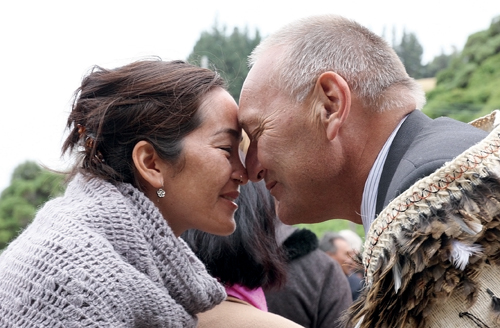
Glacial Spa: Tribal gathering
Wellness and adventure tourism is a key focus for Ng?i Tahu, one of the richest Maori tribes in New Zealand. Jennifer Harbottle finds out more
Summit review: Bright future
Katie Barnes shares her highlights from the 2014 Global Spa & Wellness Summit held in Marrakech, Morocco
Research: Strength in numbers
The worldwide spa industry has grown 56 per cent since 2007 and is part of a US$3.4tn cluster according to the 2014 Global Spa & Wellness Economy Monitor report. Ophelia Yeung reveals more
Wellness: Wearable technology
The latest wellness wearables for your spa, including devices by Google, Apple and Ralph Lauren
Contrast therapy, based on the alternation of hot and cold rituals, has become one of the
most valued practices in the fields of wellness and recovery. [more...]
+ More featured suppliers
COMPANY PROFILES
Phytomer
Founded in Brittany, France, in 1972 by Jean Gédouin, Phytomer is a family-owned company now in its [more...]
New research shows there’s a tipping point where greater business volume transforms profitability, indicating the industry must focus single-mindedly on all aspects of occupancy, from yield management to turnaway analysis. Wellness is also key
By Liz Terry | Published in Spa Business 2014 issue 4
As more consumers turn to a wellness lifestyle, spas in urban hotels in the US are enjoying the benefits of increased volume, with profits up significantly, according to a new report from PKFC – Trends® in the Hotel Spa Industry.
The report shows spa and wellness as the standout performers: while spa revenues were increasing at 4.6 per cent in 2013, the combined revenues from other departments, such as food and beverage and retail, only grew by 4.4 per cent.
Couple this with the fact that spa managers controlled their cost increases to 2.5 per cent and urban hotel spa departments were able to translate this growth in revenue into a significant profit increase of 13.9 percent.
Andrea Foster, VP and national director of spa and wellness consulting for PKFC says the performance is in part explained by growth in volume: “Scheduling spa technicians has always been a challenge. However, as volumes increase, it’s easier for managers to bring on personnel for longer shifts and have the confidence there’ll be sufficient revenues to cover the labor cost.”
There are wider lessons for the spa industry here. Too many spas are bumping along the bottom, with low occupancy leading to nervous management limiting therapist availability which leads to higher levels of turnaways, a downward spiral and lack of engagement.
It’s exciting that consumer behaviour is driving urban hotel spas out of this Catch 22 situation and shows the profit potential spas have when they get critical mass.
We need to be brave enough to learn from this and risk ramping up wellness marketing and therapist availability.
PKFC found evidence of a wellness ripple effect too, saying that the revenue sources that increased the most were whole-health oriented. They also found customers no longer expect a spa and wellness experience solely in the spa. “We expect hotels to take advantage of the desire for whole-health options and drive revenue elsewhere in the hotel by offering spa menus, healthy bedrooms/meeting rooms and fitness programmes like bike shares.”
Wellness tourism is high on the industry’s agenda (see our feature on page 96) and identified by SRI, for the GSWS, as a fast-growing, US$494bn (€384bn, £301bn) market, with 587 million trips in 2013. It’s fascinating to see how this trend is impacting the various market sectors as we move towards a more holistic approach.
Liz Terry, editor twitter: @elizterry
Read more from this issue of Spa Business magazine
Spa Foresight™: Spa Foresight™
Trends, technologies and strategies which will shape the future of the global spa and wellness industry
Interview: Steve Jeisman
The group director of spas and development at Alila talks to Katie Barnes about leading the way in spa innovation and about new investment from US firm Geolo Capital
Ask an expert: Fasting
What makes a successful fasting programme and how can spas offer them safely? Julie Cramer investigates
Advertisement promotion: ESPA
At 21, ESPA is a veteran
of the global spa industry,
but it’s still leading the
way. Founder and CEO Sue
Harmsworth explains how
Therapy: Mineral matters
Sophie Benge focuses on water and mud therapies in the last of her series on wellness in central and eastern Europe
Everyone’s talking about: Russia
Jak Phillips gives a SWOT analysis of the Russian spa industry and gets insights from operators and consultants working in the sector
Glacial Spa: Tribal gathering
Wellness and adventure tourism is a key focus for Ng?i Tahu, one of the richest Maori tribes in New Zealand. Jennifer Harbottle finds out more
Summit review: Bright future
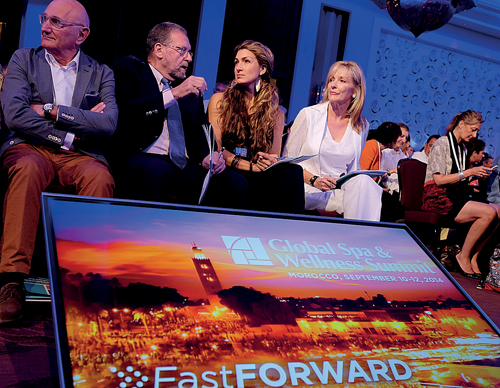
Katie Barnes shares her highlights from the 2014 Global Spa & Wellness Summit held in Marrakech, Morocco
Research: Strength in numbers
The worldwide spa industry has grown 56 per cent since 2007 and is part of a US$3.4tn cluster according to the 2014 Global Spa & Wellness Economy Monitor report. Ophelia Yeung reveals more
Wellness: Wearable technology
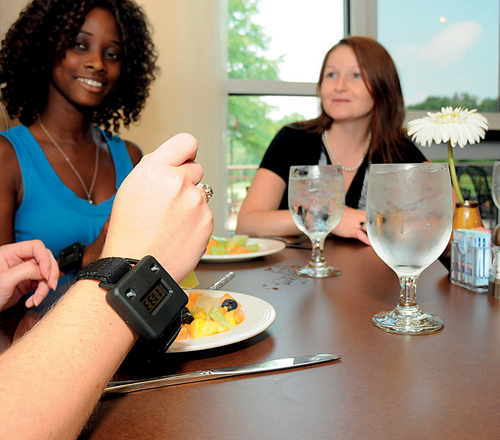
The latest wellness wearables for your spa, including devices by Google, Apple and Ralph Lauren
Gran Hotel Taoro in northern Tenerife, Spain, has completed the final phase of its three-year
renovation with the debut of its Sandára Wellness Centre.
Hand and Stone Massage and Facial Spa, the spa business with more than 650 locations across
the US and Canada, has appointed franchise expert Carrie Walsh as CEO as the company plans
to expand.
Synergy – The Retreat Show, the global trade show for retreats, has launched a global research
initiative that will provide insights into the retreat sector from both consumer and industry
perspectives.
The Wellness Tourism Association (WTA) has published a non-regulatory global industry
framework designed to ensure the retreat market offers responsible experiences.
A new survey of UK and international spa practitioners shows that stress, burnout and
wellbeing concerns have caused one in three respondents to consider leaving the industry.
The UK's four Chief Medical Officers have published a refreshed edition of Physical activity
guidelines: UK Chief Medical Officers' report, updating the evidence that underpins the nation's
physical activity recommendations and placing greater emphasis on strength, balance, reducing
sedentary behaviour and, for the first time, supporting people taking weight loss medications.
Anna Bjurstam has left her role as Wellness Pioneer at Six Senses Hotels and Resorts and
launched a new wellness, longevity and “consciousness consultancy” called Wahayla.
Fairmont Cheshire, The Mere, has opened today (10 July) in the Northwest of England
with a
1,715sq m Fairmont Spa that has been designed using a ‘Wellness without Walls’
concept.
Contrast therapy, based on the alternation of hot and cold rituals, has become one of the
most valued practices in the fields of wellness and recovery. [more...]
+ More featured suppliers
COMPANY PROFILES
Phytomer Founded in Brittany, France, in 1972 by Jean Gédouin, Phytomer is a family-owned company now in its [more...]