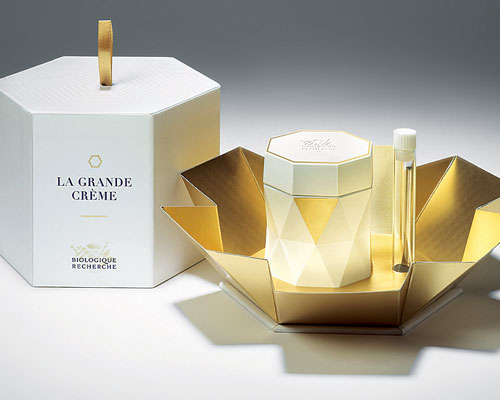
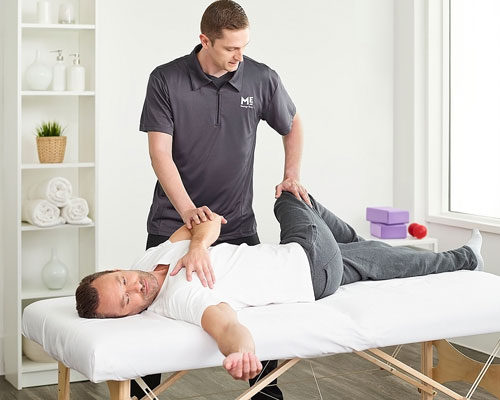
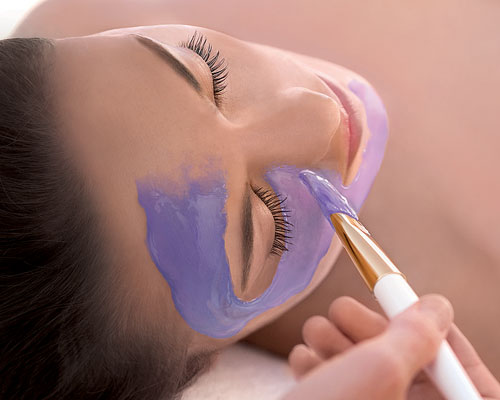
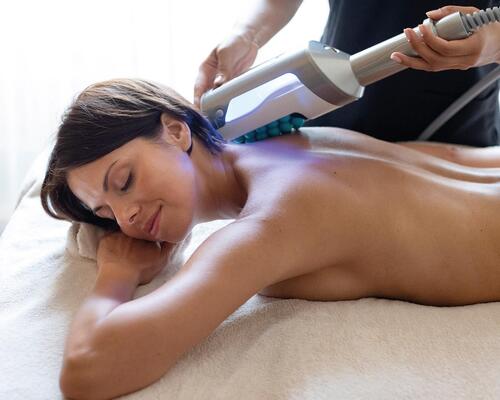
Biologique Recherche is one of only a few skincare brands to make its services and products cancer-friendly
New figures estimate that one out of two people born after 1960 will be diagnosed with cancer and that, today, there are more than 17 million survivors. Chances are, many of these people are already spa customers and spas are perfectly placed to welcome them. Caring touch can go a long way to support people physically and emotionally at a time when they need it most. What's more, a host of complementary modalities – from massage and facials to yoga, meditation and breathwork – have a range of benefits and are being used in hospitals to help cancer patients or those in remission. But yet spas still aren't stepping up.
The industry has already come a long way in cancer awareness over the last decade with spas in more than 40 countries investing in proper education and modalities, according to Julie Bach of the Wellness for Cancer charity. Some forward-thinking operators, including chains such as Sandals, COMO Shambhala and Canyon Ranch, are stepping up. As are skincare brands like Biologique Recherche, ESPA, Voya and Comfort Zone. Yet, shockingly, it's believed that up to 90 per cent of operators still refuse to serve customers affected by cancer. So what's going wrong?
Is insurance cover still an obstacle, where the fear is that therapists could make conditions worse, creating liabilities?
Or is training an issue? Are operators struggling to offer services because staff aren't able to deal with customers affected by cancer? With no benchmarks for education in this area, how can operators ensure they pick the right course? And is this a focus for leading training schools and organisations to consider so that therapists are already trained when they start employment?
Perhaps the barriers are all of the above and more. If so, what can spas, and the industry at large, do to tackle these challenges head on and to start truly embracing those impacted by the terrible disease?
Read more from this issue of Spa Business magazine
Promotional feature: Terres d’Afrique - Out of Africa
Luxury ethical spa brand Terres d’Afrique has seen rapid expansion in its first years of business. CEO and co-founder Stephan Helary explains how the company has now transitioned to creating bespoke spa experiences from concept to completion
Promotional feature: The Madison Collection - Holistic sustainability
The Madison Collection is committed to creating high-quality hotel and spa linens while at the same time protecting the environment, promoting workplace wellness and supporting clean water rights. Owner Charmaine T Lang and Gilad Lang, vice president of business development, tell us more
Wellness: Staying well
Spa Business takes a look at how some of the world’s biggest hotel operators are addressing the new trend of ‘wellness rooms’
Promotional feature: Biologique Recherche - Pioneering Personalisation
More than 40 years ago, Parisian skincare brand Biologique Recherche was founded, with a focus on research and personalisation. Co-chairs Rupert Schmid and Pierre-Louis Delapalme discuss what’s made the brand so successful – and where the future will take them
Thermal spa: Mountain therapy
Bad Ragaz’s new CEO Patrick Vogler tells Kath Hudson about his new ambitions for the famous Swiss spa resort
About 80-90 per cent of spas are still turning people affected by cancer away and the number one reason why is therapist training. Unfortunately, most therapists are used to following a set protocol – ‘massage here for three times, move there for three times’ – so they don’t have adequate knowledge. You can’t reduce someone to a cancer protocol.
Part of the issue is that operators can have a high turnover of staff so they don’t want to keep paying for training. Training companies aren’t keeping up with the times either. But this is starting to change and our charity is on the cusp of announcing a partnership with a major, global training organisation.
Benchmarks are needed around how long a course should be and what it covers. I’m working with leading medical and wellness figures at the Wellness for Cancer Initiative to get guidelines in place. The minimum length a course should be is 24 hours but, horrifically, some are only eight hours long.
A course has to cover adaptations for short- and long-term effects of cancer treatment on the body – therapists are body workers afterall. It also has to cover the conditions that therapists need to be aware of, such as the effects of surgery and a compromised lymphatic system. You have to adjust your level of pressure and you certainly shouldn’t be doing a deep tissue massage when the body is trying to heal.
Our mantra is ‘site, pressure, position’. Are there restrictions like a port? Does someone have a limited range of motion after a mastectomy? Is there a risk of lymphedema? It’s all about a personalised approach, which can serve as a template for heart problems, pregnancy and any condition – not just cancer.
Another barrier to treating people affected by cancer is vernacular – using terms like oncology massage and cancer care, and taking a disease approach in a wellness industry. This alienates customers as they don’t want a cancer ‘stamp’, it puts off operators who don’t want ‘sick’ clients and using such medical terms suggests a ‘higher’ type of treatment which leads to liability concerns. The Wellness for Cancer Initiative has identified a need for guidelines on how we’re presenting cancer-friendly treatments to the public and my position is to simply present them as ‘personalised treatments’.
Once we have standards for training in place and clarity around vernacular, this will hopefully reduce perceived liability.
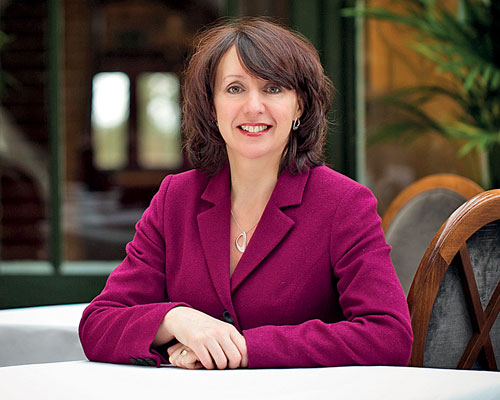
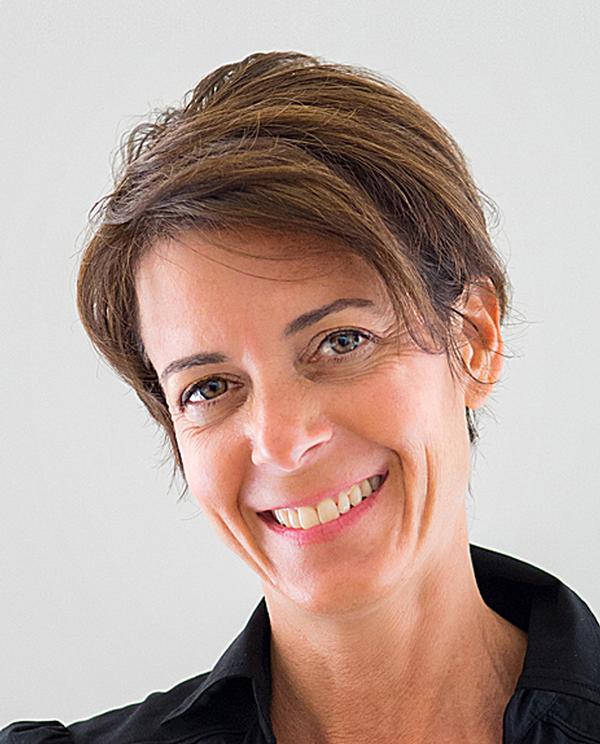
Julie Bach delivers Wellness for Cancer training in over 40 countries. She’s also chair of Independent body the Wellness for Cancer Initiative.
"Therapist training is the number one reason why spas are still turning away people affected by cancer"
Brent BauerDirectorMayo Clinic Complementary and Integrative Medicine Program
Brent Bauer
Lingering misinformation and fear is why spas are still denying cancer patients and survivors services. Rather than excluding such people, it makes more sense to bring them into the spa in a thoughtful manner, working with experts to identify therapies that can be helpful, enjoyable and safe.
At Mayo Clinic we offer an array of services to patients with cancer including massage, acupuncture, meditation, tai chi, yoga and reiki. We don’t offer one type of massage for people with cancer, however. What we do ensure is that the massage provided to anyone is done by a trained and skilled provider who has the opportunity to review the medical data and adapt the treatment as needed.
Can complementary therapies be harmful? My general rule is that anything that’s powerful enough to affect your body positively can also do harm. That’s why specific training for the whole staff is key and Wellness for Cancer is one of the leaders in this area. I’m also seeing more of my medical counterparts willing to be a part of the solution in giving guidance. And if we can keep the dialogue going between medical doctors, spas and patients/clients, I think we’ll all win.
A great way for spas to overcome reticence is to first make their facility friendly to cancer survivors. Assuming that experience is a positive one, each spa can then decide whether to be more open to serving people undergoing active treatment. If that is the direction chosen, the spa team can then pursue high quality training for all staff members to make it a successful offering.
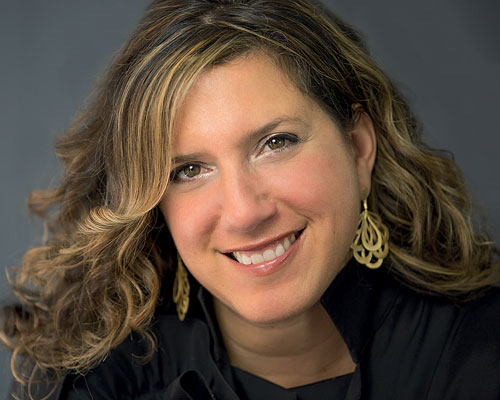
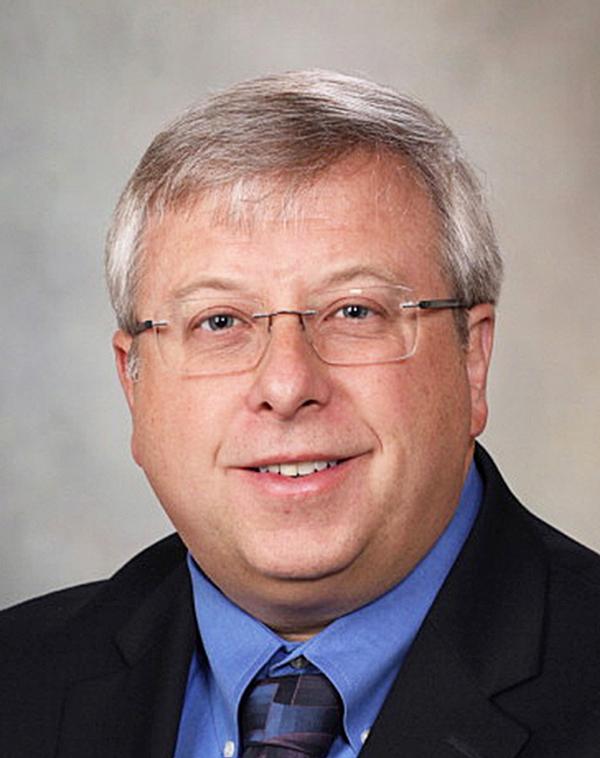
Medical doctor Brent Bauer has been on staff at the Mayo Clinic for 23 years. The clinic is a leading US academic medical centre.
"At Mayo Clinic we offer cancer patients massage, acupuncture, meditation, tai chi, yoga and reiki"
Susan HarmsworthGlobal spa and wellness expert
Susan Harmsworth
Given the alarming rise in the number of people with cancer, how to treat customers touched by the disease is only going to become a bigger issue for spas. But if we deal with this now and get protocols and guidelines in place, it will become a non-issue.
It’s very likely that spas already treat customers who have, or have had, cancer but clients don’t tell them and therapists find out halfway through a treatment.
Getting insurance can be a barrier, especially for global hotel groups with huge legal departments. When I was at ESPA, we had to push hard for cover and in the short-term I think owners need to get on side to push boundaries – as with anything new.
But in the long-term we need a central body to set benchmarks on contraindications, processes and protocols. Think of it like pregnancy massage – it used to be seen as high risk, but then standards emerged for a responsible way of doing it and avoiding the first trimester.
Another way to overcome the insurance issue will be reaching critical mass. The more spas (especially the big names) which welcome people affected by cancer without any repercussions, the lower the risk becomes in insurers eyes.
The word ‘cancer’ scares the industry, but it’s generally considered by the nursing profession and oncology clinics alike that massage is good – psychologically as well as physically.
The biggest issue spas face is in the dilutions of therapist training. Operators are trying to minimise the length/type of training because they don’t understand the importance of it. My view is that if therapists do advanced training, it’s going to help them with any contraindication – from those who’ve faced trauma to people with high blood pressure.
But standards are also needed because companies are jumping on the bandwagon to offer short courses. In theory, anyone can call themselves a trainer and that worries me.
The industry needs to get together for the greater good to act responsibly. If everyone gets behind it, it will go so fast.
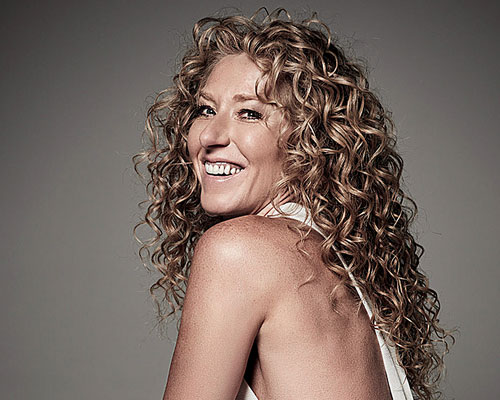
Susan Harmsworth founded global spa firm ESPA 25 years ago. She left in March to develop new projects and partnerships.
"If we deal with this now and get protocols and guidelines in place, it will become a non-issue"
Rupert Schmid Chair and co-ownerBiologique Recherche
Rupert Schmid
Skincare companies, as well as spa operators and training organisations, need to take responsibility for providing cancer-friendly treatments and products. It’s obvious to me. People with cancer, or who are in remission, represent some 10-20 per cent of wellness customers. How can spas not only ignore, but deny serving these people?
It took Biologique Recherche about 18 months to make changes and I was surprised how relatively easy it was. We liaised with doctors, dermatologists and the French government to test our products to see which ones are suitable for people affected by cancer, paying attention to aggressive ingredients such as fruit acids or those that could cause blockages.
We also partnered with the Wellness for Cancer training programme to adapt our therapies depending on cancer type, surgery done and treatment type. Its approach is to assess people as individuals and as our methodology is based on personalised wellness, the process was less complicated than I imagined. There’s no special oncology massage or facial because we consider someone who has cancer to be like you and me. They deserve the same treatment... or perhaps an even better one.
Sharing this new methodology with our 2,000-plus centres in over 70 countries is not so simple. It’s an ongoing process to train therapists, but my dream is that one day they will all be capable of treating people affected by cancer.
The next step for Biologique Recherche is to fund scientific, randomised control trials looking firstly at how cancer impacts the skin and then at how cosmetics may be able to help. I was shocked that no serious research exists in this area and we’re collaborating with the University of Colorado in the US to do this.
Professional cosmetics brand Biologique Recherche launched 40 years ago. Rupert Schmid has been on board for over 10 years.
Biologique Recherche is one of only a few skincare brands to make its services and products cancer-friendly
New figures estimate that one out of two people born after 1960 will be diagnosed with cancer and that, today, there are more than 17 million survivors. Chances are, many of these people are already spa customers and spas are perfectly placed to welcome them. Caring touch can go a long way to support people physically and emotionally at a time when they need it most. What's more, a host of complementary modalities – from massage and facials to yoga, meditation and breathwork – have a range of benefits and are being used in hospitals to help cancer patients or those in remission. But yet spas still aren't stepping up.
The industry has already come a long way in cancer awareness over the last decade with spas in more than 40 countries investing in proper education and modalities, according to Julie Bach of the Wellness for Cancer charity. Some forward-thinking operators, including chains such as Sandals, COMO Shambhala and Canyon Ranch, are stepping up. As are skincare brands like Biologique Recherche, ESPA, Voya and Comfort Zone. Yet, shockingly, it's believed that up to 90 per cent of operators still refuse to serve customers affected by cancer. So what's going wrong?
Is insurance cover still an obstacle, where the fear is that therapists could make conditions worse, creating liabilities?
Or is training an issue? Are operators struggling to offer services because staff aren't able to deal with customers affected by cancer? With no benchmarks for education in this area, how can operators ensure they pick the right course? And is this a focus for leading training schools and organisations to consider so that therapists are already trained when they start employment?
Perhaps the barriers are all of the above and more. If so, what can spas, and the industry at large, do to tackle these challenges head on and to start truly embracing those impacted by the terrible disease?
Read more from this issue of Spa Business magazine
Promotional feature: Terres d’Afrique - Out of Africa
Luxury ethical spa brand Terres d’Afrique has seen rapid expansion in its first years of business. CEO and co-founder Stephan Helary explains how the company has now transitioned to creating bespoke spa experiences from concept to completion
Promotional feature: The Madison Collection - Holistic sustainability
The Madison Collection is committed to creating high-quality hotel and spa linens while at the same time protecting the environment, promoting workplace wellness and supporting clean water rights. Owner Charmaine T Lang and Gilad Lang, vice president of business development, tell us more
Wellness: Staying well
Spa Business takes a look at how some of the world’s biggest hotel operators are addressing the new trend of ‘wellness rooms’
Promotional feature: Biologique Recherche - Pioneering Personalisation
More than 40 years ago, Parisian skincare brand Biologique Recherche was founded, with a focus on research and personalisation. Co-chairs Rupert Schmid and Pierre-Louis Delapalme discuss what’s made the brand so successful – and where the future will take them
Thermal spa: Mountain therapy
Bad Ragaz’s new CEO Patrick Vogler tells Kath Hudson about his new ambitions for the famous Swiss spa resort
About 80-90 per cent of spas are still turning people affected by cancer away and the number one reason why is therapist training. Unfortunately, most therapists are used to following a set protocol – ‘massage here for three times, move there for three times’ – so they don’t have adequate knowledge. You can’t reduce someone to a cancer protocol.
Part of the issue is that operators can have a high turnover of staff so they don’t want to keep paying for training. Training companies aren’t keeping up with the times either. But this is starting to change and our charity is on the cusp of announcing a partnership with a major, global training organisation.
Benchmarks are needed around how long a course should be and what it covers. I’m working with leading medical and wellness figures at the Wellness for Cancer Initiative to get guidelines in place. The minimum length a course should be is 24 hours but, horrifically, some are only eight hours long.
A course has to cover adaptations for short- and long-term effects of cancer treatment on the body – therapists are body workers afterall. It also has to cover the conditions that therapists need to be aware of, such as the effects of surgery and a compromised lymphatic system. You have to adjust your level of pressure and you certainly shouldn’t be doing a deep tissue massage when the body is trying to heal.
Our mantra is ‘site, pressure, position’. Are there restrictions like a port? Does someone have a limited range of motion after a mastectomy? Is there a risk of lymphedema? It’s all about a personalised approach, which can serve as a template for heart problems, pregnancy and any condition – not just cancer.
Another barrier to treating people affected by cancer is vernacular – using terms like oncology massage and cancer care, and taking a disease approach in a wellness industry. This alienates customers as they don’t want a cancer ‘stamp’, it puts off operators who don’t want ‘sick’ clients and using such medical terms suggests a ‘higher’ type of treatment which leads to liability concerns. The Wellness for Cancer Initiative has identified a need for guidelines on how we’re presenting cancer-friendly treatments to the public and my position is to simply present them as ‘personalised treatments’.
Once we have standards for training in place and clarity around vernacular, this will hopefully reduce perceived liability.
Julie Bach delivers Wellness for Cancer training in over 40 countries. She’s also chair of Independent body the Wellness for Cancer Initiative.
"Therapist training is the number one reason why spas are still turning away people affected by cancer"
Brent BauerDirectorMayo Clinic Complementary and Integrative Medicine Program
Brent Bauer
Lingering misinformation and fear is why spas are still denying cancer patients and survivors services. Rather than excluding such people, it makes more sense to bring them into the spa in a thoughtful manner, working with experts to identify therapies that can be helpful, enjoyable and safe.
At Mayo Clinic we offer an array of services to patients with cancer including massage, acupuncture, meditation, tai chi, yoga and reiki. We don’t offer one type of massage for people with cancer, however. What we do ensure is that the massage provided to anyone is done by a trained and skilled provider who has the opportunity to review the medical data and adapt the treatment as needed.
Can complementary therapies be harmful? My general rule is that anything that’s powerful enough to affect your body positively can also do harm. That’s why specific training for the whole staff is key and Wellness for Cancer is one of the leaders in this area. I’m also seeing more of my medical counterparts willing to be a part of the solution in giving guidance. And if we can keep the dialogue going between medical doctors, spas and patients/clients, I think we’ll all win.
A great way for spas to overcome reticence is to first make their facility friendly to cancer survivors. Assuming that experience is a positive one, each spa can then decide whether to be more open to serving people undergoing active treatment. If that is the direction chosen, the spa team can then pursue high quality training for all staff members to make it a successful offering.
Medical doctor Brent Bauer has been on staff at the Mayo Clinic for 23 years. The clinic is a leading US academic medical centre.
"At Mayo Clinic we offer cancer patients massage, acupuncture, meditation, tai chi, yoga and reiki"
Susan HarmsworthGlobal spa and wellness expert
Susan Harmsworth
Given the alarming rise in the number of people with cancer, how to treat customers touched by the disease is only going to become a bigger issue for spas. But if we deal with this now and get protocols and guidelines in place, it will become a non-issue.
It’s very likely that spas already treat customers who have, or have had, cancer but clients don’t tell them and therapists find out halfway through a treatment.
Getting insurance can be a barrier, especially for global hotel groups with huge legal departments. When I was at ESPA, we had to push hard for cover and in the short-term I think owners need to get on side to push boundaries – as with anything new.
But in the long-term we need a central body to set benchmarks on contraindications, processes and protocols. Think of it like pregnancy massage – it used to be seen as high risk, but then standards emerged for a responsible way of doing it and avoiding the first trimester.
Another way to overcome the insurance issue will be reaching critical mass. The more spas (especially the big names) which welcome people affected by cancer without any repercussions, the lower the risk becomes in insurers eyes.
The word ‘cancer’ scares the industry, but it’s generally considered by the nursing profession and oncology clinics alike that massage is good – psychologically as well as physically.
The biggest issue spas face is in the dilutions of therapist training. Operators are trying to minimise the length/type of training because they don’t understand the importance of it. My view is that if therapists do advanced training, it’s going to help them with any contraindication – from those who’ve faced trauma to people with high blood pressure.
But standards are also needed because companies are jumping on the bandwagon to offer short courses. In theory, anyone can call themselves a trainer and that worries me.
The industry needs to get together for the greater good to act responsibly. If everyone gets behind it, it will go so fast.
Susan Harmsworth founded global spa firm ESPA 25 years ago. She left in March to develop new projects and partnerships.
"If we deal with this now and get protocols and guidelines in place, it will become a non-issue"
Rupert Schmid Chair and co-ownerBiologique Recherche
Rupert Schmid
Skincare companies, as well as spa operators and training organisations, need to take responsibility for providing cancer-friendly treatments and products. It’s obvious to me. People with cancer, or who are in remission, represent some 10-20 per cent of wellness customers. How can spas not only ignore, but deny serving these people?
It took Biologique Recherche about 18 months to make changes and I was surprised how relatively easy it was. We liaised with doctors, dermatologists and the French government to test our products to see which ones are suitable for people affected by cancer, paying attention to aggressive ingredients such as fruit acids or those that could cause blockages.
We also partnered with the Wellness for Cancer training programme to adapt our therapies depending on cancer type, surgery done and treatment type. Its approach is to assess people as individuals and as our methodology is based on personalised wellness, the process was less complicated than I imagined. There’s no special oncology massage or facial because we consider someone who has cancer to be like you and me. They deserve the same treatment... or perhaps an even better one.
Sharing this new methodology with our 2,000-plus centres in over 70 countries is not so simple. It’s an ongoing process to train therapists, but my dream is that one day they will all be capable of treating people affected by cancer.
The next step for Biologique Recherche is to fund scientific, randomised control trials looking firstly at how cancer impacts the skin and then at how cosmetics may be able to help. I was shocked that no serious research exists in this area and we’re collaborating with the University of Colorado in the US to do this.
Professional cosmetics brand Biologique Recherche launched 40 years ago. Rupert Schmid has been on board for over 10 years.
People taking GLP-1 weight loss medications such as Ozempic, Wegovy, Mounjaro and Zepbound
may be losing weight, but they’re also becoming less physically active, according to new
research presented at the ENDO 2026 annual meeting of the Endocrine Society
Abu Dhabi-based investment firm Mubadala Capital has made a binding, fully financed
€1 billion
offer to acquire Pierre and Vacances SA, the European holiday resort operator behind the
continental European Center Parcs business.
Global retreat trade show, Synergy The Retreat Show, has launched a resource called The
Source, which hosts an open-access online Transformation Series programme.
The Standards Authority for Touch in Cancer Care (SATCC) charity has announced its first five-
day Living with Cancer and Beyond retreat, which will be held at Carden Park Hotel and Spa in
Cheshire, UK, between 1 and 5 September.
Patmos Aktis, a Luxury Collection Resort and Spa, has opened in Greece, with a renovated and
rebranded wellness offering called Ansana Wellness and Spa.
The Mauna Kea Beach Hotel, an Autograph Collection property in Hawaii, US, has opened its
22,000 sq ft indoor-outdoor Spa at Mauna Kea as the final step in the property’s overall
renovation, which has cost more than US$180 million (€166 million, £140 mill
The UK spa review and discovery platform for consumers, the Good Spa Guide, has announced
it will host the Good Spa Guide Awards 2026 during an event on 16 November at Sopwell House
Hotel in St Albans, UK.
Eighty-four per cent of consumers now say wellness is a top priority in their lives, with this
percentage increasing year on year, according to a preview presentation of McKinsey’s Future of
Wellness 2026 research report.
Mass protests have been taking place since Monday 1 June in Albania over the development of
a luxury resort by Donald Trump’s daughter Ivanka Trump and her husband Jared Kushner.
Global Wellness Day (GWD) marked its 15th anniversary on Saturday 13 June 2026, with the
theme: #JoyMagenta – a celebration of the healing qualities of simple gestures and activities
that spark joy.