Yes! Send me the FREE digital editions of Spa Business and Spa Business insider magazines and the FREE weekly Spa Business and Spa Business insider ezines and breaking news alerts!
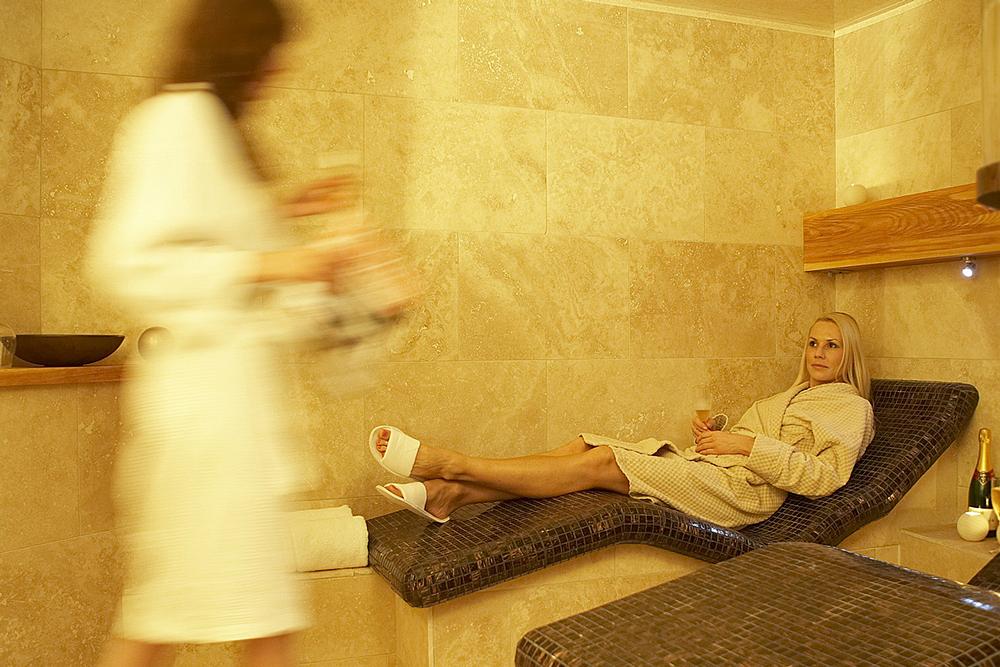
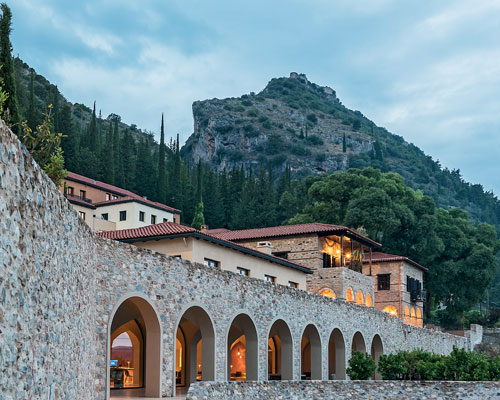
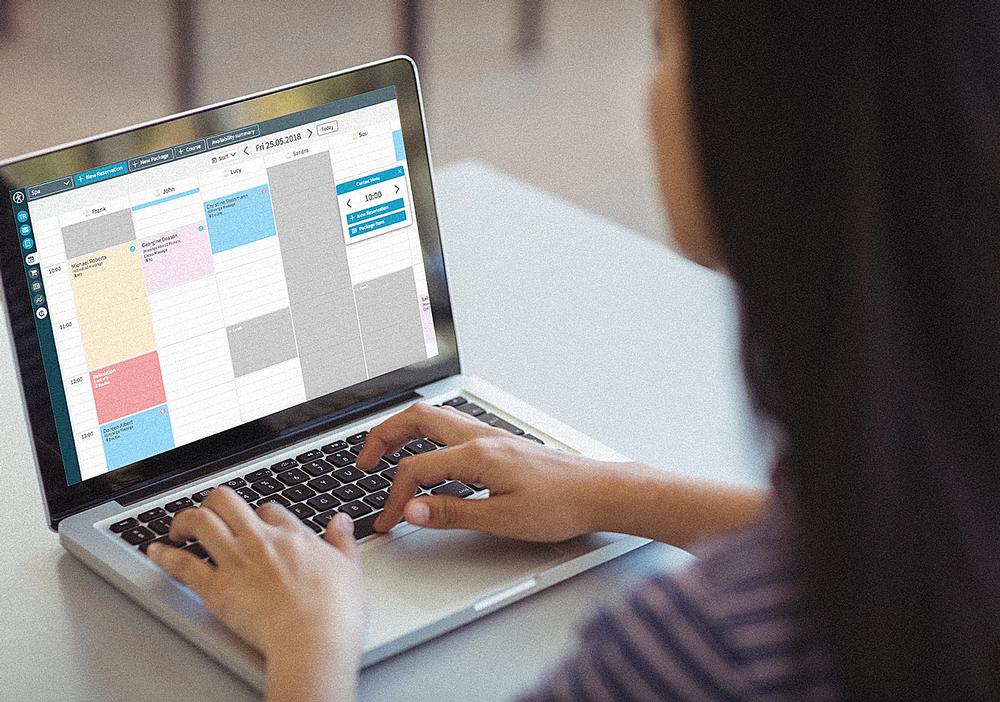
Crown Spa Hotel worked with Premier Software for its online bookings
Sophisticated software systems now supply spa operators with countless solutions to support their businesses from smart marketing and mobile technology to data and analytics functions. However, are spas maximising the potential of their software management systems to reap the rewards or are they merely using the same functions on a daily basis? What are the constraints facing spa staff in embracing the technology and how can software companies ensure their customers are getting the most out of all that’s available to them?
Catch 22 With a depth of functionality, spa software systems hold the promise of speed and efficiency of operation like never before. Yet one of the biggest barriers to understanding a system’s full capabilities is time. This leaves functions under-utilised, often in the very areas that would free up the greatest amount of time and bear the most significant business rewards.
Leonie Wileman, COO of Premier Software, says: “Our business management system, Core, has a significant depth of functionality and while spas often utilise the same areas of the software on a daily basis, there are a few key functions which are under-used, but if used correctly, will have a huge impact on helping to improve turnover and profitability.
“Revenue management and yield reports are under-utilised,” she says. “Sometimes it’s because of a lack of knowledge, which we address during training – or not realising the power of the reporting function.
“Reports which use data in different ways to help improve yield and determine pricing structures that are attractive, but competitive, are key.”
For Premier Software customer Stuart Russell, health club and spa manager at Crown Spa Hotel, UK, the principal area of under use was online booking. As he explains: “Client behaviours are changing and we felt we were missing out on the online market. The addition of Online by Premier Software [Online] solved our problem. We set the appointments and packages available and Online does the rest.”
He adds: “The new software has opened up a whole new customer base for Crown Spa Hotel. Within the first month, spa treatment bookings increased by 20 per cent and we expect to maintain those levels going forward.”
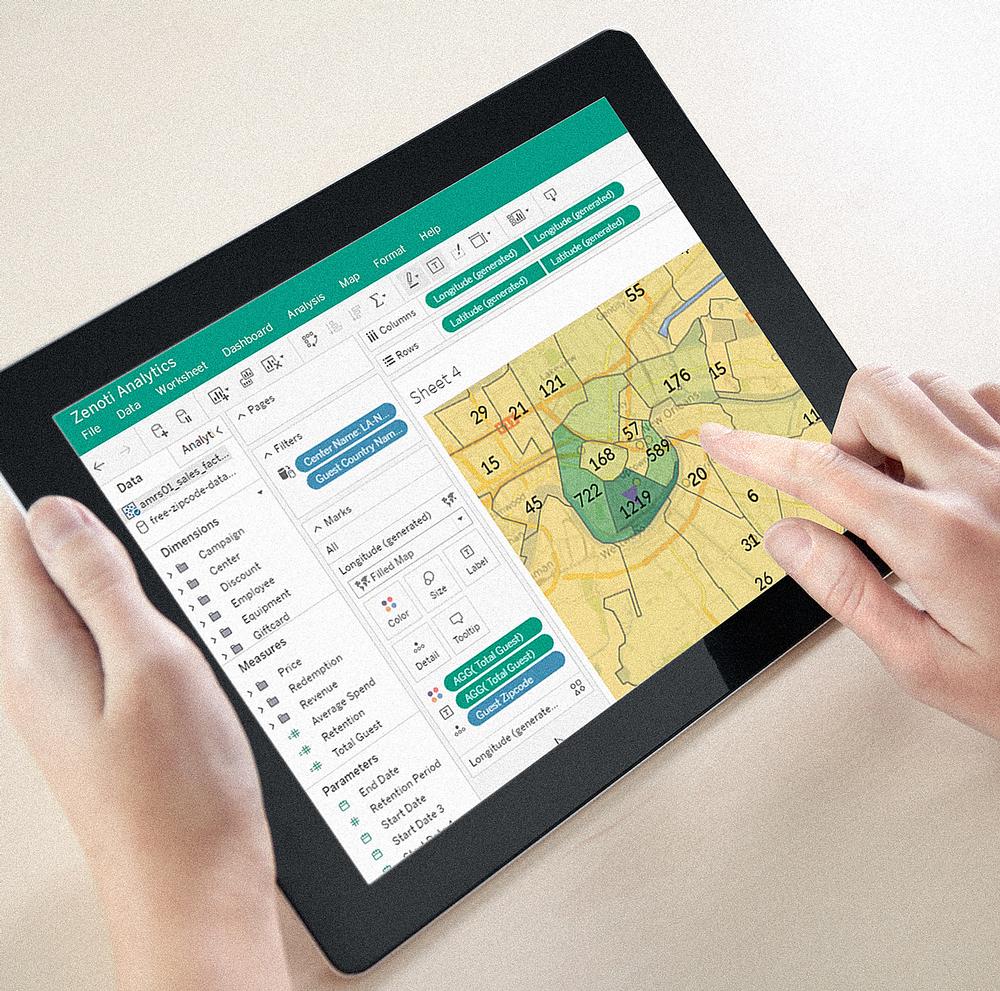
Analysis paralysis According to Sudheer Koneru, CEO of cloud-based software company Zenoti, spas tend to use sales reports and KPI metrics to track business performance, but analysis, generally, doesn’t go any deeper than that. He says: “While KPIs tell you what’s happened in the business, Zenoti Analytics helps to surface the ‘why’. It’s been well received and a success in that sense, but it’s clear that we’ve only scratched the surface of how spas can use Analytics.”
If time is a barrier to learning a system’s true functionality, so too is software usability. To counter the perceived complexity of the management system, Zenoti has launched some well-designed dashboards that make it easy to get started with analysis. “In addition to the business results, we’re helping our clients move past analysis paralysis to build a data-driven culture,” explains Koneru.
The lightbulb moment for Zenoti customer Matt Goebel, chief information officer at US spa chain Massage Heights, came when he took a closer look at the hard and soft costs of the amount of paper produced and retained for every guest. Zenoti helped the group to digitise many of its commonly used forms used across 200-plus sites.
Explaining the difference it made to the business, Goebel adds: “Early results are showing great promise in terms of employee satisfaction through removing monotonous tasks and therapist satisfaction through increased visibility. We’ve opened two deskless, paperless retreats and we’ve been able to repurpose two to three hours of labour per day, per retreat to tasks other than administration.”
Time to train So if time-saving and simplicity of use are factors in designing software to encourage spa operators to take up their systems’ greater functionality, how else are software companies supporting spas?
From front-desk, management, in-house or bespoke training to webinars, customer care portals and 24/7 support – not to mention workshops, chatbots and how-to guides – there’s no shortage of training resources available to spa operators. And every software company we spoke to is armed with a multitude of support options for its customers. But again, time is an issue.
According to The Assistant Company’s (TAC) managing director Guenther Poellabauer, it also comes down to investing in individual spa staff, with a focus on recruiting well-educated, computer-literate employees who aren’t afraid of using today’s technology on a daily basis. He says: “We joke at TAC, that each customer needs only 10 per cent of our huge software portfolio. Interestingly, each client needs a different 10 per cent. TAC’s Reservation Assistant has one of the richest features in the market, so we have the chance to completely tailor our all-in-one software to the needs of a client’s business model. Together with our customers, we analyse/prioritise how best to implement software for the respective company and because our software is configured to the exact needs of the customers, the churn rate is comparatively very low.”
Managing the mindset And here perhaps is the greatest challenge to unlocking software potential: helping spas understand what they actually need and making the software work for them. ResortSuite’s founder and CEO Frank Pitsikalis stresses that spa and resort guests today, especially the millennial generation, expect to be able to self-explore and book their experience online and on their mobile devices. “But some spas fear that high-tech cannot be high-touch and that their guests always want to speak with someone in person to book their experience,” he says. Pitsikalis believes that spas need to set clearly defined goals for themselves in order to focus on improving various aspects of the guest experience and make full use of their software systems to serve those areas. “Do your guests have the ability to book services, classes and programmes online? If the answer is no, then spas should swiftly shift their focus as millennials begin to surpass boomers in terms of wellness spend in 2018. If the answer is yes, do you have a mobile app for your spa that has the ability to book services, treatments, classes etc and can also be used as another marketing tool? Spas need to consider the market they want to cater to and how best to approach that particular market segment and create loyalty amongst their guests,” he adds.
Investing in the future As spa software continues to evolve, so too does the need to keep up and keep track of its capabilities. The resources are there and it’s up to the spas themselves to check the e-shots and prompt sheets they regularly receive from their provider. As Premier Software’s Wileman adds, “Spas are looking for quick solutions, but there’s a need to invest time to fully understand the functions they need. Only then will they fully reap the benefits of their software system.”
Read more from this issue of Spa Business magazine
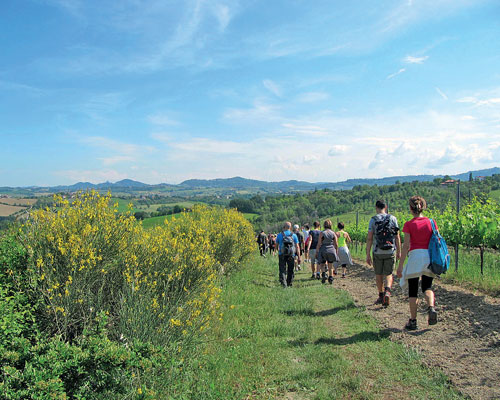
Promotional feature: Terres d’Afrique - Out of Africa
Luxury ethical spa brand Terres d’Afrique has seen rapid expansion in its first years of business. CEO and co-founder Stephan Helary explains how the company has now transitioned to creating bespoke spa experiences from concept to completion
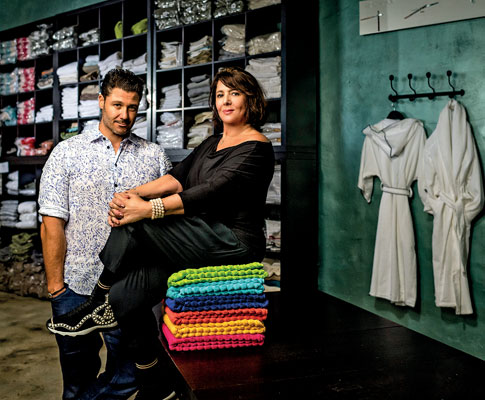
Promotional feature: The Madison Collection - Holistic sustainability
The Madison Collection is committed to creating high-quality hotel and spa linens while at the same time protecting the environment, promoting workplace wellness and supporting clean water rights. Owner Charmaine T Lang and Gilad Lang, vice president of business development, tell us more
Wellness: Staying well
Spa Business takes a look at how some of the world’s biggest hotel operators are addressing the new trend of ‘wellness rooms’
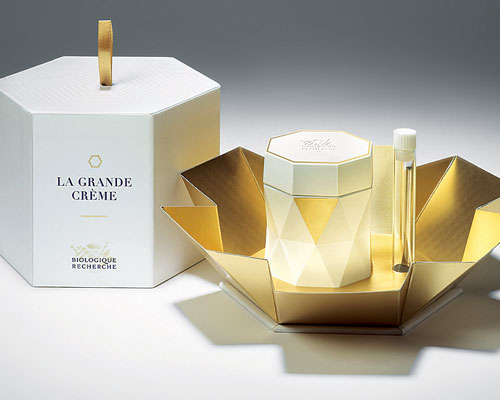
Promotional feature: Biologique Recherche - Pioneering Personalisation
More than 40 years ago, Parisian skincare brand Biologique Recherche was founded, with a focus on research and personalisation. Co-chairs Rupert Schmid and Pierre-Louis Delapalme discuss what’s made the brand so successful – and where the future will take them
Thermal spa: Mountain therapy
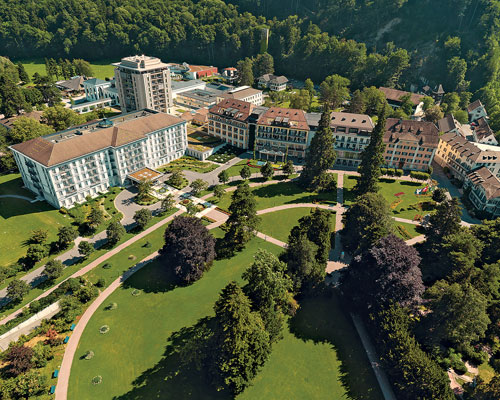
Bad Ragaz’s new CEO Patrick Vogler tells Kath Hudson about his new ambitions for the famous Swiss spa resort
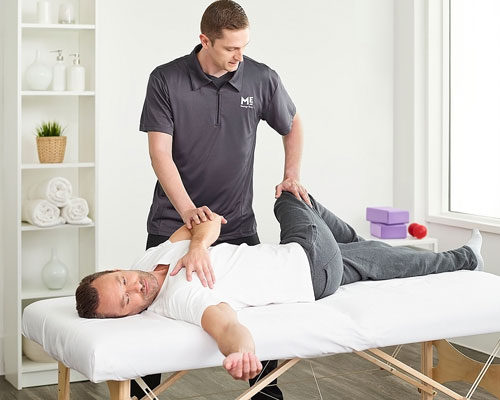
Le Atelier by C.O.D.E. doesn't offer a standard bespoke service, it provides a highly
customised approach to designing massage beds and loungers in high-end wellness
environments. [more...]
Crown Spa Hotel worked with Premier Software for its online bookings
Sophisticated software systems now supply spa operators with countless solutions to support their businesses from smart marketing and mobile technology to data and analytics functions. However, are spas maximising the potential of their software management systems to reap the rewards or are they merely using the same functions on a daily basis? What are the constraints facing spa staff in embracing the technology and how can software companies ensure their customers are getting the most out of all that’s available to them?
Catch 22 With a depth of functionality, spa software systems hold the promise of speed and efficiency of operation like never before. Yet one of the biggest barriers to understanding a system’s full capabilities is time. This leaves functions under-utilised, often in the very areas that would free up the greatest amount of time and bear the most significant business rewards.
Leonie Wileman, COO of Premier Software, says: “Our business management system, Core, has a significant depth of functionality and while spas often utilise the same areas of the software on a daily basis, there are a few key functions which are under-used, but if used correctly, will have a huge impact on helping to improve turnover and profitability.
“Revenue management and yield reports are under-utilised,” she says. “Sometimes it’s because of a lack of knowledge, which we address during training – or not realising the power of the reporting function.
“Reports which use data in different ways to help improve yield and determine pricing structures that are attractive, but competitive, are key.”
For Premier Software customer Stuart Russell, health club and spa manager at Crown Spa Hotel, UK, the principal area of under use was online booking. As he explains: “Client behaviours are changing and we felt we were missing out on the online market. The addition of Online by Premier Software [Online] solved our problem. We set the appointments and packages available and Online does the rest.”
He adds: “The new software has opened up a whole new customer base for Crown Spa Hotel. Within the first month, spa treatment bookings increased by 20 per cent and we expect to maintain those levels going forward.”
Analysis paralysis According to Sudheer Koneru, CEO of cloud-based software company Zenoti, spas tend to use sales reports and KPI metrics to track business performance, but analysis, generally, doesn’t go any deeper than that. He says: “While KPIs tell you what’s happened in the business, Zenoti Analytics helps to surface the ‘why’. It’s been well received and a success in that sense, but it’s clear that we’ve only scratched the surface of how spas can use Analytics.”
If time is a barrier to learning a system’s true functionality, so too is software usability. To counter the perceived complexity of the management system, Zenoti has launched some well-designed dashboards that make it easy to get started with analysis. “In addition to the business results, we’re helping our clients move past analysis paralysis to build a data-driven culture,” explains Koneru.
The lightbulb moment for Zenoti customer Matt Goebel, chief information officer at US spa chain Massage Heights, came when he took a closer look at the hard and soft costs of the amount of paper produced and retained for every guest. Zenoti helped the group to digitise many of its commonly used forms used across 200-plus sites.
Explaining the difference it made to the business, Goebel adds: “Early results are showing great promise in terms of employee satisfaction through removing monotonous tasks and therapist satisfaction through increased visibility. We’ve opened two deskless, paperless retreats and we’ve been able to repurpose two to three hours of labour per day, per retreat to tasks other than administration.”
Time to train So if time-saving and simplicity of use are factors in designing software to encourage spa operators to take up their systems’ greater functionality, how else are software companies supporting spas?
From front-desk, management, in-house or bespoke training to webinars, customer care portals and 24/7 support – not to mention workshops, chatbots and how-to guides – there’s no shortage of training resources available to spa operators. And every software company we spoke to is armed with a multitude of support options for its customers. But again, time is an issue.
According to The Assistant Company’s (TAC) managing director Guenther Poellabauer, it also comes down to investing in individual spa staff, with a focus on recruiting well-educated, computer-literate employees who aren’t afraid of using today’s technology on a daily basis. He says: “We joke at TAC, that each customer needs only 10 per cent of our huge software portfolio. Interestingly, each client needs a different 10 per cent. TAC’s Reservation Assistant has one of the richest features in the market, so we have the chance to completely tailor our all-in-one software to the needs of a client’s business model. Together with our customers, we analyse/prioritise how best to implement software for the respective company and because our software is configured to the exact needs of the customers, the churn rate is comparatively very low.”
Managing the mindset And here perhaps is the greatest challenge to unlocking software potential: helping spas understand what they actually need and making the software work for them. ResortSuite’s founder and CEO Frank Pitsikalis stresses that spa and resort guests today, especially the millennial generation, expect to be able to self-explore and book their experience online and on their mobile devices. “But some spas fear that high-tech cannot be high-touch and that their guests always want to speak with someone in person to book their experience,” he says. Pitsikalis believes that spas need to set clearly defined goals for themselves in order to focus on improving various aspects of the guest experience and make full use of their software systems to serve those areas. “Do your guests have the ability to book services, classes and programmes online? If the answer is no, then spas should swiftly shift their focus as millennials begin to surpass boomers in terms of wellness spend in 2018. If the answer is yes, do you have a mobile app for your spa that has the ability to book services, treatments, classes etc and can also be used as another marketing tool? Spas need to consider the market they want to cater to and how best to approach that particular market segment and create loyalty amongst their guests,” he adds.
Investing in the future As spa software continues to evolve, so too does the need to keep up and keep track of its capabilities. The resources are there and it’s up to the spas themselves to check the e-shots and prompt sheets they regularly receive from their provider. As Premier Software’s Wileman adds, “Spas are looking for quick solutions, but there’s a need to invest time to fully understand the functions they need. Only then will they fully reap the benefits of their software system.”
Read more from this issue of Spa Business magazine
Promotional feature: Terres d’Afrique - Out of Africa
Luxury ethical spa brand Terres d’Afrique has seen rapid expansion in its first years of business. CEO and co-founder Stephan Helary explains how the company has now transitioned to creating bespoke spa experiences from concept to completion
Promotional feature: The Madison Collection - Holistic sustainability
The Madison Collection is committed to creating high-quality hotel and spa linens while at the same time protecting the environment, promoting workplace wellness and supporting clean water rights. Owner Charmaine T Lang and Gilad Lang, vice president of business development, tell us more
Wellness: Staying well
Spa Business takes a look at how some of the world’s biggest hotel operators are addressing the new trend of ‘wellness rooms’
Promotional feature: Biologique Recherche - Pioneering Personalisation
More than 40 years ago, Parisian skincare brand Biologique Recherche was founded, with a focus on research and personalisation. Co-chairs Rupert Schmid and Pierre-Louis Delapalme discuss what’s made the brand so successful – and where the future will take them
Thermal spa: Mountain therapy
Bad Ragaz’s new CEO Patrick Vogler tells Kath Hudson about his new ambitions for the famous Swiss spa resort
People taking GLP-1 weight loss medications such as Ozempic, Wegovy, Mounjaro and Zepbound
may be losing weight, but they’re also becoming less physically active, according to new
research presented at the ENDO 2026 annual meeting of the Endocrine Society
Abu Dhabi-based investment firm Mubadala Capital has made a binding, fully financed
€1 billion
offer to acquire Pierre and Vacances SA, the European holiday resort operator behind the
continental European Center Parcs business.
Global retreat trade show, Synergy The Retreat Show, has launched a resource called The
Source, which hosts an open-access online Transformation Series programme.
The Standards Authority for Touch in Cancer Care (SATCC) charity has announced its first five-
day Living with Cancer and Beyond retreat, which will be held at Carden Park Hotel and Spa in
Cheshire, UK, between 1 and 5 September.
Patmos Aktis, a Luxury Collection Resort and Spa, has opened in Greece, with a renovated and
rebranded wellness offering called Ansana Wellness and Spa.
The Mauna Kea Beach Hotel, an Autograph Collection property in Hawaii, US, has opened its
22,000 sq ft indoor-outdoor Spa at Mauna Kea as the final step in the property’s overall
renovation, which has cost more than US$180 million (€166 million, £140 mill
The UK spa review and discovery platform for consumers, the Good Spa Guide, has announced
it will host the Good Spa Guide Awards 2026 during an event on 16 November at Sopwell House
Hotel in St Albans, UK.
Eighty-four per cent of consumers now say wellness is a top priority in their lives, with this
percentage increasing year on year, according to a preview presentation of McKinsey’s Future of
Wellness 2026 research report.
Mass protests have been taking place since Monday 1 June in Albania over the development of
a luxury resort by Donald Trump’s daughter Ivanka Trump and her husband Jared Kushner.
Global Wellness Day (GWD) marked its 15th anniversary on Saturday 13 June 2026, with the
theme: #JoyMagenta – a celebration of the healing qualities of simple gestures and activities
that spark joy.
Le Atelier by C.O.D.E. doesn't offer a standard bespoke service, it provides a highly
customised approach to designing massage beds and loungers in high-end wellness
environments. [more...]