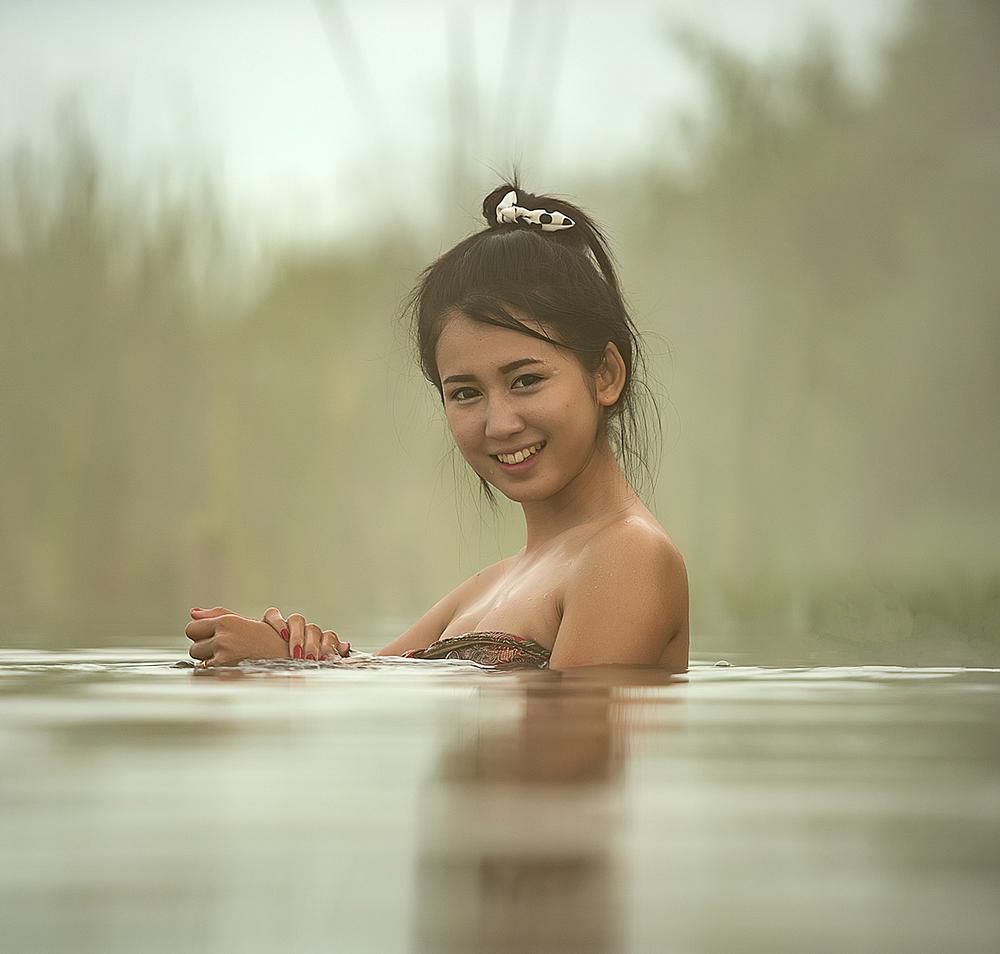
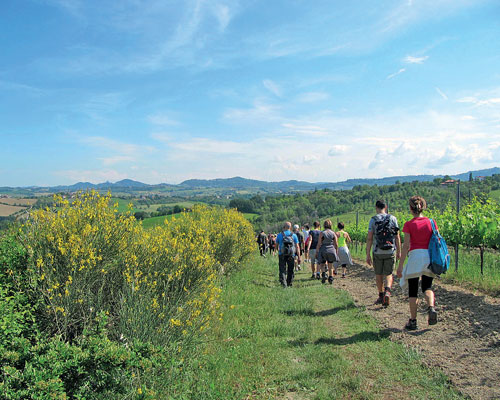
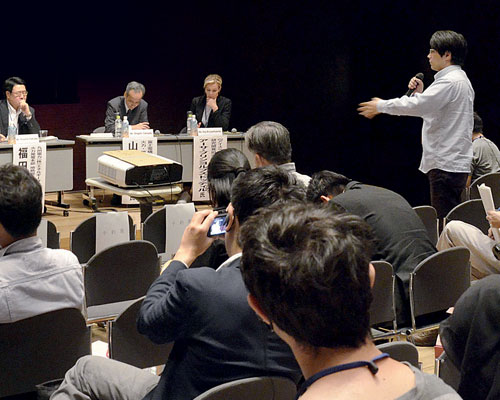
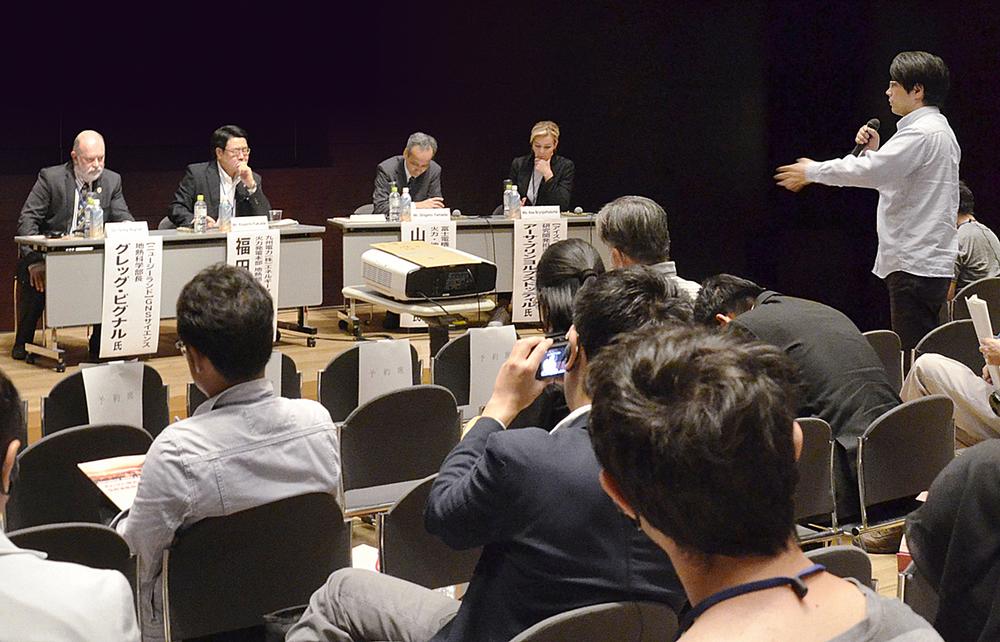
Enabling regional growth of the hot spring industry and how to optimise thermal waters as a natural energy resource was the theme of the first-ever International Onsen Summit held in Japan in May. The underlying question some 1,000 global delegates gathered to discuss – what can operators in the global hot spring industry do to help further develop the sector?
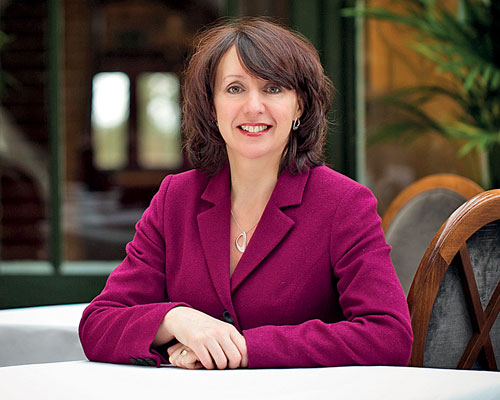
Calls to action An international cross section of global experts led talks and provided insights on growth potential. Yolanda Perdomo, former director UNWTO Affiliate Members Programme; Asa Brynjolfsdottir, director of research and development at Iceland’s Blue Lagoon; and David James, director of tourism, Bath UK to name but a few.
Overall, their calls to action were: • to emphasise the benefits of bathing in hot springs more widely • to cultivate hot spring tourism growth • to expand academic and industry research proving the benefits of thermal waters • to increase geothermal energy use in new areas, such as in food growth and cooking.
Hot springs tourism Cultivating growth in the hot springs tourism sector maps effortlessly with Japan’s national strategy.
As a volcanically active country, it boasts up to 3,000 hot springs and thermal bathing facilities – known locally as onsen. Beppu, the host town, is acknowledged as Japan’s unofficial onsen capital based on its number of hot spring sources and the ‘gush volume’ of the water. Other, perhaps more famous, onsen spots in the country include Kusatsu and Hakone.
Tourism in Japan has increased dramatically in recent years, rising from 8.4 million in 2012 to 28.7 million in 2017. This is largely due to a relaxation in visa restrictions and a weakening of the Yen. The goal is to increase international tourism footfall to 60 million by 2030. In the more immediate future, the hosting of the Rugby World Cup next year, the Olympic Games in 2020 and a bid to host Expo 2025 means the country is well placed and keen for the benefit of tourism to be felt beyond the key cities of Tokyo, Osaka and Kyoto.
What greater opportunity could there be for hot spring operators? Certainly, residents and facilities in Beppu are expecting a significant increase in tourists as the town becomes involved in these world-stage events. For less-endorsed destinations to successfully capture the burgeoning visitor market, it was agreed that promotion and ease of access is highlighted.
Back on a global scale, it’s clear from summit talks and discussions that success in the hot spring industry is seen as a collaborative effort between public and private sector.
Much food for thought for the next event which is likely to take place at a similar time in the country in 2019.
Read more from this issue of Spa Business magazine
Promotional feature: Terres d’Afrique - Out of Africa
Luxury ethical spa brand Terres d’Afrique has seen rapid expansion in its first years of business. CEO and co-founder Stephan Helary explains how the company has now transitioned to creating bespoke spa experiences from concept to completion
Promotional feature: The Madison Collection - Holistic sustainability
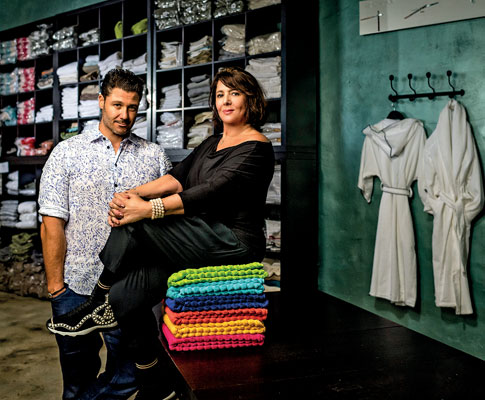
The Madison Collection is committed to creating high-quality hotel and spa linens while at the same time protecting the environment, promoting workplace wellness and supporting clean water rights. Owner Charmaine T Lang and Gilad Lang, vice president of business development, tell us more
Wellness: Staying well
Spa Business takes a look at how some of the world’s biggest hotel operators are addressing the new trend of ‘wellness rooms’
Promotional feature: Biologique Recherche - Pioneering Personalisation
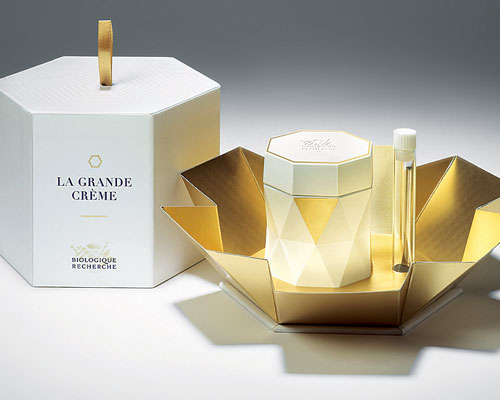
More than 40 years ago, Parisian skincare brand Biologique Recherche was founded, with a focus on research and personalisation. Co-chairs Rupert Schmid and Pierre-Louis Delapalme discuss what’s made the brand so successful – and where the future will take them
Thermal spa: Mountain therapy
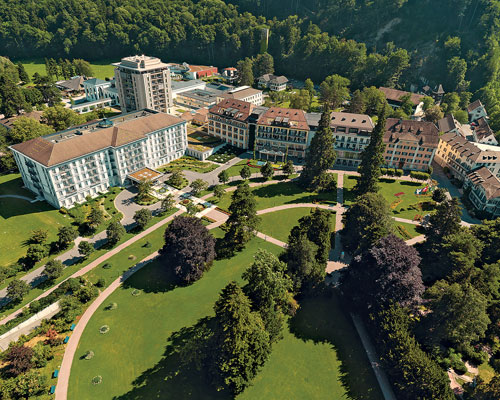
Bad Ragaz’s new CEO Patrick Vogler tells Kath Hudson about his new ambitions for the famous Swiss spa resort
Le Atelier by C.O.D.E. doesn't offer a standard bespoke service, it provides a highly
customised approach to designing massage beds and loungers in high-end wellness
environments. [more...]
Enabling regional growth of the hot spring industry and how to optimise thermal waters as a natural energy resource was the theme of the first-ever International Onsen Summit held in Japan in May. The underlying question some 1,000 global delegates gathered to discuss – what can operators in the global hot spring industry do to help further develop the sector?
Calls to action An international cross section of global experts led talks and provided insights on growth potential. Yolanda Perdomo, former director UNWTO Affiliate Members Programme; Asa Brynjolfsdottir, director of research and development at Iceland’s Blue Lagoon; and David James, director of tourism, Bath UK to name but a few.
Overall, their calls to action were: • to emphasise the benefits of bathing in hot springs more widely • to cultivate hot spring tourism growth • to expand academic and industry research proving the benefits of thermal waters • to increase geothermal energy use in new areas, such as in food growth and cooking.
Hot springs tourism Cultivating growth in the hot springs tourism sector maps effortlessly with Japan’s national strategy.
As a volcanically active country, it boasts up to 3,000 hot springs and thermal bathing facilities – known locally as onsen. Beppu, the host town, is acknowledged as Japan’s unofficial onsen capital based on its number of hot spring sources and the ‘gush volume’ of the water. Other, perhaps more famous, onsen spots in the country include Kusatsu and Hakone.
Tourism in Japan has increased dramatically in recent years, rising from 8.4 million in 2012 to 28.7 million in 2017. This is largely due to a relaxation in visa restrictions and a weakening of the Yen. The goal is to increase international tourism footfall to 60 million by 2030. In the more immediate future, the hosting of the Rugby World Cup next year, the Olympic Games in 2020 and a bid to host Expo 2025 means the country is well placed and keen for the benefit of tourism to be felt beyond the key cities of Tokyo, Osaka and Kyoto.
What greater opportunity could there be for hot spring operators? Certainly, residents and facilities in Beppu are expecting a significant increase in tourists as the town becomes involved in these world-stage events. For less-endorsed destinations to successfully capture the burgeoning visitor market, it was agreed that promotion and ease of access is highlighted.
Back on a global scale, it’s clear from summit talks and discussions that success in the hot spring industry is seen as a collaborative effort between public and private sector.
Much food for thought for the next event which is likely to take place at a similar time in the country in 2019.
Read more from this issue of Spa Business magazine
Promotional feature: Terres d’Afrique - Out of Africa
Luxury ethical spa brand Terres d’Afrique has seen rapid expansion in its first years of business. CEO and co-founder Stephan Helary explains how the company has now transitioned to creating bespoke spa experiences from concept to completion
Promotional feature: The Madison Collection - Holistic sustainability
The Madison Collection is committed to creating high-quality hotel and spa linens while at the same time protecting the environment, promoting workplace wellness and supporting clean water rights. Owner Charmaine T Lang and Gilad Lang, vice president of business development, tell us more
Wellness: Staying well
Spa Business takes a look at how some of the world’s biggest hotel operators are addressing the new trend of ‘wellness rooms’
Promotional feature: Biologique Recherche - Pioneering Personalisation
More than 40 years ago, Parisian skincare brand Biologique Recherche was founded, with a focus on research and personalisation. Co-chairs Rupert Schmid and Pierre-Louis Delapalme discuss what’s made the brand so successful – and where the future will take them
Thermal spa: Mountain therapy
Bad Ragaz’s new CEO Patrick Vogler tells Kath Hudson about his new ambitions for the famous Swiss spa resort
Global Wellness Day (GWD) marked its 15th anniversary on Saturday 13 June 2026, with the
theme: #JoyMagenta – a celebration of the healing qualities of simple gestures and activities
that spark joy.
Global luxury hospitality brand, Six Senses, has partnered with longevity healthcare provider,
HUM2N, to launch a clinic at Six Senses London, at The Whiteley.
As part of its first hotel partnership, Mayrlife – the medical health resort company known for its
site in Altaussee, Austria – has launched a day clinic at the Rosewood Vienna.
Premium London health club, KX Chelsea, will imminently unveil its most significant
redevelopment since its launch in 2002 to create an integrated wellness model combining
training, recovery and relaxation.
Rosewood Le Guanahani St Barth, on the northeast coast of Saint Barthélemy in the French
West Indies, is offering a programme of ocean-inspired yoga classes between 8-14 June to
celebrate Global Wellness Day (GWD).
Hotel de France, located on the British Isle of Jersey, has created a wellness retreat package
that includes a hot yoga session that will take place in Jersey Zoo’s butterfly sanctuary.
The Ritz-Carlton, Langkawi, in Malaysia, has revealed a schedule for Global Wellness Day
(GWD) that includes guided rainforest walks, mindful movement and guided coastal meditation
experiences.
Longevitix, a clinical platform for preventive and longevity medicine, has launched its AI-
powered intelligence system to help physicians deliver continuous, personalised longevity-
focused care at scale.
Atmantan Wellness Centre, an integrative wellness destination in Mulshi, near Pune in India, is
expanding its portfolio by adding a new centre in Hyderabad that will launch between 2028 and
2029.
Le Atelier by C.O.D.E. doesn't offer a standard bespoke service, it provides a highly
customised approach to designing massage beds and loungers in high-end wellness
environments. [more...]