Yes! Send me the FREE digital editions of Spa Business and Spa Business insider magazines and the FREE weekly Spa Business and Spa Business insider ezines and breaking news alerts!
The Madison Collection is committed to creating high-quality hotel and spa linens while at the same time protecting the environment, promoting workplace wellness and supporting clean water rights. Owner Charmaine T. Lang and Gilad Lang, vice president of business development, tell us more
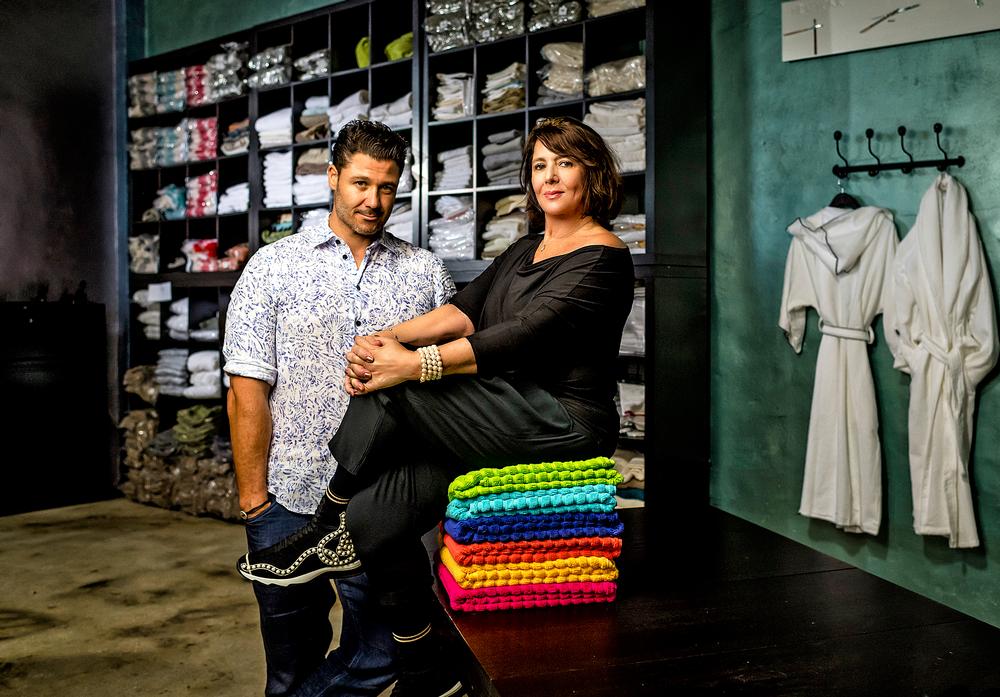
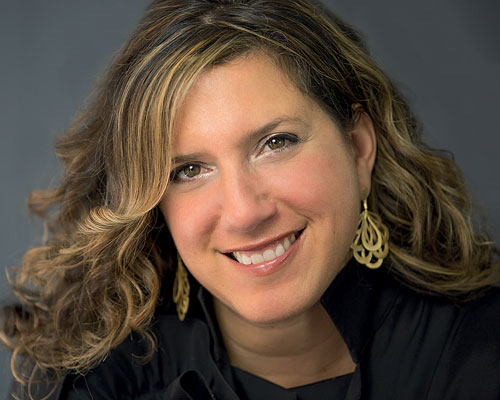
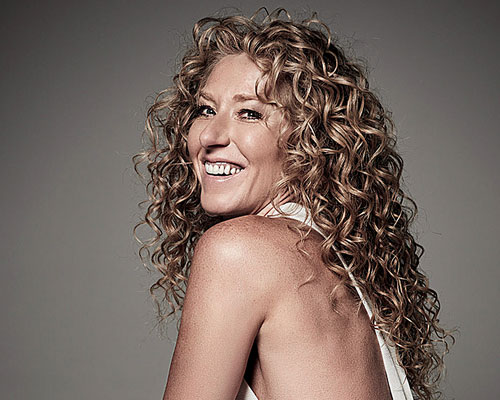
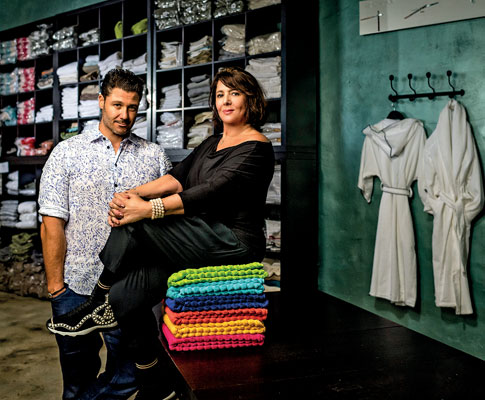
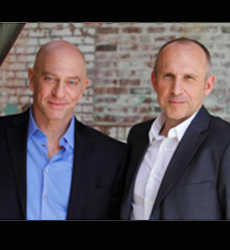
Gilad Lang, vice president of business development, and founder Charmaine Lang
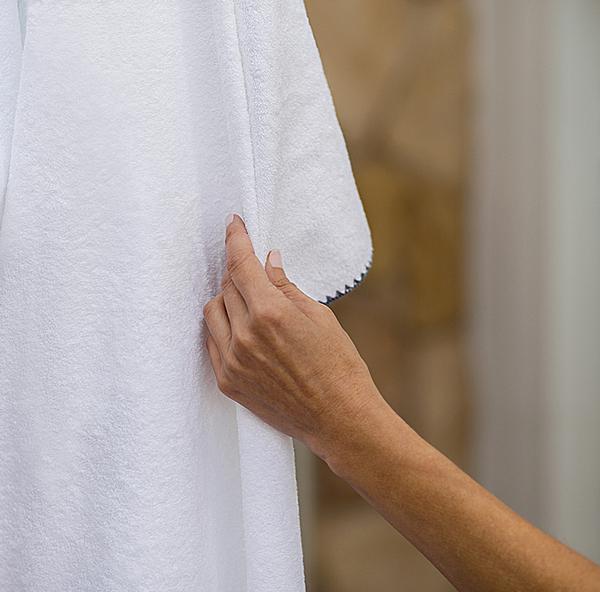
What makes your robes and towels different from others on the market? Charmaine: We start with the finest yarns; yarn is graded for quality from 0-7, and we only buy from grade 5.5 up. This means that the fibres are longer, which ensures greater absorbency. We also use a sophisticated dying stuff, which is an optical solution with a little bit of peroxide, rather than the industry standard, which uses bleach. This gives a higher quality of dying. And we wash and dry our fabrics four times before we cut and sew, so there is less shrinkage.
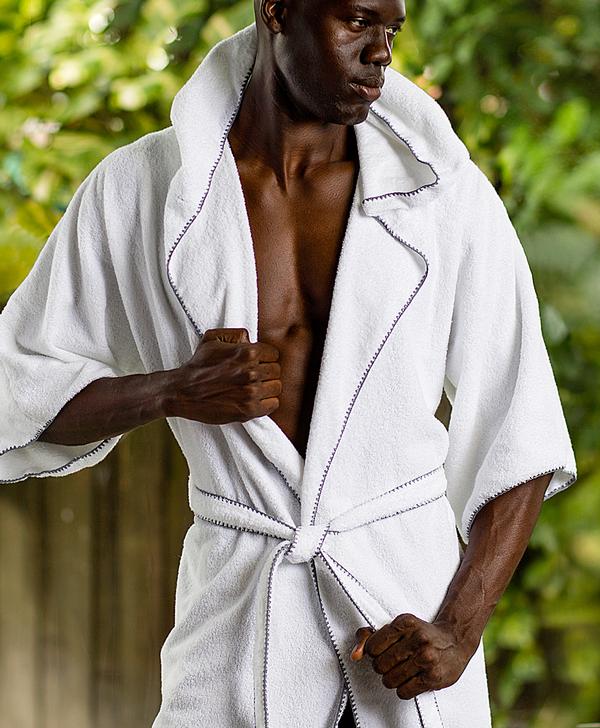
We’ve also replaced thick robes with stylish, thinner counterparts that are more absorbent, while still being sensual to the touch and alluring to the eye. Our towels take up less storage space – something we know is important to spas – and use less water, less electricity and less labour to launder.
Put it this way: the norm on the market for a bath towel is on average 17 pounds for a dozen; ours are between 8 and 11 pounds a dozen. That means you can launder as much as twice as many towels for the same energy and water costs, which saves hotels and spas money – and is really important from an environmental impact standpoint.
Sustainability is really important to you as a company – what are some of the ways The Madison Collection is helping the planet? Charmaine: The factory uses recycled paper for our boxes and flour and water as adhesive for the tape. The plastic bags used to pack the towels are biodegradable. We use 100 per cent cotton in our products – no microfiber, which contains non-biodegradable plastics.
We’ve also recently been awarded the Butterfly Mark, a third-party certification that identifies luxury brands that are committed to holistic sustainability – both social and environmental. Earning the mark means we had to pass a very stringent assessment, but we thought it was important to have our efforts verified by a third-party certification, to show how committed we are to these principles. In the end, we received 11 certifications – for our waste reduction, environmentally friendly packaging and our responsible sourcing of raw materials, among other things.
You’ve carefully chosen the factory you work with – can you tell us what makes it so special? Charmaine: The factory we use in Brazil has been in the same family since 1932, and is one of a very few in the world that does the spinning, weaving, drying, cut and sew on the same premises, which does the double-duty of both reducing the carbon footprint and offering consistency of product.
Excess fluff from the spinning process and the dirt from cleaning the cotton is collected and made into briquets. We buy the waste wood – only from replanted trees – from local furniture factories, and make wood chips. We then use the briquets and the wood chips to fuel a fire, which heats the water to power the factory.
The factory also has a water-purification system that uses live bacteria rather than chemicals to break down any dye pigment, returning water to the river cleaner than it was captured.
But it’s not just the factory processes that are important; it’s the way the workers are taken care of as well. The factory employs 1,400 people, who are given free transportation to work, free meals, an on-site medical centre, day care, community centre, an on-site nutritionist and a fitness instructor who comes to the factory twice a day to give them exercise for 15 minutes. Employees also share 25 per cent of the factory’s profits, and have a voting say on management. Generation after generation have been working there.
You also believe in giving back; what causes have you chosen to support, and why? Gilad: When it comes to corporate social responsibility, we have to look at what ills we’re causing in the world. And while our towels use less water than average, laundry costs and water usage is still a big issue for the industry.
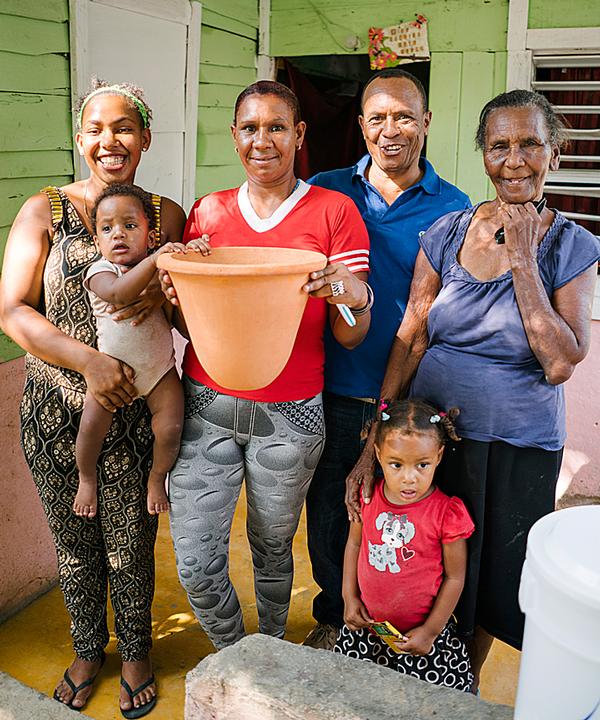
The most basic human right and necessity is water, and so we decided to partner with the nonprofit Wine to Water to help families in Haiti and the Dominican Republic get access to clean drinking water. For every bathrobe ordered online, our customers gift one family with a ceramic water filter, providing them with five years or more of safe drinking water. We’re giving our customers the opportunity to make an impact; so far, we’ve helped around 100 families in Haiti, which translates to 700 people.
Read more from this issue of Spa Business magazine
Promotional feature: Terres d’Afrique - Out of Africa
Luxury ethical spa brand Terres d’Afrique has seen rapid expansion in its first years of business. CEO and co-founder Stephan Helary explains how the company has now transitioned to creating bespoke spa experiences from concept to completion
Promotional feature: The Madison Collection - Holistic sustainability
The Madison Collection is committed to creating high-quality hotel and spa linens while at the same time protecting the environment, promoting workplace wellness and supporting clean water rights. Owner Charmaine T Lang and Gilad Lang, vice president of business development, tell us more
Wellness: Staying well
Spa Business takes a look at how some of the world’s biggest hotel operators are addressing the new trend of ‘wellness rooms’
Promotional feature: Biologique Recherche - Pioneering Personalisation
More than 40 years ago, Parisian skincare brand Biologique Recherche was founded, with a focus on research and personalisation. Co-chairs Rupert Schmid and Pierre-Louis Delapalme discuss what’s made the brand so successful – and where the future will take them
Thermal spa: Mountain therapy
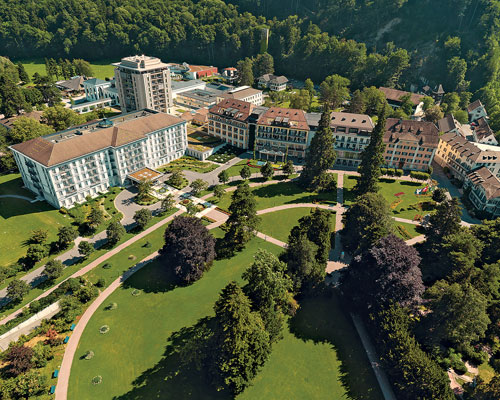
Bad Ragaz’s new CEO Patrick Vogler tells Kath Hudson about his new ambitions for the famous Swiss spa resort
Le Atelier by C.O.D.E. doesn't offer a standard bespoke service, it provides a highly
customised approach to designing massage beds and loungers in high-end wellness
environments. [more...]
+ More featured suppliers
COMPANY PROFILES
Blu Spas, Inc.
Blu is a full-service firm offering project feasibility, planning and design as well as operational [more...]
Barr + Wray Ltd
Barr + Wray has more than 60 years’ experience in the design and delivery of world-class spa and wel [more...]
The Madison Collection is committed to creating high-quality hotel and spa linens while at the same time protecting the environment, promoting workplace wellness and supporting clean water rights. Owner Charmaine T. Lang and Gilad Lang, vice president of business development, tell us more
Gilad Lang, vice president of business development, and founder Charmaine Lang
What makes your robes and towels different from others on the market? Charmaine: We start with the finest yarns; yarn is graded for quality from 0-7, and we only buy from grade 5.5 up. This means that the fibres are longer, which ensures greater absorbency. We also use a sophisticated dying stuff, which is an optical solution with a little bit of peroxide, rather than the industry standard, which uses bleach. This gives a higher quality of dying. And we wash and dry our fabrics four times before we cut and sew, so there is less shrinkage.
We’ve also replaced thick robes with stylish, thinner counterparts that are more absorbent, while still being sensual to the touch and alluring to the eye. Our towels take up less storage space – something we know is important to spas – and use less water, less electricity and less labour to launder.
Put it this way: the norm on the market for a bath towel is on average 17 pounds for a dozen; ours are between 8 and 11 pounds a dozen. That means you can launder as much as twice as many towels for the same energy and water costs, which saves hotels and spas money – and is really important from an environmental impact standpoint.
Sustainability is really important to you as a company – what are some of the ways The Madison Collection is helping the planet? Charmaine: The factory uses recycled paper for our boxes and flour and water as adhesive for the tape. The plastic bags used to pack the towels are biodegradable. We use 100 per cent cotton in our products – no microfiber, which contains non-biodegradable plastics.
We’ve also recently been awarded the Butterfly Mark, a third-party certification that identifies luxury brands that are committed to holistic sustainability – both social and environmental. Earning the mark means we had to pass a very stringent assessment, but we thought it was important to have our efforts verified by a third-party certification, to show how committed we are to these principles. In the end, we received 11 certifications – for our waste reduction, environmentally friendly packaging and our responsible sourcing of raw materials, among other things.
You’ve carefully chosen the factory you work with – can you tell us what makes it so special? Charmaine: The factory we use in Brazil has been in the same family since 1932, and is one of a very few in the world that does the spinning, weaving, drying, cut and sew on the same premises, which does the double-duty of both reducing the carbon footprint and offering consistency of product.
Excess fluff from the spinning process and the dirt from cleaning the cotton is collected and made into briquets. We buy the waste wood – only from replanted trees – from local furniture factories, and make wood chips. We then use the briquets and the wood chips to fuel a fire, which heats the water to power the factory.
The factory also has a water-purification system that uses live bacteria rather than chemicals to break down any dye pigment, returning water to the river cleaner than it was captured.
But it’s not just the factory processes that are important; it’s the way the workers are taken care of as well. The factory employs 1,400 people, who are given free transportation to work, free meals, an on-site medical centre, day care, community centre, an on-site nutritionist and a fitness instructor who comes to the factory twice a day to give them exercise for 15 minutes. Employees also share 25 per cent of the factory’s profits, and have a voting say on management. Generation after generation have been working there.
You also believe in giving back; what causes have you chosen to support, and why? Gilad: When it comes to corporate social responsibility, we have to look at what ills we’re causing in the world. And while our towels use less water than average, laundry costs and water usage is still a big issue for the industry.
The most basic human right and necessity is water, and so we decided to partner with the nonprofit Wine to Water to help families in Haiti and the Dominican Republic get access to clean drinking water. For every bathrobe ordered online, our customers gift one family with a ceramic water filter, providing them with five years or more of safe drinking water. We’re giving our customers the opportunity to make an impact; so far, we’ve helped around 100 families in Haiti, which translates to 700 people.
Read more from this issue of Spa Business magazine
Promotional feature: Terres d’Afrique - Out of Africa
Luxury ethical spa brand Terres d’Afrique has seen rapid expansion in its first years of business. CEO and co-founder Stephan Helary explains how the company has now transitioned to creating bespoke spa experiences from concept to completion
Promotional feature: The Madison Collection - Holistic sustainability
The Madison Collection is committed to creating high-quality hotel and spa linens while at the same time protecting the environment, promoting workplace wellness and supporting clean water rights. Owner Charmaine T Lang and Gilad Lang, vice president of business development, tell us more
Wellness: Staying well
Spa Business takes a look at how some of the world’s biggest hotel operators are addressing the new trend of ‘wellness rooms’
Promotional feature: Biologique Recherche - Pioneering Personalisation
More than 40 years ago, Parisian skincare brand Biologique Recherche was founded, with a focus on research and personalisation. Co-chairs Rupert Schmid and Pierre-Louis Delapalme discuss what’s made the brand so successful – and where the future will take them
Thermal spa: Mountain therapy
Bad Ragaz’s new CEO Patrick Vogler tells Kath Hudson about his new ambitions for the famous Swiss spa resort
People taking GLP-1 weight loss medications such as Ozempic, Wegovy, Mounjaro and Zepbound
may be losing weight, but they’re also becoming less physically active, according to new
research presented at the ENDO 2026 annual meeting of the Endocrine Society
Abu Dhabi-based investment firm Mubadala Capital has made a binding, fully financed
€1 billion
offer to acquire Pierre and Vacances SA, the European holiday resort operator behind the
continental European Center Parcs business.
Global retreat trade show, Synergy The Retreat Show, has launched a resource called The
Source, which hosts an open-access online Transformation Series programme.
The Standards Authority for Touch in Cancer Care (SATCC) charity has announced its first five-
day Living with Cancer and Beyond retreat, which will be held at Carden Park Hotel and Spa in
Cheshire, UK, between 1 and 5 September.
Patmos Aktis, a Luxury Collection Resort and Spa, has opened in Greece, with a renovated and
rebranded wellness offering called Ansana Wellness and Spa.
The Mauna Kea Beach Hotel, an Autograph Collection property in Hawaii, US, has opened its
22,000 sq ft indoor-outdoor Spa at Mauna Kea as the final step in the property’s overall
renovation, which has cost more than US$180 million (€166 million, £140 mill
The UK spa review and discovery platform for consumers, the Good Spa Guide, has announced
it will host the Good Spa Guide Awards 2026 during an event on 16 November at Sopwell House
Hotel in St Albans, UK.
Eighty-four per cent of consumers now say wellness is a top priority in their lives, with this
percentage increasing year on year, according to a preview presentation of McKinsey’s Future of
Wellness 2026 research report.
Mass protests have been taking place since Monday 1 June in Albania over the development of
a luxury resort by Donald Trump’s daughter Ivanka Trump and her husband Jared Kushner.
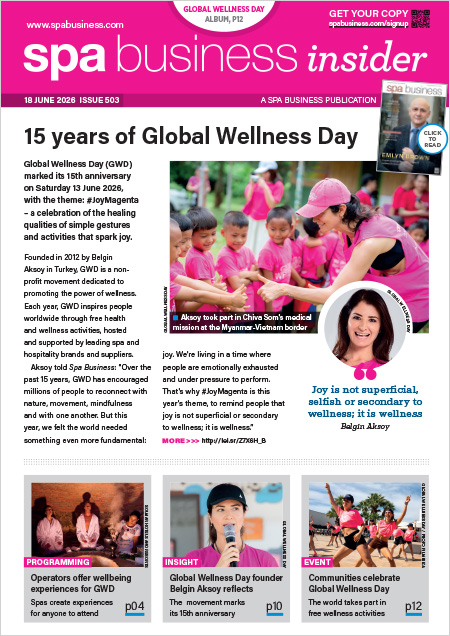
Global Wellness Day (GWD) marked its 15th anniversary on Saturday 13 June 2026, with the
theme: #JoyMagenta – a celebration of the healing qualities of simple gestures and activities
that spark joy.
Le Atelier by C.O.D.E. doesn't offer a standard bespoke service, it provides a highly
customised approach to designing massage beds and loungers in high-end wellness
environments. [more...]
+ More featured suppliers
COMPANY PROFILES
Blu Spas, Inc. Blu is a full-service firm offering project feasibility, planning and design as well as operational [more...]