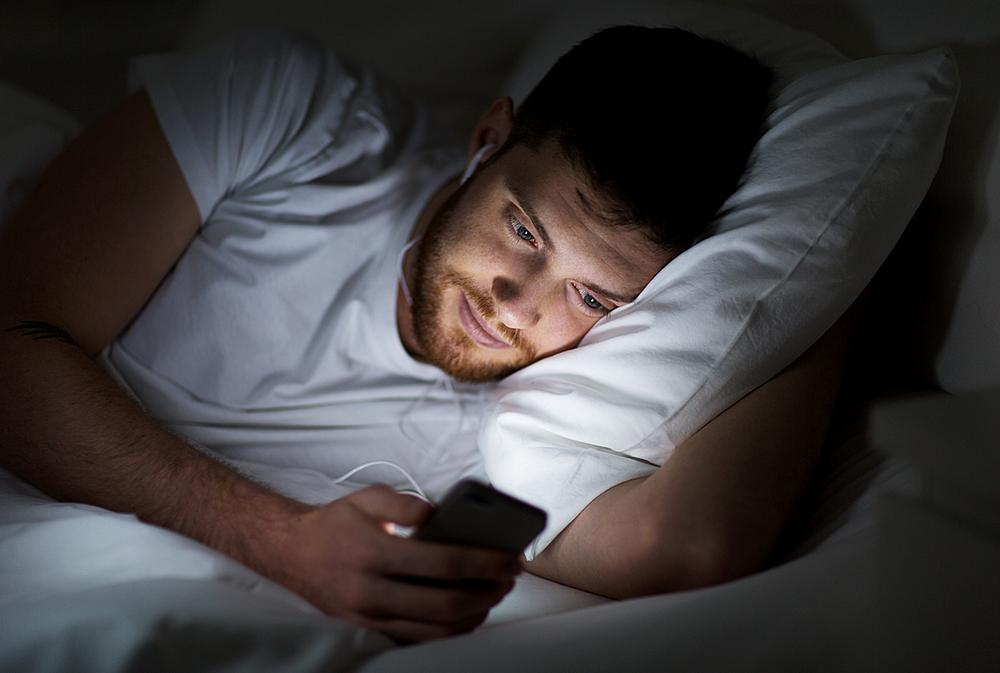
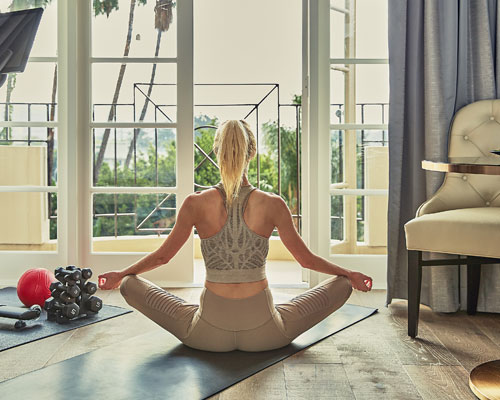
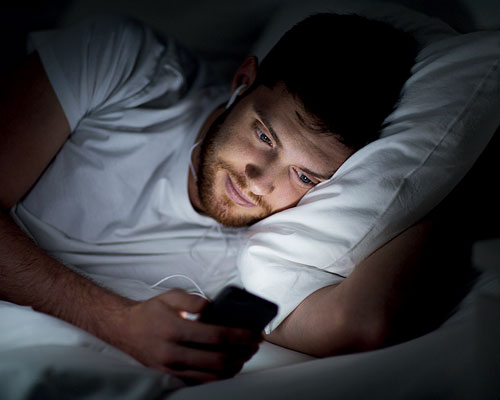
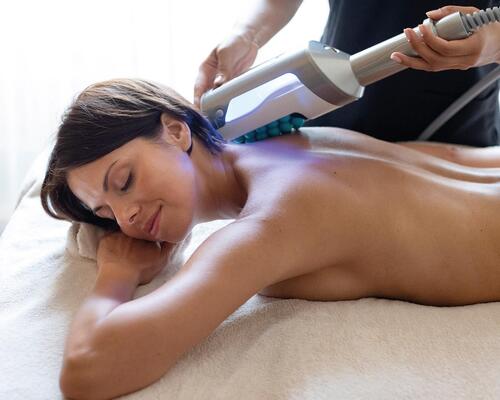
Digital devices disrupt sleep / Syda Productions/shutterstock
Digital detox sessions are becoming increasingly popular in spas as people put away their electronic gadgets for a couple of hours, or even a couple of days, in order to truly embrace ‘me time’. Mandarin Oriental was one of the first operators to introduce ‘digital detoxing’ in 2016 and now Jeremy McCarthy, the group’s director of spa and wellness, has collaborated with figures in medicine, hospitality, economics and technology on a white paper highlighting the “substantial” impact that technology has on our lives. Wellness in the Age of the Smartphone, published by the Global Wellness Institute’s Digital Wellness Initiative in May, is a 32-page report summarising current research focusing on the effect technology has on sleep, obesity, mental health, relationships, personal safety and workplace productivity.
Disrupting sleep “Adults are expected to get eight hours of sleep per night, yet the distraction of new technology may be preventing us from meeting this target,” the report says, adding that up to 60 per cent of adults experience sleep problems.
The blue-light emitting screens on digital devices mimic natural sunlight, keeping us feeling more alert and suppressing the release of sleep hormones. “Using devices in the bedroom or during the hour or two before sleep makes it difficult for us to fall asleep.” Our quality of sleep is profoundly affected too, resulting in ‘junk sleep’ which is neither long enough nor of a high enough quality for the brain to feel rested.
Mental wellness According to the report there are rising rates of depression and anxiety in the UK, with a third of teenage women reporting symptoms. “The cause is not clear but rising rates seem to coincide with the growth of social media,” it says. In extreme cases, teens who spend five or more hours a day online are 71 per cent more likely to have at least one suicide risk factor.
Screen time and TV viewing also has negative associations with childhood cognitive development and is linked to inattentiveness, internalisation of problems and lower self-esteem.
“But the biggest challenges to mental wellness appear to come, not from technology itself, but from the added pressures and pace of life in the digital age,” the report finds. The lines between personal and professional lives are blurred, we’re never too far from our devices and social media can make us feel insecure.
As McCarthy told Spa Business at the launch of Mandarin Oriental’s Digital Detox programmes: “Technology has brought us many great advances, but the expectations for instant communication and the increasing pace of change in the world can have a negative impact on our wellbeing... The spa is one of the few places left in modern society where it is acceptable and even encouraged to disconnect from technology.”
Promotional feature: Terres d’Afrique - Out of Africa
Luxury ethical spa brand Terres d’Afrique has seen rapid expansion in its first years of business. CEO and co-founder Stephan Helary explains how the company has now transitioned to creating bespoke spa experiences from concept to completion
Promotional feature: The Madison Collection - Holistic sustainability
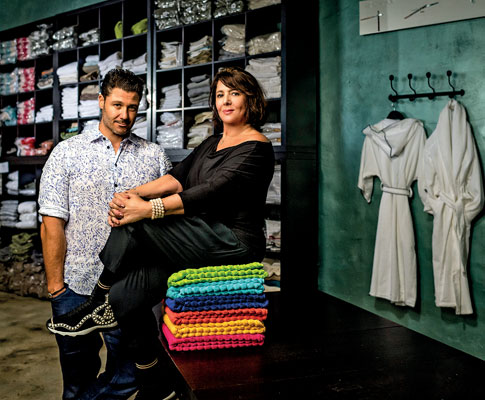
The Madison Collection is committed to creating high-quality hotel and spa linens while at the same time protecting the environment, promoting workplace wellness and supporting clean water rights. Owner Charmaine T Lang and Gilad Lang, vice president of business development, tell us more
Wellness: Staying well
Spa Business takes a look at how some of the world’s biggest hotel operators are addressing the new trend of ‘wellness rooms’
Promotional feature: Biologique Recherche - Pioneering Personalisation
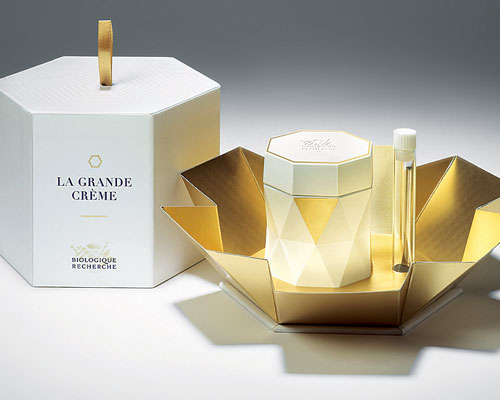
More than 40 years ago, Parisian skincare brand Biologique Recherche was founded, with a focus on research and personalisation. Co-chairs Rupert Schmid and Pierre-Louis Delapalme discuss what’s made the brand so successful – and where the future will take them
Thermal spa: Mountain therapy
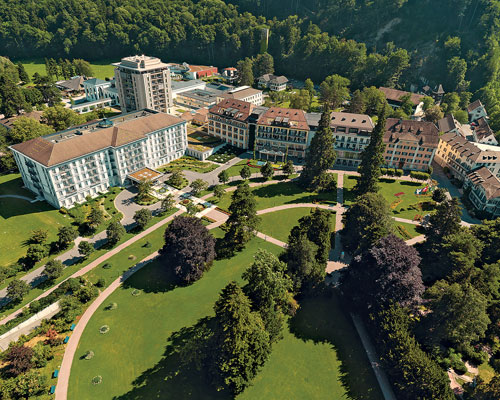
Bad Ragaz’s new CEO Patrick Vogler tells Kath Hudson about his new ambitions for the famous Swiss spa resort
Digital devices disrupt sleep / Syda Productions/shutterstock
Digital detox sessions are becoming increasingly popular in spas as people put away their electronic gadgets for a couple of hours, or even a couple of days, in order to truly embrace ‘me time’. Mandarin Oriental was one of the first operators to introduce ‘digital detoxing’ in 2016 and now Jeremy McCarthy, the group’s director of spa and wellness, has collaborated with figures in medicine, hospitality, economics and technology on a white paper highlighting the “substantial” impact that technology has on our lives. Wellness in the Age of the Smartphone, published by the Global Wellness Institute’s Digital Wellness Initiative in May, is a 32-page report summarising current research focusing on the effect technology has on sleep, obesity, mental health, relationships, personal safety and workplace productivity.
Disrupting sleep “Adults are expected to get eight hours of sleep per night, yet the distraction of new technology may be preventing us from meeting this target,” the report says, adding that up to 60 per cent of adults experience sleep problems.
The blue-light emitting screens on digital devices mimic natural sunlight, keeping us feeling more alert and suppressing the release of sleep hormones. “Using devices in the bedroom or during the hour or two before sleep makes it difficult for us to fall asleep.” Our quality of sleep is profoundly affected too, resulting in ‘junk sleep’ which is neither long enough nor of a high enough quality for the brain to feel rested.
Mental wellness According to the report there are rising rates of depression and anxiety in the UK, with a third of teenage women reporting symptoms. “The cause is not clear but rising rates seem to coincide with the growth of social media,” it says. In extreme cases, teens who spend five or more hours a day online are 71 per cent more likely to have at least one suicide risk factor.
Screen time and TV viewing also has negative associations with childhood cognitive development and is linked to inattentiveness, internalisation of problems and lower self-esteem.
“But the biggest challenges to mental wellness appear to come, not from technology itself, but from the added pressures and pace of life in the digital age,” the report finds. The lines between personal and professional lives are blurred, we’re never too far from our devices and social media can make us feel insecure.
As McCarthy told Spa Business at the launch of Mandarin Oriental’s Digital Detox programmes: “Technology has brought us many great advances, but the expectations for instant communication and the increasing pace of change in the world can have a negative impact on our wellbeing... The spa is one of the few places left in modern society where it is acceptable and even encouraged to disconnect from technology.”
Promotional feature: Terres d’Afrique - Out of Africa
Luxury ethical spa brand Terres d’Afrique has seen rapid expansion in its first years of business. CEO and co-founder Stephan Helary explains how the company has now transitioned to creating bespoke spa experiences from concept to completion
Promotional feature: The Madison Collection - Holistic sustainability
The Madison Collection is committed to creating high-quality hotel and spa linens while at the same time protecting the environment, promoting workplace wellness and supporting clean water rights. Owner Charmaine T Lang and Gilad Lang, vice president of business development, tell us more
Wellness: Staying well
Spa Business takes a look at how some of the world’s biggest hotel operators are addressing the new trend of ‘wellness rooms’
Promotional feature: Biologique Recherche - Pioneering Personalisation
More than 40 years ago, Parisian skincare brand Biologique Recherche was founded, with a focus on research and personalisation. Co-chairs Rupert Schmid and Pierre-Louis Delapalme discuss what’s made the brand so successful – and where the future will take them
Thermal spa: Mountain therapy
Bad Ragaz’s new CEO Patrick Vogler tells Kath Hudson about his new ambitions for the famous Swiss spa resort
People taking GLP-1 weight loss medications such as Ozempic, Wegovy, Mounjaro and Zepbound
may be losing weight, but they’re also becoming less physically active, according to new
research presented at the ENDO 2026 annual meeting of the Endocrine Society
Abu Dhabi-based investment firm Mubadala Capital has made a binding, fully financed
€1 billion
offer to acquire Pierre and Vacances SA, the European holiday resort operator behind the
continental European Center Parcs business.
Global retreat trade show, Synergy The Retreat Show, has launched a resource called The
Source, which hosts an open-access online Transformation Series programme.
The Standards Authority for Touch in Cancer Care (SATCC) charity has announced its first five-
day Living with Cancer and Beyond retreat, which will be held at Carden Park Hotel and Spa in
Cheshire, UK, between 1 and 5 September.
Patmos Aktis, a Luxury Collection Resort and Spa, has opened in Greece, with a renovated and
rebranded wellness offering called Ansana Wellness and Spa.
The Mauna Kea Beach Hotel, an Autograph Collection property in Hawaii, US, has opened its
22,000 sq ft indoor-outdoor Spa at Mauna Kea as the final step in the property’s overall
renovation, which has cost more than US$180 million (€166 million, £140 mill
The UK spa review and discovery platform for consumers, the Good Spa Guide, has announced
it will host the Good Spa Guide Awards 2026 during an event on 16 November at Sopwell House
Hotel in St Albans, UK.
Eighty-four per cent of consumers now say wellness is a top priority in their lives, with this
percentage increasing year on year, according to a preview presentation of McKinsey’s Future of
Wellness 2026 research report.
Mass protests have been taking place since Monday 1 June in Albania over the development of
a luxury resort by Donald Trump’s daughter Ivanka Trump and her husband Jared Kushner.
Global Wellness Day (GWD) marked its 15th anniversary on Saturday 13 June 2026, with the
theme: #JoyMagenta – a celebration of the healing qualities of simple gestures and activities
that spark joy.