Yes! Send me the FREE digital editions of Spa Business and Spa Business insider magazines and the FREE weekly Spa Business and Spa Business insider ezines and breaking news alerts!
A new study has found that the global museum exhibitions market is worth
almost US$6bn and it looks set to continue to grow. Kath Hudson finds
out more about the potential of touring exhibitions and pop-ups
By Kath Hudson | Published in Attractions Management 2019 issue 4
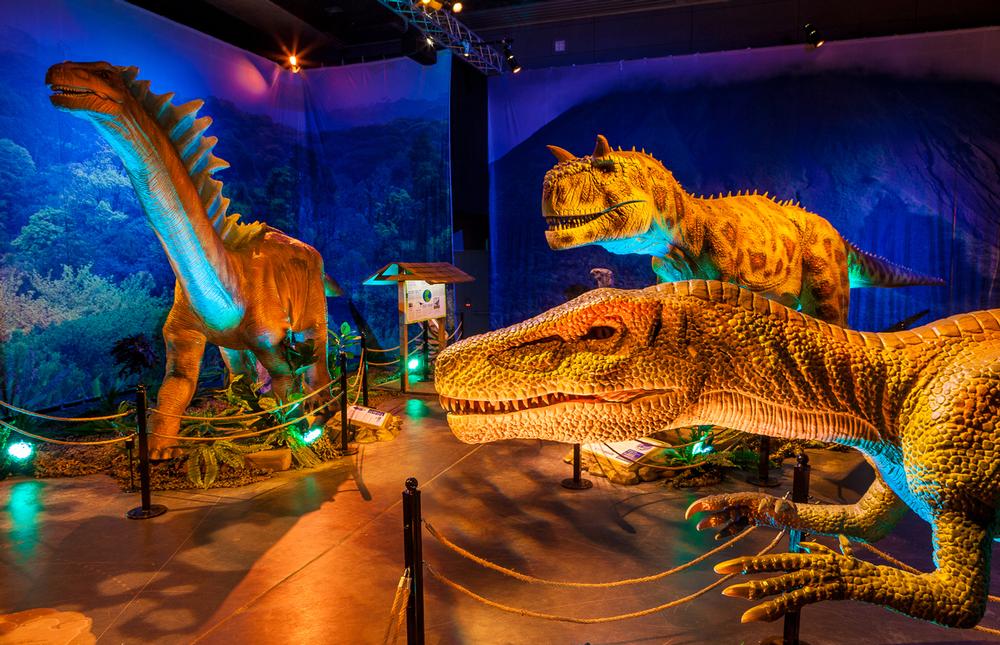
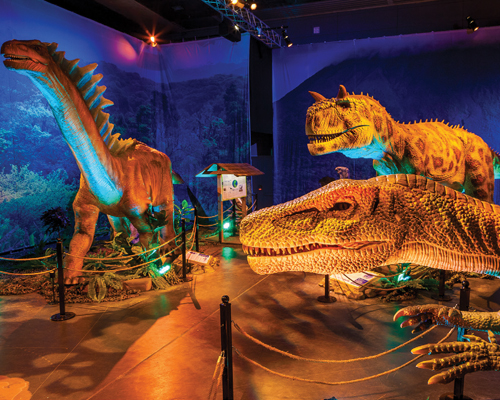
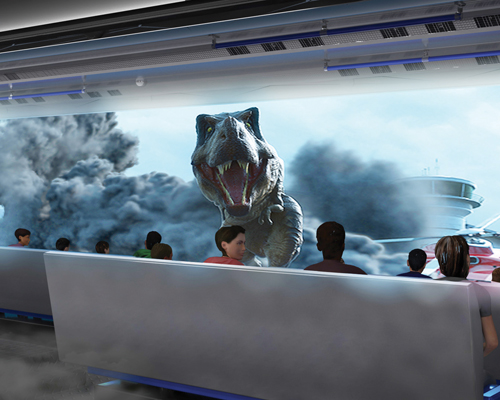
Dinosaurs Around the World introduces visitors to more than a dozen animatronic dinosaurs
Touring exhibitions should be able to offer an experience visitors can’t get anywhere else,” says Paul Lee, design director at Mather & Co. “Whether that be a unique object or collection, a behind the scenes visit, or an exhibition which captures a personal story or important moment in time, it should stand out by being engaging, relevant and appealing to a wide range of people.
“A good exhibition should immerse visitors. It should be a form of escapism.”
According to Vastari’s Exhibition Finance Report, touring exhibitions are a buoyant growth sector and can be a powerful way to engage with new audiences. The study, which focussed on 20,000 members of the International Council of Museums, found that on average museums hold seven exhibitions a year.
The main motivation is to display new material and attract a wider audience, with “building public profile and reputation” coming a close second. Surveys from Imagine Exhibitions found that an average of 40 per cent of visitors to its exhibitions are first time visitors to the host venue, proving that travelling exhibitions are an excellent way to engage new audiences and deliver mission-based programming to different communities.
Content is king President and CEO of Imagine Exhibitions, Tom Zaller, says to stage a successful exhibition it’s crucial at the outset to find out the client’s goals – for example, to boost ticket sales, or provide robust educational content – and then tailor the experience accordingly. 90 per cent of Imagine’s visitors rate experiences 4/5 or 5/5, which Zaller reckons ups the likelihood of them returning to the institution in the future.
Compelling experiences with a strong narrative are what people are looking for: “People want immersive, shareable, interactive experiences, with a story at the core,” says Zaller. “They’re no longer interested in a separation between themselves and the experience – they want to be inside the experience, to be a part of it.
Venues are looking for the same. According to Imagine’s recent industry survey, more than 50 per cent of venues who book travelling exhibitions are seeking tactile, hands-on interactives as a part of the experience.
Visitors, says Lee, should be drawn into the narrative through engaging design, creating an emotional journey. “Good exhibitions typically have a change of pace throughout the visit to keep it fresh, which can be delivered through visual stimuli, standout “wow” moments and clear communication from the exhibition to the visitor,” he says.
Staying on trend As well as reaching new audiences, travelling exhibitions allow venues to stay relevant at a much lower cost than a permanent exhibition. In a recent industry survey, Imagine found that climate change, dinosaurs, artificial intelligence, immigration and space were the subjects which venues are most interested in discussing. To stage new permanent exhibitions could be prohibitively expensive, but touring exhibitions make delivering these experiences much more feasible.
Lee also points out that touring exhibitions can be good revenue generators in themselves: “The temporary exhibition programme is a vital part of revenue generation, whether firsthand through ticket sales and merchandise, or passively through secondary spend, which can be incorporated through promotional add-ons, such as photo opportunities.”
Going forward, Zaller predicts there will be an ongoing use of IPs to create strong storylines which people are familiar with, making for an easier sell: “We licensed and developed a successful Jurassic World exhibition a few years ago,” he says, “and have worked on producing Hunger Games: The Exhibition, as well as many other popular IPs. If the right IP is well executed, there’s a lot of opportunity.”
Mather & Co spent three months meeting the producers and creators of Downton Abbey before committing to a final design of the exhibition. “As it uses real objects and props from the show, as well as its characters, it needed to feel authentic,” says Lee. “We had the creators, producers, directors and writers of the show working alongside us the whole time to ensure it was spot on.”
Up next Lee says that within the museum sector there’s a small shift towards venues being created which focus on delivering a temporary or changing rotation of stories and collections through exhibition programmes and the downsizing of permanent displays. “There’s a definite requirement in all the projects we work on for the capacity to update, refresh, generate new content and ensure repeat visitors are as much of the target audience as new visitors,” he says.
Another burgeoning trend is allow digital access to exhibitions. “I don’t believe that virtual or digital exhibitions will ever replace the tangible, sensory nature of visiting the real thing, but it’s allowing access to be granted to a wider audience, extending the brand and providing a dialogue with new generations of visitors, which can only be a good thing,” adds Lee.
In terms of content, Zaller says the world of video games and apps are opening up a whole new realm of fandom: “Angry Birds is a great example – what started as a gaming app has now grown into a film franchise, with a second film released this year alongside the existing live entertainment brand extensions like Angry Birds Universe.”
Consumer trends suggest touring exhibitions and pop-ups are here to stay. Millennials prefer to spend their money on an experience rather than material items. Also, as online retailers are leading to a weakening of the physical retail landscape, Zaller points out that this leaves developers re-imagining and repurposing existing assets in new ways
“The “pop-up” trend has started to grow, especially in the US,” he says. “There’s also a hunger for live experiences. People will always crave opportunities to make memories together and share them with each other. Travelling exhibitions, immersive experiences and entertainment are the perfect platform for consumers to come together and share in a meaningful experience.”
Does size matter? In terms of the perfect host venue, a good sized space which is easily accessible and with high footfall is ideal. However, not ticking all of these boxes doesn’t mean a venue won’t be a success. A popular exhibition can draw visitors to out of the way locations and flexible design can allow unlikely venues to accommodate touring exhibitions.
Lee says that small, intimate spaces often lend themselves well to this use. Zaller says if the host is keen they can usually come up with a creative solution – in the past this has involved using climate controlled tents in the grounds of a venue.
Another concern which is sometimes voiced by venues is the maintenance of high tech interactives. Imagine has overcome this barrier by working with Scitech which designs robust interactives, many of which can be maintained remotely.
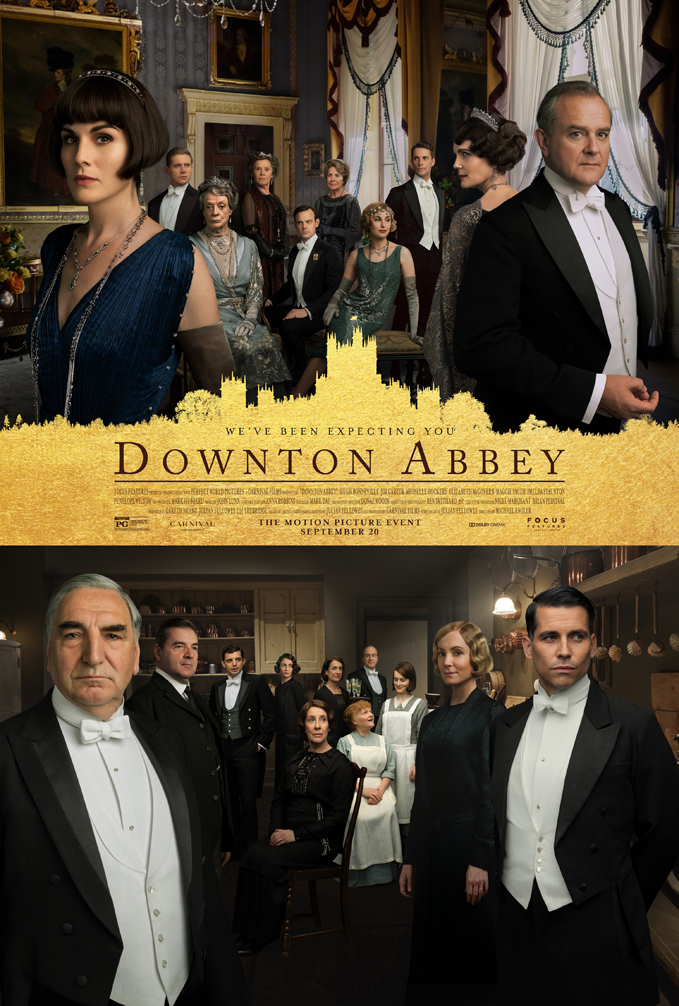
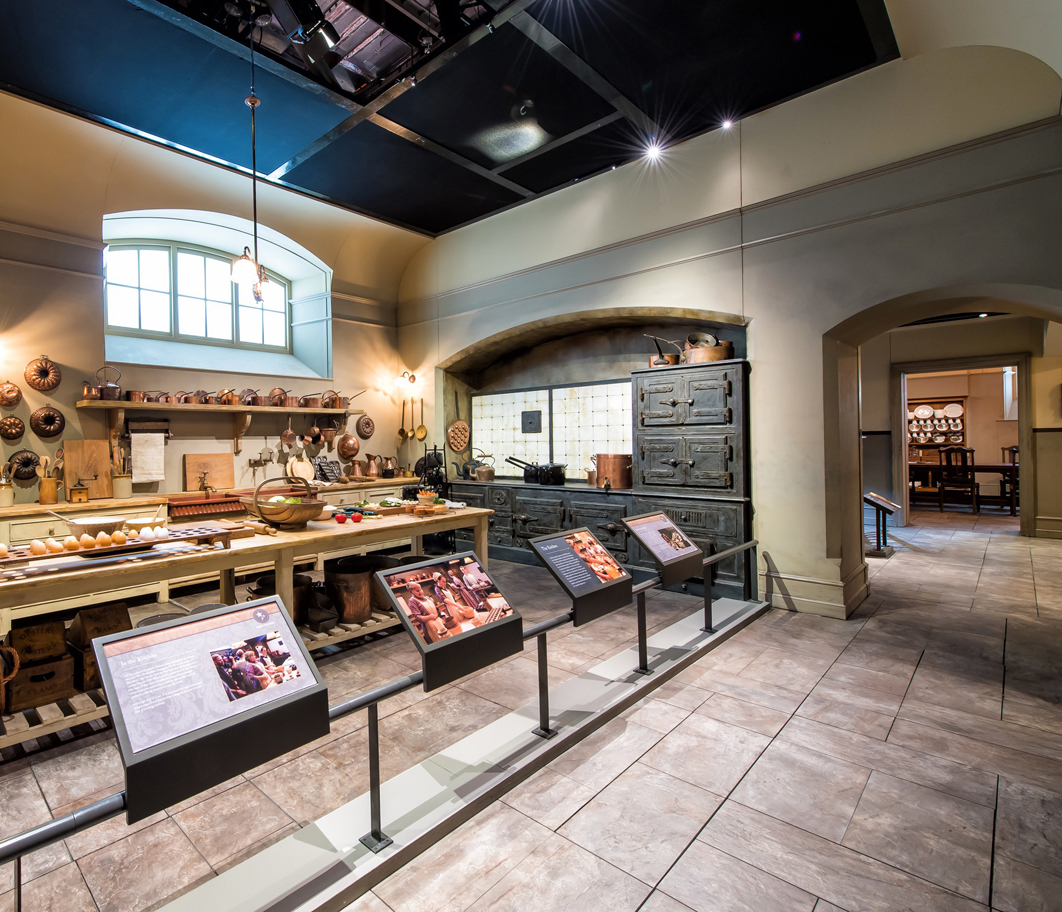
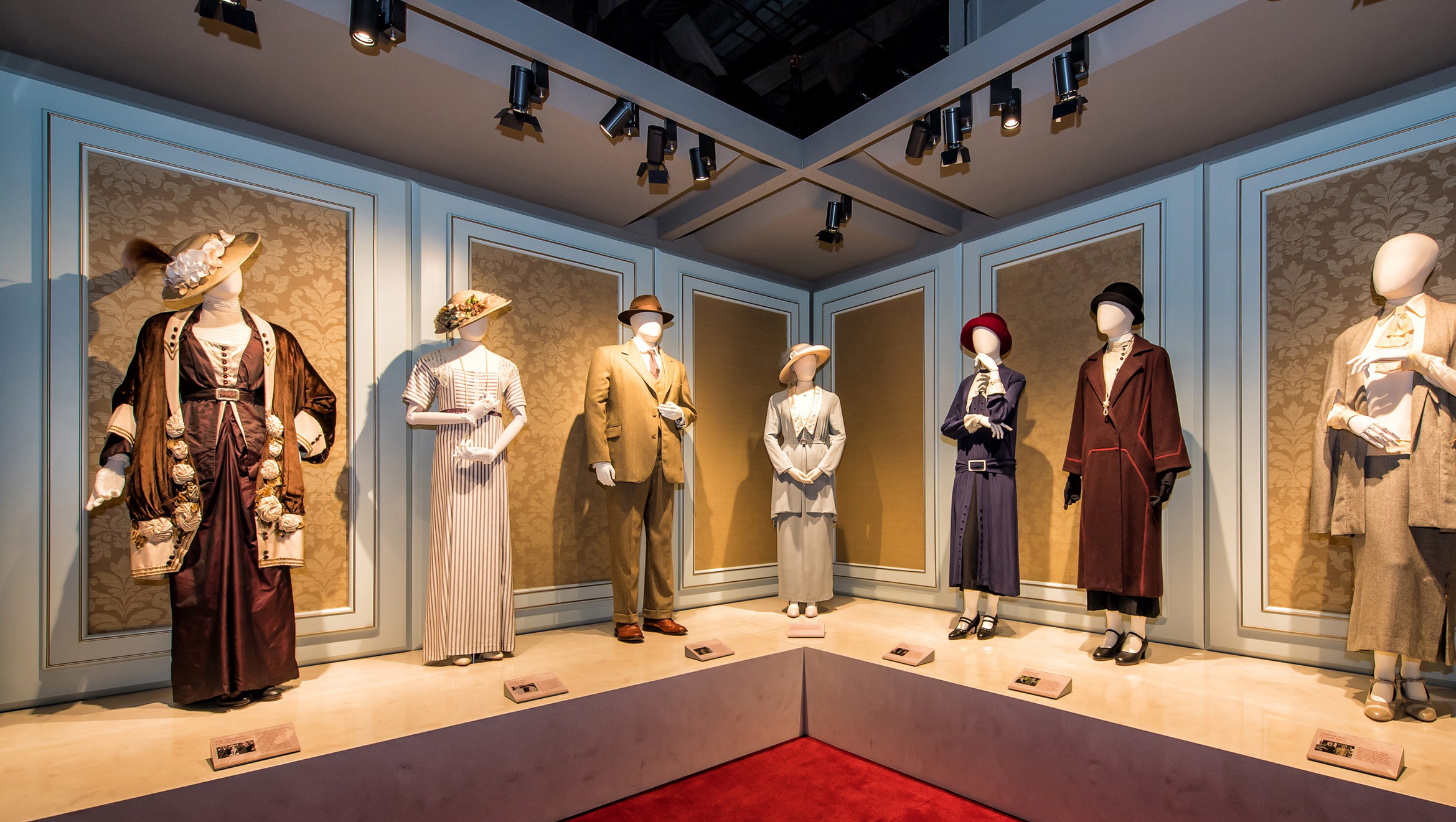
Downton Abbey: The Exhibition
The Downton Abbey movie was released in September 2019 and continues the storyline from the series, with much of the original cast returning
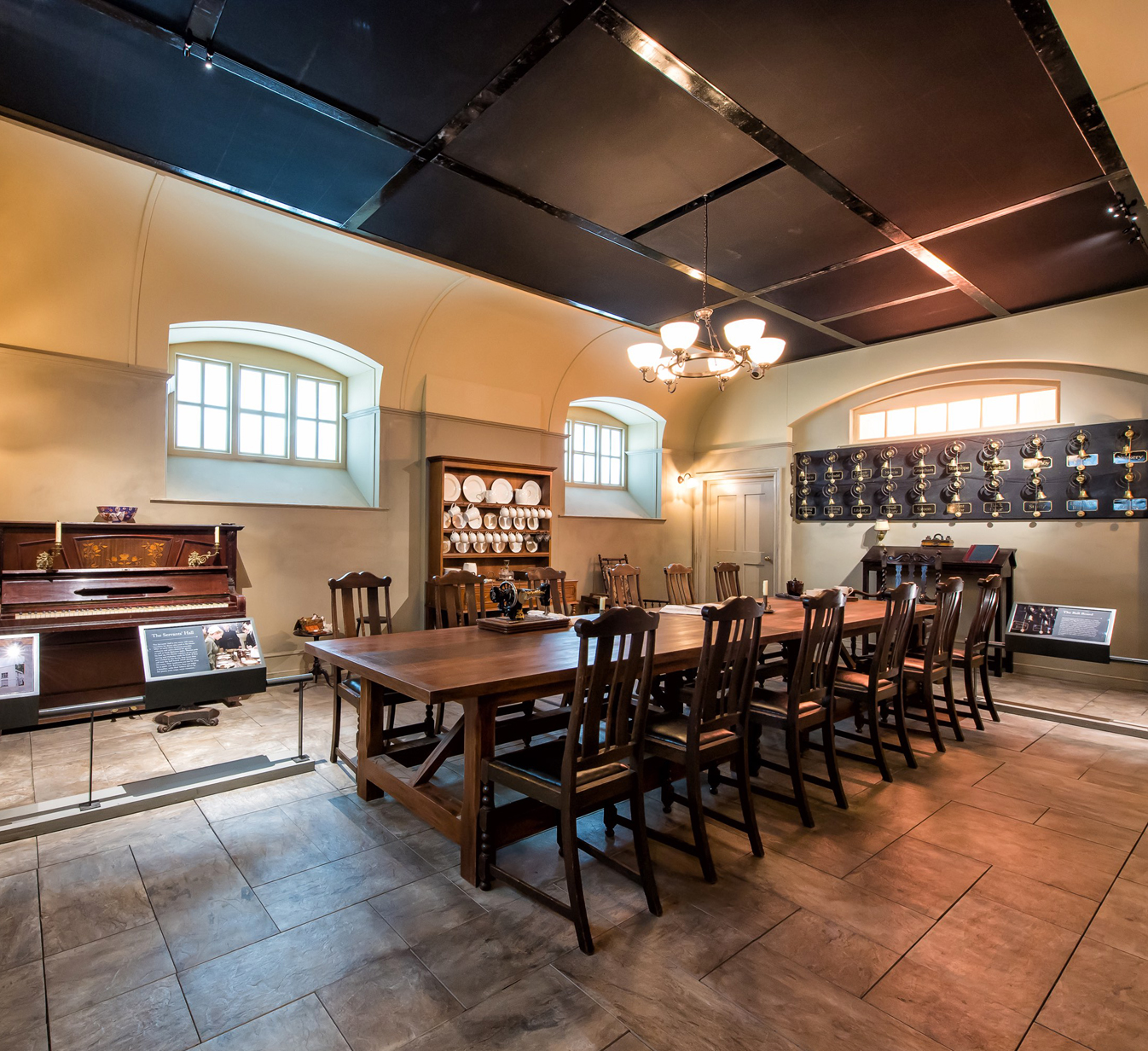
Takeing visitor to post-Edwardian England and bringing Downton Abbey to life, the exhibition immerses visitors in the social history, culture, and some of the most memorable moments from the show’s six-season run
Angry Birds Universe
The exhibition features a variety of immersive environments and interactive activities, allowing fans to learn a wide variety of educational concepts in an entertaining manner, including the chance to “Be The Bird” and experience the Angry Birds games in real life
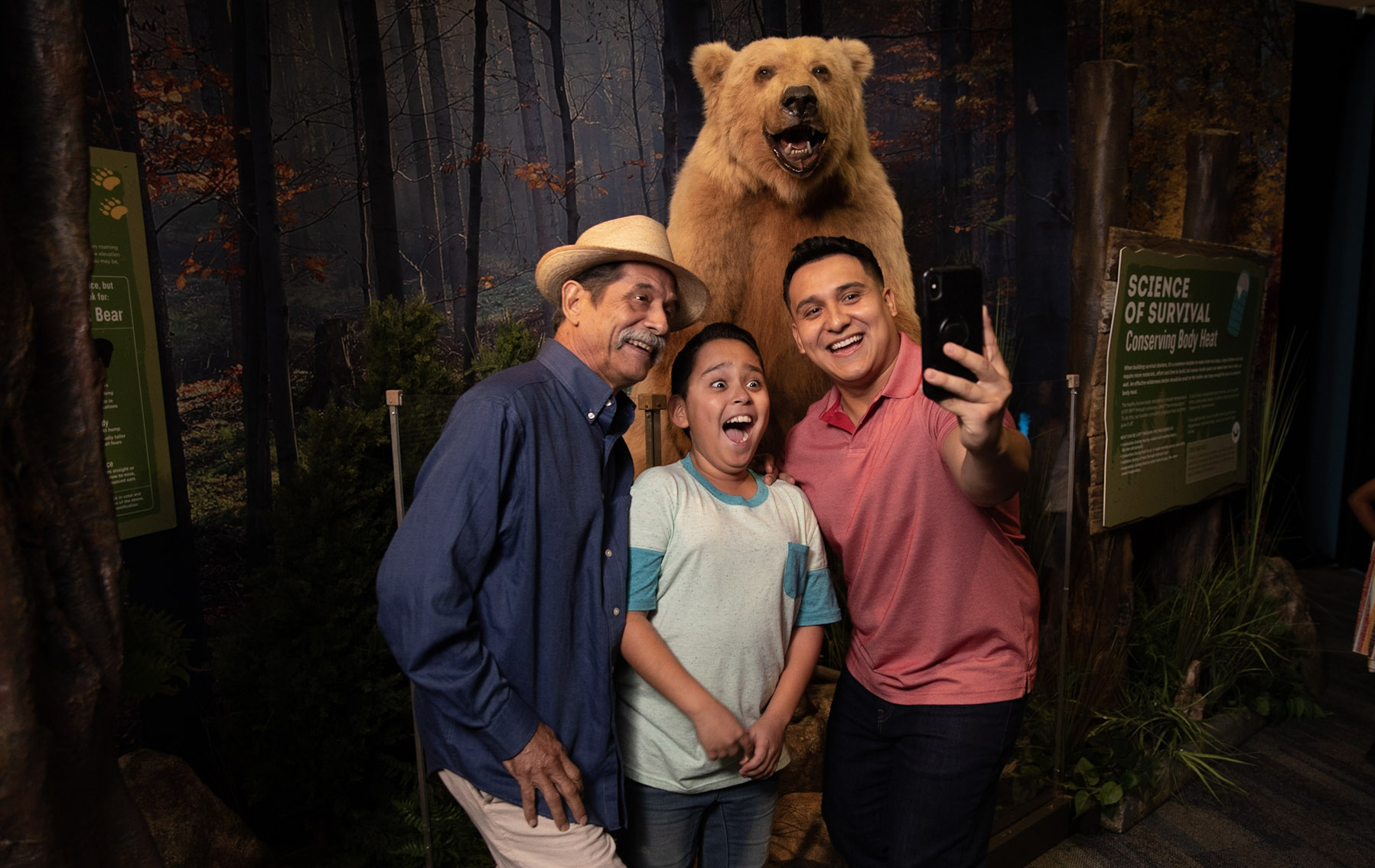
Survival: The Exhibition
Provides practical, real-world, and science-based techniques to prepare visitors of all ages for survival situations they could actually face
Key findings of Vastari’s Exhibition Finance Report
• The annual global museum exhibition budget is worth US$5.9bn
• There are an estimated 55,000-80,000 museums worldwide, and the largest 20,000-35,000 museums account for the bulk of spending on touring exhibitions
• The average number of exhibitions per museum each year is seven
• The average cost, excluding shipping and insurance, is US$57,000
• The total insured asset value globally each year for exhibitions is around US$87bn
• Demand outstrips supply for travelling fine art exhibitions
• The main reason for hosting is to expand audiences, raise profile, enhance reputation and generate revenue
• 65 per cent of institutions host externally produced touring exhibitions
• More than two thirds of institutions plan their exhibitions more than 12 months in advance
• 64 per cent of institutions work with both exhibition producers and other institutions
• 32 per cent work exclusively with other institutions
• 4 per cent work solely with exhibition producers
• 41 per cent of hosts of fine art exhibitions do not choose to work with exhibition producers
• Art institutions tend to have lower average hosting budgets than science institutions
• Art exhibitions tend to have higher value objects and be more logistically complicated than science exhibitions
The report can be found at www.vastari.com.
Data in the report is anonymous to subscribers
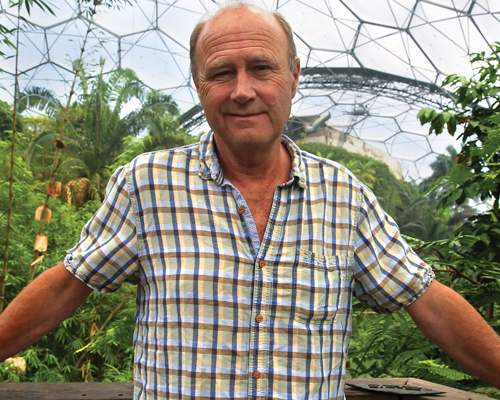
Paul Lee
"A good exhibition should immerse visitors into its world. It should be a form of escapism" - Paul Lee, design director at Mather & Co
Tom Zaller
"Angry Birds is a great example – what started as a gaming app has now grown into a film franchise" - Tom Zaller, president and CEO of Imagine Exhibitions
Read more from this issue of Spa Business magazine
Interview: Yves Pépin
A man whose spectaculars have been
witnessed by billions, Yves Pépin
speaks about his trail-blazing career
Rides: Supersonic
We take a look at some of the most
significant ride openings around the world
Preview: Rulantica Rising
Germany’s top theme park is about to
launch a €180m addition with the opening of its long-awaited second
gate. Attractions Management looks
at Rulantica and how the new
waterpark addition is taking shape
Theme Parks: Parisian Magic
Daniel Delcourt and David Wilson
share more about Disney’s €2bn
expansion of Disneyland Paris
Promotional feature: Simworx Ltd
CEO, Terry Monkton, takes
us through the development of two unique projects, from conception to creation
Waterparks: Water World
Debrecen in Hungary is gaining an iconic
new addition – a US$30.1m waterpark
Promotional feature: WhiteWater
WhiteWater’s Una deBoer tells us
how the company maintains elite safety standards
in waterparks and the steps operators can take
to improve safety across the entire industry
Operations: Disaster Management
What can be learned from the experiences
of those unfortunate operators who have
had to react when disaster strikes?
Exhibitions: World Tour
Kath Hudson looks at the potential of the
pop-up and touring exhibition market
The Spa Life UK Convention returns from 21–23 June 2026 at Whittlebury Park Hotel, Spa &
Golf Resort, bringing together spa managers, directors and owners for two days of focused
education, meaningful connection and commercial insight. [more...]
A new study has found that the global museum exhibitions market is worth
almost US$6bn and it looks set to continue to grow. Kath Hudson finds
out more about the potential of touring exhibitions and pop-ups
By Kath Hudson | Published in Attractions Management 2019 issue 4
Dinosaurs Around the World introduces visitors to more than a dozen animatronic dinosaurs
Touring exhibitions should be able to offer an experience visitors can’t get anywhere else,” says Paul Lee, design director at Mather & Co. “Whether that be a unique object or collection, a behind the scenes visit, or an exhibition which captures a personal story or important moment in time, it should stand out by being engaging, relevant and appealing to a wide range of people.
“A good exhibition should immerse visitors. It should be a form of escapism.”
According to Vastari’s Exhibition Finance Report, touring exhibitions are a buoyant growth sector and can be a powerful way to engage with new audiences. The study, which focussed on 20,000 members of the International Council of Museums, found that on average museums hold seven exhibitions a year.
The main motivation is to display new material and attract a wider audience, with “building public profile and reputation” coming a close second. Surveys from Imagine Exhibitions found that an average of 40 per cent of visitors to its exhibitions are first time visitors to the host venue, proving that travelling exhibitions are an excellent way to engage new audiences and deliver mission-based programming to different communities.
Content is king President and CEO of Imagine Exhibitions, Tom Zaller, says to stage a successful exhibition it’s crucial at the outset to find out the client’s goals – for example, to boost ticket sales, or provide robust educational content – and then tailor the experience accordingly. 90 per cent of Imagine’s visitors rate experiences 4/5 or 5/5, which Zaller reckons ups the likelihood of them returning to the institution in the future.
Compelling experiences with a strong narrative are what people are looking for: “People want immersive, shareable, interactive experiences, with a story at the core,” says Zaller. “They’re no longer interested in a separation between themselves and the experience – they want to be inside the experience, to be a part of it.
Venues are looking for the same. According to Imagine’s recent industry survey, more than 50 per cent of venues who book travelling exhibitions are seeking tactile, hands-on interactives as a part of the experience.
Visitors, says Lee, should be drawn into the narrative through engaging design, creating an emotional journey. “Good exhibitions typically have a change of pace throughout the visit to keep it fresh, which can be delivered through visual stimuli, standout “wow” moments and clear communication from the exhibition to the visitor,” he says.
Staying on trend As well as reaching new audiences, travelling exhibitions allow venues to stay relevant at a much lower cost than a permanent exhibition. In a recent industry survey, Imagine found that climate change, dinosaurs, artificial intelligence, immigration and space were the subjects which venues are most interested in discussing. To stage new permanent exhibitions could be prohibitively expensive, but touring exhibitions make delivering these experiences much more feasible.
Lee also points out that touring exhibitions can be good revenue generators in themselves: “The temporary exhibition programme is a vital part of revenue generation, whether firsthand through ticket sales and merchandise, or passively through secondary spend, which can be incorporated through promotional add-ons, such as photo opportunities.”
Going forward, Zaller predicts there will be an ongoing use of IPs to create strong storylines which people are familiar with, making for an easier sell: “We licensed and developed a successful Jurassic World exhibition a few years ago,” he says, “and have worked on producing Hunger Games: The Exhibition, as well as many other popular IPs. If the right IP is well executed, there’s a lot of opportunity.”
Mather & Co spent three months meeting the producers and creators of Downton Abbey before committing to a final design of the exhibition. “As it uses real objects and props from the show, as well as its characters, it needed to feel authentic,” says Lee. “We had the creators, producers, directors and writers of the show working alongside us the whole time to ensure it was spot on.”
Up next Lee says that within the museum sector there’s a small shift towards venues being created which focus on delivering a temporary or changing rotation of stories and collections through exhibition programmes and the downsizing of permanent displays. “There’s a definite requirement in all the projects we work on for the capacity to update, refresh, generate new content and ensure repeat visitors are as much of the target audience as new visitors,” he says.
Another burgeoning trend is allow digital access to exhibitions. “I don’t believe that virtual or digital exhibitions will ever replace the tangible, sensory nature of visiting the real thing, but it’s allowing access to be granted to a wider audience, extending the brand and providing a dialogue with new generations of visitors, which can only be a good thing,” adds Lee.
In terms of content, Zaller says the world of video games and apps are opening up a whole new realm of fandom: “Angry Birds is a great example – what started as a gaming app has now grown into a film franchise, with a second film released this year alongside the existing live entertainment brand extensions like Angry Birds Universe.”
Consumer trends suggest touring exhibitions and pop-ups are here to stay. Millennials prefer to spend their money on an experience rather than material items. Also, as online retailers are leading to a weakening of the physical retail landscape, Zaller points out that this leaves developers re-imagining and repurposing existing assets in new ways
“The “pop-up” trend has started to grow, especially in the US,” he says. “There’s also a hunger for live experiences. People will always crave opportunities to make memories together and share them with each other. Travelling exhibitions, immersive experiences and entertainment are the perfect platform for consumers to come together and share in a meaningful experience.”
Does size matter? In terms of the perfect host venue, a good sized space which is easily accessible and with high footfall is ideal. However, not ticking all of these boxes doesn’t mean a venue won’t be a success. A popular exhibition can draw visitors to out of the way locations and flexible design can allow unlikely venues to accommodate touring exhibitions.
Lee says that small, intimate spaces often lend themselves well to this use. Zaller says if the host is keen they can usually come up with a creative solution – in the past this has involved using climate controlled tents in the grounds of a venue.
Another concern which is sometimes voiced by venues is the maintenance of high tech interactives. Imagine has overcome this barrier by working with Scitech which designs robust interactives, many of which can be maintained remotely.
Downton Abbey: The Exhibition
The Downton Abbey movie was released in September 2019 and continues the storyline from the series, with much of the original cast returning
Takeing visitor to post-Edwardian England and bringing Downton Abbey to life, the exhibition immerses visitors in the social history, culture, and some of the most memorable moments from the show’s six-season run
Angry Birds Universe
The exhibition features a variety of immersive environments and interactive activities, allowing fans to learn a wide variety of educational concepts in an entertaining manner, including the chance to “Be The Bird” and experience the Angry Birds games in real life
Survival: The Exhibition
Provides practical, real-world, and science-based techniques to prepare visitors of all ages for survival situations they could actually face
Key findings of Vastari’s Exhibition Finance Report
• The annual global museum exhibition budget is worth US$5.9bn
• There are an estimated 55,000-80,000 museums worldwide, and the largest 20,000-35,000 museums account for the bulk of spending on touring exhibitions
• The average number of exhibitions per museum each year is seven
• The average cost, excluding shipping and insurance, is US$57,000
• The total insured asset value globally each year for exhibitions is around US$87bn
• Demand outstrips supply for travelling fine art exhibitions
• The main reason for hosting is to expand audiences, raise profile, enhance reputation and generate revenue
• 65 per cent of institutions host externally produced touring exhibitions
• More than two thirds of institutions plan their exhibitions more than 12 months in advance
• 64 per cent of institutions work with both exhibition producers and other institutions
• 32 per cent work exclusively with other institutions
• 4 per cent work solely with exhibition producers
• 41 per cent of hosts of fine art exhibitions do not choose to work with exhibition producers
• Art institutions tend to have lower average hosting budgets than science institutions
• Art exhibitions tend to have higher value objects and be more logistically complicated than science exhibitions
The report can be found at www.vastari.com.
Data in the report is anonymous to subscribers
Paul Lee
"A good exhibition should immerse visitors into its world. It should be a form of escapism" - Paul Lee, design director at Mather & Co
Tom Zaller
"Angry Birds is a great example – what started as a gaming app has now grown into a film franchise" - Tom Zaller, president and CEO of Imagine Exhibitions
Read more from this issue of Spa Business magazine
Interview: Yves Pépin
A man whose spectaculars have been
witnessed by billions, Yves Pépin
speaks about his trail-blazing career
Rides: Supersonic
We take a look at some of the most
significant ride openings around the world
Preview: Rulantica Rising
Germany’s top theme park is about to
launch a €180m addition with the opening of its long-awaited second
gate. Attractions Management looks
at Rulantica and how the new
waterpark addition is taking shape
Theme Parks: Parisian Magic
Daniel Delcourt and David Wilson
share more about Disney’s €2bn
expansion of Disneyland Paris
Promotional feature: Simworx Ltd
CEO, Terry Monkton, takes
us through the development of two unique projects, from conception to creation
Waterparks: Water World
Debrecen in Hungary is gaining an iconic
new addition – a US$30.1m waterpark
Promotional feature: WhiteWater
WhiteWater’s Una deBoer tells us
how the company maintains elite safety standards
in waterparks and the steps operators can take
to improve safety across the entire industry
Operations: Disaster Management
What can be learned from the experiences
of those unfortunate operators who have
had to react when disaster strikes?
Exhibitions: World Tour
Kath Hudson looks at the potential of the
pop-up and touring exhibition market
As part of its first hotel partnership, Mayrlife – the medical health resort company known for its
site in Altaussee, Austria – has launched a day clinic at the Rosewood Vienna.
Premium London health club, KX Chelsea, will imminently unveil its most significant
redevelopment since its launch in 2002 to create an integrated wellness model combining
training, recovery and relaxation.
Rosewood Le Guanahani St Barth, on the northeast coast of Saint Barthélemy in the French
West Indies, is offering a programme of ocean-inspired yoga classes between 8-14 June to
celebrate Global Wellness Day (GWD).
Hotel de France, located on the British Isle of Jersey, has created a wellness retreat package
that includes a hot yoga session that will take place in Jersey Zoo’s butterfly sanctuary.
The Ritz-Carlton, Langkawi, in Malaysia, has revealed a schedule for Global Wellness Day
(GWD) that includes guided rainforest walks, mindful movement and guided coastal meditation
experiences.
Longevitix, a clinical platform for preventive and longevity medicine, has launched its AI-
powered intelligence system to help physicians deliver continuous, personalised longevity-
focused care at scale.
Atmantan Wellness Centre, an integrative wellness destination in Mulshi, near Pune in India, is
expanding its portfolio by adding a new centre in Hyderabad that will launch between 2028 and
2029.
A recent survey by the UK Spa Association (UKSA) into the industry’s approach to cancer care
has revealed that almost half of participating respondents (46 per cent) are unaware that
cancer is a disability and guests with a cancer diagnosis must be given
Mexican operator, Solmar Hotels and Resorts, is hosting a series of events in celebration of
Global Wellness Day, including a Temazcal ceremony at its Playa Grande Resort and Spa in Los
Cabos.
Mandarin Oriental has announced a standalone residence brand, Mansions, which will debut at
Emirates Palace, Mandarin Oriental Mansions, Abu Dhabi, in 2029.
The Spa Life UK Convention returns from 21–23 June 2026 at Whittlebury Park Hotel, Spa &
Golf Resort, bringing together spa managers, directors and owners for two days of focused
education, meaningful connection and commercial insight. [more...]