Safety is the highest priority in the visitor
attractions world. WhiteWater’s Una deBoer tells us
how the company maintains elite safety standards
in waterparks and the steps operators can take
to improve safety across the entire industry
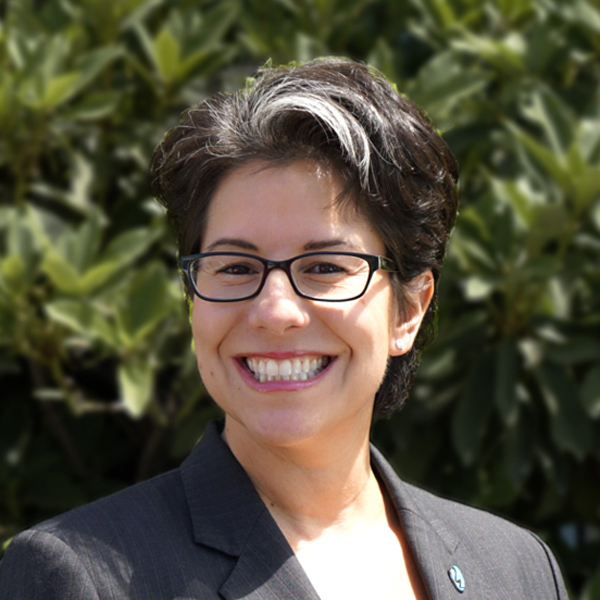
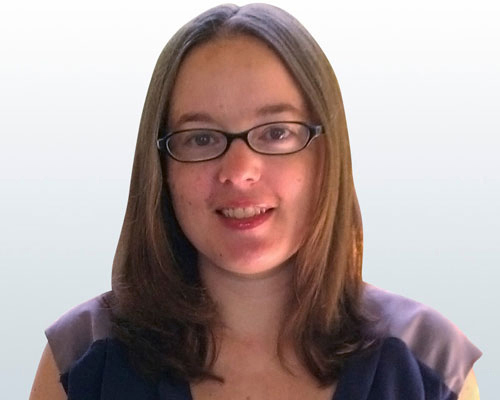
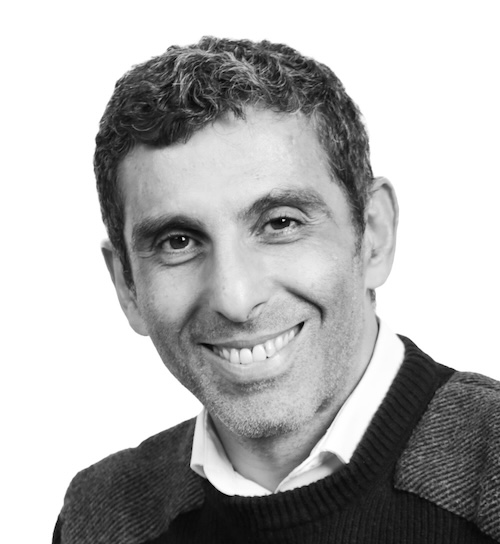
Una deBoer, director of global marketing and Strategy at WhiteWater
My workday starts by reading industry news round-ups and our google alerts to track what’s happening in our world.
Sometimes my heart sinks because I read about an accident on a ride and my empathy – as a mum – kicks in, especially if I read about injured children or parents.
It’s worse somehow when a place created for the purpose of joy suffers a tragedy. I don’t think my somewhat emotional reaction is unusual – at WhiteWater we all take our responsibility very seriously. We love that we bring families together and we know their safety is also in our hands. Each of our designers and engineers knows that keeping people safe is our number one priority, while still offering a fun, and at times thrilling, ride experience.
Keeping that balance between thrilling rides and safety should be the top of every park and manufacturer’s mind, but is it something we talk about enough as an industry? I feel safety becomes part of the industry narrative more when an accident hits the press. We need our efforts in safety to be more visible at all times, not just when there is an issue to address.
Accidents do happen and we need to be prepared. That means proactively managing risks related to rider behaviour, maintenance procedures, operational training, or design.
Safer slides by design: Waterslides are much more technical than they look. Consider that in a rollercoaster, the rider is in a restraint in a vehicle on a fixed path. For a waterslide, a rider is in vehicle that can vary in inflation, weight and water flow, and the operator relies on the behaviour of the rider to maintain the right body position. Both people and water behave dynamically so we have to be exacting in our design methodology.
WhiteWater design so that all of our rides meet geographic AHJ (Authority Having Jurisdiction) requirements – the recognised international standard – as well as our own strict internal design guidelines. This includes taking into account factors such as g-force, rider/vehicle dynamics, and the rider envelope.
Every new ride goes through an internal review process, which includes ride validation to pass tolerance criteria in order to meet our internal safety standards. This ensures the best combination of safety with fun and excitement.
“There isn’t a school that teaches a course in this, “ says chief waterslide designer, Bruce Bradley. “Experience is of supreme importance. You need that knowledge-base to properly design in the fun and avoid the risks.”
To validate that the ride works and meets our intended design for safety and fun, we test it through our proprietary simulation system. Our team developed this software internally over a decade ago and have been feeding data from the hundreds of attractions we install every year, which makes the system a valued tool with a fidelity that allows us to manufacture and install rides with confidence.
We don’t stop at the ride path. We’re also exacting in our approach to structural engineering. We insist on custom-designing every ride for its site, where we take into consideration the soil, topography, and wind/seismic/weather conditions.
For example, the waterslide tower for Royal Caribbean’s Perfect Day Island 135ft (41.1m) was designed to withstand winds of up to 180mph and shortly after opening, it survived the category five Hurricane Dorian unscathed, coming back into operation the following weekend.
Our simulation results are carefully calibrated on-site during the commissioning process. We do this to make sure the ride is performing as designed and provide guidance for adjustments that can be made by our expert installation supervisors.
This is when final water-flows are set through testing, first with surrogates and finally with riders of different weights and raft combinations. Final commissioning documentation, including the operator’s manual, is provided, with an orientation to hand the ride over to the client. This sets the stage for operators to coordinate their internal testing and any AHJ inspections, ready for public operation.
Influencing rider behaviour A focus on staff is important because they’re the safety front-line, managing a major risk you face: rider behaviour. Riders don’t always behave as requested. They don’t hold on, they don’t stay in raft positions – worst of all, they jump out. But to manage your liability, it’s important that you can prove your staff were attentive and trained to instruct riders. Good signage and entrance waivers also help make sure you’ve clearly informed riders of the expected safety behaviours.
Importance of safe surfacing People running and slipping or falling in water is the number one cause of waterpark injuries, which is why WhiteWater’s safety commitment has extended to an exclusive distribution agreement with LifeFloor – the only aquatic flooring to meet the newly launched NSF50 flooring safety standard in the US.
This foam-rubber flooring system has a rippled, textured surface that provides traction when wet and a nonabrasive impact absorbing surface if someone does fall, so kids can run and jump as they play in water.
Safety is part of our DNA Safety is a cultural factor, not a box to tick. It really matters to us at WhiteWater.
We want you to choose WhiteWater products, but most of all, we want guests to be safe, because accidents erode consumer confidence across the whole visitor attractions industry.
So, when considering new rides, please ask tough questions of your suppliers and make sure they can show clear evidence to support their safety claims; you don’t ever want to be in a position where you find out too late that they don’t.
Championing safety
Puy du Fou president Nicolas de Villiers will speak at the event
Franceen Gonzales, who leads The WhiteWater sales team in the Americas, spent 30 years operating waterparks as a pool technician, lifeguard, and manager. She’s an industry liaison and is one of the company’s safety champions.
Gonzales is currently Vice Chair of ASTM F24, serves on the IAAPA Global Safety Committee and is board president for AIMS.
“I learned many hard lessons in my operating days,” she says. “Over time I established what works when it comes to creating high-performing teams.
“Having worked for companies large and small, the best advice I can give is to keep it simple.”
1. Set standards internally, then clearly communicate safety expectations and goals to all staff, not just management
2. Resource for implementation and train the team to meet and exceed your standards
3. Measure and celebrate success – coach for improvement, ensure accountability for failure
When asked which has the most impact, Gonzales doesn’t hesitate to say staff training because it’s how you ensure a safety culture permeates an entire organisation.
“If I had to choose between people, process, or product, I’d start with people,” she says. “If they don’t see the vision or their purpose in the organisation, it doesn’t matter if you have the best process or product. Your people drive the use of the other two.”
Minimising incidents
Franceen Gonzales, who leads The WhiteWater sales team in the Americas, spent 30 years operating waterparks as a pool technician, lifeguard, and manager. She’s an industry liaison and is one of the company’s safety champions.
Gonzales is currently vice chair of ASTM F24, serves on the IAAPA Global Safety Committee and is board president for AIMS.
“I learned many hard lessons in my operating days,” she says. “Over time I established what works when it comes to creating high-performing teams.
“Having worked for companies large and small, the best advice I can give is to keep it simple.”
1. Set standards internally, then clearly communicate safety expectations and goals to all staff, not just management
2. Resource for implementation and train the team to meet and exceed your standards
3. Measure and celebrate success – coach for improvement, ensure accountability for failure
When asked which has the most impact, Gonzales doesn’t hesitate to say staff training because it’s how you ensure a safety culture permeates an entire organisation.
“If I had to choose between people, process, or product, I’d start with people,” she says. “If they don’t see the vision or their purpose in the organisation, it doesn’t matter if you have the best process or product. Your people drive the use of the other two.”
Following a strict set of safety guidelines can help to minimise any potential incidents
Read more from this issue of Spa Business magazine
Interview: Yves Pépin
A man whose spectaculars have been
witnessed by billions, Yves Pépin
speaks about his trail-blazing career
Rides: Supersonic
We take a look at some of the most
significant ride openings around the world
Preview: Rulantica Rising
Germany’s top theme park is about to
launch a €180m addition with the opening of its long-awaited second
gate. Attractions Management looks
at Rulantica and how the new
waterpark addition is taking shape
Theme Parks: Parisian Magic
Daniel Delcourt and David Wilson
share more about Disney’s €2bn
expansion of Disneyland Paris
Promotional feature: Simworx Ltd
CEO, Terry Monkton, takes
us through the development of two unique projects, from conception to creation
Waterparks: Water World
Debrecen in Hungary is gaining an iconic
new addition – a US$30.1m waterpark
Promotional feature: WhiteWater
WhiteWater’s Una deBoer tells us
how the company maintains elite safety standards
in waterparks and the steps operators can take
to improve safety across the entire industry
Operations: Disaster Management
What can be learned from the experiences
of those unfortunate operators who have
had to react when disaster strikes?
Exhibitions: World Tour
Kath Hudson looks at the potential of the
pop-up and touring exhibition market
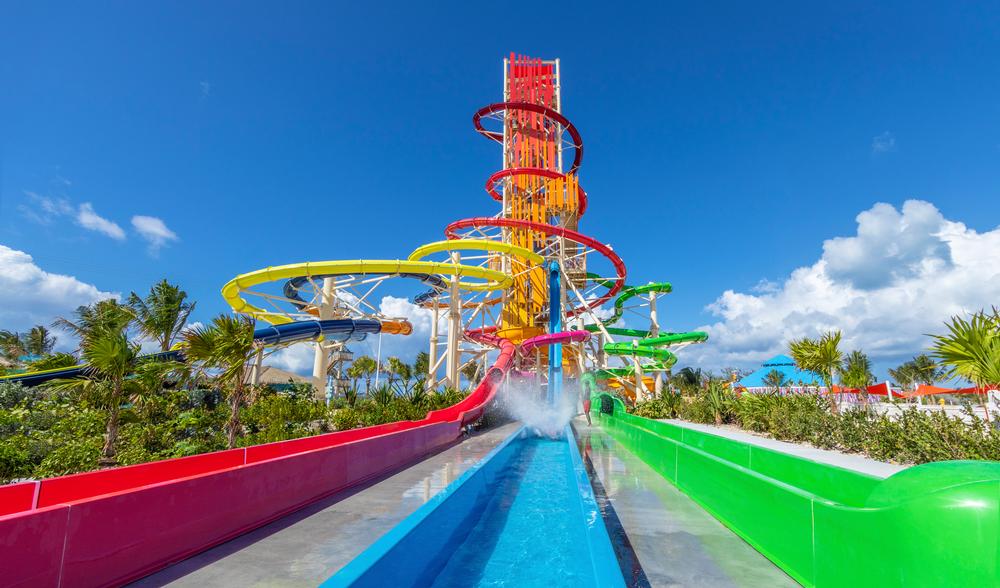
Waterslide engineering also considers topography and load, so that slides and towers are built to last whatever the environmental conditions.
The Perfect Day ride, shown here, survived Hurricane Dorian unscathed
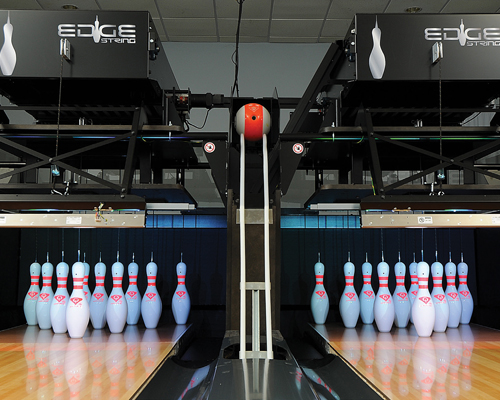
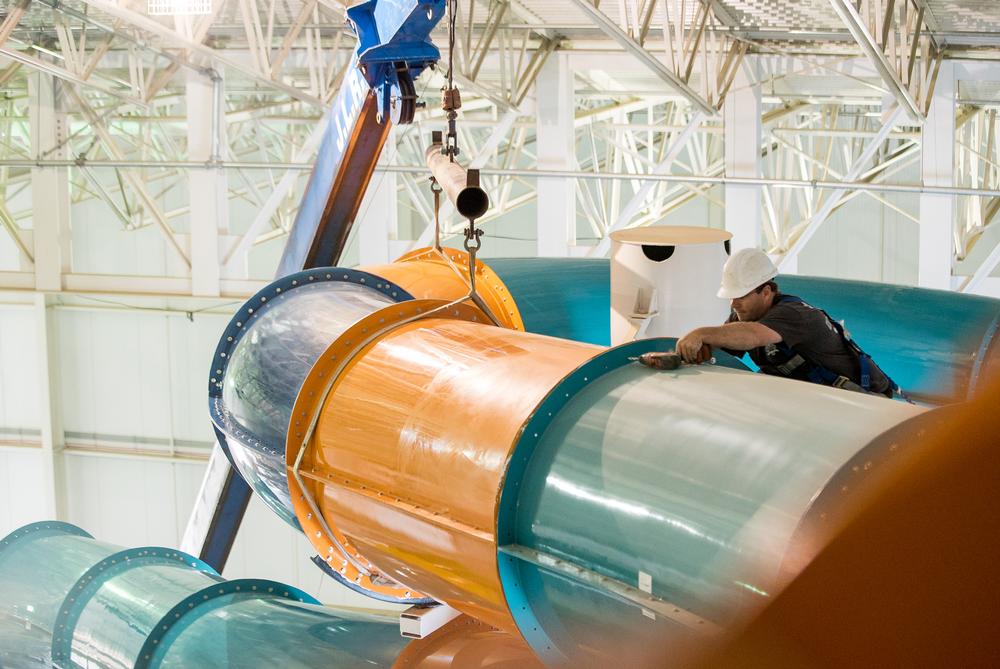
New rides go through a review process based on a set of strict guidelines
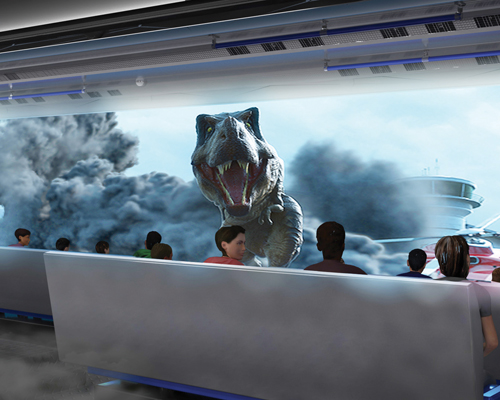
Simulation tests carried out on new slides help to ensure that riders are protected when a ride opens
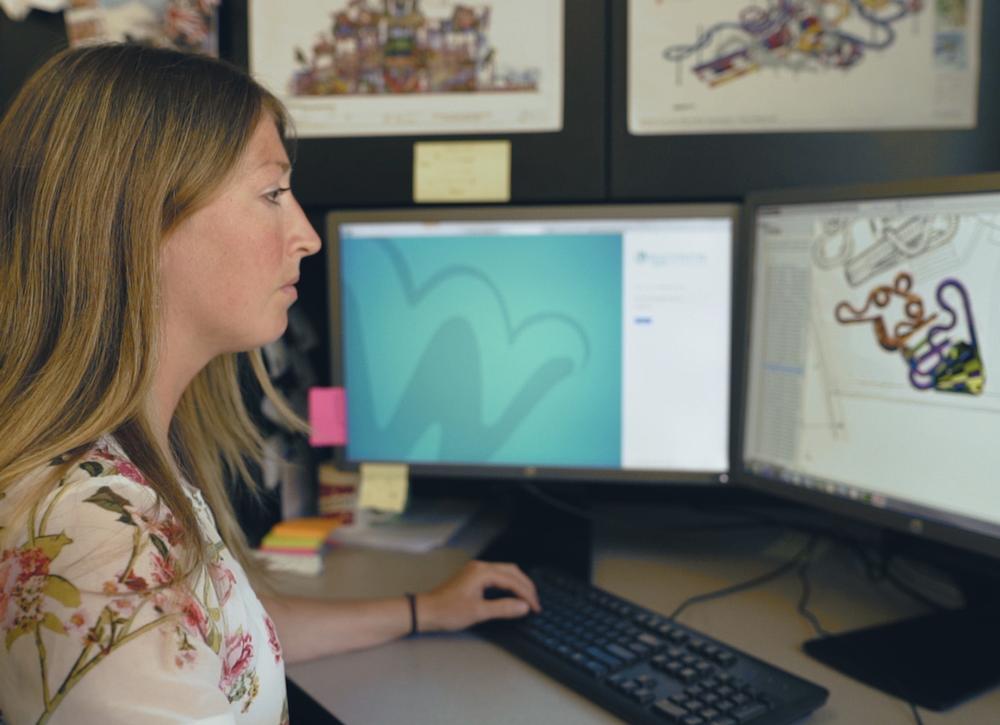
From inception to installation, all the way to opening and beyond, safety is a the heart of WhiteWater’s entire operation
Safety is the highest priority in the visitor
attractions world. WhiteWater’s Una deBoer tells us
how the company maintains elite safety standards
in waterparks and the steps operators can take
to improve safety across the entire industry
Una deBoer, director of global marketing and Strategy at WhiteWater
My workday starts by reading industry news round-ups and our google alerts to track what’s happening in our world.
Sometimes my heart sinks because I read about an accident on a ride and my empathy – as a mum – kicks in, especially if I read about injured children or parents.
It’s worse somehow when a place created for the purpose of joy suffers a tragedy. I don’t think my somewhat emotional reaction is unusual – at WhiteWater we all take our responsibility very seriously. We love that we bring families together and we know their safety is also in our hands. Each of our designers and engineers knows that keeping people safe is our number one priority, while still offering a fun, and at times thrilling, ride experience.
Keeping that balance between thrilling rides and safety should be the top of every park and manufacturer’s mind, but is it something we talk about enough as an industry? I feel safety becomes part of the industry narrative more when an accident hits the press. We need our efforts in safety to be more visible at all times, not just when there is an issue to address.
Accidents do happen and we need to be prepared. That means proactively managing risks related to rider behaviour, maintenance procedures, operational training, or design.
Safer slides by design: Waterslides are much more technical than they look. Consider that in a rollercoaster, the rider is in a restraint in a vehicle on a fixed path. For a waterslide, a rider is in vehicle that can vary in inflation, weight and water flow, and the operator relies on the behaviour of the rider to maintain the right body position. Both people and water behave dynamically so we have to be exacting in our design methodology.
WhiteWater design so that all of our rides meet geographic AHJ (Authority Having Jurisdiction) requirements – the recognised international standard – as well as our own strict internal design guidelines. This includes taking into account factors such as g-force, rider/vehicle dynamics, and the rider envelope.
Every new ride goes through an internal review process, which includes ride validation to pass tolerance criteria in order to meet our internal safety standards. This ensures the best combination of safety with fun and excitement.
“There isn’t a school that teaches a course in this, “ says chief waterslide designer, Bruce Bradley. “Experience is of supreme importance. You need that knowledge-base to properly design in the fun and avoid the risks.”
To validate that the ride works and meets our intended design for safety and fun, we test it through our proprietary simulation system. Our team developed this software internally over a decade ago and have been feeding data from the hundreds of attractions we install every year, which makes the system a valued tool with a fidelity that allows us to manufacture and install rides with confidence.
We don’t stop at the ride path. We’re also exacting in our approach to structural engineering. We insist on custom-designing every ride for its site, where we take into consideration the soil, topography, and wind/seismic/weather conditions.
For example, the waterslide tower for Royal Caribbean’s Perfect Day Island 135ft (41.1m) was designed to withstand winds of up to 180mph and shortly after opening, it survived the category five Hurricane Dorian unscathed, coming back into operation the following weekend.
Our simulation results are carefully calibrated on-site during the commissioning process. We do this to make sure the ride is performing as designed and provide guidance for adjustments that can be made by our expert installation supervisors.
This is when final water-flows are set through testing, first with surrogates and finally with riders of different weights and raft combinations. Final commissioning documentation, including the operator’s manual, is provided, with an orientation to hand the ride over to the client. This sets the stage for operators to coordinate their internal testing and any AHJ inspections, ready for public operation.
Influencing rider behaviour A focus on staff is important because they’re the safety front-line, managing a major risk you face: rider behaviour. Riders don’t always behave as requested. They don’t hold on, they don’t stay in raft positions – worst of all, they jump out. But to manage your liability, it’s important that you can prove your staff were attentive and trained to instruct riders. Good signage and entrance waivers also help make sure you’ve clearly informed riders of the expected safety behaviours.
Importance of safe surfacing People running and slipping or falling in water is the number one cause of waterpark injuries, which is why WhiteWater’s safety commitment has extended to an exclusive distribution agreement with LifeFloor – the only aquatic flooring to meet the newly launched NSF50 flooring safety standard in the US.
This foam-rubber flooring system has a rippled, textured surface that provides traction when wet and a nonabrasive impact absorbing surface if someone does fall, so kids can run and jump as they play in water.
Safety is part of our DNA Safety is a cultural factor, not a box to tick. It really matters to us at WhiteWater.
We want you to choose WhiteWater products, but most of all, we want guests to be safe, because accidents erode consumer confidence across the whole visitor attractions industry.
So, when considering new rides, please ask tough questions of your suppliers and make sure they can show clear evidence to support their safety claims; you don’t ever want to be in a position where you find out too late that they don’t.
Championing safety
Puy du Fou president Nicolas de Villiers will speak at the event
Franceen Gonzales, who leads The WhiteWater sales team in the Americas, spent 30 years operating waterparks as a pool technician, lifeguard, and manager. She’s an industry liaison and is one of the company’s safety champions.
Gonzales is currently Vice Chair of ASTM F24, serves on the IAAPA Global Safety Committee and is board president for AIMS.
“I learned many hard lessons in my operating days,” she says. “Over time I established what works when it comes to creating high-performing teams.
“Having worked for companies large and small, the best advice I can give is to keep it simple.”
1. Set standards internally, then clearly communicate safety expectations and goals to all staff, not just management
2. Resource for implementation and train the team to meet and exceed your standards
3. Measure and celebrate success – coach for improvement, ensure accountability for failure
When asked which has the most impact, Gonzales doesn’t hesitate to say staff training because it’s how you ensure a safety culture permeates an entire organisation.
“If I had to choose between people, process, or product, I’d start with people,” she says. “If they don’t see the vision or their purpose in the organisation, it doesn’t matter if you have the best process or product. Your people drive the use of the other two.”
Minimising incidents
Franceen Gonzales, who leads The WhiteWater sales team in the Americas, spent 30 years operating waterparks as a pool technician, lifeguard, and manager. She’s an industry liaison and is one of the company’s safety champions.
Gonzales is currently vice chair of ASTM F24, serves on the IAAPA Global Safety Committee and is board president for AIMS.
“I learned many hard lessons in my operating days,” she says. “Over time I established what works when it comes to creating high-performing teams.
“Having worked for companies large and small, the best advice I can give is to keep it simple.”
1. Set standards internally, then clearly communicate safety expectations and goals to all staff, not just management
2. Resource for implementation and train the team to meet and exceed your standards
3. Measure and celebrate success – coach for improvement, ensure accountability for failure
When asked which has the most impact, Gonzales doesn’t hesitate to say staff training because it’s how you ensure a safety culture permeates an entire organisation.
“If I had to choose between people, process, or product, I’d start with people,” she says. “If they don’t see the vision or their purpose in the organisation, it doesn’t matter if you have the best process or product. Your people drive the use of the other two.”
Following a strict set of safety guidelines can help to minimise any potential incidents
Read more from this issue of Spa Business magazine
Interview: Yves Pépin
A man whose spectaculars have been
witnessed by billions, Yves Pépin
speaks about his trail-blazing career
Rides: Supersonic
We take a look at some of the most
significant ride openings around the world
Preview: Rulantica Rising
Germany’s top theme park is about to
launch a €180m addition with the opening of its long-awaited second
gate. Attractions Management looks
at Rulantica and how the new
waterpark addition is taking shape
Theme Parks: Parisian Magic
Daniel Delcourt and David Wilson
share more about Disney’s €2bn
expansion of Disneyland Paris
Promotional feature: Simworx Ltd
CEO, Terry Monkton, takes
us through the development of two unique projects, from conception to creation
Waterparks: Water World
Debrecen in Hungary is gaining an iconic
new addition – a US$30.1m waterpark
Promotional feature: WhiteWater
WhiteWater’s Una deBoer tells us
how the company maintains elite safety standards
in waterparks and the steps operators can take
to improve safety across the entire industry
Operations: Disaster Management
What can be learned from the experiences
of those unfortunate operators who have
had to react when disaster strikes?
Exhibitions: World Tour
Kath Hudson looks at the potential of the
pop-up and touring exhibition market
Waterslide engineering also considers topography and load, so that slides and towers are built to last whatever the environmental conditions.
The Perfect Day ride, shown here, survived Hurricane Dorian unscathed
New rides go through a review process based on a set of strict guidelines
Simulation tests carried out on new slides help to ensure that riders are protected when a ride opens
From inception to installation, all the way to opening and beyond, safety is a the heart of WhiteWater’s entire operation
Premium London health club, KX Chelsea, will imminently unveil its most significant
redevelopment since its launch in 2002 to create an integrated wellness model combining
training, recovery and relaxation.
Rosewood Le Guanahani St Barth, on the northeast coast of Saint Barthélemy in the French
West Indies, is offering a programme of ocean-inspired yoga classes between 8-14 June to
celebrate Global Wellness Day (GWD).
Hotel de France, located on the British Isle of Jersey, has created a wellness retreat package
that includes a hot yoga session that will take place in Jersey Zoo’s butterfly sanctuary.
The Ritz-Carlton, Langkawi, in Malaysia, has revealed a schedule for Global Wellness Day
(GWD) that includes guided rainforest walks, mindful movement and guided coastal meditation
experiences.
Longevitix, a clinical platform for preventive and longevity medicine, has launched its AI-
powered intelligence system to help physicians deliver continuous, personalised longevity-
focused care at scale.
Atmantan Wellness Centre, an integrative wellness destination in Mulshi, near Pune in India, is
expanding its portfolio by adding a new centre in Hyderabad that will launch between 2028 and
2029.
A recent survey by the UK Spa Association (UKSA) into the industry’s approach to cancer care
has revealed that almost half of participating respondents (46 per cent) are unaware that
cancer is a disability and guests with a cancer diagnosis must be given
Mexican operator, Solmar Hotels and Resorts, is hosting a series of events in celebration of
Global Wellness Day, including a Temazcal ceremony at its Playa Grande Resort and Spa in Los
Cabos.
Mandarin Oriental has announced a standalone residence brand, Mansions, which will debut at
Emirates Palace, Mandarin Oriental Mansions, Abu Dhabi, in 2029.