The attractions industry is all about enriching lives and giving its audience smiles
and treasured memories, but very occasionally mother nature intervenes or something
goes horribly wrong. Kath Hudson looks at what can be learned from the experiences
of those unfortunate operators who have had to react when disaster strikes...
By Kath Hudson | Published in Attractions Management 2019 issue 4
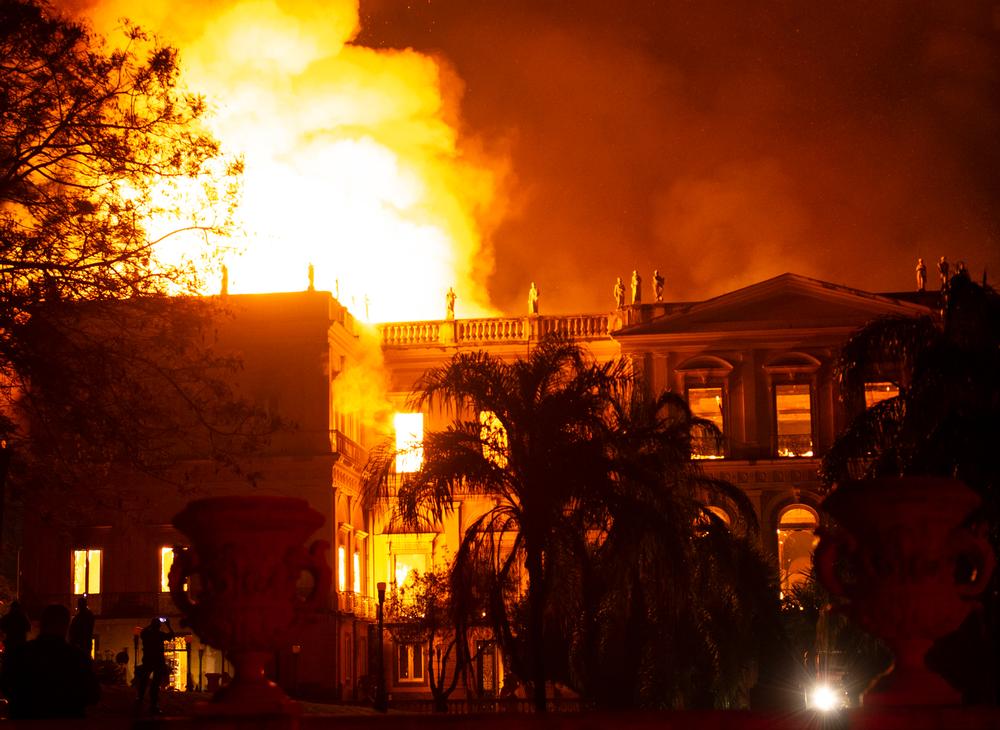
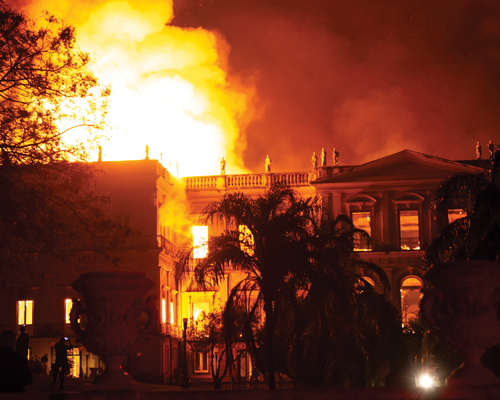
A huge fire ripped through Brazil’s Museu Nacional in September last year
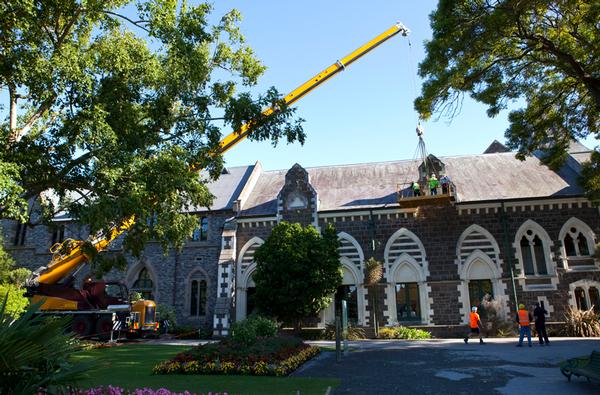
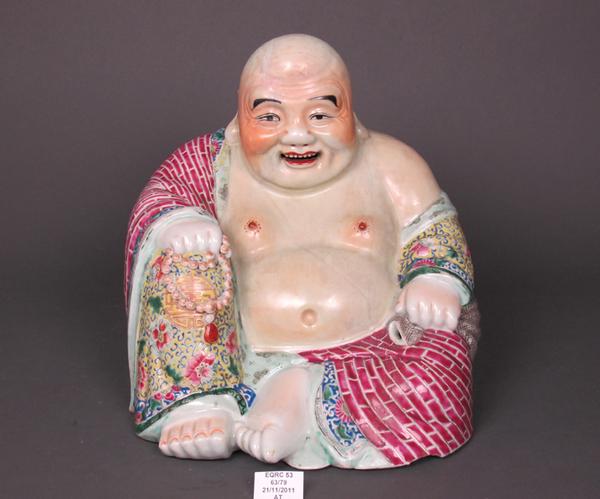
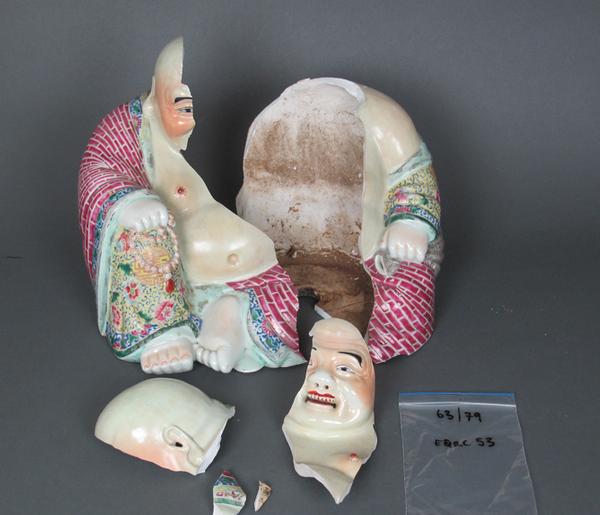
In February 2011, a 6.3 magnitude earthquake hit the centre of Christchurch in New Zealand, leading to the loss of 185 lives and interrupting power, water and sewage amenities for weeks. Canterbury Museum was in the epicentre and has been contending with the fallout ever since.
“We always knew a major earthquake could happen, without ever believing that it actually would,” says Lesley Colsell, strategic projects advisor at Canterbury Museum. “The event itself was terrifying – all the lights went out and the power went off. The evacuation went well, with no one hurt and the staff staying in their positions to guide people out. The ground was rolling when we went outside.”
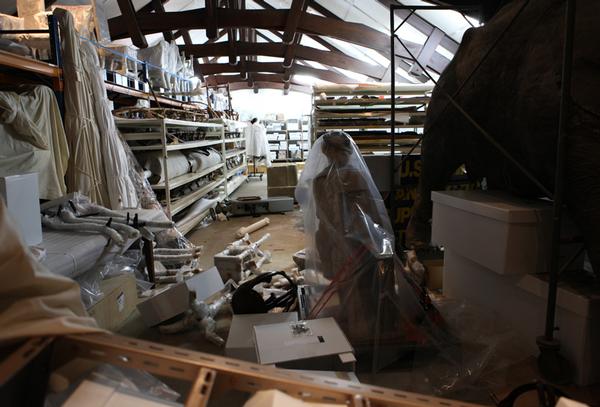
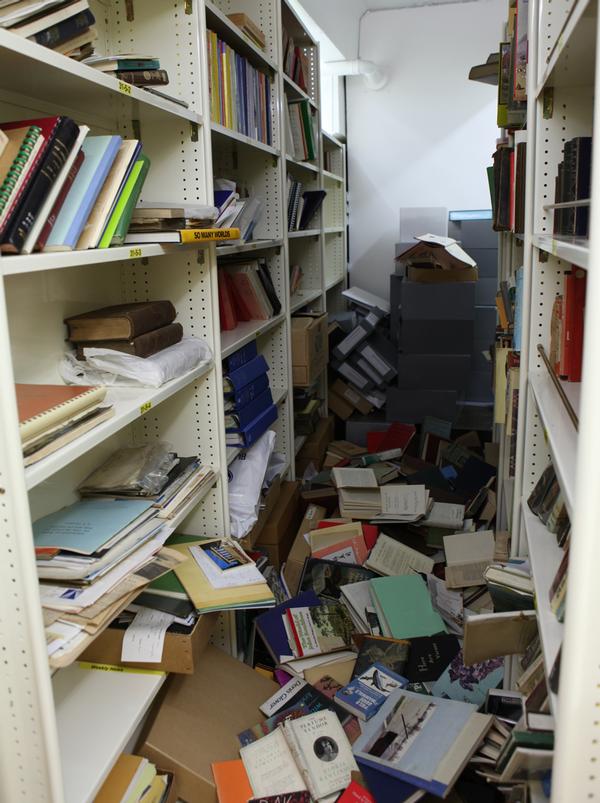
Since the museum underwent earthquake strengthening in the 1990s, it was much more resilient than other buildings of its age and managed to stay intact. Luckily the water pipes didn’t rupture, so there was no water damage to contend with. Out of its 2.3 million objects, 92,000 were damaged of which 73,000 were acetate negatives. Luckily two important exhibitions which were at the museum at the time – one from Buckingham Palace and the touring exhibition, Scott of the Antarctic – were both unharmed.
But the repercussions of the earthquake have caused years of problems. Colsell says it’s only now that they are finally getting back to business as usual after a protracted insurance claim, which wasn’t settled until 2018.
Dealing with trauma “The aftershocks went on for a couple of years and were almost as bad as the quake and terrible for your mental health,” says Colsell. “Lots of people didn’t feel safe living in Christchurch, or had lost their homes, and so moved away. Businesses had to relocate because the centre was cordoned off and visitors didn’t want to come in to the city.
“Every time there was an after shock we had to have structural engineers in to see if the building was safe. Before the earthquake we were a very successful museum with rising visitor numbers, afterwards they went right down and suffered for a long time. It only feels like we are now getting back to business properly.”
It was six weeks until access to the museum was permitted and then only the senior management team went in to start planning and fix collections, so that no further damage could be done by the aftershocks. Everyone was very tired, so staff were only asked to come in for short periods of time and for specific tasks.
“You can’t overestimate the impact that an event like this has on staff,” says Colsell. “They all care deeply about the museum and its collections, but were also having to deal with devastation at home. No one had running water for weeks, so were having to use chemical toilets in the streets. Lots of people camped, or lived in broken houses for years.”
With hindsight, Colsell says she wishes the team had sat down with the insurance company at the outset to agree on a strategy, as no one had ever dealt with a claim like this before.
Calling on the professional network Brazil’s oldest and most important historical and scientific museum, Museu Nacional in Rio de Janeiro, suffered a catastrophic fire in September 2018, destroying the majority of its two million artefacts. An old building, containing lots of wood and flammable materials, it burned quickly and, to make matters worse, the firefighters didn’t have enough water because two hydrants were dry.
The museum’s vice director, Luiz Duarte, said: “It is an unbearable catastrophe. It’s 200 years of this country’s heritage. It is 200 years of memory. It is 200 years of science. It is 200 years of culture, of education.”
Duarte blamed the government for failing to support the museum, which had fallen into a state of disrepair. In what he describes as a terrible irony, the museum had only just closed a deal with the government’s development bank for funds, which included a fire prevention project.
It was a huge loss for Brazil and all the museum can do is move on, with plans in place to rebuild the historic structure. The international museum community is providing help and expertise to safeguard salvaged specimens and digitise collections. The Museu Nacional and the Natural History Museum in London have signed a memorandum of understanding for future collaboration, which will lead to workshops and shared expert knowledge.
Sir Michael Dixon, director of the Natural History Museum, was part of an expert team which travelled to Rio de Janeiro in August. In the light of this incident, he says it’s important for the museum community to collaborate: “The fire at Brazil’s National Museum was not only a tragedy for the global museum community but for anyone who loves the natural world.
“We’re making this declaration of support to one of our international counterparts, because we understand the global necessity of these collections to further advance our scientific knowledge of the planet we live on and to help humanity make better decisions now and for the future.”
Make preparations Managing director of Zen Communications, Felicity Wingrove, is a crisis management expert and says that while the public understand life is unpredictable, it is essential for operators to demonstrate that they have been as robust and prepared as possible against any eventuality, whether that be a natural disaster or an accident.
“Art galleries and museums are custodians of irreplaceable works of art and there is no excuse for not ensuring they are fully protected,” she says. “Everyone understands there can be acts of God, but even with this there should be an element of preparedness, making sure that everything possible is done in advance to limit damage.”
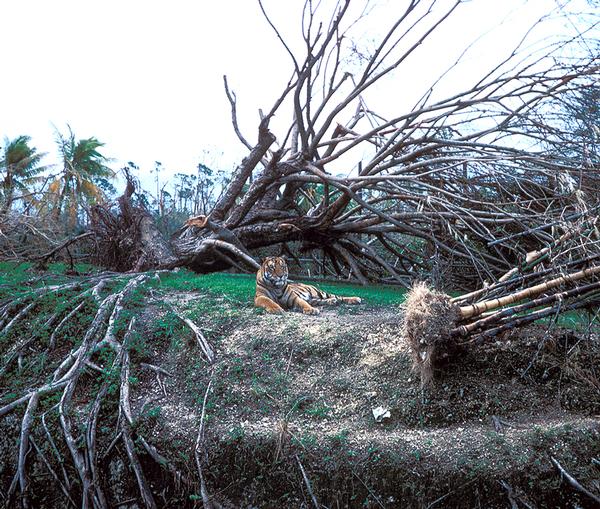
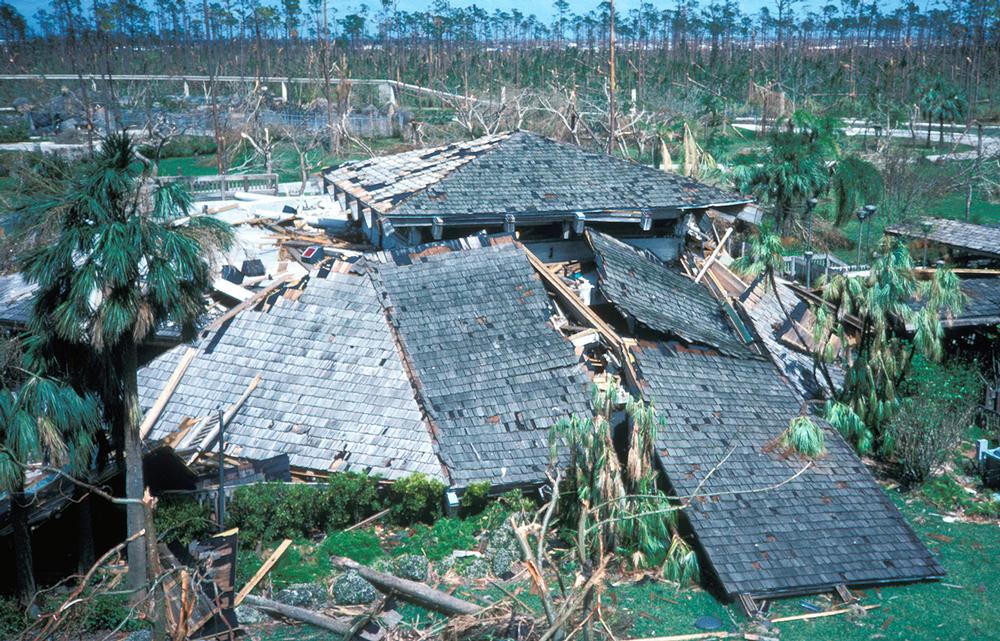
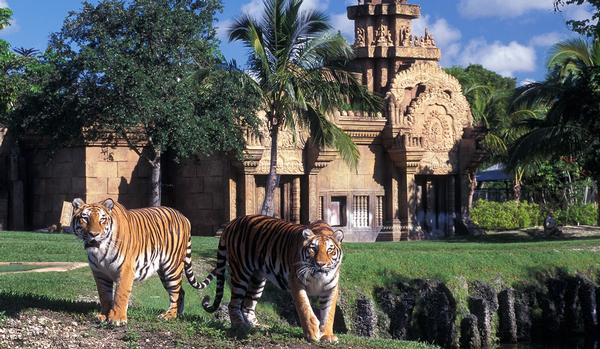
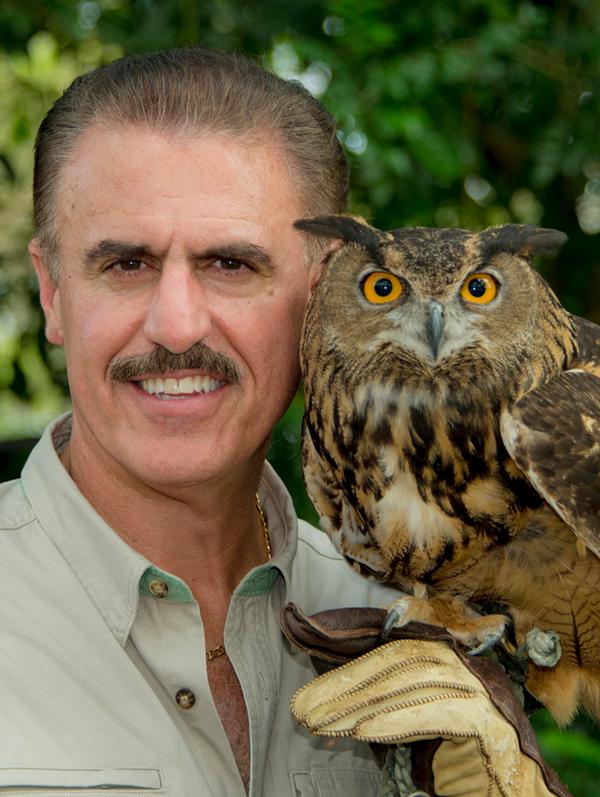
Having had to endure a number of devastating hurricanes, Zoo Miami has expertly honed its hurricane protocol. “At the beginning of hurricane season, trees are trimmed and other landscaping done to minimise damage which could be caused from debris,” says zoo spokesperson, Ron Magill.
“Extra quantities of medications are also ordered and once a hurricane watch is issued, extra food is ordered and stored in secure facilities. All back up generators are tested and topped off with fuel and fuel storage units are filled to capacity. Any tarps and signs which could be dislodged are taken down and loose items, like wheelbarrows and rakes are secured.”
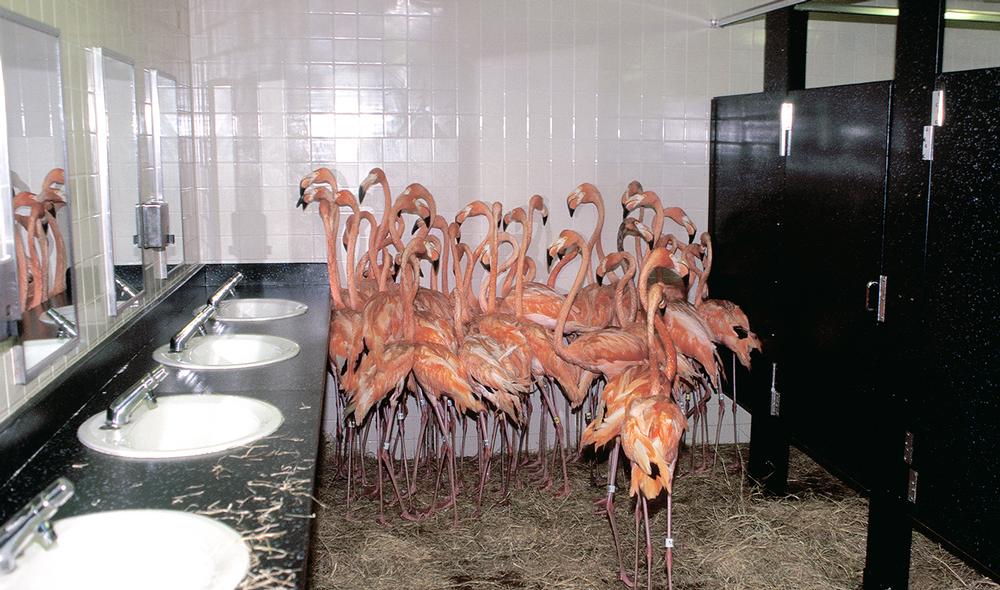
Animals are not evacuated, as this could cause further stress and as hurricanes can change direction, could put them in further danger. So birds and smaller animals are removed from open habitats and placed in secure holding within reinforced structures on zoo property.
Refrigeration trucks are reserved in case the storm destroys refrigeration units. “These mobile refrigeration trucks proved to be some of the most valuable pieces of equipment following Hurricane Andrew, as they provided a means to store food and ice for both animals and staff during a very hot and humid time,” says Magill.
Arrangements are also made with other zoos for a post-storm evacuation should the damage be substantial enough to reduce the zoo’s ability to safely maintain any animals. Careful communication
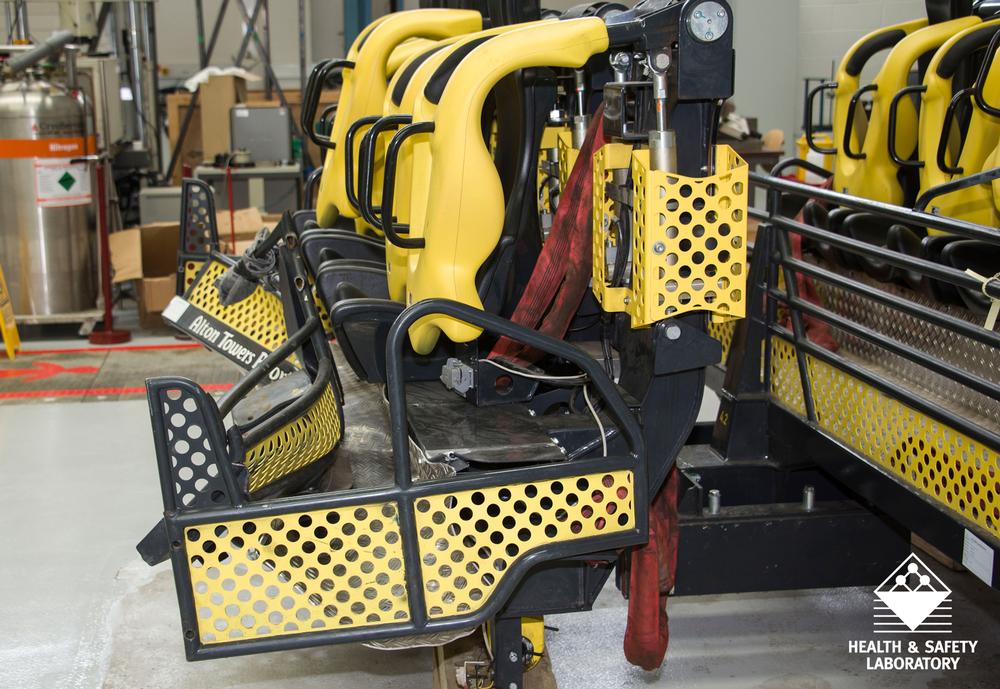
In extreme cases, things can go badly wrong and people get hurt. Alton Towers faced the worst case scenario in 2015 when there was a collision on the tracks of The Smiler ride. Four people suffered major injuries, and two young women had to have lower leg amputations.
A horrendous situation which could have been catastrophic for the park and Merlin Entertainments, it was handled so well that negative publicity was minimised. Merlin chief executive, Nick Varney, came across as very human in his response: “From the beginning, the company has accepted full responsibility for the terrible accident at Alton Towers and has made sincere and heartfelt apologies to those who were injured,” he said.
“Alton Towers – and indeed the wider Merlin Group – are not emotionless corporate entities. They are made up of human beings who care passionately about what they do. In this context, the far greater punishment for all of us is knowing that on this occasion we let people down with devastating consequences. It’s something we will never forget and it is something we are utterly determined will never be repeated.”
According to Wingrove, Merlin Entertainments’ response was lauded across the PR industry as being textbook: “They did so much that was right: coming across as human and personable, demonstrating remorse, making it clear that the human element was the real issue and not the share price, they freely gave financial support to the victims, they used the right language and responded in a timely fashion, taking responsibility.”
In these cases, Wingrove says it is vital for the head of the business to take responsibility, show genuine regret and that lessons have been learned: “Operators need to show trust, responsibility, transparency and respond in a timely manner, with a reassuring tone. The language used is crucial.”
Always forward Can something positive come out of a disaster? The answer is, sometimes, yes. A disaster can lead to a review of the vulnerabilities, tighten up operations and ensure that such an incident won’t happen again. The best case scenario is for this to be done in advance, but not all eventualities can be predicted.
Canterbury Museum has dealt with years of hardship, but Colsell says that one positive to come out of the earthquake was the city was littered with artefacts which were gathered for a new branch of the museum, telling the story of the earthquake. Quake City displays the cathedral spire, as well as exhibits like a car door, and a chemical toilet, which were ubiquitous at the time.
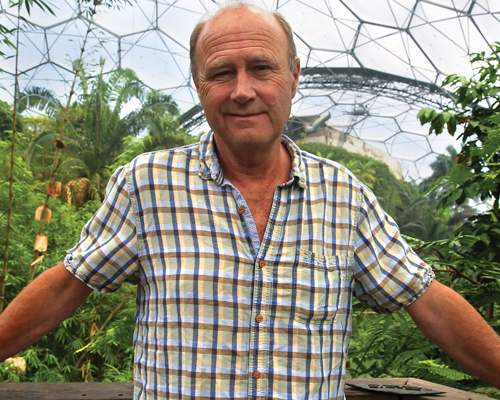
The solidarity shown by people to put things right can also be heartwarming. The Eden Project, in Cornwall, suffered millions of pounds of damage and lost revenue when it flooded in November 2010, but its director, Tim Smit, found a silver lining: “It’s really odd that after a week you can look at something that was damned awful and almost look at it as if it’s a good thing. Yes, it did a lot of damage. But it was also just so exciting to see the Eden team kicking into action and determined to be open as quickly as possible. They worked 24/7.”
Read more from this issue of Spa Business magazine
Interview: Yves Pépin
A man whose spectaculars have been
witnessed by billions, Yves Pépin
speaks about his trail-blazing career
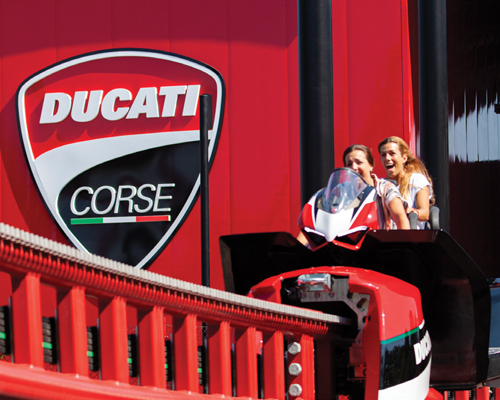
Rides: Supersonic
We take a look at some of the most
significant ride openings around the world
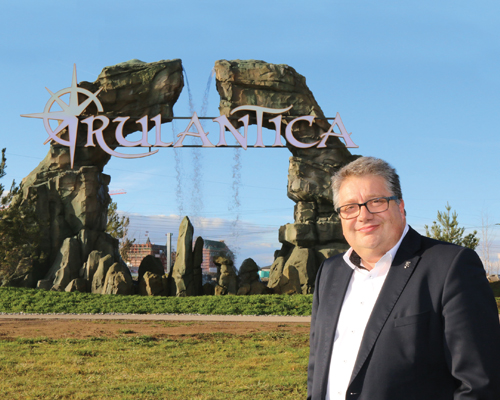
Preview: Rulantica Rising
Germany’s top theme park is about to
launch a €180m addition with the opening of its long-awaited second
gate. Attractions Management looks
at Rulantica and how the new
waterpark addition is taking shape
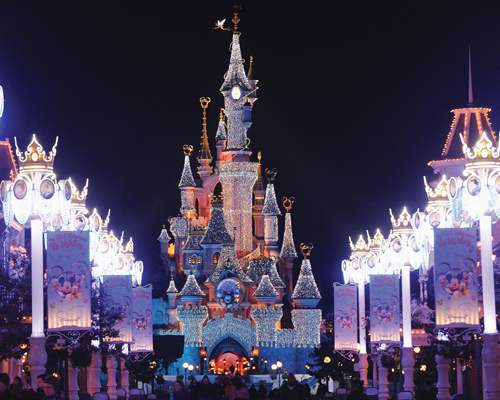
Theme Parks: Parisian Magic
Daniel Delcourt and David Wilson
share more about Disney’s €2bn
expansion of Disneyland Paris
Promotional feature: Simworx Ltd
CEO, Terry Monkton, takes
us through the development of two unique projects, from conception to creation
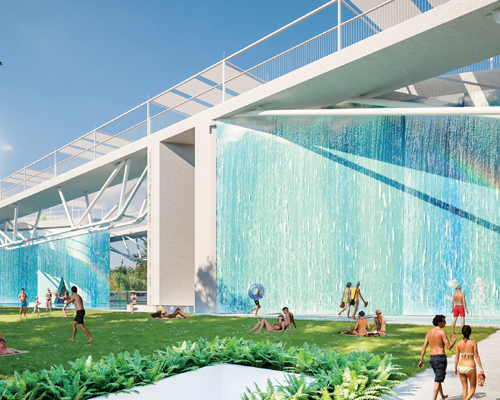
Waterparks: Water World
Debrecen in Hungary is gaining an iconic
new addition – a US$30.1m waterpark
Promotional feature: WhiteWater
WhiteWater’s Una deBoer tells us
how the company maintains elite safety standards
in waterparks and the steps operators can take
to improve safety across the entire industry
Operations: Disaster Management
What can be learned from the experiences
of those unfortunate operators who have
had to react when disaster strikes?
Exhibitions: World Tour
Kath Hudson looks at the potential of the
pop-up and touring exhibition market
In the fast-paced world of fitness and wellness, where high-intensity workouts push us to
our limits and the sweat pours, the importance of efficient recovery cannot be overstated. [more...]
The attractions industry is all about enriching lives and giving its audience smiles
and treasured memories, but very occasionally mother nature intervenes or something
goes horribly wrong. Kath Hudson looks at what can be learned from the experiences
of those unfortunate operators who have had to react when disaster strikes...
By Kath Hudson | Published in Attractions Management 2019 issue 4
A huge fire ripped through Brazil’s Museu Nacional in September last year
In February 2011, a 6.3 magnitude earthquake hit the centre of Christchurch in New Zealand, leading to the loss of 185 lives and interrupting power, water and sewage amenities for weeks. Canterbury Museum was in the epicentre and has been contending with the fallout ever since.
“We always knew a major earthquake could happen, without ever believing that it actually would,” says Lesley Colsell, strategic projects advisor at Canterbury Museum. “The event itself was terrifying – all the lights went out and the power went off. The evacuation went well, with no one hurt and the staff staying in their positions to guide people out. The ground was rolling when we went outside.”
Since the museum underwent earthquake strengthening in the 1990s, it was much more resilient than other buildings of its age and managed to stay intact. Luckily the water pipes didn’t rupture, so there was no water damage to contend with. Out of its 2.3 million objects, 92,000 were damaged of which 73,000 were acetate negatives. Luckily two important exhibitions which were at the museum at the time – one from Buckingham Palace and the touring exhibition, Scott of the Antarctic – were both unharmed.
But the repercussions of the earthquake have caused years of problems. Colsell says it’s only now that they are finally getting back to business as usual after a protracted insurance claim, which wasn’t settled until 2018.
Dealing with trauma “The aftershocks went on for a couple of years and were almost as bad as the quake and terrible for your mental health,” says Colsell. “Lots of people didn’t feel safe living in Christchurch, or had lost their homes, and so moved away. Businesses had to relocate because the centre was cordoned off and visitors didn’t want to come in to the city.
“Every time there was an after shock we had to have structural engineers in to see if the building was safe. Before the earthquake we were a very successful museum with rising visitor numbers, afterwards they went right down and suffered for a long time. It only feels like we are now getting back to business properly.”
It was six weeks until access to the museum was permitted and then only the senior management team went in to start planning and fix collections, so that no further damage could be done by the aftershocks. Everyone was very tired, so staff were only asked to come in for short periods of time and for specific tasks.
“You can’t overestimate the impact that an event like this has on staff,” says Colsell. “They all care deeply about the museum and its collections, but were also having to deal with devastation at home. No one had running water for weeks, so were having to use chemical toilets in the streets. Lots of people camped, or lived in broken houses for years.”
With hindsight, Colsell says she wishes the team had sat down with the insurance company at the outset to agree on a strategy, as no one had ever dealt with a claim like this before.
Calling on the professional network Brazil’s oldest and most important historical and scientific museum, Museu Nacional in Rio de Janeiro, suffered a catastrophic fire in September 2018, destroying the majority of its two million artefacts. An old building, containing lots of wood and flammable materials, it burned quickly and, to make matters worse, the firefighters didn’t have enough water because two hydrants were dry.
The museum’s vice director, Luiz Duarte, said: “It is an unbearable catastrophe. It’s 200 years of this country’s heritage. It is 200 years of memory. It is 200 years of science. It is 200 years of culture, of education.”
Duarte blamed the government for failing to support the museum, which had fallen into a state of disrepair. In what he describes as a terrible irony, the museum had only just closed a deal with the government’s development bank for funds, which included a fire prevention project.
It was a huge loss for Brazil and all the museum can do is move on, with plans in place to rebuild the historic structure. The international museum community is providing help and expertise to safeguard salvaged specimens and digitise collections. The Museu Nacional and the Natural History Museum in London have signed a memorandum of understanding for future collaboration, which will lead to workshops and shared expert knowledge.
Sir Michael Dixon, director of the Natural History Museum, was part of an expert team which travelled to Rio de Janeiro in August. In the light of this incident, he says it’s important for the museum community to collaborate: “The fire at Brazil’s National Museum was not only a tragedy for the global museum community but for anyone who loves the natural world.
“We’re making this declaration of support to one of our international counterparts, because we understand the global necessity of these collections to further advance our scientific knowledge of the planet we live on and to help humanity make better decisions now and for the future.”
Make preparations Managing director of Zen Communications, Felicity Wingrove, is a crisis management expert and says that while the public understand life is unpredictable, it is essential for operators to demonstrate that they have been as robust and prepared as possible against any eventuality, whether that be a natural disaster or an accident.
“Art galleries and museums are custodians of irreplaceable works of art and there is no excuse for not ensuring they are fully protected,” she says. “Everyone understands there can be acts of God, but even with this there should be an element of preparedness, making sure that everything possible is done in advance to limit damage.”
Having had to endure a number of devastating hurricanes, Zoo Miami has expertly honed its hurricane protocol. “At the beginning of hurricane season, trees are trimmed and other landscaping done to minimise damage which could be caused from debris,” says zoo spokesperson, Ron Magill.
“Extra quantities of medications are also ordered and once a hurricane watch is issued, extra food is ordered and stored in secure facilities. All back up generators are tested and topped off with fuel and fuel storage units are filled to capacity. Any tarps and signs which could be dislodged are taken down and loose items, like wheelbarrows and rakes are secured.”
Animals are not evacuated, as this could cause further stress and as hurricanes can change direction, could put them in further danger. So birds and smaller animals are removed from open habitats and placed in secure holding within reinforced structures on zoo property.
Refrigeration trucks are reserved in case the storm destroys refrigeration units. “These mobile refrigeration trucks proved to be some of the most valuable pieces of equipment following Hurricane Andrew, as they provided a means to store food and ice for both animals and staff during a very hot and humid time,” says Magill.
Arrangements are also made with other zoos for a post-storm evacuation should the damage be substantial enough to reduce the zoo’s ability to safely maintain any animals. Careful communication
In extreme cases, things can go badly wrong and people get hurt. Alton Towers faced the worst case scenario in 2015 when there was a collision on the tracks of The Smiler ride. Four people suffered major injuries, and two young women had to have lower leg amputations.
A horrendous situation which could have been catastrophic for the park and Merlin Entertainments, it was handled so well that negative publicity was minimised. Merlin chief executive, Nick Varney, came across as very human in his response: “From the beginning, the company has accepted full responsibility for the terrible accident at Alton Towers and has made sincere and heartfelt apologies to those who were injured,” he said.
“Alton Towers – and indeed the wider Merlin Group – are not emotionless corporate entities. They are made up of human beings who care passionately about what they do. In this context, the far greater punishment for all of us is knowing that on this occasion we let people down with devastating consequences. It’s something we will never forget and it is something we are utterly determined will never be repeated.”
According to Wingrove, Merlin Entertainments’ response was lauded across the PR industry as being textbook: “They did so much that was right: coming across as human and personable, demonstrating remorse, making it clear that the human element was the real issue and not the share price, they freely gave financial support to the victims, they used the right language and responded in a timely fashion, taking responsibility.”
In these cases, Wingrove says it is vital for the head of the business to take responsibility, show genuine regret and that lessons have been learned: “Operators need to show trust, responsibility, transparency and respond in a timely manner, with a reassuring tone. The language used is crucial.”
Always forward Can something positive come out of a disaster? The answer is, sometimes, yes. A disaster can lead to a review of the vulnerabilities, tighten up operations and ensure that such an incident won’t happen again. The best case scenario is for this to be done in advance, but not all eventualities can be predicted.
Canterbury Museum has dealt with years of hardship, but Colsell says that one positive to come out of the earthquake was the city was littered with artefacts which were gathered for a new branch of the museum, telling the story of the earthquake. Quake City displays the cathedral spire, as well as exhibits like a car door, and a chemical toilet, which were ubiquitous at the time.
The solidarity shown by people to put things right can also be heartwarming. The Eden Project, in Cornwall, suffered millions of pounds of damage and lost revenue when it flooded in November 2010, but its director, Tim Smit, found a silver lining: “It’s really odd that after a week you can look at something that was damned awful and almost look at it as if it’s a good thing. Yes, it did a lot of damage. But it was also just so exciting to see the Eden team kicking into action and determined to be open as quickly as possible. They worked 24/7.”
Read more from this issue of Spa Business magazine
Interview: Yves Pépin
A man whose spectaculars have been
witnessed by billions, Yves Pépin
speaks about his trail-blazing career
Rides: Supersonic
We take a look at some of the most
significant ride openings around the world
Preview: Rulantica Rising
Germany’s top theme park is about to
launch a €180m addition with the opening of its long-awaited second
gate. Attractions Management looks
at Rulantica and how the new
waterpark addition is taking shape
Theme Parks: Parisian Magic
Daniel Delcourt and David Wilson
share more about Disney’s €2bn
expansion of Disneyland Paris
Promotional feature: Simworx Ltd
CEO, Terry Monkton, takes
us through the development of two unique projects, from conception to creation
Waterparks: Water World
Debrecen in Hungary is gaining an iconic
new addition – a US$30.1m waterpark
Promotional feature: WhiteWater
WhiteWater’s Una deBoer tells us
how the company maintains elite safety standards
in waterparks and the steps operators can take
to improve safety across the entire industry
Operations: Disaster Management
What can be learned from the experiences
of those unfortunate operators who have
had to react when disaster strikes?
Exhibitions: World Tour
Kath Hudson looks at the potential of the
pop-up and touring exhibition market
Premium London health club, KX Chelsea, will imminently unveil its most significant
redevelopment since its launch in 2002 to create an integrated wellness model combining
training, recovery and relaxation.
Rosewood Le Guanahani St Barth, on the northeast coast of Saint Barthélemy in the French
West Indies, is offering a programme of ocean-inspired yoga classes between 8-14 June to
celebrate Global Wellness Day (GWD).
Hotel de France, located on the British Isle of Jersey, has created a wellness retreat package
that includes a hot yoga session that will take place in Jersey Zoo’s butterfly sanctuary.
The Ritz-Carlton, Langkawi, in Malaysia, has revealed a schedule for Global Wellness Day
(GWD) that includes guided rainforest walks, mindful movement and guided coastal meditation
experiences.
Longevitix, a clinical platform for preventive and longevity medicine, has launched its AI-
powered intelligence system to help physicians deliver continuous, personalised longevity-
focused care at scale.
Atmantan Wellness Centre, an integrative wellness destination in Mulshi, near Pune in India, is
expanding its portfolio by adding a new centre in Hyderabad that will launch between 2028 and
2029.
A recent survey by the UK Spa Association (UKSA) into the industry’s approach to cancer care
has revealed that almost half of participating respondents (46 per cent) are unaware that
cancer is a disability and guests with a cancer diagnosis must be given
Mexican operator, Solmar Hotels and Resorts, is hosting a series of events in celebration of
Global Wellness Day, including a Temazcal ceremony at its Playa Grande Resort and Spa in Los
Cabos.
Mandarin Oriental has announced a standalone residence brand, Mansions, which will debut at
Emirates Palace, Mandarin Oriental Mansions, Abu Dhabi, in 2029.
In the fast-paced world of fitness and wellness, where high-intensity workouts push us to
our limits and the sweat pours, the importance of efficient recovery cannot be overstated. [more...]