Yes! Send me the FREE digital editions of Spa Business and Spa Business insider magazines and the FREE weekly Spa Business and Spa Business insider ezines and breaking news alerts!
Spa and wellness leaders from 75 countries have participated in Global Wellness Collaboration calls to give insights into their businesses, thoughts, ideas and innovations in the wake of COVID-19. Cassandra Cavanah reports on the highlights
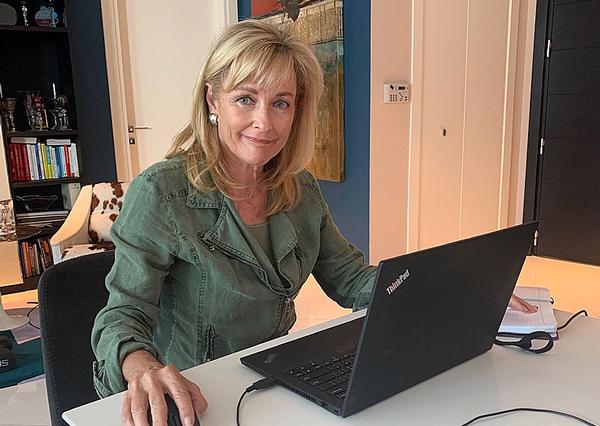
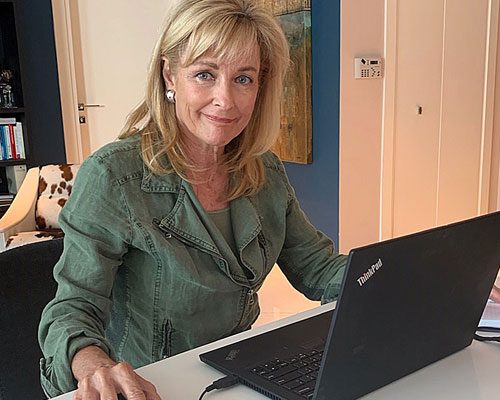
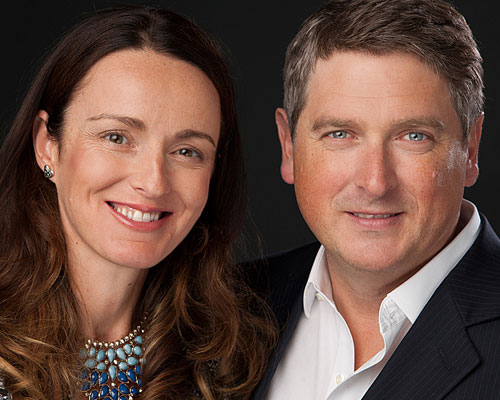
Susie Ellis leads the calls, which have attracted over 2,000 attendees
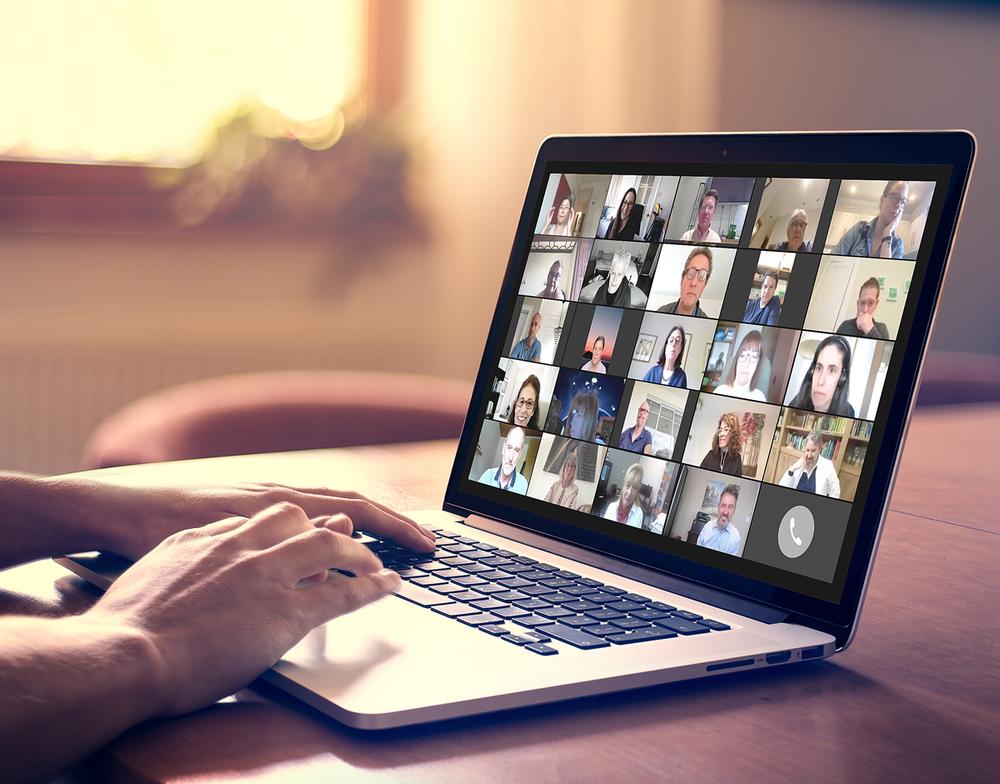
Even before the coronavirus pandemic had us ‘sheltering in place’, the Global Wellness Institute launched its PositivelyWell campaign to find all the many ways that optimism and a focus on health and wellness impact overall wellbeing. In addition, the Global Wellness Summit (GWS) introduced its Global Wellness Collaboration (GWC) Zoom calls to continue to bring the industry together.
Participants of these invitation-only calls have attended as least one GWS and as of the end of April, up to 2,000 people from 75 countries have joined in the conversations, with more planned on a regular basis. They’re kept confidential so stakeholders can share business insights and innovations freely.
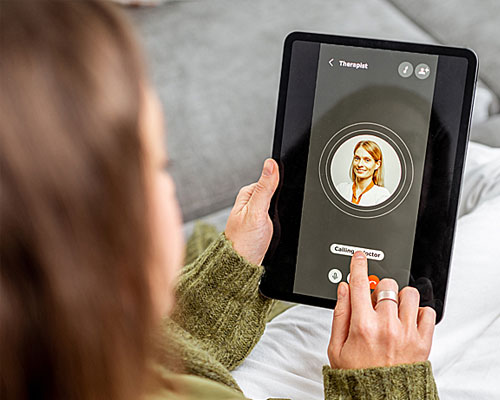
Calls have focused on every spectrum of the wellness industry – from hot spring operators and wellness communities to beauty and retail and mental wellness. Early on, spa consultants were a bright spot, saying they were inundated with new clients exploring how to incorporate wellness into their businesses. In tandem, wellness lifestyle communities immediately reported more interest not only from buyers but also from investors and the media. And, of course, so many providers have made remarkable pivots to virtual offerings (see Spa Business 2020 issue 2 p26).
Below are some takeaways from the GWC Spa & Hospitality call in late April to give some perspective to what’s next for the industry.
Design and space Expect smarter design and new ways of using space as spas and hotels reopen. Abdul Nassani, a project developer in the Middle East, said many of his clients are focusing are converting larger, unused hotel suites into private wellness suites so there’s no chance of running into other guests – reinforcing the reality that social distancing is here to stay, at least for the foreseeable future.
How guests and staff navigate spas will also likely change. Think one-way halls to minimise anxiety around passing in small corridors. There will be more visible handwashing/sanitising and spas will also look to technical solutions to facilitate ‘touchless’ experiences, whether it’s key fobs or wristbands to automate the opening of doors or equipment like hydro-massage beds.
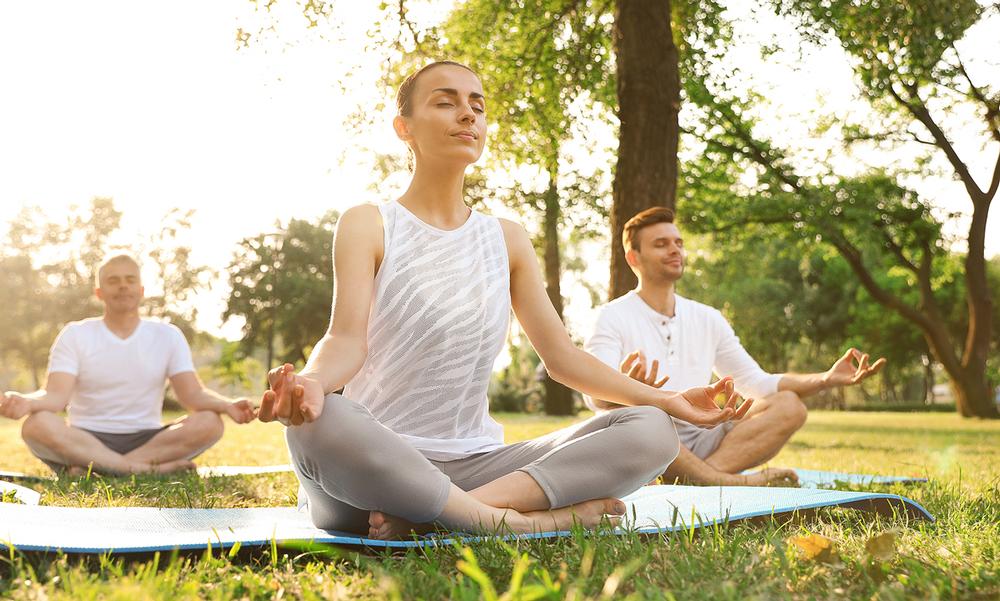
Outdoor areas offer another bright spot, suggested veteran travel journalist and consultant Laura Powell, “One opportunity is to stop thinking treatments or classes can only take place within four walls. Instead, I see more use of outdoor spaces, not just for spas and restaurants, but for all businesses.”
Going local The lack of incoming tourists presents a massive challenge – and is even more concerning for destination spas in remote corners of the world – this means under-served locals will be more important than ever. Get creative about what you can offer them from the spa menu, restaurant or even just space inside or outside for that ever-important change of scenery. It could be a huge opportunity in the early days of opening: for example, Six Senses reported a property in China had 70 locals come into its restaurant the day the lockdown lifted.
Day spas that already have relationships with locals will likely be able to ramp up much faster than larger brands, said spa consultant Lisa Starr, Wynne Business. She recommends a shortened service menu, staggered start times to help with spacing in locker rooms, lounges and treatment areas, as well as contactless check-in and check-out. And, of course, this is something to tout in communications and marketing materials.
Another great idea while paying guests are at a bare minimum: consider letting staff experience the property. Something that will no doubt bring dividends in terms of loyalty, but also a better understanding of the guest journey. Kamalaya in Thailand has done just that as well as keeping staff employed to make improvements and keep systems up and running so they’re fully ready when business does pick back up.
Operational impact Clearly, guest and employee safety are paramount to reopening and this is the thing most people on the call wanted to understand.
With concerns for hygiene so heightened, turnover times for hotel rooms – and possibly treatment rooms? – will likely be considerably longer. One US hotel that’s remained opened is leaving rooms alone for 48 hours after a checkout, followed by a deep clean and waiting yet another 24 hours before a final sweep. A 72-hour turnaround is not sustainable over the long haul, but with occupancy rates low, there’s a unique opportunity to eradicate viruses and bacteria.
Christina Salcedas from Aromatherapy Associates asked the group: “We know how important touch is to our clients, but how do we actually open up the spa successfully with physical distancing? How do we look after our therapists? It’s challenging to recruit them and keep them, so we need to be sure they’re safe.”
Figuring out how to cater to clients who will no doubt be craving human touch after weeks of isolation – as well as the immune-building preventative treatments on offer – is clearly key to a successful reopening of spas. Visible cleaning protocols are a no brainer – and definitely in every spa’s future, but insuring therapist safety is also critical. One spa owner commented: “We need hygiene procedures that support both clients and therapists. Perhaps clients will need to take a special antibacterial shower before going into a massage room?”
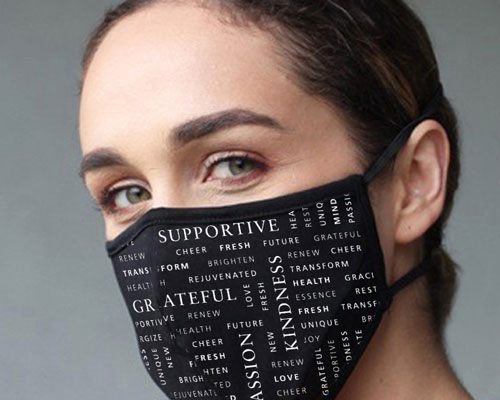
Debbie Leon from Fashionizer Spa, which pivoted to making face masks from spa uniforms in light of the crisis, said it’s working on producing anti-viral masks – and uniforms – for the industry, but pointed out that many of “the existing materials for this are environmentally unsustainable, so we need to consider that issue too.”
Will everyone be wearing masks? Gloves? Should both guests and therapists get their temperatures taken upon arrival? Should we have questionnaires regarding COVID symptoms? Or add an indemnity clause to consent forms regarding coronavirus? Maybe consider offering more spa treatments where clients are clothed, like Thai massage or energy medicine like reiki? Will we see much more use of self-service wellness areas, like inhalation therapy and saunas? What about changing treatment beds after a guest has arrived in the room so they can see that everything is freshly washed and clean for them? These questions proved difficult to answer and the answers are clearly still evolving.
Ready and waiting The good news is that numerous operators say clients are ready to come back. A private masseuse located outside of New York said her customers are already reaching out: “I’m in a unique position, my clients have known me for a very long time and I’m assuring them I’m using safe and sustainable sanitising products and happy to offer treatments with or without a mask and gloves – whatever the client wants.”
Regardless of what happens next in our ‘new normal’, it’s clear that spas once again need to become safe, healthy and trusted sanctuaries that offer human connection – something that will be critical as we enter recovery for our normal day-to-day lives and the industry’s future.
Cassandra Cavanah is a communications
specialist who’s part of the GWS team [email protected]
Read more from this issue of Spa Business magazine
View contents of Spa Business 2020 issue 2
Editor’s letter: Our greatest challenge
Spa and wellness businesses will reopen while COVID-19 is still circulating in the community, meaning we have to find models which work in this new reality, says Katie Barnes. So how will this change the industry?
On the menu: Pivot to digital
Which forward-thinking spas are taking their offerings online during the coronavirus pandemic?
Interview: Mary Celeste Beall
The celebrated Blackberry Farm has opened a sister property in the mountains of Tennessee. The owner tells Spa Business why wellness through nature underpins the new destination
Everyone’s talking about: COVID-19
Spa operators, wellness companies and organisations from around the world talk to Spa Business about the impact of coronavirus and what to expect down the line
Promotion: Simone Gibertoni: Clinique La Prairie
World-renowned medical spa, Clinique La Prairie, is creating a global network of
locations to support clients with their wellbeing, every day of the year, says its CEO
Research: First responders
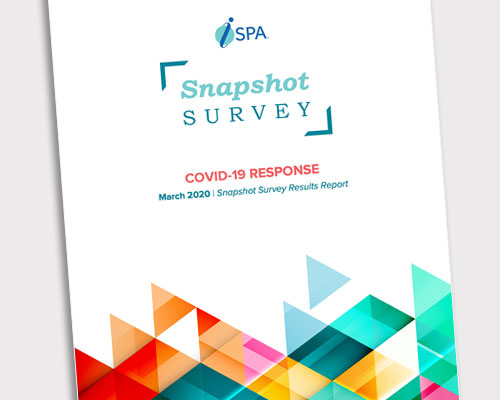
ISPA’s COVID-19 survey offers insights into how the industry has responded to the global pandemic. Spa Business magazine examines the findings
Hotel spa: Country life: The Newt
Karen Roos, owner of the world-renowned hotel The Newt, on design, gardens and a spa housed in an old cow barn
Insights: Calls to action
Industry leaders around the world come together in a crisis to share ideas and innovations in a series of GWS Collaboration calls. Spa Business magazine reports on the highlights
Insights: Webinar wisdom
Spa Business shares its industry-relevant takeaways from the masses of webinars that are being streamed worldwide
Research: Measure for measure
Intelligent Spas reveals its latest global spa benchmarks and explores what they mean in today’s ever-changing climate
Focus on: Extreme wellness
Spa Business tries out two boundary-pushing, cold immersion retreats led by ‘The Iceman’ Wim Hof and Dr Marc Cohen
Promotion: Barr and Wray: Creating
a seamless journey
With 60 years of experience, Barr and Wray has long been known for excellence in technical design for wellness. Design director Graeme Banks explains the company also offers interior design services
Interview: Juliu Horvath
The founder of Gyrotonic and Gyrokinesis tells Spa Business why he’ll never stop adapting his famous movement modality
Promotion: ISPA publishes Reopening Toolkit
A much-needed guide by ISPA gives essential advice on business planning, standard operating procedures, marketing and communications to support spas through the coronavirus crisis
Contrast therapy, based on the alternation of hot and cold rituals, has become one of the
most valued practices in the fields of wellness and recovery. [more...]
The MSpa Oslo series is a perennial bestseller in global markets. With innovative
engineering and premium performance, this completely portable spa line-up is expertly
designed to meet the needs of customers worldwide. [more...]
Spa and wellness leaders from 75 countries have participated in Global Wellness Collaboration calls to give insights into their businesses, thoughts, ideas and innovations in the wake of COVID-19. Cassandra Cavanah reports on the highlights
Susie Ellis leads the calls, which have attracted over 2,000 attendees
Even before the coronavirus pandemic had us ‘sheltering in place’, the Global Wellness Institute launched its PositivelyWell campaign to find all the many ways that optimism and a focus on health and wellness impact overall wellbeing. In addition, the Global Wellness Summit (GWS) introduced its Global Wellness Collaboration (GWC) Zoom calls to continue to bring the industry together.
Participants of these invitation-only calls have attended as least one GWS and as of the end of April, up to 2,000 people from 75 countries have joined in the conversations, with more planned on a regular basis. They’re kept confidential so stakeholders can share business insights and innovations freely.
Calls have focused on every spectrum of the wellness industry – from hot spring operators and wellness communities to beauty and retail and mental wellness. Early on, spa consultants were a bright spot, saying they were inundated with new clients exploring how to incorporate wellness into their businesses. In tandem, wellness lifestyle communities immediately reported more interest not only from buyers but also from investors and the media. And, of course, so many providers have made remarkable pivots to virtual offerings (see Spa Business 2020 issue 2 p26).
Below are some takeaways from the GWC Spa & Hospitality call in late April to give some perspective to what’s next for the industry.
Design and space Expect smarter design and new ways of using space as spas and hotels reopen. Abdul Nassani, a project developer in the Middle East, said many of his clients are focusing are converting larger, unused hotel suites into private wellness suites so there’s no chance of running into other guests – reinforcing the reality that social distancing is here to stay, at least for the foreseeable future.
How guests and staff navigate spas will also likely change. Think one-way halls to minimise anxiety around passing in small corridors. There will be more visible handwashing/sanitising and spas will also look to technical solutions to facilitate ‘touchless’ experiences, whether it’s key fobs or wristbands to automate the opening of doors or equipment like hydro-massage beds.
Outdoor areas offer another bright spot, suggested veteran travel journalist and consultant Laura Powell, “One opportunity is to stop thinking treatments or classes can only take place within four walls. Instead, I see more use of outdoor spaces, not just for spas and restaurants, but for all businesses.”
Going local The lack of incoming tourists presents a massive challenge – and is even more concerning for destination spas in remote corners of the world – this means under-served locals will be more important than ever. Get creative about what you can offer them from the spa menu, restaurant or even just space inside or outside for that ever-important change of scenery. It could be a huge opportunity in the early days of opening: for example, Six Senses reported a property in China had 70 locals come into its restaurant the day the lockdown lifted.
Day spas that already have relationships with locals will likely be able to ramp up much faster than larger brands, said spa consultant Lisa Starr, Wynne Business. She recommends a shortened service menu, staggered start times to help with spacing in locker rooms, lounges and treatment areas, as well as contactless check-in and check-out. And, of course, this is something to tout in communications and marketing materials.
Another great idea while paying guests are at a bare minimum: consider letting staff experience the property. Something that will no doubt bring dividends in terms of loyalty, but also a better understanding of the guest journey. Kamalaya in Thailand has done just that as well as keeping staff employed to make improvements and keep systems up and running so they’re fully ready when business does pick back up.
Operational impact Clearly, guest and employee safety are paramount to reopening and this is the thing most people on the call wanted to understand.
With concerns for hygiene so heightened, turnover times for hotel rooms – and possibly treatment rooms? – will likely be considerably longer. One US hotel that’s remained opened is leaving rooms alone for 48 hours after a checkout, followed by a deep clean and waiting yet another 24 hours before a final sweep. A 72-hour turnaround is not sustainable over the long haul, but with occupancy rates low, there’s a unique opportunity to eradicate viruses and bacteria.
Christina Salcedas from Aromatherapy Associates asked the group: “We know how important touch is to our clients, but how do we actually open up the spa successfully with physical distancing? How do we look after our therapists? It’s challenging to recruit them and keep them, so we need to be sure they’re safe.”
Figuring out how to cater to clients who will no doubt be craving human touch after weeks of isolation – as well as the immune-building preventative treatments on offer – is clearly key to a successful reopening of spas. Visible cleaning protocols are a no brainer – and definitely in every spa’s future, but insuring therapist safety is also critical. One spa owner commented: “We need hygiene procedures that support both clients and therapists. Perhaps clients will need to take a special antibacterial shower before going into a massage room?”
Debbie Leon from Fashionizer Spa, which pivoted to making face masks from spa uniforms in light of the crisis, said it’s working on producing anti-viral masks – and uniforms – for the industry, but pointed out that many of “the existing materials for this are environmentally unsustainable, so we need to consider that issue too.”
Will everyone be wearing masks? Gloves? Should both guests and therapists get their temperatures taken upon arrival? Should we have questionnaires regarding COVID symptoms? Or add an indemnity clause to consent forms regarding coronavirus? Maybe consider offering more spa treatments where clients are clothed, like Thai massage or energy medicine like reiki? Will we see much more use of self-service wellness areas, like inhalation therapy and saunas? What about changing treatment beds after a guest has arrived in the room so they can see that everything is freshly washed and clean for them? These questions proved difficult to answer and the answers are clearly still evolving.
Ready and waiting The good news is that numerous operators say clients are ready to come back. A private masseuse located outside of New York said her customers are already reaching out: “I’m in a unique position, my clients have known me for a very long time and I’m assuring them I’m using safe and sustainable sanitising products and happy to offer treatments with or without a mask and gloves – whatever the client wants.”
Regardless of what happens next in our ‘new normal’, it’s clear that spas once again need to become safe, healthy and trusted sanctuaries that offer human connection – something that will be critical as we enter recovery for our normal day-to-day lives and the industry’s future.
Cassandra Cavanah is a communications
specialist who’s part of the GWS team [email protected]
Read more from this issue of Spa Business magazine
View contents of Spa Business 2020 issue 2
Editor’s letter: Our greatest challenge
Spa and wellness businesses will reopen while COVID-19 is still circulating in the community, meaning we have to find models which work in this new reality, says Katie Barnes. So how will this change the industry?
On the menu: Pivot to digital
Which forward-thinking spas are taking their offerings online during the coronavirus pandemic?
Interview: Mary Celeste Beall
The celebrated Blackberry Farm has opened a sister property in the mountains of Tennessee. The owner tells Spa Business why wellness through nature underpins the new destination
Everyone’s talking about: COVID-19
Spa operators, wellness companies and organisations from around the world talk to Spa Business about the impact of coronavirus and what to expect down the line
Promotion: Simone Gibertoni: Clinique La Prairie
World-renowned medical spa, Clinique La Prairie, is creating a global network of
locations to support clients with their wellbeing, every day of the year, says its CEO
Research: First responders
ISPA’s COVID-19 survey offers insights into how the industry has responded to the global pandemic. Spa Business magazine examines the findings
Hotel spa: Country life: The Newt
Karen Roos, owner of the world-renowned hotel The Newt, on design, gardens and a spa housed in an old cow barn
Insights: Calls to action
Industry leaders around the world come together in a crisis to share ideas and innovations in a series of GWS Collaboration calls. Spa Business magazine reports on the highlights
Insights: Webinar wisdom
Spa Business shares its industry-relevant takeaways from the masses of webinars that are being streamed worldwide
Research: Measure for measure
Intelligent Spas reveals its latest global spa benchmarks and explores what they mean in today’s ever-changing climate
Focus on: Extreme wellness
Spa Business tries out two boundary-pushing, cold immersion retreats led by ‘The Iceman’ Wim Hof and Dr Marc Cohen
Promotion: Barr and Wray: Creating
a seamless journey
With 60 years of experience, Barr and Wray has long been known for excellence in technical design for wellness. Design director Graeme Banks explains the company also offers interior design services
Interview: Juliu Horvath
The founder of Gyrotonic and Gyrokinesis tells Spa Business why he’ll never stop adapting his famous movement modality
Promotion: ISPA publishes Reopening Toolkit
A much-needed guide by ISPA gives essential advice on business planning, standard operating procedures, marketing and communications to support spas through the coronavirus crisis
Synergy – The Retreat Show, the global trade show for retreats, has launched a global research
initiative that will provide insights into the retreat sector from both consumer and industry
perspectives.
The Wellness Tourism Association (WTA) has published a non-regulatory global industry
framework designed to ensure the retreat market offers responsible experiences.
A new survey of UK and international spa practitioners shows that stress, burnout and
wellbeing concerns have caused one in three respondents to consider leaving the industry.
The UK's four Chief Medical Officers have published a refreshed edition of Physical activity
guidelines: UK Chief Medical Officers' report, updating the evidence that underpins the nation's
physical activity recommendations and placing greater emphasis on strength, balance, reducing
sedentary behaviour and, for the first time, supporting people taking weight loss medications.
Anna Bjurstam has left her role as Wellness Pioneer at Six Senses Hotels and Resorts and
launched a new wellness, longevity and “consciousness consultancy” called Wahayla.
Fairmont Cheshire, The Mere, has opened today (10 July) in the Northwest of England
with a
1,715sq m Fairmont Spa that has been designed using a ‘Wellness without Walls’
concept.
Wellness hotels generating less than US$1 million (€932,700, £785,200) – or 10 per cent of
total revenue from wellness and leisure – recorded the strongest RevPAR and TRevPAR growth
in 2025 across categories when compared with 2024, according to the latest Wellness Real
Estate Report by RLA Global, produced in partnership with P and L benchmarking firm HotStats.
Lefay Resorts, the portfolio of two luxury wellness properties in Italy, has added emotional
dance classes and group cold plunge sessions in response to market demand for social
connection.
Contrast therapy, based on the alternation of hot and cold rituals, has become one of the
most valued practices in the fields of wellness and recovery. [more...]
The MSpa Oslo series is a perennial bestseller in global markets. With innovative
engineering and premium performance, this completely portable spa line-up is expertly
designed to meet the needs of customers worldwide. [more...]