Yes! Send me the FREE digital editions of Spa Business and Spa Business insider magazines and the FREE weekly Spa Business and Spa Business insider ezines and breaking news alerts!
Do you have a strong opinion, or disagree with somebody else’s point of view on topics related to the spa industry? If so, Spa Business would love to hear from you. Email your letters, thoughts and suggestions to [email protected]
Interview: Michael Tompkins
What’s next for Michael Tompkins as he takes a step back at Hilton Head Health? Rhianon Howells finds out
Promotional feature: Dr Burgener Switzerland
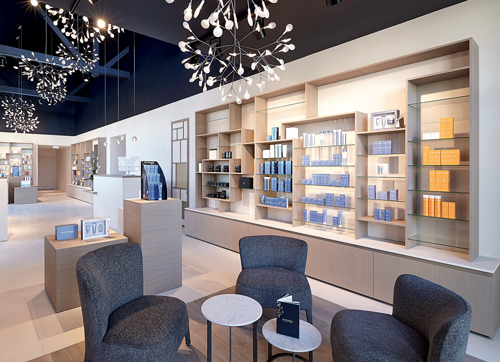
Leading skincare brand Dr Burgener Switzerland combines natural ingredients with advanced technology to produce exceptional results – and the company sees customisation as the way forward for each of its spa clients
Trends: Workplace wellness
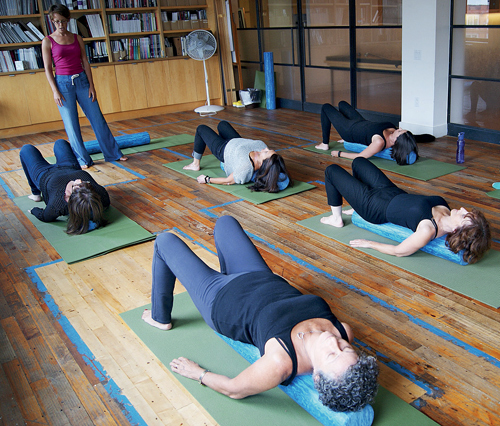
Neena Dhillon looks at two award-winning employee wellness programmes and asks how spas can get involved in this burgeoning market
Promotional feature: ESPA
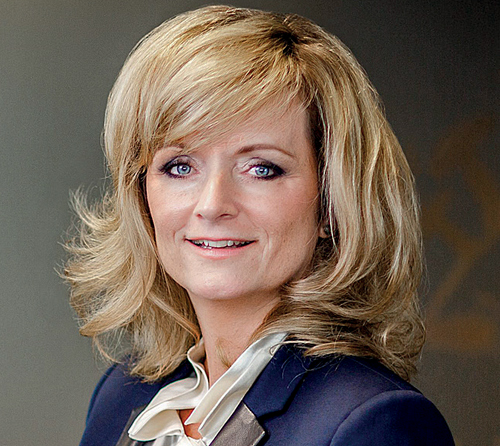
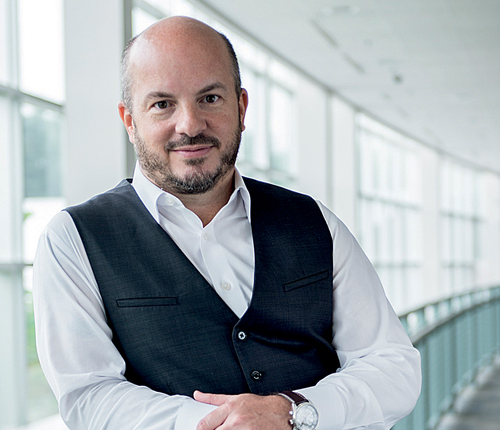
ESPA International has always been a leader in the global spa business but has never been averse to change. The CEO and son of its founder explains how the company he joined 22 years ago is adapting to meet the challenges facing the industry today
Research: Onwards & upwards
ISPA research shows the US spa sector has reached new heights. Colin McIlheney analyses the findings
Promotional feature: Phytomer
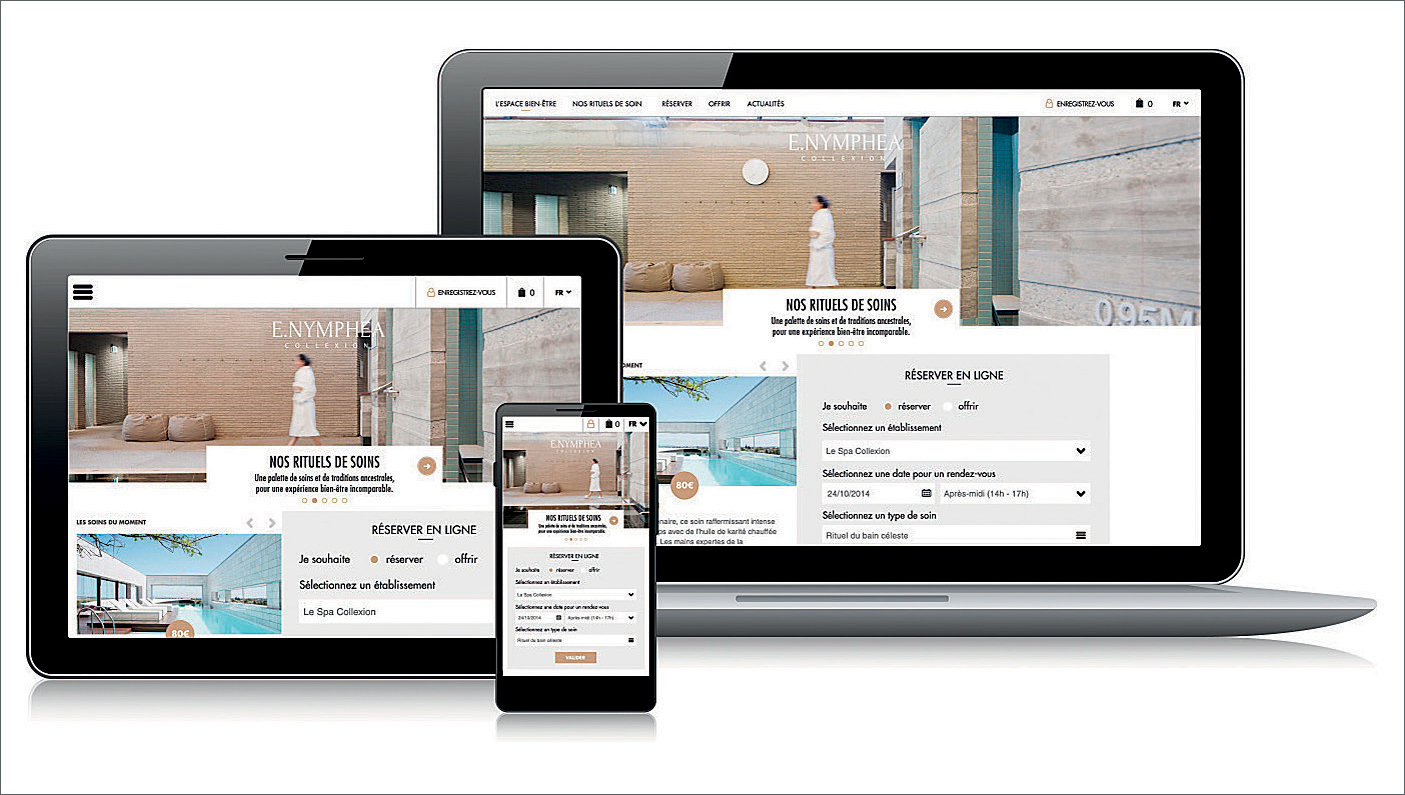
Director of international development, Tristan Lagarde, explains how PHYTOMER has become a leader in the field of technological skincare development, and how spas can benefit from the brand’s success
Spa concept: Eforea 2.0
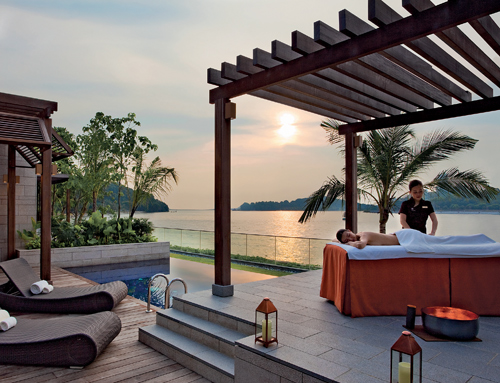
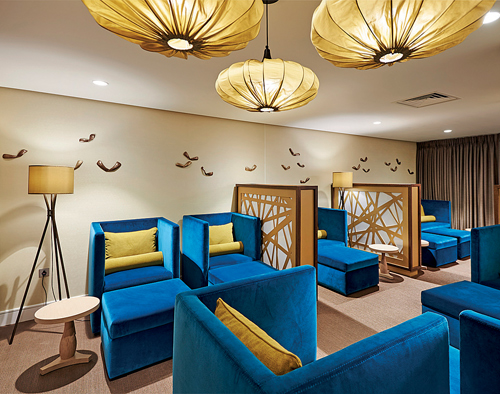
Hilton has refreshed its spa concept to make it more appealing to hoteliers. But what’s changed? Jane Kitchen finds out
Promotional feature: Living Earth Crafts
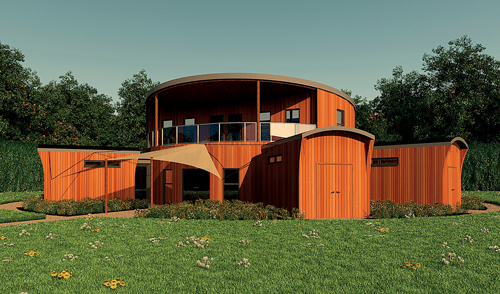
Brian Paris, spa designer and VP of sales for Living Earth Crafts, explains how the company is helping spa operators become more efficient with space-saving but stylish spa equipment and accessories
Mia KyricosChief Brand OfficerSpafinder Wellness Inc
The opportunity for spas to help with the ‘age of loneliness’ that we’re seeing globally was highlighted, in-depth recently in Spa Business (see SB15/2 p86). However, there were a couple of points I’d like to bring to the table that weren’t covered.
Firstly, I feel technology is what’s driving this change. Although we’re connected to each other over the internet – we spend more time, on average, in front of our various screens than we do sleeping – we’re interacting far less in person. This is particularly the case in the developing world, with India, China and Brazil’s singleton populations growing the fastest.
Secondly, while the article focused primarily on how destination spas could tackle loneliness, I think it’s day spas that have a bigger role to play. Those wellness properties closest to our homes, in our own backyards, have an opportunity to become the new ‘third place’. Just like the ‘Starbucks phenomenon’, where the local coffee shop became a favoured destination between the office and the homes, so too can day spas, yoga studios and wellness centres.
We’re seeing this hyper-social behaviour already emerging in the fitness industry, with brands such as CrossFit and SoulCycle bringing together individuals to sweat it out. These brands have found a way to foster a culture of community along with wellbeing (or at least one aspect of it), resulting in clients who not only work out together but who even vacation together. Arguably it’s technology that helped formed that community – aiding offline, as well as online, connections.
If this is something the spa industry – particularly day spas – can tap into, it could be one way to reach out to lonely people.
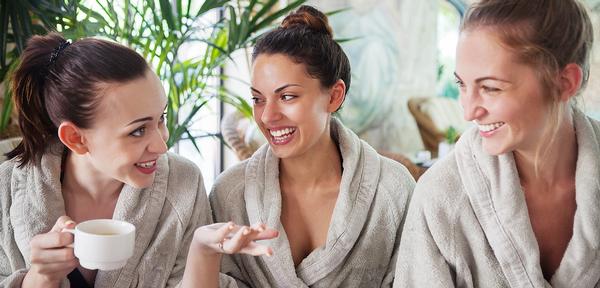
Day spas close to our homes can become social hubs
UBER FOR MASSAGE: CONVENIENCE AGAINST EXPERIENCE
Lopo Champalimaud
Lopo ChampalimaudCEOWahanda
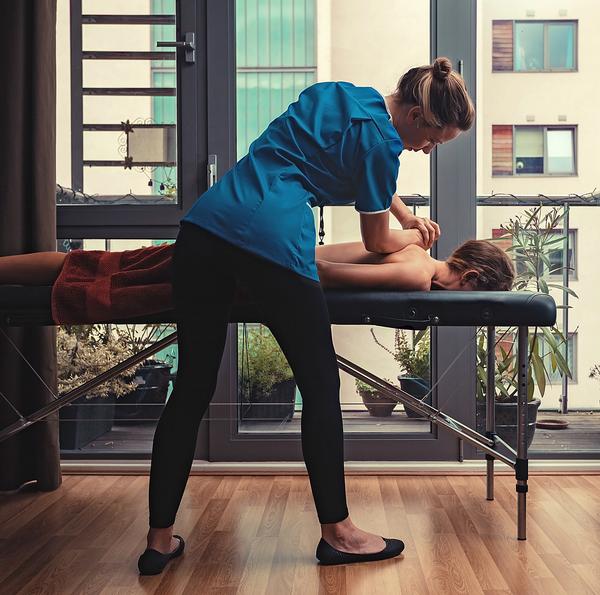
The increasing popularity of massage-on-demand businesses has raised a contentious issue in the spa industry, as focused on in Spa Business (see SB15/3 p70).
The trend for mobile browsing and the desire for ‘right here right now’ among consumers has revealed a gap in the market that massage-on-demand is filling. With spas failing to provide last-minute and same-day appointments, businesses connecting mobile therapists with consumers are thriving.
That said, I don’t see massage-on-demand businesses as a threat to spas. They offer the convenience of at-home services but visiting a spa enables you to escape from your day-to-day; it becomes a haven where you can unwind without the presence of daily pressures. Add in the use of spa facilities and you have a service that no mobile therapist can compete with.
Does this mean it will become a battle of convenience against experience? I sincerely hope not. Spa bookings at Wahanda have nearly doubled in the last 12 months, which shows that demand for spas shows no sign of waning and that these two businesses can easily co-exist.
One thing we’re sure of is that it’s crucial for spas to embrace the change in consumer behaviour and realise the benefit of opening up last-minute bookings. The importance of a mobile booking platform and real-time availability should not be underestimated. Spas that use software systems to block out busy periods with zero lead time are leading the movement to give clients the treatments they want; when they want them.
It’s crucial for spas to realise the benefits of last-minute bookings if they are to compete with on-demand home-based treatments
UBER VETTING ISSUE RAISES CONCERNS ABOUT MASSAGE-ON-DEMAND
Iain Martin
Iain Martin ConsultantMassage Heights
Spa Business’ article on massage-on-demand (see SB15/3 p70) highlights the trend for accessible and affordable massage services in the US.
But although some people like to have massage in their own homes, it’s not clear how massage-on-demand businesses vet therapists in order to safeguard clients, and many will still prefer the experience and security of attending a professional spa. The recent issues faced by Uber, when one of its taxi drivers assaulted passengers after not being appropriately vetted, is likely to increase people’s concerns about inviting strangers into their homes.
Enabling people to book therapists to visit their homes or places of work is not the only solution for more affordable and accessible spa services. At Massage Heights we’ve been part of a wider revolution in the US that’s changed massage from being something that was a rare treat to a high street essential.
Over the last 10 years, our approach has been to transfer the membership model used by the fitness industry to spas (our customers pay a monthly fee for regular massages), locate our retreats in urban areas across the USA and Canada, and open longer hours.
As a result, massage has become a frequent experience for many more people and the high street massage industry is one of the fastest growing in the US.
Is this concept right for Europe? We think so and see the UK as an ideal virgin market.
So as we look to grow our franchise model internationally with the help of like-minded entrepreneurs, we hope UK customers will soon be able to benefit from regular, professional massage services on the high street.
In the fast-paced world of fitness and wellness, where high-intensity workouts push us to
our limits and the sweat pours, the importance of efficient recovery cannot be overstated. [more...]
The Spa Life UK Convention returns from 21–23 June 2026 at Whittlebury Park Hotel, Spa &
Golf Resort, bringing together spa managers, directors and owners for two days of focused
education, meaningful connection and commercial insight. [more...]
+ More featured suppliers
COMPANY PROFILES
G.M. Collin
G.M. Collin develops superior skin care products, from preventive care to combating the first signs [more...]
UK Spa Association
Our mission is to raise awareness of our industry within schools, colleges, society and crucially at [more...]
Do you have a strong opinion, or disagree with somebody else’s point of view on topics related to the spa industry? If so, Spa Business would love to hear from you. Email your letters, thoughts and suggestions to [email protected]
Interview: Michael Tompkins
What’s next for Michael Tompkins as he takes a step back at Hilton Head Health? Rhianon Howells finds out
Promotional feature: Dr Burgener Switzerland
Leading skincare brand Dr Burgener Switzerland combines natural ingredients with advanced technology to produce exceptional results – and the company sees customisation as the way forward for each of its spa clients
Trends: Workplace wellness
Neena Dhillon looks at two award-winning employee wellness programmes and asks how spas can get involved in this burgeoning market
Promotional feature: ESPA
ESPA International has always been a leader in the global spa business but has never been averse to change. The CEO and son of its founder explains how the company he joined 22 years ago is adapting to meet the challenges facing the industry today
Research: Onwards & upwards
ISPA research shows the US spa sector has reached new heights. Colin McIlheney analyses the findings
Promotional feature: Phytomer
Director of international development, Tristan Lagarde, explains how PHYTOMER has become a leader in the field of technological skincare development, and how spas can benefit from the brand’s success
Spa concept: Eforea 2.0
Hilton has refreshed its spa concept to make it more appealing to hoteliers. But what’s changed? Jane Kitchen finds out
Promotional feature: Living Earth Crafts
Brian Paris, spa designer and VP of sales for Living Earth Crafts, explains how the company is helping spa operators become more efficient with space-saving but stylish spa equipment and accessories
Mia KyricosChief Brand OfficerSpafinder Wellness Inc
The opportunity for spas to help with the ‘age of loneliness’ that we’re seeing globally was highlighted, in-depth recently in Spa Business (see SB15/2 p86). However, there were a couple of points I’d like to bring to the table that weren’t covered.
Firstly, I feel technology is what’s driving this change. Although we’re connected to each other over the internet – we spend more time, on average, in front of our various screens than we do sleeping – we’re interacting far less in person. This is particularly the case in the developing world, with India, China and Brazil’s singleton populations growing the fastest.
Secondly, while the article focused primarily on how destination spas could tackle loneliness, I think it’s day spas that have a bigger role to play. Those wellness properties closest to our homes, in our own backyards, have an opportunity to become the new ‘third place’. Just like the ‘Starbucks phenomenon’, where the local coffee shop became a favoured destination between the office and the homes, so too can day spas, yoga studios and wellness centres.
We’re seeing this hyper-social behaviour already emerging in the fitness industry, with brands such as CrossFit and SoulCycle bringing together individuals to sweat it out. These brands have found a way to foster a culture of community along with wellbeing (or at least one aspect of it), resulting in clients who not only work out together but who even vacation together. Arguably it’s technology that helped formed that community – aiding offline, as well as online, connections.
If this is something the spa industry – particularly day spas – can tap into, it could be one way to reach out to lonely people.
Day spas close to our homes can become social hubs
UBER FOR MASSAGE: CONVENIENCE AGAINST EXPERIENCE
Lopo Champalimaud
Lopo ChampalimaudCEOWahanda
The increasing popularity of massage-on-demand businesses has raised a contentious issue in the spa industry, as focused on in Spa Business (see SB15/3 p70).
The trend for mobile browsing and the desire for ‘right here right now’ among consumers has revealed a gap in the market that massage-on-demand is filling. With spas failing to provide last-minute and same-day appointments, businesses connecting mobile therapists with consumers are thriving.
That said, I don’t see massage-on-demand businesses as a threat to spas. They offer the convenience of at-home services but visiting a spa enables you to escape from your day-to-day; it becomes a haven where you can unwind without the presence of daily pressures. Add in the use of spa facilities and you have a service that no mobile therapist can compete with.
Does this mean it will become a battle of convenience against experience? I sincerely hope not. Spa bookings at Wahanda have nearly doubled in the last 12 months, which shows that demand for spas shows no sign of waning and that these two businesses can easily co-exist.
One thing we’re sure of is that it’s crucial for spas to embrace the change in consumer behaviour and realise the benefit of opening up last-minute bookings. The importance of a mobile booking platform and real-time availability should not be underestimated. Spas that use software systems to block out busy periods with zero lead time are leading the movement to give clients the treatments they want; when they want them.
It’s crucial for spas to realise the benefits of last-minute bookings if they are to compete with on-demand home-based treatments
UBER VETTING ISSUE RAISES CONCERNS ABOUT MASSAGE-ON-DEMAND
Iain Martin
Iain Martin ConsultantMassage Heights
Spa Business’ article on massage-on-demand (see SB15/3 p70) highlights the trend for accessible and affordable massage services in the US.
But although some people like to have massage in their own homes, it’s not clear how massage-on-demand businesses vet therapists in order to safeguard clients, and many will still prefer the experience and security of attending a professional spa. The recent issues faced by Uber, when one of its taxi drivers assaulted passengers after not being appropriately vetted, is likely to increase people’s concerns about inviting strangers into their homes.
Enabling people to book therapists to visit their homes or places of work is not the only solution for more affordable and accessible spa services. At Massage Heights we’ve been part of a wider revolution in the US that’s changed massage from being something that was a rare treat to a high street essential.
Over the last 10 years, our approach has been to transfer the membership model used by the fitness industry to spas (our customers pay a monthly fee for regular massages), locate our retreats in urban areas across the USA and Canada, and open longer hours.
As a result, massage has become a frequent experience for many more people and the high street massage industry is one of the fastest growing in the US.
Is this concept right for Europe? We think so and see the UK as an ideal virgin market.
So as we look to grow our franchise model internationally with the help of like-minded entrepreneurs, we hope UK customers will soon be able to benefit from regular, professional massage services on the high street.
Global Wellness Day (GWD) marked its 15th anniversary on Saturday 13 June 2026, with the
theme: #JoyMagenta – a celebration of the healing qualities of simple gestures and activities
that spark joy.
Global luxury hospitality brand, Six Senses, has partnered with longevity healthcare provider,
HUM2N, to launch a clinic at Six Senses London, at The Whiteley.
As part of its first hotel partnership, Mayrlife – the medical health resort company known for its
site in Altaussee, Austria – has launched a day clinic at the Rosewood Vienna.
Premium London health club, KX Chelsea, will imminently unveil its most significant
redevelopment since its launch in 2002 to create an integrated wellness model combining
training, recovery and relaxation.
Rosewood Le Guanahani St Barth, on the northeast coast of Saint Barthélemy in the French
West Indies, is offering a programme of ocean-inspired yoga classes between 8-14 June to
celebrate Global Wellness Day (GWD).
Hotel de France, located on the British Isle of Jersey, has created a wellness retreat package
that includes a hot yoga session that will take place in Jersey Zoo’s butterfly sanctuary.
The Ritz-Carlton, Langkawi, in Malaysia, has revealed a schedule for Global Wellness Day
(GWD) that includes guided rainforest walks, mindful movement and guided coastal meditation
experiences.
Longevitix, a clinical platform for preventive and longevity medicine, has launched its AI-
powered intelligence system to help physicians deliver continuous, personalised longevity-
focused care at scale.
Atmantan Wellness Centre, an integrative wellness destination in Mulshi, near Pune in India, is
expanding its portfolio by adding a new centre in Hyderabad that will launch between 2028 and
2029.
In the fast-paced world of fitness and wellness, where high-intensity workouts push us to
our limits and the sweat pours, the importance of efficient recovery cannot be overstated. [more...]
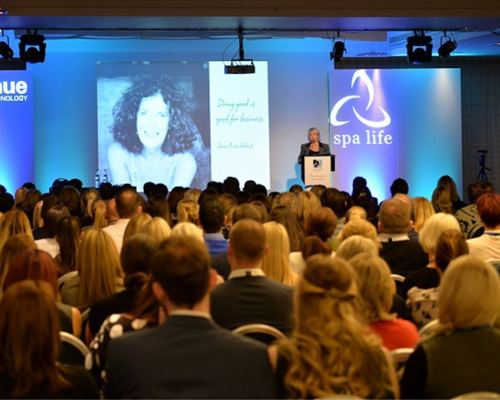
The Spa Life UK Convention returns from 21–23 June 2026 at Whittlebury Park Hotel, Spa &
Golf Resort, bringing together spa managers, directors and owners for two days of focused
education, meaningful connection and commercial insight. [more...]
+ More featured suppliers
COMPANY PROFILES
G.M. Collin G.M. Collin develops superior skin care products, from preventive care to combating the first signs [more...]