Guests of Spain’s Healthouse Las Dunas resort eat gourmet meals five times a day and still see an impressive amount of weight loss. So what are the chef’s secrets? Julie Cramer reports
By Julie Cramer | Published in Spa Business 2015 issue 4
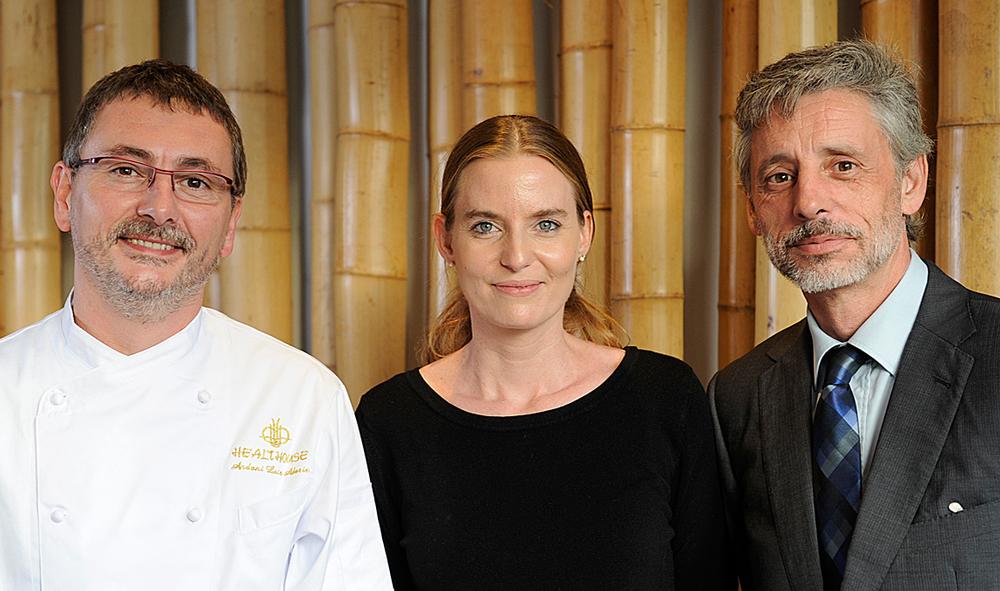
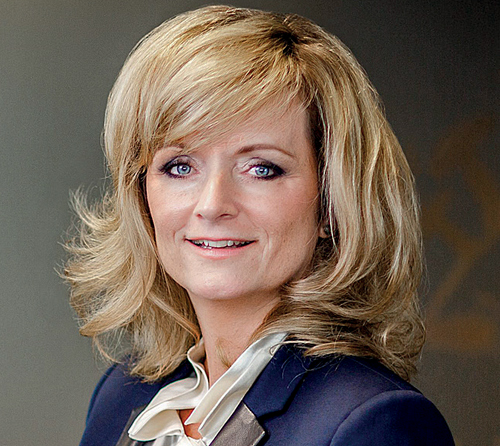
L to R: Michelin-star chef Aduriz; Healthouse marketing manager Sandra Huerga Kanzler; and director Raul Huerga
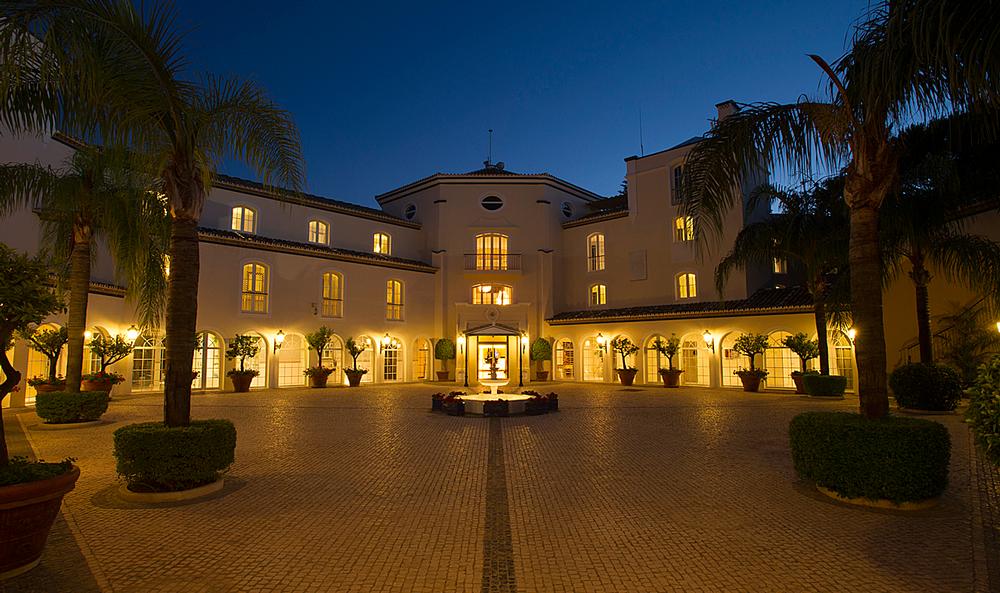
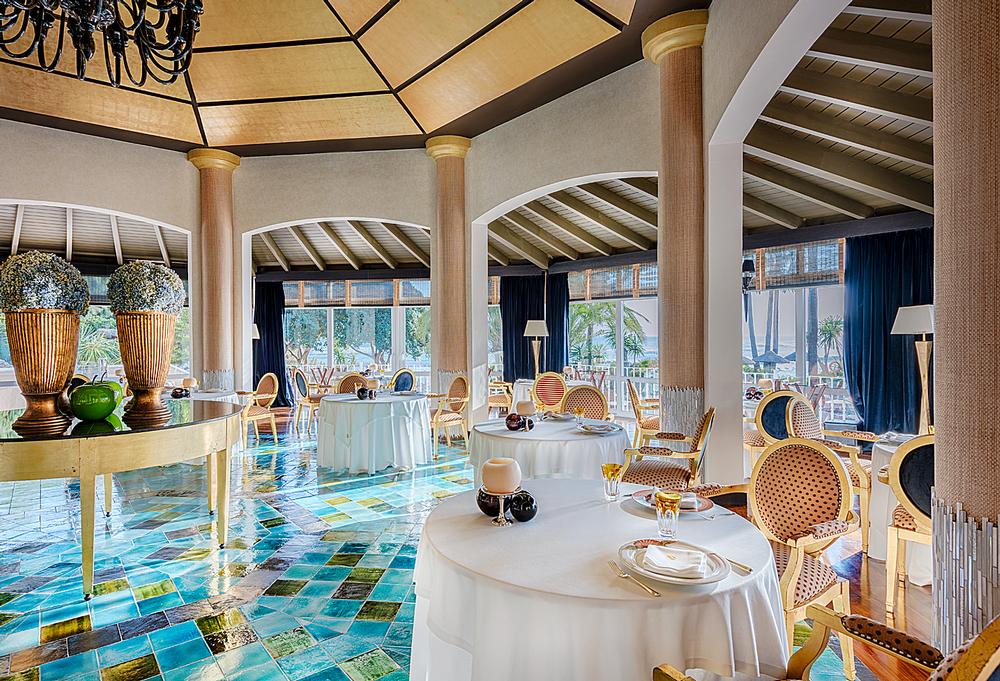
Most clients attending a weight loss retreat might expect to some form of food deprivation, even if the surroundings and treatments are five-star. However, the regime at Healthouse Las Dunas near Marbella, Spain has taken a very different approach, with a gourmet menu created by a Michelin-star chef and a schedule where guests eat five times a day.
The resort, which offers 55 suites, the 3,000sq m (32,290sq ft) Naturhouse Spa and the 319sq m (3,430sq ft) Ekilum Spa, opened in May 2014 and has already seen some impressive results among guests, 85 per cent of whom come for weight loss.
“Our guests lose an average of five kilos a week, and we’ve had a high amount (80 per cent) of repeat visits in a little over a year of operation.” says Healthouse director Raul Huerga.
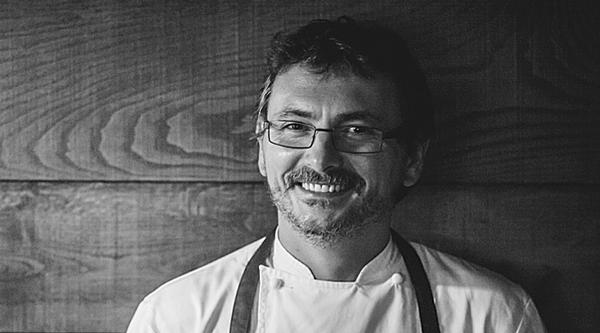
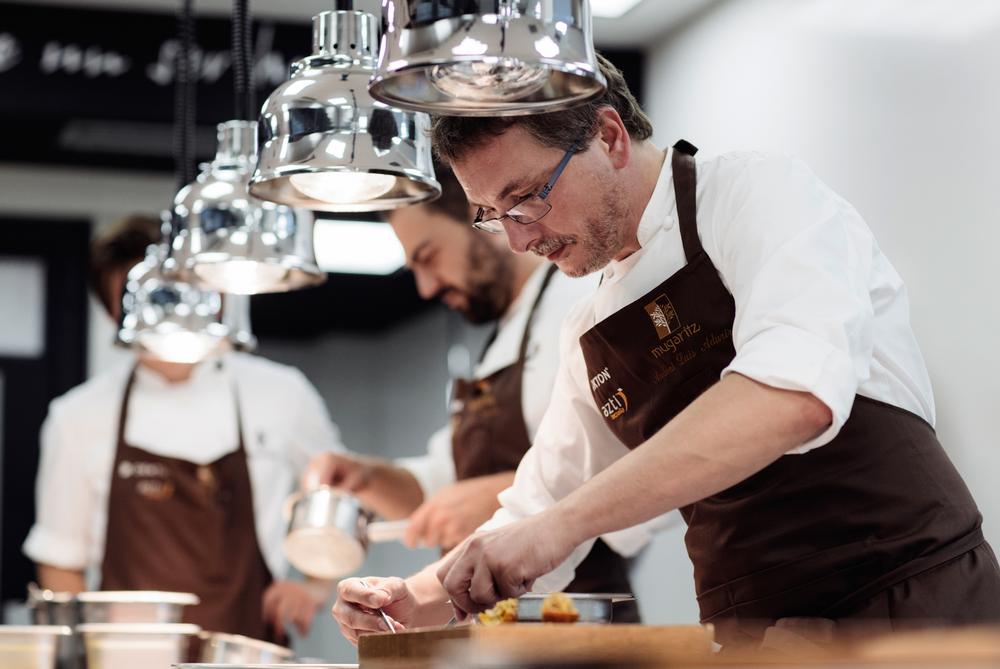
A large part of this success comes down to Healthouse’s decision to partner with renowned Basque chef Andoni Luis Aduriz who set up the two-Michelin star Mugaritz – rated sixth best restaurant in the world.
Aside from his accomplishments in haute cuisine, Aduriz has long had an interest in health and nutrition, having consulted on various health-related projects, including the national Senifood project to research the macro-nutrient profile of menus. So the partnership, says Huerga, “turned out to be a perfect one”.
The extensive menu for Healthouse’s eight programmes – including those for detox, anti-stress and anti-smoking – was in full-time development for two months with a team of 54 of Aduriz’s chefs.
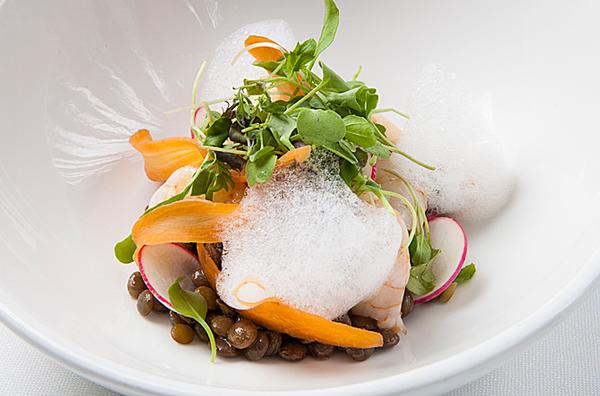
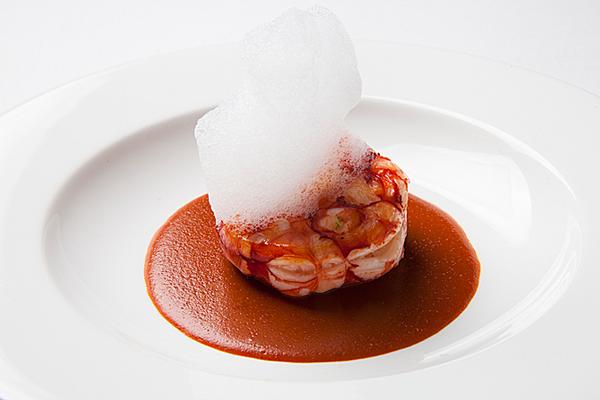
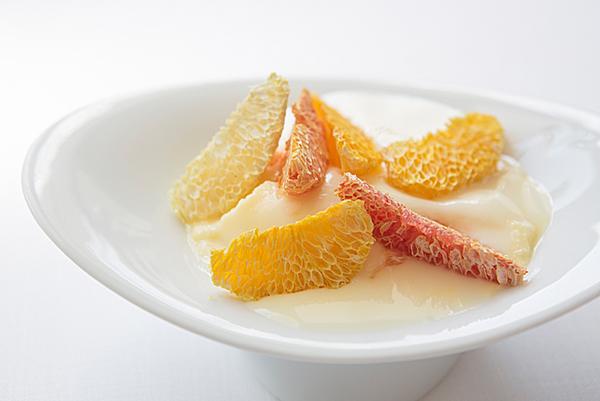
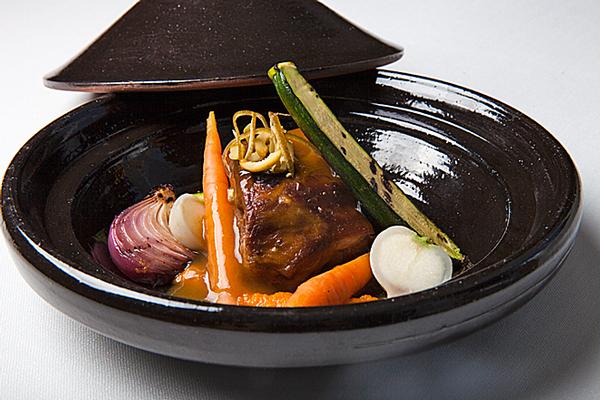
Restricting calories not taste The meals at Healthouse contain no added salt or sugar, no high-fat dairy, there’s no flour in the sauces or starchy carbohydrates served and yet guests are able to dine on appealing dishes like grilled vegetables with sea urchin, lobster salad and caviar, cannelloni with a special béchamel, and Catalane cream.
Huerga says: “For the weight loss regime guests will either be on an intensive 900 calories per day or 1,300 calories, both of which involve a normal breakfast, a mid morning snack, a four-course lunch, mid afternoon snack and four-course dinner. The entire calorie count for dinner, for example, would be less than one cheeseburger.”
For other programmes, like anti-smoking, guests might be eating up to 2,500 calories a day depending upon their individual nutritional requirements.
Huerga says that each day, not more than one teaspoon of olive oil goes into a guest’s food on the weight loss programme, in addition to the naturally-occurring healthy fats in the organic produce such as chicken and fish.
“Our team of 11 chefs spend a lot of time on preparation. Some of our dishes take up to 72 hours to prepare under a slow reduction method, where we extract the unwanted calories like excess fat, keep the best nutritional content of the food and concentrate the flavour.”
Sauces are thickened with kuzu, which derives from a Japanese plant, and is a naturally gluten-free starch, while desserts may be sweetened with low-sugar fruits such as berries and inulin, a naturally occurring polysaccharide. Herbs from the resort’s garden also feature strongly.
Having set up the launch menu, Aduriz is still very much a hands-on consultant – creating around 50-60 dishes for each programme, for every season. The idea is that no one will eat the same dish twice.
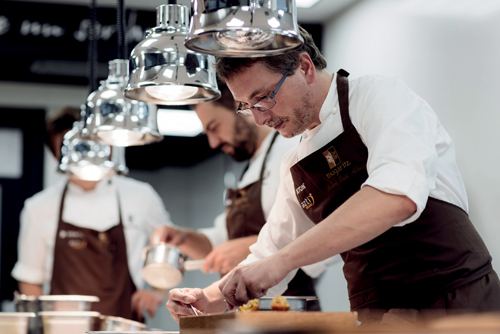
Nutrition education Food education is so central to the programme, that Healthouse operates a genuine, open kitchen policy, where guests can wander in at any time of the day and see what the chefs are doing.
There’s also a cookery class every two days, complete with take-home menus and even a cocktail making class that involves teas instead of alcohol. Local shopping tours are also included, so guests learn how to food shop for a healthier lifestyle.
Huerga says: “The focus is not so much about reducing food here but about creating lifelong healthy habits.”
While the food is naturally a major part of the programme, Healthouse guests also undergo a series of tests and assessments overseen by an endocrinologist and GP. A psychologist is on hand too, to explore reasons why the guest perhaps cannot lose weight or stop smoking, and finally a nutritionist who devises a bespoke eating plan for their stay.
The spa offers therapeutic treatments such as shiatsu, reiki, deep tissue massage and seaweed baths, as well as individualised treatments according to the programme. For the Anti-Ageing package, for example, there’s a focus on regenerative treatments for skin tone, and cellulite and wrinkle reduction, while for Anti-Stress there’s floatation therapy.
“Within two days, we know exactly what a guest needs and how we can help them,” says Huerga.“We’re very proud of our results so far. When you reduce weight you reduce a lot of problems associated with diabetes [and other illnesses]. The pharmaceutical industry isn’t happy with that, but we know this approach works.”
Post-programme support Another factor in the longer-term success of Healthouse will no doubt be the post-retreat support offered to all guests. Each will receive a weekly check-up call, and many will be linked up to a local Naturhouse diet and supplement shop – part of a global network of over 2000 franchise shops managed by Healthouse’s parent company Grupo Kiluva.
Huerga says that while guests were initially around 70 per cent Spanish – perhaps down to the association with Naturhouse which is well established brand in Spain – there’s now a wider spread of nationalities, including many from Britain and France.
Healthouse clearly sees a future in what it terms ‘gastro-healthy’ cuisine, and Huerga reveals that the company is already in discussions with Aduriz to open a chain of Healthouse restaurants, starting with the major Spanish cities of Madrid and Barcelona.
He concludes: “These plans are in the very early stages, and we will need to see how well the concept is received before we consider expansion.
“We are also currently searching for a new site for the second Healthouse, which is to be located in Miami Beach, Florida and will hopefully be open to the US market by next year.”
Read more from this issue of Spa Business magazine
View contents of Spa Business 2015 issue 4
Letters:
Concerns raised over massage-on-demand vetting systems
Interview: Michael Tompkins
What’s next for Michael Tompkins as he takes a step back at Hilton Head Health? Rhianon Howells finds out
Promotional feature: Dr Burgener Switzerland
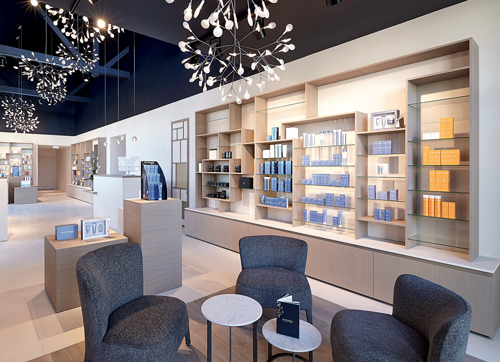
Leading skincare brand Dr Burgener Switzerland combines natural ingredients with advanced technology to produce exceptional results – and the company sees customisation as the way forward for each of its spa clients
Trends: Workplace wellness
Neena Dhillon looks at two award-winning employee wellness programmes and asks how spas can get involved in this burgeoning market
Promotional feature: ESPA
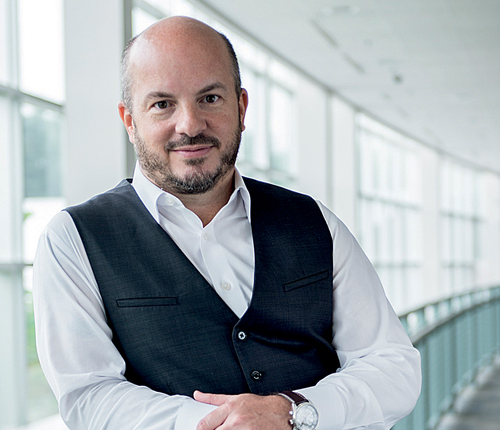
ESPA International has always been a leader in the global spa business but has never been averse to change. The CEO and son of its founder explains how the company he joined 22 years ago is adapting to meet the challenges facing the industry today
Research: Onwards & upwards
ISPA research shows the US spa sector has reached new heights. Colin McIlheney analyses the findings
Promotional feature: Phytomer
Director of international development, Tristan Lagarde, explains how PHYTOMER has become a leader in the field of technological skincare development, and how spas can benefit from the brand’s success
Spa concept: Eforea 2.0
Hilton has refreshed its spa concept to make it more appealing to hoteliers. But what’s changed? Jane Kitchen finds out
Promotional feature: Living Earth Crafts
Brian Paris, spa designer and VP of sales for Living Earth Crafts, explains how the company is helping spa operators become more efficient with space-saving but stylish spa equipment and accessories
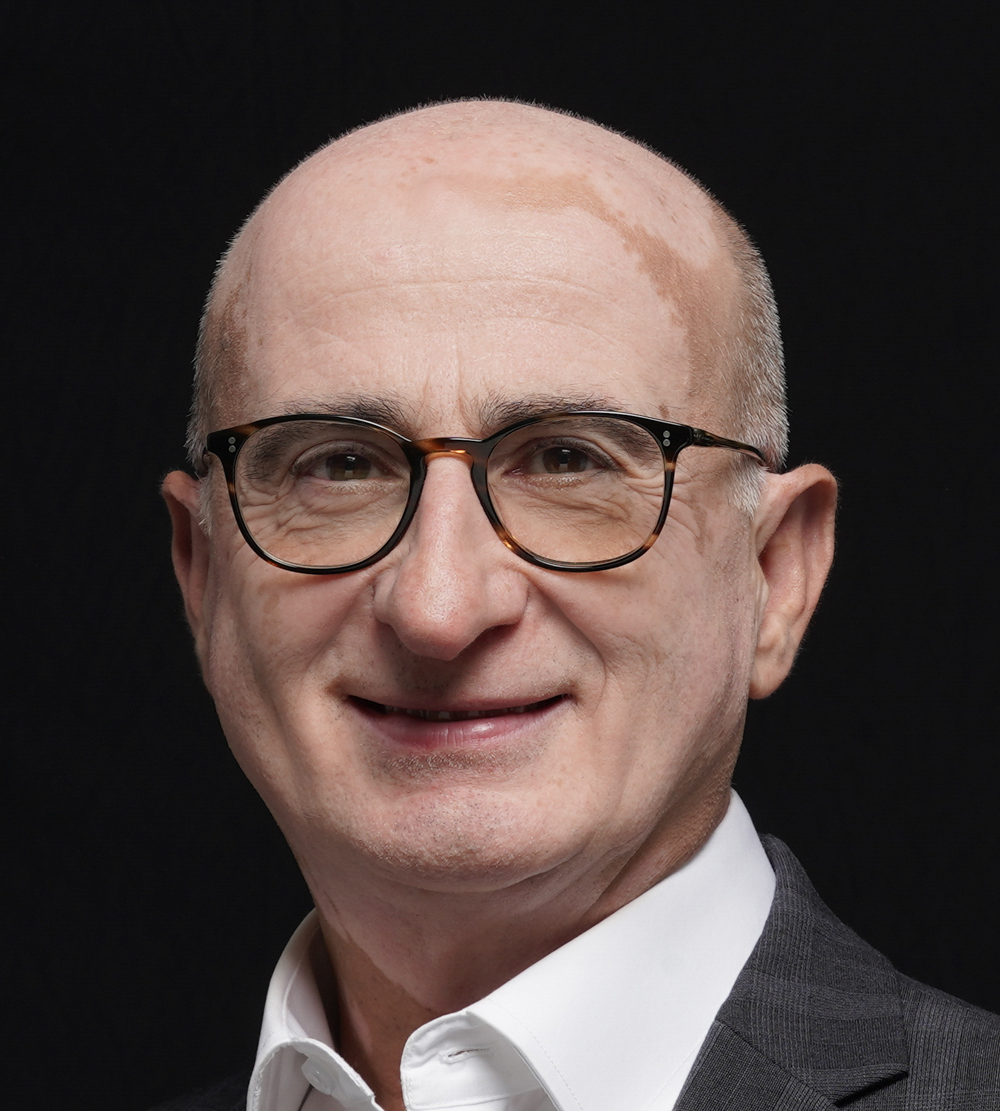
Andoni Luis Aduriz Michelin-star chef Andoni Luis Aduriz says that while creating the menu at Healthouse Las Dunas wasn’t straightforward, it was a task he relished. “The big challenge was to restrict the calories. Yet this limitation, far from being a handicap, became a great source of creativity. Dividing calories over several dishes, playing with portion sizes, using technical expertise to develop fat-free versions were some of our strategies to develop the menus.”
He adds that another major obstacle was the mental aspect of the meal. “We worked on psychological means by using elements that satisfy hunger such as broths and fibres, volumes through air and foam, offering dishes that take time to eat or creating the optical illusion of eating not what one sees. All without losing sight of the gastronomic perspective, indulgence and pleasure.”
Andoni Luis Aduriz
Julie Cramer is a health, hospitality and travel journalist and a former BBC online news editor.
Guests of Spain’s Healthouse Las Dunas resort eat gourmet meals five times a day and still see an impressive amount of weight loss. So what are the chef’s secrets? Julie Cramer reports
By Julie Cramer | Published in Spa Business 2015 issue 4
L to R: Michelin-star chef Aduriz; Healthouse marketing manager Sandra Huerga Kanzler; and director Raul Huerga
Most clients attending a weight loss retreat might expect to some form of food deprivation, even if the surroundings and treatments are five-star. However, the regime at Healthouse Las Dunas near Marbella, Spain has taken a very different approach, with a gourmet menu created by a Michelin-star chef and a schedule where guests eat five times a day.
The resort, which offers 55 suites, the 3,000sq m (32,290sq ft) Naturhouse Spa and the 319sq m (3,430sq ft) Ekilum Spa, opened in May 2014 and has already seen some impressive results among guests, 85 per cent of whom come for weight loss.
“Our guests lose an average of five kilos a week, and we’ve had a high amount (80 per cent) of repeat visits in a little over a year of operation.” says Healthouse director Raul Huerga.
A large part of this success comes down to Healthouse’s decision to partner with renowned Basque chef Andoni Luis Aduriz who set up the two-Michelin star Mugaritz – rated sixth best restaurant in the world.
Aside from his accomplishments in haute cuisine, Aduriz has long had an interest in health and nutrition, having consulted on various health-related projects, including the national Senifood project to research the macro-nutrient profile of menus. So the partnership, says Huerga, “turned out to be a perfect one”.
The extensive menu for Healthouse’s eight programmes – including those for detox, anti-stress and anti-smoking – was in full-time development for two months with a team of 54 of Aduriz’s chefs.
Restricting calories not taste The meals at Healthouse contain no added salt or sugar, no high-fat dairy, there’s no flour in the sauces or starchy carbohydrates served and yet guests are able to dine on appealing dishes like grilled vegetables with sea urchin, lobster salad and caviar, cannelloni with a special béchamel, and Catalane cream.
Huerga says: “For the weight loss regime guests will either be on an intensive 900 calories per day or 1,300 calories, both of which involve a normal breakfast, a mid morning snack, a four-course lunch, mid afternoon snack and four-course dinner. The entire calorie count for dinner, for example, would be less than one cheeseburger.”
For other programmes, like anti-smoking, guests might be eating up to 2,500 calories a day depending upon their individual nutritional requirements.
Huerga says that each day, not more than one teaspoon of olive oil goes into a guest’s food on the weight loss programme, in addition to the naturally-occurring healthy fats in the organic produce such as chicken and fish.
“Our team of 11 chefs spend a lot of time on preparation. Some of our dishes take up to 72 hours to prepare under a slow reduction method, where we extract the unwanted calories like excess fat, keep the best nutritional content of the food and concentrate the flavour.”
Sauces are thickened with kuzu, which derives from a Japanese plant, and is a naturally gluten-free starch, while desserts may be sweetened with low-sugar fruits such as berries and inulin, a naturally occurring polysaccharide. Herbs from the resort’s garden also feature strongly.
Having set up the launch menu, Aduriz is still very much a hands-on consultant – creating around 50-60 dishes for each programme, for every season. The idea is that no one will eat the same dish twice.
Nutrition education Food education is so central to the programme, that Healthouse operates a genuine, open kitchen policy, where guests can wander in at any time of the day and see what the chefs are doing.
There’s also a cookery class every two days, complete with take-home menus and even a cocktail making class that involves teas instead of alcohol. Local shopping tours are also included, so guests learn how to food shop for a healthier lifestyle.
Huerga says: “The focus is not so much about reducing food here but about creating lifelong healthy habits.”
While the food is naturally a major part of the programme, Healthouse guests also undergo a series of tests and assessments overseen by an endocrinologist and GP. A psychologist is on hand too, to explore reasons why the guest perhaps cannot lose weight or stop smoking, and finally a nutritionist who devises a bespoke eating plan for their stay.
The spa offers therapeutic treatments such as shiatsu, reiki, deep tissue massage and seaweed baths, as well as individualised treatments according to the programme. For the Anti-Ageing package, for example, there’s a focus on regenerative treatments for skin tone, and cellulite and wrinkle reduction, while for Anti-Stress there’s floatation therapy.
“Within two days, we know exactly what a guest needs and how we can help them,” says Huerga.“We’re very proud of our results so far. When you reduce weight you reduce a lot of problems associated with diabetes [and other illnesses]. The pharmaceutical industry isn’t happy with that, but we know this approach works.”
Post-programme support Another factor in the longer-term success of Healthouse will no doubt be the post-retreat support offered to all guests. Each will receive a weekly check-up call, and many will be linked up to a local Naturhouse diet and supplement shop – part of a global network of over 2000 franchise shops managed by Healthouse’s parent company Grupo Kiluva.
Huerga says that while guests were initially around 70 per cent Spanish – perhaps down to the association with Naturhouse which is well established brand in Spain – there’s now a wider spread of nationalities, including many from Britain and France.
Healthouse clearly sees a future in what it terms ‘gastro-healthy’ cuisine, and Huerga reveals that the company is already in discussions with Aduriz to open a chain of Healthouse restaurants, starting with the major Spanish cities of Madrid and Barcelona.
He concludes: “These plans are in the very early stages, and we will need to see how well the concept is received before we consider expansion.
“We are also currently searching for a new site for the second Healthouse, which is to be located in Miami Beach, Florida and will hopefully be open to the US market by next year.”
Read more from this issue of Spa Business magazine
View contents of Spa Business 2015 issue 4
Letters:
Concerns raised over massage-on-demand vetting systems
Interview: Michael Tompkins
What’s next for Michael Tompkins as he takes a step back at Hilton Head Health? Rhianon Howells finds out
Promotional feature: Dr Burgener Switzerland
Leading skincare brand Dr Burgener Switzerland combines natural ingredients with advanced technology to produce exceptional results – and the company sees customisation as the way forward for each of its spa clients
Trends: Workplace wellness
Neena Dhillon looks at two award-winning employee wellness programmes and asks how spas can get involved in this burgeoning market
Promotional feature: ESPA
ESPA International has always been a leader in the global spa business but has never been averse to change. The CEO and son of its founder explains how the company he joined 22 years ago is adapting to meet the challenges facing the industry today
Research: Onwards & upwards
ISPA research shows the US spa sector has reached new heights. Colin McIlheney analyses the findings
Promotional feature: Phytomer
Director of international development, Tristan Lagarde, explains how PHYTOMER has become a leader in the field of technological skincare development, and how spas can benefit from the brand’s success
Spa concept: Eforea 2.0
Hilton has refreshed its spa concept to make it more appealing to hoteliers. But what’s changed? Jane Kitchen finds out
Promotional feature: Living Earth Crafts
Brian Paris, spa designer and VP of sales for Living Earth Crafts, explains how the company is helping spa operators become more efficient with space-saving but stylish spa equipment and accessories
Andoni Luis Aduriz Michelin-star chef Andoni Luis Aduriz says that while creating the menu at Healthouse Las Dunas wasn’t straightforward, it was a task he relished. “The big challenge was to restrict the calories. Yet this limitation, far from being a handicap, became a great source of creativity. Dividing calories over several dishes, playing with portion sizes, using technical expertise to develop fat-free versions were some of our strategies to develop the menus.”
He adds that another major obstacle was the mental aspect of the meal. “We worked on psychological means by using elements that satisfy hunger such as broths and fibres, volumes through air and foam, offering dishes that take time to eat or creating the optical illusion of eating not what one sees. All without losing sight of the gastronomic perspective, indulgence and pleasure.”
Andoni Luis Aduriz
Julie Cramer is a health, hospitality and travel journalist and a former BBC online news editor.
People taking GLP-1 weight loss medications such as Ozempic, Wegovy, Mounjaro and Zepbound
may be losing weight, but they’re also becoming less physically active, according to new
research presented at the ENDO 2026 annual meeting of the Endocrine Society
Abu Dhabi-based investment firm Mubadala Capital has made a binding, fully financed
€1 billion
offer to acquire Pierre and Vacances SA, the European holiday resort operator behind the
continental European Center Parcs business.
Global retreat trade show, Synergy The Retreat Show, has launched a resource called The
Source, which hosts an open-access online Transformation Series programme.
The Standards Authority for Touch in Cancer Care (SATCC) charity has announced its first five-
day Living with Cancer and Beyond retreat, which will be held at Carden Park Hotel and Spa in
Cheshire, UK, between 1 and 5 September.
Patmos Aktis, a Luxury Collection Resort and Spa, has opened in Greece, with a renovated and
rebranded wellness offering called Ansana Wellness and Spa.
The Mauna Kea Beach Hotel, an Autograph Collection property in Hawaii, US, has opened its
22,000 sq ft indoor-outdoor Spa at Mauna Kea as the final step in the property’s overall
renovation, which has cost more than US$180 million (€166 million, £140 mill
The UK spa review and discovery platform for consumers, the Good Spa Guide, has announced
it will host the Good Spa Guide Awards 2026 during an event on 16 November at Sopwell House
Hotel in St Albans, UK.
Eighty-four per cent of consumers now say wellness is a top priority in their lives, with this
percentage increasing year on year, according to a preview presentation of McKinsey’s Future of
Wellness 2026 research report.
Mass protests have been taking place since Monday 1 June in Albania over the development of
a luxury resort by Donald Trump’s daughter Ivanka Trump and her husband Jared Kushner.
Global Wellness Day (GWD) marked its 15th anniversary on Saturday 13 June 2026, with the
theme: #JoyMagenta – a celebration of the healing qualities of simple gestures and activities
that spark joy.