Kath Hudson talks to Italian architect Emanuele Boaretto about building Y-40 – The Deep Joy, the world’s deepest thermal pool to regenerate both his own spa resort and the region
By Kath Hudson | Published in Spa Business 2015 issue 4
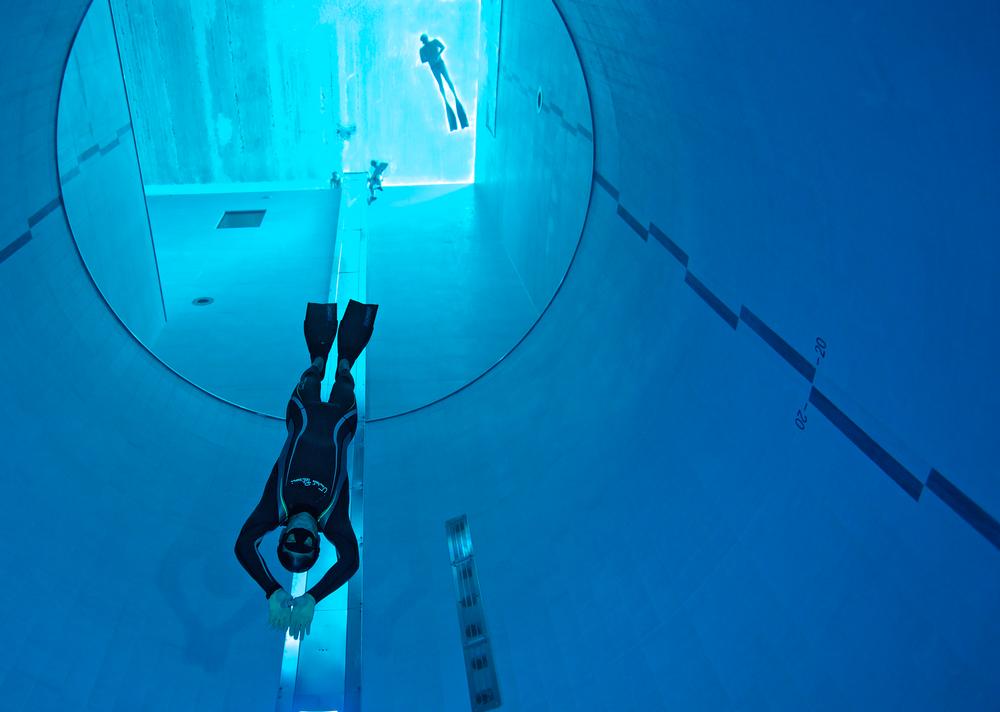
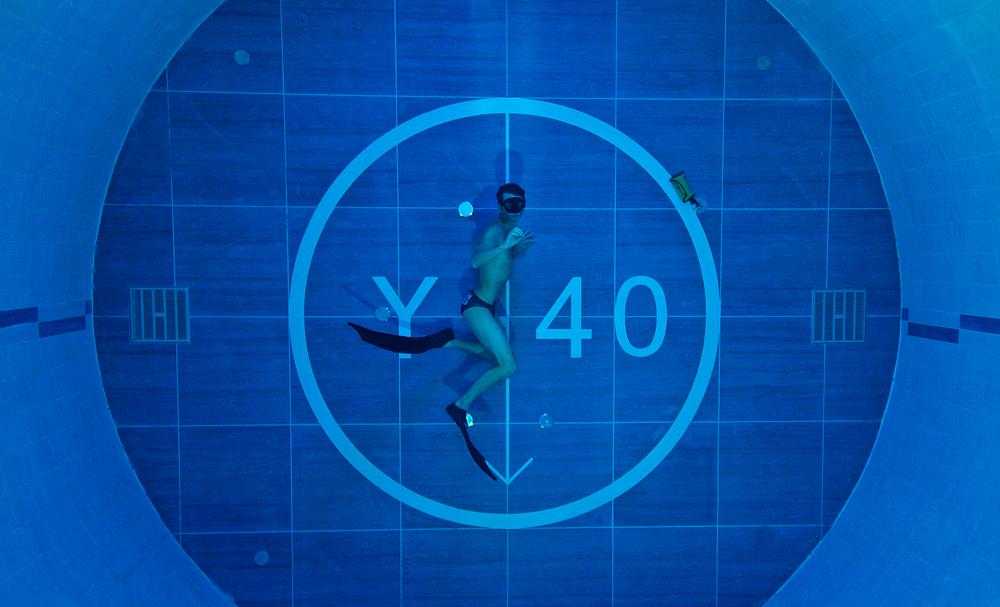
Italian spa resort, Hotel Terme Millepini, created an incredible, and ambitious addition to its portfolio of facilities in June 2014, when it opened a 40m diving pool, Y-40 – The Deep Joy. The goal was to turn the resort into an international diving destination.
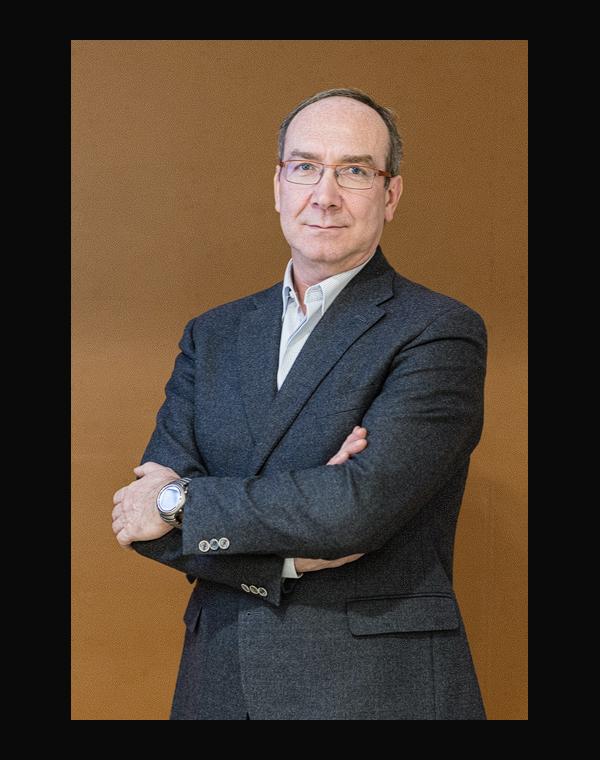
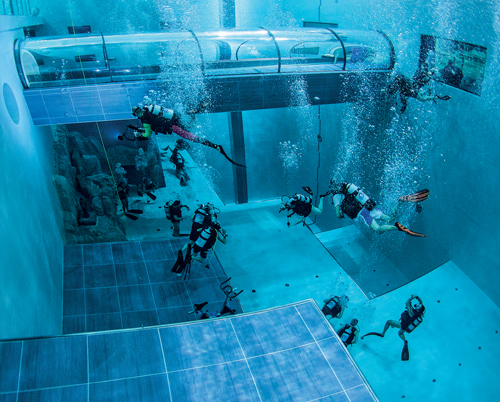
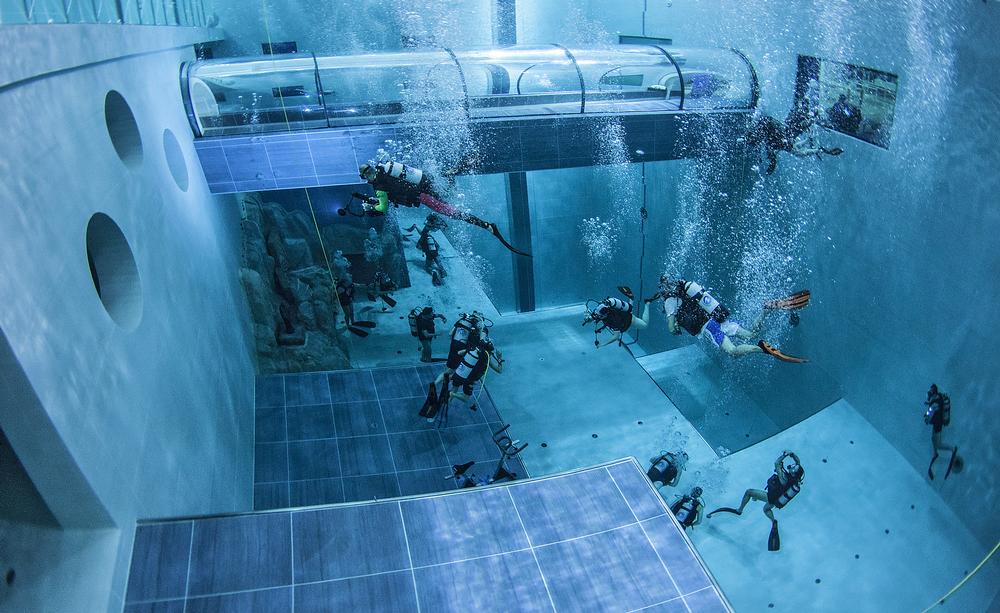
Designed by the hotel owner, Emanuele Boaretto, with the help of diving instructor, Marco Mardollo, the facility is the world’s deepest thermal water pool – the equivalent in height to nine double decker buses. It also incorporates four caves, for technical underwater diving and a transparent viewing tunnel, so people can experience the depths without getting wet.
Going to these lengths to boost business could be viewed as extreme, but Boaretto, whose family owns the resort, had nurtured the idea for almost 30 years. In many ways it was a natural progression for the business: the spa’s speciality is thermal treatments using natural resources and this project allows visitors another, more active, way to experience the healing properties of the water.
A diving pool fits in well with the resort’s existing hydrothermal experiences: three thermal pools whirlpools, waterfall and heat experiences.
FOLLOWING A DREAM The resort, near Padova in north Italy, is located in Montegrotto Terme, one of the biggest thermal spa regions in Europe. It’s these waters which made Boaretto’s dream possible, as the 4,300 cubic metres of water needed for the diving pool are naturally heated to 32–34?C. This was crucial because Boaretto wanted the project to be environmentally sustainable.
“Emanuele had the idea in the 1980s, while he was studying architecture and the family was building the hotel,” explains Giovanni Boaretto, his son and a Y-40 spokesperson. “The hotel is on a hill and seeing the volume of earth being moved gave him the idea for a thermal dive pool.”
People considered it an outlandish idea and so Boaretto didn’t act on it until the hotel started to lose customers to cheaper spas in eastern Europe at the end of the noughties. While other operators could offer thermal treatments for less money, they couldn’t replicate a 40m diving pool.
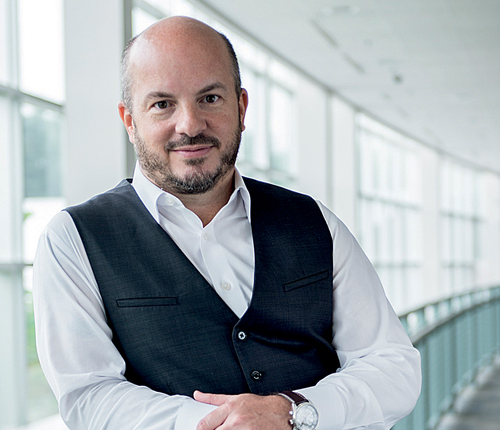
Emanuele Boaretto says: “Y-40 is unique in its field thanks to the spa water, which cannot be outsourced. We want to open up new medium- and long-term work prospects to try and guarantee prosperity, not only for my company, but also for the surrounding land and society.”
Because economic regeneration was such an important part of the project, only Italian companies were used. To speed things up, Boaretto decided to privately fund the development, rather than try to get the idea past shareholders. After three years of planning and getting permissions in place, construction only took one year.
HEALING WATERS “Our water is 30 per cent more powerful than cortisone. It’s highly efficient as an anti-inflammatory, for soothing muscles and regulating hormones, without causing any bad effects” says Giovanni Boaretto. “Diving is another tool to experience the water and this is the message we’re emphasising in our marketing. Repeat visits will be from people who found something harmonious about the pool.”
The original source of the water is the uncontaminated basins of the Lessini mountains, at the foothills of the Alps, more than 80km (50 miles) away. The journey through the calcareous rock, at a depth of 2,000-3,000m (6,560-9,840ft), can take more than 25 years. During this time the water is held at high pressures and temperatures, so when it finally emerges it is enriched with mineral salts, famous for their antioxidant, anti-inflammatory and antiseptic properties.
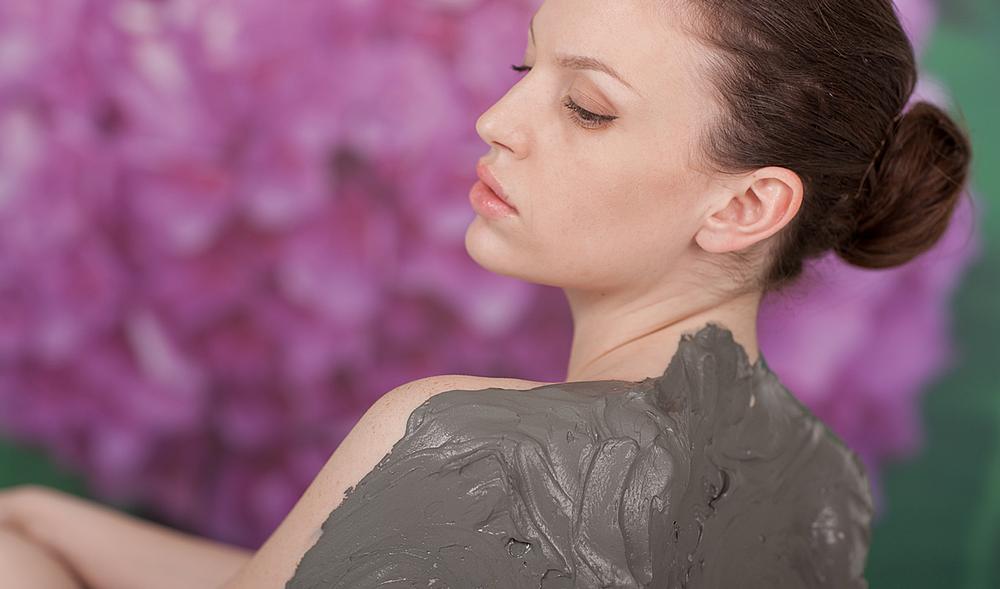
The Euganean thermal mud, which is excavated from the thermal lake in the national park where Hotel Terme Millepini is located, is even more effective. It has a patented ingredient and provides the basis for the spa’s signature services – 14 out of the 24 treatment rooms are set aside for mud therapy. In 2013, the mud received a European licence for its efficacy in treating arthritis, arthrosis and traumas.
SPORT AND SPA To date yoga and pilates have been the physical disciplines used by most spas to a create a union between the body and the mind. So diving is an interesting diversification, but already it looks likely to gather momentum, as more spas add diving to their programmes (see p100).
“We expect there will be more of a relationship between dive and spa facilities in the future,” says Giovanni Boaretto, explaining that 15 per cent of divers come on a dive and spa package. “Y-40 has sparked a lot of interest and Emanuele is now consulting all over the world on similar projects, in Malaysia, Taiwan, China and Japan. Rather than replicate Y-40, he’s looking at how the pool could reflect each location.”
There are synergies between diving and spa, as a philosophy of mindfulness is conveyed through the free diving courses, which combine the discipline with meditation, massage and yoga.
“It’s not about pushing people to break records with free diving, but about making a connection with the depth. We teach them how to feel well in the water, which then allows them to go deep,” says Giovanni Boaretto. “In order to free dive, you must have a stable mind.”
Already Y-40 is being sought out as a training location for many athletes, including Italy’s synchronised swimming team, the fencing team and international swimmers. Giovanni Boaretto says they are all coming to work on their mental (rather than physical) training in the water.
FINDING CUSTOMERS Opening the world’s deepest thermal dive pool has boosted business: visits have increased by thousands in the last year. Divers are one market. It’s also ideal for photo shoots and for companies which want to test equipment.
However, the team is realistic that many people have visited because it’s new and lots of divers only visit a location once. At €35 (US$40, £26) per session, the pool must be kept busy in order to pay back the €15m (US$17m, £22.5m) investment, so the pressure is on the marketing team.
Different markets are being actively sought, particularly in the US and the UK and free diving and spa packages are being designed, with the aim of keeping people at the hotel for three to four nights.
“People won’t spend €700 just to dive here: we’re not the Maldives and we don’t have fish,” says Giovanni Boaretto. “So we’re selling a memorable and holistic experience: pushing the fact that the water offers a joyful, harmonious experience, our national park is a very calm place to be, the surroundings are beautiful, there’s wine tasting and it’s easy to visit Venice, Vienna and Padova.”
Emanuele Boaretto’s bold move could be the start of a new trend for spas to look for sports which complement their offering to broaden their market to a fresh audience of highly engaged customers.
Read more from this issue of Spa Business magazine
View contents of Spa Business 2015 issue 4
Letters:
Concerns raised over massage-on-demand vetting systems
Interview: Michael Tompkins
What’s next for Michael Tompkins as he takes a step back at Hilton Head Health? Rhianon Howells finds out
Promotional feature: Dr Burgener Switzerland
Leading skincare brand Dr Burgener Switzerland combines natural ingredients with advanced technology to produce exceptional results – and the company sees customisation as the way forward for each of its spa clients
Trends: Workplace wellness
Neena Dhillon looks at two award-winning employee wellness programmes and asks how spas can get involved in this burgeoning market
Promotional feature: ESPA
ESPA International has always been a leader in the global spa business but has never been averse to change. The CEO and son of its founder explains how the company he joined 22 years ago is adapting to meet the challenges facing the industry today
Research: Onwards & upwards
ISPA research shows the US spa sector has reached new heights. Colin McIlheney analyses the findings
Promotional feature: Phytomer
Director of international development, Tristan Lagarde, explains how PHYTOMER has become a leader in the field of technological skincare development, and how spas can benefit from the brand’s success
Spa concept: Eforea 2.0
Hilton has refreshed its spa concept to make it more appealing to hoteliers. But what’s changed? Jane Kitchen finds out
Promotional feature: Living Earth Crafts
Brian Paris, spa designer and VP of sales for Living Earth Crafts, explains how the company is helping spa operators become more efficient with space-saving but stylish spa equipment and accessories
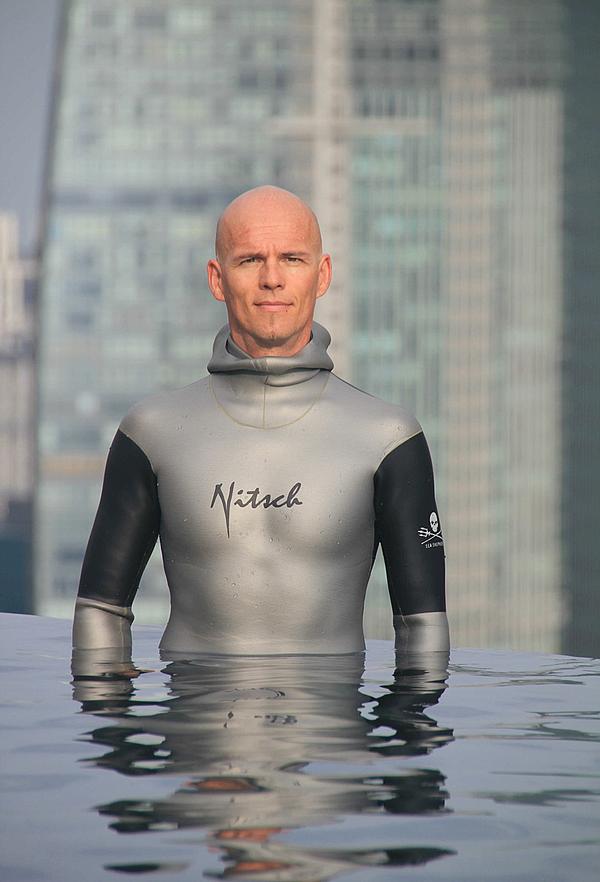
Sporting Trend Taking advantage of their settings, a number of spa resorts in Asia have added free diving to their list of offers in 2015 Soneva Fushi has lined up a number of workshops in partnership with big names such as free diving world record holder Herbert Nitsch. A five day, all-inclusive course for up to five people at the Maldivian resorts costs US$150,000 (€134,000, £99,000).
Herbert Nitsch
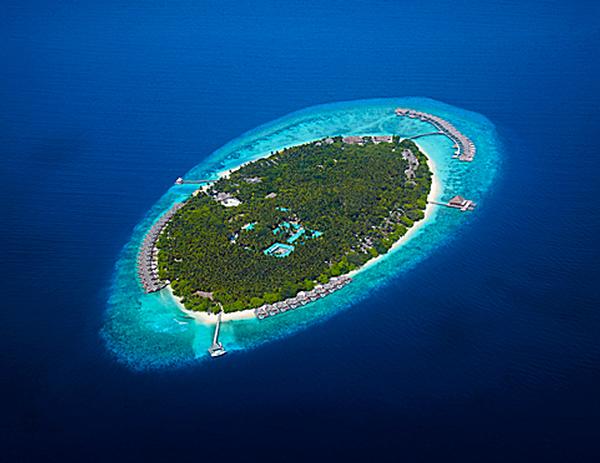
Sporting Trend Taking advantage of their settings, a number of spa resorts in Asia have added free diving to their list of offers in 2015 Dusit Thani Maldives joined forces with free diving organisation Apnea Total to launch an internationally-approved free diving centre earlier this year. Basic, advanced and master courses are offered in packages of two days, three days and five weeks. The resort says prices fluctuate and are not fixed.
Free diving organisation Apnea Total
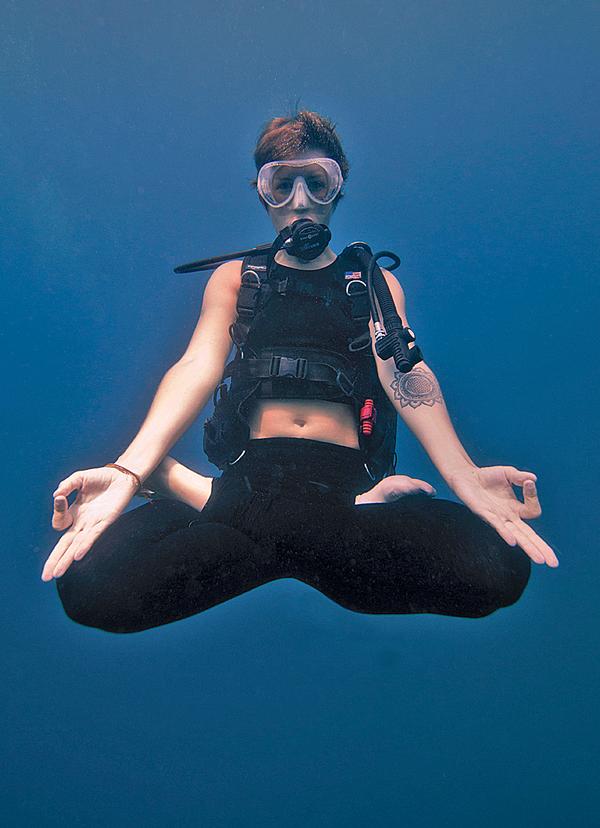
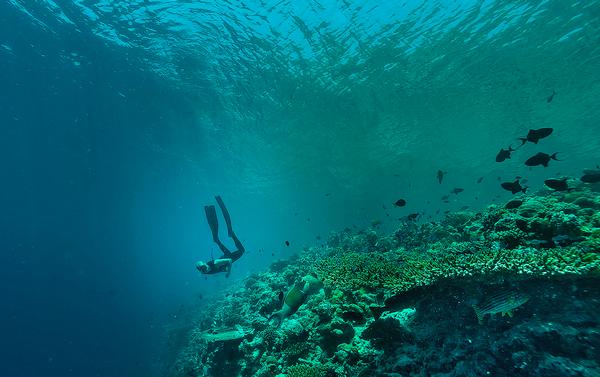
Sporting Trend Taking advantage of their settings, a number of spa resorts in Asia have added free diving to their list of offers in 2015 This September, Alila Manggis in Bali introduced a Harmony Dive package which combines meditation, yoga and rejuvenating spa treatments. A three night package starts at US$300++ (€265, £193) a night based on two people sharing.
Alila Manggis in Bali
Harmony Dive package
Kath Hudson is a former editor at Leisure Media and a freelance health, travel and design writer
In the fast-paced world of fitness and wellness, where high-intensity workouts push us to
our limits and the sweat pours, the importance of efficient recovery cannot be overstated. [more...]
Kath Hudson talks to Italian architect Emanuele Boaretto about building Y-40 – The Deep Joy, the world’s deepest thermal pool to regenerate both his own spa resort and the region
By Kath Hudson | Published in Spa Business 2015 issue 4
Italian spa resort, Hotel Terme Millepini, created an incredible, and ambitious addition to its portfolio of facilities in June 2014, when it opened a 40m diving pool, Y-40 – The Deep Joy. The goal was to turn the resort into an international diving destination.
Designed by the hotel owner, Emanuele Boaretto, with the help of diving instructor, Marco Mardollo, the facility is the world’s deepest thermal water pool – the equivalent in height to nine double decker buses. It also incorporates four caves, for technical underwater diving and a transparent viewing tunnel, so people can experience the depths without getting wet.
Going to these lengths to boost business could be viewed as extreme, but Boaretto, whose family owns the resort, had nurtured the idea for almost 30 years. In many ways it was a natural progression for the business: the spa’s speciality is thermal treatments using natural resources and this project allows visitors another, more active, way to experience the healing properties of the water.
A diving pool fits in well with the resort’s existing hydrothermal experiences: three thermal pools whirlpools, waterfall and heat experiences.
FOLLOWING A DREAM The resort, near Padova in north Italy, is located in Montegrotto Terme, one of the biggest thermal spa regions in Europe. It’s these waters which made Boaretto’s dream possible, as the 4,300 cubic metres of water needed for the diving pool are naturally heated to 32–34?C. This was crucial because Boaretto wanted the project to be environmentally sustainable.
“Emanuele had the idea in the 1980s, while he was studying architecture and the family was building the hotel,” explains Giovanni Boaretto, his son and a Y-40 spokesperson. “The hotel is on a hill and seeing the volume of earth being moved gave him the idea for a thermal dive pool.”
People considered it an outlandish idea and so Boaretto didn’t act on it until the hotel started to lose customers to cheaper spas in eastern Europe at the end of the noughties. While other operators could offer thermal treatments for less money, they couldn’t replicate a 40m diving pool.
Emanuele Boaretto says: “Y-40 is unique in its field thanks to the spa water, which cannot be outsourced. We want to open up new medium- and long-term work prospects to try and guarantee prosperity, not only for my company, but also for the surrounding land and society.”
Because economic regeneration was such an important part of the project, only Italian companies were used. To speed things up, Boaretto decided to privately fund the development, rather than try to get the idea past shareholders. After three years of planning and getting permissions in place, construction only took one year.
HEALING WATERS “Our water is 30 per cent more powerful than cortisone. It’s highly efficient as an anti-inflammatory, for soothing muscles and regulating hormones, without causing any bad effects” says Giovanni Boaretto. “Diving is another tool to experience the water and this is the message we’re emphasising in our marketing. Repeat visits will be from people who found something harmonious about the pool.”
The original source of the water is the uncontaminated basins of the Lessini mountains, at the foothills of the Alps, more than 80km (50 miles) away. The journey through the calcareous rock, at a depth of 2,000-3,000m (6,560-9,840ft), can take more than 25 years. During this time the water is held at high pressures and temperatures, so when it finally emerges it is enriched with mineral salts, famous for their antioxidant, anti-inflammatory and antiseptic properties.
The Euganean thermal mud, which is excavated from the thermal lake in the national park where Hotel Terme Millepini is located, is even more effective. It has a patented ingredient and provides the basis for the spa’s signature services – 14 out of the 24 treatment rooms are set aside for mud therapy. In 2013, the mud received a European licence for its efficacy in treating arthritis, arthrosis and traumas.
SPORT AND SPA To date yoga and pilates have been the physical disciplines used by most spas to a create a union between the body and the mind. So diving is an interesting diversification, but already it looks likely to gather momentum, as more spas add diving to their programmes (see p100).
“We expect there will be more of a relationship between dive and spa facilities in the future,” says Giovanni Boaretto, explaining that 15 per cent of divers come on a dive and spa package. “Y-40 has sparked a lot of interest and Emanuele is now consulting all over the world on similar projects, in Malaysia, Taiwan, China and Japan. Rather than replicate Y-40, he’s looking at how the pool could reflect each location.”
There are synergies between diving and spa, as a philosophy of mindfulness is conveyed through the free diving courses, which combine the discipline with meditation, massage and yoga.
“It’s not about pushing people to break records with free diving, but about making a connection with the depth. We teach them how to feel well in the water, which then allows them to go deep,” says Giovanni Boaretto. “In order to free dive, you must have a stable mind.”
Already Y-40 is being sought out as a training location for many athletes, including Italy’s synchronised swimming team, the fencing team and international swimmers. Giovanni Boaretto says they are all coming to work on their mental (rather than physical) training in the water.
FINDING CUSTOMERS Opening the world’s deepest thermal dive pool has boosted business: visits have increased by thousands in the last year. Divers are one market. It’s also ideal for photo shoots and for companies which want to test equipment.
However, the team is realistic that many people have visited because it’s new and lots of divers only visit a location once. At €35 (US$40, £26) per session, the pool must be kept busy in order to pay back the €15m (US$17m, £22.5m) investment, so the pressure is on the marketing team.
Different markets are being actively sought, particularly in the US and the UK and free diving and spa packages are being designed, with the aim of keeping people at the hotel for three to four nights.
“People won’t spend €700 just to dive here: we’re not the Maldives and we don’t have fish,” says Giovanni Boaretto. “So we’re selling a memorable and holistic experience: pushing the fact that the water offers a joyful, harmonious experience, our national park is a very calm place to be, the surroundings are beautiful, there’s wine tasting and it’s easy to visit Venice, Vienna and Padova.”
Emanuele Boaretto’s bold move could be the start of a new trend for spas to look for sports which complement their offering to broaden their market to a fresh audience of highly engaged customers.
Read more from this issue of Spa Business magazine
View contents of Spa Business 2015 issue 4
Letters:
Concerns raised over massage-on-demand vetting systems
Interview: Michael Tompkins
What’s next for Michael Tompkins as he takes a step back at Hilton Head Health? Rhianon Howells finds out
Promotional feature: Dr Burgener Switzerland
Leading skincare brand Dr Burgener Switzerland combines natural ingredients with advanced technology to produce exceptional results – and the company sees customisation as the way forward for each of its spa clients
Trends: Workplace wellness
Neena Dhillon looks at two award-winning employee wellness programmes and asks how spas can get involved in this burgeoning market
Promotional feature: ESPA
ESPA International has always been a leader in the global spa business but has never been averse to change. The CEO and son of its founder explains how the company he joined 22 years ago is adapting to meet the challenges facing the industry today
Research: Onwards & upwards
ISPA research shows the US spa sector has reached new heights. Colin McIlheney analyses the findings
Promotional feature: Phytomer
Director of international development, Tristan Lagarde, explains how PHYTOMER has become a leader in the field of technological skincare development, and how spas can benefit from the brand’s success
Spa concept: Eforea 2.0
Hilton has refreshed its spa concept to make it more appealing to hoteliers. But what’s changed? Jane Kitchen finds out
Promotional feature: Living Earth Crafts
Brian Paris, spa designer and VP of sales for Living Earth Crafts, explains how the company is helping spa operators become more efficient with space-saving but stylish spa equipment and accessories
Sporting Trend Taking advantage of their settings, a number of spa resorts in Asia have added free diving to their list of offers in 2015 Soneva Fushi has lined up a number of workshops in partnership with big names such as free diving world record holder Herbert Nitsch. A five day, all-inclusive course for up to five people at the Maldivian resorts costs US$150,000 (€134,000, £99,000).
Herbert Nitsch
Sporting Trend Taking advantage of their settings, a number of spa resorts in Asia have added free diving to their list of offers in 2015 Dusit Thani Maldives joined forces with free diving organisation Apnea Total to launch an internationally-approved free diving centre earlier this year. Basic, advanced and master courses are offered in packages of two days, three days and five weeks. The resort says prices fluctuate and are not fixed.
Free diving organisation Apnea Total
Sporting Trend Taking advantage of their settings, a number of spa resorts in Asia have added free diving to their list of offers in 2015 This September, Alila Manggis in Bali introduced a Harmony Dive package which combines meditation, yoga and rejuvenating spa treatments. A three night package starts at US$300++ (€265, £193) a night based on two people sharing.
Alila Manggis in Bali
Harmony Dive package
Kath Hudson is a former editor at Leisure Media and a freelance health, travel and design writer
People taking GLP-1 weight loss medications such as Ozempic, Wegovy, Mounjaro and Zepbound
may be losing weight, but they’re also becoming less physically active, according to new
research presented at the ENDO 2026 annual meeting of the Endocrine Society
Abu Dhabi-based investment firm Mubadala Capital has made a binding, fully financed
€1 billion
offer to acquire Pierre and Vacances SA, the European holiday resort operator behind the
continental European Center Parcs business.
Global retreat trade show, Synergy The Retreat Show, has launched a resource called The
Source, which hosts an open-access online Transformation Series programme.
The Standards Authority for Touch in Cancer Care (SATCC) charity has announced its first five-
day Living with Cancer and Beyond retreat, which will be held at Carden Park Hotel and Spa in
Cheshire, UK, between 1 and 5 September.
Patmos Aktis, a Luxury Collection Resort and Spa, has opened in Greece, with a renovated and
rebranded wellness offering called Ansana Wellness and Spa.
The Mauna Kea Beach Hotel, an Autograph Collection property in Hawaii, US, has opened its
22,000 sq ft indoor-outdoor Spa at Mauna Kea as the final step in the property’s overall
renovation, which has cost more than US$180 million (€166 million, £140 mill
The UK spa review and discovery platform for consumers, the Good Spa Guide, has announced
it will host the Good Spa Guide Awards 2026 during an event on 16 November at Sopwell House
Hotel in St Albans, UK.
Eighty-four per cent of consumers now say wellness is a top priority in their lives, with this
percentage increasing year on year, according to a preview presentation of McKinsey’s Future of
Wellness 2026 research report.
Mass protests have been taking place since Monday 1 June in Albania over the development of
a luxury resort by Donald Trump’s daughter Ivanka Trump and her husband Jared Kushner.
Global Wellness Day (GWD) marked its 15th anniversary on Saturday 13 June 2026, with the
theme: #JoyMagenta – a celebration of the healing qualities of simple gestures and activities
that spark joy.
In the fast-paced world of fitness and wellness, where high-intensity workouts push us to
our limits and the sweat pours, the importance of efficient recovery cannot be overstated. [more...]