Yes! Send me the FREE digital editions of Spa Business and Spa Business insider magazines and the FREE weekly Spa Business and Spa Business insider ezines and breaking news alerts!
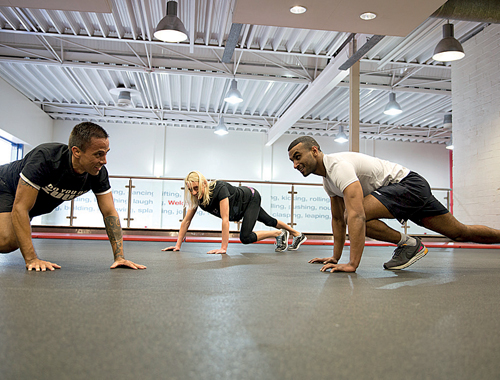
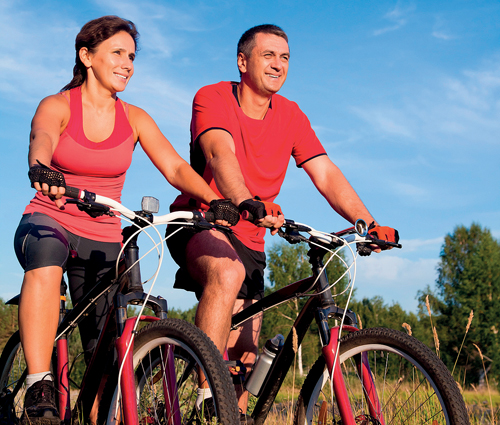
Research shows that 7.5-12.5 hours of exercise a week is the optimum amount / photo: shutterstock/YanLev
Current physical activity guidelines for adults by the World Health Organization recommend 2.5 hours of moderate exercise – or 1.25 hours of vigorous exercise – a week. But just how frequently you need to work out to achieve optimum health, and how hard, remains unclear. Neither is it clear if there’s an upper limit – how much is too much?
Two new studies, both published in the JAMA Internal Medicine journal in April, reveal some interesting facts.
Exercise frequency In the larger of the two studies*, data on physical activity levels among 661,137 men and women from Europe and the US was collated. They had an average age of 62 and were categorised by the amount of exercise they did each week. The researchers then looked at death rates over a 14-year follow-up period.
People who did no exercise faced the highest risk of mortality. No surprises there.
However, even those whose moderate activity levels fell below the recommended guidelines of 2.5 hours a week – people who were at least doing something – still benefited from exercise. Their risk of dying was reduced by 20 per cent.
Longevity increased among those who met the minimum levels of exercise, or who did twice as much – between 2.5 and 5 hours a week. This group were 31 per cent less likely to pass away. But the optimal results from exercise were seen among the people who engaged in three to five times the recommended amount – equating to 7.5-12.5 hours of leisurely activity a week. They had a 39 per cent lower risk of death.
The few who took it to the extreme, working out 10 times more than the guidelines – or 20.5 hours a week – saw no additional mortality benefit. But neither was there an increased risk of death.
Exercise intensity In another study**, researchers focused on the intensity of exercise and mortality rates over more than six years. It was based on 204,542 men and women in Australia who were aged 45 and older.
Participants were categorised not only by how often they exercised, but also by how hard they pushed themselves. The researchers compared those who engaged in moderate activity – such as a gentle swim, social tennis or household chores – to those who included at least some vigorous activity in their routine, such as jogging, aerobics or competitive tennis.
The results showed that achieving the recommended levels of exercise a week – even if it was just moderate intensity – lowered the risk of premature death.
Yet premature death was significantly lower for those who stepped it up a gear. People who spent up to 30 per cent of their weekly exercise time doing vigorous activity were 9 per cent less likely to die prematurely than those who only opted for more leisurely activities. Meanwhile, those who spent more than 30 per cent of their exercise time working out strenuously saw a 13 per cent reduction in mortality risk.
As with the other study, the researchers found no increased risk of early death when people exercised – even among those who worked out the most frequently and the most vigorously.
The take-home message? Any amount of exercise is good. But 7.5-12.5 hours of physical activity a week reaps the highest benefits in terms of life expectancy. And if up to 30 per cent of that time is spent working out vigorously, even better.
*Arem H et al. Leisure Time Physical Activity and Mortality: A Detailed Pooled Analysis of the Dose-Response Relationship. JAMA Intern Med, April 2015
**Gebel K et at. Effect of Moderate to Vigorous Physical Activity on All-Cause Mortality in Middle-aged and Older Australians. JAMA Intern Med, April 2015
Read more from this issue of Spa Business magazine
View contents of Spa Business 2015 issue 3
Letters:
Investors better placed to make profits in spas than operators, says Roger Allen
News report: LivNordic
Raison d’Etre signs a deal with Viking Cruise Lines for its LivNordic spa brand
Trends: Spa Foresight™ 2015
The team behind Spa Business share their insights on what the world of wellness will look like in the future
Interview – Craig Cogut:
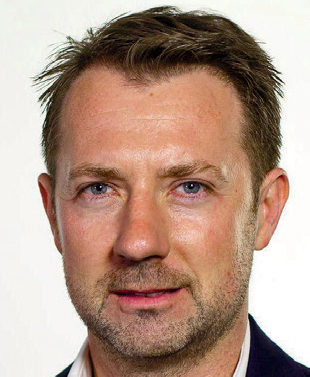
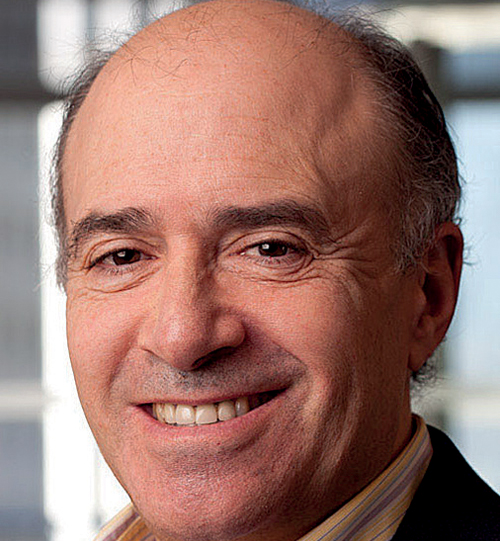
The founding partner of Six Senses’ investment firm Pegasus Capital Advisors reveals his vision for the spa operator. Rhianon Howells reports
Promotional feature: RKF Linen
Founder and CEO Riadh Bouaziz talks about the development of the linen company’s revolutionary
new Dreamsoft product and its uptake in leading hotels and spas worldwide
Thought Leaders: Expert predictions
Thought leaders from around the world, working in different industry sectors, talk about spa trends, challenges and growth opportunities
Promotional feature: Thalgo
After 50 successful years in the professional spa and beauty industry, the Thalgo brand is as strong and as innovative
as ever
Promotional feature: ManageMySpa
CEO Sudheer Koneru explains how a move from enterprise technology into spa
software resulted in the creation of a powerful system
Contrast therapy, based on the alternation of hot and cold rituals, has become one of the
most valued practices in the fields of wellness and recovery. [more...]
+ More featured suppliers
COMPANY PROFILES
Blu Spas, Inc.
Blu is a full-service firm offering project feasibility, planning and design as well as operational [more...]
G.M. Collin
G.M. Collin develops superior skin care products, from preventive care to combating the first signs [more...]
Research shows that 7.5-12.5 hours of exercise a week is the optimum amount / photo: shutterstock/YanLev
Current physical activity guidelines for adults by the World Health Organization recommend 2.5 hours of moderate exercise – or 1.25 hours of vigorous exercise – a week. But just how frequently you need to work out to achieve optimum health, and how hard, remains unclear. Neither is it clear if there’s an upper limit – how much is too much?
Two new studies, both published in the JAMA Internal Medicine journal in April, reveal some interesting facts.
Exercise frequency In the larger of the two studies*, data on physical activity levels among 661,137 men and women from Europe and the US was collated. They had an average age of 62 and were categorised by the amount of exercise they did each week. The researchers then looked at death rates over a 14-year follow-up period.
People who did no exercise faced the highest risk of mortality. No surprises there.
However, even those whose moderate activity levels fell below the recommended guidelines of 2.5 hours a week – people who were at least doing something – still benefited from exercise. Their risk of dying was reduced by 20 per cent.
Longevity increased among those who met the minimum levels of exercise, or who did twice as much – between 2.5 and 5 hours a week. This group were 31 per cent less likely to pass away. But the optimal results from exercise were seen among the people who engaged in three to five times the recommended amount – equating to 7.5-12.5 hours of leisurely activity a week. They had a 39 per cent lower risk of death.
The few who took it to the extreme, working out 10 times more than the guidelines – or 20.5 hours a week – saw no additional mortality benefit. But neither was there an increased risk of death.
Exercise intensity In another study**, researchers focused on the intensity of exercise and mortality rates over more than six years. It was based on 204,542 men and women in Australia who were aged 45 and older.
Participants were categorised not only by how often they exercised, but also by how hard they pushed themselves. The researchers compared those who engaged in moderate activity – such as a gentle swim, social tennis or household chores – to those who included at least some vigorous activity in their routine, such as jogging, aerobics or competitive tennis.
The results showed that achieving the recommended levels of exercise a week – even if it was just moderate intensity – lowered the risk of premature death.
Yet premature death was significantly lower for those who stepped it up a gear. People who spent up to 30 per cent of their weekly exercise time doing vigorous activity were 9 per cent less likely to die prematurely than those who only opted for more leisurely activities. Meanwhile, those who spent more than 30 per cent of their exercise time working out strenuously saw a 13 per cent reduction in mortality risk.
As with the other study, the researchers found no increased risk of early death when people exercised – even among those who worked out the most frequently and the most vigorously.
The take-home message? Any amount of exercise is good. But 7.5-12.5 hours of physical activity a week reaps the highest benefits in terms of life expectancy. And if up to 30 per cent of that time is spent working out vigorously, even better.
*Arem H et al. Leisure Time Physical Activity and Mortality: A Detailed Pooled Analysis of the Dose-Response Relationship. JAMA Intern Med, April 2015
**Gebel K et at. Effect of Moderate to Vigorous Physical Activity on All-Cause Mortality in Middle-aged and Older Australians. JAMA Intern Med, April 2015
Read more from this issue of Spa Business magazine
View contents of Spa Business 2015 issue 3
Letters:
Investors better placed to make profits in spas than operators, says Roger Allen
News report: LivNordic
Raison d’Etre signs a deal with Viking Cruise Lines for its LivNordic spa brand
Trends: Spa Foresight™ 2015
The team behind Spa Business share their insights on what the world of wellness will look like in the future
Interview – Craig Cogut:
The founding partner of Six Senses’ investment firm Pegasus Capital Advisors reveals his vision for the spa operator. Rhianon Howells reports
Promotional feature: RKF Linen
Founder and CEO Riadh Bouaziz talks about the development of the linen company’s revolutionary
new Dreamsoft product and its uptake in leading hotels and spas worldwide
Thought Leaders: Expert predictions
Thought leaders from around the world, working in different industry sectors, talk about spa trends, challenges and growth opportunities
Promotional feature: Thalgo
After 50 successful years in the professional spa and beauty industry, the Thalgo brand is as strong and as innovative
as ever
Promotional feature: ManageMySpa
CEO Sudheer Koneru explains how a move from enterprise technology into spa
software resulted in the creation of a powerful system
Gran Hotel Taoro in northern Tenerife, Spain, has completed the final phase of its three-year
renovation with the debut of its Sandára Wellness Centre.
Hand and Stone Massage and Facial Spa, the spa business with more than 650 locations across
the US and Canada, has appointed franchise expert Carrie Walsh as CEO as the company plans
to expand.
Synergy – The Retreat Show, the global trade show for retreats, has launched a global research
initiative that will provide insights into the retreat sector from both consumer and industry
perspectives.
The Wellness Tourism Association (WTA) has published a non-regulatory global industry
framework designed to ensure the retreat market offers responsible experiences.
A new survey of UK and international spa practitioners shows that stress, burnout and
wellbeing concerns have caused one in three respondents to consider leaving the industry.
The UK's four Chief Medical Officers have published a refreshed edition of Physical activity
guidelines: UK Chief Medical Officers' report, updating the evidence that underpins the nation's
physical activity recommendations and placing greater emphasis on strength, balance, reducing
sedentary behaviour and, for the first time, supporting people taking weight loss medications.
Anna Bjurstam has left her role as Wellness Pioneer at Six Senses Hotels and Resorts and
launched a new wellness, longevity and “consciousness consultancy” called Wahayla.
Fairmont Cheshire, The Mere, has opened today (10 July) in the Northwest of England
with a
1,715sq m Fairmont Spa that has been designed using a ‘Wellness without Walls’
concept.
Contrast therapy, based on the alternation of hot and cold rituals, has become one of the
most valued practices in the fields of wellness and recovery. [more...]
+ More featured suppliers
COMPANY PROFILES
Blu Spas, Inc. Blu is a full-service firm offering project feasibility, planning and design as well as operational [more...]