Yes! Send me the FREE digital editions of Spa Business and Spa Business insider magazines and the FREE weekly Spa Business and Spa Business insider ezines and breaking news alerts!
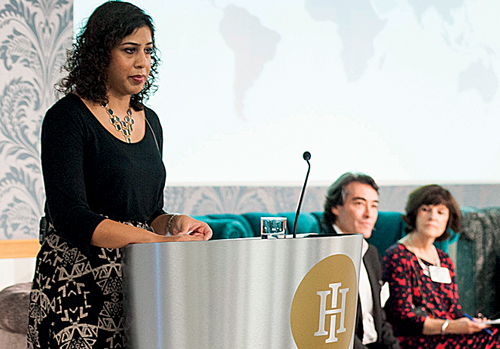
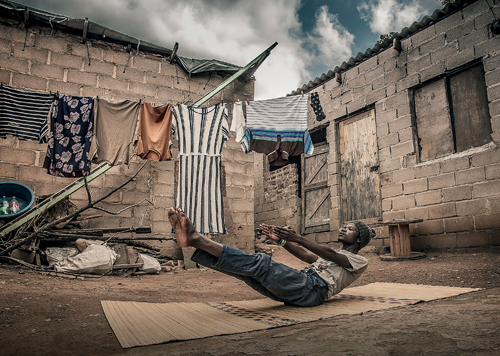
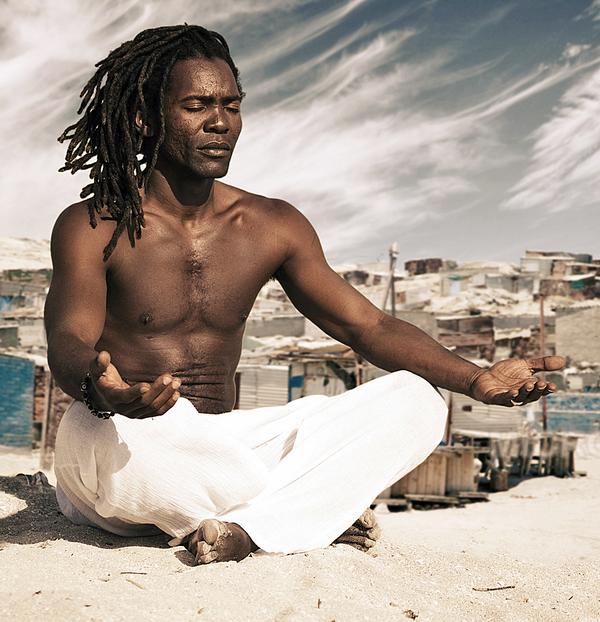
Kate Cracknell talks to Elle Matthews, director of the Township Yogi Project – an initiative that takes yoga to the townships of South Africa in a bid to spread calm and wellbeing to deprived communities
By Kate Cracknell | Published in Spa Business 2015 issue 3
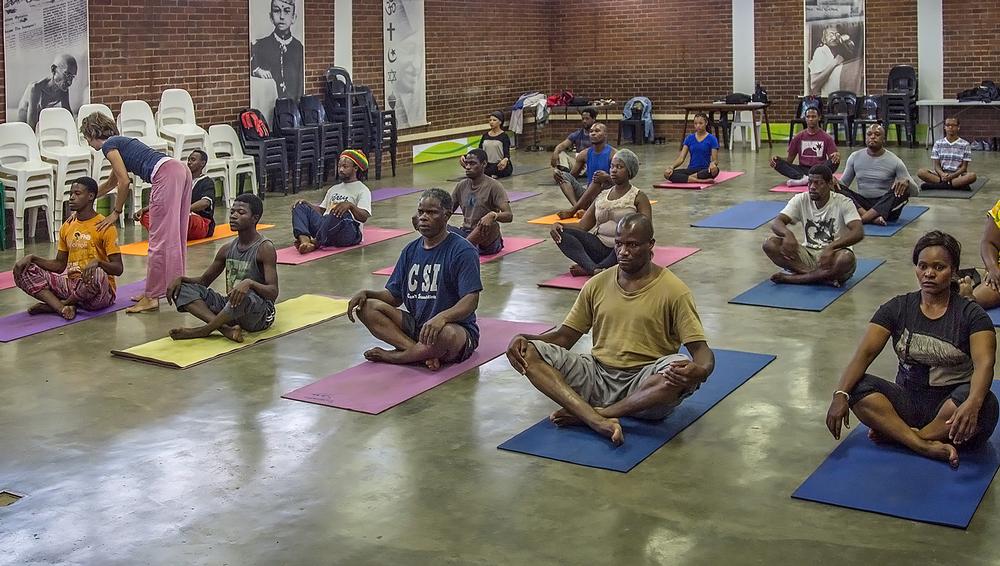
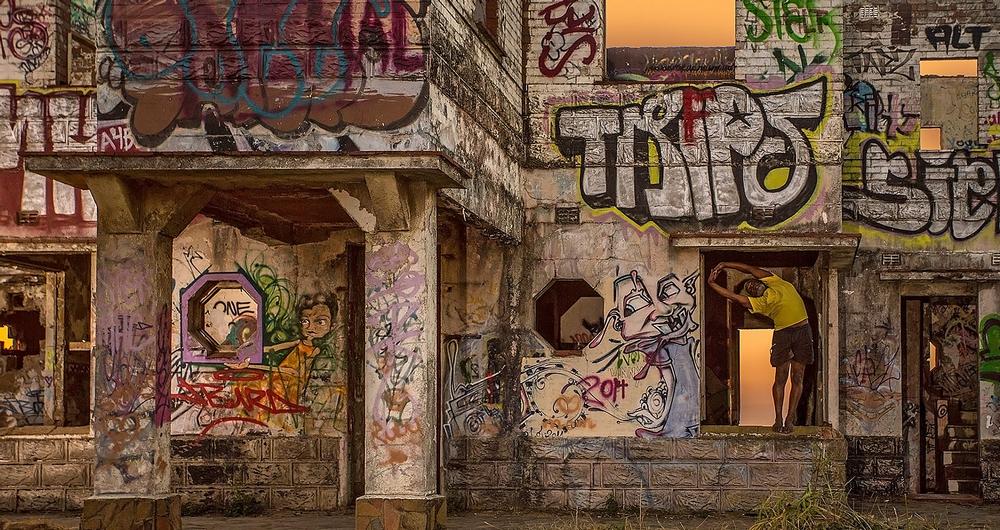
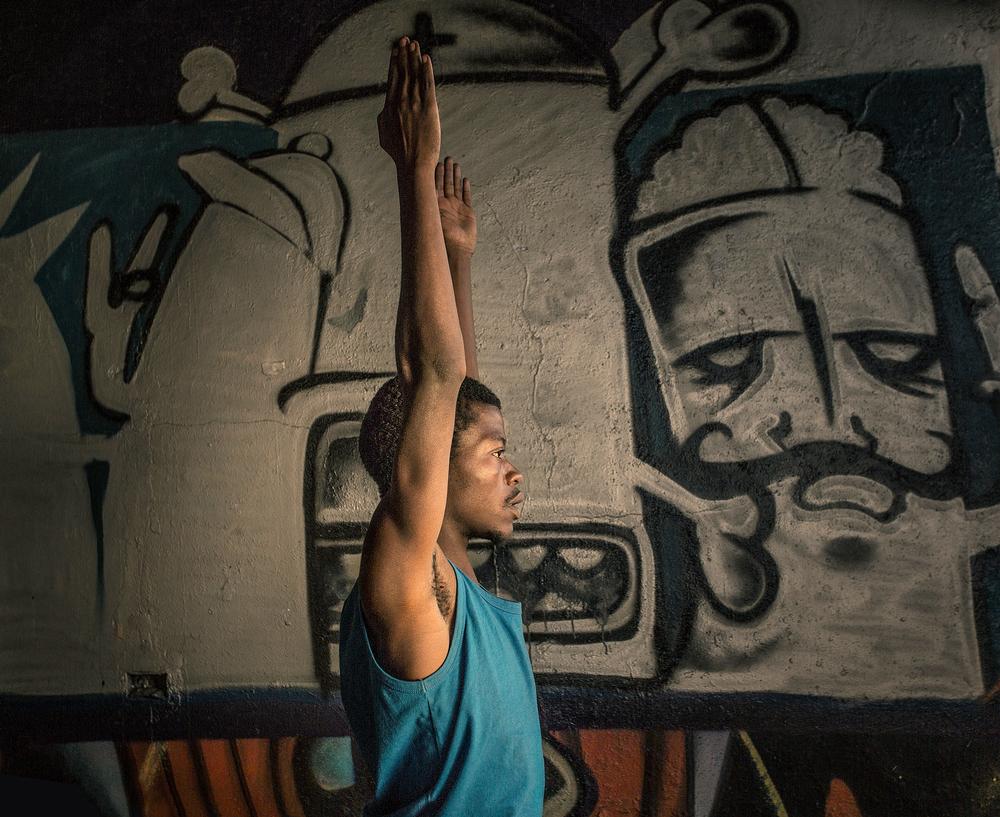
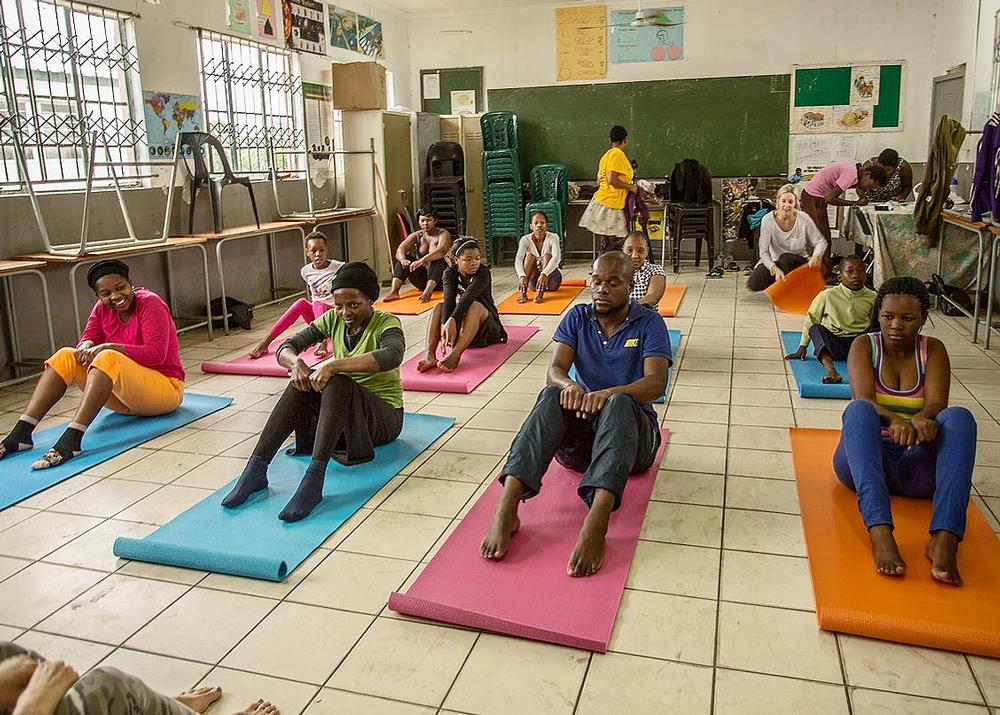
What’s the Township Yogi Project? It’s a non-profit organisation that we launched in February 2013, where we go into South African townships, set up grassroots yoga studios and offer free yoga classes to people living there. Classes are run by volunteer yoga teachers, but we also identify and train unemployed people within the townships to become qualified teachers. They’re then able to teach their own communities, with classes generally running once or twice a week in each location.
The project started in the townships of Inanda – where Nelson Mandela cast his fist vote and Gandhi created a settlement – and KwaMashu near Durban and is expanding into a number of other townships in the area. We also started up in Johannesburg in April and will be offering classes in Cape Town soon.
Why did you do this? I’d been a practitioner of yoga for a few years, but in 2012 I went on a yoga retreat to Thailand and it changed my life. I could feel the effects on my mind, body and spirit. When I returned home to South Africa, I found myself focused on the suffering of people all around me. I could see the desperation of people sitting on the curb as I drove past, hoping for a job. Or the despair of people I knew who lived in the townships and were victims of crime and violence, or living with the effects of HIV/Aids and TB. I had a deep knowing that they needed to do yoga. I can’t explain it – it was just something I was sure of.
Even if I only reached a few people, I wanted to be able to share the physical, emotional and spiritual tools that yoga offers (see above). It’s a tough, tense, stressful existence and I wanted them to know the kind of peace I’d experienced – even if just for one hour a week.
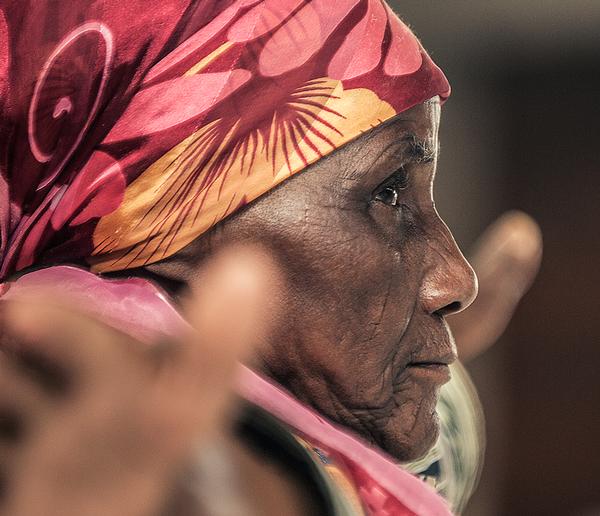
Can anyone attend your classes? Absolutely. We have kids from as young as three, right up to ‘gogos’ – elderly women who arrive at class leaning on their canes. Everyone and anyone is welcome and classes are free. We just ask them to clean the mats afterwards – or sometimes they’ll sing a special song for the teacher, just as an exchange of energy.
We also provide basic yoga clothing for students – many of them don’t have more than two or three items of clothing to wear, and none of it’s appropriate for yoga – so nobody misses out.
Word of mouth plays a big part in getting people involved. People walk past a hall, see the class happening and ask about it. Many people who attend also come with friends the next week.
Are there any other aspects to it besides yoga? Other needs have come out of the yoga classes – like people wanting to eat more healthily, but not knowing how, given their dire financial situations. So we’ve given classes on cooking healthy food on small budgets – including encouraging people to grow their own vegetables and become self-sustaining.
How have you funded the project? We rely on donations, although hopefully we’ll soon be able to start tapping into some international foundations and funding organisations that focus on the social issues we’re trying to help alleviate.
The only ‘salaries’ paid are the small stipends given to township yoga teachers who take classes in their communities. They get ZAR100 (US$8, €7, £5) a session.
At the moment we need about ZAR20,000 (US$1,630, €1,470, £1,040) a month to set up new classes, pay township teachers and to train others. One of our biggest costs is paying for these courses – they do a full 200-hour training course, which takes about six months, and are SETA registered when they complete it. This cost will only grow as we expand, but in terms of international funding it’s a sustainable project.
I believe there’s also a film being made? My husband and I are filmmakers and we could see the potential for amazing stories. So we decided, right at the very beginning, to make a film about it – a documentary that follows the journey of five people in the Inanda township – as a way to build awareness and raise funds to sustain expansion into the whole of South Africa.
We also hope the film will show the power that yoga has to help change lives – hopefully making some government departments sit up and take notice of yoga as a potential tool to help communities.
How effective has the project been? At the start I saw benefits for individuals – a way of them coping with the social issues in townships. But then I began to see the potential for yoga to change others through a ripple effect: the positive effects filtering into neighbourhoods and then into broader communities.
We haven’t tried to quantify results, although we’re now running formal research across a couple of social areas. So far we’re continuing with the project because people tell us how yoga is helping them change their lives for the better, or because we see small changes happening in communities. We’re not saying it’s directly attributable to yoga, but when people tell us how they’ve changed since doing yoga, and so do their families, then we know we’re achieving what we set out to achieve with the project.
What can spa and fitness operators learn from your experience? The main reason the Township Yogi Project works is that yoga is brought into the heart of the townships. If more spas and health clubs went out into their communities, they’d engage people who, after a few sessions, might be more inclined to make the effort to attend classes.
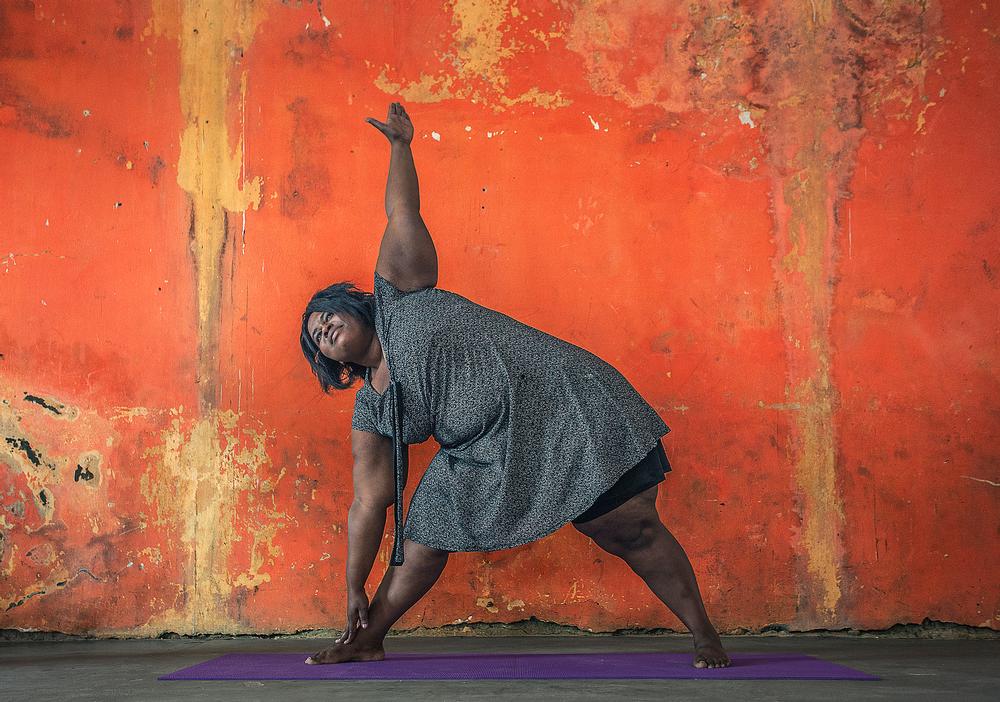
It’s also about making things accessible and relevant. When our volunteer teachers take people through the yoga poses, they often relate them to activities people do in their everyday lives. For example, uttanasana (standing forward bend) is something women working in the fields do all the time, so teachers refer to this when showing them how to do the pose correctly.
What are your immediate plans for Township Yogi? We’ll continue with the formula we have: identifying townships where poverty, crime, violence, unemployment, drug abuse, HIV/Aids and TB are rife. We then set up venues and classes and eventually hand them over to township teachers who’ve qualified through us.
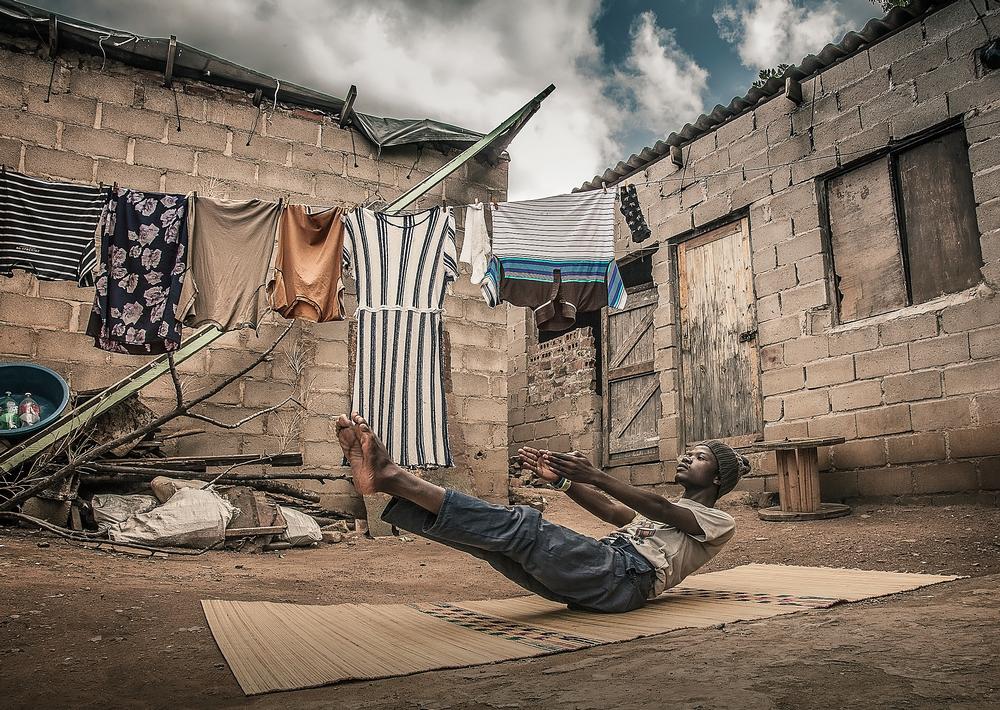
For now, we’re focused on setting up as many yoga classes as possible, because the demand and need is so great. We’re teaching at schools, in community and church halls, and even in the yards of township teachers. Further down the line, we’re looking to establish a dedicated yoga centre in Inanda.
What about in the long-term? Five years from now, I hope the Township Yogi Project will be running in countries bordering South Africa, and that the power of yoga will be spreading throughout southern Africa. We’re already looking at setting something up in Namibia. Ten years from now, I’d love to see yoga happening regularly in every township in South Africa and its neighbouring countries. That would be amazing.
Would it work outside Africa? Definitely. It’s a simple principle and one that can work anywhere. There are similar townships in South America and many other Third World countries which would certainly benefit from a similar model.
Wherever we take the Township Yogi Project in the future, I hope to be able to impact families, neighbourhoods and broader communities and bring about lasting, positive change.
Read more from this issue of Spa Business magazine
View contents of Spa Business 2015 issue 3
Letters:
Investors better placed to make profits in spas than operators, says Roger Allen
News report: LivNordic
Raison d’Etre signs a deal with Viking Cruise Lines for its LivNordic spa brand
Trends: Spa Foresight™ 2015
The team behind Spa Business share their insights on what the world of wellness will look like in the future
Interview – Craig Cogut:
The founding partner of Six Senses’ investment firm Pegasus Capital Advisors reveals his vision for the spa operator. Rhianon Howells reports
Promotional feature: RKF Linen
Founder and CEO Riadh Bouaziz talks about the development of the linen company’s revolutionary
new Dreamsoft product and its uptake in leading hotels and spas worldwide
Thought Leaders: Expert predictions
Thought leaders from around the world, working in different industry sectors, talk about spa trends, challenges and growth opportunities
Promotional feature: Thalgo
After 50 successful years in the professional spa and beauty industry, the Thalgo brand is as strong and as innovative
as ever
Promotional feature: ManageMySpa
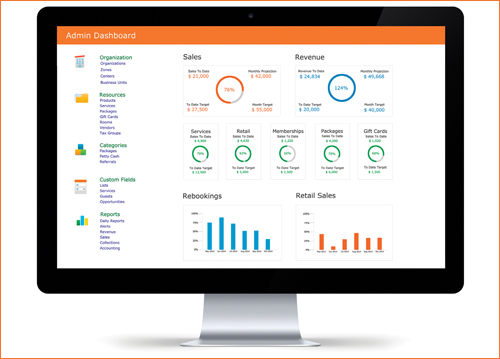
CEO Sudheer Koneru explains how a move from enterprise technology into spa
software resulted in the creation of a powerful system
The benefits of yoga How can yoga help those living with HIV/Aids and TB? Studies have shown that yoga benefits people with TB and HIV in a number of ways.
Living with HIV and Aids is stressful and yoga can greatly assist with stress reduction, as well as helping ease some symptoms and side-effects of HIV medication including joint pain and digestive problems.
Other research has shown yoga can improve mental health, body image and even help prevent the spread of the virus by encouraging a more proactive approach to care and treatment.
In terms of TB, yoga is all about breathing and improving lung capacity. Numerous studies have shown the benefits of yoga in treating people with TB.
Any other benefits of yoga for these communities? Studies have shown a significant and lasting effect of meditation on drug and alcohol abuse. Many addictions begin as coping mechanisms, or ways of filling a spiritual void. When you replace this with yoga, people in treatment can learn to deal with their emotions and environment in healthier ways.
Yoga also shows potential as a treatment for drug addiction as it’s been found to help reduce depression and stress. The intense breathing patterns of yoga release the body’s natural pleasure-producing endorphins, which helps suppress addictive behaviours while restoring the brain’s dopamine functions to healthier levels.
Yoga eases stress, joint pain and digestive problems – all side affects of Aids/HIV
Kate Cracknell is the editor of Health Club Management magazine
The MSpa Oslo series is a perennial bestseller in global markets. With innovative
engineering and premium performance, this completely portable spa line-up is expertly
designed to meet the needs of customers worldwide. [more...]
Contrast therapy, based on the alternation of hot and cold rituals, has become one of the
most valued practices in the fields of wellness and recovery. [more...]
+ More featured suppliers
COMPANY PROFILES
Knesko Skin
Known for their unique approach to wellness and beauty, Knesko’s products combine ancient healing tr [more...]
Myrtha Wellness
Founded in Italy in 1961 by visionary Giorgio Colletto, Myrtha Wellness has become a global pioneer [more...]
Kate Cracknell talks to Elle Matthews, director of the Township Yogi Project – an initiative that takes yoga to the townships of South Africa in a bid to spread calm and wellbeing to deprived communities
By Kate Cracknell | Published in Spa Business 2015 issue 3
What’s the Township Yogi Project? It’s a non-profit organisation that we launched in February 2013, where we go into South African townships, set up grassroots yoga studios and offer free yoga classes to people living there. Classes are run by volunteer yoga teachers, but we also identify and train unemployed people within the townships to become qualified teachers. They’re then able to teach their own communities, with classes generally running once or twice a week in each location.
The project started in the townships of Inanda – where Nelson Mandela cast his fist vote and Gandhi created a settlement – and KwaMashu near Durban and is expanding into a number of other townships in the area. We also started up in Johannesburg in April and will be offering classes in Cape Town soon.
Why did you do this? I’d been a practitioner of yoga for a few years, but in 2012 I went on a yoga retreat to Thailand and it changed my life. I could feel the effects on my mind, body and spirit. When I returned home to South Africa, I found myself focused on the suffering of people all around me. I could see the desperation of people sitting on the curb as I drove past, hoping for a job. Or the despair of people I knew who lived in the townships and were victims of crime and violence, or living with the effects of HIV/Aids and TB. I had a deep knowing that they needed to do yoga. I can’t explain it – it was just something I was sure of.
Even if I only reached a few people, I wanted to be able to share the physical, emotional and spiritual tools that yoga offers (see above). It’s a tough, tense, stressful existence and I wanted them to know the kind of peace I’d experienced – even if just for one hour a week.
Can anyone attend your classes? Absolutely. We have kids from as young as three, right up to ‘gogos’ – elderly women who arrive at class leaning on their canes. Everyone and anyone is welcome and classes are free. We just ask them to clean the mats afterwards – or sometimes they’ll sing a special song for the teacher, just as an exchange of energy.
We also provide basic yoga clothing for students – many of them don’t have more than two or three items of clothing to wear, and none of it’s appropriate for yoga – so nobody misses out.
Word of mouth plays a big part in getting people involved. People walk past a hall, see the class happening and ask about it. Many people who attend also come with friends the next week.
Are there any other aspects to it besides yoga? Other needs have come out of the yoga classes – like people wanting to eat more healthily, but not knowing how, given their dire financial situations. So we’ve given classes on cooking healthy food on small budgets – including encouraging people to grow their own vegetables and become self-sustaining.
How have you funded the project? We rely on donations, although hopefully we’ll soon be able to start tapping into some international foundations and funding organisations that focus on the social issues we’re trying to help alleviate.
The only ‘salaries’ paid are the small stipends given to township yoga teachers who take classes in their communities. They get ZAR100 (US$8, €7, £5) a session.
At the moment we need about ZAR20,000 (US$1,630, €1,470, £1,040) a month to set up new classes, pay township teachers and to train others. One of our biggest costs is paying for these courses – they do a full 200-hour training course, which takes about six months, and are SETA registered when they complete it. This cost will only grow as we expand, but in terms of international funding it’s a sustainable project.
I believe there’s also a film being made? My husband and I are filmmakers and we could see the potential for amazing stories. So we decided, right at the very beginning, to make a film about it – a documentary that follows the journey of five people in the Inanda township – as a way to build awareness and raise funds to sustain expansion into the whole of South Africa.
We also hope the film will show the power that yoga has to help change lives – hopefully making some government departments sit up and take notice of yoga as a potential tool to help communities.
How effective has the project been? At the start I saw benefits for individuals – a way of them coping with the social issues in townships. But then I began to see the potential for yoga to change others through a ripple effect: the positive effects filtering into neighbourhoods and then into broader communities.
We haven’t tried to quantify results, although we’re now running formal research across a couple of social areas. So far we’re continuing with the project because people tell us how yoga is helping them change their lives for the better, or because we see small changes happening in communities. We’re not saying it’s directly attributable to yoga, but when people tell us how they’ve changed since doing yoga, and so do their families, then we know we’re achieving what we set out to achieve with the project.
What can spa and fitness operators learn from your experience? The main reason the Township Yogi Project works is that yoga is brought into the heart of the townships. If more spas and health clubs went out into their communities, they’d engage people who, after a few sessions, might be more inclined to make the effort to attend classes.
It’s also about making things accessible and relevant. When our volunteer teachers take people through the yoga poses, they often relate them to activities people do in their everyday lives. For example, uttanasana (standing forward bend) is something women working in the fields do all the time, so teachers refer to this when showing them how to do the pose correctly.
What are your immediate plans for Township Yogi? We’ll continue with the formula we have: identifying townships where poverty, crime, violence, unemployment, drug abuse, HIV/Aids and TB are rife. We then set up venues and classes and eventually hand them over to township teachers who’ve qualified through us.
For now, we’re focused on setting up as many yoga classes as possible, because the demand and need is so great. We’re teaching at schools, in community and church halls, and even in the yards of township teachers. Further down the line, we’re looking to establish a dedicated yoga centre in Inanda.
What about in the long-term? Five years from now, I hope the Township Yogi Project will be running in countries bordering South Africa, and that the power of yoga will be spreading throughout southern Africa. We’re already looking at setting something up in Namibia. Ten years from now, I’d love to see yoga happening regularly in every township in South Africa and its neighbouring countries. That would be amazing.
Would it work outside Africa? Definitely. It’s a simple principle and one that can work anywhere. There are similar townships in South America and many other Third World countries which would certainly benefit from a similar model.
Wherever we take the Township Yogi Project in the future, I hope to be able to impact families, neighbourhoods and broader communities and bring about lasting, positive change.
Read more from this issue of Spa Business magazine
View contents of Spa Business 2015 issue 3
Letters:
Investors better placed to make profits in spas than operators, says Roger Allen
News report: LivNordic
Raison d’Etre signs a deal with Viking Cruise Lines for its LivNordic spa brand
Trends: Spa Foresight™ 2015
The team behind Spa Business share their insights on what the world of wellness will look like in the future
Interview – Craig Cogut:
The founding partner of Six Senses’ investment firm Pegasus Capital Advisors reveals his vision for the spa operator. Rhianon Howells reports
Promotional feature: RKF Linen
Founder and CEO Riadh Bouaziz talks about the development of the linen company’s revolutionary
new Dreamsoft product and its uptake in leading hotels and spas worldwide
Thought Leaders: Expert predictions
Thought leaders from around the world, working in different industry sectors, talk about spa trends, challenges and growth opportunities
Promotional feature: Thalgo
After 50 successful years in the professional spa and beauty industry, the Thalgo brand is as strong and as innovative
as ever
Promotional feature: ManageMySpa
CEO Sudheer Koneru explains how a move from enterprise technology into spa
software resulted in the creation of a powerful system
The benefits of yoga How can yoga help those living with HIV/Aids and TB? Studies have shown that yoga benefits people with TB and HIV in a number of ways.
Living with HIV and Aids is stressful and yoga can greatly assist with stress reduction, as well as helping ease some symptoms and side-effects of HIV medication including joint pain and digestive problems.
Other research has shown yoga can improve mental health, body image and even help prevent the spread of the virus by encouraging a more proactive approach to care and treatment.
In terms of TB, yoga is all about breathing and improving lung capacity. Numerous studies have shown the benefits of yoga in treating people with TB.
Any other benefits of yoga for these communities? Studies have shown a significant and lasting effect of meditation on drug and alcohol abuse. Many addictions begin as coping mechanisms, or ways of filling a spiritual void. When you replace this with yoga, people in treatment can learn to deal with their emotions and environment in healthier ways.
Yoga also shows potential as a treatment for drug addiction as it’s been found to help reduce depression and stress. The intense breathing patterns of yoga release the body’s natural pleasure-producing endorphins, which helps suppress addictive behaviours while restoring the brain’s dopamine functions to healthier levels.
Yoga eases stress, joint pain and digestive problems – all side affects of Aids/HIV
Kate Cracknell is the editor of Health Club Management magazine
Gran Hotel Taoro in northern Tenerife, Spain, has completed the final phase of its three-year
renovation with the debut of its Sandára Wellness Centre.
Hand and Stone Massage and Facial Spa, the spa business with more than 650 locations across
the US and Canada, has appointed franchise expert Carrie Walsh as CEO as the company plans
to expand.
Synergy – The Retreat Show, the global trade show for retreats, has launched a global research
initiative that will provide insights into the retreat sector from both consumer and industry
perspectives.
The Wellness Tourism Association (WTA) has published a non-regulatory global industry
framework designed to ensure the retreat market offers responsible experiences.
A new survey of UK and international spa practitioners shows that stress, burnout and
wellbeing concerns have caused one in three respondents to consider leaving the industry.
The UK's four Chief Medical Officers have published a refreshed edition of Physical activity
guidelines: UK Chief Medical Officers' report, updating the evidence that underpins the nation's
physical activity recommendations and placing greater emphasis on strength, balance, reducing
sedentary behaviour and, for the first time, supporting people taking weight loss medications.
Anna Bjurstam has left her role as Wellness Pioneer at Six Senses Hotels and Resorts and
launched a new wellness, longevity and “consciousness consultancy” called Wahayla.
Fairmont Cheshire, The Mere, has opened today (10 July) in the Northwest of England
with a
1,715sq m Fairmont Spa that has been designed using a ‘Wellness without Walls’
concept.
The MSpa Oslo series is a perennial bestseller in global markets. With innovative
engineering and premium performance, this completely portable spa line-up is expertly
designed to meet the needs of customers worldwide. [more...]
Contrast therapy, based on the alternation of hot and cold rituals, has become one of the
most valued practices in the fields of wellness and recovery. [more...]
+ More featured suppliers
COMPANY PROFILES
Knesko Skin Known for their unique approach to wellness and beauty, Knesko’s products combine ancient healing tr [more...]