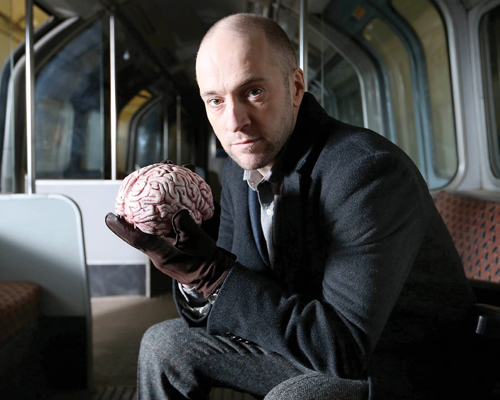
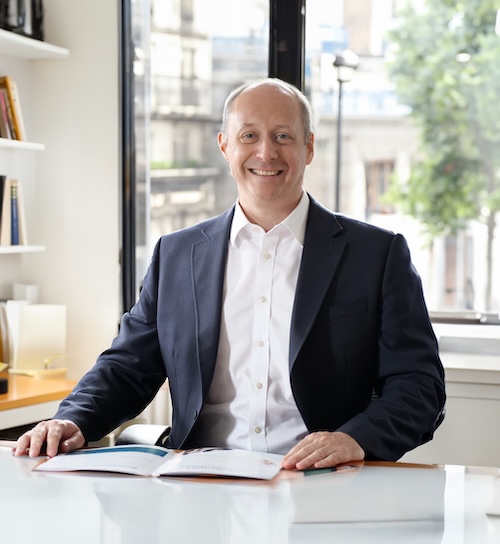
Tony Butler has spent two decades bringing his sense of social justice and community spirit to the museums sector. Kath Hudson sat down with the executive director of Derby Museums Trust
By Kath Hudson | Published in Attractions Management 2016 issue 1
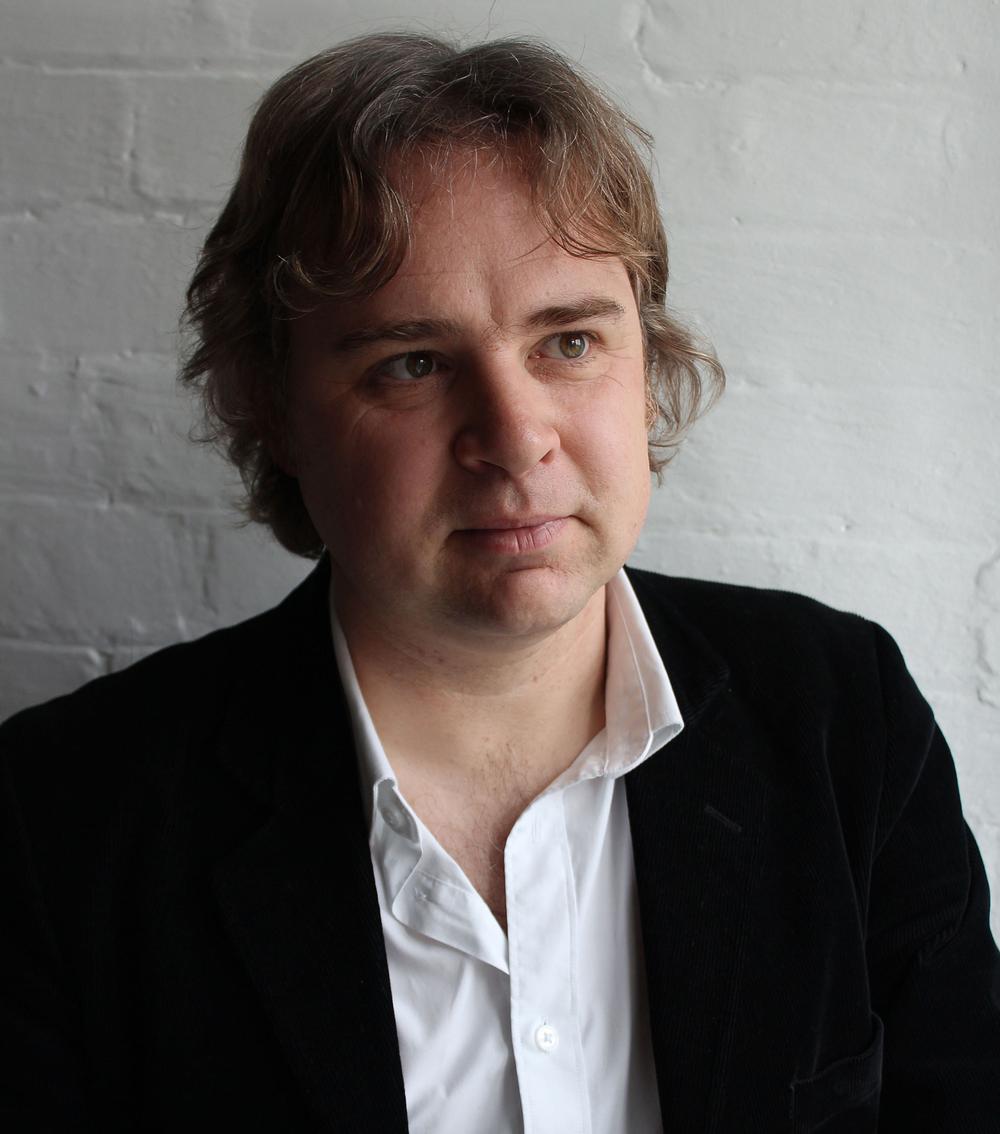
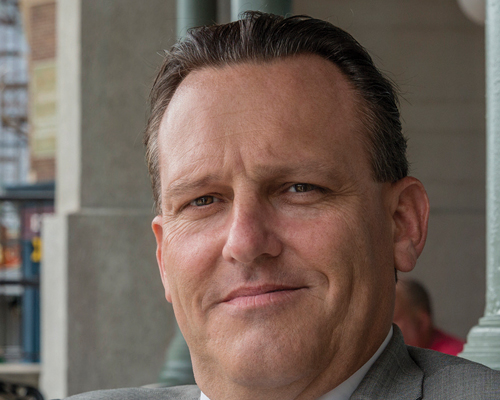
Tony Butler, executive director at Derby Museums Trust, believes that museums can be a vehicle for social justice
Ever since I started working in museums, I’ve thought they should be for everyone: there shouldn’t be any physical or intellectual barriers to cultural heritage,” says Tony Butler, executive director at Derby Museums Trust, UK. “I’ve always been really interested in how you can get the broadest audience possible for history and art.”
Butler’s belief that everyone should have the right to both enjoy and participate in cultural heritage has been a thread running through his career, which took root in his childhood. From an early age he had a voracious appetite for history, though his parents never took him to museums.
“I grew up in a working-class family and my mum and dad felt museums weren’t for them, that they were hoity-toity,” he says.
As a result, Butler has consistently worked to disprove this notion. Believing everyone should have a right to participate in and enjoy cultural heritage, he has not only worked to make heritage sites feel welcoming, but extended this to running inclusive programmes for groups like the long-term unemployed.
“Museums should be welcoming places with a friendly face at the door and good seats,” he says. “It’s about getting the right programming and creating a sense of place so people feel comfortable. Museums can add so much value to society beyond simple pleasure and entertainment.”
Having spent many childhood hours devouring social history books in the local library, Butler was determined to make a career in the museum service. After graduating from the University of Wales with a history degree, he spent a year volunteering at a museum in Aberystwyth, working evenings at Burger King to pay the rent. He did an MA in Museum Studies at the University of East Anglia before taking a post at Wakefield Museum in Yorkshire.
BREAKING DOWN BARRIERS Straight away he went to work breaking down the barriers to entry, inviting the community to be part of the museum experience. His first project involved giving cameras to young Asian men so they could tell their stories about what it was like to grow up as an Asian in Wakefield.
This role was followed by three years on the Isle of Wight, running three small museums and a spell with the museums service in Ipswich. He became the director of East Anglian Life in Stowmarket in 2004, leading a social-enterprise approach to managing open-air museums with responsibility for over 20 historic buildings.
With many gardens, woodlands and historic buildings – which lent themselves to outdoor communal activities – under Butler’s stewardship, the museum service devised a range of 10-week training programmes, linked to literacy and numeracy, for people with mental health problems and the long-term unemployed. These included courses such as land management, construction, animal husbandry – including the rare breed animals – and horticulture, where students helped look after the formal gardens.
“These were entry-level programmes for long-term unemployed and those for whom mainstream education hadn’t worked,” he says. “There were some really good results as people learned to live independently and gained the confidence, skills and qualifications to go into the workplace. We helped over 40 people find jobs.”
Butler claims it’s possible to combine a visitor attraction with a social enterprise and says that more attractions should be thinking along these lines: “These programmes could be done anywhere, but what made them special was working with local cultural heritage to create a sense of place and sense of purpose.”
East Anglian Life also participated in Rekindling Memories, a countrywide programme developed with the Alzheimer’s Society, that used memory boxes based around themes like holidays and the war, which could be borrowed by care homes to run reminiscence sessions. Because of the rural area, the Rekindling Memories programme was also expanded so individual carers could borrow boxes to visit people in more isolated locations.
HAPPY MUSEUMS While at Stowmarket, Butler spearheaded a side project which epitomised his beliefs and conviction. The Happy Museums Project was launched in April 2011, funded by an award from the Paul Hamlyn Foundation Breakthrough Fund, providing a leadership framework for museums to investigate a holistic approach to sustainability and wellbeing.
“This was influenced by research by the New Economics Foundation which found five key areas to be important to wellbeing: connect with others, keep learning, take notice of the world around you, be physically active and give back to the community” says Butler. “The project invites museums to develop programmes which will improve wellbeing and happiness in their communities.”
So far, projects have been funded at 22 museums in England and Wales. The London Transport Museum, for example, has worked with St Mungo’s homeless charity to create a Conversation Hub in the museum. Ceredigion Museum in West Wales joined forces with a social enterprise which worked with long-term unemployed people and encouraged them to make handcrafted tools, based on the historic collection, which could then be sold. And the Woodhorn colliery museum in Northumberland funded a comedian in residence to connect with visitors.
Butler also believes museums have a stewardship role for people, place and planet. A five-year research project is underway, which will follow five museums to see what level of social change can be brought about by them taking an environmentally responsible approach.
DERBY SILK MILL One project appealed to Butler so strongly that he decided to join it 18 months ago when he took up his current role as executive director of Derby Museums Trust.
The £17m ($24m, €22m) lottery-funded Derby Silk Mill is expected to open in 2020 on the site of the world’s first factory. Branded a “museum of making”, it’s being created in collaboration with the local community, with members of the public working alongside the museum service to literally build the museum. The project aims to equip them with new skills and experiences, as will as inspire generations of innovators and makers.
“We’re co-producing the museum with the public,” says Butler. “Instead of investing in the building, we’ve invested in kit, buying tools such as laser cutters and 3D printers, so the public can come in and make things like the display cases at the workshops.”
“We’ve also had makers-in-residence who have developed learning programmes with local people and the team has been working with hackers, tinkerers, artists and makers to create a heritage site that will reflect the soul of the city.”
The Silk Mill inspired a new approach for the Derby Museums Trust to run its portfolio. For example, the cases in the new nature space at the Derby Art Gallery were designed and made at public workshops.
Butler wants people not just to learn, but be part of what’s happening: “The whole set of values around Derby Museums Trust is to involve the public and encourage them to participate as much as they can – not just to find out about heritage, but to actually do it.”
Read more from this issue of Spa Business magazine
Interview: Tony Butler
Tony Butler, executive director of Derby
Museums Trust, on how museums can
be a force for good in their communities
Attractions: Perfect Brew
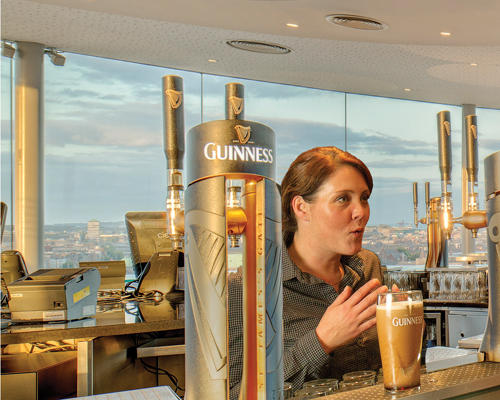
At 15 years old, the Guinness Storehouse
has been voted Europe’s best-loved
attraction. Manager Paul Carty reveals
the secrets of the Dublin brandland
Profile: John McReynolds
IAAPA’s new chairman reveals his aims
for the year ahead, his vision for a
global association and how his role at
Universal Orlando informs his goals
Analysis: The Attractions Business
Business planning consultant
David Camp starts an exclusive eight-part
series, delving into the fine art of attractions
operation from a business perspective
Science Centres: How to Future-Proof a Science Centre
Peter Slavenburg of design agency
NorthernLight describes how invisible
technology, serious play, co-creation
and the digital experience will inform
the science centre of tomorrow
Promotional feature: Simworx Ventures
Simworx Ventures is bringing its expertise in cutting-edge media-based attractions
to a new audience of museums, heritage sites, zoos and aquariums
Technology: Beacons on the Horizon
Beacons have countless applications in
the world of attractions. A case study
from the Cleveland Museum of Art
illustrates the technology’s potential
Museums & Galleries: Art Attack
Some of the most exciting attractions
design is happening in new and
upcoming galleries around the world,
from firms like Kengo Kuma and BIG
Promotional feature: IDEA
2016 is shaping up to be an interesting year for the attractions industry.
IDEA looks at what it takes to win audiences and command attention
Mystery Shopper: Spring in Your Step
We disappear down the rabbit hole as we
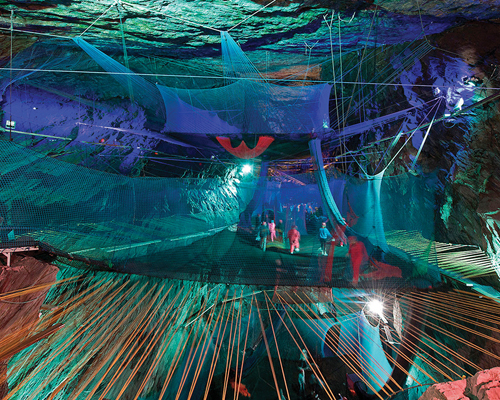
pay a mystery shopper visit to Bounce
Below, a unique underground trampolining
attraction in Snowdonia, north Wales
Rides: The Ride Makers
Our ride makers series continues with
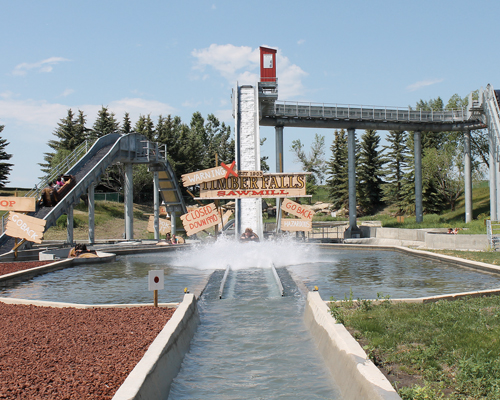
water rides, a firm favourite with park
guests. Three leading companies reveal
the latest trends in flumes and chutes
Technology: Tech Check
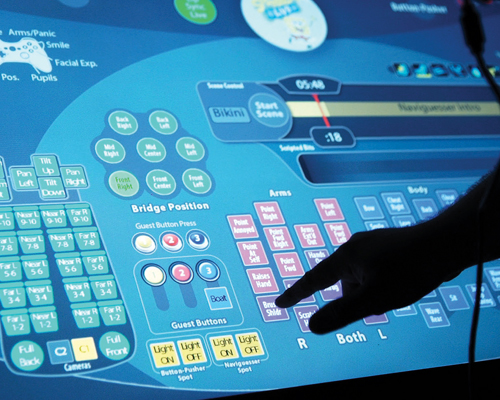
The industry technology unveiled at
IAAPA 2015: from VR to interactives, and
digital puppets to 20-storey LED giants
The Spa Life UK Convention returns from 21–23 June 2026 at Whittlebury Park Hotel, Spa &
Golf Resort, bringing together spa managers, directors and owners for two days of focused
education, meaningful connection and commercial insight. [more...]
+ More featured suppliers
COMPANY PROFILES
Yon-Ka
As pioneers in aromatherapy since 1954 and founders of the Yon-Ka brand, the Multaler Laboratories, [more...]
BC Softwear Ltd
Established in 2002 by Barbara Cooke, BC SoftWear provides unmatched expertise in the crafting of th [more...]
Tony Butler has spent two decades bringing his sense of social justice and community spirit to the museums sector. Kath Hudson sat down with the executive director of Derby Museums Trust
By Kath Hudson | Published in Attractions Management 2016 issue 1
Tony Butler, executive director at Derby Museums Trust, believes that museums can be a vehicle for social justice
Ever since I started working in museums, I’ve thought they should be for everyone: there shouldn’t be any physical or intellectual barriers to cultural heritage,” says Tony Butler, executive director at Derby Museums Trust, UK. “I’ve always been really interested in how you can get the broadest audience possible for history and art.”
Butler’s belief that everyone should have the right to both enjoy and participate in cultural heritage has been a thread running through his career, which took root in his childhood. From an early age he had a voracious appetite for history, though his parents never took him to museums.
“I grew up in a working-class family and my mum and dad felt museums weren’t for them, that they were hoity-toity,” he says.
As a result, Butler has consistently worked to disprove this notion. Believing everyone should have a right to participate in and enjoy cultural heritage, he has not only worked to make heritage sites feel welcoming, but extended this to running inclusive programmes for groups like the long-term unemployed.
“Museums should be welcoming places with a friendly face at the door and good seats,” he says. “It’s about getting the right programming and creating a sense of place so people feel comfortable. Museums can add so much value to society beyond simple pleasure and entertainment.”
Having spent many childhood hours devouring social history books in the local library, Butler was determined to make a career in the museum service. After graduating from the University of Wales with a history degree, he spent a year volunteering at a museum in Aberystwyth, working evenings at Burger King to pay the rent. He did an MA in Museum Studies at the University of East Anglia before taking a post at Wakefield Museum in Yorkshire.
BREAKING DOWN BARRIERS Straight away he went to work breaking down the barriers to entry, inviting the community to be part of the museum experience. His first project involved giving cameras to young Asian men so they could tell their stories about what it was like to grow up as an Asian in Wakefield.
This role was followed by three years on the Isle of Wight, running three small museums and a spell with the museums service in Ipswich. He became the director of East Anglian Life in Stowmarket in 2004, leading a social-enterprise approach to managing open-air museums with responsibility for over 20 historic buildings.
With many gardens, woodlands and historic buildings – which lent themselves to outdoor communal activities – under Butler’s stewardship, the museum service devised a range of 10-week training programmes, linked to literacy and numeracy, for people with mental health problems and the long-term unemployed. These included courses such as land management, construction, animal husbandry – including the rare breed animals – and horticulture, where students helped look after the formal gardens.
“These were entry-level programmes for long-term unemployed and those for whom mainstream education hadn’t worked,” he says. “There were some really good results as people learned to live independently and gained the confidence, skills and qualifications to go into the workplace. We helped over 40 people find jobs.”
Butler claims it’s possible to combine a visitor attraction with a social enterprise and says that more attractions should be thinking along these lines: “These programmes could be done anywhere, but what made them special was working with local cultural heritage to create a sense of place and sense of purpose.”
East Anglian Life also participated in Rekindling Memories, a countrywide programme developed with the Alzheimer’s Society, that used memory boxes based around themes like holidays and the war, which could be borrowed by care homes to run reminiscence sessions. Because of the rural area, the Rekindling Memories programme was also expanded so individual carers could borrow boxes to visit people in more isolated locations.
HAPPY MUSEUMS While at Stowmarket, Butler spearheaded a side project which epitomised his beliefs and conviction. The Happy Museums Project was launched in April 2011, funded by an award from the Paul Hamlyn Foundation Breakthrough Fund, providing a leadership framework for museums to investigate a holistic approach to sustainability and wellbeing.
“This was influenced by research by the New Economics Foundation which found five key areas to be important to wellbeing: connect with others, keep learning, take notice of the world around you, be physically active and give back to the community” says Butler. “The project invites museums to develop programmes which will improve wellbeing and happiness in their communities.”
So far, projects have been funded at 22 museums in England and Wales. The London Transport Museum, for example, has worked with St Mungo’s homeless charity to create a Conversation Hub in the museum. Ceredigion Museum in West Wales joined forces with a social enterprise which worked with long-term unemployed people and encouraged them to make handcrafted tools, based on the historic collection, which could then be sold. And the Woodhorn colliery museum in Northumberland funded a comedian in residence to connect with visitors.
Butler also believes museums have a stewardship role for people, place and planet. A five-year research project is underway, which will follow five museums to see what level of social change can be brought about by them taking an environmentally responsible approach.
DERBY SILK MILL One project appealed to Butler so strongly that he decided to join it 18 months ago when he took up his current role as executive director of Derby Museums Trust.
The £17m ($24m, €22m) lottery-funded Derby Silk Mill is expected to open in 2020 on the site of the world’s first factory. Branded a “museum of making”, it’s being created in collaboration with the local community, with members of the public working alongside the museum service to literally build the museum. The project aims to equip them with new skills and experiences, as will as inspire generations of innovators and makers.
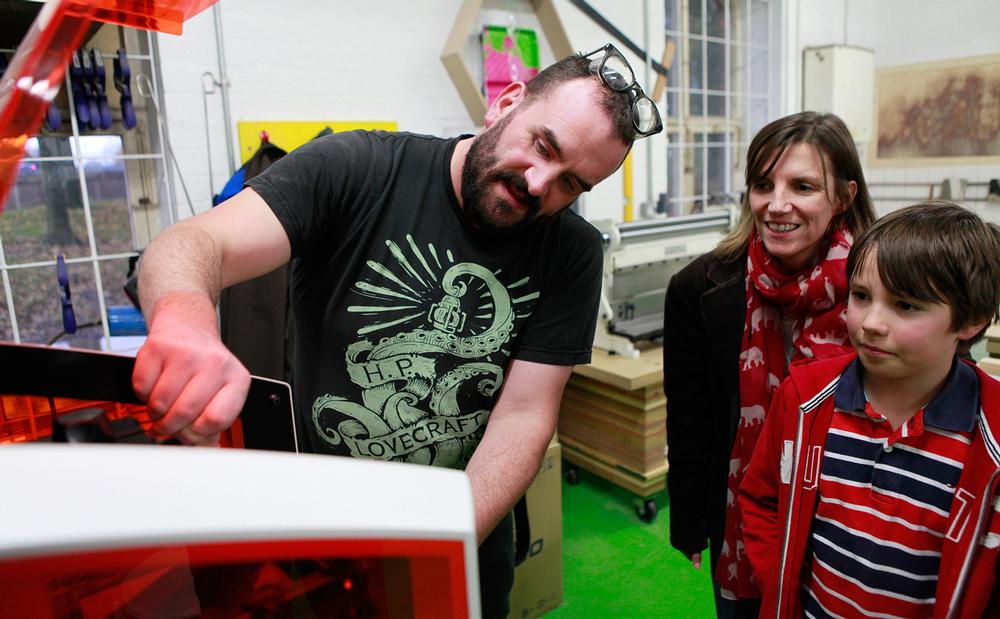
“We’re co-producing the museum with the public,” says Butler. “Instead of investing in the building, we’ve invested in kit, buying tools such as laser cutters and 3D printers, so the public can come in and make things like the display cases at the workshops.”
“We’ve also had makers-in-residence who have developed learning programmes with local people and the team has been working with hackers, tinkerers, artists and makers to create a heritage site that will reflect the soul of the city.”
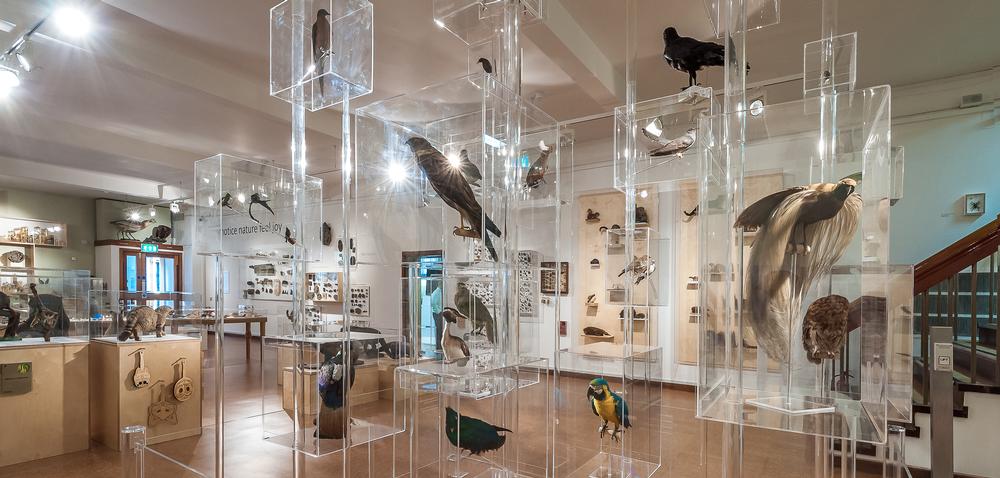
The Silk Mill inspired a new approach for the Derby Museums Trust to run its portfolio. For example, the cases in the new nature space at the Derby Art Gallery were designed and made at public workshops.
Butler wants people not just to learn, but be part of what’s happening: “The whole set of values around Derby Museums Trust is to involve the public and encourage them to participate as much as they can – not just to find out about heritage, but to actually do it.”
Read more from this issue of Spa Business magazine
Interview: Tony Butler
Tony Butler, executive director of Derby
Museums Trust, on how museums can
be a force for good in their communities
Attractions: Perfect Brew
At 15 years old, the Guinness Storehouse
has been voted Europe’s best-loved
attraction. Manager Paul Carty reveals
the secrets of the Dublin brandland
Profile: John McReynolds
IAAPA’s new chairman reveals his aims
for the year ahead, his vision for a
global association and how his role at
Universal Orlando informs his goals
Analysis: The Attractions Business
Business planning consultant
David Camp starts an exclusive eight-part
series, delving into the fine art of attractions
operation from a business perspective
Science Centres: How to Future-Proof a Science Centre
Peter Slavenburg of design agency
NorthernLight describes how invisible
technology, serious play, co-creation
and the digital experience will inform
the science centre of tomorrow
Promotional feature: Simworx Ventures
Simworx Ventures is bringing its expertise in cutting-edge media-based attractions
to a new audience of museums, heritage sites, zoos and aquariums
Technology: Beacons on the Horizon
Beacons have countless applications in
the world of attractions. A case study
from the Cleveland Museum of Art
illustrates the technology’s potential
Museums & Galleries: Art Attack
Some of the most exciting attractions
design is happening in new and
upcoming galleries around the world,
from firms like Kengo Kuma and BIG
Promotional feature: IDEA
2016 is shaping up to be an interesting year for the attractions industry.
IDEA looks at what it takes to win audiences and command attention
Mystery Shopper: Spring in Your Step
We disappear down the rabbit hole as we
pay a mystery shopper visit to Bounce
Below, a unique underground trampolining
attraction in Snowdonia, north Wales
Rides: The Ride Makers
Our ride makers series continues with
water rides, a firm favourite with park
guests. Three leading companies reveal
the latest trends in flumes and chutes
Technology: Tech Check
The industry technology unveiled at
IAAPA 2015: from VR to interactives, and
digital puppets to 20-storey LED giants
Four Seasons Resort The Nam Hai in Hoi An, Vietnam, has put together a Global Wellness Day
(GWD) agenda with activations rooted in nature and shaped by four pillars of Joy – in
alignment with the day’s theme #JoyMagenta.
The Global Wellness Summit (GWS) will celebrate its 20th anniversary at the 2026 event in
Phuket, Thailand, later this year with the theme: The Science, Art and Soul of Wellness.
Auko, an all-inclusive development, is opening in Phong Nha in Vietnam in Q3 2026, with a
series of 30 tented eco-lodges and wellness hospitality operations by Lumina Wellbeing.
Therme Manchester’s 28-acre development, which will include interconnected glass pavilions
that measure 65,000sq m, will be the largest bathing and wellbeing attraction in the world once
complete, according to prof David Russell, CEO of Therme UK.
Naples Beach Club, a Four Seasons Resort, has opened a 2,800sq m spa called The Sanctuary,
with the design and concept inspired by the Native American people that populated Florida’s
Southwest coast – the Calusa.
Swire Hotels’ luxury hospitality brand Upper House has revealed it will roll out its two-day
House of Healing retreats at its three hotels in Hong Kong, Chengdu and Shanghai.
LVMH-owned beauty house Guerlain will launch up to five spas with partners a year as part of
its plan to expand globally, according to the brand’s international spa and wellness director,
Diane Davody.
A new global study by Kevin Kelly and Peter Yesawich, called WELLSurvey 2.0, has revealed
more than half of consumers in the UK, US and Germany would not choose numerous high-
profile wellness resort brands for a future trip.
Luxury hospitality and wellness pioneer Jeremy McCarthy has launched Leisure Alchemy, a
digital platform that will provide professionals with strategic guidance on how to build
transformational leisure experiences that drive profit.
The Spa Life UK Convention returns from 21–23 June 2026 at Whittlebury Park Hotel, Spa &
Golf Resort, bringing together spa managers, directors and owners for two days of focused
education, meaningful connection and commercial insight. [more...]
+ More featured suppliers
COMPANY PROFILES
Yon-Ka As pioneers in aromatherapy since 1954 and founders of the Yon-Ka brand, the Multaler Laboratories, [more...]