Yes! Send me the FREE digital editions of Spa Business and Spa Business insider magazines and the FREE weekly Spa Business and Spa Business insider ezines and breaking news alerts!
From red light to compression to cryotherapy, recovery has become
a hot topic in the wellness world. So how are spas and resorts
integrating it into their programmes? Julie Cramer investigates
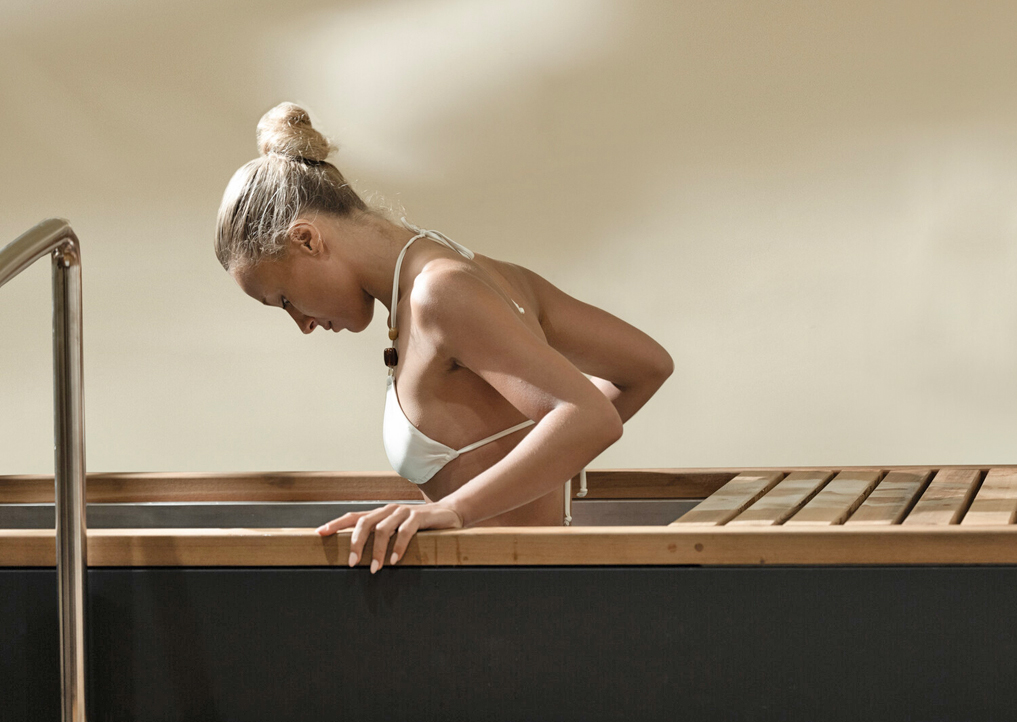
Cold plunges are a simple, yet effective, recovery intervention that more spas are embracing / photo: shutterstock/Michele Ursi
In spas, the idea of recovery was once synonymous with relaxation and a healthy dose of pampering, while in the fitness market, it was usually represented by cool downs, gentle stretching and rest days.
Today, however, recovery is recognised as a much more complex and varied discipline. It’s increasingly being seen as a daily necessity to combat the stresses of the fast-moving modern world.
Recovery can still range from quite a simple affair, such as a hot sauna, cold plunge or hands-on holistic massage through to much more technical interventions such as hyperbaric oxygen therapy, IV infusions and lymphatic drainage compression suits.
The growth of wearables for tracking personal health data has also made the pursuit of recovery much more visible, whether it’s smartwatches, Oura rings or neurofeedback headsets. Meanwhile, popular wellness movements like biohacking and longevity highlight people’s potential for building mental and physical resilience and reaching peak performance – with recovery playing a major role in that journey.
With all these factors driving consumers’ knowledge and demands, recovery is increasingly playing a central role in offerings in spas, wellness resorts and fitness centres around the world, whether as a standalone package or deeply integrated into existing programmes – all with the possibility for a deeply personalised approach.
We talk to five leading operators about how they offer recovery to their guests and members and where they see the ‘trend’ heading in the future.
Jamie Moore
Director of fitness, SIRO
photo: SIRO
Recovery is built into the SIRO DNA. It’s one of our five key pillars – alongside sleep, nutrition, mindfulness and fitness – and the foundation for everything we do.
We don’t just position it as rest and relaxation. At the centre of each of our hotels is the Recovery Lab, incorporating cutting-edge treatments and holistic therapies.
Each of our treatments was chosen to harness new science-backed technologies to enhance performance and accelerate healing. Some of our more advanced options include electric muscle stimulation, which supports recovery by reducing soreness and stiffness and improving flexibility; cryotherapy, which stimulates circulation and reduces inflammation; vibroacoustic therapy to rebalance the nervous system and promote restorative sleep; and Gharieni’s MLX i³Dome that fuses far-infrared, plasma and light therapy to detoxify, reduce inflammation and boost metabolism.
Elsewhere, holistic offerings, such as our modular massage and assisted stretching, complement these specialised treatments, providing a well-rounded approach to recovery.
Quality sleep is also fundamental to recovery and it’s core to our ethos. Our rooms are designed to reset natural circadian rhythm when travel disrupts routine. Thermoregulated mattresses, optimised lighting and in-room recovery equipment create the perfect environment for deep, restorative rest.
SIRO’s Reset retreat in Dubai is specifically based around recovery treatments and purposeful movement. It’s available in two-, four- or six-day packages starting at AED2,645 (US$720 €611, £533).
Overall, we’re seeing a lot of demand for cold and hot therapy with more guests requesting ice baths in their rooms and cryotherapy is almost always fully booked.
Compression therapy with boots is so popular that we’ve now made them available on the gym floor.
In the future, there’ll be more emphasis on human connection in the sector. We’re already seeing increased community around recovery – with individuals socialising at saunas and other recovery centres, over cafés and bars. I expect this will grow.
Recovery spaces are becoming social hubs, replacing cafés and bars
SIRO, billed as the world’s first ‘recovery hotel’ brand, made its debut last year / photo: SIRO
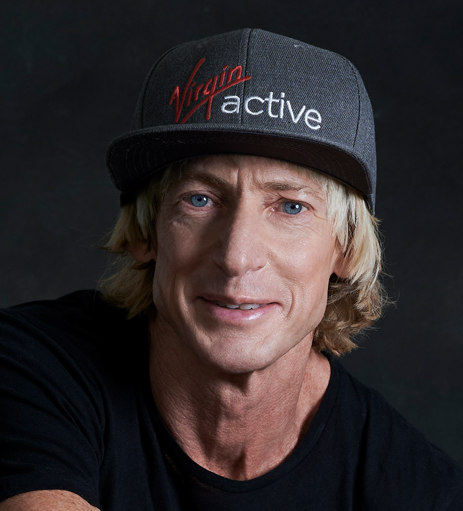
Dean Kowarski
Group CEO, Virgin Active
photo: Virgin Active
There’s been a fundamental shift in how we view recovery. People have finally realised it’s not an afterthought, but the foundation of long-term wellness.
That’s changing fast, with the trend being driven by a few key forces. Firstly, technology has made recovery visible. Wearables from Whoop, Garmin, Polar and Oura give people real-time data on their sleep, stress and readiness to train. You can’t ignore what you can measure.
This technology has introduced new metrics like Garmin’s or Vitality’s Fitness Age, Polar’s Body Age, Fitbit’s Daily Readiness Score and Whoop’s Age Pace. These broader wellbeing frameworks drive social comparison of wellness metrics and create behaviours that encourage both recovery and exercise adherence.
Secondly, the cultural conversation has shifted from just aesthetics to longevity and healthspan. People don’t just want to look good; they want to feel good and stay active for decades.
At Virgin Active, we’ve built recovery into our core offering because it belongs right alongside strength, cardio and group exercise – not as a side note, but as a central pillar of wellness.
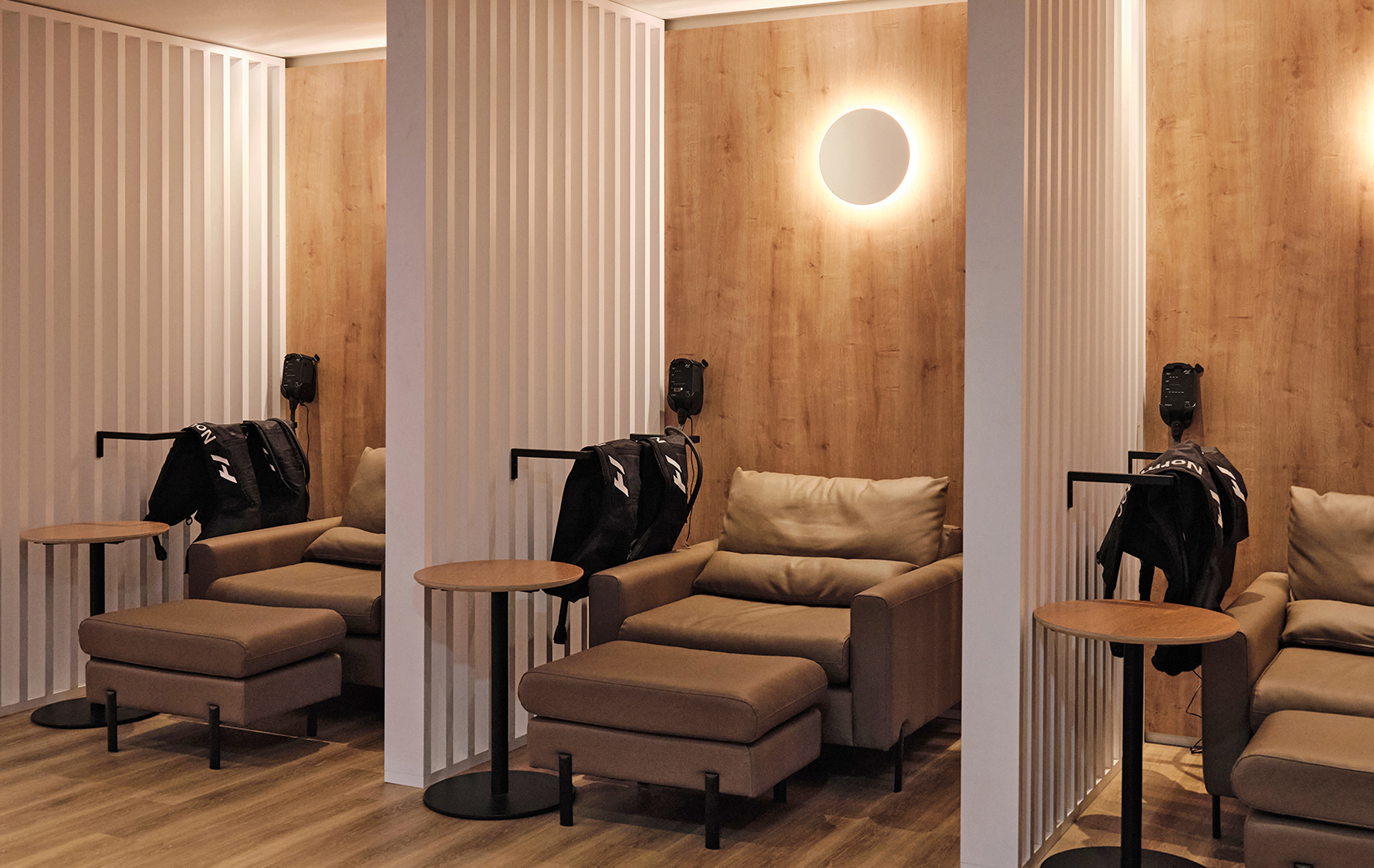
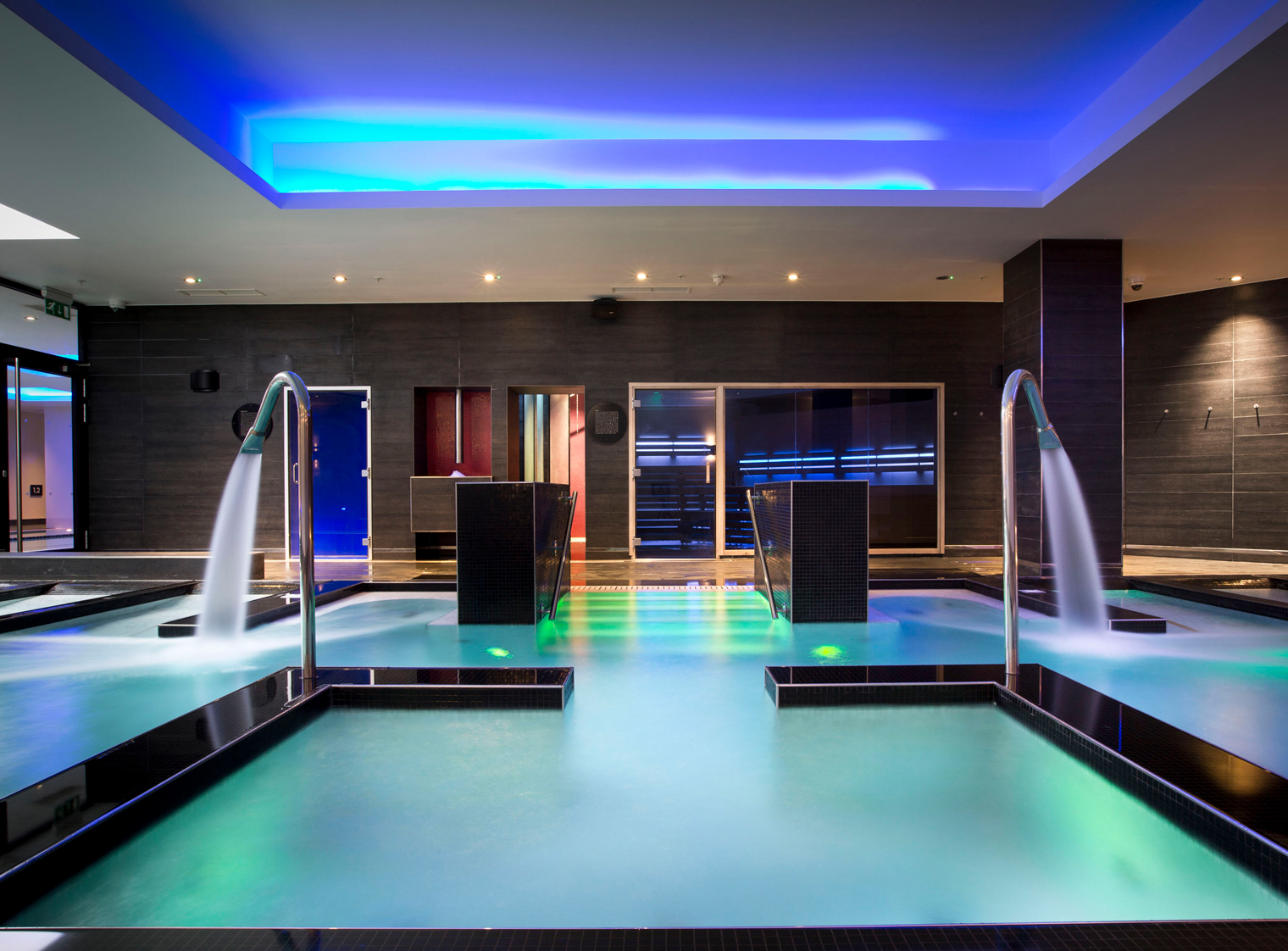
This includes ‘wet’ areas with hydrotherapy pools, contrast therapy circuits (hot saunas and cold plunges) and infrared saunas, chosen for their proven effects on circulation and inflammation. We also have ‘dry’ areas with technologies like compression therapy, percussion massage tools and mobility zones. Every tool we’ve incorporated is backed by science and easy for members to use. They’re effective, accessible and align with our philosophy of being a social wellness club.
Recovery shouldn’t be a one-size-fits-all model. Every Virgin Active club is unique in its physical footprint and the needs of its members, so our recovery zones are flexible. For example, our Bondi Westfield club in Australia gives 20 per cent of its space to spa and recovery. Membership at that site starts at AU$99 (US$66, €56, £49) a week.
Members now see recovery tools as essential parts of their routine, not just occasional luxuries. It’s the piece of the puzzle that ensures all the hard work they put in translates into results. If you don’t recover, you simply don’t progress.
■ In a Leisure Media exclusive, Kowarski revealed he’s transforming Virgin Active from a gym business into a social wellness brand (see www.spabusiness.com/kowarski).
Members now see recovery tools as essential parts of their routine
A compression therapy zone at Virgin Active / Photo: Virgin Active
Recovery, including hydrothermal areas, is now a core offering at Virgin Active / photo: Virgin Active
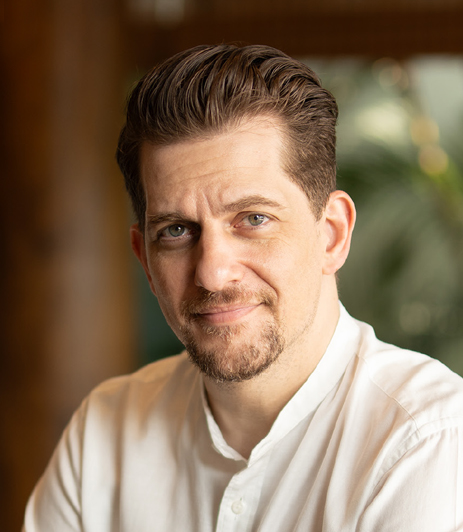
Dr Tal Friedman
Director of wellness operations, RAKxa Integrative Wellness
photo: RAKxa
Individuals are starting to realise that true health and balance cannot be achieved without including three main aspects of recovery: physical, emotional, and mental.
Recovery looks different for everyone. Some come seeking stress relief, while others aim to optimise their energy and performance. At RAKxa, we offer a wide selection of individually-tailored programmes, including Destress, Sleep Enhancement, Detox and Energy Renewal.
Our five- or seven-night Energy Renewal programme, starting at THB365,000 (US$11,459, €9,716, £8,480), integrates a range of recovery-focused offerings to restore vitality and balance. It’s a restorative pathway designed to address burnout, chronic stress and low stamina. From hyperbaric oxygen, IV nutrient boost and cryotherapy, each treatment is combined with traditional therapies such as marma healing massage, reiki or traditional Chinese acupuncture.
We selected these modalities because recovery is not about a single, one-off treatment – it’s about how medical science and ancient wisdom therapies are integrated to work hand-in-hand for the most sustainable result.
We’ve also recently introduced our five- or seven-night Sleep Enhancement programme, starting at THB280,000 (US$8,764, €7,426, £6,487). Sleep is more than rest. It’s a fundamental pillar and essential for recovery, regulation and renewal. Through bodywork, vibrational healing, breathwork and herbal compresses, it helps recalibrate natural circadian rhythms for deeper rest.
At RAKxa, every experience is interwoven with education throughout our guests’ stay. During consultations or even in-treatment sessions with specialists, we aim to help each guest understand how their body functions, as well as provide lifestyle tips needed to sustain results post-retreat.
Recovery practices are moving away from being something people only pursue at a wellness retreat. In the future, they’ll be integrated into daily life at home through simple, accessible routines such as quality sleep, stress-relief rituals and restorative movement.
People will focus on finding what works best for their own bodies, creating personalised ways to recharge and restore balance. Technology will also play a role, with wearables and home devices offering personalised guidance on when to rest and how to recover more effectively.
■ RAKxa was created in partnership with Thailand’s Bumrungrad International Hospital. Read more at www.spabusiness.com/rakxa.
True recovery blends medical science
with ancient wisdom for lasting results
A five-night Energy Renewal programme starts at US$11,459 / photo: RAKxa
Michelle Whipple
Retreat director, Sensei Lanai, a Four Seasons Resort
photo: Sensei Lanai, A Four Seasons Resort
Recovery is trending because people recognise that wellness isn’t only about how hard you can push, it’s about how well you can restore.
With the rise of high-performance culture, everyday life stresses and post-pandemic exhaustion, what guests are really searching for now is balance. Recovery gives them a way to recalibrate and return to themselves and remember what it feels like to listen to the messages their body is sending. At Sensei, our team helps guests reawaken that awareness, equipping them with data-driven insights and practical tools to help downregulate the nervous system.
One of our most popular programmes is Rest and Reset, designed for people seeking stress relief. A Whoop wearable is sent before arrival to track real-time strain and recovery data. Daily wellbeing classes range from meditation to mindful movement, along with private sessions on sleep, sensory eating and how to measure heart rate variability and individual stress responses.
Guests can then practice what they’ve learned in down-regulating their nervous systems in a Reframing Resistance experience at the Lanai Adventure Park to test their resiliency in a real-world setting. This five-night programme begins at US$1,580 (€1,339, £1,170) per night.
With the rise in wearable tech, people now see in real time how stress, poor sleep and overtraining affect them. These devices have made recovery visible and measurable, fuelling awareness of the body’s signals and need for recovery.
Guests are no longer looking for pampering, they seek tools, science and practices they can carry into their everyday lives. They don’t just experience recovery while here, they learn which strategies work best for them and practise those skills with a Sensei Guide alongside them. The ultimate outcome is empowerment and they leave with the confidence and self-efficacy to sustain recovery beyond their stay.
Recovery is evolving from a trend to a necessity and soon recovery practices will be integrated and commonplace in fitness routines and workplaces. Sensei is already leading that movement by not offering recovery experiences, but by teaching recovery skills.
■ Launched in 2019, Sensei is the vision of tech billionaire Larry Ellison. See www.spabusiness.com/ellison for further details.
We don’t just offer recovery experiences, we teach recovery skills
Daily wellbeing classes are part of the popular Rest and Reset programme / photo: Sensei Lanai, A Four Seasons Resort
Sensei programmes incorporate a Whoop wearable / photo: Whoop, Sunset Series, Adam Moran
Luisa Anderson
Regional director of spa, Four Seasons Resorts Asia Pacific
photo: Four Seasons Resort Bali at Jimbaran Bay. Photographer Himawan Sutanto
People are recognising that health is no longer about high performance or intense workouts – it’s also about long-term sustainability. The shift towards recovery reflects a bigger and better understanding of holistic wellness, where physical, mental and emotional health are interconnected.
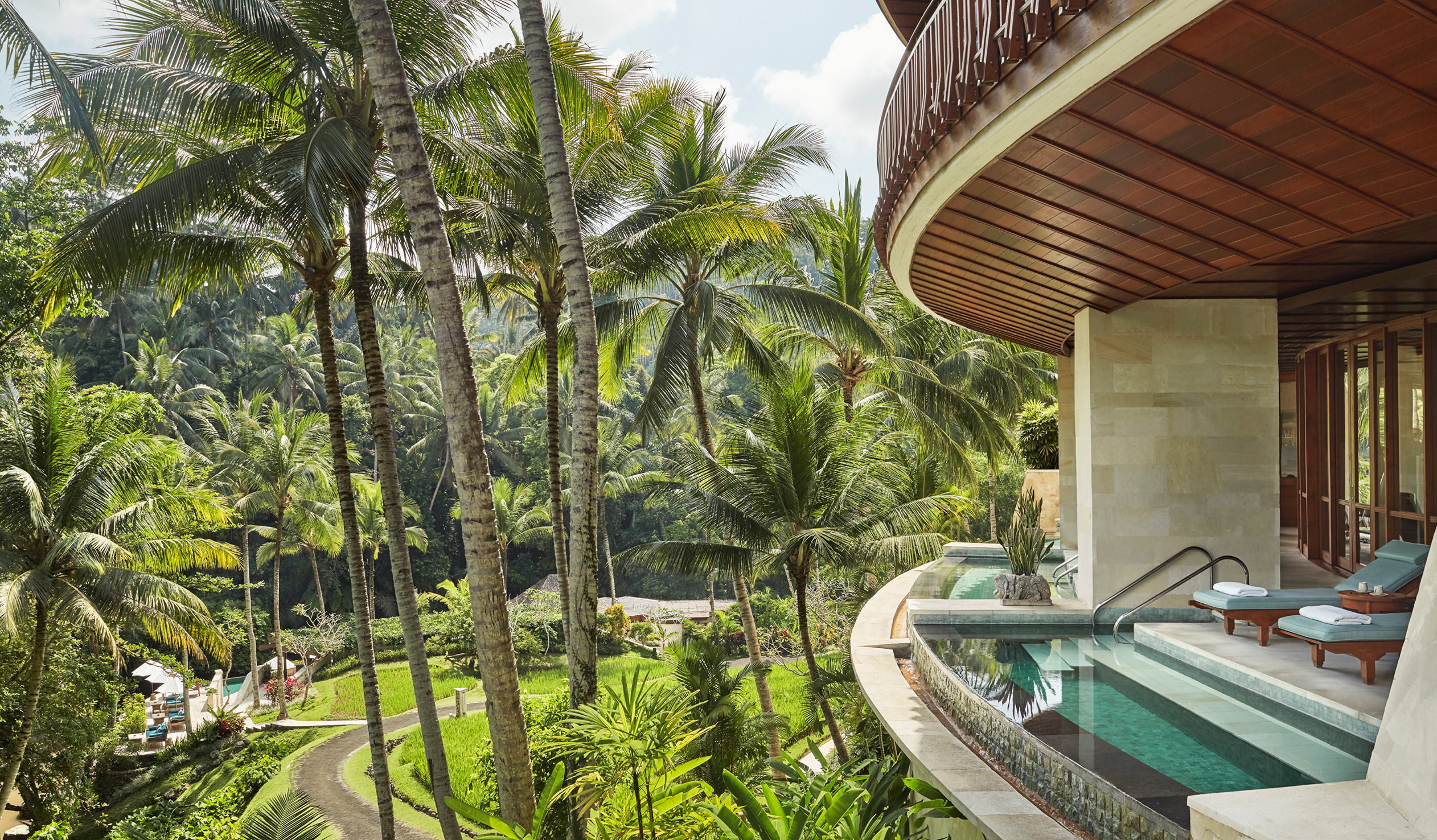
At Four Seasons Resort Bali at Sayan, we’ve just unveiled a Fitness Hub, almost a year after the major redesign of our Sacred River Spa. It offers a holistic recovery experience in a luxurious, tranquil jungle setting – a sanctuary for deep restoration.
The Fitness Hub has three studios – a gym, pilates space and a dedicated Recovery Room – that can be booked for personalised sessions. This setup allows guests to engage deeply with their recovery journey in an intimate environment. There’s also a bespoke recovery experience blending advanced technologies with expert guidance and Balinese healing philosophies.
In our Recovery Room, guests can experience our signature recovery experience, Pulih Batin, that’s designed to reduce inflammation, improve circulation and restore overall balance. This is a 90-minute, IDR2.7 million (US$162, €138, £120) semi-guided journey that combines breathwork, contrast therapy and a session on an infrared zero-gravity lounger to promote deep relaxation. It culminates with a 20-30 minute guided meditation.
Most contrast therapy circuits, especially the current sauna/ice bath phenomenon, do not usually place much emphasis on the post-relaxation phase. This truly makes Pulih Batin a mind-body-spirit experience – not something that restricts recovery to the physical body alone.
In addition, our Hydrotherapy Healing is a 30-minute, IDR1 million (US$60, €51, £44) self-paced experience alternating between a steamroom and ice bath, allowing guests to tailor their own contrast therapy session.
Recovery practices will continue to progress by combining modern technologies that improve healing and convenience with time-tested ancient traditions such as breathwork, meditation and natural therapies. Technology will continue to evolve and improve and we need to evolve with it, but we must maintain balance and refine the integration of combined practices.
Spa people: Tim Fu
Leading a wellness architecture project in Slovenia that’s one of the first in the world to use AI in all stages of design
Spa people: Kayley Thomas
Lush is famous for its bath bombs and retail empire, but the co-founder of its day spa concept reveals why its 19 global spa facilities are so essential
Spa people: Colin Mcilheney
We find out more about Colin Mcilheney, the man who created the ISPA US Spa Industry Study and has been analysing the sector’s performance ever since
News report: Map of luxury
New research by WATG shows emerging wealth hubs in India, the Gulf, Southeast Asia and Africa are reshaping luxury travel demand
Interview: Chris Norton
The CEO of Equinox Hotels tells Katie Barnes how the uber-cool brand is scaling its bold fusion of fitness, spa and luxury
Ask an expert...: Recovery
From cryo to compression to contrast bathing, Julie Cramer investigates why and how spas and resorts are integrating recovery packages
Research: Behind the boom
What are the hidden messages in the latest US study by ISPA? Colin Mcilheney digs beneath the surface
Research: Bigger picture
Rising salaries and shifting consumer expectations – two new surveys by the UKSA and GSG reveal the trends impacting UK spa operators
Sponsored: Lemi - Good sensations
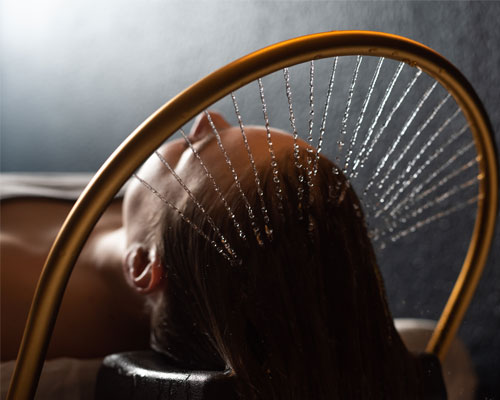
Lemi’s Venice Head Spa combines the beauty of Italian design with fine-tuned technology to provide the ultimate top-to-toe treatment station for spas
Sponsored: G.M. COLLIN – Smooth operator
The new toner from G.M. Collin represents a ‘gold standard’ in leave-on liquid exfoliation for smooth and radiant results, without the irritation of a scrub
Sponsored: TechnoAlpin – Snow for all seasons
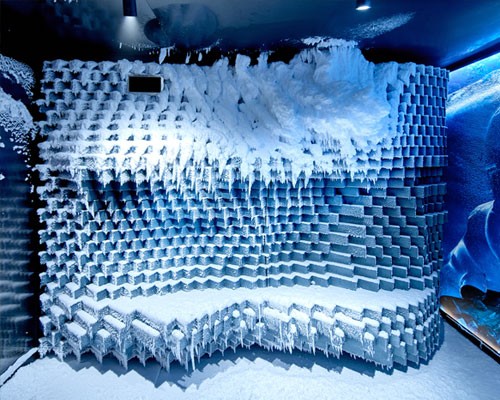
TechnoAlpin’s magical Snowroom installation at the Alpenrose resort brings the Austrian landscape and feel-good nature factor to its wellbeing experience
First person: Costa Blanca cure
Jane Kitchen visits Spain to compare and contrast two world-class medi-wellness clinics: well-established SHA and ambitious newcomer ZEM
Sponsored: Gharieni Group – Tech-powered recovery
The new brand in the Gharieni Group portfolio – Metawell – is delivering what today’s wellness clients are seeking most – deep recovery and mind-body renewal
Sponsored: BC Softwear – Human touch
While touchless therapies are a positive addition to spas, nothing can replace the healing power of human touch, says Barbara Cooke
Sponsored: Yon-ka – A potent blend
Yon-Ka’s new Serum Omega is a potent blend of Omega 3, 6 and 9 to target
dry, stressed-out skin and deliver a calm and nourishing client experience
Menu engineering: At your service
Self-playing gongs in Sweden, surfing therapy in Morocco and Ananda launches holistic diabetes management programme in India
Contrast therapy, based on the alternation of hot and cold rituals, has become one of the
most valued practices in the fields of wellness and recovery. [more...]
+ More featured suppliers
COMPANY PROFILES
Subtle Energies
With 30 years of clinical research, Subtle Energies is widely recognised for its
authentic wellness [more...]
From red light to compression to cryotherapy, recovery has become
a hot topic in the wellness world. So how are spas and resorts
integrating it into their programmes? Julie Cramer investigates
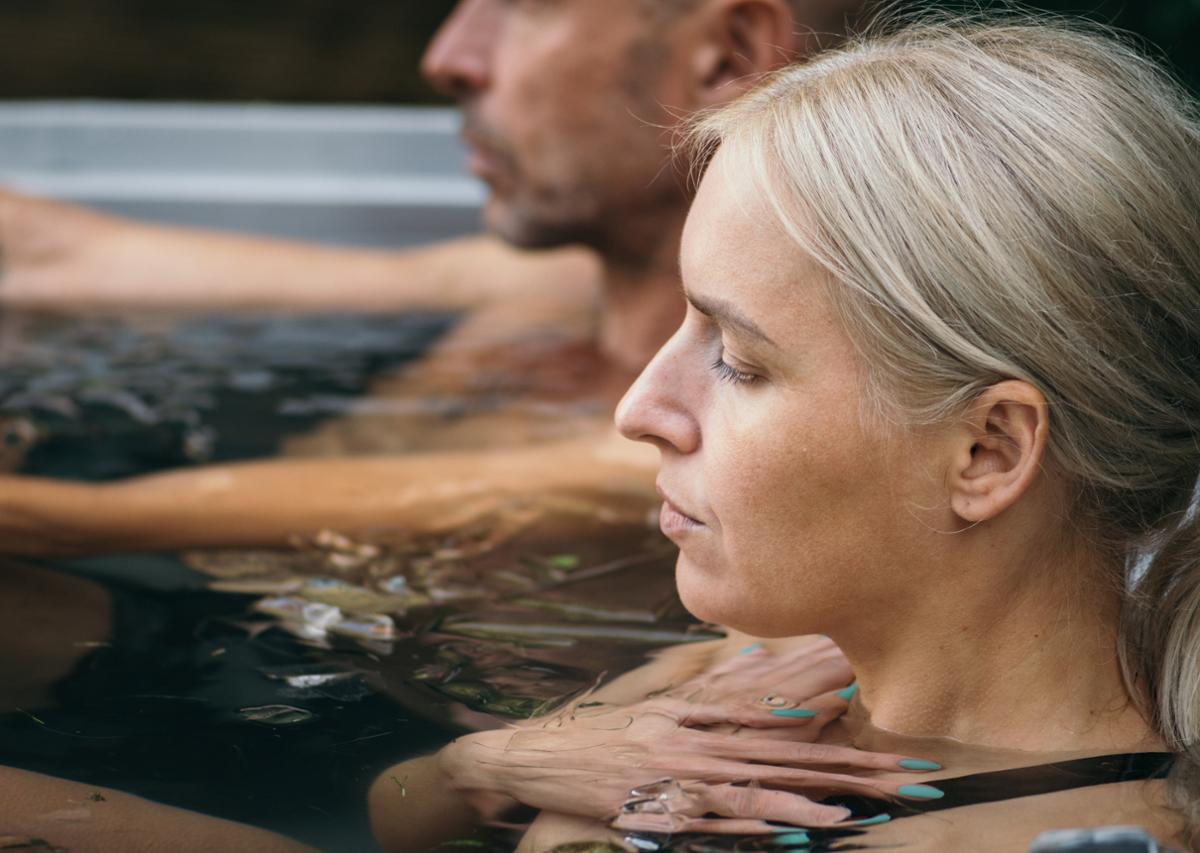
Cold plunges are a simple, yet effective, recovery intervention that more spas are embracing / photo: shutterstock/Michele Ursi
In spas, the idea of recovery was once synonymous with relaxation and a healthy dose of pampering, while in the fitness market, it was usually represented by cool downs, gentle stretching and rest days.
Today, however, recovery is recognised as a much more complex and varied discipline. It’s increasingly being seen as a daily necessity to combat the stresses of the fast-moving modern world.
Recovery can still range from quite a simple affair, such as a hot sauna, cold plunge or hands-on holistic massage through to much more technical interventions such as hyperbaric oxygen therapy, IV infusions and lymphatic drainage compression suits.
The growth of wearables for tracking personal health data has also made the pursuit of recovery much more visible, whether it’s smartwatches, Oura rings or neurofeedback headsets. Meanwhile, popular wellness movements like biohacking and longevity highlight people’s potential for building mental and physical resilience and reaching peak performance – with recovery playing a major role in that journey.
With all these factors driving consumers’ knowledge and demands, recovery is increasingly playing a central role in offerings in spas, wellness resorts and fitness centres around the world, whether as a standalone package or deeply integrated into existing programmes – all with the possibility for a deeply personalised approach.
We talk to five leading operators about how they offer recovery to their guests and members and where they see the ‘trend’ heading in the future.
Jamie Moore
Director of fitness, SIRO
photo: SIRO
Recovery is built into the SIRO DNA. It’s one of our five key pillars – alongside sleep, nutrition, mindfulness and fitness – and the foundation for everything we do.
We don’t just position it as rest and relaxation. At the centre of each of our hotels is the Recovery Lab, incorporating cutting-edge treatments and holistic therapies.
Each of our treatments was chosen to harness new science-backed technologies to enhance performance and accelerate healing. Some of our more advanced options include electric muscle stimulation, which supports recovery by reducing soreness and stiffness and improving flexibility; cryotherapy, which stimulates circulation and reduces inflammation; vibroacoustic therapy to rebalance the nervous system and promote restorative sleep; and Gharieni’s MLX i³Dome that fuses far-infrared, plasma and light therapy to detoxify, reduce inflammation and boost metabolism.
Elsewhere, holistic offerings, such as our modular massage and assisted stretching, complement these specialised treatments, providing a well-rounded approach to recovery.
Quality sleep is also fundamental to recovery and it’s core to our ethos. Our rooms are designed to reset natural circadian rhythm when travel disrupts routine. Thermoregulated mattresses, optimised lighting and in-room recovery equipment create the perfect environment for deep, restorative rest.
SIRO’s Reset retreat in Dubai is specifically based around recovery treatments and purposeful movement. It’s available in two-, four- or six-day packages starting at AED2,645 (US$720 €611, £533).
Overall, we’re seeing a lot of demand for cold and hot therapy with more guests requesting ice baths in their rooms and cryotherapy is almost always fully booked.
Compression therapy with boots is so popular that we’ve now made them available on the gym floor.
In the future, there’ll be more emphasis on human connection in the sector. We’re already seeing increased community around recovery – with individuals socialising at saunas and other recovery centres, over cafés and bars. I expect this will grow.
Recovery spaces are becoming social hubs, replacing cafés and bars
SIRO, billed as the world’s first ‘recovery hotel’ brand, made its debut last year / photo: SIRO
Dean Kowarski
Group CEO, Virgin Active
photo: Virgin Active
There’s been a fundamental shift in how we view recovery. People have finally realised it’s not an afterthought, but the foundation of long-term wellness.
That’s changing fast, with the trend being driven by a few key forces. Firstly, technology has made recovery visible. Wearables from Whoop, Garmin, Polar and Oura give people real-time data on their sleep, stress and readiness to train. You can’t ignore what you can measure.
This technology has introduced new metrics like Garmin’s or Vitality’s Fitness Age, Polar’s Body Age, Fitbit’s Daily Readiness Score and Whoop’s Age Pace. These broader wellbeing frameworks drive social comparison of wellness metrics and create behaviours that encourage both recovery and exercise adherence.
Secondly, the cultural conversation has shifted from just aesthetics to longevity and healthspan. People don’t just want to look good; they want to feel good and stay active for decades.
At Virgin Active, we’ve built recovery into our core offering because it belongs right alongside strength, cardio and group exercise – not as a side note, but as a central pillar of wellness.
This includes ‘wet’ areas with hydrotherapy pools, contrast therapy circuits (hot saunas and cold plunges) and infrared saunas, chosen for their proven effects on circulation and inflammation. We also have ‘dry’ areas with technologies like compression therapy, percussion massage tools and mobility zones. Every tool we’ve incorporated is backed by science and easy for members to use. They’re effective, accessible and align with our philosophy of being a social wellness club.
Recovery shouldn’t be a one-size-fits-all model. Every Virgin Active club is unique in its physical footprint and the needs of its members, so our recovery zones are flexible. For example, our Bondi Westfield club in Australia gives 20 per cent of its space to spa and recovery. Membership at that site starts at AU$99 (US$66, €56, £49) a week.
Members now see recovery tools as essential parts of their routine, not just occasional luxuries. It’s the piece of the puzzle that ensures all the hard work they put in translates into results. If you don’t recover, you simply don’t progress.
■ In a Leisure Media exclusive, Kowarski revealed he’s transforming Virgin Active from a gym business into a social wellness brand (see www.spabusiness.com/kowarski).
Members now see recovery tools as essential parts of their routine
A compression therapy zone at Virgin Active / Photo: Virgin Active
Recovery, including hydrothermal areas, is now a core offering at Virgin Active / photo: Virgin Active
Dr Tal Friedman
Director of wellness operations, RAKxa Integrative Wellness
photo: RAKxa
Individuals are starting to realise that true health and balance cannot be achieved without including three main aspects of recovery: physical, emotional, and mental.
Recovery looks different for everyone. Some come seeking stress relief, while others aim to optimise their energy and performance. At RAKxa, we offer a wide selection of individually-tailored programmes, including Destress, Sleep Enhancement, Detox and Energy Renewal.
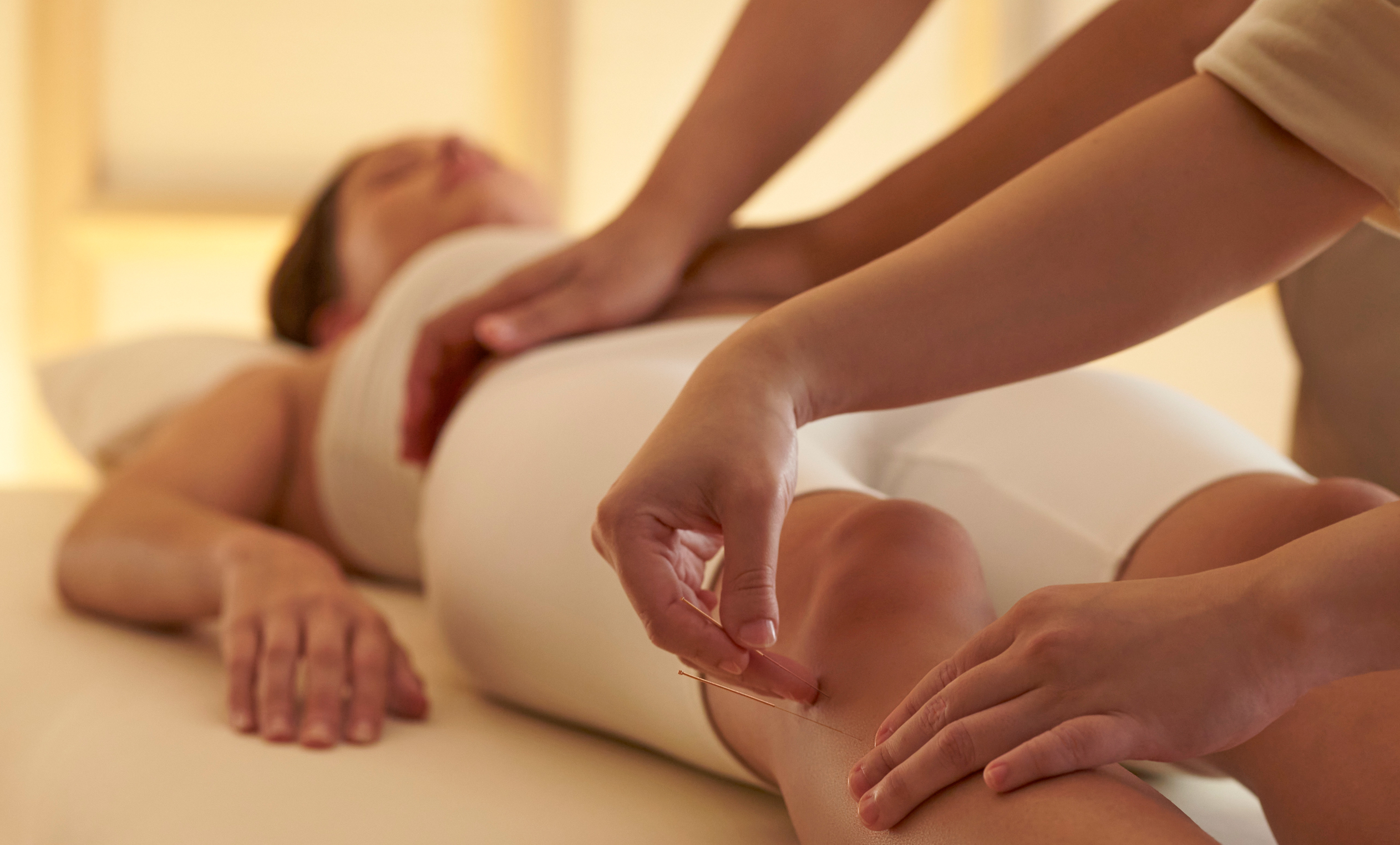
Our five- or seven-night Energy Renewal programme, starting at THB365,000 (US$11,459, €9,716, £8,480), integrates a range of recovery-focused offerings to restore vitality and balance. It’s a restorative pathway designed to address burnout, chronic stress and low stamina. From hyperbaric oxygen, IV nutrient boost and cryotherapy, each treatment is combined with traditional therapies such as marma healing massage, reiki or traditional Chinese acupuncture.
We selected these modalities because recovery is not about a single, one-off treatment – it’s about how medical science and ancient wisdom therapies are integrated to work hand-in-hand for the most sustainable result.
We’ve also recently introduced our five- or seven-night Sleep Enhancement programme, starting at THB280,000 (US$8,764, €7,426, £6,487). Sleep is more than rest. It’s a fundamental pillar and essential for recovery, regulation and renewal. Through bodywork, vibrational healing, breathwork and herbal compresses, it helps recalibrate natural circadian rhythms for deeper rest.
At RAKxa, every experience is interwoven with education throughout our guests’ stay. During consultations or even in-treatment sessions with specialists, we aim to help each guest understand how their body functions, as well as provide lifestyle tips needed to sustain results post-retreat.
Recovery practices are moving away from being something people only pursue at a wellness retreat. In the future, they’ll be integrated into daily life at home through simple, accessible routines such as quality sleep, stress-relief rituals and restorative movement.
People will focus on finding what works best for their own bodies, creating personalised ways to recharge and restore balance. Technology will also play a role, with wearables and home devices offering personalised guidance on when to rest and how to recover more effectively.
■ RAKxa was created in partnership with Thailand’s Bumrungrad International Hospital. Read more at www.spabusiness.com/rakxa.
True recovery blends medical science
with ancient wisdom for lasting results
A five-night Energy Renewal programme starts at US$11,459 / photo: RAKxa
Michelle Whipple
Retreat director, Sensei Lanai, a Four Seasons Resort
photo: Sensei Lanai, A Four Seasons Resort
Recovery is trending because people recognise that wellness isn’t only about how hard you can push, it’s about how well you can restore.
With the rise of high-performance culture, everyday life stresses and post-pandemic exhaustion, what guests are really searching for now is balance. Recovery gives them a way to recalibrate and return to themselves and remember what it feels like to listen to the messages their body is sending. At Sensei, our team helps guests reawaken that awareness, equipping them with data-driven insights and practical tools to help downregulate the nervous system.
One of our most popular programmes is Rest and Reset, designed for people seeking stress relief. A Whoop wearable is sent before arrival to track real-time strain and recovery data. Daily wellbeing classes range from meditation to mindful movement, along with private sessions on sleep, sensory eating and how to measure heart rate variability and individual stress responses.
Guests can then practice what they’ve learned in down-regulating their nervous systems in a Reframing Resistance experience at the Lanai Adventure Park to test their resiliency in a real-world setting. This five-night programme begins at US$1,580 (€1,339, £1,170) per night.
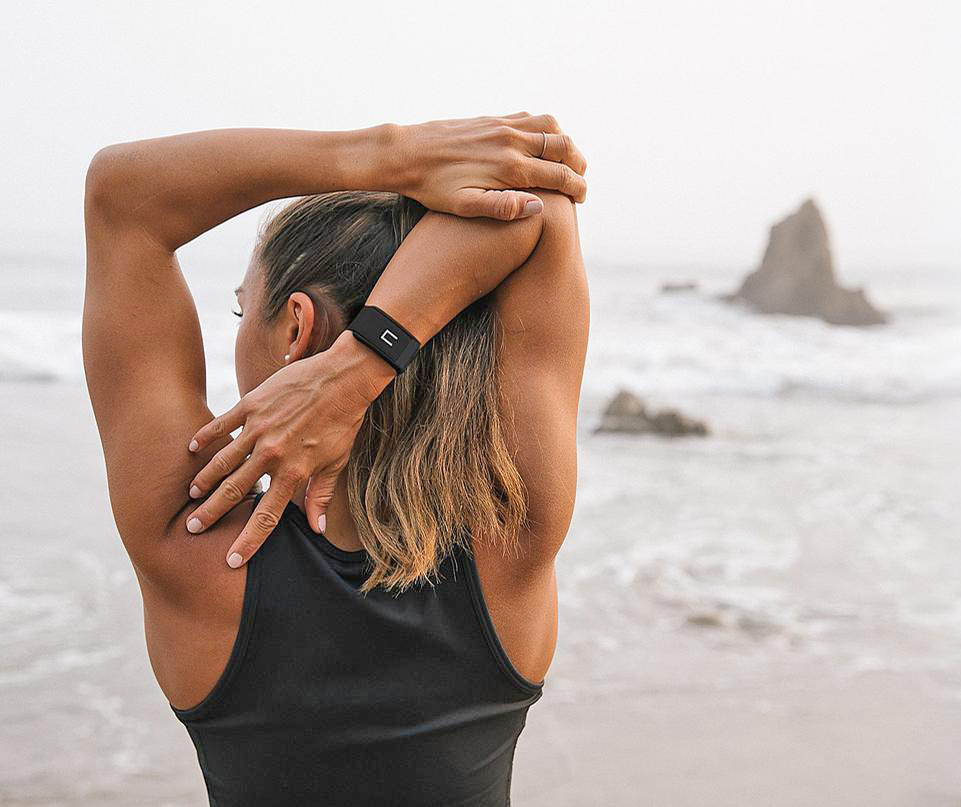
With the rise in wearable tech, people now see in real time how stress, poor sleep and overtraining affect them. These devices have made recovery visible and measurable, fuelling awareness of the body’s signals and need for recovery.
Guests are no longer looking for pampering, they seek tools, science and practices they can carry into their everyday lives. They don’t just experience recovery while here, they learn which strategies work best for them and practise those skills with a Sensei Guide alongside them. The ultimate outcome is empowerment and they leave with the confidence and self-efficacy to sustain recovery beyond their stay.
Recovery is evolving from a trend to a necessity and soon recovery practices will be integrated and commonplace in fitness routines and workplaces. Sensei is already leading that movement by not offering recovery experiences, but by teaching recovery skills.
■ Launched in 2019, Sensei is the vision of tech billionaire Larry Ellison. See www.spabusiness.com/ellison for further details.
We don’t just offer recovery experiences, we teach recovery skills
Daily wellbeing classes are part of the popular Rest and Reset programme / photo: Sensei Lanai, A Four Seasons Resort
Sensei programmes incorporate a Whoop wearable / photo: Whoop, Sunset Series, Adam Moran
Luisa Anderson
Regional director of spa, Four Seasons Resorts Asia Pacific
photo: Four Seasons Resort Bali at Jimbaran Bay. Photographer Himawan Sutanto
People are recognising that health is no longer about high performance or intense workouts – it’s also about long-term sustainability. The shift towards recovery reflects a bigger and better understanding of holistic wellness, where physical, mental and emotional health are interconnected.
At Four Seasons Resort Bali at Sayan, we’ve just unveiled a Fitness Hub, almost a year after the major redesign of our Sacred River Spa. It offers a holistic recovery experience in a luxurious, tranquil jungle setting – a sanctuary for deep restoration.
The Fitness Hub has three studios – a gym, pilates space and a dedicated Recovery Room – that can be booked for personalised sessions. This setup allows guests to engage deeply with their recovery journey in an intimate environment. There’s also a bespoke recovery experience blending advanced technologies with expert guidance and Balinese healing philosophies.
In our Recovery Room, guests can experience our signature recovery experience, Pulih Batin, that’s designed to reduce inflammation, improve circulation and restore overall balance. This is a 90-minute, IDR2.7 million (US$162, €138, £120) semi-guided journey that combines breathwork, contrast therapy and a session on an infrared zero-gravity lounger to promote deep relaxation. It culminates with a 20-30 minute guided meditation.
Most contrast therapy circuits, especially the current sauna/ice bath phenomenon, do not usually place much emphasis on the post-relaxation phase. This truly makes Pulih Batin a mind-body-spirit experience – not something that restricts recovery to the physical body alone.
In addition, our Hydrotherapy Healing is a 30-minute, IDR1 million (US$60, €51, £44) self-paced experience alternating between a steamroom and ice bath, allowing guests to tailor their own contrast therapy session.
Recovery practices will continue to progress by combining modern technologies that improve healing and convenience with time-tested ancient traditions such as breathwork, meditation and natural therapies. Technology will continue to evolve and improve and we need to evolve with it, but we must maintain balance and refine the integration of combined practices.
Spa people: Tim Fu
Leading a wellness architecture project in Slovenia that’s one of the first in the world to use AI in all stages of design
Spa people: Kayley Thomas
Lush is famous for its bath bombs and retail empire, but the co-founder of its day spa concept reveals why its 19 global spa facilities are so essential
Spa people: Colin Mcilheney
We find out more about Colin Mcilheney, the man who created the ISPA US Spa Industry Study and has been analysing the sector’s performance ever since
News report: Map of luxury
New research by WATG shows emerging wealth hubs in India, the Gulf, Southeast Asia and Africa are reshaping luxury travel demand
Interview: Chris Norton
The CEO of Equinox Hotels tells Katie Barnes how the uber-cool brand is scaling its bold fusion of fitness, spa and luxury
Ask an expert...: Recovery
From cryo to compression to contrast bathing, Julie Cramer investigates why and how spas and resorts are integrating recovery packages
Research: Behind the boom
What are the hidden messages in the latest US study by ISPA? Colin Mcilheney digs beneath the surface
Research: Bigger picture
Rising salaries and shifting consumer expectations – two new surveys by the UKSA and GSG reveal the trends impacting UK spa operators
Sponsored: Lemi - Good sensations
Lemi’s Venice Head Spa combines the beauty of Italian design with fine-tuned technology to provide the ultimate top-to-toe treatment station for spas
Sponsored: G.M. COLLIN – Smooth operator
The new toner from G.M. Collin represents a ‘gold standard’ in leave-on liquid exfoliation for smooth and radiant results, without the irritation of a scrub
Sponsored: TechnoAlpin – Snow for all seasons
TechnoAlpin’s magical Snowroom installation at the Alpenrose resort brings the Austrian landscape and feel-good nature factor to its wellbeing experience
First person: Costa Blanca cure
Jane Kitchen visits Spain to compare and contrast two world-class medi-wellness clinics: well-established SHA and ambitious newcomer ZEM
Sponsored: Gharieni Group – Tech-powered recovery
The new brand in the Gharieni Group portfolio – Metawell – is delivering what today’s wellness clients are seeking most – deep recovery and mind-body renewal
Sponsored: BC Softwear – Human touch
While touchless therapies are a positive addition to spas, nothing can replace the healing power of human touch, says Barbara Cooke
Sponsored: Yon-ka – A potent blend
Yon-Ka’s new Serum Omega is a potent blend of Omega 3, 6 and 9 to target
dry, stressed-out skin and deliver a calm and nourishing client experience
Menu engineering: At your service
Self-playing gongs in Sweden, surfing therapy in Morocco and Ananda launches holistic diabetes management programme in India
Synergy – The Retreat Show, the global trade show for retreats, has launched a global research
initiative that will provide insights into the retreat sector from both consumer and industry
perspectives.
The Wellness Tourism Association (WTA) has published a non-regulatory global industry
framework designed to ensure the retreat market offers responsible experiences.
A new survey of UK and international spa practitioners shows that stress, burnout and
wellbeing concerns have caused one in three respondents to consider leaving the industry.
The UK's four Chief Medical Officers have published a refreshed edition of Physical activity
guidelines: UK Chief Medical Officers' report, updating the evidence that underpins the nation's
physical activity recommendations and placing greater emphasis on strength, balance, reducing
sedentary behaviour and, for the first time, supporting people taking weight loss medications.
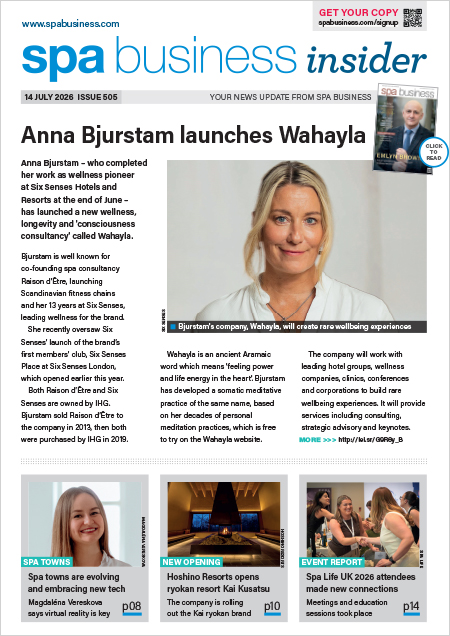
Anna Bjurstam has left her role as Wellness Pioneer at Six Senses Hotels and Resorts and
launched a new wellness, longevity and “consciousness consultancy” called Wahayla.
Fairmont Cheshire, The Mere, has opened today (10 July) in the Northwest of England
with a
1,715sq m Fairmont Spa that has been designed using a ‘Wellness without Walls’
concept.
Wellness hotels generating less than US$1 million (€932,700, £785,200) – or 10 per cent of
total revenue from wellness and leisure – recorded the strongest RevPAR and TRevPAR growth
in 2025 across categories when compared with 2024, according to the latest Wellness Real
Estate Report by RLA Global, produced in partnership with P and L benchmarking firm HotStats.
Lefay Resorts, the portfolio of two luxury wellness properties in Italy, has added emotional
dance classes and group cold plunge sessions in response to market demand for social
connection.
Contrast therapy, based on the alternation of hot and cold rituals, has become one of the
most valued practices in the fields of wellness and recovery. [more...]
+ More featured suppliers
COMPANY PROFILES
Subtle Energies With 30 years of clinical research, Subtle Energies is widely recognised for its
authentic wellness [more...]