Yes! Send me the FREE digital editions of Spa Business and Spa Business insider magazines and the FREE weekly Spa Business and Spa Business insider ezines and breaking news alerts!
Spas that offer medical testing services to guests are at the top of their game, but there are many reasons people come to get tested and then for follow-up treatment at a spa – and some of them may not be quite as obvious as we imagine
By Liz Terry | Published in Spa Business 2017 issue 2
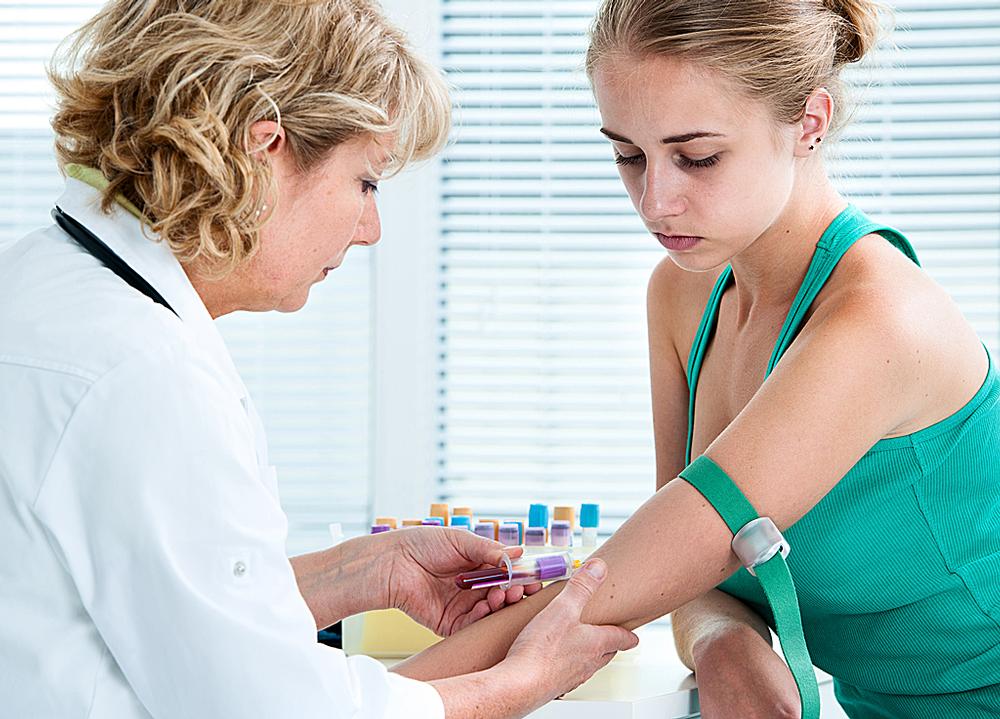
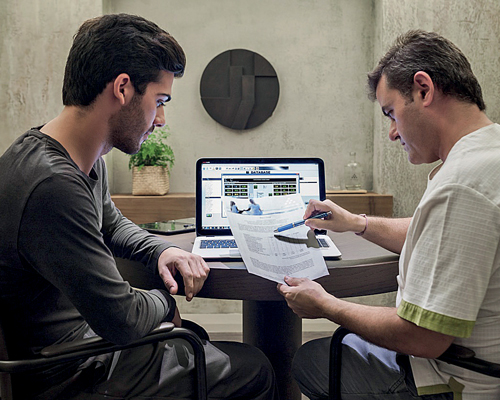
Some have health checks done in spas to keep ownership of results / shutterstock/Alexander Raths
To test, or not to test? That is the question. As more spas begin to tackle the opportunities presented by the move to wellness and wellbeing, one of the main decisions to be made is whether to offer medical testing.
In this issue, we examine the pros and cons of offering testing services in our Ask an Expert feature on page 52.
Test results – in the right hands – enable the prescription of more effective, customised treatments, superior outcomes for the guest and increased revenue for the spa.
However, there are pitfalls when it comes to offering medical testing and the process is not without risk for both operator and guest, especially if the spa doesn’t have full-time medical staff on-site, so the balance must be weighed.
Spas that introduce testing will find an uptake from guests who want to enhance their visit and leave in better shape, but there’s a bigger picture when it comes to motivation. Why do some choose to have tests done in a spa rather than in a medical facility? My strong inkling is that the decision may be related to insurance premiums.
Get tests done within the mainstream medical universe and your results will be kept on your medical records and, as a result, will be accessible by health insurers.
However, have your medical testing done in a private spa and the results are kept off the grid, meaning any adverse findings will not impact your ability to buy health or life insurances, or the premiums you pay for it.
In my stays at spas that offer medical testing, I’ve been intrigued to find large numbers of wealthy people who visit regularly for health tests. While the insurance aspect of the transaction is never articulated, it doesn’t take a genius to figure out that’s one of the reasons this is happening.
So if your clientele extends to the wealthy, and you’re not yet offering testing, you may find there’s an appetite for these services, should you decide to introduce them.
Of course not everyone’s hiding their test results from the insurers; many guests rely on their spa break to give them a life-saving reboot. Testing can be a vital part of the process, because it leads to accurate treatment which gets results more quickly, enabling them to optimise their visit.
Whatever the motivation, if customers need it and you’re able to provide it, then testing can add a valuable and valued service which will elevate your business to another level, enabling you to offer a more rounded wellness service.
Liz Terry, editorial director @elizterry
Read more from this issue of Spa Business magazine
Wellness communities: Europe
Part 2 of our series explores some of
the most exciting European wellness
communities in development
Promotional feature: Babor
CEO Michael Schummert explains how the
company’s expertise in results-driven treatments makes its precision
‘Made in Germany’ products more relevant than ever before
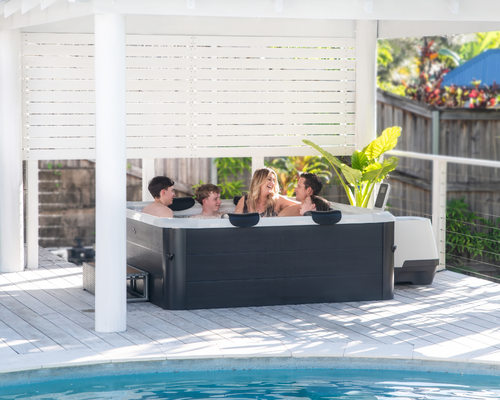
The MSpa Oslo series is a perennial bestseller in global markets. With innovative
engineering and premium performance, this completely portable spa line-up is expertly
designed to meet the needs of customers worldwide. [more...]
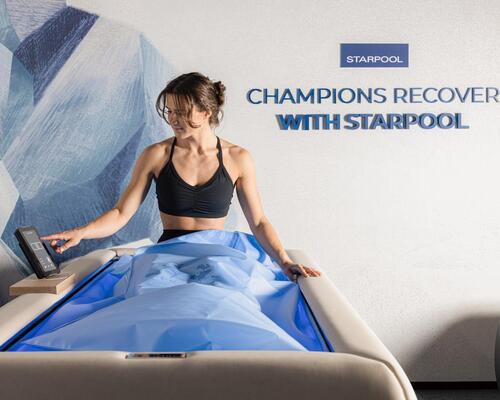
Contrast therapy, based on the alternation of hot and cold rituals, has become one of the
most valued practices in the fields of wellness and recovery. [more...]
+ More featured suppliers
COMPANY PROFILES
Comfort Zone
Comfort Zone’s comprehensive face and body professional and retail range allows clients
to experien [more...]
Spas that offer medical testing services to guests are at the top of their game, but there are many reasons people come to get tested and then for follow-up treatment at a spa – and some of them may not be quite as obvious as we imagine
By Liz Terry | Published in Spa Business 2017 issue 2
Some have health checks done in spas to keep ownership of results / shutterstock/Alexander Raths
To test, or not to test? That is the question. As more spas begin to tackle the opportunities presented by the move to wellness and wellbeing, one of the main decisions to be made is whether to offer medical testing.
In this issue, we examine the pros and cons of offering testing services in our Ask an Expert feature on page 52.
Test results – in the right hands – enable the prescription of more effective, customised treatments, superior outcomes for the guest and increased revenue for the spa.
However, there are pitfalls when it comes to offering medical testing and the process is not without risk for both operator and guest, especially if the spa doesn’t have full-time medical staff on-site, so the balance must be weighed.
Spas that introduce testing will find an uptake from guests who want to enhance their visit and leave in better shape, but there’s a bigger picture when it comes to motivation. Why do some choose to have tests done in a spa rather than in a medical facility? My strong inkling is that the decision may be related to insurance premiums.
Get tests done within the mainstream medical universe and your results will be kept on your medical records and, as a result, will be accessible by health insurers.
However, have your medical testing done in a private spa and the results are kept off the grid, meaning any adverse findings will not impact your ability to buy health or life insurances, or the premiums you pay for it.
In my stays at spas that offer medical testing, I’ve been intrigued to find large numbers of wealthy people who visit regularly for health tests. While the insurance aspect of the transaction is never articulated, it doesn’t take a genius to figure out that’s one of the reasons this is happening.
So if your clientele extends to the wealthy, and you’re not yet offering testing, you may find there’s an appetite for these services, should you decide to introduce them.
Of course not everyone’s hiding their test results from the insurers; many guests rely on their spa break to give them a life-saving reboot. Testing can be a vital part of the process, because it leads to accurate treatment which gets results more quickly, enabling them to optimise their visit.
Whatever the motivation, if customers need it and you’re able to provide it, then testing can add a valuable and valued service which will elevate your business to another level, enabling you to offer a more rounded wellness service.
Liz Terry, editorial director @elizterry
Read more from this issue of Spa Business magazine
Wellness communities: Europe
Part 2 of our series explores some of
the most exciting European wellness
communities in development
Promotional feature: Babor
CEO Michael Schummert explains how the
company’s expertise in results-driven treatments makes its precision
‘Made in Germany’ products more relevant than ever before
Hand and Stone Massage and Facial Spa, the spa business with more than 650 locations across
the US and Canada, has appointed franchise expert Carrie Walsh as CEO as the company plans
to expand.
Synergy – The Retreat Show, the global trade show for retreats, has launched a global research
initiative that will provide insights into the retreat sector from both consumer and industry
perspectives.
The Wellness Tourism Association (WTA) has published a non-regulatory global industry
framework designed to ensure the retreat market offers responsible experiences.
A new survey of UK and international spa practitioners shows that stress, burnout and
wellbeing concerns have caused one in three respondents to consider leaving the industry.
The UK's four Chief Medical Officers have published a refreshed edition of Physical activity
guidelines: UK Chief Medical Officers' report, updating the evidence that underpins the nation's
physical activity recommendations and placing greater emphasis on strength, balance, reducing
sedentary behaviour and, for the first time, supporting people taking weight loss medications.
Anna Bjurstam has left her role as Wellness Pioneer at Six Senses Hotels and Resorts and
launched a new wellness, longevity and “consciousness consultancy” called Wahayla.
Fairmont Cheshire, The Mere, has opened today (10 July) in the Northwest of England
with a
1,715sq m Fairmont Spa that has been designed using a ‘Wellness without Walls’
concept.
Wellness hotels generating less than US$1 million (€932,700, £785,200) – or 10 per cent of
total revenue from wellness and leisure – recorded the strongest RevPAR and TRevPAR growth
in 2025 across categories when compared with 2024, according to the latest Wellness Real
Estate Report by RLA Global, produced in partnership with P and L benchmarking firm HotStats.
The MSpa Oslo series is a perennial bestseller in global markets. With innovative
engineering and premium performance, this completely portable spa line-up is expertly
designed to meet the needs of customers worldwide. [more...]
Contrast therapy, based on the alternation of hot and cold rituals, has become one of the
most valued practices in the fields of wellness and recovery. [more...]
+ More featured suppliers
COMPANY PROFILES
Comfort Zone Comfort Zone’s comprehensive face and body professional and retail range allows clients
to experien [more...]