Do you have a strong opinion, or disagree with somebody else’s point of view on topics related to the spa industry? If so, Spa Business would love to hear from you. Email your letters, thoughts and suggestions to [email protected]
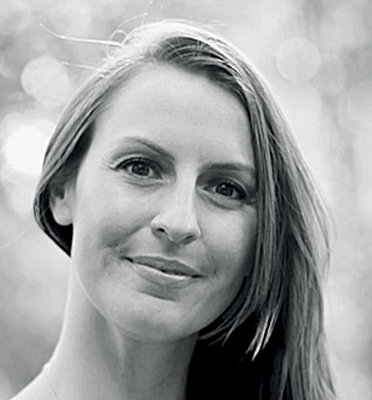
Having worked on some of the top UK spas for the last decade, we’re witnessing a shift in design – away from formal and minimalist settings towards those with ‘heart and soul’.
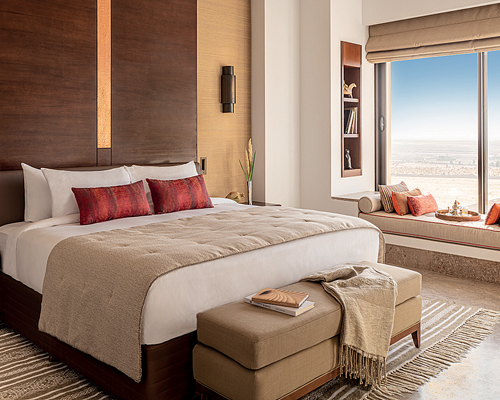
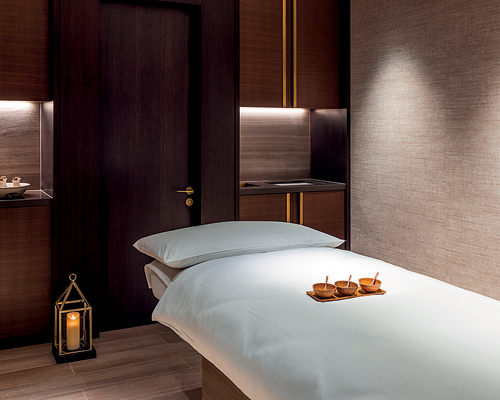
The choice of finishes is moving away from plush and bling, for example, towards natural raw materials that recreate the kind of barefoot luxury found in island resorts. Think honed Forest Green marble rather than highly polished Calacatta marble, end grain timbers, green slate and terracotta tiles in interesting formats. There will also be a sway towards incorporating handmade, locally-sourced materials, artwork and furniture.
Rendered walls will give spas a new-found freedom for creating organic shapes using modern stone and polished plaster which, for instance, mimic the smoothness of Moroccan tadelakt. Concealed lighting will progressively replace spot and down lighting to give a softer, more integrated look and full spectrum bulbs means intensity can subtly change throughout the day in accordance to circadian rhythms.
We also expect to see natural swimming pools featuring freshwater and filtered by plants become an essential element for eco-conscious operators.
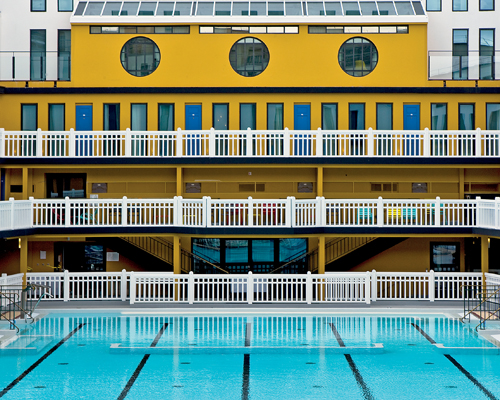
New luxury is about nurture, care, comfort, relaxation and connecting with nature.
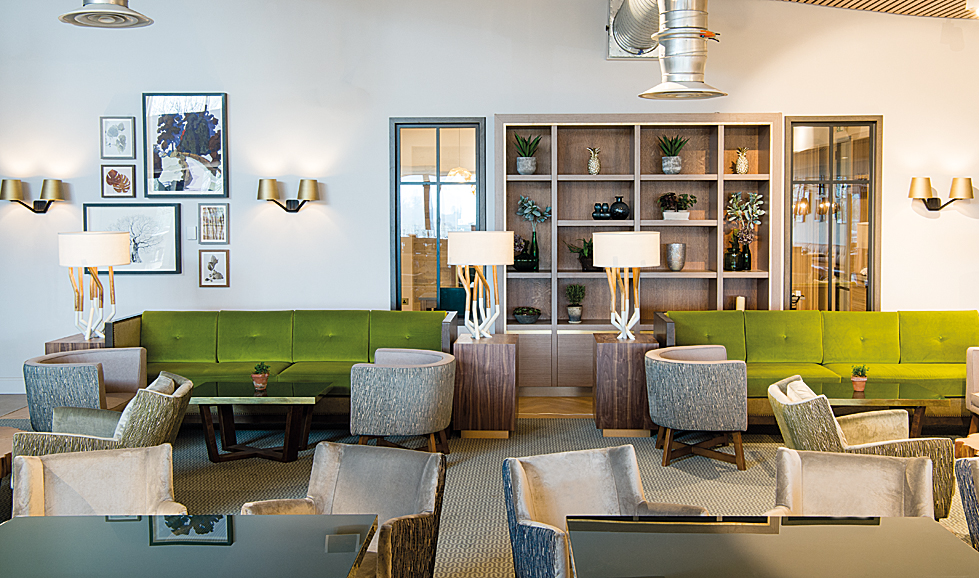
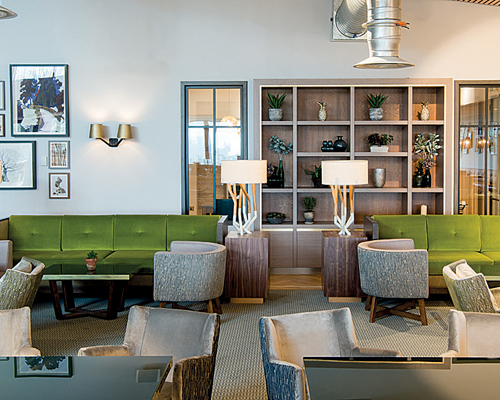
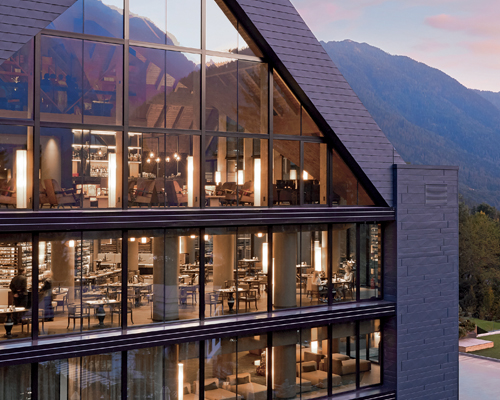
There’s a sway towards handmade, locally-sourced materials, artwork and furniture in spas like South Lodge
Lithuania to become most well-known European spa destination
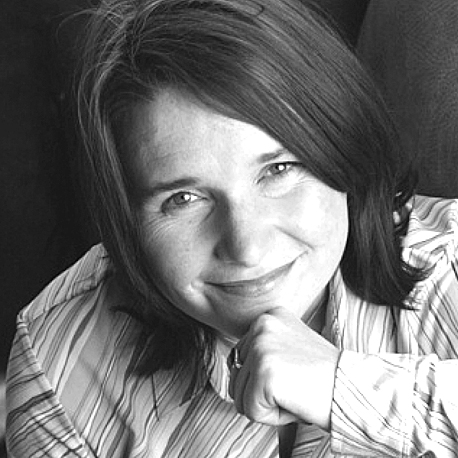
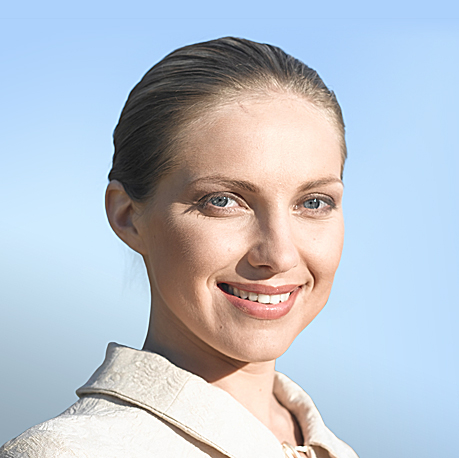
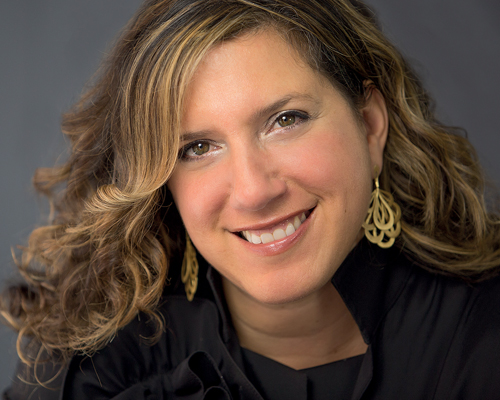
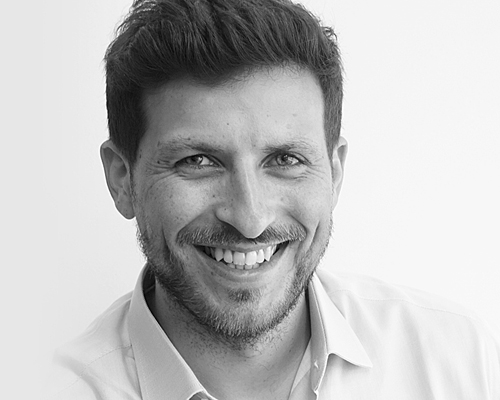
Eglé Ruksenaite, owner & founder, The E77 Company
Eglé Ruksenaite
The history of health prevention and medical spa towns, using local therapeutic mineral water and mud, dates back over 200 years in Lithuania.
However, while many spas were once owned and operated by the state, an economic crisis in the 1990s meant existing infrastructure was acquired by private companies. And in the next two years alone, another 13 spa hotels and wellness destinations are planned in the country. We’re consulting on more than half of these and, according to our calculations, total investments should amount to €90.5m (US$100.7m, £77.4m).
Today, people are visiting spa towns such as Birstonas, Druskininkai, Anyksciai and Palanga not just for rehabilitation, but also for health prevention and relaxation. Spas are treating contemporary ailments such as chronic fatigue and insomnia and many are adapting services to meet the needs of a younger generation and families.
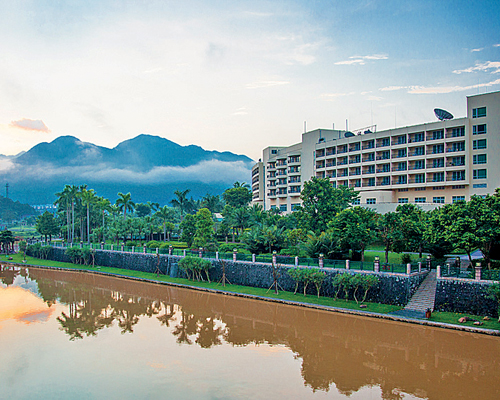
With modernisation Lithuania is opening up its little known traditions to the world and in the next decade it will become one of the most well-known European spa destinations with one of the best-developed markets.
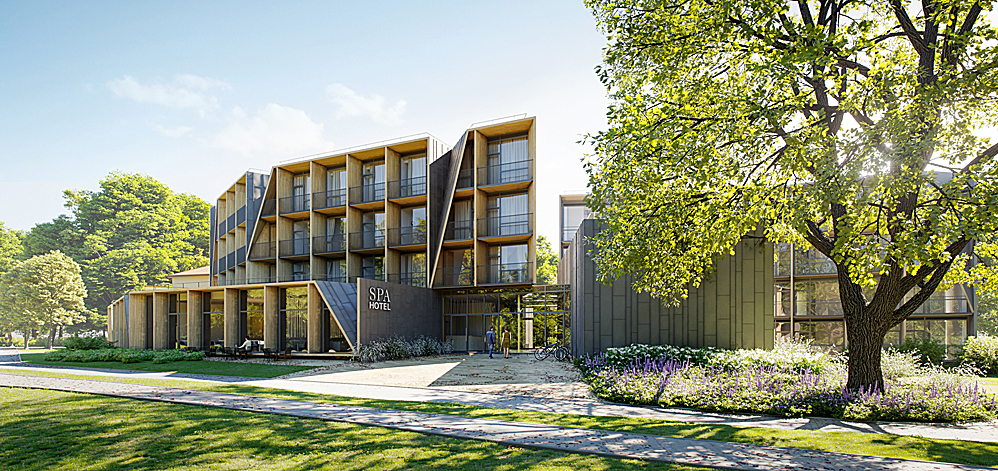
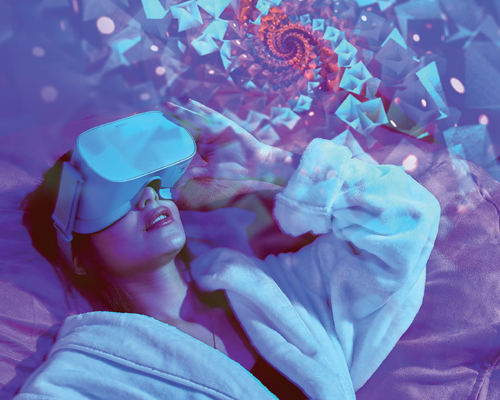
The sleep hotel is just one of 13 wellness projects in Lithuania
Read more from this issue of Spa Business magazine
View contents of Spa Business 2020 issue 1
Editor's letter: Time to shine
As spas reach peak revenues, now’s the time for our industry to act as a catalyst in working out how we measure the impact of an experience and the ‘return on wellness’ says Spa Business' editor Katie Barnes
Promotional feature: TechnoAlpin
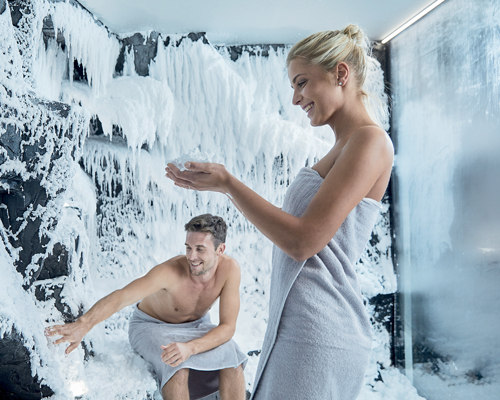
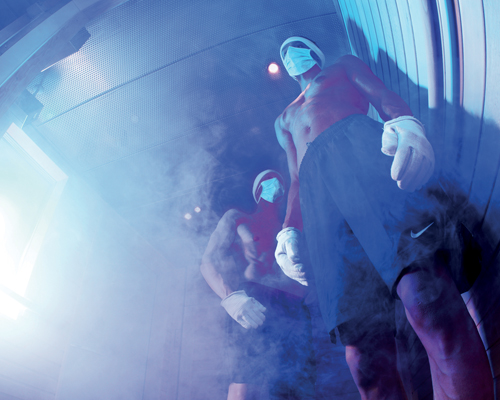
If you want to deliver a hot and cold experience as part of your wellness programme, adding a snowroom will introduce a delightful and more gentle form of cold therapy, as Sara Brenninger explains
Trends: Spa Foresight™
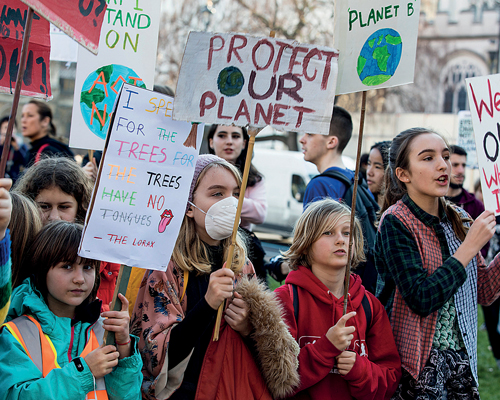
Climate emergency, gen alpha and brain optimisation are among Spa Business’ latest trend predictions
Promotional feature: The Wellness
Investing in children’s facilities gives a spa and wellness offering a competitive edge, as well as helping the next generation achieve their potential, explains Mohammed Ibrahim, CEO of industry design and consultancy practice, The Wellness
Promotional feature: RKF Luxury Linen
As a symbol of luxury, innovation and quality in the world of spa and hospitality, much of RKF Luxury Linen’s success comes from its highly client-centric design process, says CEO Riadh Bouaziz
Design: Heat of the moment
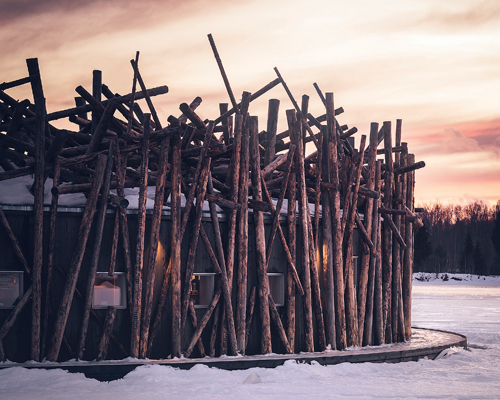
From giant golden eggs and converted ski lifts to rustic, hand-crafted huts, we showcase the latest in heat experience design and innovations
Do you have a strong opinion, or disagree with somebody else’s point of view on topics related to the spa industry? If so, Spa Business would love to hear from you. Email your letters, thoughts and suggestions to [email protected]
Having worked on some of the top UK spas for the last decade, we’re witnessing a shift in design – away from formal and minimalist settings towards those with ‘heart and soul’.
The choice of finishes is moving away from plush and bling, for example, towards natural raw materials that recreate the kind of barefoot luxury found in island resorts. Think honed Forest Green marble rather than highly polished Calacatta marble, end grain timbers, green slate and terracotta tiles in interesting formats. There will also be a sway towards incorporating handmade, locally-sourced materials, artwork and furniture.
Rendered walls will give spas a new-found freedom for creating organic shapes using modern stone and polished plaster which, for instance, mimic the smoothness of Moroccan tadelakt. Concealed lighting will progressively replace spot and down lighting to give a softer, more integrated look and full spectrum bulbs means intensity can subtly change throughout the day in accordance to circadian rhythms.
We also expect to see natural swimming pools featuring freshwater and filtered by plants become an essential element for eco-conscious operators.
New luxury is about nurture, care, comfort, relaxation and connecting with nature.
There’s a sway towards handmade, locally-sourced materials, artwork and furniture in spas like South Lodge
Lithuania to become most well-known European spa destination
Eglé Ruksenaite, owner & founder, The E77 Company
Eglé Ruksenaite
The history of health prevention and medical spa towns, using local therapeutic mineral water and mud, dates back over 200 years in Lithuania.
However, while many spas were once owned and operated by the state, an economic crisis in the 1990s meant existing infrastructure was acquired by private companies. And in the next two years alone, another 13 spa hotels and wellness destinations are planned in the country. We’re consulting on more than half of these and, according to our calculations, total investments should amount to €90.5m (US$100.7m, £77.4m).
Today, people are visiting spa towns such as Birstonas, Druskininkai, Anyksciai and Palanga not just for rehabilitation, but also for health prevention and relaxation. Spas are treating contemporary ailments such as chronic fatigue and insomnia and many are adapting services to meet the needs of a younger generation and families.
With modernisation Lithuania is opening up its little known traditions to the world and in the next decade it will become one of the most well-known European spa destinations with one of the best-developed markets.
The sleep hotel is just one of 13 wellness projects in Lithuania
Read more from this issue of Spa Business magazine
View contents of Spa Business 2020 issue 1
Editor's letter: Time to shine
As spas reach peak revenues, now’s the time for our industry to act as a catalyst in working out how we measure the impact of an experience and the ‘return on wellness’ says Spa Business' editor Katie Barnes
Promotional feature: TechnoAlpin
If you want to deliver a hot and cold experience as part of your wellness programme, adding a snowroom will introduce a delightful and more gentle form of cold therapy, as Sara Brenninger explains
Trends: Spa Foresight™
Climate emergency, gen alpha and brain optimisation are among Spa Business’ latest trend predictions
Promotional feature: The Wellness
Investing in children’s facilities gives a spa and wellness offering a competitive edge, as well as helping the next generation achieve their potential, explains Mohammed Ibrahim, CEO of industry design and consultancy practice, The Wellness
Promotional feature: RKF Luxury Linen
As a symbol of luxury, innovation and quality in the world of spa and hospitality, much of RKF Luxury Linen’s success comes from its highly client-centric design process, says CEO Riadh Bouaziz
Design: Heat of the moment
From giant golden eggs and converted ski lifts to rustic, hand-crafted huts, we showcase the latest in heat experience design and innovations
Synergy – The Retreat Show, the global trade show for retreats, has launched a global research
initiative that will provide insights into the retreat sector from both consumer and industry
perspectives.
The Wellness Tourism Association (WTA) has published a non-regulatory global industry
framework designed to ensure the retreat market offers responsible experiences.
A new survey of UK and international spa practitioners shows that stress, burnout and
wellbeing concerns have caused one in three respondents to consider leaving the industry.
The UK's four Chief Medical Officers have published a refreshed edition of Physical activity
guidelines: UK Chief Medical Officers' report, updating the evidence that underpins the nation's
physical activity recommendations and placing greater emphasis on strength, balance, reducing
sedentary behaviour and, for the first time, supporting people taking weight loss medications.
Anna Bjurstam has left her role as Wellness Pioneer at Six Senses Hotels and Resorts and
launched a new wellness, longevity and “consciousness consultancy” called Wahayla.
Fairmont Cheshire, The Mere, has opened today (10 July) in the Northwest of England
with a
1,715sq m Fairmont Spa that has been designed using a ‘Wellness without Walls’
concept.
Wellness hotels generating less than US$1 million (€932,700, £785,200) – or 10 per cent of
total revenue from wellness and leisure – recorded the strongest RevPAR and TRevPAR growth
in 2025 across categories when compared with 2024, according to the latest Wellness Real
Estate Report by RLA Global, produced in partnership with P and L benchmarking firm HotStats.
Lefay Resorts, the portfolio of two luxury wellness properties in Italy, has added emotional
dance classes and group cold plunge sessions in response to market demand for social
connection.