Yes! Send me the FREE digital editions of Spa Business and Spa Business insider magazines and the FREE weekly Spa Business and Spa Business insider ezines and breaking news alerts!
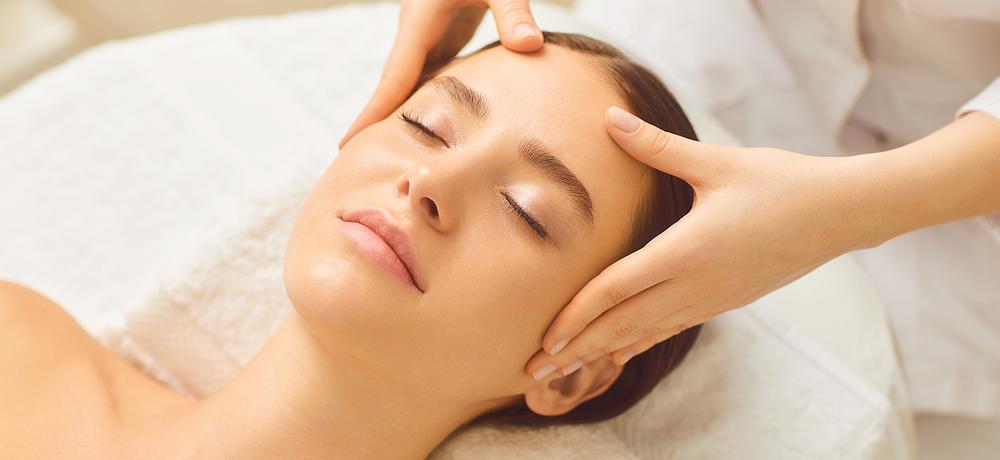
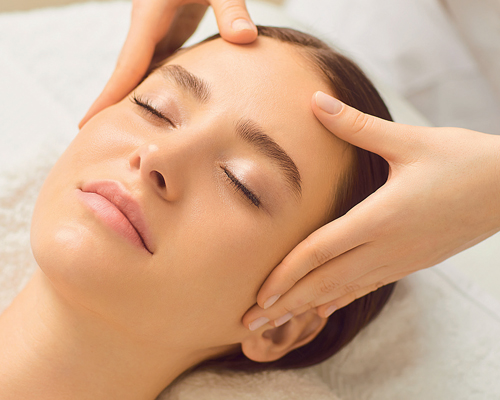
Resort spas saw a bigger revenue rise than urban hotel spas / Studio Romantic/SHUTTERSTOCK
A new report by CBRE Hotel Advisory, 2019 Trends in the Hotel Spa Industry, has revealed that total hotel revenue increased by 3.8 per cent, while spa departments reported increases of 4.8 per cent.
According to the report, which was released in December, revenues and profitability also improved in all types of hotel spas. The greatest increase was reported by hotels with less than 200 rooms, with a jump of 13.3 per cent. Hotels with more than 700 rooms increased spa revenue by 3.6 per cent, while hotels with 200-700 rooms saw the smallest increase in spa department revenue, with just 0.3 per cent, during 2018.
Resort hotels have also shown greater increases in spa department profits than urban properties for the first time in seven years.
CBRE also gives a breakdown of customer segmentation for all hotel spas in 2018, finding it was comprised of 53 per cent hotel guests, 4 per cent spa members and 43 per cent locals/others.
In urban hotel spas, the percentage of locals is higher at 61 per cent. CBRE says this indicates an opportunity for hotel owners to provide packages to entice the local community into their spas for different services and to convert these local patrons into members to provide a steady income stream to all areas of the hotel.
At resorts, 62 per cent of customers are hotel guests, 32 per cent are locals/others and 6 per cent are spa members.
Authored by Mark VanStekelenburg, division MD of CBRE Hotels Advisory and Jenna Finkelstein, director at CBRE Hotels Advisory, the report features 2018 revenue and expense data from 159 US hotels with spas. This is the 13th iteration of the report.
2019 Trends in the Hotel Spa Industry is designed to provide owners and operators with the means to compare their performance against that of similar facilities, or against industry averages, and to identify their level of operating efficiency and competitiveness.
“As in prior years, despite rising labour costs, decreases in other department operating expenses, along with revenue increases led to profit gains for all hotel spas,” say the authors.
In addition, the paper highlights major trends in the hotel industry, stating that sustainability initiatives have grown in popularity, as well as hotel partnerships with major fitness brands.
“Hotels will continue to succeed if wellness is seamlessly incorporated throughout the hotel. This includes offering healthy dining options, partnering with boutique fitness classes, providing top-of-the-line equipment, and socially responsible sourcing” says Finkelstein.
Read more from this issue of Spa Business magazine
View contents of Spa Business 2020 issue 1
Editor's letter: Time to shine
As spas reach peak revenues, now’s the time for our industry to act as a catalyst in working out how we measure the impact of an experience and the ‘return on wellness’ says Spa Business' editor Katie Barnes
Promotional feature: TechnoAlpin
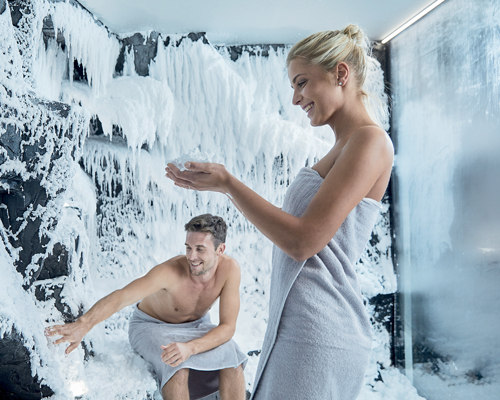
If you want to deliver a hot and cold experience as part of your wellness programme, adding a snowroom will introduce a delightful and more gentle form of cold therapy, as Sara Brenninger explains
Trends: Spa Foresight™
Climate emergency, gen alpha and brain optimisation are among Spa Business’ latest trend predictions
Promotional feature: The Wellness
Investing in children’s facilities gives a spa and wellness offering a competitive edge, as well as helping the next generation achieve their potential, explains Mohammed Ibrahim, CEO of industry design and consultancy practice, The Wellness
Promotional feature: RKF Luxury Linen
As a symbol of luxury, innovation and quality in the world of spa and hospitality, much of RKF Luxury Linen’s success comes from its highly client-centric design process, says CEO Riadh Bouaziz
Design: Heat of the moment
From giant golden eggs and converted ski lifts to rustic, hand-crafted huts, we showcase the latest in heat experience design and innovations
Contrast therapy, based on the alternation of hot and cold rituals, has become one of the
most valued practices in the fields of wellness and recovery. [more...]
+ More featured suppliers
COMPANY PROFILES
Aromatherapy Associates
Aromatherapy Associates is a world-leading British wellness brand, harnessing the power of essential [more...]
Comfort Zone
Comfort Zone’s comprehensive face and body professional and retail range allows clients
to experien [more...]
Resort spas saw a bigger revenue rise than urban hotel spas / Studio Romantic/SHUTTERSTOCK
A new report by CBRE Hotel Advisory, 2019 Trends in the Hotel Spa Industry, has revealed that total hotel revenue increased by 3.8 per cent, while spa departments reported increases of 4.8 per cent.
According to the report, which was released in December, revenues and profitability also improved in all types of hotel spas. The greatest increase was reported by hotels with less than 200 rooms, with a jump of 13.3 per cent. Hotels with more than 700 rooms increased spa revenue by 3.6 per cent, while hotels with 200-700 rooms saw the smallest increase in spa department revenue, with just 0.3 per cent, during 2018.
Resort hotels have also shown greater increases in spa department profits than urban properties for the first time in seven years.
CBRE also gives a breakdown of customer segmentation for all hotel spas in 2018, finding it was comprised of 53 per cent hotel guests, 4 per cent spa members and 43 per cent locals/others.
In urban hotel spas, the percentage of locals is higher at 61 per cent. CBRE says this indicates an opportunity for hotel owners to provide packages to entice the local community into their spas for different services and to convert these local patrons into members to provide a steady income stream to all areas of the hotel.
At resorts, 62 per cent of customers are hotel guests, 32 per cent are locals/others and 6 per cent are spa members.
Authored by Mark VanStekelenburg, division MD of CBRE Hotels Advisory and Jenna Finkelstein, director at CBRE Hotels Advisory, the report features 2018 revenue and expense data from 159 US hotels with spas. This is the 13th iteration of the report.
2019 Trends in the Hotel Spa Industry is designed to provide owners and operators with the means to compare their performance against that of similar facilities, or against industry averages, and to identify their level of operating efficiency and competitiveness.
“As in prior years, despite rising labour costs, decreases in other department operating expenses, along with revenue increases led to profit gains for all hotel spas,” say the authors.
In addition, the paper highlights major trends in the hotel industry, stating that sustainability initiatives have grown in popularity, as well as hotel partnerships with major fitness brands.
“Hotels will continue to succeed if wellness is seamlessly incorporated throughout the hotel. This includes offering healthy dining options, partnering with boutique fitness classes, providing top-of-the-line equipment, and socially responsible sourcing” says Finkelstein.
Read more from this issue of Spa Business magazine
View contents of Spa Business 2020 issue 1
Editor's letter: Time to shine
As spas reach peak revenues, now’s the time for our industry to act as a catalyst in working out how we measure the impact of an experience and the ‘return on wellness’ says Spa Business' editor Katie Barnes
Promotional feature: TechnoAlpin
If you want to deliver a hot and cold experience as part of your wellness programme, adding a snowroom will introduce a delightful and more gentle form of cold therapy, as Sara Brenninger explains
Trends: Spa Foresight™
Climate emergency, gen alpha and brain optimisation are among Spa Business’ latest trend predictions
Promotional feature: The Wellness
Investing in children’s facilities gives a spa and wellness offering a competitive edge, as well as helping the next generation achieve their potential, explains Mohammed Ibrahim, CEO of industry design and consultancy practice, The Wellness
Promotional feature: RKF Luxury Linen
As a symbol of luxury, innovation and quality in the world of spa and hospitality, much of RKF Luxury Linen’s success comes from its highly client-centric design process, says CEO Riadh Bouaziz
Design: Heat of the moment
From giant golden eggs and converted ski lifts to rustic, hand-crafted huts, we showcase the latest in heat experience design and innovations
Hand and Stone Massage and Facial Spa, the spa business with more than 650 locations across
the US and Canada, has appointed franchise expert Carrie Walsh as CEO as the company plans
to expand.
Synergy – The Retreat Show, the global trade show for retreats, has launched a global research
initiative that will provide insights into the retreat sector from both consumer and industry
perspectives.
The Wellness Tourism Association (WTA) has published a non-regulatory global industry
framework designed to ensure the retreat market offers responsible experiences.
A new survey of UK and international spa practitioners shows that stress, burnout and
wellbeing concerns have caused one in three respondents to consider leaving the industry.
The UK's four Chief Medical Officers have published a refreshed edition of Physical activity
guidelines: UK Chief Medical Officers' report, updating the evidence that underpins the nation's
physical activity recommendations and placing greater emphasis on strength, balance, reducing
sedentary behaviour and, for the first time, supporting people taking weight loss medications.
Anna Bjurstam has left her role as Wellness Pioneer at Six Senses Hotels and Resorts and
launched a new wellness, longevity and “consciousness consultancy” called Wahayla.
Fairmont Cheshire, The Mere, has opened today (10 July) in the Northwest of England
with a
1,715sq m Fairmont Spa that has been designed using a ‘Wellness without Walls’
concept.
Wellness hotels generating less than US$1 million (€932,700, £785,200) – or 10 per cent of
total revenue from wellness and leisure – recorded the strongest RevPAR and TRevPAR growth
in 2025 across categories when compared with 2024, according to the latest Wellness Real
Estate Report by RLA Global, produced in partnership with P and L benchmarking firm HotStats.
Contrast therapy, based on the alternation of hot and cold rituals, has become one of the
most valued practices in the fields of wellness and recovery. [more...]
+ More featured suppliers
COMPANY PROFILES
Aromatherapy Associates Aromatherapy Associates is a world-leading British wellness brand, harnessing the power of essential [more...]