Yes! Send me the FREE digital editions of Spa Business and Spa Business insider magazines and the FREE weekly Spa Business and Spa Business insider ezines and breaking news alerts!
As spas reach peak revenues, now’s the time for our industry to act as a catalyst in working out how we measure the impact of an experience and the ‘return on wellness’
By Katie Barnes | Published in Spa Business 2020 issue 1
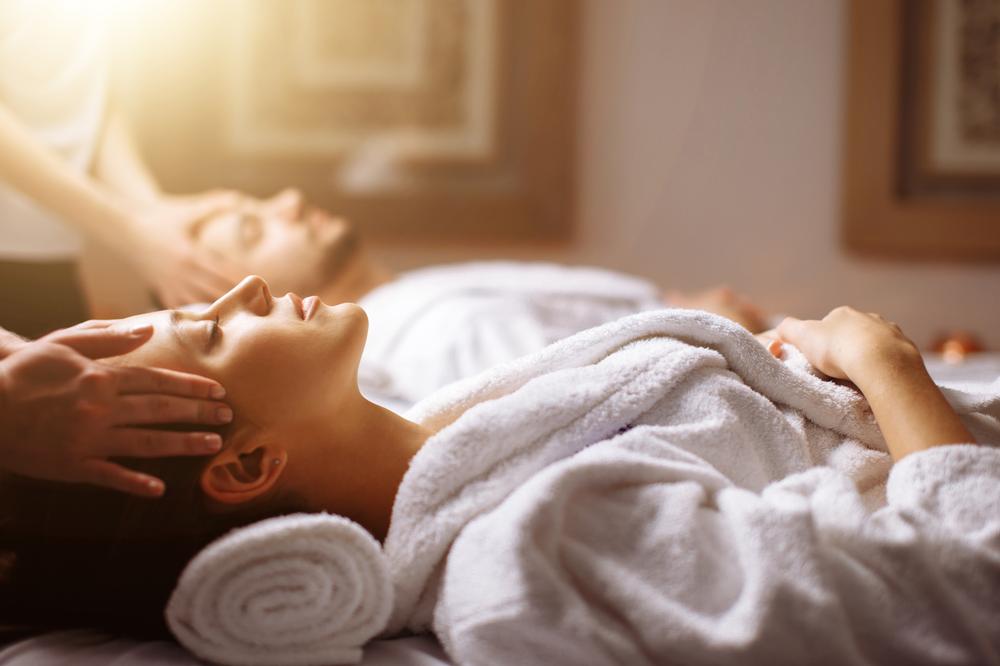
Spa is now one of the top performing departments in hotels / shutterstock
It’s positive and encouraging to see a number of studies reporting strong performance indicators in hotel spas recently, with some types posting record revenues.
The latest research from hotel advisory firm CBRE shows that spa is now one of the top performing departments in US hotels (see p32). Its 2019 Trends in the Hotel Spa Industry found that while total hotel revenue in its sample of 159 hotels increased by 3.8 per cent, spa departments grew by 4.8 per cent. The greatest rise occurred in hotels with less than 200 rooms which had a revenue jump of 13.3 per cent.
At the same time, HVS consulting has revealed that in the US, on average, “spa and wellness departments run profitably and can contribute significantly to a hotel’s bottom line”. In its second annual 2019 HVS Performance Report: Spa Department, it found that treatment rooms in luxury hotels generate US$257k in revenue a year – more than double the average for upper-upscale hotels (see p28).
Both of these reports follow the 20th edition of ISPA’s US Spa Industry Study which shows that facilities across the US generate US$18.3bn in revenue and that all key financial indicators in spas have risen steadily over the last nine years.
After years of having to justify their viability, now is the time for spas to shine. And their position can be further elevated by proving their worth when it comes to a new, as yet unmeasured, KPI – ‘return on wellness’.
With the booming trend of wellness extending beyond spas into all hotel departments, global corporations are grappling with putting a value on what wellness adds to the bottom line. What is an individual’s wellness level before and after a stay/experience and how does this impact on customer loyalty, for example, or other spending patterns?
No one has cracked the code for this yet and spas – a linchpin of wellbeing in hotels – are the perfect testbed for first defining and then measuring the return on wellness for the wider hotel business.
Read more from this issue of Spa Business magazine
View contents of Spa Business 2020 issue 1
Editor's letter: Time to shine
As spas reach peak revenues, now’s the time for our industry to act as a catalyst in working out how we measure the impact of an experience and the ‘return on wellness’ says Spa Business' editor Katie Barnes
Promotional feature: TechnoAlpin
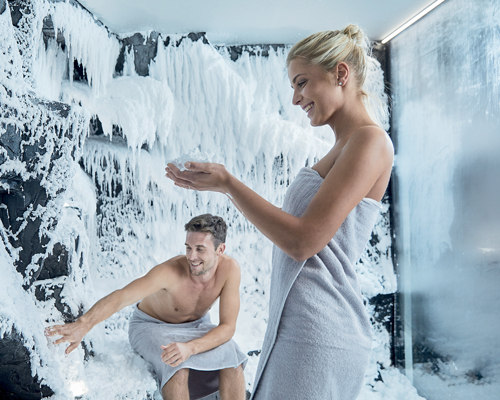
If you want to deliver a hot and cold experience as part of your wellness programme, adding a snowroom will introduce a delightful and more gentle form of cold therapy, as Sara Brenninger explains
Trends: Spa Foresight™
Climate emergency, gen alpha and brain optimisation are among Spa Business’ latest trend predictions
Promotional feature: The Wellness
Investing in children’s facilities gives a spa and wellness offering a competitive edge, as well as helping the next generation achieve their potential, explains Mohammed Ibrahim, CEO of industry design and consultancy practice, The Wellness
Promotional feature: RKF Luxury Linen
As a symbol of luxury, innovation and quality in the world of spa and hospitality, much of RKF Luxury Linen’s success comes from its highly client-centric design process, says CEO Riadh Bouaziz
Design: Heat of the moment
From giant golden eggs and converted ski lifts to rustic, hand-crafted huts, we showcase the latest in heat experience design and innovations
In the fast-paced world of fitness and wellness, where high-intensity workouts push us to
our limits and the sweat pours, the importance of efficient recovery cannot be overstated. [more...]
Contrast therapy, based on the alternation of hot and cold rituals, has become one of the
most valued practices in the fields of wellness and recovery. [more...]
+ More featured suppliers
COMPANY PROFILES
ESPA
Founded in 1992 by Susan Harmsworth, ESPA combines the conceptualisation, development and management [more...]
Comfort Zone
Comfort Zone’s comprehensive face and body professional and retail range allows clients
to experien [more...]
As spas reach peak revenues, now’s the time for our industry to act as a catalyst in working out how we measure the impact of an experience and the ‘return on wellness’
By Katie Barnes | Published in Spa Business 2020 issue 1
Spa is now one of the top performing departments in hotels / shutterstock
It’s positive and encouraging to see a number of studies reporting strong performance indicators in hotel spas recently, with some types posting record revenues.
The latest research from hotel advisory firm CBRE shows that spa is now one of the top performing departments in US hotels (see p32). Its 2019 Trends in the Hotel Spa Industry found that while total hotel revenue in its sample of 159 hotels increased by 3.8 per cent, spa departments grew by 4.8 per cent. The greatest rise occurred in hotels with less than 200 rooms which had a revenue jump of 13.3 per cent.
At the same time, HVS consulting has revealed that in the US, on average, “spa and wellness departments run profitably and can contribute significantly to a hotel’s bottom line”. In its second annual 2019 HVS Performance Report: Spa Department, it found that treatment rooms in luxury hotels generate US$257k in revenue a year – more than double the average for upper-upscale hotels (see p28).
Both of these reports follow the 20th edition of ISPA’s US Spa Industry Study which shows that facilities across the US generate US$18.3bn in revenue and that all key financial indicators in spas have risen steadily over the last nine years.
After years of having to justify their viability, now is the time for spas to shine. And their position can be further elevated by proving their worth when it comes to a new, as yet unmeasured, KPI – ‘return on wellness’.
With the booming trend of wellness extending beyond spas into all hotel departments, global corporations are grappling with putting a value on what wellness adds to the bottom line. What is an individual’s wellness level before and after a stay/experience and how does this impact on customer loyalty, for example, or other spending patterns?
No one has cracked the code for this yet and spas – a linchpin of wellbeing in hotels – are the perfect testbed for first defining and then measuring the return on wellness for the wider hotel business.
Read more from this issue of Spa Business magazine
View contents of Spa Business 2020 issue 1
Editor's letter: Time to shine
As spas reach peak revenues, now’s the time for our industry to act as a catalyst in working out how we measure the impact of an experience and the ‘return on wellness’ says Spa Business' editor Katie Barnes
Promotional feature: TechnoAlpin
If you want to deliver a hot and cold experience as part of your wellness programme, adding a snowroom will introduce a delightful and more gentle form of cold therapy, as Sara Brenninger explains
Trends: Spa Foresight™
Climate emergency, gen alpha and brain optimisation are among Spa Business’ latest trend predictions
Promotional feature: The Wellness
Investing in children’s facilities gives a spa and wellness offering a competitive edge, as well as helping the next generation achieve their potential, explains Mohammed Ibrahim, CEO of industry design and consultancy practice, The Wellness
Promotional feature: RKF Luxury Linen
As a symbol of luxury, innovation and quality in the world of spa and hospitality, much of RKF Luxury Linen’s success comes from its highly client-centric design process, says CEO Riadh Bouaziz
Design: Heat of the moment
From giant golden eggs and converted ski lifts to rustic, hand-crafted huts, we showcase the latest in heat experience design and innovations
TLee Spas and Wellness has revealed the design concept for a high-tech spa with body
mapping scanners to improve public health, for AI company Midjourney.
Ameyalli, the 78-acre wellbeing resort and residential community in Midway in Utah, US, has
broken ground on phase two of the hot spring development – the Ameyalli Resort and Spa –
which is due to open in 2028.
Gran Hotel Taoro in northern Tenerife, Spain, has completed the final phase of its three-year
renovation with the debut of its Sandára Wellness Centre.
Hand and Stone Massage and Facial Spa, the spa business with more than 650 locations across
the US and Canada, has appointed franchise expert Carrie Walsh as CEO as the company plans
to expand.
Synergy – The Retreat Show, the global trade show for retreats, has launched a global research
initiative that will provide insights into the retreat sector from both consumer and industry
perspectives.
The Wellness Tourism Association (WTA) has published a non-regulatory global industry
framework designed to ensure the retreat market offers responsible experiences.
A new survey of UK and international spa practitioners shows that stress, burnout and
wellbeing concerns have caused one in three respondents to consider leaving the industry.
The UK's four Chief Medical Officers have published a refreshed edition of Physical activity
guidelines: UK Chief Medical Officers' report, updating the evidence that underpins the nation's
physical activity recommendations and placing greater emphasis on strength, balance, reducing
sedentary behaviour and, for the first time, supporting people taking weight loss medications.
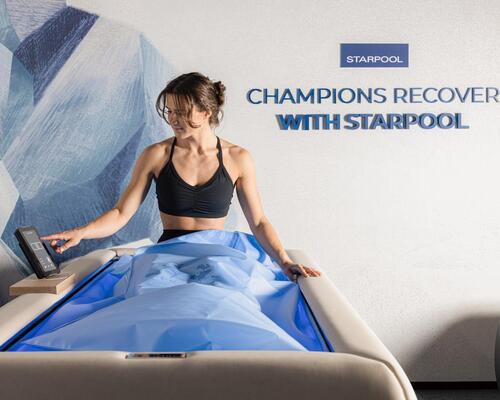
In the fast-paced world of fitness and wellness, where high-intensity workouts push us to
our limits and the sweat pours, the importance of efficient recovery cannot be overstated. [more...]
Contrast therapy, based on the alternation of hot and cold rituals, has become one of the
most valued practices in the fields of wellness and recovery. [more...]
+ More featured suppliers
COMPANY PROFILES
ESPA Founded in 1992 by Susan Harmsworth, ESPA combines the conceptualisation, development and management [more...]