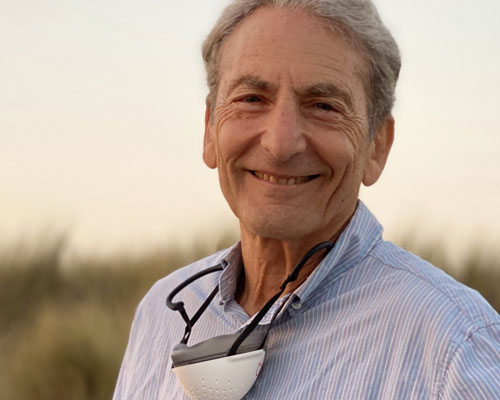
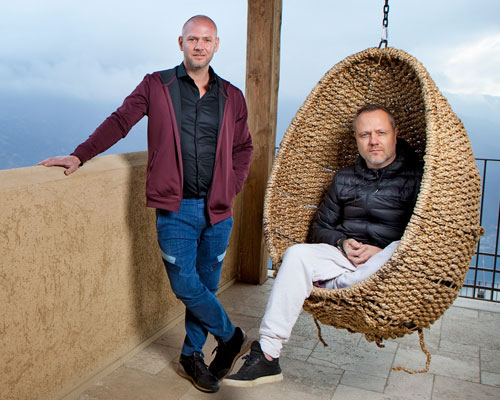
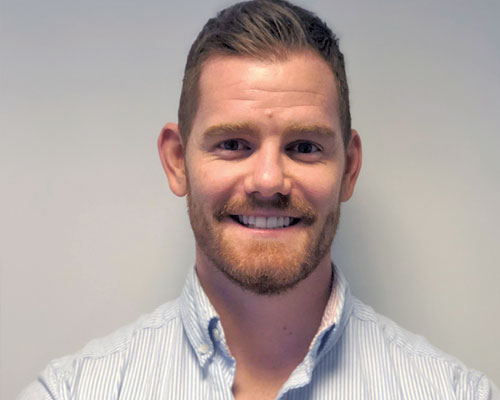
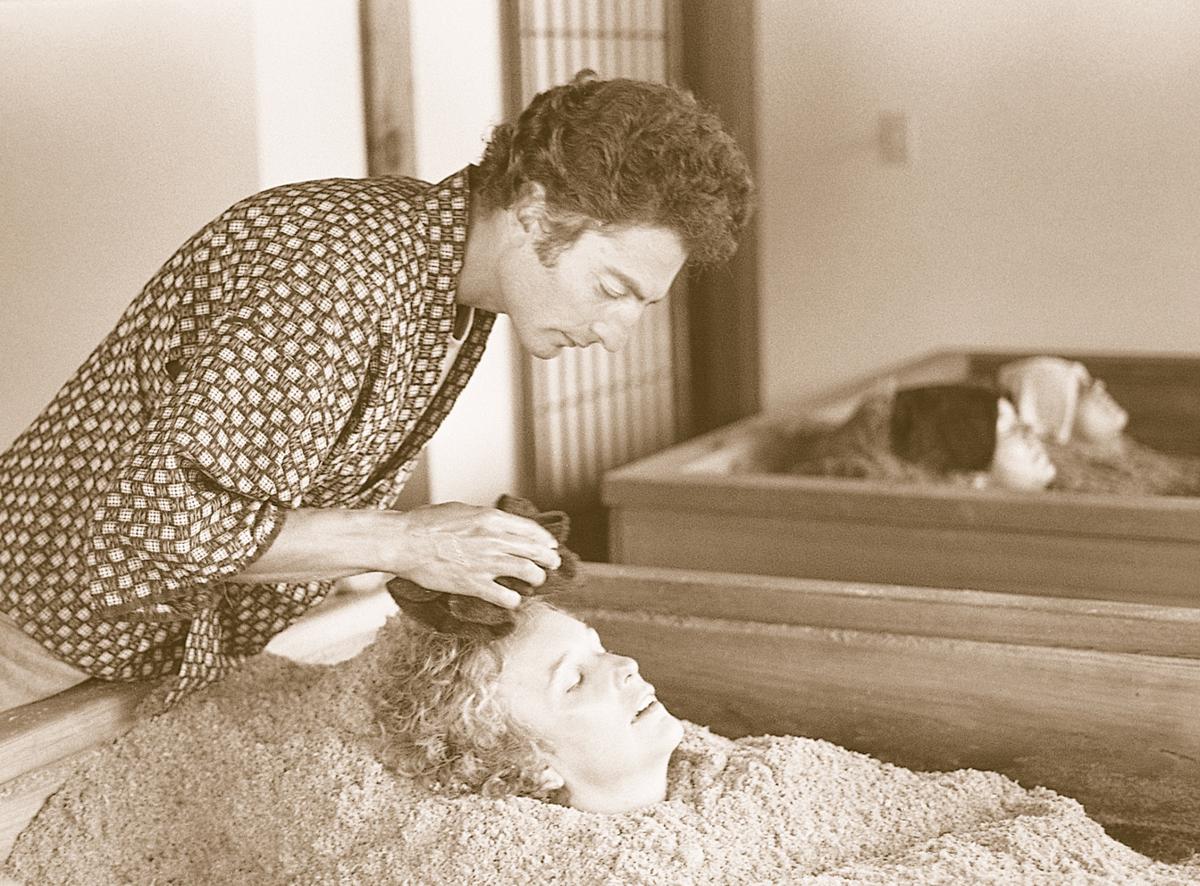
Michael Stusser created his Cedar Enzyme Bath in 1985 / Photo: Osmosis Day Spa Sanctuary
Michael Stusser became a full-time organic gardener after leaving college in the 1960s. However, his gardening focus shifted from food to landscaping during his years as an apprentice in Kyoto, Japan where he studied traditional Japanese gardening and Zen meditation.
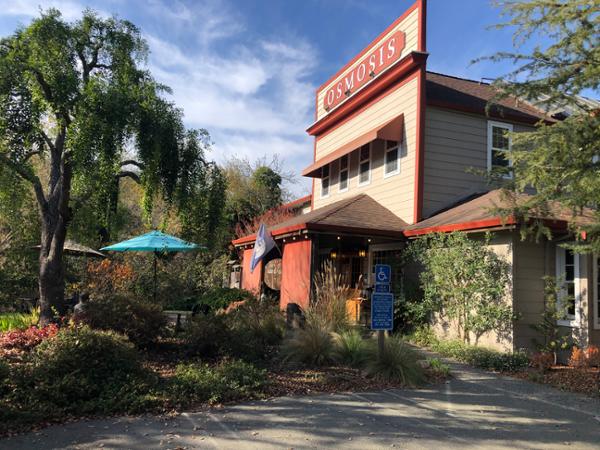
After experiencing the extraordinary healing powers of a traditional Japanese enzyme bath, he decided to place this unique treatment at the heart of his Osmosis Day Spa Sanctuary, which he built in 1985, alongside a Kyoto-inspired meditation garden, in the hills of Northern California.
Today, the Cedar Enzyme Bath continues to be the main attraction for people looking for a natural, immersive healing therapy, while the unique facility also plays host to local cultural events, such as equinox or solstice rituals, as well as meetings that introduce leaders to industry networks in conservation and environmentalism.
We ask Stusser to explain the benefits of his 100 per cent natural treatment and how he’s encouraging sustainable earth-friendly spa operations within the wider industry, through his work with the Green Spa Network.
What was your inspiration? My vision for Osmosis flashed into my mind’s eye during my extraordinary first experience of an enzyme bath in Japan, and I imagined this exceptional health treatment situated in a beautiful Japanese-style environment planted in the hills of Sonoma County.
I found a perfect rural location, built a small enzyme bath building with recycled wood from a chicken coop, and enhanced it with a small Japanese garden. My intention was to create a meditative environment and healing sanctuary that provided nurturing services in resonance with nature.
Although it was a humble beginning it embodied all the elements of the Osmosis Day Spa Sanctuary as it is today.
What makes Osmosis unique? Our 5.5-acre property, once used as a seasonal encampment by the Pomo Indians, is situated in a magical riparian corridor in one of the most scenic parts of Northern California. Since we believe connection with nature is a key to healing and transformation, we’ve created a variety of outdoor experience spaces, including charming outdoor eating areas along Salmon Creek, and a hammock garden with sound therapy.
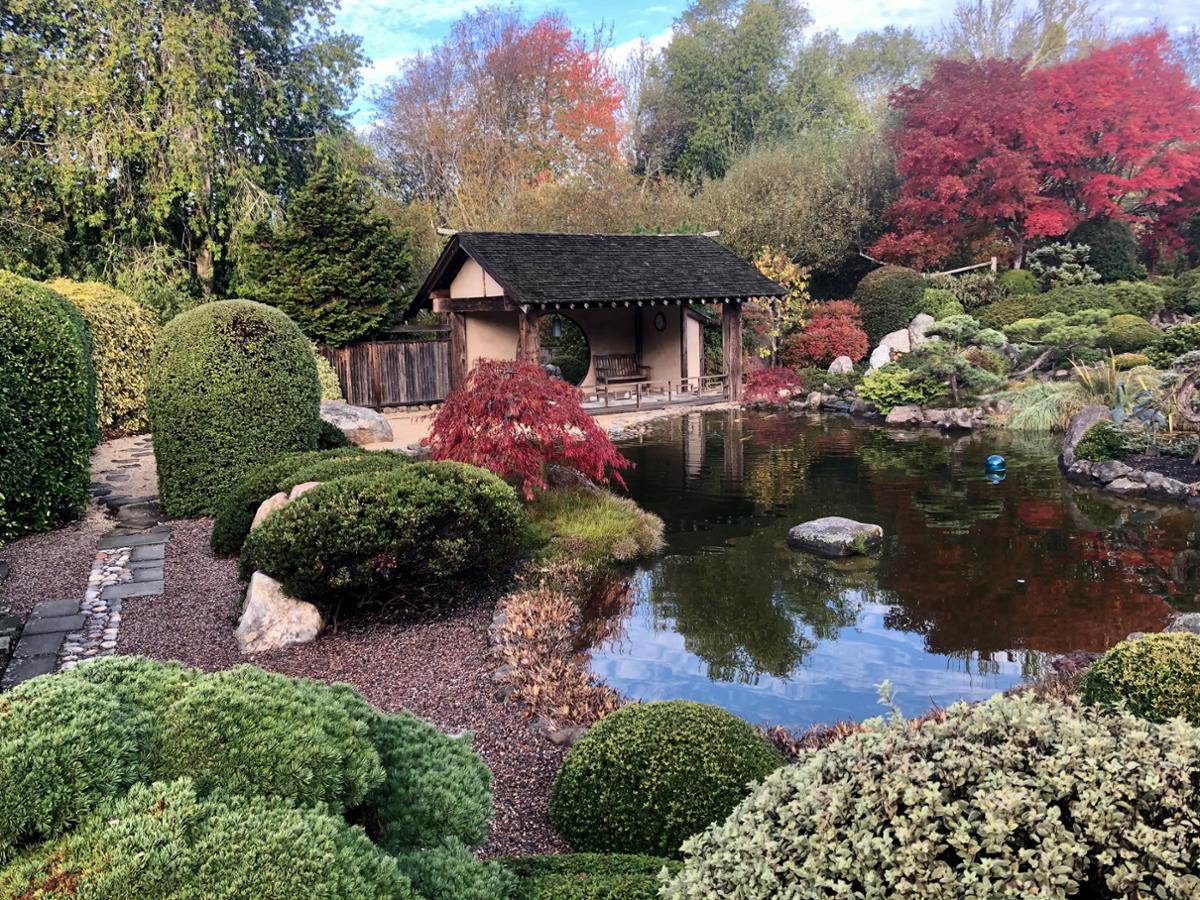
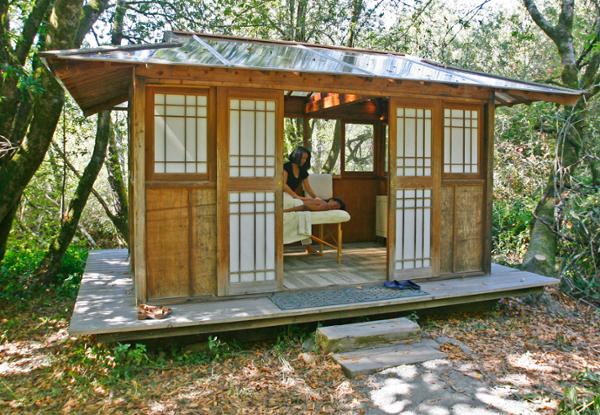
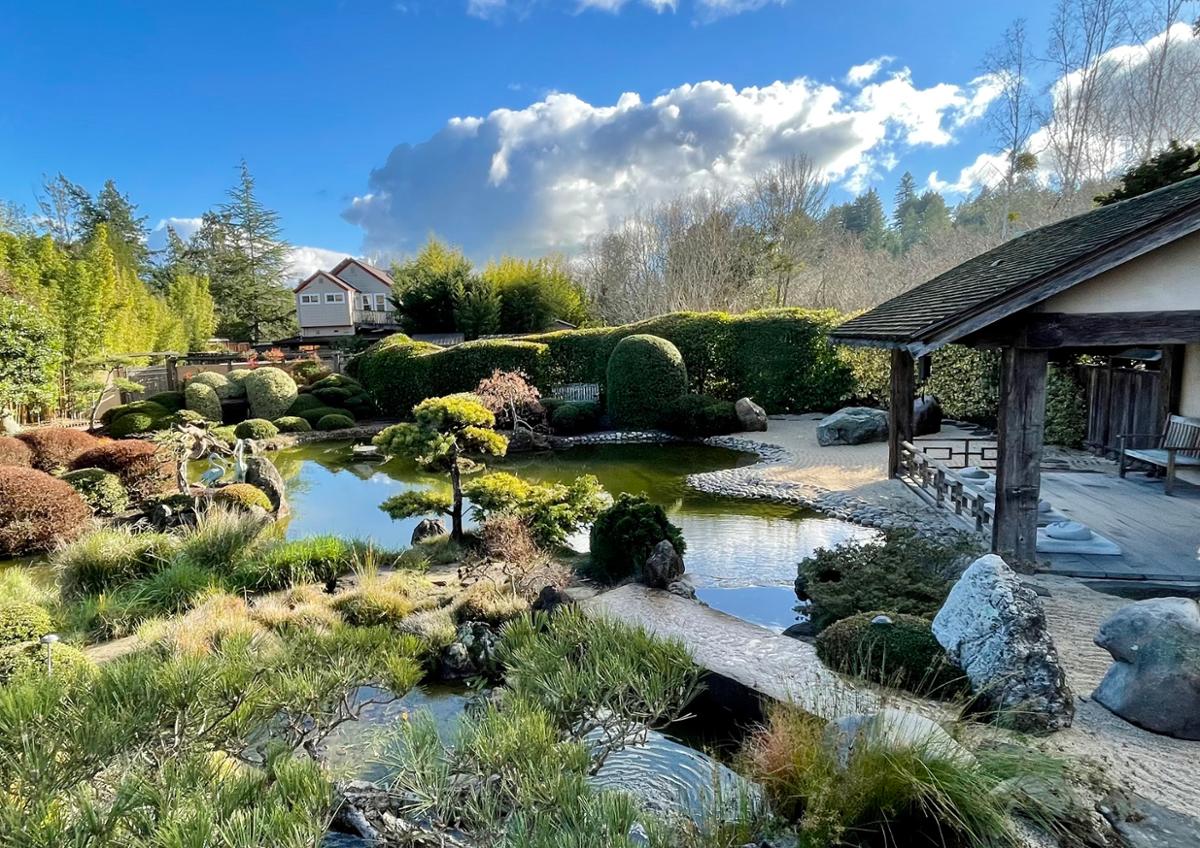
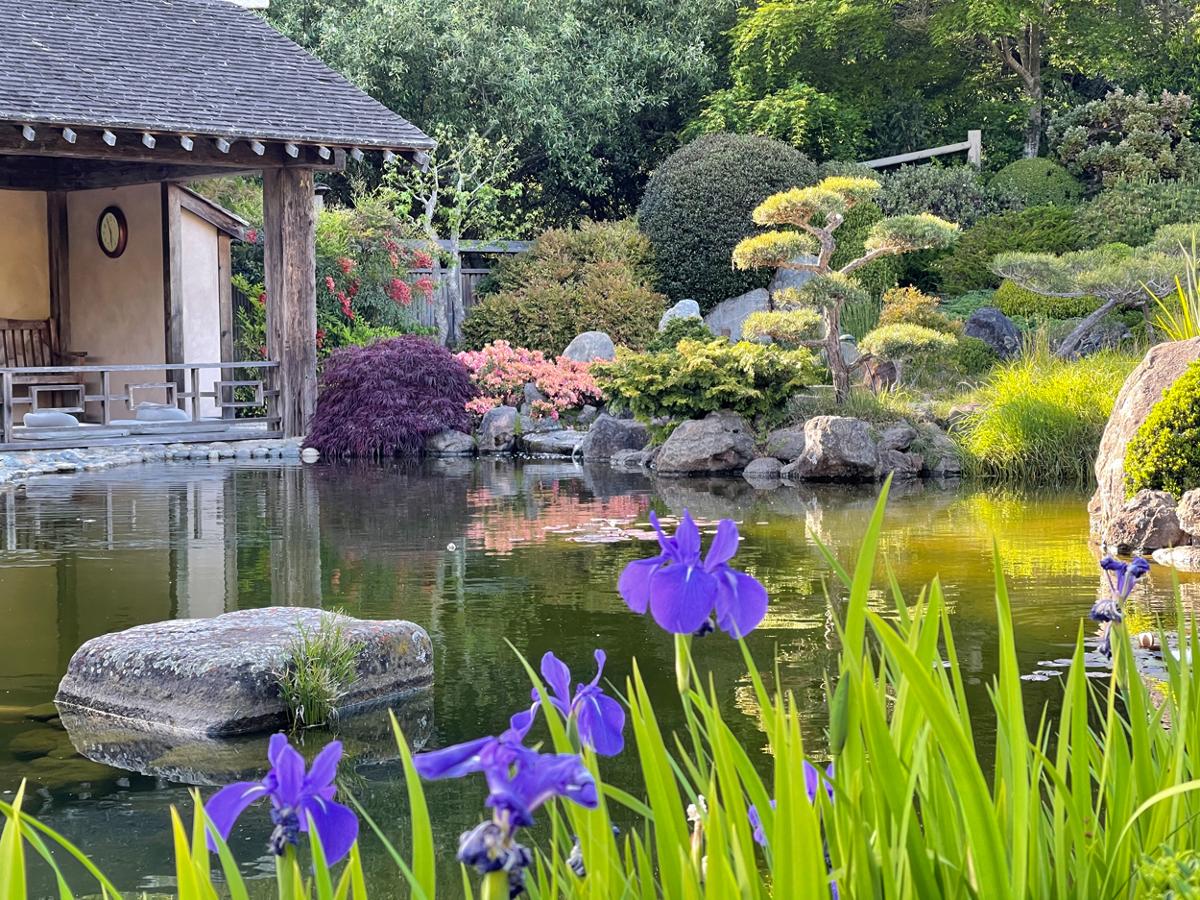
Our Kyoto-style meditation garden has been recognised as one of the most authentic Japanese gardens in America and in addition to traditional spa services, we also offer massage in private pagodas nestled along wooded pathways next to the creek. We offer tours of our gardens as well as forest bathing and guided meditation.
Our massage therapy sessions last 75 minutes so they can begin and end without rushing. We’re currently developing three decks on our hillside to provide guests with dramatic views during their visit and we’re exploring partnerships with our neighbours, to create day-long retreats.
What is a Cedar Enzyme Bath? It is a unique sensation, best described as a primal earth experience, in which we create the ideal environment for billions of microorganisms to connect symbiotically with the microbial activity within the human body.
Enzymes are a special class of proteins that catalyse change and movement in all living tissues, from the transfer of oxygen from the linings of the lungs into our blood, to the movement of energy through our nervous system and digestion.
There are a minimum of 3,000 different enzymes in every human cell and a minimum of 600 active enzymes present during the fermentation process of the enzyme bath.
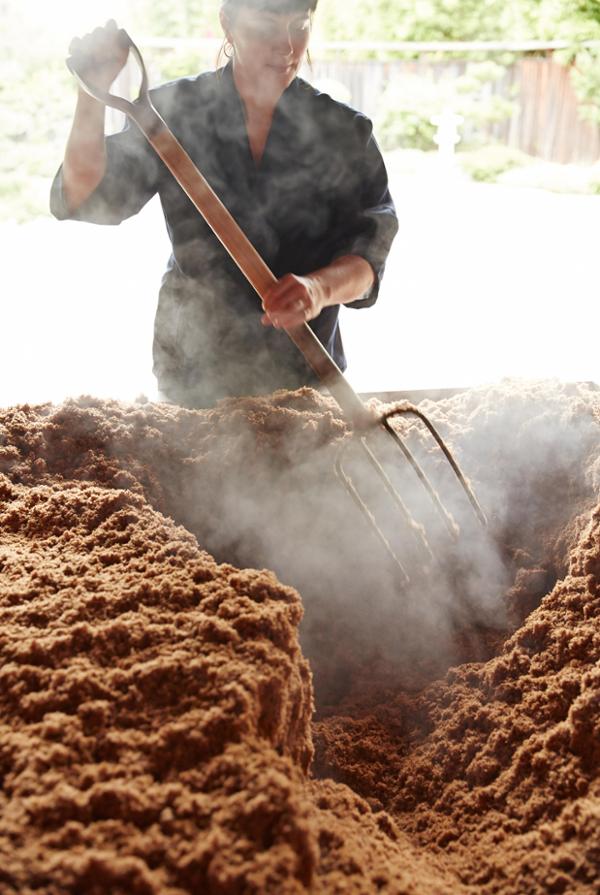
Our tubs are filled with three cubic yards (2,290 litres) of finely ground fragrant cedar, rice bran and everygreen plants, as well as some water and a cultured catalyst. This mixture is a perfect balance of carbon and nitrogen, particle size and humidity to support a bloom of microbial activity that generates a gentle penetrating heat biologically, making the enzyme bath different from any other form of heat therapy.
Why are there so few Cedar Enzyme Baths? The effort involved in obtaining, transporting, storing and mixing the materials makes it very labour-intensive as a business model. We actually have a 35-page training manual for employees who administer the bath.
What’s the historical background? Although the first known modern Cedar Enzyme Bath was established in the 1940s in Hokkaido, Japan, its history dates back centuries.
The Cedar Enzyme Bath attracted international attention when the treatment was offered at the 1972 Olympic Games in Sapporo, Japan to help athletes achieve a fast recovery from the stress of exertion. During the past 50 years, the treatment has become popular in many parts of Japan – particularly in clinical environments that promote its therapeutic benefits.
What does the treatment entail? Osmosis spa guests are served a herbal enzyme tonic prior to the bath to initiate elevated enzyme activity internally. A bath attendant sculpts out a body-shaped cavity in the mixture and guests lie covered to the chin in the bath for 20 minutes, with the evenly-supported position allowing optimum relaxation.
After their session they exit the tub – with assistance if necessary – brush off, shower and have a rehydrating electrolyte drink. They can then continue on to a 75-minute massage or facial of their choice, or a sound therapy session.
The bath’s heat causes the body’s circulatory system to dilate and the epidermis to soften, opening the pores of the skin to receive the heat and energy of billions of organisms.
This activity mimics many basic functions of the body’s internal organs and the flow of this metabolic activity within the body allows these to rest in a unique way, as they are being supported from the outside in.
This facilitates the breakdown and transport of toxins, making the Cedar Enzyme Bath a powerful detoxification treatment.
It’s also been suggested that this activity supports the production of T cells by the immune system.
What are the health benefits? Recent scientific discoveries have proven that a diverse and vibrant microbiome is important to gut health. The gut/brain connection is now also known to be an essential link in balancing mood, psychological wellness and optimal cognitive function. Healthy microbial activity also improves the length of telomeres, a key marker for longevity and resistance to degenerative diseases.
In addition, the enzyme bath is an aromatherapy treatment akin to a full body compress. As the material heats up, the oils from the cedar and other wood species are released into the steam and flow into the open pores of the body. These contain phenol, camphor and a variety of terpenes known to elevate activity in the limbic system.
What are the wellness benefits experienced by Osmosis guests? Our guests report a range of post-treatment benefits, including an immediate sensation of reduced tension and stress. The bath balances body chemistry and the nervous system by stimulating serotonin and melatonin production, and many guests experience an exceptionally deep and restful night’s sleep following the bath.
The treatment also offers relief from aches, including arthritis and joint pain and noticeably increased mobility. Athletes have confirmed it clears lactic acid from sore muscles.
Circulation is improved, as the bath dilates the cardiovascular system and increases blood flow to even the smallest capillaries. The enzyme activity also delivers a full body exfoliation by digesting dead skin cells while constantly sanitising the bath.
A major post-treatment experience is elation, as the cedar oil in the bath stimulates the brain’s limbic system.
Cedar Enzyme
Bath ingredients
The bath is composed of a blend of natural ingredients:
Cedar: For thousands of years, cedar and its essence have been used by Native Americans and other aboriginal cultures for rites of purification, strengthening, and cleansing. The cedar comes from one of the most fragrant evergreen woods in the world and is native to Oregon. Similar to Hinoki, a sacred wood in Japan, which is used in traditional homes, hot tubs, and temple construction, this cedar contains fragrant resins including phenol, which produces healthful vapours for bathers to bask in.
Rice Bran: Used for centuries as an exfoliant for its oil’s softening properties and revitalising nutrients, the light, fluffy bran is separated from the rice kernels during milling and ferments easily. High in enzymes, it contains 20 per cent oil, and nutraceutical compounds that act as antioxidants to protect from free-radical damage. The bran’s B-complex vitamins are vital to nerve health.
Biological Catalyst: This is cultured to activate the enzyme bath as a baker would culture a sourdough starter. It stimulates the fermentation that sustains the generation of warmth, while creating a universe of highly beneficial enzyme activity and maintaining the hygienic properties of the bath.
Read more from this issue of Spa Business magazine
View contents of Spa Business 2022 issue 2
Editor's letter: The wellness metaverse
We’re being handed a powerful new tool that will become a channel for creativity and innovation – pioneering wellness operators are already getting to grips with its exciting potential
Spa People: Michael Stusser
The wellness pioneer explains how he created an authentic Japanese bathing experience in the heart of the California hills
Spa People: Scot Toon
The Asia MD of The Pavilions Hotels & Resorts unveils the company's latest island development plans
Project preview: Off-grid
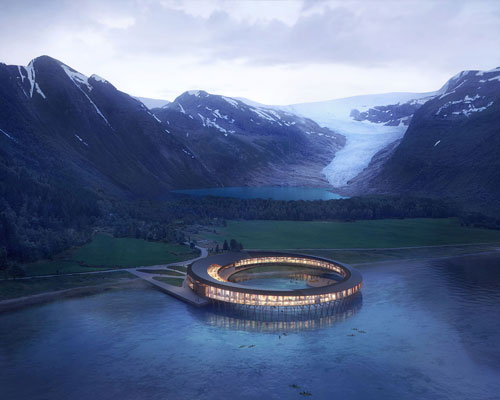
Svart Six Senses is set to open in Norway in 2024, and redefine the meaning of sustainable wellness tourism and regenerative travel
Sponsored: Myrtha Wellness: watertight expertise
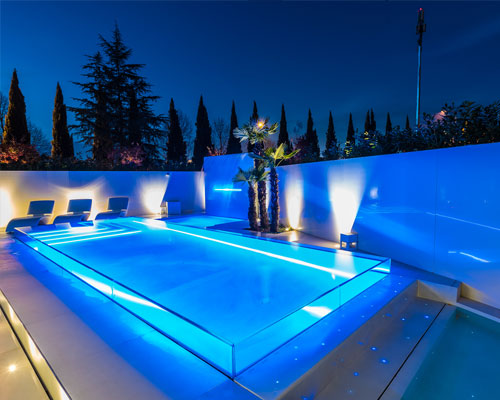
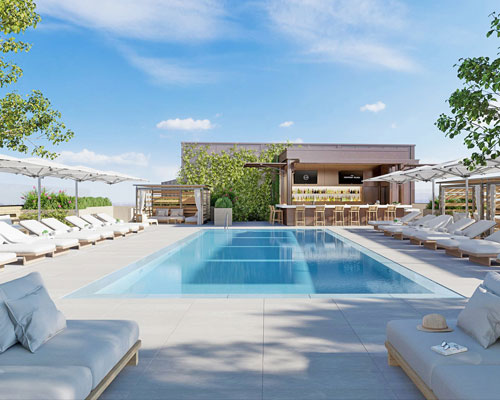
Myrtha has transformed the world of aquatics over the last 60 years. Now it’s bringing its ingenuity-driven expertise to the international wellness industry
Interview: Rainer Usselmann
Tech business Happy Finish is bringing metaverse-based experiences to the wellness sector, working with Wund
Everyone's talking about: Menopause
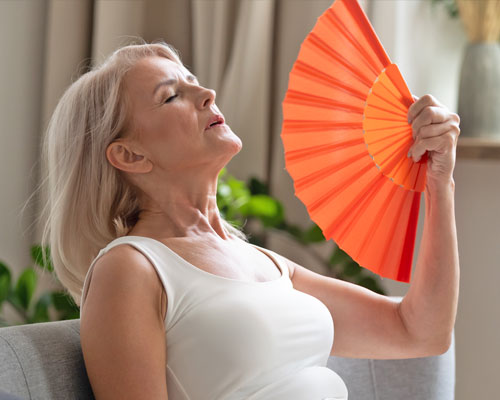
From taboo to hot topic – how can spas offer treatments and a safe space for women to explore this often challenging phase of life?
Research: Bounceback
PwC says the US spa market was worth US$1bn in 2021 and growing well, according to data from ISPA's latest industry-wide study
First person: An icon reborn
Fairmont unveils the stunning renovation of its iconic Century Plaza hotel in LA, and Rianna Riego checks out the new spa
Q&A: Magdaleena Nikolov
The GM of spa, wellness and retail at Fairmont
Century Plaza talks to Jane Kitchen
Q&A: Mia Kyricos
The wellness leader talks about the creation of her new trademarked framework for the development and delivery of wellness interventions
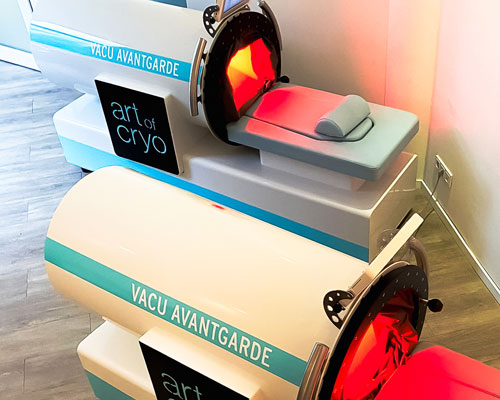
Sponsored: Art of Cryo: raising the bar
Art of Cryo is complementing its high
performance cryotherapy range with advanced
new technology to enhance treatment benefits
Mystery Shopper: The Londoner
Our reviewer travels undercover to check out the spa offering at The Londoner – one of the most high profile openings in the capital in recent times
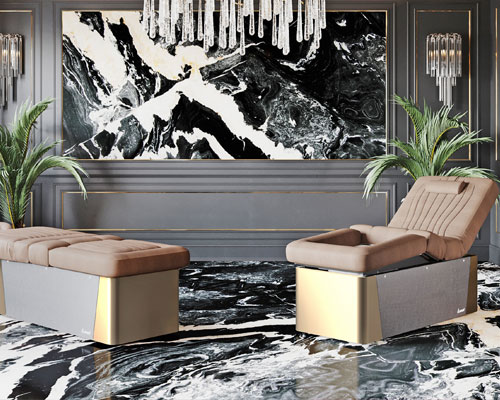
Le Atelier by C.O.D.E. doesn't offer a standard bespoke service, it provides a highly
customised approach to designing massage beds and loungers in high-end wellness
environments. [more...]
Michael Stusser created his Cedar Enzyme Bath in 1985 / Photo: Osmosis Day Spa Sanctuary
Michael Stusser became a full-time organic gardener after leaving college in the 1960s. However, his gardening focus shifted from food to landscaping during his years as an apprentice in Kyoto, Japan where he studied traditional Japanese gardening and Zen meditation.
After experiencing the extraordinary healing powers of a traditional Japanese enzyme bath, he decided to place this unique treatment at the heart of his Osmosis Day Spa Sanctuary, which he built in 1985, alongside a Kyoto-inspired meditation garden, in the hills of Northern California.
Today, the Cedar Enzyme Bath continues to be the main attraction for people looking for a natural, immersive healing therapy, while the unique facility also plays host to local cultural events, such as equinox or solstice rituals, as well as meetings that introduce leaders to industry networks in conservation and environmentalism.
We ask Stusser to explain the benefits of his 100 per cent natural treatment and how he’s encouraging sustainable earth-friendly spa operations within the wider industry, through his work with the Green Spa Network.
What was your inspiration? My vision for Osmosis flashed into my mind’s eye during my extraordinary first experience of an enzyme bath in Japan, and I imagined this exceptional health treatment situated in a beautiful Japanese-style environment planted in the hills of Sonoma County.
I found a perfect rural location, built a small enzyme bath building with recycled wood from a chicken coop, and enhanced it with a small Japanese garden. My intention was to create a meditative environment and healing sanctuary that provided nurturing services in resonance with nature.
Although it was a humble beginning it embodied all the elements of the Osmosis Day Spa Sanctuary as it is today.
What makes Osmosis unique? Our 5.5-acre property, once used as a seasonal encampment by the Pomo Indians, is situated in a magical riparian corridor in one of the most scenic parts of Northern California. Since we believe connection with nature is a key to healing and transformation, we’ve created a variety of outdoor experience spaces, including charming outdoor eating areas along Salmon Creek, and a hammock garden with sound therapy.
Our Kyoto-style meditation garden has been recognised as one of the most authentic Japanese gardens in America and in addition to traditional spa services, we also offer massage in private pagodas nestled along wooded pathways next to the creek. We offer tours of our gardens as well as forest bathing and guided meditation.
Our massage therapy sessions last 75 minutes so they can begin and end without rushing. We’re currently developing three decks on our hillside to provide guests with dramatic views during their visit and we’re exploring partnerships with our neighbours, to create day-long retreats.
What is a Cedar Enzyme Bath? It is a unique sensation, best described as a primal earth experience, in which we create the ideal environment for billions of microorganisms to connect symbiotically with the microbial activity within the human body.
Enzymes are a special class of proteins that catalyse change and movement in all living tissues, from the transfer of oxygen from the linings of the lungs into our blood, to the movement of energy through our nervous system and digestion.
There are a minimum of 3,000 different enzymes in every human cell and a minimum of 600 active enzymes present during the fermentation process of the enzyme bath.
Our tubs are filled with three cubic yards (2,290 litres) of finely ground fragrant cedar, rice bran and everygreen plants, as well as some water and a cultured catalyst. This mixture is a perfect balance of carbon and nitrogen, particle size and humidity to support a bloom of microbial activity that generates a gentle penetrating heat biologically, making the enzyme bath different from any other form of heat therapy.
Why are there so few Cedar Enzyme Baths? The effort involved in obtaining, transporting, storing and mixing the materials makes it very labour-intensive as a business model. We actually have a 35-page training manual for employees who administer the bath.
What’s the historical background? Although the first known modern Cedar Enzyme Bath was established in the 1940s in Hokkaido, Japan, its history dates back centuries.
The Cedar Enzyme Bath attracted international attention when the treatment was offered at the 1972 Olympic Games in Sapporo, Japan to help athletes achieve a fast recovery from the stress of exertion. During the past 50 years, the treatment has become popular in many parts of Japan – particularly in clinical environments that promote its therapeutic benefits.
What does the treatment entail? Osmosis spa guests are served a herbal enzyme tonic prior to the bath to initiate elevated enzyme activity internally. A bath attendant sculpts out a body-shaped cavity in the mixture and guests lie covered to the chin in the bath for 20 minutes, with the evenly-supported position allowing optimum relaxation.
After their session they exit the tub – with assistance if necessary – brush off, shower and have a rehydrating electrolyte drink. They can then continue on to a 75-minute massage or facial of their choice, or a sound therapy session.
The bath’s heat causes the body’s circulatory system to dilate and the epidermis to soften, opening the pores of the skin to receive the heat and energy of billions of organisms.
This activity mimics many basic functions of the body’s internal organs and the flow of this metabolic activity within the body allows these to rest in a unique way, as they are being supported from the outside in.
This facilitates the breakdown and transport of toxins, making the Cedar Enzyme Bath a powerful detoxification treatment.
It’s also been suggested that this activity supports the production of T cells by the immune system.
What are the health benefits? Recent scientific discoveries have proven that a diverse and vibrant microbiome is important to gut health. The gut/brain connection is now also known to be an essential link in balancing mood, psychological wellness and optimal cognitive function. Healthy microbial activity also improves the length of telomeres, a key marker for longevity and resistance to degenerative diseases.
In addition, the enzyme bath is an aromatherapy treatment akin to a full body compress. As the material heats up, the oils from the cedar and other wood species are released into the steam and flow into the open pores of the body. These contain phenol, camphor and a variety of terpenes known to elevate activity in the limbic system.
What are the wellness benefits experienced by Osmosis guests? Our guests report a range of post-treatment benefits, including an immediate sensation of reduced tension and stress. The bath balances body chemistry and the nervous system by stimulating serotonin and melatonin production, and many guests experience an exceptionally deep and restful night’s sleep following the bath.
The treatment also offers relief from aches, including arthritis and joint pain and noticeably increased mobility. Athletes have confirmed it clears lactic acid from sore muscles.
Circulation is improved, as the bath dilates the cardiovascular system and increases blood flow to even the smallest capillaries. The enzyme activity also delivers a full body exfoliation by digesting dead skin cells while constantly sanitising the bath.
A major post-treatment experience is elation, as the cedar oil in the bath stimulates the brain’s limbic system.
Cedar Enzyme
Bath ingredients
The bath is composed of a blend of natural ingredients:
Cedar: For thousands of years, cedar and its essence have been used by Native Americans and other aboriginal cultures for rites of purification, strengthening, and cleansing. The cedar comes from one of the most fragrant evergreen woods in the world and is native to Oregon. Similar to Hinoki, a sacred wood in Japan, which is used in traditional homes, hot tubs, and temple construction, this cedar contains fragrant resins including phenol, which produces healthful vapours for bathers to bask in.
Rice Bran: Used for centuries as an exfoliant for its oil’s softening properties and revitalising nutrients, the light, fluffy bran is separated from the rice kernels during milling and ferments easily. High in enzymes, it contains 20 per cent oil, and nutraceutical compounds that act as antioxidants to protect from free-radical damage. The bran’s B-complex vitamins are vital to nerve health.
Biological Catalyst: This is cultured to activate the enzyme bath as a baker would culture a sourdough starter. It stimulates the fermentation that sustains the generation of warmth, while creating a universe of highly beneficial enzyme activity and maintaining the hygienic properties of the bath.
Read more from this issue of Spa Business magazine
View contents of Spa Business 2022 issue 2
Editor's letter: The wellness metaverse
We’re being handed a powerful new tool that will become a channel for creativity and innovation – pioneering wellness operators are already getting to grips with its exciting potential
Spa People: Michael Stusser
The wellness pioneer explains how he created an authentic Japanese bathing experience in the heart of the California hills
Spa People: Scot Toon
The Asia MD of The Pavilions Hotels & Resorts unveils the company's latest island development plans
Project preview: Off-grid
Svart Six Senses is set to open in Norway in 2024, and redefine the meaning of sustainable wellness tourism and regenerative travel
Sponsored: Myrtha Wellness: watertight expertise
Myrtha has transformed the world of aquatics over the last 60 years. Now it’s bringing its ingenuity-driven expertise to the international wellness industry
Interview: Rainer Usselmann
Tech business Happy Finish is bringing metaverse-based experiences to the wellness sector, working with Wund
Everyone's talking about: Menopause
From taboo to hot topic – how can spas offer treatments and a safe space for women to explore this often challenging phase of life?
Research: Bounceback
PwC says the US spa market was worth US$1bn in 2021 and growing well, according to data from ISPA's latest industry-wide study
First person: An icon reborn
Fairmont unveils the stunning renovation of its iconic Century Plaza hotel in LA, and Rianna Riego checks out the new spa
Q&A: Magdaleena Nikolov
The GM of spa, wellness and retail at Fairmont
Century Plaza talks to Jane Kitchen
Q&A: Mia Kyricos
The wellness leader talks about the creation of her new trademarked framework for the development and delivery of wellness interventions
Sponsored: Art of Cryo: raising the bar
Art of Cryo is complementing its high
performance cryotherapy range with advanced
new technology to enhance treatment benefits
Mystery Shopper: The Londoner
Our reviewer travels undercover to check out the spa offering at The Londoner – one of the most high profile openings in the capital in recent times
People taking GLP-1 weight loss medications such as Ozempic, Wegovy, Mounjaro and Zepbound
may be losing weight, but they’re also becoming less physically active, according to new
research presented at the ENDO 2026 annual meeting of the Endocrine Society
Abu Dhabi-based investment firm Mubadala Capital has made a binding, fully financed
€1 billion
offer to acquire Pierre and Vacances SA, the European holiday resort operator behind the
continental European Center Parcs business.
Global retreat trade show, Synergy The Retreat Show, has launched a resource called The
Source, which hosts an open-access online Transformation Series programme.
The Standards Authority for Touch in Cancer Care (SATCC) charity has announced its first five-
day Living with Cancer and Beyond retreat, which will be held at Carden Park Hotel and Spa in
Cheshire, UK, between 1 and 5 September.
Patmos Aktis, a Luxury Collection Resort and Spa, has opened in Greece, with a renovated and
rebranded wellness offering called Ansana Wellness and Spa.
The Mauna Kea Beach Hotel, an Autograph Collection property in Hawaii, US, has opened its
22,000 sq ft indoor-outdoor Spa at Mauna Kea as the final step in the property’s overall
renovation, which has cost more than US$180 million (€166 million, £140 mill
The UK spa review and discovery platform for consumers, the Good Spa Guide, has announced
it will host the Good Spa Guide Awards 2026 during an event on 16 November at Sopwell House
Hotel in St Albans, UK.
Eighty-four per cent of consumers now say wellness is a top priority in their lives, with this
percentage increasing year on year, according to a preview presentation of McKinsey’s Future of
Wellness 2026 research report.
Mass protests have been taking place since Monday 1 June in Albania over the development of
a luxury resort by Donald Trump’s daughter Ivanka Trump and her husband Jared Kushner.
Global Wellness Day (GWD) marked its 15th anniversary on Saturday 13 June 2026, with the
theme: #JoyMagenta – a celebration of the healing qualities of simple gestures and activities
that spark joy.
Le Atelier by C.O.D.E. doesn't offer a standard bespoke service, it provides a highly
customised approach to designing massage beds and loungers in high-end wellness
environments. [more...]