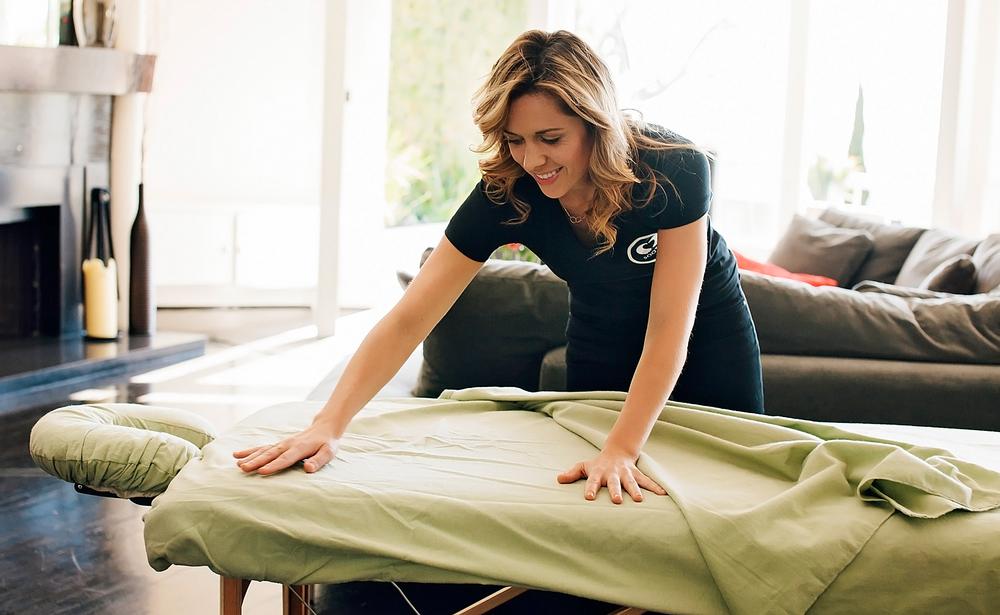
At-home massage takes away the hassle of booking and getting to a spa according to Soothe
From Airbnb in hospitality to Zipcar in transport, every industry seems to be facing some sort of disruption. A disruption displaces an existing market, industry, or technology and produces something new, more efficient and worthwhile. And it looks as if spas are next in the firing line.
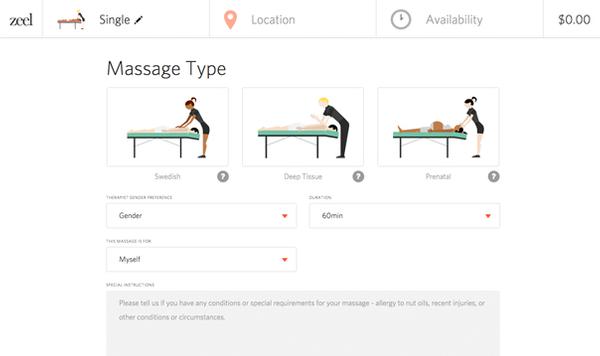
Traditionally, spas require high levels of investment and fixed overheads, making them an easy target for disruption. In the US, a number of tech-based start-up companies such as Zeel, Soothe and Unwind Me are sidestepping such barriers by offer massage-on-demand services via the internet and smartphone apps. A consumer opens the app/visits the website, schedules a massage, pays for it (tip included) and a mobile therapist can arrive at their location within an hour.
These massage-on-demand models are redefining spas as we know them. They offer competitive pricing, hassle-free, immediate scheduling and bring luxury services direct to the home. They also provide therapists with better pay (up to three times more) and benefits.
What’s more, they’re growing fast. Services are now available in 10 US states and all of the companies say that they’re planning to expand globally.
So, how do the massage-on-demand business models work and what are they offering that spas aren’t? How much of a threat are they to traditional spa facilities – both in terms of customers and workforce?
Perhaps there’s a happy medium where the two different businesses can co-exist or even collaborate. If not, what can traditional spas do to compete?
Read more from this issue of Spa Business magazine
View contents of Spa Business 2015 issue 3
Letters:
Investors better placed to make profits in spas than operators, says Roger Allen
News report: LivNordic
Raison d’Etre signs a deal with Viking Cruise Lines for its LivNordic spa brand
Trends: Spa Foresight™ 2015
The team behind Spa Business share their insights on what the world of wellness will look like in the future
Interview – Craig Cogut:
The founding partner of Six Senses’ investment firm Pegasus Capital Advisors reveals his vision for the spa operator. Rhianon Howells reports
Promotional feature: RKF Linen
Founder and CEO Riadh Bouaziz talks about the development of the linen company’s revolutionary
new Dreamsoft product and its uptake in leading hotels and spas worldwide
Thought Leaders: Expert predictions
Thought leaders from around the world, working in different industry sectors, talk about spa trends, challenges and growth opportunities
Promotional feature: Thalgo
After 50 successful years in the professional spa and beauty industry, the Thalgo brand is as strong and as innovative
as ever
Promotional feature: ManageMySpa
CEO Sudheer Koneru explains how a move from enterprise technology into spa
software resulted in the creation of a powerful system
Often when people want or need a massage, they need it the same day: when their back hurts or when they have a free hour. Sometimes they want a massage after traditional spas have closed, or want to find a licensed therapist who can travel to their location. Or they may have children, or health/mobility issues, which make scheduling and travel difficult.
The premise of Zeel is to bring high-quality massage therapy to customers where and when they want it. Times are as early as 8am and as late at 10.30pm, 365/7.
Instead of competing with spas, Zeel is expanding the massage market – helping people to get last-minute appointments or services when facilities are closed. There are millions of missing massages in the industry – between therapists with gaps in their schedules and customers who seek massages at the last minute or in-home but haven’t had (before Zeel) the ability to get those services. We think there’s room for both spas and Zeel.
Zeel offers fair market pricing in each city based on the comparable cost of a massage at a high-quality spa. In addition, we have an annual membership programme. Zeelots pay US$99 (€91, £64) a month (plus tax and tip) for one massage credit per month, with additional massages discounted by 15-20 per cent.
We recruit and retain therapists by offering significant benefits. Our 3,500-plus therapists take home 70-75 per cent of the cost of each massage, earning two to three times as much per hour as at a traditional spa. They can work at any time and as much or as little as they want. Because therapists can choose when they want to take appointments, we find many of them work both at spas and with Zeel.
Key to our model is ensuring the security of customers and therapists. We select and vet therapists and confirm that each has a valid license and at least US$1m of professional liability insurance. On the customer side, we require valid ID verification through Experian and Jumio. Zeel is the only on-demand company that takes this extra security step instead of skipping ID checks or resorting to social media profiles, which can be faked.
We’ve seen tremendous success since launching in 2012 and have expanded to South Florida, Southern California, and the San Francisco Bay Area. We’re seeing month-over-month double-digit growth in both the number of massages booked and the number of customers overall.
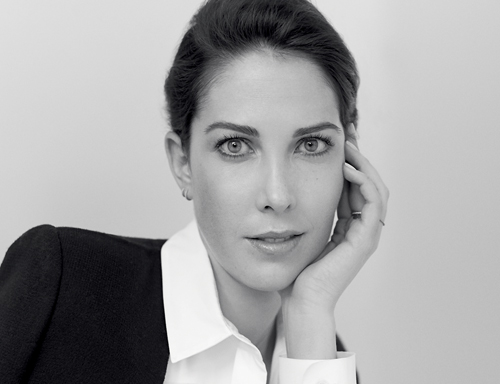
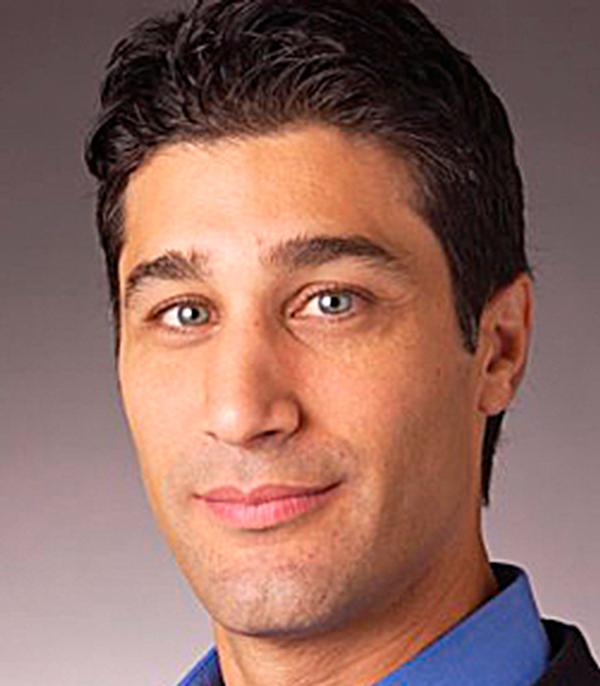
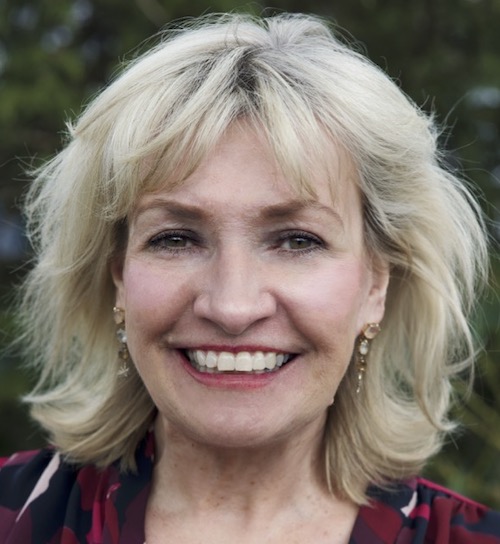
A Stanford University graduate, Hamadeh founded Zeel in New York in late 2012. It was the first company of its kind and holds a registered trademark for Massage On Demand®.
Details: www.zeel.com
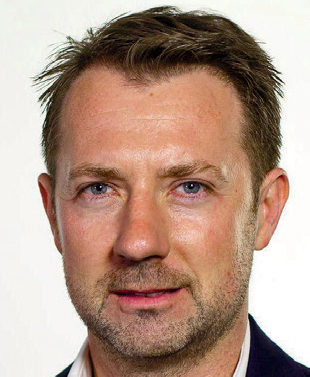
Michael TompkinsCEO, Hilton Head Health; chair,ISPA
Michael Tompkins
Market disrupters have affected and challenged all industries. Zipcar dynamically changed the car rental market, Uber is doing it in the taxi industry and Airbnb in hospitality. In all cases, innovative, out-of-the-box thinking impacts a sector on a macro level.
In the spa arena, Soothe and Zeel are like Uber for massage. Their on-demand apps provide instant access to massage sometimes in less than an hour. The potential for loss of staff and an increasing challenge to find qualified therapists could become reality for the traditional spa industry if our workers start choosing this model for employment.
How the spa sector will change due to the arrival of massage-on-demand businesses remains to be seen. If demand for these companies takes off – or goes wild like Uber – we should expect to see more customers coming into the industry, which is a good thing. Balance that with staffing challenges and competition [for business] and all of a sudden we have disruption across all types of spas and segments of the industry. Imagine hotels not having to build a spa but partnering with a massage-on-demand company instead. Surely someone has already thought of that?
Food delivery didn’t kill the restaurant business. Not panicking and taking a proactive stance while remaining flexible will be key for traditional spa facilities. A sense of place has a lot to do with the spa experience and this is something traditional spas have over massage-on-demand. The important thing is that individual companies convey uniqueness within their own brand to set them apart.
At Hilton Head Health, we’ll continue with our weight loss programme and expand into areas within spa, nutrition, healthy cooking, meals and fitness. It’s an exciting time for us. Our possibilities are endless. I often think it’s good to see what’s going on out there, but never copy someone else. Innovation comes from your own team. Be a trendsetter, encourage and develop those who work for you.
As well as his role at Hilton Head Health – the US weight-loss resort brand – Tompkins is the chair of the International Spa Association (ISPA).
"The potential for loss of staff and an increasing challenge to find qualified therapists could become reality for the traditional spa industry if our workers start choosing this model for employment"
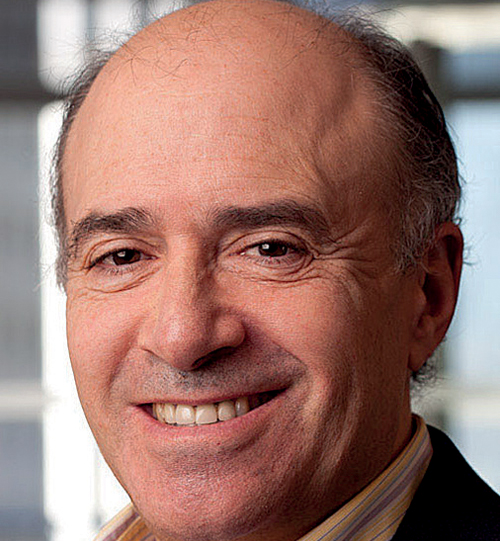
Merlin KauffmanCEO & founderSoothe
Merlin Kauffman
Even though the spa industry is a US$12bn annual market in the US, as it exists now, it’s outdated and inefficient. The goal of a great massage is to relax your body and mind. However, to receive a treatment at a spa, you have to deal with difficult scheduling, traffic, parking and a host of other distractions. Enabled by technology, Soothe removes those distractions and makes it simple and easy to schedule a massage with approximately an hour’s notice. We’re redefining massage and spa.
Our low expense business model allows very competitive pricing – starting at US$99 (€89, £63) for a 60 minute massage, tip and tax included. This enables us to attract new customers to the spa marketplace, many of whom haven’t been to a spa before. We also attract regulars who are tired of the hassles that go along with traditional spa experiences.
At the same time we’re able to pay our mobile therapists US$70 (€63, £45) an hour – 3.8 times higher than the industry average – and provide them with marketing and visibility to customers. Therapist safety is a common question and our clients must adhere to strict rules.
Our research shows that people want quality bodywork in their homes at a reasonable price, from therapists they can get to know and trust. So far, we’ve seen great demand for this type of service and experience – year on year, our revenue increased by 800 per cent.
Los Angeles, where Soothe was born, is our most thriving market in terms of revenue and therapists, with over 400 signed up. We fully expect that we’ll replicate our success across California, Arizona, Texas, Washington DC and Florida. We’ll expand into other domestic markets and will explore the potential of international markets.
Since we are a rapidly growing start up company, most of our issues are operational and scaling based. Our challenge is not finding therapists but rather, growing Soothe quickly enough while maintaining quality.
Should traditional spas be concerned about the rise of massage-on-demand businesses? I think there will always be a demand for spa facilities. However, many customers are converting to in-home massage with the rise of massage-on-demand.
A web entrepreneur, Kauffman worked for AOL at the age of 11 and founded his first company, eWireless.com, at 17. He launched Soothe in early 2013.
Details: www.soothe.com
Jeremy McCarthyGroup director of spaMandarin Oriental
Jeremy McCarthy
In general, I think the demand for spa services is growing as consumer’s perceptions of wellness expand beyond just diet and exercise to include other key aspects such as the need for rest and recovery and the importance of emotional wellbeing.
However, the pace of change in the spa industry is becoming so fast that market disruption could be the new normal. We can no longer rely on a stable state market. Innovation and change will be somewhat constant and we all need to keep reassessing our business models and their relevance.
The biggest recent disruptors in the spa world have been the rise of medical spas and the meteoric growth of simpler massage-orientated spa offerings such as Massage Envy. To be honest, I don’t think massage-on-demand services have made a significant dent in the spa market yet.
There is some appeal to massage-on-demand for the convenience of in-home services, but the benefits of a traditional spa experience will continue to lure most people into a proper spa facility. The advantages include added value to the service through enjoyment of the facilities, opportunities to have social spa experiences that are shared with others and the quality of the spa brand. Perhaps most importantly, many consumers will experience a deeper sense of relaxation by truly disconnecting from their day-to-day lives and escaping to a new environment designed as an immersion in tranquility.
Concerning therapists, some may prefer the independence of being on-call, but our experience is that many appreciate having a consistent schedule. They also like being part of a team and having opportunities to grow within the group – either into more management/administrative positions or by cultivating greater expertise and specialisation as a healer in the spa.
In an increasingly high-tech world, services that are high-touch will continue to be valued and sought after. There’s a place for both massage-on-demand businesses and traditional spas to survive and thrive. The competition between the two is minimal as they cater to different customers at different times seeking different experiences.
McCarthy oversees 29 spas around the world for Mandarin Oriental, six of which are based in the US and in cities where massage-on-demand businesses already have a presence.
Details: www.mandarinoriental.com
"There is some appeal to massage-on-demand for the convenience of in-home services, but the benefits of a traditional spa will continue to lure most people into a proper spa facility"
Zeel was the first massage-on-demand company to launch and now has 3,500-plus therapists on its books
In the fast-paced world of fitness and wellness, where high-intensity workouts push us to
our limits and the sweat pours, the importance of efficient recovery cannot be overstated. [more...]
At-home massage takes away the hassle of booking and getting to a spa according to Soothe
From Airbnb in hospitality to Zipcar in transport, every industry seems to be facing some sort of disruption. A disruption displaces an existing market, industry, or technology and produces something new, more efficient and worthwhile. And it looks as if spas are next in the firing line.
Traditionally, spas require high levels of investment and fixed overheads, making them an easy target for disruption. In the US, a number of tech-based start-up companies such as Zeel, Soothe and Unwind Me are sidestepping such barriers by offer massage-on-demand services via the internet and smartphone apps. A consumer opens the app/visits the website, schedules a massage, pays for it (tip included) and a mobile therapist can arrive at their location within an hour.
These massage-on-demand models are redefining spas as we know them. They offer competitive pricing, hassle-free, immediate scheduling and bring luxury services direct to the home. They also provide therapists with better pay (up to three times more) and benefits.
What’s more, they’re growing fast. Services are now available in 10 US states and all of the companies say that they’re planning to expand globally.
So, how do the massage-on-demand business models work and what are they offering that spas aren’t? How much of a threat are they to traditional spa facilities – both in terms of customers and workforce?
Perhaps there’s a happy medium where the two different businesses can co-exist or even collaborate. If not, what can traditional spas do to compete?
Read more from this issue of Spa Business magazine
View contents of Spa Business 2015 issue 3
Letters:
Investors better placed to make profits in spas than operators, says Roger Allen
News report: LivNordic
Raison d’Etre signs a deal with Viking Cruise Lines for its LivNordic spa brand
Trends: Spa Foresight™ 2015
The team behind Spa Business share their insights on what the world of wellness will look like in the future
Interview – Craig Cogut:
The founding partner of Six Senses’ investment firm Pegasus Capital Advisors reveals his vision for the spa operator. Rhianon Howells reports
Promotional feature: RKF Linen
Founder and CEO Riadh Bouaziz talks about the development of the linen company’s revolutionary
new Dreamsoft product and its uptake in leading hotels and spas worldwide
Thought Leaders: Expert predictions
Thought leaders from around the world, working in different industry sectors, talk about spa trends, challenges and growth opportunities
Promotional feature: Thalgo
After 50 successful years in the professional spa and beauty industry, the Thalgo brand is as strong and as innovative
as ever
Promotional feature: ManageMySpa
CEO Sudheer Koneru explains how a move from enterprise technology into spa
software resulted in the creation of a powerful system
Often when people want or need a massage, they need it the same day: when their back hurts or when they have a free hour. Sometimes they want a massage after traditional spas have closed, or want to find a licensed therapist who can travel to their location. Or they may have children, or health/mobility issues, which make scheduling and travel difficult.
The premise of Zeel is to bring high-quality massage therapy to customers where and when they want it. Times are as early as 8am and as late at 10.30pm, 365/7.
Instead of competing with spas, Zeel is expanding the massage market – helping people to get last-minute appointments or services when facilities are closed. There are millions of missing massages in the industry – between therapists with gaps in their schedules and customers who seek massages at the last minute or in-home but haven’t had (before Zeel) the ability to get those services. We think there’s room for both spas and Zeel.
Zeel offers fair market pricing in each city based on the comparable cost of a massage at a high-quality spa. In addition, we have an annual membership programme. Zeelots pay US$99 (€91, £64) a month (plus tax and tip) for one massage credit per month, with additional massages discounted by 15-20 per cent.
We recruit and retain therapists by offering significant benefits. Our 3,500-plus therapists take home 70-75 per cent of the cost of each massage, earning two to three times as much per hour as at a traditional spa. They can work at any time and as much or as little as they want. Because therapists can choose when they want to take appointments, we find many of them work both at spas and with Zeel.
Key to our model is ensuring the security of customers and therapists. We select and vet therapists and confirm that each has a valid license and at least US$1m of professional liability insurance. On the customer side, we require valid ID verification through Experian and Jumio. Zeel is the only on-demand company that takes this extra security step instead of skipping ID checks or resorting to social media profiles, which can be faked.
We’ve seen tremendous success since launching in 2012 and have expanded to South Florida, Southern California, and the San Francisco Bay Area. We’re seeing month-over-month double-digit growth in both the number of massages booked and the number of customers overall.
A Stanford University graduate, Hamadeh founded Zeel in New York in late 2012. It was the first company of its kind and holds a registered trademark for Massage On Demand®.
Details: www.zeel.com
Michael TompkinsCEO, Hilton Head Health; chair,ISPA
Michael Tompkins
Market disrupters have affected and challenged all industries. Zipcar dynamically changed the car rental market, Uber is doing it in the taxi industry and Airbnb in hospitality. In all cases, innovative, out-of-the-box thinking impacts a sector on a macro level.
In the spa arena, Soothe and Zeel are like Uber for massage. Their on-demand apps provide instant access to massage sometimes in less than an hour. The potential for loss of staff and an increasing challenge to find qualified therapists could become reality for the traditional spa industry if our workers start choosing this model for employment.
How the spa sector will change due to the arrival of massage-on-demand businesses remains to be seen. If demand for these companies takes off – or goes wild like Uber – we should expect to see more customers coming into the industry, which is a good thing. Balance that with staffing challenges and competition [for business] and all of a sudden we have disruption across all types of spas and segments of the industry. Imagine hotels not having to build a spa but partnering with a massage-on-demand company instead. Surely someone has already thought of that?
Food delivery didn’t kill the restaurant business. Not panicking and taking a proactive stance while remaining flexible will be key for traditional spa facilities. A sense of place has a lot to do with the spa experience and this is something traditional spas have over massage-on-demand. The important thing is that individual companies convey uniqueness within their own brand to set them apart.
At Hilton Head Health, we’ll continue with our weight loss programme and expand into areas within spa, nutrition, healthy cooking, meals and fitness. It’s an exciting time for us. Our possibilities are endless. I often think it’s good to see what’s going on out there, but never copy someone else. Innovation comes from your own team. Be a trendsetter, encourage and develop those who work for you.
As well as his role at Hilton Head Health – the US weight-loss resort brand – Tompkins is the chair of the International Spa Association (ISPA).
"The potential for loss of staff and an increasing challenge to find qualified therapists could become reality for the traditional spa industry if our workers start choosing this model for employment"
Merlin KauffmanCEO & founderSoothe
Merlin Kauffman
Even though the spa industry is a US$12bn annual market in the US, as it exists now, it’s outdated and inefficient. The goal of a great massage is to relax your body and mind. However, to receive a treatment at a spa, you have to deal with difficult scheduling, traffic, parking and a host of other distractions. Enabled by technology, Soothe removes those distractions and makes it simple and easy to schedule a massage with approximately an hour’s notice. We’re redefining massage and spa.
Our low expense business model allows very competitive pricing – starting at US$99 (€89, £63) for a 60 minute massage, tip and tax included. This enables us to attract new customers to the spa marketplace, many of whom haven’t been to a spa before. We also attract regulars who are tired of the hassles that go along with traditional spa experiences.
At the same time we’re able to pay our mobile therapists US$70 (€63, £45) an hour – 3.8 times higher than the industry average – and provide them with marketing and visibility to customers. Therapist safety is a common question and our clients must adhere to strict rules.
Our research shows that people want quality bodywork in their homes at a reasonable price, from therapists they can get to know and trust. So far, we’ve seen great demand for this type of service and experience – year on year, our revenue increased by 800 per cent.
Los Angeles, where Soothe was born, is our most thriving market in terms of revenue and therapists, with over 400 signed up. We fully expect that we’ll replicate our success across California, Arizona, Texas, Washington DC and Florida. We’ll expand into other domestic markets and will explore the potential of international markets.
Since we are a rapidly growing start up company, most of our issues are operational and scaling based. Our challenge is not finding therapists but rather, growing Soothe quickly enough while maintaining quality.
Should traditional spas be concerned about the rise of massage-on-demand businesses? I think there will always be a demand for spa facilities. However, many customers are converting to in-home massage with the rise of massage-on-demand.
A web entrepreneur, Kauffman worked for AOL at the age of 11 and founded his first company, eWireless.com, at 17. He launched Soothe in early 2013.
Details: www.soothe.com
Jeremy McCarthyGroup director of spaMandarin Oriental
Jeremy McCarthy
In general, I think the demand for spa services is growing as consumer’s perceptions of wellness expand beyond just diet and exercise to include other key aspects such as the need for rest and recovery and the importance of emotional wellbeing.
However, the pace of change in the spa industry is becoming so fast that market disruption could be the new normal. We can no longer rely on a stable state market. Innovation and change will be somewhat constant and we all need to keep reassessing our business models and their relevance.
The biggest recent disruptors in the spa world have been the rise of medical spas and the meteoric growth of simpler massage-orientated spa offerings such as Massage Envy. To be honest, I don’t think massage-on-demand services have made a significant dent in the spa market yet.
There is some appeal to massage-on-demand for the convenience of in-home services, but the benefits of a traditional spa experience will continue to lure most people into a proper spa facility. The advantages include added value to the service through enjoyment of the facilities, opportunities to have social spa experiences that are shared with others and the quality of the spa brand. Perhaps most importantly, many consumers will experience a deeper sense of relaxation by truly disconnecting from their day-to-day lives and escaping to a new environment designed as an immersion in tranquility.
Concerning therapists, some may prefer the independence of being on-call, but our experience is that many appreciate having a consistent schedule. They also like being part of a team and having opportunities to grow within the group – either into more management/administrative positions or by cultivating greater expertise and specialisation as a healer in the spa.
In an increasingly high-tech world, services that are high-touch will continue to be valued and sought after. There’s a place for both massage-on-demand businesses and traditional spas to survive and thrive. The competition between the two is minimal as they cater to different customers at different times seeking different experiences.
McCarthy oversees 29 spas around the world for Mandarin Oriental, six of which are based in the US and in cities where massage-on-demand businesses already have a presence.
Details: www.mandarinoriental.com
"There is some appeal to massage-on-demand for the convenience of in-home services, but the benefits of a traditional spa will continue to lure most people into a proper spa facility"
Zeel was the first massage-on-demand company to launch and now has 3,500-plus therapists on its books
Global Wellness Day (GWD) marked its 15th anniversary on Saturday 13 June 2026, with the
theme: #JoyMagenta – a celebration of the healing qualities of simple gestures and activities
that spark joy.
Global luxury hospitality brand, Six Senses, has partnered with longevity healthcare provider,
HUM2N, to launch a clinic at Six Senses London, at The Whiteley.
As part of its first hotel partnership, Mayrlife – the medical health resort company known for its
site in Altaussee, Austria – has launched a day clinic at the Rosewood Vienna.
Premium London health club, KX Chelsea, will imminently unveil its most significant
redevelopment since its launch in 2002 to create an integrated wellness model combining
training, recovery and relaxation.
Rosewood Le Guanahani St Barth, on the northeast coast of Saint Barthélemy in the French
West Indies, is offering a programme of ocean-inspired yoga classes between 8-14 June to
celebrate Global Wellness Day (GWD).
Hotel de France, located on the British Isle of Jersey, has created a wellness retreat package
that includes a hot yoga session that will take place in Jersey Zoo’s butterfly sanctuary.
The Ritz-Carlton, Langkawi, in Malaysia, has revealed a schedule for Global Wellness Day
(GWD) that includes guided rainforest walks, mindful movement and guided coastal meditation
experiences.
Longevitix, a clinical platform for preventive and longevity medicine, has launched its AI-
powered intelligence system to help physicians deliver continuous, personalised longevity-
focused care at scale.
Atmantan Wellness Centre, an integrative wellness destination in Mulshi, near Pune in India, is
expanding its portfolio by adding a new centre in Hyderabad that will launch between 2028 and
2029.
In the fast-paced world of fitness and wellness, where high-intensity workouts push us to
our limits and the sweat pours, the importance of efficient recovery cannot be overstated. [more...]