Yes! Send me the FREE digital editions of Spa Business and Spa Business insider magazines and the FREE weekly Spa Business and Spa Business insider ezines and breaking news alerts!
Wellness is now a US$4.2tn global industry and spa was the fastest growing sector
from 2015 to 2017 according to the latest research from the Global Wellness Institute
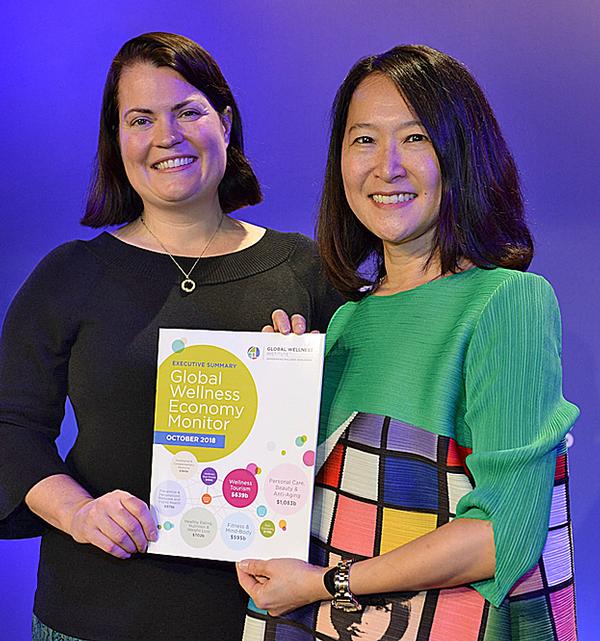
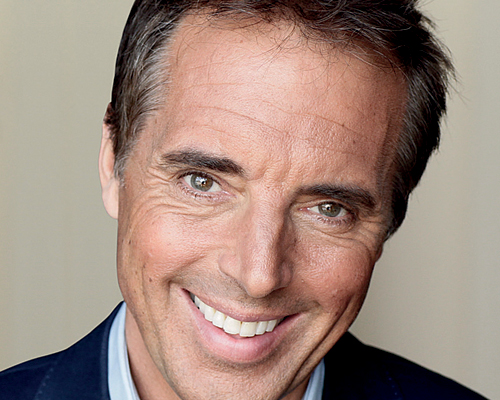
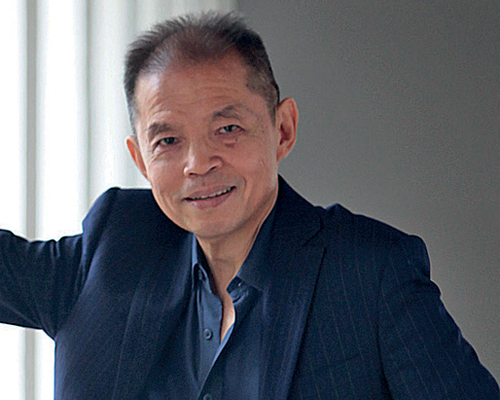
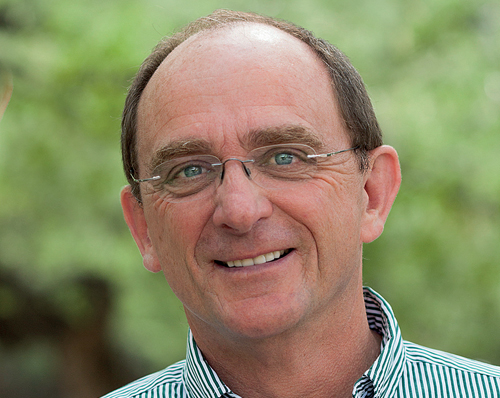
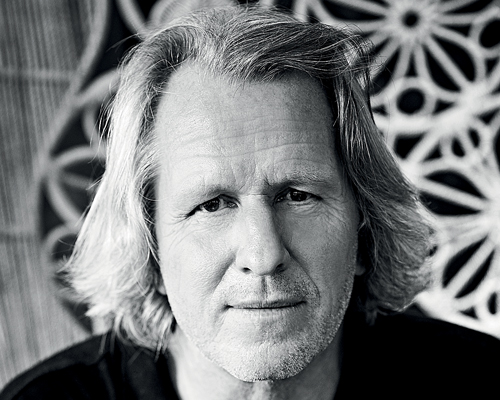
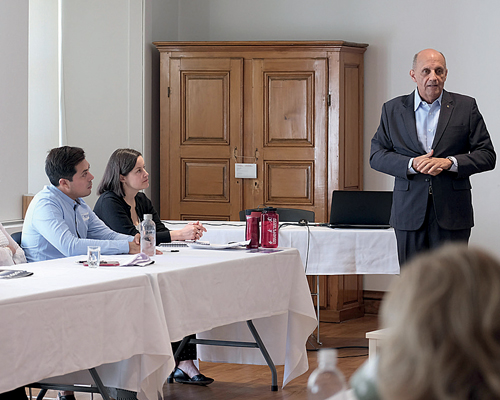
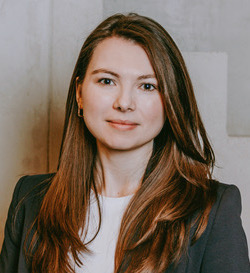
Report co-authors Johnston (left) and Yeung unveiled their findings at the 2018 Global Wellness Summit
The global wellness industry has grown 12.8 per cent, from a US$3.7tn (€3.2tn, £2.8tn) market in 2015 to US$4.2tn (€3.6tn, £3.2tn) in 2017, according to the 2018 Global Wellness Economy Monitor, revealed at the Global Wellness Summit last month (see p78).
The all-new data, by the Global Wellness Institute (GWI), shows that the wellness economy increased by 6.4 per cent annually, nearly twice as fast as global economic growth at 3.6 per cent.
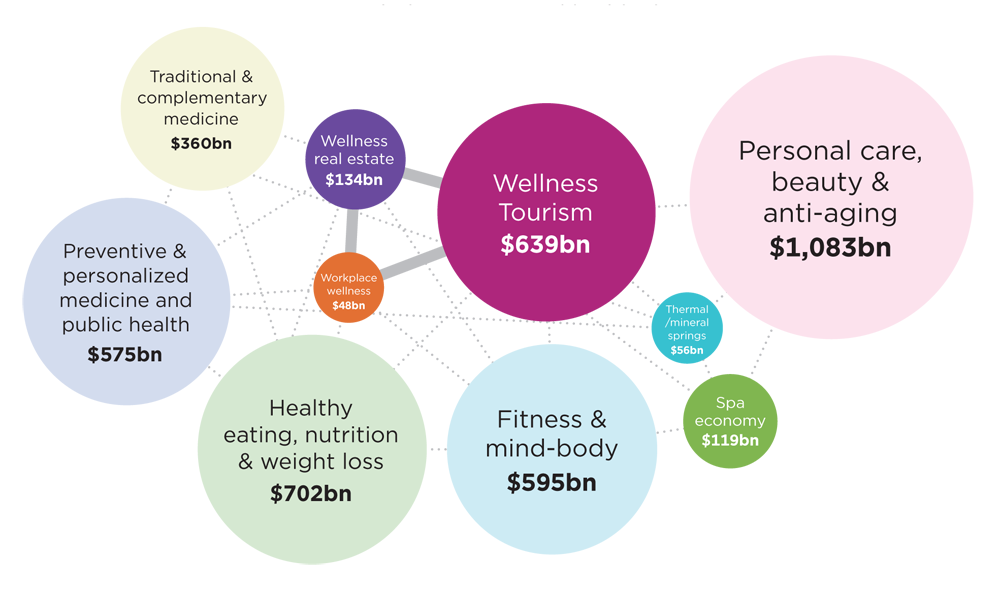
The research is based on 10 markets (see Diagram 1) and all of these – from fitness & mind-body to wellness tourism – gained much traction. The GWI says this “provides fresh evidence that wellness remains one of the world’s biggest and fast-growing industries.”
Global spa economy Valued at US$119bn (€103.1bn, £90.6bn), the global spa economy comprises spa facility revenues, now worth US$93.6bn (€81.1bn, £71.3bn) yearly; and also spa education, consulting, associations, media and event sectors, now US$25.2bn (€21.8bn, £19.2bn). While the spa economy is the third smallest out of all wellness markets, it’s grown the fastest in the last two years with revenues increasing by 9.8 per cent. This is much higher than the 2.3 per cent pace of growth from 2013 to 2015.
The number of spas jumped from 121,595 in 2015 to over 149,000 in 2017, employing nearly 2.6 million workers. Interestingly, hotel and resort spas brought in the most income and have now surpassed day spas and salons as the industry’s revenue leader.
Speaking at the summit, research co-author Katherine Johnston says: “Since 2007, the number of spas and spa facility revenues have doubled. Spa revenues have gone by 7.2 per cent annually, and that’s more than double the GDP growth rate in that time. And this growth is especially remarkable if you remember that this decade began with years of recession.”
The main drivers of the spa industry, according to the report, are rising incomes, the rapid growth of wellness tourism, and an increasing consumer propensity to spend on all things related to wellness.
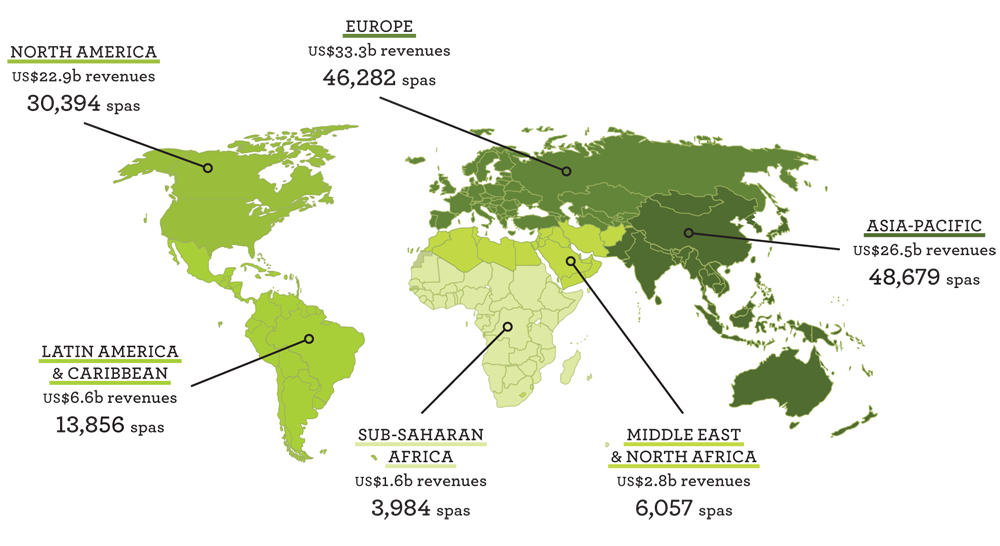
Where in the world? Asia-Pacific is home to the largest number of spas, the report shows, and also added the greatest number of new facilities from 2015 to 2017. Europe led in total spa revenues in 2017 (see Diagram 2).
Across the world, the spa industry remains quite concentrated in five countries – the US, China, Germany, Japan and France – which, when combined, account for 48 per cent of global revenues. Meanwhile the top 20 countries represent 77 per cent of the global market.
However, the industry is becoming slightly more dispersed over time. In 2017, 18 countries had annual spa revenues exceeding US$1bn, and Indonesia and Australia each surpassed the US$1bn threshold for the first time.
Thermal & mineral springs The thermal/mineral springs market continues to develop as more people turn to water for stress relief, healing and community, the report says. Market revenues increased by 4.9 per cent from US$51bn (€44.2bn, £38.8bn) in 2015 to US$56.2bn (€48.7bn, £42.8bn) in 2017, making it the fourth fastest growing sector out of the wellness markets. The number of facilities jumped from 27,507 (in 109 countries) to 34,057 (in 127 countries) – employing 1.8 million workers.
The majority of thermal/mineral establishments worldwide are rustic and traditional bathing and swimming facilities. “They target local markets and charge relatively low admission. About a quarter of establishments are higher-end, targeting tourists and offering value-added spa services,” the report states. Those that offer spa services account for a much greater share of industry revenues (66 per cent) than those without.
The thermal/mineral springs industry is heavily concentrated in Asia-Pacific and Europe, “reflecting the centuries-old history of water-based healing and relaxation in these two regions”. Together, these two world regions account for 95 per cent of industry revenues and 94 per cent of establishments.
Growth projections The GWI worked on original research for five of the 10 wellness markets and used secondary sources for the others. Johnston predicts that all five of the sectors it worked on “will continue to grow faster than GDP over the next five years”.
As wellness begins to permeate society even more deeply, however, the strongest markets will be those relating to how we live, work and travel – the core spheres of life – namely wellness real estate, wellness tourism and workplace wellness (see Table 1). Presenting alongside Johnston, report co-author Ophelia Yeung says: “In the last few years, wellness has become a dominant lifestyle value that’s profoundly changing consumer behaviour and the workplace. Our interaction with the wellness economy is also becoming less episodic and more intentional, more integrated and more holistic.”
In short, there’s an overlap between the different wellness markets. The trend of wellness bedrooms/hotels, for example, is a convergence of spa, fitness, nutrition and travel (see SB18/3 p78). While hot springs in China which have traditionally focused on recreation and leisure are now mixing wellness tourism and workplace wellness. Yeung notes: “Wellness markets will become less siloed and more interconnected, converging to offer solutions and experiences in the places where people live, work and travel.”
Johnston adds: “Everyone here [including spa operators] should be looking for opportunities to bring the wellness services and products into these three core spheres of people’s daily lives, in new, innovative and creative ways.
Addressing inequality While the 2018 Global Wellness Economy Monitor findings sound promising for both the spa sector and wider wellness market, Yeung and Johnston are also keen to give a reality check.
Yeung says: “Ultimately, it’s not the size of this number, but the quality of wellness in the world. Can the wellness economy continue to thrive if it follows the trend of global income inequality? Are people totally well if only those who can afford it continue to save for their wellness?”
Johnston adds: “The challenge is this. Can the wellness economy touch a larger slice of the world, especially people who need it the most but can afford it the least?”
Note: Numbers do not add due to overlap in segments. Dark coloured bubbles are the sectors for which GWI conducts in-depth, country-level primary research. Light coloured bubbles are sectors for which GWI aggregates global estimates only, drawing from secondary sources.
Source: 2018 Global Wellness Economy Monitor, Global Wellness Institute
DIAGRAM 2
Spa facilities by region 2017
Number of spas and spa facility revenues
Source: 2018 Global Wellness Economy Monitor, Global Wellness Institute
Table 1
Wellness Sector Growth Projections, 2017 to 2022*
*Source: 2018 Global Wellness Economy Monitor, Global Wellness Institute
Read more from this issue of Spa Business magazine
Interview: Thomas Klein
Senior living, family resorts and urban retreats are all on the cards for Canyon Ranch says COO and president Thomas Klein. Katie Barnes finds out more
Trends: Spa Foresight™ 2018/19
Spa Business’ predictions for the future include vegan spas, blue light antidotes, home wellness and plastic-free facilities
Interview: Dietmar Mueller-Elmau
The owner of Germany’s Schloss Elmau tells Spa Business why music, culture and spa feed the mind and soul
Promotional feature: Living Earth Crafts
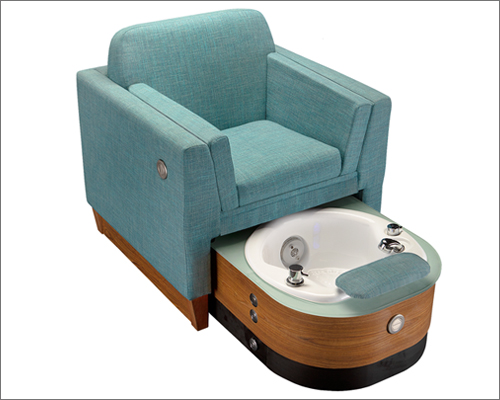
Living Earth Crafts has distinguished itself with furniture for the spa industry that combines high design with seamless functionality. Brian Paris gives us insight into the company’s stylish new introductions
Event report: GWS 2018 - Bella vita
An Italian inspired Global Wellness Summit featured fashion, food, fitness and spa… and cameos from Hugh Jackman and Oprah Winfrey. Spa Business gives its highlights
Research: Growing up
Spa is the fastest growing sector of the US$4.2tn global wellness economy according to the latest GWI research
Event report: WTA Conference
What do wellness travellers want? And what issues need to be addressed as the wellness tourism sector grows? Anne Dimon reports from the inaugural meeting of the Wellness Tourism Association
Fitness: Inhale the future
Ashley Neese tells Spa Business about the possibilities of breathwork and opening up the practice to more people
Contrast therapy, based on the alternation of hot and cold rituals, has become one of the
most valued practices in the fields of wellness and recovery. [more...]
+ More featured suppliers
COMPANY PROFILES
Sommerhuber GmbH
Sommerhuber specialises in the manufacturing of heat-storing ceramics for spas. [more...]
We Work Well Inc
In 2019 Monica Helmstetter and Lucy Hugo founded the American hosted buyer event company We Work Wel [more...]
Wellness is now a US$4.2tn global industry and spa was the fastest growing sector
from 2015 to 2017 according to the latest research from the Global Wellness Institute
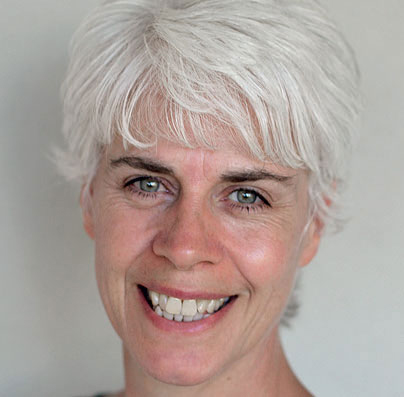
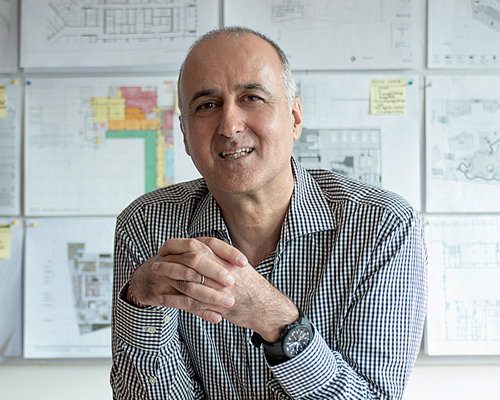
Report co-authors Johnston (left) and Yeung unveiled their findings at the 2018 Global Wellness Summit
The global wellness industry has grown 12.8 per cent, from a US$3.7tn (€3.2tn, £2.8tn) market in 2015 to US$4.2tn (€3.6tn, £3.2tn) in 2017, according to the 2018 Global Wellness Economy Monitor, revealed at the Global Wellness Summit last month (see p78).
The all-new data, by the Global Wellness Institute (GWI), shows that the wellness economy increased by 6.4 per cent annually, nearly twice as fast as global economic growth at 3.6 per cent.
The research is based on 10 markets (see Diagram 1) and all of these – from fitness & mind-body to wellness tourism – gained much traction. The GWI says this “provides fresh evidence that wellness remains one of the world’s biggest and fast-growing industries.”
Global spa economy Valued at US$119bn (€103.1bn, £90.6bn), the global spa economy comprises spa facility revenues, now worth US$93.6bn (€81.1bn, £71.3bn) yearly; and also spa education, consulting, associations, media and event sectors, now US$25.2bn (€21.8bn, £19.2bn). While the spa economy is the third smallest out of all wellness markets, it’s grown the fastest in the last two years with revenues increasing by 9.8 per cent. This is much higher than the 2.3 per cent pace of growth from 2013 to 2015.
The number of spas jumped from 121,595 in 2015 to over 149,000 in 2017, employing nearly 2.6 million workers. Interestingly, hotel and resort spas brought in the most income and have now surpassed day spas and salons as the industry’s revenue leader.
Speaking at the summit, research co-author Katherine Johnston says: “Since 2007, the number of spas and spa facility revenues have doubled. Spa revenues have gone by 7.2 per cent annually, and that’s more than double the GDP growth rate in that time. And this growth is especially remarkable if you remember that this decade began with years of recession.”
The main drivers of the spa industry, according to the report, are rising incomes, the rapid growth of wellness tourism, and an increasing consumer propensity to spend on all things related to wellness.
Where in the world? Asia-Pacific is home to the largest number of spas, the report shows, and also added the greatest number of new facilities from 2015 to 2017. Europe led in total spa revenues in 2017 (see Diagram 2).
Across the world, the spa industry remains quite concentrated in five countries – the US, China, Germany, Japan and France – which, when combined, account for 48 per cent of global revenues. Meanwhile the top 20 countries represent 77 per cent of the global market.
However, the industry is becoming slightly more dispersed over time. In 2017, 18 countries had annual spa revenues exceeding US$1bn, and Indonesia and Australia each surpassed the US$1bn threshold for the first time.
Thermal & mineral springs The thermal/mineral springs market continues to develop as more people turn to water for stress relief, healing and community, the report says. Market revenues increased by 4.9 per cent from US$51bn (€44.2bn, £38.8bn) in 2015 to US$56.2bn (€48.7bn, £42.8bn) in 2017, making it the fourth fastest growing sector out of the wellness markets. The number of facilities jumped from 27,507 (in 109 countries) to 34,057 (in 127 countries) – employing 1.8 million workers.
The majority of thermal/mineral establishments worldwide are rustic and traditional bathing and swimming facilities. “They target local markets and charge relatively low admission. About a quarter of establishments are higher-end, targeting tourists and offering value-added spa services,” the report states. Those that offer spa services account for a much greater share of industry revenues (66 per cent) than those without.
The thermal/mineral springs industry is heavily concentrated in Asia-Pacific and Europe, “reflecting the centuries-old history of water-based healing and relaxation in these two regions”. Together, these two world regions account for 95 per cent of industry revenues and 94 per cent of establishments.
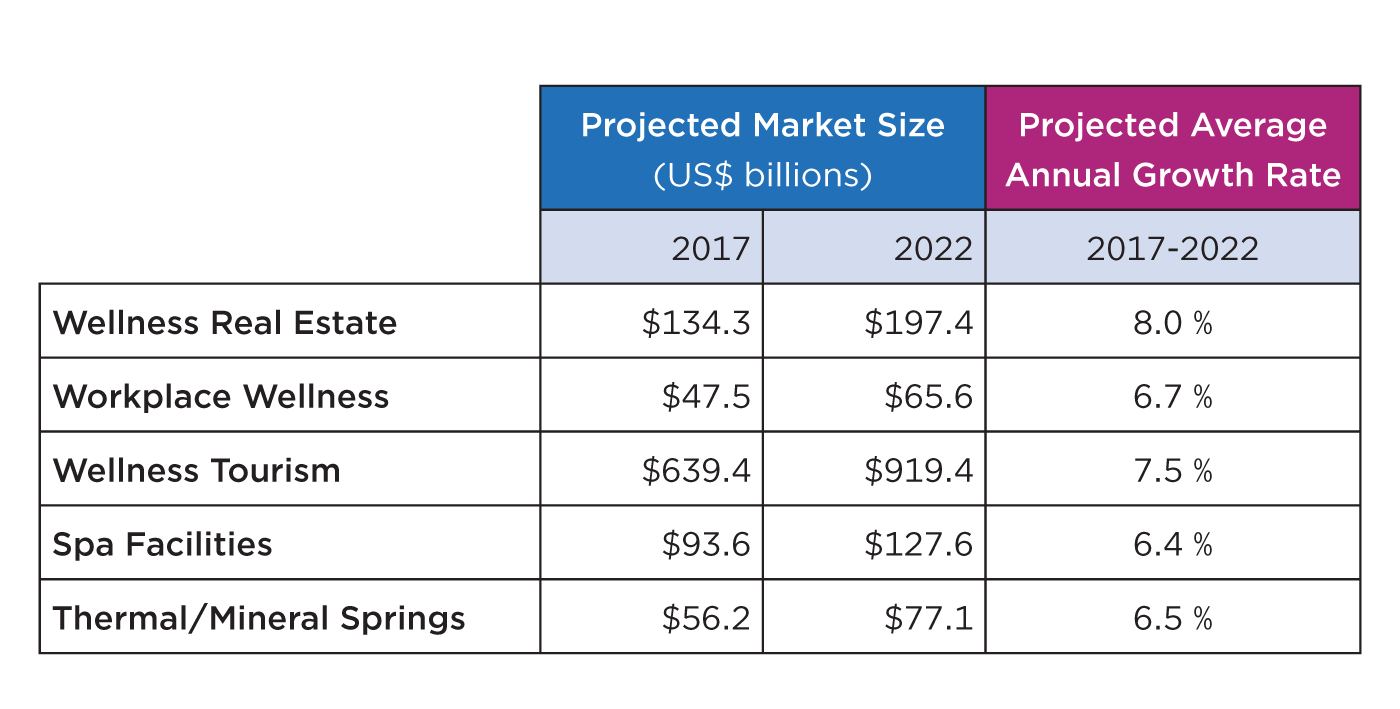
Growth projections The GWI worked on original research for five of the 10 wellness markets and used secondary sources for the others. Johnston predicts that all five of the sectors it worked on “will continue to grow faster than GDP over the next five years”.
As wellness begins to permeate society even more deeply, however, the strongest markets will be those relating to how we live, work and travel – the core spheres of life – namely wellness real estate, wellness tourism and workplace wellness (see Table 1). Presenting alongside Johnston, report co-author Ophelia Yeung says: “In the last few years, wellness has become a dominant lifestyle value that’s profoundly changing consumer behaviour and the workplace. Our interaction with the wellness economy is also becoming less episodic and more intentional, more integrated and more holistic.”
In short, there’s an overlap between the different wellness markets. The trend of wellness bedrooms/hotels, for example, is a convergence of spa, fitness, nutrition and travel (see SB18/3 p78). While hot springs in China which have traditionally focused on recreation and leisure are now mixing wellness tourism and workplace wellness. Yeung notes: “Wellness markets will become less siloed and more interconnected, converging to offer solutions and experiences in the places where people live, work and travel.”
Johnston adds: “Everyone here [including spa operators] should be looking for opportunities to bring the wellness services and products into these three core spheres of people’s daily lives, in new, innovative and creative ways.
Addressing inequality While the 2018 Global Wellness Economy Monitor findings sound promising for both the spa sector and wider wellness market, Yeung and Johnston are also keen to give a reality check.
Yeung says: “Ultimately, it’s not the size of this number, but the quality of wellness in the world. Can the wellness economy continue to thrive if it follows the trend of global income inequality? Are people totally well if only those who can afford it continue to save for their wellness?”
Johnston adds: “The challenge is this. Can the wellness economy touch a larger slice of the world, especially people who need it the most but can afford it the least?”
Note: Numbers do not add due to overlap in segments. Dark coloured bubbles are the sectors for which GWI conducts in-depth, country-level primary research. Light coloured bubbles are sectors for which GWI aggregates global estimates only, drawing from secondary sources.
Source: 2018 Global Wellness Economy Monitor, Global Wellness Institute
DIAGRAM 2
Spa facilities by region 2017
Number of spas and spa facility revenues
Source: 2018 Global Wellness Economy Monitor, Global Wellness Institute
Table 1
Wellness Sector Growth Projections, 2017 to 2022*
*Source: 2018 Global Wellness Economy Monitor, Global Wellness Institute
Read more from this issue of Spa Business magazine
Interview: Thomas Klein
Senior living, family resorts and urban retreats are all on the cards for Canyon Ranch says COO and president Thomas Klein. Katie Barnes finds out more
Trends: Spa Foresight™ 2018/19
Spa Business’ predictions for the future include vegan spas, blue light antidotes, home wellness and plastic-free facilities
Interview: Dietmar Mueller-Elmau
The owner of Germany’s Schloss Elmau tells Spa Business why music, culture and spa feed the mind and soul
Promotional feature: Living Earth Crafts
Living Earth Crafts has distinguished itself with furniture for the spa industry that combines high design with seamless functionality. Brian Paris gives us insight into the company’s stylish new introductions
Event report: GWS 2018 - Bella vita
An Italian inspired Global Wellness Summit featured fashion, food, fitness and spa… and cameos from Hugh Jackman and Oprah Winfrey. Spa Business gives its highlights
Research: Growing up
Spa is the fastest growing sector of the US$4.2tn global wellness economy according to the latest GWI research
Event report: WTA Conference
What do wellness travellers want? And what issues need to be addressed as the wellness tourism sector grows? Anne Dimon reports from the inaugural meeting of the Wellness Tourism Association
Fitness: Inhale the future
Ashley Neese tells Spa Business about the possibilities of breathwork and opening up the practice to more people
Synergy – The Retreat Show, the global trade show for retreats, has launched a global research
initiative that will provide insights into the retreat sector from both consumer and industry
perspectives.
The Wellness Tourism Association (WTA) has published a non-regulatory global industry
framework designed to ensure the retreat market offers responsible experiences.
A new survey of UK and international spa practitioners shows that stress, burnout and
wellbeing concerns have caused one in three respondents to consider leaving the industry.
The UK's four Chief Medical Officers have published a refreshed edition of Physical activity
guidelines: UK Chief Medical Officers' report, updating the evidence that underpins the nation's
physical activity recommendations and placing greater emphasis on strength, balance, reducing
sedentary behaviour and, for the first time, supporting people taking weight loss medications.
Anna Bjurstam has left her role as Wellness Pioneer at Six Senses Hotels and Resorts and
launched a new wellness, longevity and “consciousness consultancy” called Wahayla.
Fairmont Cheshire, The Mere, has opened today (10 July) in the Northwest of England
with a
1,715sq m Fairmont Spa that has been designed using a ‘Wellness without Walls’
concept.
Wellness hotels generating less than US$1 million (€932,700, £785,200) – or 10 per cent of
total revenue from wellness and leisure – recorded the strongest RevPAR and TRevPAR growth
in 2025 across categories when compared with 2024, according to the latest Wellness Real
Estate Report by RLA Global, produced in partnership with P and L benchmarking firm HotStats.
Lefay Resorts, the portfolio of two luxury wellness properties in Italy, has added emotional
dance classes and group cold plunge sessions in response to market demand for social
connection.
Contrast therapy, based on the alternation of hot and cold rituals, has become one of the
most valued practices in the fields of wellness and recovery. [more...]
+ More featured suppliers
COMPANY PROFILES
Sommerhuber GmbH Sommerhuber specialises in the manufacturing of heat-storing ceramics for spas. [more...]