Yes! Send me the FREE digital editions of Spa Business and Spa Business insider magazines and the FREE weekly Spa Business and Spa Business insider ezines and breaking news alerts!
Findings from a new survey revealed at this year’s SpaChina Summit indicate the current state of the Chinese spa market. Lisa Starr summarises the results
By Lisa Starr | Published in Spa Business 2018 issue 4
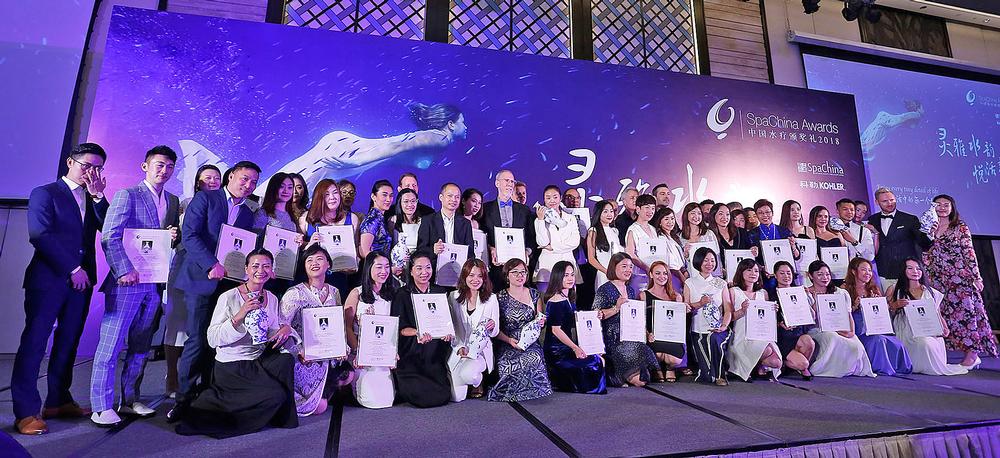
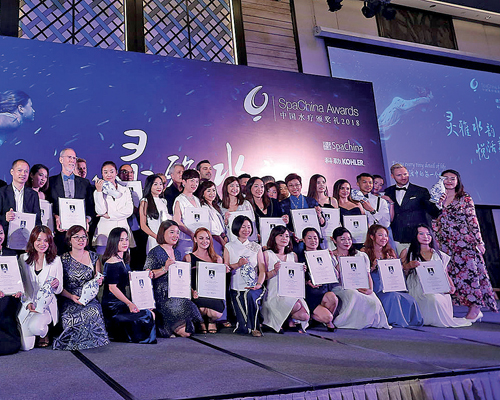
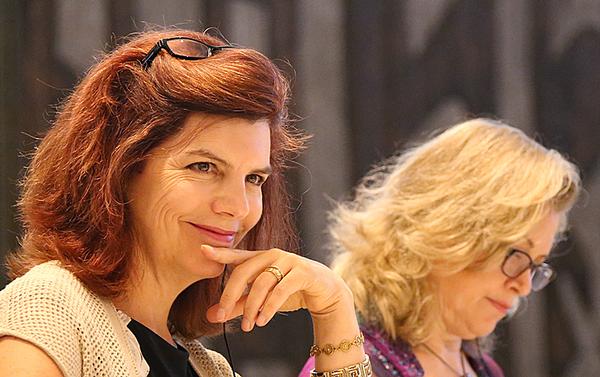
Chinese spa owners and suppliers were recognised in the summit’s annual awards ceremony
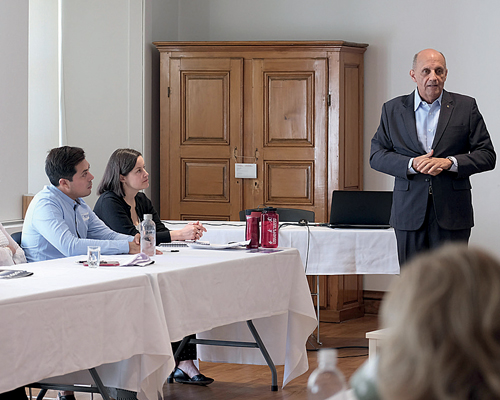
September saw almost 350 professionals convene in Sanya for the annual SpaChina Summit and this year an inaugural survey provided valuable insights into the state of the country’s spa market.
Inspired by a national consumer survey by Meituan, China’s equivalent of Groupon, which valued the Chinese beauty market at CNY660bn (US$95.9bn, €82bn, £73bn), show organiser SpaChina magazine conducted its own survey on over 100 high-end spas.
Chinese spa-goers Customers born in the 70s gravitate to health maintenance and traditional treatments like TCM and massage, while those born in the 80s prefer anti-ageing and body shaping, according to the spa owner survey respondents.
Spa-goers born in the 90s are most interested in newness, and will try everything – especially if it makes them look better in selfies! Yet they don’t have much money to buy lots of treatments.
Survey results revealed that 89 per cent of hotel spa menus only target guests born in the 70s, reflecting a need for modernisation.
Ninety per cent of hotel spa guests are Chinese and tend to favour ‘results’ rather than relaxation. Overall, it’s felt that as GDP grows, so do consumer expectations of the spa facility and experience.
State of the market China’s spa market generates CNY23bn (US$3.3bn, €2.9bn, £2.5bn), the survey shows – only 3.5 per cent of the reported national beauty market.
Sixty-five per cent of spa owners say business is the same, 21 per cent say growing, and 14 per cent say business down. It’s also noted that while 39 per cent of spas are newly opened, the business failure rate is high with just over 1/3 of spas (34 per cent) closing.
In China, hotel spas are seen as clean, safe and professional, but not innovative – many offer the same products, equipment and concepts with little differentiation, much like in western markets. Day spas are seen as being more unique. They frequently upgrade equipment and treatments, are not as constrained by brand guidelines, and owners are typically more involved.
Lack of innovation was flagged up as one of the major challenges Chinese spa owners face. Rising staff costs and recruiting difficulty is another big issue, as is lower than expected revenues.
Additional obstacles include modernisation of business software and hardware for spas, and the integration of mobile pay platforms, as most Chinese consumers pay via the WeChat app.
It is indeed interesting to see how quickly the Chinese spa market is mirroring the professional- and consumer-facing challenges we’re seeing globally.
Read more from this issue of Spa Business magazine
Interview: Thomas Klein
Senior living, family resorts and urban retreats are all on the cards for Canyon Ranch says COO and president Thomas Klein. Katie Barnes finds out more
Trends: Spa Foresight™ 2018/19
Spa Business’ predictions for the future include vegan spas, blue light antidotes, home wellness and plastic-free facilities
Interview: Dietmar Mueller-Elmau
The owner of Germany’s Schloss Elmau tells Spa Business why music, culture and spa feed the mind and soul
Promotional feature: Living Earth Crafts
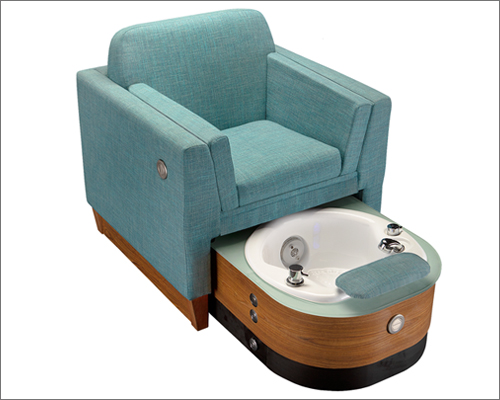
Living Earth Crafts has distinguished itself with furniture for the spa industry that combines high design with seamless functionality. Brian Paris gives us insight into the company’s stylish new introductions
Event report: GWS 2018 - Bella vita
An Italian inspired Global Wellness Summit featured fashion, food, fitness and spa… and cameos from Hugh Jackman and Oprah Winfrey. Spa Business gives its highlights
Research: Growing up
Spa is the fastest growing sector of the US$4.2tn global wellness economy according to the latest GWI research
Event report: WTA Conference
What do wellness travellers want? And what issues need to be addressed as the wellness tourism sector grows? Anne Dimon reports from the inaugural meeting of the Wellness Tourism Association
Fitness: Inhale the future
Ashley Neese tells Spa Business about the possibilities of breathwork and opening up the practice to more people
In the fast-paced world of fitness and wellness, where high-intensity workouts push us to
our limits and the sweat pours, the importance of efficient recovery cannot be overstated. [more...]
+ More featured suppliers
COMPANY PROFILES
Starpool SRL
Founded in 1975 in the Italian Dolomites, Starpool is a company specialising in wellness, health and [more...]
Trybe
Trybe was founded back in 2020, and the past five years has seen Trybe become the fastest growing al [more...]
Findings from a new survey revealed at this year’s SpaChina Summit indicate the current state of the Chinese spa market. Lisa Starr summarises the results
By Lisa Starr | Published in Spa Business 2018 issue 4
Chinese spa owners and suppliers were recognised in the summit’s annual awards ceremony
September saw almost 350 professionals convene in Sanya for the annual SpaChina Summit and this year an inaugural survey provided valuable insights into the state of the country’s spa market.
Inspired by a national consumer survey by Meituan, China’s equivalent of Groupon, which valued the Chinese beauty market at CNY660bn (US$95.9bn, €82bn, £73bn), show organiser SpaChina magazine conducted its own survey on over 100 high-end spas.
Chinese spa-goers Customers born in the 70s gravitate to health maintenance and traditional treatments like TCM and massage, while those born in the 80s prefer anti-ageing and body shaping, according to the spa owner survey respondents.
Spa-goers born in the 90s are most interested in newness, and will try everything – especially if it makes them look better in selfies! Yet they don’t have much money to buy lots of treatments.
Survey results revealed that 89 per cent of hotel spa menus only target guests born in the 70s, reflecting a need for modernisation.
Ninety per cent of hotel spa guests are Chinese and tend to favour ‘results’ rather than relaxation. Overall, it’s felt that as GDP grows, so do consumer expectations of the spa facility and experience.
State of the market China’s spa market generates CNY23bn (US$3.3bn, €2.9bn, £2.5bn), the survey shows – only 3.5 per cent of the reported national beauty market.
Sixty-five per cent of spa owners say business is the same, 21 per cent say growing, and 14 per cent say business down. It’s also noted that while 39 per cent of spas are newly opened, the business failure rate is high with just over 1/3 of spas (34 per cent) closing.
In China, hotel spas are seen as clean, safe and professional, but not innovative – many offer the same products, equipment and concepts with little differentiation, much like in western markets. Day spas are seen as being more unique. They frequently upgrade equipment and treatments, are not as constrained by brand guidelines, and owners are typically more involved.
Lack of innovation was flagged up as one of the major challenges Chinese spa owners face. Rising staff costs and recruiting difficulty is another big issue, as is lower than expected revenues.
Additional obstacles include modernisation of business software and hardware for spas, and the integration of mobile pay platforms, as most Chinese consumers pay via the WeChat app.
It is indeed interesting to see how quickly the Chinese spa market is mirroring the professional- and consumer-facing challenges we’re seeing globally.
Read more from this issue of Spa Business magazine
Interview: Thomas Klein
Senior living, family resorts and urban retreats are all on the cards for Canyon Ranch says COO and president Thomas Klein. Katie Barnes finds out more
Trends: Spa Foresight™ 2018/19
Spa Business’ predictions for the future include vegan spas, blue light antidotes, home wellness and plastic-free facilities
Interview: Dietmar Mueller-Elmau
The owner of Germany’s Schloss Elmau tells Spa Business why music, culture and spa feed the mind and soul
Promotional feature: Living Earth Crafts
Living Earth Crafts has distinguished itself with furniture for the spa industry that combines high design with seamless functionality. Brian Paris gives us insight into the company’s stylish new introductions
Event report: GWS 2018 - Bella vita
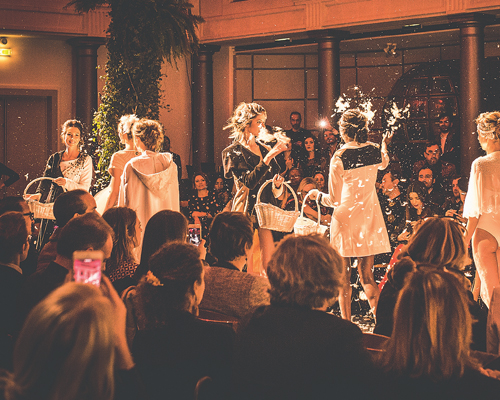
An Italian inspired Global Wellness Summit featured fashion, food, fitness and spa… and cameos from Hugh Jackman and Oprah Winfrey. Spa Business gives its highlights
Research: Growing up
Spa is the fastest growing sector of the US$4.2tn global wellness economy according to the latest GWI research
Event report: WTA Conference
What do wellness travellers want? And what issues need to be addressed as the wellness tourism sector grows? Anne Dimon reports from the inaugural meeting of the Wellness Tourism Association
Fitness: Inhale the future
Ashley Neese tells Spa Business about the possibilities of breathwork and opening up the practice to more people
Synergy – The Retreat Show, the global trade show for retreats, has launched a global research
initiative that will provide insights into the retreat sector from both consumer and industry
perspectives.
The Wellness Tourism Association (WTA) has published a non-regulatory global industry
framework designed to ensure the retreat market offers responsible experiences.
A new survey of UK and international spa practitioners shows that stress, burnout and
wellbeing concerns have caused one in three respondents to consider leaving the industry.
The UK's four Chief Medical Officers have published a refreshed edition of Physical activity
guidelines: UK Chief Medical Officers' report, updating the evidence that underpins the nation's
physical activity recommendations and placing greater emphasis on strength, balance, reducing
sedentary behaviour and, for the first time, supporting people taking weight loss medications.
Anna Bjurstam has left her role as Wellness Pioneer at Six Senses Hotels and Resorts and
launched a new wellness, longevity and “consciousness consultancy” called Wahayla.
Fairmont Cheshire, The Mere, has opened today (10 July) in the Northwest of England
with a
1,715sq m Fairmont Spa that has been designed using a ‘Wellness without Walls’
concept.
Wellness hotels generating less than US$1 million (€932,700, £785,200) – or 10 per cent of
total revenue from wellness and leisure – recorded the strongest RevPAR and TRevPAR growth
in 2025 across categories when compared with 2024, according to the latest Wellness Real
Estate Report by RLA Global, produced in partnership with P and L benchmarking firm HotStats.
Lefay Resorts, the portfolio of two luxury wellness properties in Italy, has added emotional
dance classes and group cold plunge sessions in response to market demand for social
connection.
In the fast-paced world of fitness and wellness, where high-intensity workouts push us to
our limits and the sweat pours, the importance of efficient recovery cannot be overstated. [more...]
+ More featured suppliers
COMPANY PROFILES
Starpool SRL Founded in 1975 in the Italian Dolomites, Starpool is a company specialising in wellness, health and [more...]