Is pay the root of the spa
industry recruitment problem
and does this stem from
the fact that therapists
tend to be female? Or are
there other factors at play?
Kath Hudson investigates
By Kath Hudson | Published in Spa Business 2018 issue 4
US$60,000 is considered a fair starting salary for a full time therapist in the US / Rawpixel.com/shutterstock
While ISPA’s recent Spa Workforce Study on employment in the global spa market, found it attracts committed, passionate and caring people, there still remain issues surrounding therapist pay. There are many compensation models, which can be confusing, and in many parts of the world the pay is unarguably very low.
The industry is facing a huge recruitment problem, with more than 32,000 therapist vacancies in the US alone. Finding and retaining staff is also a massive problem in the Middle East, with some operators even working with unscrupulous agents in Asia who provide therapists, but take their passports away and take half of their salaries for a year.
So how much does therapist pay contribute to the staffing problem? What does constitute a fair wage? And how could this be standardised globally?
If operators were to increase wages, this could potentially lead to more appointments and therefore more profits. Perhaps more men would also join the industry and it would be viewed as a more attractive sector in which to pursue a career.
Or do the majority of spa operators already remunerate their employees adequately? Is the recruitment shortage to do with other factors, including the rate of growth in the industry?
To recruit more staff does the industry need to raise salaries? Or be better at promoting itself, target new markets and extol its benefits of being a flexible employer? We ask the experts…
Our latest research, conducted by Pricewaterhouse- Coopers, was very insightful and showed that generally those who work in the industry, at all levels, are passionate about it. Eighty-seven per cent of management say they’re looking for a long-term career in the sector.
We do have a workforce shortage in the industry, but we don’t believe that compensation is the primary cause. Our research showed that only 32 per cent of therapists feel they’re unfairly compensated, while 68 per cent feel positive or neutral about the fairness of their compensation. When compared with Payscale’s finding that only 39 per cent of people across all industries feel positive or neutral on their compensation, this suggests the spa sector is already doing a better job than the wider economy.
According to Payscale, only 11 per cent of employees who feel that they are underpaid are actually underpaid. Most people are fairly compensated, so it’s up to management to communicate why that compensation is fair. Pay is obviously important, but there are also other factors which make the workforce happy, including a positive work environment and flexible working hours. Operators should offer and promote these benefits.
We all need to work together to raise awareness of what a wonderful industry it is to work in. And we should also broaden our range to attract young people, school students, veterans, retirees and more men. ISPA has partnered with more than a dozen industry organisations to raise awareness of the many benefits of working in the spa industry by launching a Get Your Dream Job Campaign. It’s important to draw attention to the overall package of benefits that spas can offer their employees – a positive work environment, flexible hours and multiple compensation models – because the pay in the spa industry is already healthy relative to the national US economy.
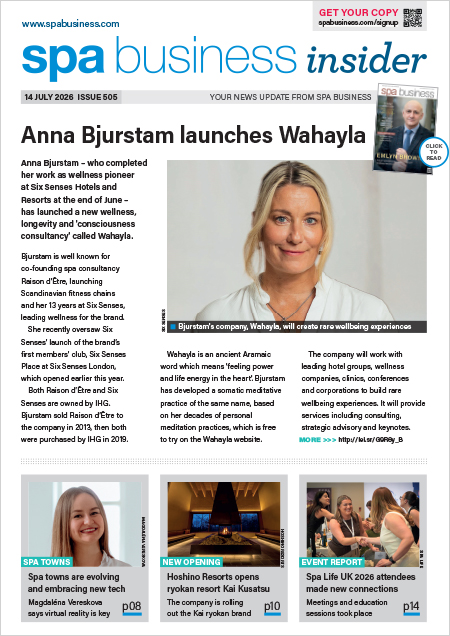
McNees has been president of ISPA, a leading spa association, for more than 20 years
“32 per cent of therapists feel they’re unfairly compensated, while 68 per cent feel positive or neutral”
Neil Jacobs
CEO, Six Senses
Neil Jacobs
Generally the pay in our industry falls on the middle to low side, which is a contributing factor to the staff shortage. When entering a new jurisdiction, Six Senses’ strategy is to survey the competition and pitch our base salaries at around the 75th percentile. We then calibrate commission structures for treatments and retail sales, giving therapists the opportunity to earn more.
We are lucky enough to work in parts of the world where we can employ people who have grown up in the healing tradition, such as Thailand and Indonesia. We combine their talent with our own very comprehensive training, and look after our employees well. Job satisfaction is more than just the size of the salary. We offer additional perks for a job well done such as excursions and dinner for two, which adds to our employees feeling valued.
The rapid growth of the industry is part of the general staffing problem, but it’s also incumbent on us to upgrade the image of the industry, so that it’s seen as an attractive and meaningful place to work. We must pay appropriate salaries and follow fundamental human resources philosophies of looking after people. Therapists should not be expected to consistently do eight or nine treatments a day, which leads to burn out, as well as impacting the quality of the experience for the customer.
It’s not rocket science: genuinely care for your staff in a positive environment, pay them a decent wage and you will engender contentment and loyalty, while your guests will be well looked after. Do the opposite and you create turnover which costs the business in a number of ways.
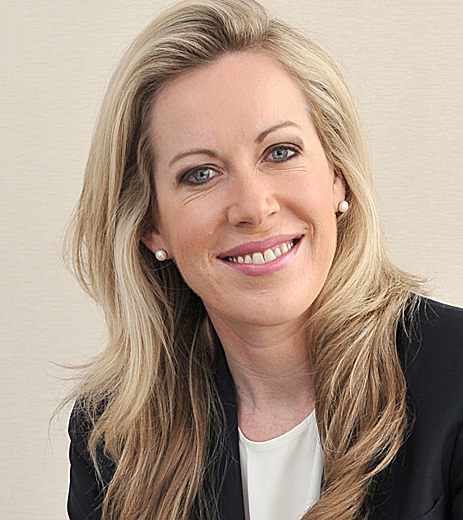
Six Senses operates 31 spas and 11 resorts worldwide and Jacobs has been at the helm since 2012
“The rapid growth of the industry is part of the general staffing problem, but it’s also incumbent on us to upgrade the image of the industry”
Kathryn Moore
Founder and Managing Director, Spa Connectors
Kathryn Moore
Currently, there is a chasm between what operators are willing to pay and what they expect for the salaries. Consumers are now spa savvy and, for the prices they are paying, want an incredible experience, which can only be delivered by a good therapist. Generally speaking, pay is holding the industry back: it means customer demand cannot be satisfied and many private investors are put off.
In the Maldives, while the price of treatments and accommodation has risen, therapists haven’t had a pay rise in 10 years. In the Middle East, operators are dropping salaries to make up the shortfall of higher rents. In the UK, US and Australia, therapists are finding they are financially better off to set up a home salon or go mobile.
Based in the Middle East, I’m finding it very difficult to recruit the good therapists from Asia, the UK or the US, because the operators are simply not paying enough to make it worth their while. Cheaper therapists from Indonesia, Nepal and Cambodia are not as experienced, don’t speak English and therefore can’t generate extra revenue.
This is a US$4.2 trillion wellness industry with opportunities for managers, sales staff, wellness specialists and so there’s much more we could do. Operators need to be realistic with their salaries, provide good working environments, good training and provide therapists with the tools needed to do their jobs properly. We need an industry wide campaign to attract people into the industry, because we can’t grow the sector without good human capital.
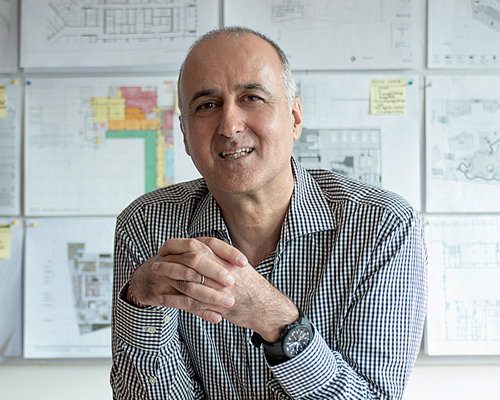
Moore set up recruitment and training firm Spa Connectors in 2015. She previously oversaw 60-plus spas for Minor Hotels
“Pay is holding the industry back: it means customer demand cannot be satisfied and many private investors are put off”
Michael Tompkins
Partner, Hutchinson Consulting
Michael Tompkins
One difficulty is that therapists are frequently compensated with a mix of a standing wage, commission and tips. These confusing structures are antiquated and make it difficult to educate potential workers on exactly how much they will earn.
In the US, about US$60,000 (€51,100, £45,220) for a full time therapist is a current fair wage as a starting point, but it varies tremendously from country to country. I know some countries where therapists work six days a week and make US$25 (€21, £19) per week, plus tips. On-demand therapists can make about 50 per cent more than staff therapists, as well as being in control of their schedule and tips, but surveys have shown they miss the camaraderie of working in a team. Both models could learn from their shortcomings in order to improve employee morale and retention.
I liken the massage industry to the US nursing industry in the 1980s: increasing wages to meet demand drove men into the field in large numbers, while improving the perceived professionalism of the career choice. Creating flexible work schedules, offering continued education and excellent benefits, in a safe and supportive work environment, drove satisfaction and retention more.
We need to tackle all these issues in the spa industry. Rethinking compensation models and publishing guidelines could be a start. Also, the perception of professionalism could be upped, by highlighting the combined educational requirements and hands on practical work a therapist is obligated to complete.
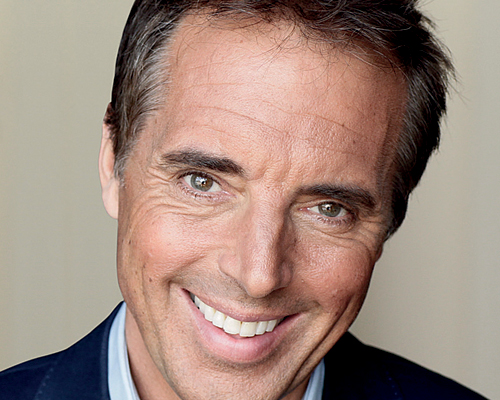
Tompkins is a partner at hospitality recruitment firm Hutchinson Consulting and has been CEO at both Miraval and Hilton Head Health
“I liken the massage industry to the US nursing industry in the 1980s: increasing wages to meet demand drove men into the field in large numbers”
Read more from this issue of Spa Business magazine
Interview: Thomas Klein
Senior living, family resorts and urban retreats are all on the cards for Canyon Ranch says COO and president Thomas Klein. Katie Barnes finds out more
Trends: Spa Foresight™ 2018/19
Spa Business’ predictions for the future include vegan spas, blue light antidotes, home wellness and plastic-free facilities
Interview: Dietmar Mueller-Elmau
The owner of Germany’s Schloss Elmau tells Spa Business why music, culture and spa feed the mind and soul
Promotional feature: Living Earth Crafts
Living Earth Crafts has distinguished itself with furniture for the spa industry that combines high design with seamless functionality. Brian Paris gives us insight into the company’s stylish new introductions
Event report: GWS 2018 - Bella vita
An Italian inspired Global Wellness Summit featured fashion, food, fitness and spa… and cameos from Hugh Jackman and Oprah Winfrey. Spa Business gives its highlights
Research: Growing up
Spa is the fastest growing sector of the US$4.2tn global wellness economy according to the latest GWI research
Event report: WTA Conference
What do wellness travellers want? And what issues need to be addressed as the wellness tourism sector grows? Anne Dimon reports from the inaugural meeting of the Wellness Tourism Association
Fitness: Inhale the future
Ashley Neese tells Spa Business about the possibilities of breathwork and opening up the practice to more people
Contrast therapy, based on the alternation of hot and cold rituals, has become one of the
most valued practices in the fields of wellness and recovery. [more...]
Is pay the root of the spa
industry recruitment problem
and does this stem from
the fact that therapists
tend to be female? Or are
there other factors at play?
Kath Hudson investigates
By Kath Hudson | Published in Spa Business 2018 issue 4
US$60,000 is considered a fair starting salary for a full time therapist in the US / Rawpixel.com/shutterstock
While ISPA’s recent Spa Workforce Study on employment in the global spa market, found it attracts committed, passionate and caring people, there still remain issues surrounding therapist pay. There are many compensation models, which can be confusing, and in many parts of the world the pay is unarguably very low.
The industry is facing a huge recruitment problem, with more than 32,000 therapist vacancies in the US alone. Finding and retaining staff is also a massive problem in the Middle East, with some operators even working with unscrupulous agents in Asia who provide therapists, but take their passports away and take half of their salaries for a year.
So how much does therapist pay contribute to the staffing problem? What does constitute a fair wage? And how could this be standardised globally?
If operators were to increase wages, this could potentially lead to more appointments and therefore more profits. Perhaps more men would also join the industry and it would be viewed as a more attractive sector in which to pursue a career.
Or do the majority of spa operators already remunerate their employees adequately? Is the recruitment shortage to do with other factors, including the rate of growth in the industry?
To recruit more staff does the industry need to raise salaries? Or be better at promoting itself, target new markets and extol its benefits of being a flexible employer? We ask the experts…
Our latest research, conducted by Pricewaterhouse- Coopers, was very insightful and showed that generally those who work in the industry, at all levels, are passionate about it. Eighty-seven per cent of management say they’re looking for a long-term career in the sector.
We do have a workforce shortage in the industry, but we don’t believe that compensation is the primary cause. Our research showed that only 32 per cent of therapists feel they’re unfairly compensated, while 68 per cent feel positive or neutral about the fairness of their compensation. When compared with Payscale’s finding that only 39 per cent of people across all industries feel positive or neutral on their compensation, this suggests the spa sector is already doing a better job than the wider economy.
According to Payscale, only 11 per cent of employees who feel that they are underpaid are actually underpaid. Most people are fairly compensated, so it’s up to management to communicate why that compensation is fair. Pay is obviously important, but there are also other factors which make the workforce happy, including a positive work environment and flexible working hours. Operators should offer and promote these benefits.
We all need to work together to raise awareness of what a wonderful industry it is to work in. And we should also broaden our range to attract young people, school students, veterans, retirees and more men. ISPA has partnered with more than a dozen industry organisations to raise awareness of the many benefits of working in the spa industry by launching a Get Your Dream Job Campaign. It’s important to draw attention to the overall package of benefits that spas can offer their employees – a positive work environment, flexible hours and multiple compensation models – because the pay in the spa industry is already healthy relative to the national US economy.
McNees has been president of ISPA, a leading spa association, for more than 20 years
“32 per cent of therapists feel they’re unfairly compensated, while 68 per cent feel positive or neutral”
Neil Jacobs
CEO, Six Senses
Neil Jacobs
Generally the pay in our industry falls on the middle to low side, which is a contributing factor to the staff shortage. When entering a new jurisdiction, Six Senses’ strategy is to survey the competition and pitch our base salaries at around the 75th percentile. We then calibrate commission structures for treatments and retail sales, giving therapists the opportunity to earn more.
We are lucky enough to work in parts of the world where we can employ people who have grown up in the healing tradition, such as Thailand and Indonesia. We combine their talent with our own very comprehensive training, and look after our employees well. Job satisfaction is more than just the size of the salary. We offer additional perks for a job well done such as excursions and dinner for two, which adds to our employees feeling valued.
The rapid growth of the industry is part of the general staffing problem, but it’s also incumbent on us to upgrade the image of the industry, so that it’s seen as an attractive and meaningful place to work. We must pay appropriate salaries and follow fundamental human resources philosophies of looking after people. Therapists should not be expected to consistently do eight or nine treatments a day, which leads to burn out, as well as impacting the quality of the experience for the customer.
It’s not rocket science: genuinely care for your staff in a positive environment, pay them a decent wage and you will engender contentment and loyalty, while your guests will be well looked after. Do the opposite and you create turnover which costs the business in a number of ways.
Six Senses operates 31 spas and 11 resorts worldwide and Jacobs has been at the helm since 2012
“The rapid growth of the industry is part of the general staffing problem, but it’s also incumbent on us to upgrade the image of the industry”
Kathryn Moore
Founder and Managing Director, Spa Connectors
Kathryn Moore
Currently, there is a chasm between what operators are willing to pay and what they expect for the salaries. Consumers are now spa savvy and, for the prices they are paying, want an incredible experience, which can only be delivered by a good therapist. Generally speaking, pay is holding the industry back: it means customer demand cannot be satisfied and many private investors are put off.
In the Maldives, while the price of treatments and accommodation has risen, therapists haven’t had a pay rise in 10 years. In the Middle East, operators are dropping salaries to make up the shortfall of higher rents. In the UK, US and Australia, therapists are finding they are financially better off to set up a home salon or go mobile.
Based in the Middle East, I’m finding it very difficult to recruit the good therapists from Asia, the UK or the US, because the operators are simply not paying enough to make it worth their while. Cheaper therapists from Indonesia, Nepal and Cambodia are not as experienced, don’t speak English and therefore can’t generate extra revenue.
This is a US$4.2 trillion wellness industry with opportunities for managers, sales staff, wellness specialists and so there’s much more we could do. Operators need to be realistic with their salaries, provide good working environments, good training and provide therapists with the tools needed to do their jobs properly. We need an industry wide campaign to attract people into the industry, because we can’t grow the sector without good human capital.
Moore set up recruitment and training firm Spa Connectors in 2015. She previously oversaw 60-plus spas for Minor Hotels
“Pay is holding the industry back: it means customer demand cannot be satisfied and many private investors are put off”
Michael Tompkins
Partner, Hutchinson Consulting
Michael Tompkins
One difficulty is that therapists are frequently compensated with a mix of a standing wage, commission and tips. These confusing structures are antiquated and make it difficult to educate potential workers on exactly how much they will earn.
In the US, about US$60,000 (€51,100, £45,220) for a full time therapist is a current fair wage as a starting point, but it varies tremendously from country to country. I know some countries where therapists work six days a week and make US$25 (€21, £19) per week, plus tips. On-demand therapists can make about 50 per cent more than staff therapists, as well as being in control of their schedule and tips, but surveys have shown they miss the camaraderie of working in a team. Both models could learn from their shortcomings in order to improve employee morale and retention.
I liken the massage industry to the US nursing industry in the 1980s: increasing wages to meet demand drove men into the field in large numbers, while improving the perceived professionalism of the career choice. Creating flexible work schedules, offering continued education and excellent benefits, in a safe and supportive work environment, drove satisfaction and retention more.
We need to tackle all these issues in the spa industry. Rethinking compensation models and publishing guidelines could be a start. Also, the perception of professionalism could be upped, by highlighting the combined educational requirements and hands on practical work a therapist is obligated to complete.
Tompkins is a partner at hospitality recruitment firm Hutchinson Consulting and has been CEO at both Miraval and Hilton Head Health
“I liken the massage industry to the US nursing industry in the 1980s: increasing wages to meet demand drove men into the field in large numbers”
Read more from this issue of Spa Business magazine
Interview: Thomas Klein
Senior living, family resorts and urban retreats are all on the cards for Canyon Ranch says COO and president Thomas Klein. Katie Barnes finds out more
Trends: Spa Foresight™ 2018/19
Spa Business’ predictions for the future include vegan spas, blue light antidotes, home wellness and plastic-free facilities
Interview: Dietmar Mueller-Elmau
The owner of Germany’s Schloss Elmau tells Spa Business why music, culture and spa feed the mind and soul
Promotional feature: Living Earth Crafts
Living Earth Crafts has distinguished itself with furniture for the spa industry that combines high design with seamless functionality. Brian Paris gives us insight into the company’s stylish new introductions
Event report: GWS 2018 - Bella vita
An Italian inspired Global Wellness Summit featured fashion, food, fitness and spa… and cameos from Hugh Jackman and Oprah Winfrey. Spa Business gives its highlights
Research: Growing up
Spa is the fastest growing sector of the US$4.2tn global wellness economy according to the latest GWI research
Event report: WTA Conference
What do wellness travellers want? And what issues need to be addressed as the wellness tourism sector grows? Anne Dimon reports from the inaugural meeting of the Wellness Tourism Association
Fitness: Inhale the future
Ashley Neese tells Spa Business about the possibilities of breathwork and opening up the practice to more people
Synergy – The Retreat Show, the global trade show for retreats, has launched a global research
initiative that will provide insights into the retreat sector from both consumer and industry
perspectives.
The Wellness Tourism Association (WTA) has published a non-regulatory global industry
framework designed to ensure the retreat market offers responsible experiences.
A new survey of UK and international spa practitioners shows that stress, burnout and
wellbeing concerns have caused one in three respondents to consider leaving the industry.
The UK's four Chief Medical Officers have published a refreshed edition of Physical activity
guidelines: UK Chief Medical Officers' report, updating the evidence that underpins the nation's
physical activity recommendations and placing greater emphasis on strength, balance, reducing
sedentary behaviour and, for the first time, supporting people taking weight loss medications.
Anna Bjurstam has left her role as Wellness Pioneer at Six Senses Hotels and Resorts and
launched a new wellness, longevity and “consciousness consultancy” called Wahayla.
Fairmont Cheshire, The Mere, has opened today (10 July) in the Northwest of England
with a
1,715sq m Fairmont Spa that has been designed using a ‘Wellness without Walls’
concept.
Wellness hotels generating less than US$1 million (€932,700, £785,200) – or 10 per cent of
total revenue from wellness and leisure – recorded the strongest RevPAR and TRevPAR growth
in 2025 across categories when compared with 2024, according to the latest Wellness Real
Estate Report by RLA Global, produced in partnership with P and L benchmarking firm HotStats.
Lefay Resorts, the portfolio of two luxury wellness properties in Italy, has added emotional
dance classes and group cold plunge sessions in response to market demand for social
connection.
Contrast therapy, based on the alternation of hot and cold rituals, has become one of the
most valued practices in the fields of wellness and recovery. [more...]