The Chenot Group has opened its first wellness destination in nearly four decades and has two more in the pipeline. Katie Barnes talks to both the co-founder and COO of the acclaimed brand to reveal more about the rollout
By Katie Barnes | Published in Spa Business 2018 issue 2
Momentum is gathering behind the growth of preventative health and wellness operator, the Chenot Group. Hot on the heels of a major launch in Azerbaijan a year ago, it’s just announced plans to open two new locations in Switzerland (2019) and Spain (2022).
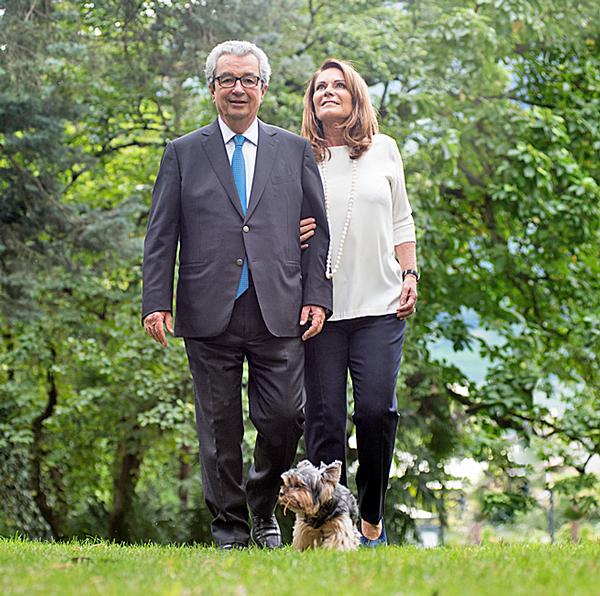
The group’s flagship property Palace Merano Espace Henri Chenot opened in Italy in 1980 and is known as a sanctuary for those who are serious about getting healthy. It’s based on founder Henri Chenot’s holistic approach to ageing which takes into account factors of lifestyle, genetics and the environment (see p53).
Over the years, the group has witnessed a modest rollout of Chenot Wellness Centres, seven in total, which have been introduced to partner hotels or as standalone spas in Europe (see p56).
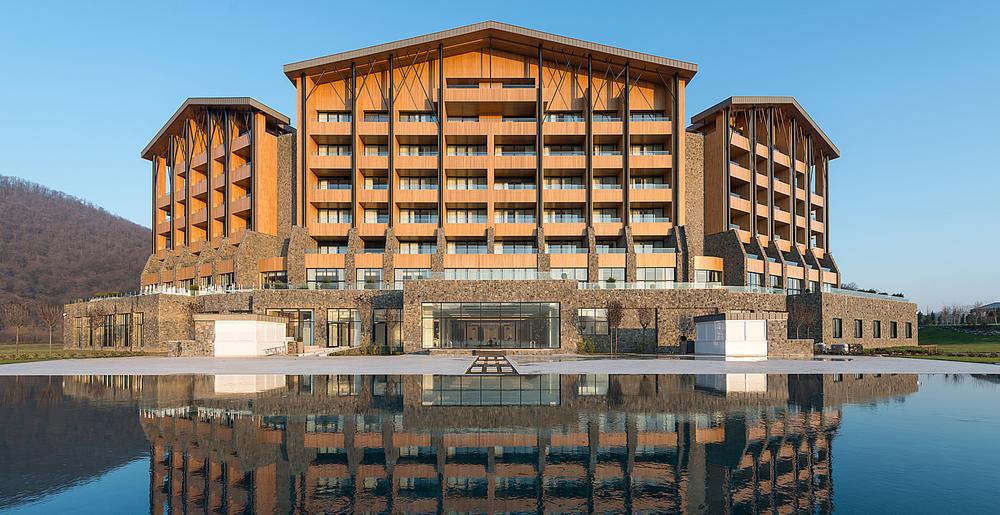
Fresh investment from Turkish conglomerate the Dogus Group in 2015, which has a 51 per cent stake in the business, has spurred on new growth. Chenot Palace Azerbaijan, marks the arrival of the group’s first true destination spa since the original property 38 years ago. Chenot Palace Weggis in Switzerland will be based on the same model when it opens next year and Chenot Palace Marbella in Spain is set to follow.
Spa Business talks to co-founder Dominique Chenot, wife of Henri, and chief operating officer George Gaitanos to find out what really sets the facilities apart from the numerous wellness destinations cropping up and what the rollout means to the business.
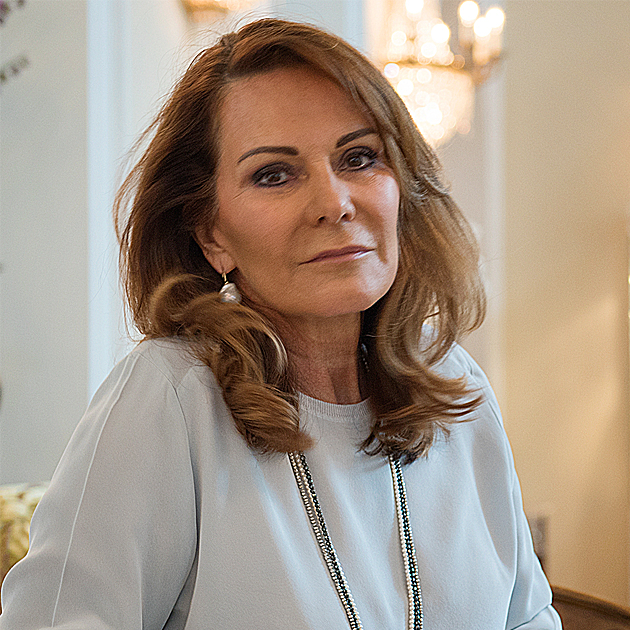
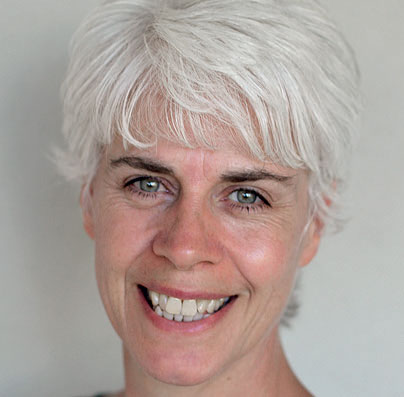
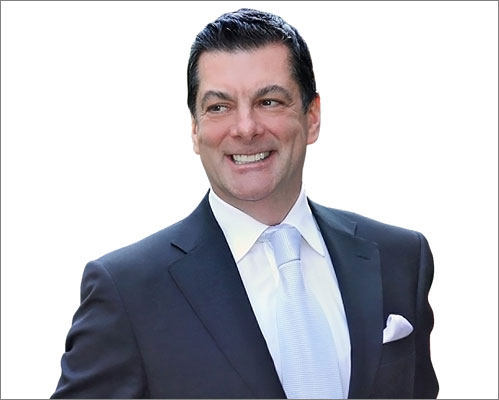
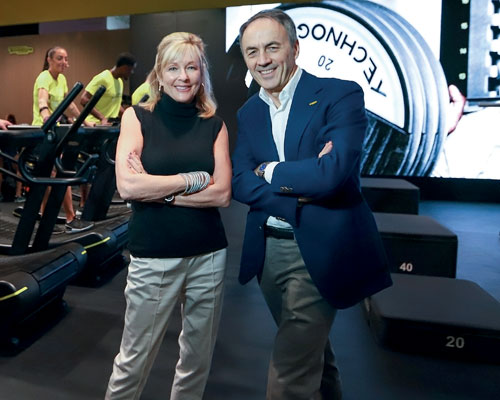
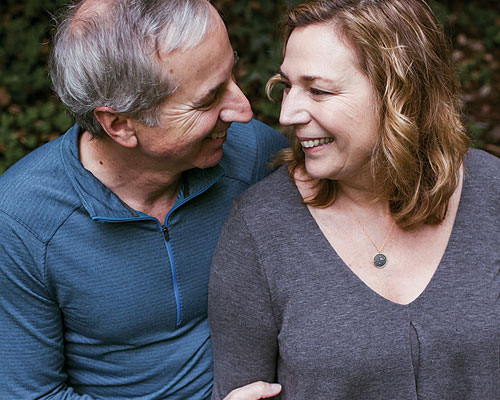
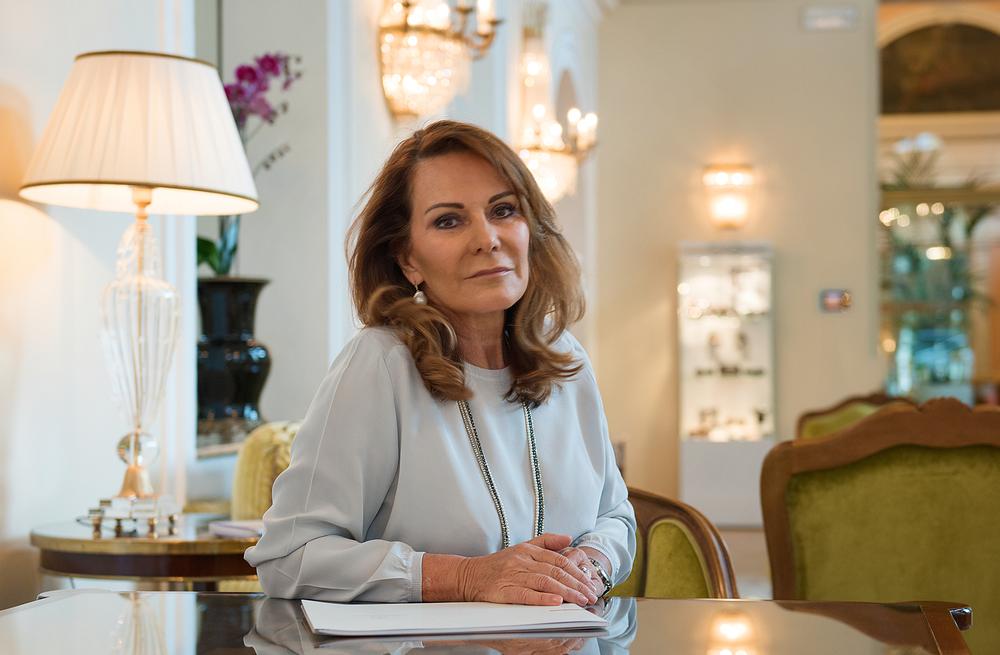
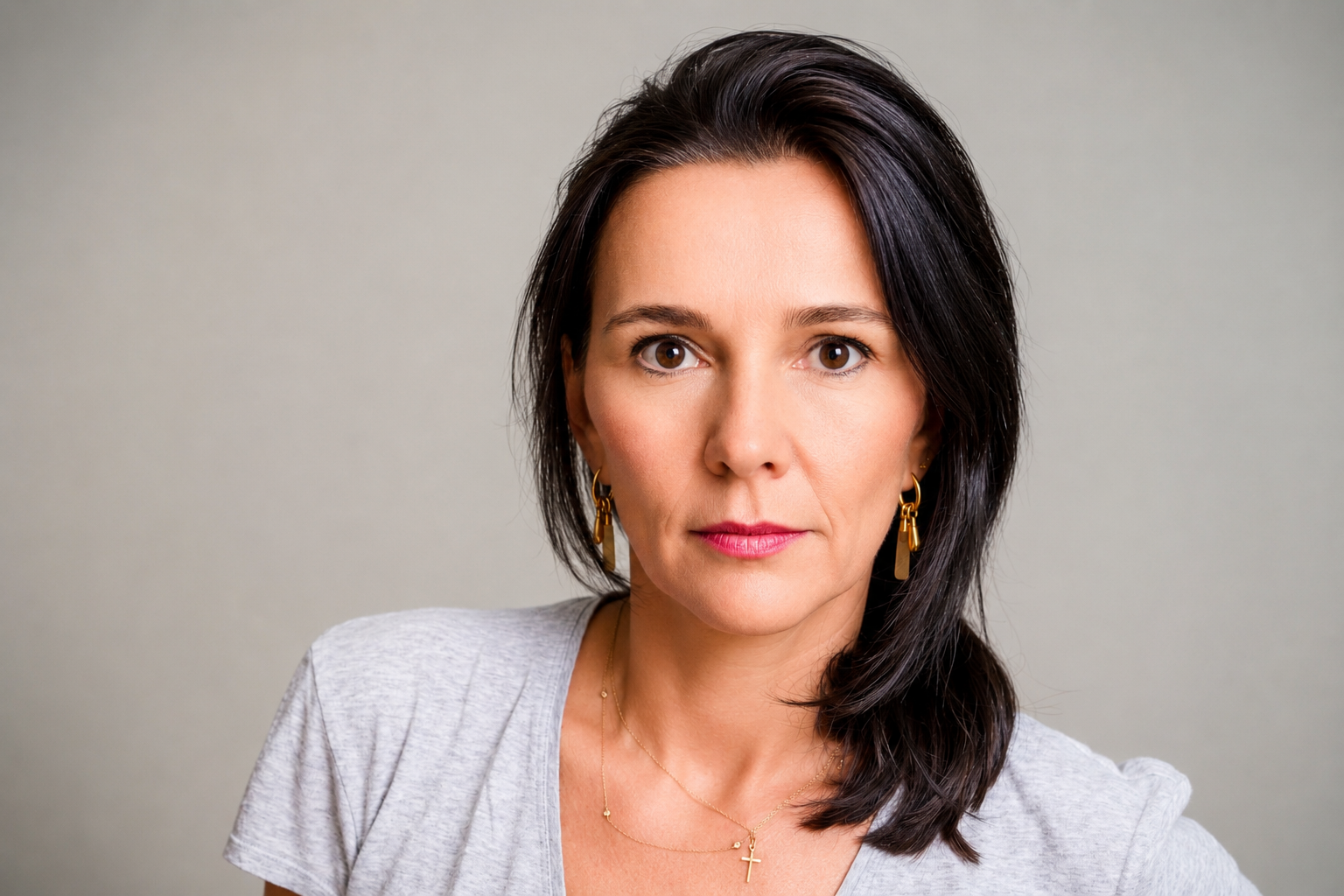
Pictured:Dominique Chenot
Dominique Chenot Head of Aesthetics and Dietetics, Chenot Group
What’s your background with the Chenot Group? My husband Henri and I are the founders and I’m actively involved in the operations. It all started 50 years ago and evolved around Henri’s vision and passion for disease prevention through detox treatments, adequate nutrition and correct lifestyle. His revolutionary approach attracted the interest of people and with the passing of time, the business increased and expanded.
What duties come with being the head of aesthetics? Based in Hotel Palace Merano, our flagship property, I’m a professional aesthetician and beautician. My role is to keep up to date with aesthetic innovations and trends with preventative actions in order to act as a dedicated reference point between therapists and clients when planning their treatments.
What is the aesthetics offering at Chenot? Aesthetics in the Chenot concept relates to beauty achieved through the harmony between mind and body. For example, our skin is the only organ where the ageing processes are directly visible. Over time, collagen and elastin are lost, the skin gets thinner, fine lines and wrinkles are formed as soft tissues begin to sag. We develop customised treatment plans to tackle and prevent these age-related changes to achieve a better and natural appearing aesthetic. Modalities we offer could include facials using our new, own-branded, cosmeceutical line and massages or the use of non-invasive medical technology.
Furthermore, aesthetic issues relating to body shaping, tightening and fat reduction are strongly linked with lifestyle behaviour. A carefully managed diet and activity programme still remain the most cost-effective treatment. However, there’s an increasing demand for alternative non-invasive procedures such as mesotherapy to reduce the appearance of cellulite or ultrasound and electrotherapy to help with firming.
What does your role as head of dietetics entail? I’m passionate about cooking and have a particular love for Mediterranean cuisine. I work closely with our corporate executive chef Emanuele Giorgione and our medical team to develop new menus and dishes. I like to introduce new ingredients, food groups and cooking methods to create detox recipes without compromising texture, flavour, taste and aroma. Food presentation is also of paramount importance, giving people the feeling that they’re not on a diet.
Where do you get your inspiration from? Emanuele collaborates with our small team of resident chefs to increase quality and to adapt our offering to local makers. This is how we discover new produce and techniques, as well as by listening to our guests who have typically travelled all over the world and have experienced a variety of tastes and ingredients.
How detailed is the Chenot diet? Our two types of diet – Detox and Biolight (see p53) – both have around 100 different dishes a week. We try to keep them as varied as possible and will change the menu seasonally, mostly in the spring and autumn.
That said, we do have several very popular dishes that have been on the menu for over 40 years such as the ‘millet cracker’ with baked vegetables; our marinated cabbage salad with apple and rocket pesto; and ‘fruit agar agar’, a dessert with mixed berries and honey.
What excites you most about the future of the Chenot Group? It has to be our expansion with our new properties in Lake Lucerne and Marbella. We look forward to making the Chenot family bigger.
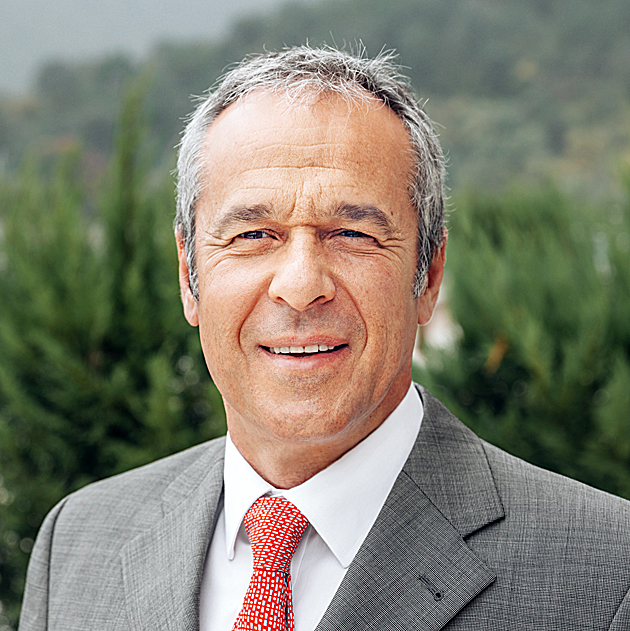
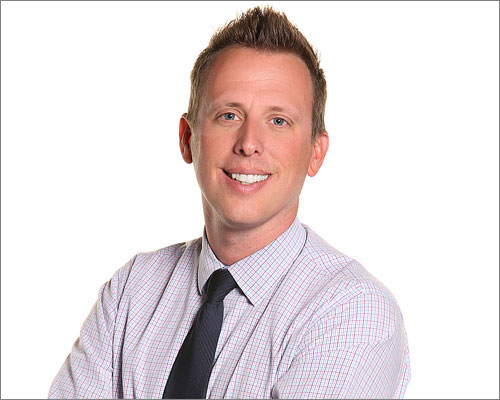
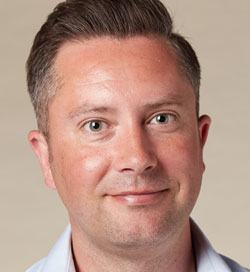
Pictured:George Gaitanos
George Gaitanos Chief Operating Officer and scientific director, Chenot Group
What’s your background? I joined the Chenot Group in 2013 with over 20 years’ experience in the fields of health promotion and disease prevention. My research on muscle metabolism and fatigue has been published in numerous medical journals and, academically, I’m an applied exercise physiologist, a certified clinical physiotherapist and a certified acupuncturist. I also have 14 years of experience in nutrition, exercise and rehabilitation in elite international sport.
What does your role entail? Overseeing the strategic development of the brand as we expand. This includes the operational success of all existing Chenot centres and the innovation of new diagnostics, treatments, programmes and guest experiences. I also lead an R&D team in developing our skincare products and food supplements.
What makes the Chenot Method stand out? It integrates and transmits energetic, physical and emotional signals to the body. This prompts the body to build up an internal medicine to trigger preventative, repairing and regenerative actions. The method is powerful, effective and personalised, enabling the body and the mind to reach their optimal level. As a result, our guests leave feeling genuinely healthy, physically clean and mentally alert.
What are the signature programmes? We offer four. They’re focused on detoxification, overall wellbeing, recovery from stress and fatigue and metabolic optimisation for overweight people. They include over 50 modalities such as spa treatments; detoxification techniques, including mud and hydroaromatherapy baths; the activation of the energy channels with bioelectrical equipment; the stimulation of physiological functions and the diet plan.
To achieve the best results there’s a one-week minimum stay in which guests usually spend four to six hours a day in the spa, plus an hour walking outside to refresh the body. To support this, we serve only specially-made detox foods and there are no snacks, alcohol, coffee or sugary beverages served anywhere. Instead there are specially prepared tisanes, green cocktails and alkaline water.
What scientific proof do you have that they work? Our medical professionals carry out diagnostic tests pre and post experience to measure a variety of physiological parameters. This enables us to personalise treatments and give guests appropriate advice on how to improve their lifestyle. It also provides us with clear evidence that our treatments have improved the clients’ wellness status. This is further supported by a high rate of returning clients.
What is the Chenot Method’s nutrition philosophy? With a general consumer movement towards wellness, a new interest has also emerged concerning the relationship between food, cooking methods and eating to optimise health and wellbeing.
The Chenot Diet plan is one of our most fundamental components and two different diets – Detox and Biolight – are offered. Both are based on fresh and organic foods with anti-inflammatory properties and negative potential renal acid load (PRAL). This protects cells and structural proteins from damage created by oxidative stress and the acid environment. Additionally, meals are designed to cut down the advanced glycation end products (AGEs) content by reducing exposure to sugars via cooking methods such as low temperatures, moist cooking and acidic marinades. AGEs are related to ageing and the development of many degenerative diseases from atherosclerosis to diabetes and dementia.
Applied under medical supervision, the Detox diet is based on a reduced calories plan to stimulate metabolic efficiency, promote repair mechanisms, trigger ‘anti-ageing genes’ and support detoxification.
Incorporating a wide range of foods, the Biolight diet is more of an everyday diet based on the appropriate macronutrients ratio for maximising the body’s functions and restoring hormonal balance. It’s ideal for those wishing to restore their energy levels and optimise their metabolism to achieve and maintain a healthy weight.
What’s the rationale behind the rollout of Chenot health wellness hotels? For more than 40 years, our product has been aimed at an exclusive, niche audience. However, there’s a growing focus towards health prevention. This, coupled with a more stressful working life, means there’s a rising demand for what we offer and it prompted us to expand our market and reach a wider number of clients.
What makes your new destination spas so special? While clients in our new health wellness hotels in Switzerland and Spain will have an experience they’re accustomed to in Chenot Palace Merano, they’ll also benefit from tailor-made hotels designed to accommodate all of the technological innovations our R&D team has brought on board over the years.
Adapting and shaping our offer around new markets, is going to be both a challenge and an opportunity for our group. Something which will only be exacerbated in the next few years when we embark on our second wave of expansion outside Europe.
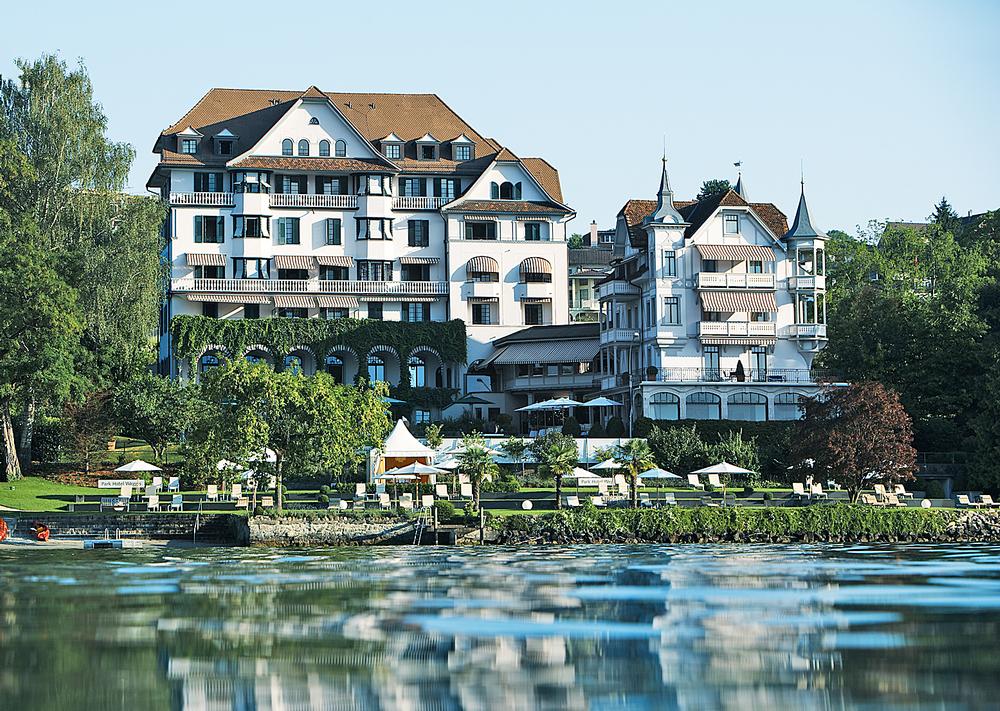
What can you tell us about the upcoming Chenot Palace Weggis in Switzerland? The Chenot Group bought Park Weggis hotel, on the shore of Lake Lucerne, last July and it’s now closed for refurbishment. We’ll base the model on our newest property in Gabala, Azerbaijan – a luxury health wellness hotel with a central and sizeable [6,000sq m] spa which has departments covering aesthetic and hydro treatments, traditional spa therapies, plus medical diagnostics and sports and fitness.
Chenot Palace Weggis is scheduled to reopen in October 2019 and is to become our leading medical research, innovation and training centre. It will include 97 bedrooms and a 5,000sq m (53,820sq ft) with 100 rooms across aesthetic, hydro and medical departments as well as a hydrothermal area with views over the lake. Other features include a gym, pool, yoga room, altitude room and cryotherapy facility. It will be designed by Lugano-based Davide Macullo Architects and owned and managed by ourselves.
And what about Chenot Palace Marbella in Spain? Chenot Palace Marbella, due to open in 2022, will also follow our health wellness hotel model. It’s in one of the most exciting tourist destinations in the Mediterranean with a wonderful year-round climate, fantastic accessibility and a wide range of entertainment activities. It’s a location very well-known to our existing clientele and at the same time is popular with visitors from the UK and Germany which are key market segments for us.
Why have you picked these locations for expansion? We’ve been very selective. On the one hand we took into consideration accessibility, the potential catchment area and proximity to our main source markets of the UK, Germany, Russia and the Middle East. On the other hand, we’ve identified locations of spectacular beauty that are geographically diverse – mountain versus sea for example – to offer a distinct and unique experience each time.
Any other developments in the pipeline? We intend to create day centres in urban areas for follow-up visits and lifestyle consultations. These will offer nutrition, exercise, sleep and meditation programmes.
What’s the company’s future vision? The main long-term objective, on which our management and shareholders are focused, is to create the world’s first chain of soft-medical, health wellness hotels represented globally.
More broadly, it’s to become the primary brand of reference in the wellness and preventative medicine sector internationally. The implementation of such a vision will require our team to move ahead, not only in the expansion of our portfolio, but in the strengthening of our cosmetics and food products.
Furthermore, I can foresee Chenot entering new market segments linked to our core business that could strengthen our position in the wellness and preventative healthcare arena.
Read more from this issue of Spa Business magazine
People profile: Garrett Mersberger
Garrett Mersberger on the overhaul of Kohler Waters’ flagship spa in Europe, plus his vision for ISPA following his appointment as chair of the association
Spa programmes: On the menu
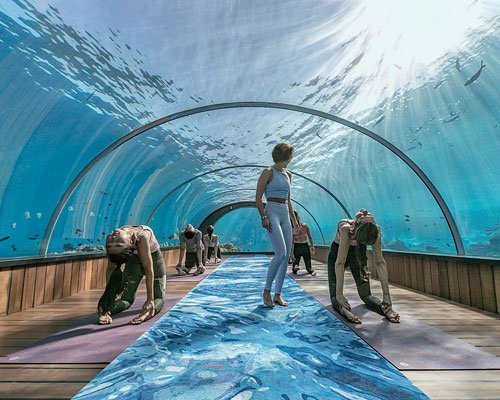
Underwater yoga, healing breathwork and genetics all feature in Spa Business’ brand new series revealing the latest treatments, programmes and retreats in spas
Promotional feature: Zimmer MedizinSysteme
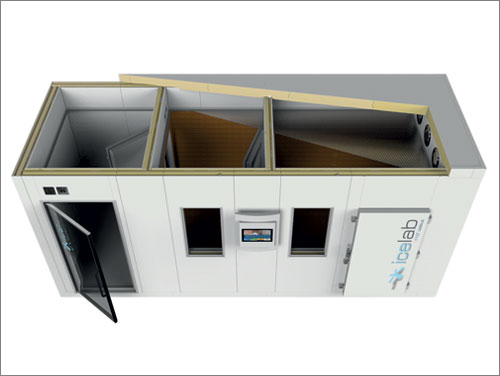
Cold therapy is suddenly all the rage, but Zimmer MedizinSysteme’s icelab takes it a step further, creating a cold sauna for the whole body. Rainer Bolsinger explains more about this cutting-edge therapy
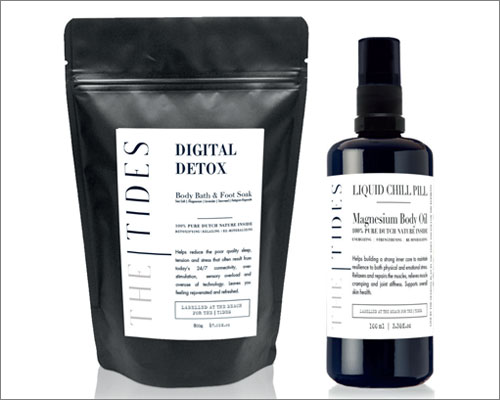
Promotional feature: The Tides: pure Dutch nature inside
Modern living might be tough on our minds and bodies, but newly-launched Dutch wellness and self-care brand The Tides offers just the antidote with a new class of pure, raw products and treatments
The Chenot Method Born in 1943 of Catalan origin, but French by adoption, Henri Chenot studied biology, natural medicine and psychology, as well as Chinese medicine for more than 10 years. He has over 45 years’ experience in preventative and regenerative treatments and he created the term biontology to study the essence (ontology) of life (bios, in Greek) and his belief that an holistic approach is necessary to achieve optimum health. He’s written numerous books on the subject and has set up both an academy and research laboratory dedicated to it.
Biontology provides the theoretical and scientific framework for the Chenot Method, a unique amalgamation of treatments and nutritional advice delivered in the Chenot Group’s facilities that aim to protect the body from damage, the build up of toxins and premature ageing.
The method combines the principles of Chinese healing (bioenergetics and energy flow) with advanced western medicine. Following an initial diagnostic process, tailored protocols are use to detoxify and reactivate energy channels and organic functions through a three-stage process of elimination of toxins, assimilation of nutrients and regeneration of tissues. The intention is to relax, reset and refresh the body and mind.
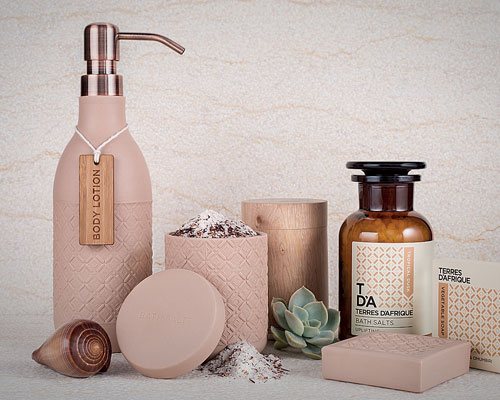
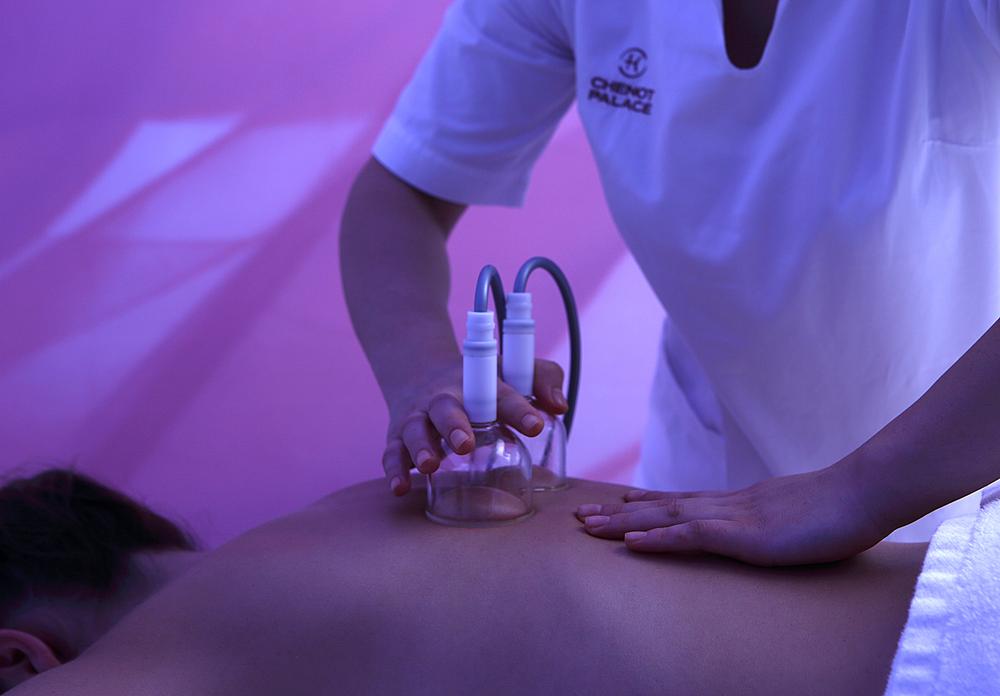
Treatments and protocols can vary – those in hotel spas may not be as in-depth as those in wellness destinations – but include therapies such as cupping, lymphatic drainage, hydroaromatherapy baths (typically installed by Unbescheiden), mud therapy, cryotherapy (Zimmer MedizinSysteme is a favoured supplier) and a diet plan. Aesthetic and beauty services are also offered and the Chenot Group has its own cosmetics product line. It also has a range of herbal teas and food supplements.
Henri Chenot has over 45 years’ experience in preventative and regenerative treatments
The Chenot portfolio The Chenot Group currently operates seven facilities, what it refers to as Chenot Wellness Centres, across Europe. They are overseen by a team of doctors and therapists and are divided into the following categories: Chenot Palace Health Wellness Hotels, what the industry might classify as true destination spas, are luxury environments with a wellness spa and medical clinic which are dedicated to delivering the Chenot Method in its entirety. Destinations include: • Palace Merano Espace Henri Chenot (Merano, Italy) • Chenot Palace Health Wellness Hotel Gabala (Azerbaijan)
The Espace Vitalité Chenot Wellness Spas are located in high-end hotels and resorts and offer customised long to short-term vitality, beauty, rejuvenation and fitness programmes. Spas include: • Barvikha Hotel & Spa (Moscow, Russia) • Elounda Beach Hotel & Villas (Crete, Greece) • Grand Resort Lagonissi (Athens, Greece)
The Espace Chenot facilities are sub-divided into Health Wellness Spas and Health Wellness Centres.
Espace Chenot Health Wellness Spas are cure-based centres in luxury hotels and resorts where guests can experience Chenot’s signature cures. This includes: • Espace Chenot at L’Albereta Relais & Chateau (Erbusco, Italy)
Espace Chenot Health Wellness Centres are urban-based medical day spas specialising in anti-ageing and prevention treatments and check-ups and consultations. The Chenot Group has highlighted its intention to expand this particular part of the business, but to date there’s only one such facility: • Espace Privé (Istanbul, Turkey)
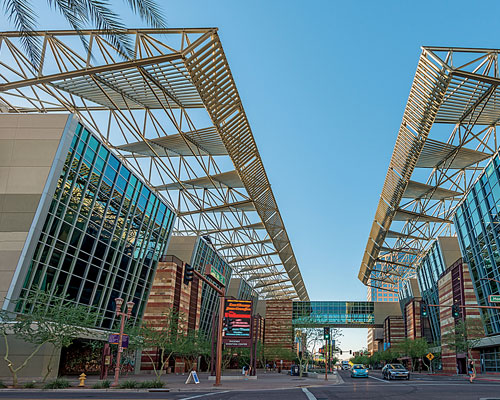
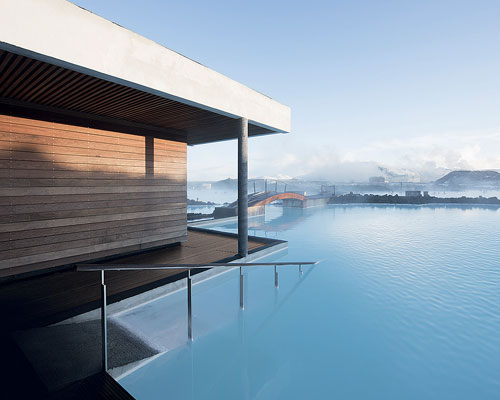
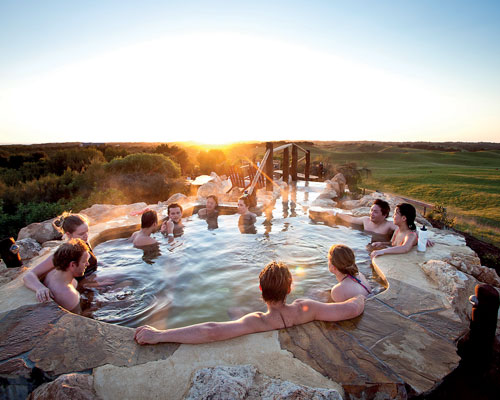
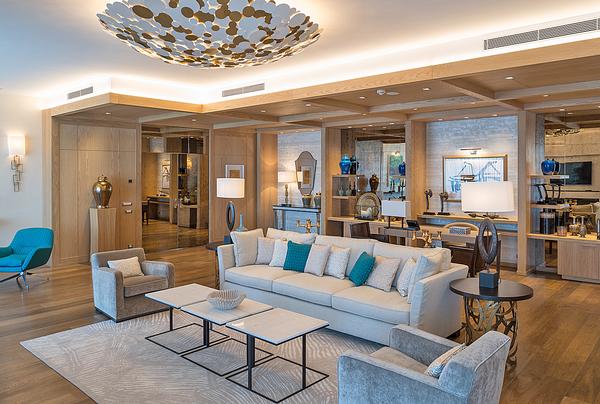
The new Chenot Palace Gabala, Azerbaijan is one of seven Chenot facilities in Europe
Chenot Palace Azerbaijan is the group’s first true destination spa in 38 years
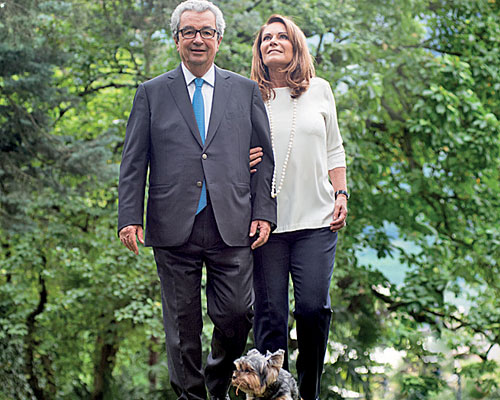
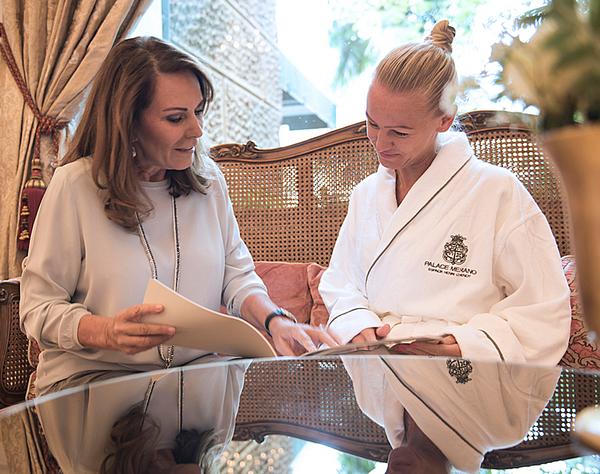
Co-founder Dominique, Henri’s wife, is a professional aesthetician and has a passion for cooking
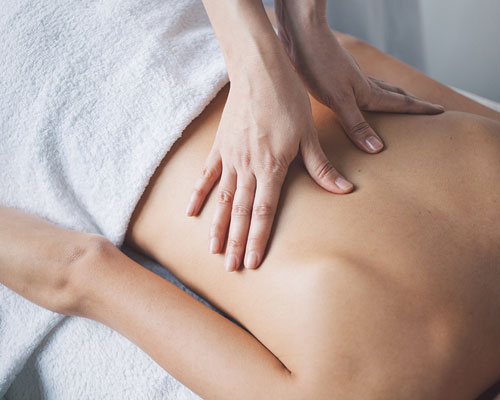
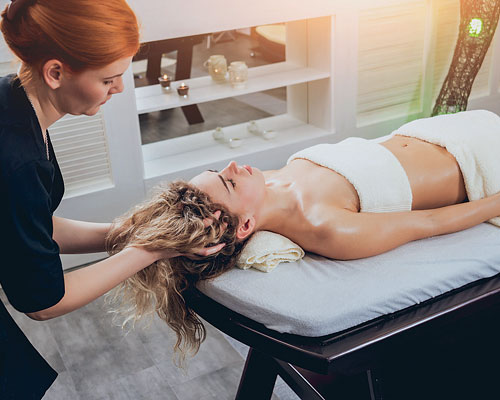
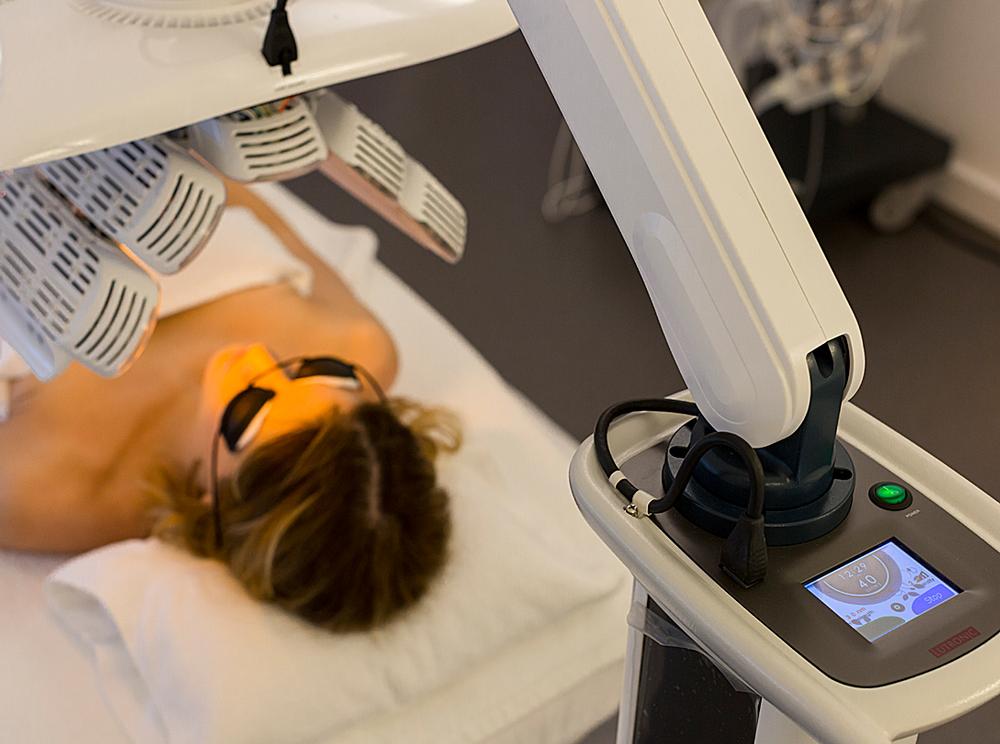
While Chenot favours a natural approach to ageing, there’s a growing demand for non-invasive procedures
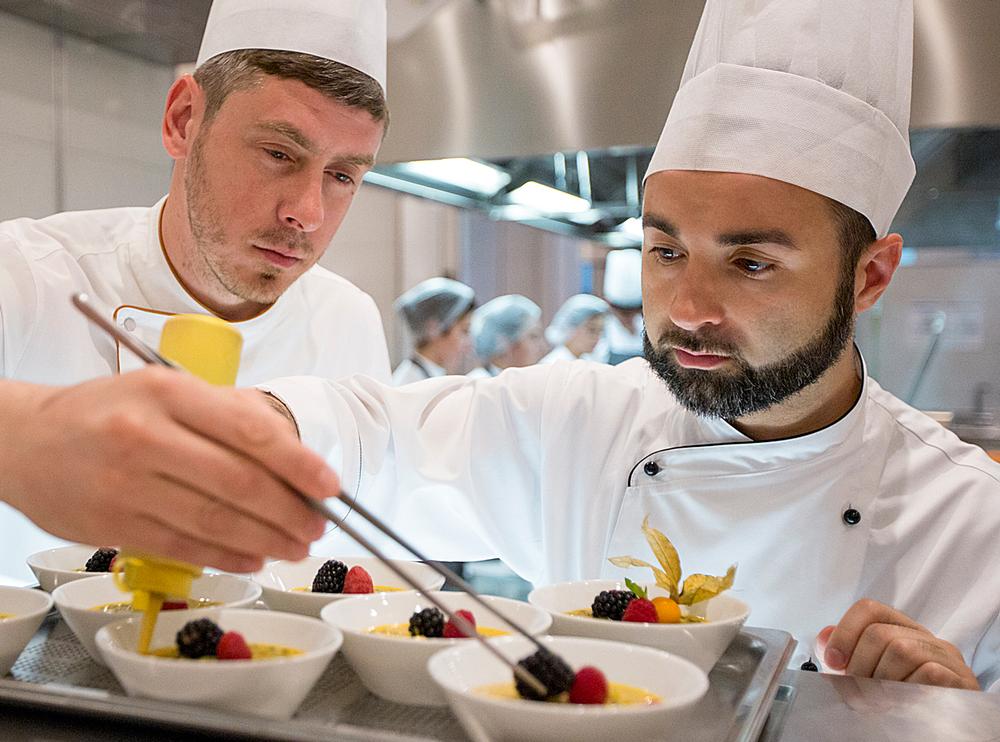
Dominique works closely with Chenot chefs to develop menus – there are up to 100 different dishes a week
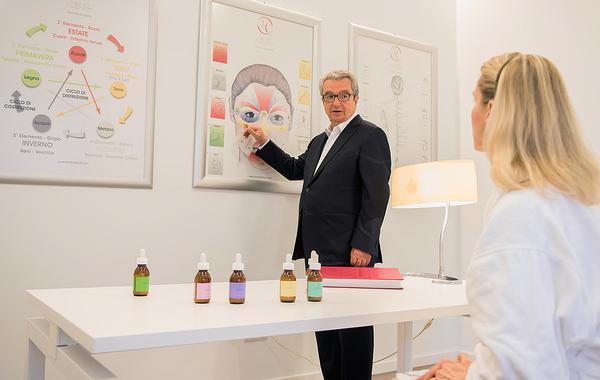
Up to 50 modalities are on offer, including cupping and others based on Chinese healing methods
Chenot Palace Weggis is to reopen in 2019 and will become the group’s medical research and training centre
Growing consumer demand for wellbeing has prompted Chenot’s expansion
Contrast therapy, based on the alternation of hot and cold rituals, has become one of the
most valued practices in the fields of wellness and recovery. [more...]
+ More featured suppliers
COMPANY PROFILES
ESPA
Founded in 1992 by Susan Harmsworth, ESPA combines the conceptualisation, development and management [more...]
Anne Semonin Paris
Founded in Paris in 1985, Anne Semonin pioneered the art of made-to-measure skincare and wellbeing. [more...]
The Chenot Group has opened its first wellness destination in nearly four decades and has two more in the pipeline. Katie Barnes talks to both the co-founder and COO of the acclaimed brand to reveal more about the rollout
By Katie Barnes | Published in Spa Business 2018 issue 2
Momentum is gathering behind the growth of preventative health and wellness operator, the Chenot Group. Hot on the heels of a major launch in Azerbaijan a year ago, it’s just announced plans to open two new locations in Switzerland (2019) and Spain (2022).
The group’s flagship property Palace Merano Espace Henri Chenot opened in Italy in 1980 and is known as a sanctuary for those who are serious about getting healthy. It’s based on founder Henri Chenot’s holistic approach to ageing which takes into account factors of lifestyle, genetics and the environment (see p53).
Over the years, the group has witnessed a modest rollout of Chenot Wellness Centres, seven in total, which have been introduced to partner hotels or as standalone spas in Europe (see p56).
Fresh investment from Turkish conglomerate the Dogus Group in 2015, which has a 51 per cent stake in the business, has spurred on new growth. Chenot Palace Azerbaijan, marks the arrival of the group’s first true destination spa since the original property 38 years ago. Chenot Palace Weggis in Switzerland will be based on the same model when it opens next year and Chenot Palace Marbella in Spain is set to follow.
Spa Business talks to co-founder Dominique Chenot, wife of Henri, and chief operating officer George Gaitanos to find out what really sets the facilities apart from the numerous wellness destinations cropping up and what the rollout means to the business.
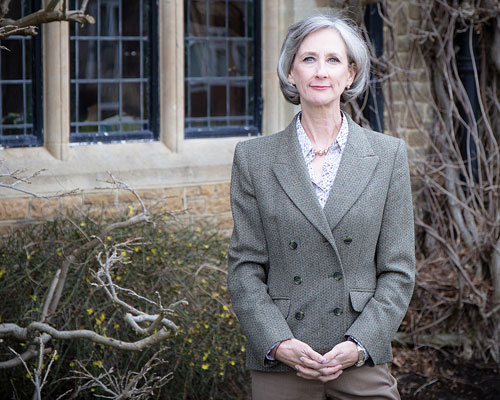
Pictured:Dominique Chenot
Dominique Chenot Head of Aesthetics and Dietetics, Chenot Group
What’s your background with the Chenot Group? My husband Henri and I are the founders and I’m actively involved in the operations. It all started 50 years ago and evolved around Henri’s vision and passion for disease prevention through detox treatments, adequate nutrition and correct lifestyle. His revolutionary approach attracted the interest of people and with the passing of time, the business increased and expanded.
What duties come with being the head of aesthetics? Based in Hotel Palace Merano, our flagship property, I’m a professional aesthetician and beautician. My role is to keep up to date with aesthetic innovations and trends with preventative actions in order to act as a dedicated reference point between therapists and clients when planning their treatments.
What is the aesthetics offering at Chenot? Aesthetics in the Chenot concept relates to beauty achieved through the harmony between mind and body. For example, our skin is the only organ where the ageing processes are directly visible. Over time, collagen and elastin are lost, the skin gets thinner, fine lines and wrinkles are formed as soft tissues begin to sag. We develop customised treatment plans to tackle and prevent these age-related changes to achieve a better and natural appearing aesthetic. Modalities we offer could include facials using our new, own-branded, cosmeceutical line and massages or the use of non-invasive medical technology.
Furthermore, aesthetic issues relating to body shaping, tightening and fat reduction are strongly linked with lifestyle behaviour. A carefully managed diet and activity programme still remain the most cost-effective treatment. However, there’s an increasing demand for alternative non-invasive procedures such as mesotherapy to reduce the appearance of cellulite or ultrasound and electrotherapy to help with firming.
What does your role as head of dietetics entail? I’m passionate about cooking and have a particular love for Mediterranean cuisine. I work closely with our corporate executive chef Emanuele Giorgione and our medical team to develop new menus and dishes. I like to introduce new ingredients, food groups and cooking methods to create detox recipes without compromising texture, flavour, taste and aroma. Food presentation is also of paramount importance, giving people the feeling that they’re not on a diet.
Where do you get your inspiration from? Emanuele collaborates with our small team of resident chefs to increase quality and to adapt our offering to local makers. This is how we discover new produce and techniques, as well as by listening to our guests who have typically travelled all over the world and have experienced a variety of tastes and ingredients.
How detailed is the Chenot diet? Our two types of diet – Detox and Biolight (see p53) – both have around 100 different dishes a week. We try to keep them as varied as possible and will change the menu seasonally, mostly in the spring and autumn.
That said, we do have several very popular dishes that have been on the menu for over 40 years such as the ‘millet cracker’ with baked vegetables; our marinated cabbage salad with apple and rocket pesto; and ‘fruit agar agar’, a dessert with mixed berries and honey.
What excites you most about the future of the Chenot Group? It has to be our expansion with our new properties in Lake Lucerne and Marbella. We look forward to making the Chenot family bigger.
Pictured:George Gaitanos
George Gaitanos Chief Operating Officer and scientific director, Chenot Group
What’s your background? I joined the Chenot Group in 2013 with over 20 years’ experience in the fields of health promotion and disease prevention. My research on muscle metabolism and fatigue has been published in numerous medical journals and, academically, I’m an applied exercise physiologist, a certified clinical physiotherapist and a certified acupuncturist. I also have 14 years of experience in nutrition, exercise and rehabilitation in elite international sport.
What does your role entail? Overseeing the strategic development of the brand as we expand. This includes the operational success of all existing Chenot centres and the innovation of new diagnostics, treatments, programmes and guest experiences. I also lead an R&D team in developing our skincare products and food supplements.
What makes the Chenot Method stand out? It integrates and transmits energetic, physical and emotional signals to the body. This prompts the body to build up an internal medicine to trigger preventative, repairing and regenerative actions. The method is powerful, effective and personalised, enabling the body and the mind to reach their optimal level. As a result, our guests leave feeling genuinely healthy, physically clean and mentally alert.
What are the signature programmes? We offer four. They’re focused on detoxification, overall wellbeing, recovery from stress and fatigue and metabolic optimisation for overweight people. They include over 50 modalities such as spa treatments; detoxification techniques, including mud and hydroaromatherapy baths; the activation of the energy channels with bioelectrical equipment; the stimulation of physiological functions and the diet plan.
To achieve the best results there’s a one-week minimum stay in which guests usually spend four to six hours a day in the spa, plus an hour walking outside to refresh the body. To support this, we serve only specially-made detox foods and there are no snacks, alcohol, coffee or sugary beverages served anywhere. Instead there are specially prepared tisanes, green cocktails and alkaline water.
What scientific proof do you have that they work? Our medical professionals carry out diagnostic tests pre and post experience to measure a variety of physiological parameters. This enables us to personalise treatments and give guests appropriate advice on how to improve their lifestyle. It also provides us with clear evidence that our treatments have improved the clients’ wellness status. This is further supported by a high rate of returning clients.
What is the Chenot Method’s nutrition philosophy? With a general consumer movement towards wellness, a new interest has also emerged concerning the relationship between food, cooking methods and eating to optimise health and wellbeing.
The Chenot Diet plan is one of our most fundamental components and two different diets – Detox and Biolight – are offered. Both are based on fresh and organic foods with anti-inflammatory properties and negative potential renal acid load (PRAL). This protects cells and structural proteins from damage created by oxidative stress and the acid environment. Additionally, meals are designed to cut down the advanced glycation end products (AGEs) content by reducing exposure to sugars via cooking methods such as low temperatures, moist cooking and acidic marinades. AGEs are related to ageing and the development of many degenerative diseases from atherosclerosis to diabetes and dementia.
Applied under medical supervision, the Detox diet is based on a reduced calories plan to stimulate metabolic efficiency, promote repair mechanisms, trigger ‘anti-ageing genes’ and support detoxification.
Incorporating a wide range of foods, the Biolight diet is more of an everyday diet based on the appropriate macronutrients ratio for maximising the body’s functions and restoring hormonal balance. It’s ideal for those wishing to restore their energy levels and optimise their metabolism to achieve and maintain a healthy weight.
What’s the rationale behind the rollout of Chenot health wellness hotels? For more than 40 years, our product has been aimed at an exclusive, niche audience. However, there’s a growing focus towards health prevention. This, coupled with a more stressful working life, means there’s a rising demand for what we offer and it prompted us to expand our market and reach a wider number of clients.
What makes your new destination spas so special? While clients in our new health wellness hotels in Switzerland and Spain will have an experience they’re accustomed to in Chenot Palace Merano, they’ll also benefit from tailor-made hotels designed to accommodate all of the technological innovations our R&D team has brought on board over the years.
Adapting and shaping our offer around new markets, is going to be both a challenge and an opportunity for our group. Something which will only be exacerbated in the next few years when we embark on our second wave of expansion outside Europe.
What can you tell us about the upcoming Chenot Palace Weggis in Switzerland? The Chenot Group bought Park Weggis hotel, on the shore of Lake Lucerne, last July and it’s now closed for refurbishment. We’ll base the model on our newest property in Gabala, Azerbaijan – a luxury health wellness hotel with a central and sizeable [6,000sq m] spa which has departments covering aesthetic and hydro treatments, traditional spa therapies, plus medical diagnostics and sports and fitness.
Chenot Palace Weggis is scheduled to reopen in October 2019 and is to become our leading medical research, innovation and training centre. It will include 97 bedrooms and a 5,000sq m (53,820sq ft) with 100 rooms across aesthetic, hydro and medical departments as well as a hydrothermal area with views over the lake. Other features include a gym, pool, yoga room, altitude room and cryotherapy facility. It will be designed by Lugano-based Davide Macullo Architects and owned and managed by ourselves.
And what about Chenot Palace Marbella in Spain? Chenot Palace Marbella, due to open in 2022, will also follow our health wellness hotel model. It’s in one of the most exciting tourist destinations in the Mediterranean with a wonderful year-round climate, fantastic accessibility and a wide range of entertainment activities. It’s a location very well-known to our existing clientele and at the same time is popular with visitors from the UK and Germany which are key market segments for us.
Why have you picked these locations for expansion? We’ve been very selective. On the one hand we took into consideration accessibility, the potential catchment area and proximity to our main source markets of the UK, Germany, Russia and the Middle East. On the other hand, we’ve identified locations of spectacular beauty that are geographically diverse – mountain versus sea for example – to offer a distinct and unique experience each time.
Any other developments in the pipeline? We intend to create day centres in urban areas for follow-up visits and lifestyle consultations. These will offer nutrition, exercise, sleep and meditation programmes.
What’s the company’s future vision? The main long-term objective, on which our management and shareholders are focused, is to create the world’s first chain of soft-medical, health wellness hotels represented globally.
More broadly, it’s to become the primary brand of reference in the wellness and preventative medicine sector internationally. The implementation of such a vision will require our team to move ahead, not only in the expansion of our portfolio, but in the strengthening of our cosmetics and food products.
Furthermore, I can foresee Chenot entering new market segments linked to our core business that could strengthen our position in the wellness and preventative healthcare arena.
Read more from this issue of Spa Business magazine
People profile: Garrett Mersberger
Garrett Mersberger on the overhaul of Kohler Waters’ flagship spa in Europe, plus his vision for ISPA following his appointment as chair of the association
Spa programmes: On the menu
Underwater yoga, healing breathwork and genetics all feature in Spa Business’ brand new series revealing the latest treatments, programmes and retreats in spas
Promotional feature: Zimmer MedizinSysteme
Cold therapy is suddenly all the rage, but Zimmer MedizinSysteme’s icelab takes it a step further, creating a cold sauna for the whole body. Rainer Bolsinger explains more about this cutting-edge therapy
Promotional feature: The Tides: pure Dutch nature inside
Modern living might be tough on our minds and bodies, but newly-launched Dutch wellness and self-care brand The Tides offers just the antidote with a new class of pure, raw products and treatments
The Chenot Method Born in 1943 of Catalan origin, but French by adoption, Henri Chenot studied biology, natural medicine and psychology, as well as Chinese medicine for more than 10 years. He has over 45 years’ experience in preventative and regenerative treatments and he created the term biontology to study the essence (ontology) of life (bios, in Greek) and his belief that an holistic approach is necessary to achieve optimum health. He’s written numerous books on the subject and has set up both an academy and research laboratory dedicated to it.
Biontology provides the theoretical and scientific framework for the Chenot Method, a unique amalgamation of treatments and nutritional advice delivered in the Chenot Group’s facilities that aim to protect the body from damage, the build up of toxins and premature ageing.
The method combines the principles of Chinese healing (bioenergetics and energy flow) with advanced western medicine. Following an initial diagnostic process, tailored protocols are use to detoxify and reactivate energy channels and organic functions through a three-stage process of elimination of toxins, assimilation of nutrients and regeneration of tissues. The intention is to relax, reset and refresh the body and mind.
Treatments and protocols can vary – those in hotel spas may not be as in-depth as those in wellness destinations – but include therapies such as cupping, lymphatic drainage, hydroaromatherapy baths (typically installed by Unbescheiden), mud therapy, cryotherapy (Zimmer MedizinSysteme is a favoured supplier) and a diet plan. Aesthetic and beauty services are also offered and the Chenot Group has its own cosmetics product line. It also has a range of herbal teas and food supplements.
Henri Chenot has over 45 years’ experience in preventative and regenerative treatments
The Chenot portfolio The Chenot Group currently operates seven facilities, what it refers to as Chenot Wellness Centres, across Europe. They are overseen by a team of doctors and therapists and are divided into the following categories: Chenot Palace Health Wellness Hotels, what the industry might classify as true destination spas, are luxury environments with a wellness spa and medical clinic which are dedicated to delivering the Chenot Method in its entirety. Destinations include: • Palace Merano Espace Henri Chenot (Merano, Italy) • Chenot Palace Health Wellness Hotel Gabala (Azerbaijan)
The Espace Vitalité Chenot Wellness Spas are located in high-end hotels and resorts and offer customised long to short-term vitality, beauty, rejuvenation and fitness programmes. Spas include: • Barvikha Hotel & Spa (Moscow, Russia) • Elounda Beach Hotel & Villas (Crete, Greece) • Grand Resort Lagonissi (Athens, Greece)
The Espace Chenot facilities are sub-divided into Health Wellness Spas and Health Wellness Centres.
Espace Chenot Health Wellness Spas are cure-based centres in luxury hotels and resorts where guests can experience Chenot’s signature cures. This includes: • Espace Chenot at L’Albereta Relais & Chateau (Erbusco, Italy)
Espace Chenot Health Wellness Centres are urban-based medical day spas specialising in anti-ageing and prevention treatments and check-ups and consultations. The Chenot Group has highlighted its intention to expand this particular part of the business, but to date there’s only one such facility: • Espace Privé (Istanbul, Turkey)
The new Chenot Palace Gabala, Azerbaijan is one of seven Chenot facilities in Europe
Chenot Palace Azerbaijan is the group’s first true destination spa in 38 years
Co-founder Dominique, Henri’s wife, is a professional aesthetician and has a passion for cooking
While Chenot favours a natural approach to ageing, there’s a growing demand for non-invasive procedures
Dominique works closely with Chenot chefs to develop menus – there are up to 100 different dishes a week
Up to 50 modalities are on offer, including cupping and others based on Chinese healing methods
Chenot Palace Weggis is to reopen in 2019 and will become the group’s medical research and training centre
Growing consumer demand for wellbeing has prompted Chenot’s expansion
Synergy – The Retreat Show, the global trade show for retreats, has launched a global research
initiative that will provide insights into the retreat sector from both consumer and industry
perspectives.
The Wellness Tourism Association (WTA) has published a non-regulatory global industry
framework designed to ensure the retreat market offers responsible experiences.
A new survey of UK and international spa practitioners shows that stress, burnout and
wellbeing concerns have caused one in three respondents to consider leaving the industry.
The UK's four Chief Medical Officers have published a refreshed edition of Physical activity
guidelines: UK Chief Medical Officers' report, updating the evidence that underpins the nation's
physical activity recommendations and placing greater emphasis on strength, balance, reducing
sedentary behaviour and, for the first time, supporting people taking weight loss medications.
Anna Bjurstam has left her role as Wellness Pioneer at Six Senses Hotels and Resorts and
launched a new wellness, longevity and “consciousness consultancy” called Wahayla.
Fairmont Cheshire, The Mere, has opened today (10 July) in the Northwest of England
with a
1,715sq m Fairmont Spa that has been designed using a ‘Wellness without Walls’
concept.
Wellness hotels generating less than US$1 million (€932,700, £785,200) – or 10 per cent of
total revenue from wellness and leisure – recorded the strongest RevPAR and TRevPAR growth
in 2025 across categories when compared with 2024, according to the latest Wellness Real
Estate Report by RLA Global, produced in partnership with P and L benchmarking firm HotStats.
Lefay Resorts, the portfolio of two luxury wellness properties in Italy, has added emotional
dance classes and group cold plunge sessions in response to market demand for social
connection.
Contrast therapy, based on the alternation of hot and cold rituals, has become one of the
most valued practices in the fields of wellness and recovery. [more...]
+ More featured suppliers
COMPANY PROFILES
ESPA Founded in 1992 by Susan Harmsworth, ESPA combines the conceptualisation, development and management [more...]