Yes! Send me the FREE digital editions of Spa Business and Spa Business insider magazines and the FREE weekly Spa Business and Spa Business insider ezines and breaking news alerts!
Birdsong, trees, sky – a new study suggests exposure to nature is important for those at risk of poor mental health. Jane Kitchen outlines the findings
By Jane Kitchen | Published in Spa Business 2018 issue 2
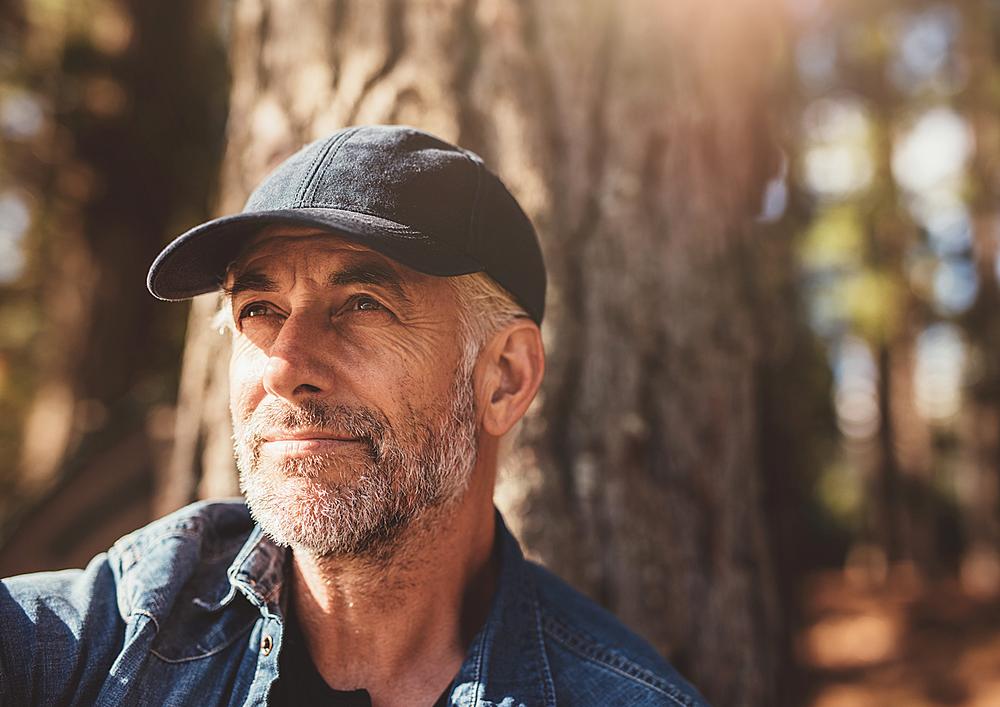
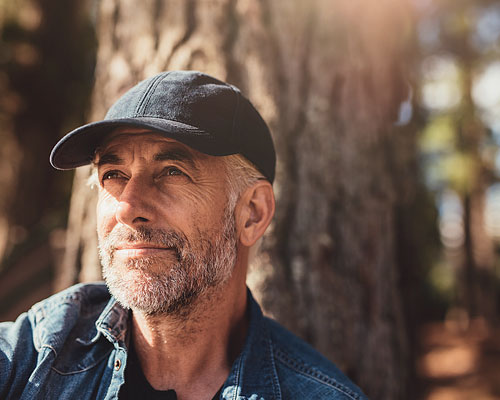
The benefits of going outdoors were felt for several hours / Jacob Lund/shutterstock
Mental health is a buzzword in the global spa industry and those serious about treating it might consider maximising outdoor therapies and spaces if new research is to be taken into account.
Researchers at King’s College London have used smartphone-based technology to assess the relationship between nature in cities and mental wellbeing in real time.
Not surprisingly, they found that being outdoors, seeing trees, hearing birdsong, seeing the sky and feeling in contact with nature were associated with higher levels of mental wellbeing. But they also found the benefits were especially evident in those with higher levels of impulsivity, who are at greater risk of mental health issues.
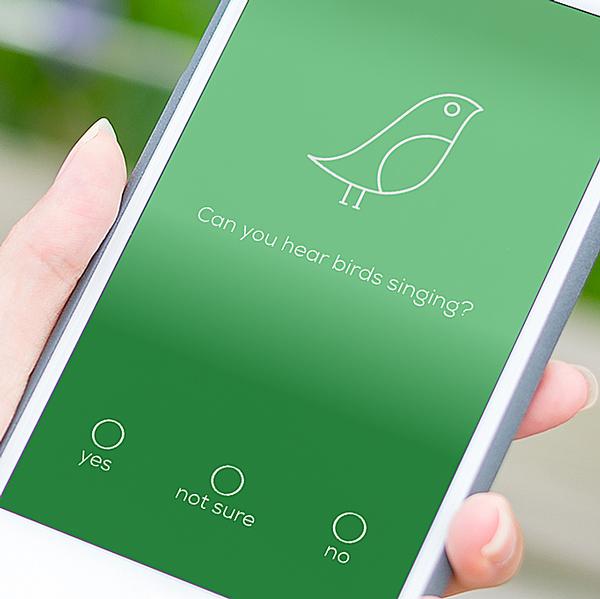
Measurable impact The researchers developed a smartphone app, Urban Mind, which monitored 108 people who completed 3,013 assessments over a week. Participants answered questions about their environment and momentary mental wellbeing. GPS-based geotagging pinpointed their location.
The results showed significant immediate associations with mental wellbeing for several natural features: trees, the sky and birdsong. Significantly, the improvement was still evident several hours later. “These findings suggest that short-term exposure to nature has a measurable beneficial impact on mental wellbeing,” says King’s College psychologist Andrea Mechelli.
Helps with poor mental health The investigators were also interested in whether there was a benefit to those at risk of mental health problems. To assess this, participants were rated on ‘trait impulsivity’ – a psychological measure used to predict those with a higher risk of developing ADHD, antisocial personality, bipolar and addictive disorders.
This revealed that the beneficial impact of nature on mental wellbeing was greater in people with higher levels of trait impulsivity and a higher risk of developing mental health issues. Mechelli says this “suggests that nature could be especially beneficial to those individuals who are at risk of poor mental health.
“From a clinical perspective, we hope this line of research will lead to the development of low-cost scalable interventions aimed at promoting mental health in urban populations.”
J & L Gibbons, landscape architects who were involved in the research, are hopeful that the results will “inform future investments and policies, helping build healthier cities”.
Read more from this issue of Spa Business magazine
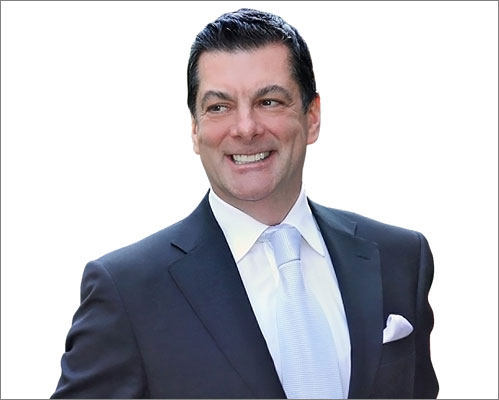
People profile: Garrett Mersberger
Garrett Mersberger on the overhaul of Kohler Waters’ flagship spa in Europe, plus his vision for ISPA following his appointment as chair of the association
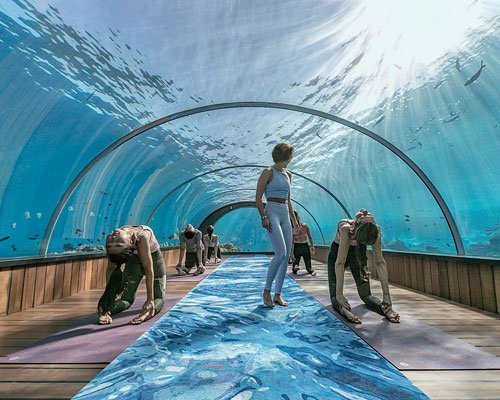
Spa programmes: On the menu
Underwater yoga, healing breathwork and genetics all feature in Spa Business’ brand new series revealing the latest treatments, programmes and retreats in spas
Promotional feature: Zimmer MedizinSysteme
Cold therapy is suddenly all the rage, but Zimmer MedizinSysteme’s icelab takes it a step further, creating a cold sauna for the whole body. Rainer Bolsinger explains more about this cutting-edge therapy
Promotional feature: The Tides: pure Dutch nature inside
Modern living might be tough on our minds and bodies, but newly-launched Dutch wellness and self-care brand The Tides offers just the antidote with a new class of pure, raw products and treatments
Contrast therapy, based on the alternation of hot and cold rituals, has become one of the
most valued practices in the fields of wellness and recovery. [more...]
+ More featured suppliers
COMPANY PROFILES
Elemis
Since 1989, Elemis has been
delivering hands-on spa treatments and
award-winning skincare to partn [more...]
Cariitti Oy
Cariitti is a Finnish family business founded by Kari Ruokonen in 1998 that offers versatile lightin [more...]
Birdsong, trees, sky – a new study suggests exposure to nature is important for those at risk of poor mental health. Jane Kitchen outlines the findings
By Jane Kitchen | Published in Spa Business 2018 issue 2
The benefits of going outdoors were felt for several hours / Jacob Lund/shutterstock
Mental health is a buzzword in the global spa industry and those serious about treating it might consider maximising outdoor therapies and spaces if new research is to be taken into account.
Researchers at King’s College London have used smartphone-based technology to assess the relationship between nature in cities and mental wellbeing in real time.
Not surprisingly, they found that being outdoors, seeing trees, hearing birdsong, seeing the sky and feeling in contact with nature were associated with higher levels of mental wellbeing. But they also found the benefits were especially evident in those with higher levels of impulsivity, who are at greater risk of mental health issues.
Measurable impact The researchers developed a smartphone app, Urban Mind, which monitored 108 people who completed 3,013 assessments over a week. Participants answered questions about their environment and momentary mental wellbeing. GPS-based geotagging pinpointed their location.
The results showed significant immediate associations with mental wellbeing for several natural features: trees, the sky and birdsong. Significantly, the improvement was still evident several hours later. “These findings suggest that short-term exposure to nature has a measurable beneficial impact on mental wellbeing,” says King’s College psychologist Andrea Mechelli.
Helps with poor mental health The investigators were also interested in whether there was a benefit to those at risk of mental health problems. To assess this, participants were rated on ‘trait impulsivity’ – a psychological measure used to predict those with a higher risk of developing ADHD, antisocial personality, bipolar and addictive disorders.
This revealed that the beneficial impact of nature on mental wellbeing was greater in people with higher levels of trait impulsivity and a higher risk of developing mental health issues. Mechelli says this “suggests that nature could be especially beneficial to those individuals who are at risk of poor mental health.
“From a clinical perspective, we hope this line of research will lead to the development of low-cost scalable interventions aimed at promoting mental health in urban populations.”
J & L Gibbons, landscape architects who were involved in the research, are hopeful that the results will “inform future investments and policies, helping build healthier cities”.
Read more from this issue of Spa Business magazine
People profile: Garrett Mersberger
Garrett Mersberger on the overhaul of Kohler Waters’ flagship spa in Europe, plus his vision for ISPA following his appointment as chair of the association
Spa programmes: On the menu
Underwater yoga, healing breathwork and genetics all feature in Spa Business’ brand new series revealing the latest treatments, programmes and retreats in spas
Promotional feature: Zimmer MedizinSysteme
Cold therapy is suddenly all the rage, but Zimmer MedizinSysteme’s icelab takes it a step further, creating a cold sauna for the whole body. Rainer Bolsinger explains more about this cutting-edge therapy
Promotional feature: The Tides: pure Dutch nature inside
Modern living might be tough on our minds and bodies, but newly-launched Dutch wellness and self-care brand The Tides offers just the antidote with a new class of pure, raw products and treatments
A new survey of UK and international spa practitioners shows that stress, burnout and
wellbeing concerns have caused one in three respondents to consider leaving the industry.
The UK's four Chief Medical Officers have published a refreshed edition of Physical activity
guidelines: UK Chief Medical Officers' report, updating the evidence that underpins the nation's
physical activity recommendations and placing greater emphasis on strength, balance, reducing
sedentary behaviour and, for the first time, supporting people taking weight loss medications.
Anna Bjurstam has left her role as Wellness Pioneer at Six Senses Hotels and Resorts and
launched a new wellness, longevity and “consciousness consultancy” called Wahayla.
Fairmont Cheshire, The Mere, has opened today (10 July) in the Northwest of England
with a
1,715sq m Fairmont Spa that has been designed using a ‘Wellness without Walls’
concept.
Wellness hotels generating less than US$1 million (€932,700, £785,200) – or 10 per cent of
total revenue from wellness and leisure – recorded the strongest RevPAR and TRevPAR growth
in 2025 across categories when compared with 2024, according to the latest Wellness Real
Estate Report by RLA Global, produced in partnership with P and L benchmarking firm HotStats.
Lefay Resorts, the portfolio of two luxury wellness properties in Italy, has added emotional
dance classes and group cold plunge sessions in response to market demand for social
connection.
Aditya Saluja, an industry leader in luxury wellness hospitality, has been
appointed as
commercial director of spa and wellness for the spa management division of
Minor Hotels,
MSpa International.
Contrast therapy, based on the alternation of hot and cold rituals, has become one of the
most valued practices in the fields of wellness and recovery. [more...]
+ More featured suppliers
COMPANY PROFILES
Elemis Since 1989, Elemis has been
delivering hands-on spa treatments and
award-winning skincare to partn [more...]