Yes! Send me the FREE digital editions of Spa Business and Spa Business insider magazines and the FREE weekly Spa Business and Spa Business insider ezines and breaking news alerts!
Dr Michael Breus, aka America’s ‘sleep doctor’, has dedicated his career to educating people on the importance of sleep. He tells Kath Hudson how spas are set to make an impact in this area
By Kath Hudson | Published in Spa Business 2018 issue 2
Breus was given a blank canvas to create the perfect sleep environment and spa programme for Six Senses
Sleep is the third pillar of health, along with diet and exercise,” says Dr Michael Breus. “Over the past five years we’ve definitely seen a heightened level of awareness of the importance of sleep. More people are now valuing their sleep and starting to understand why they need it.”
A consultant, researcher, author and media spokesperson, Breus is known as ‘the sleep doctor’ in America and is one of the nation’s most eminent sleep experts. He’s heavily involved with sleep research and runs a private practice in Los Angeles. Now, in partnership with Six Senses, he’s entered the wellness industry for the first time.
Dream team Breus believes spas are well placed to help people with sleep issues, since most services promote relaxation, which leads to better sleep. “This was a great opportunity for me to use my skills to do something different,” he says. “Anna Bjurstam, Six Senses’ VP of spas and wellness, offered me a blank canvas to create the perfect sleep environment [and a spa sleep programme] and we took a comprehensive approach.”
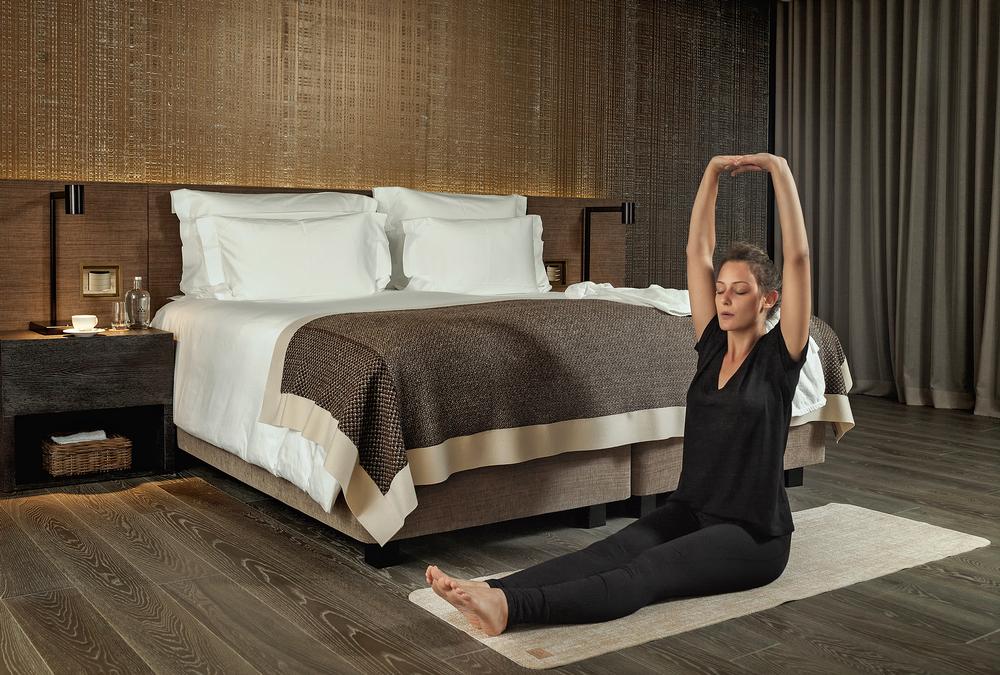
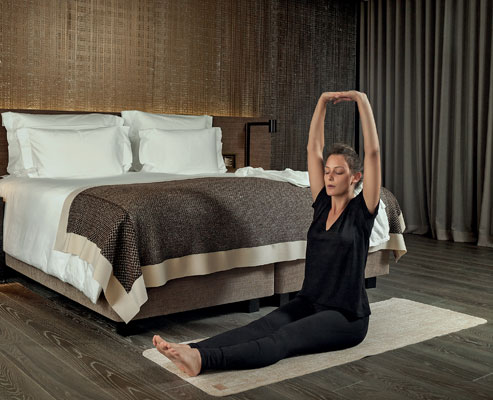
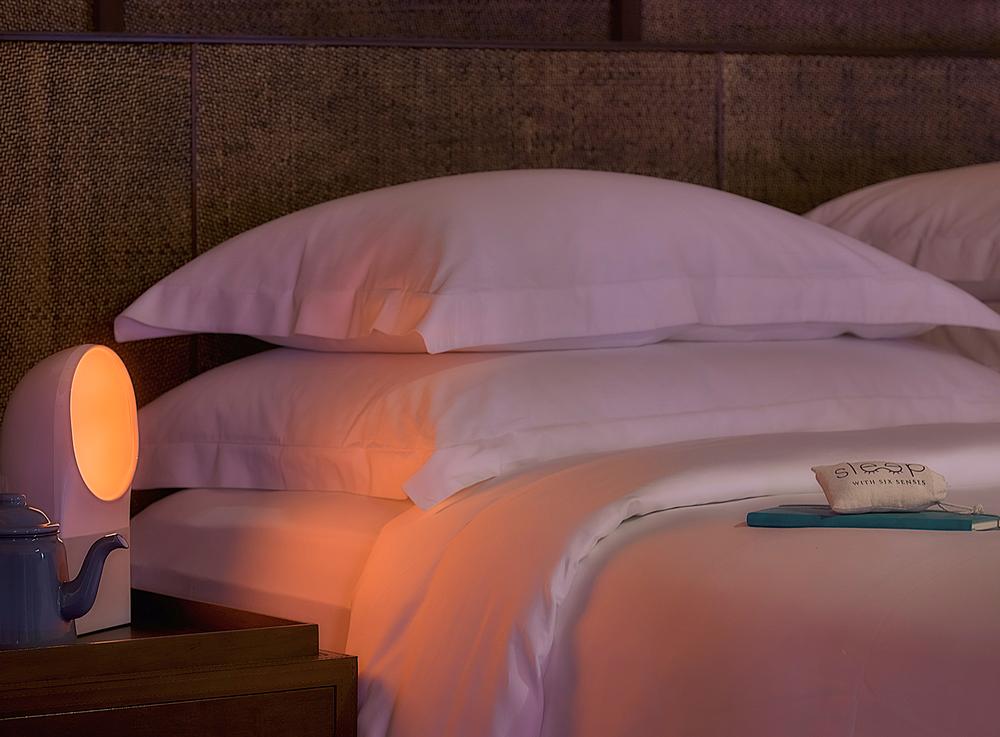
Research shows environments are important to how well people sleep, so Breus personally hand-picked the Naturalmat mattresses, taking into account the structural support to minimise lower back pain, he also chose Hanse organic pillows and duvets which are best for breathability and temperature regulation – an important consideration as the spas are in different locations – and organic cotton sheets. Other touches include towelling and bathrobes from the Madison Collection.
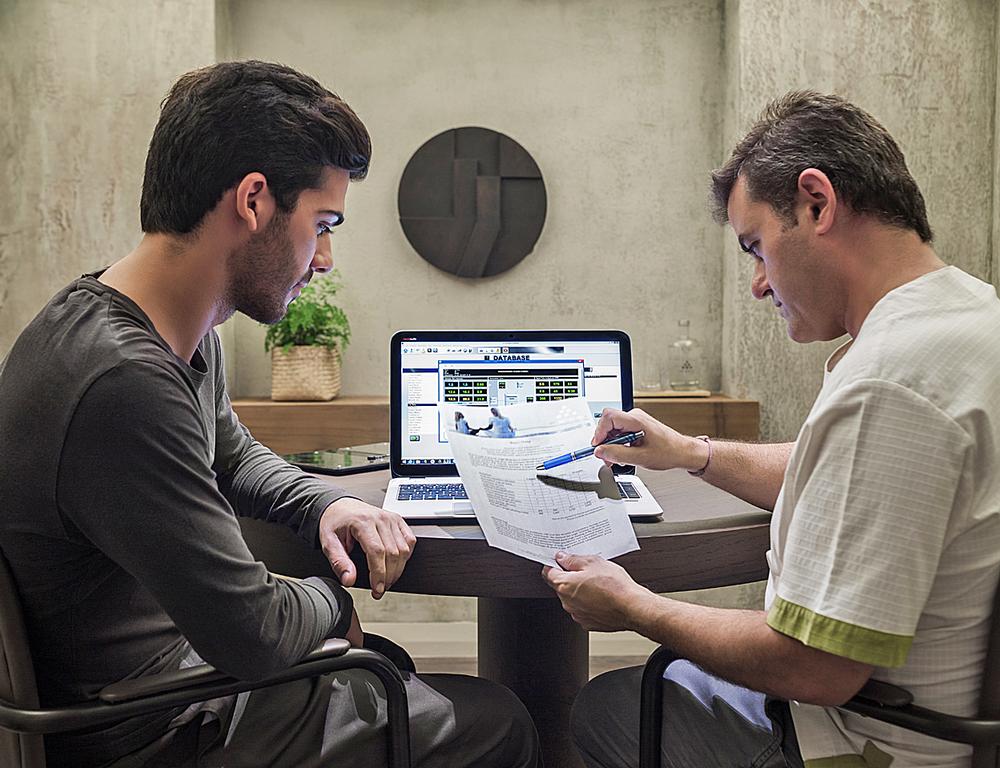
The Sleep With Six Senses programme launched in September 2016 and the idea is that guests at all 11 Six Senses resorts will eventually benefit from the perfectly curated bedrooms as standard and that all future openings will have them in place from day one. At least two specialist sleep ambassadors at each property, educated by Breus, have been trained to give individuals an assessment to help improve their sleep. “We take into account their arrival time, so if people are jetlagged we can give them specific recommendations to recover and take the maximum advantage of the stay,” says Breus. “Then their sleep is assessed and we look at ways it can be improved. For example, if it shows up that stress is affecting an individual’s sleep, we’ll arrange for them to have an aromatherapy massage just before bed. All guests have access to a video library, where I’ve answered the 20 most frequently asked questions about sleep.”
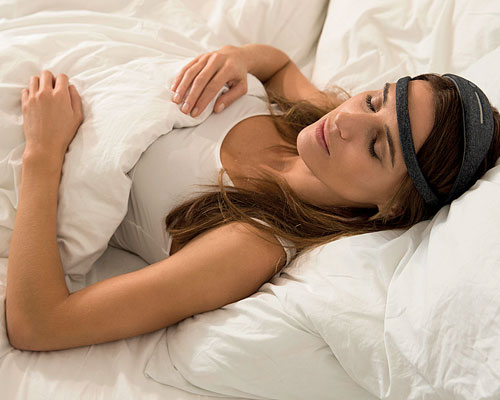
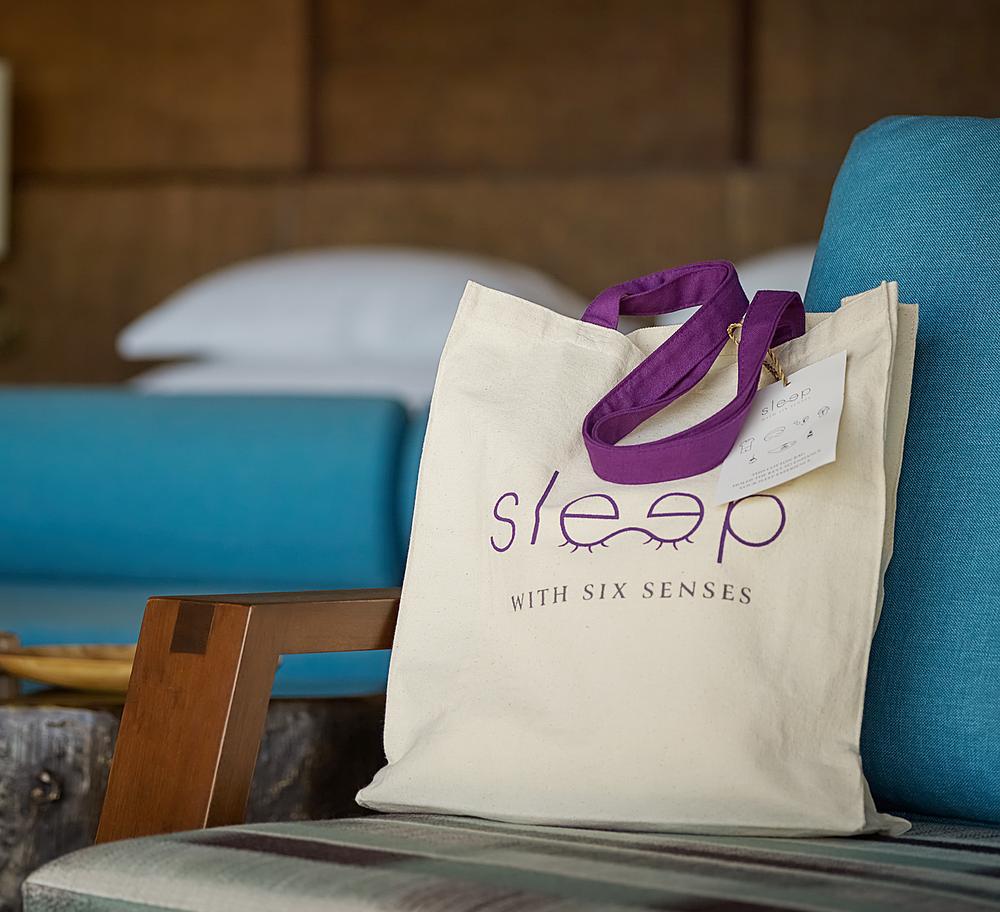
Guests who want to learn more can upgrade their package – US$165 (€135, £118) for the first night and US$30 (€26, £22) a night thereafter – to include a Sleep Bag and Withings Aura Sleep Tracker/App. The bag has sleep aids such as bamboo fibre pyjamas, ear plugs, eye mask, Organic Pharmacy bathroom amenities and a worry journal. The results from the sleep app are reviewed in a 30-minute consultation and a variety of spa services will be put together to promote the best sleep possible. Such treatments could include the Sleep Well Journey by Subtle Energies available at select properties (see opposite).
Bjurstam adds: “Our sleep programme has been a success, to say the least, not only for the uptake and interest from guests, but with the results they’re getting. We’ve found the personalised education on how to improve their sleep has long lasting effects, with guests reporting that they’ve been able to combat their long standing sleep problems once back home.”
Three quarters of sleep disorders derive from lifestyle, she says: “We found one of our guests was dehydrated, because she didn’t like the taste of water. By finding solutions to make her drink more, her sleep dramatically improved.”
Although not every spa can go as far as Six Senses in supporting sleeping habits, Breus says research shows much of what the industry offers already can be very helpful. “Anything which helps relaxation, mindfulness and serenity will be positive for sleep,” he says. “Spas could help people learn practises and habits which promote better sleep, such as meditation, muscle relaxation exercises, yogic positions and simple massage training.”
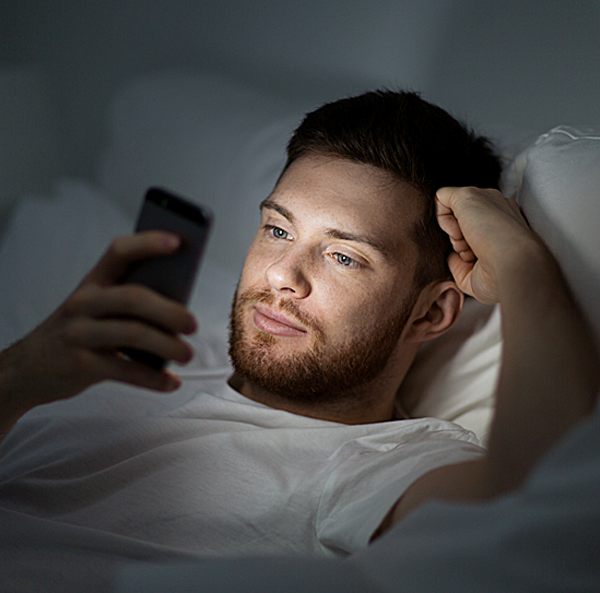
Changing lifestyles Breus says spas could also help educate guests about the lifestyle factors which interrupt sleep, for example, technology use. “It’s important to have an electronic curfew for one hour before bed,” he says. “Checking emails, or social media, activates the mind which is the opposite of what we want before going to sleep. Research has also shown that staring at the blue and white light emitted from digital screens prevents your brain from releasing melatonin, which lets your body know that it’s time for sleep.
“There’s no on/off switch for sleep, it’s a process which we all need to embrace. We should have a power down hour before bed: 20 minutes getting ready for the next day, 20 minutes on hygiene and 20 minutes doing a relaxing activity, like reading, meditating or deep breathing.”
The amount of sleep needed depends on the individual, some people need nine hours, but others only six and a half, so it’s important for people to work out what’s the optimum for them. “One of the biggest problems is the lack of consistency with our bed time and wake up time,” says Breus. “Most people will sleep in on the weekend, which has a negative effect. Also people often go to bed too early: they might feel tired, but their internal biological clock isn’t ready to sleep.”
New discoveries Research into sleep is moving at quite a pace and new discoveries are constantly being made. Breus praises the research into circadian rhythms by Jeffrey C Hall, Michael Rosbach and Michael W Young, which last year won the Nobel prize for medicine. This research might eventually provide the answer of how to tackle insomnia. The scientists found all plants, animals and humans adapt their biological rhythm to synchronise with the Earth’s revolutions, but a genetic mutation has been found in people with chronic sleep problems which impedes this process.
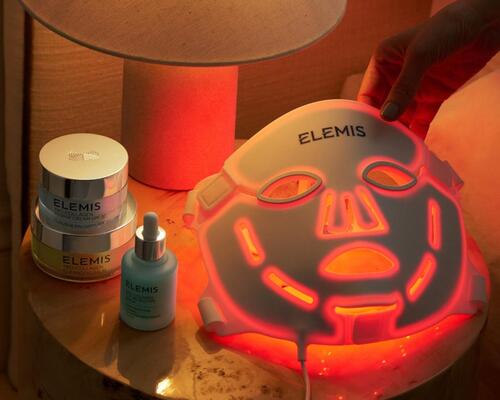
Going forward, Breus says he’s very interested in finding out more about chronotypes and lucid dreaming, but he predicts the next major change in the treatment of sleep problems will be the widespread use of light therapy. This involves sitting near a light box first thing in the morning which mimics outdoor light, but without ultraviolet rays. This can help the individual’s circadian rhythm adjust. Commercially available light bulbs can also do the same thing and these are used in the Six Senses rooms.
According to Breus, sleep problems aren’t necessarily on the rise, but rather they’re finally getting the attention they deserve and moves are being taken to address them. “Until we get people understanding how to lose weight we’ll never get sleep apnea under control,” he says. “But with insomnia we’re starting to see more people using alternative methods of treatment, such as yoga, meditation, relaxation and supplements, which is encouraging.”
Read more from this issue of Spa Business magazine
People profile: Garrett Mersberger
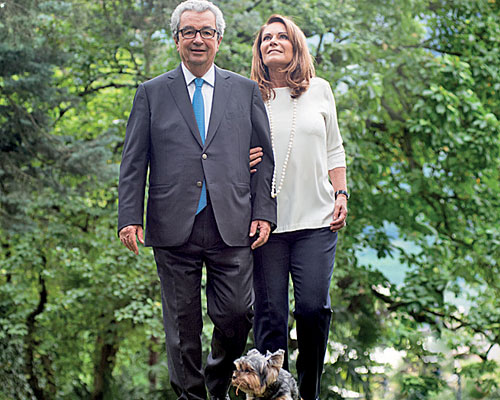
Garrett Mersberger on the overhaul of Kohler Waters’ flagship spa in Europe, plus his vision for ISPA following his appointment as chair of the association
Spa programmes: On the menu
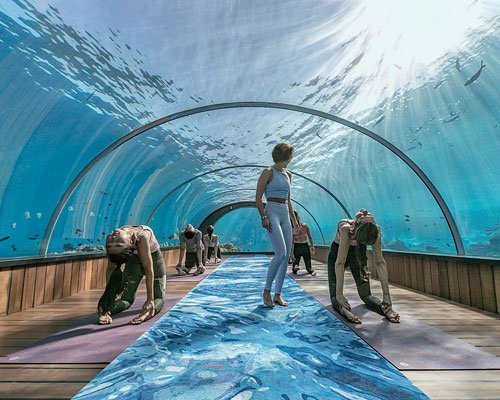
Underwater yoga, healing breathwork and genetics all feature in Spa Business’ brand new series revealing the latest treatments, programmes and retreats in spas
Promotional feature: Zimmer MedizinSysteme
Cold therapy is suddenly all the rage, but Zimmer MedizinSysteme’s icelab takes it a step further, creating a cold sauna for the whole body. Rainer Bolsinger explains more about this cutting-edge therapy
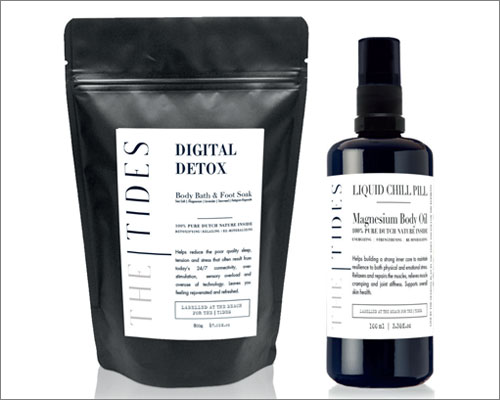
Promotional feature: The Tides: pure Dutch nature inside
Modern living might be tough on our minds and bodies, but newly-launched Dutch wellness and self-care brand The Tides offers just the antidote with a new class of pure, raw products and treatments
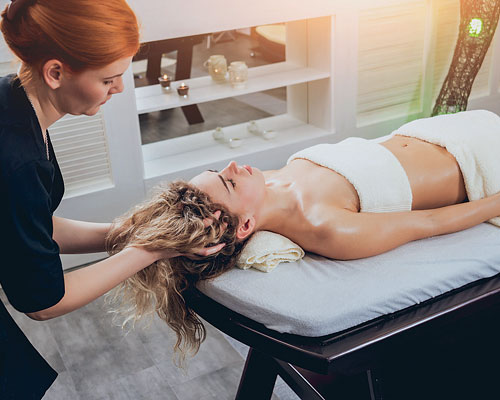
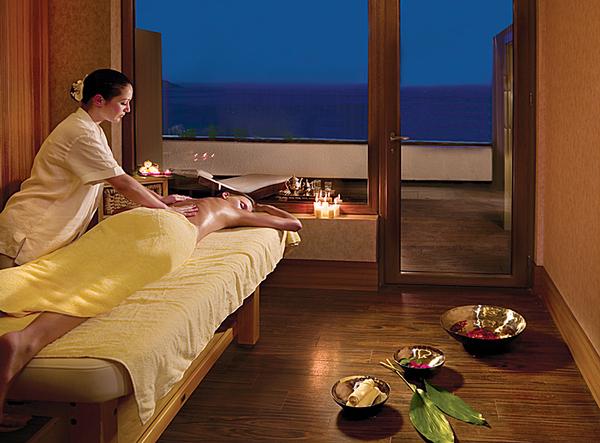
Sleep Well Journey by Subtle Energies Just launched at the Six Senses Spa at Elounda Mare in Crete, the two-hour Sleep Well Journey by Subtle Energies begins with guided mediation and pranayama breathing exercises. A full body massage then releases tensions and brings the body’s rhythm back into balance, while a facial marma massage stimulates the pineal gland and the sleep hormone melatonin. This is followed by the nasya, a nasal oil application, which has been used for centuries to relieve sleep issues. The final step is a shirodhara treatment to further activate the pineal gland. The journey costs €320 (US$395, £285).
Elounda Mare’s two-hour Sleep Well Journey costs €320
Lack of sleep doesn’t just cause tiredness and carb craving… • Insufficient sleep, especially stages three and four, decreases our glycogen storage, which is why we have less energy
• Sleeping for less than five hours a night leads to an 11 per cent decrease in testosterone.
• Less stage three and four sleep leads to less growth hormone
• Sleep deprivation causes a reduction in muscle memory recovery, which is one of the most critical aspects of muscle contraction and building of proteins
• Too little sleep leads to a depletion of cytokines required for inflammation reduction
• New data suggests reaction time triples when people are sleep deprived
• Decision making studies show that sleep deprived individuals will know the risks of their decisions, but do not care, and so take unnecessary risks regardless
Antonio Guillem/shutterstock
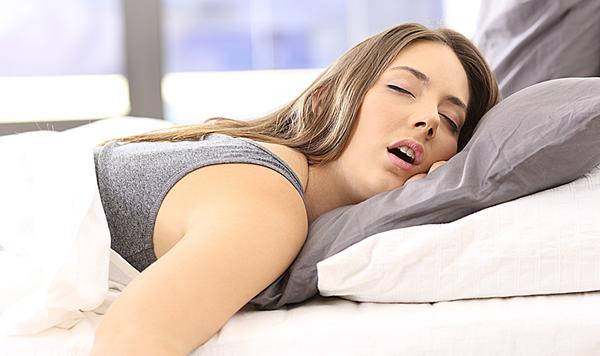
Optimum sleep needed varies from 6.5 to 9 hours
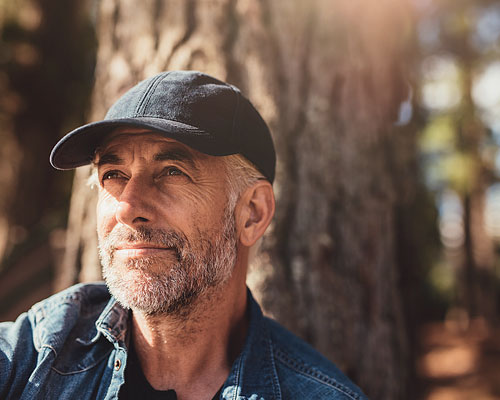
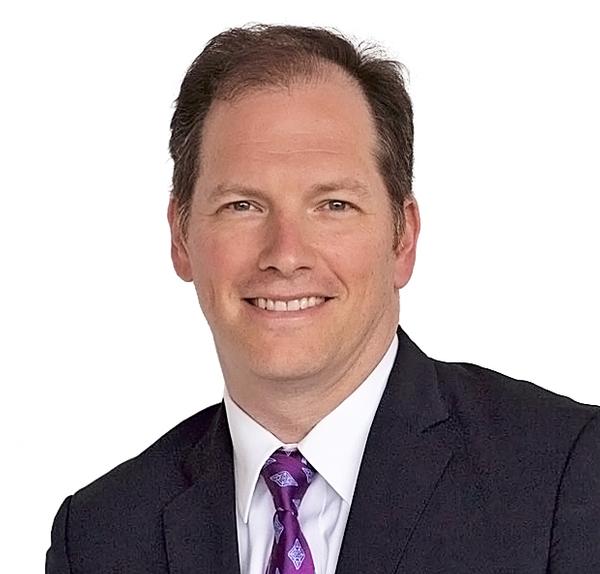
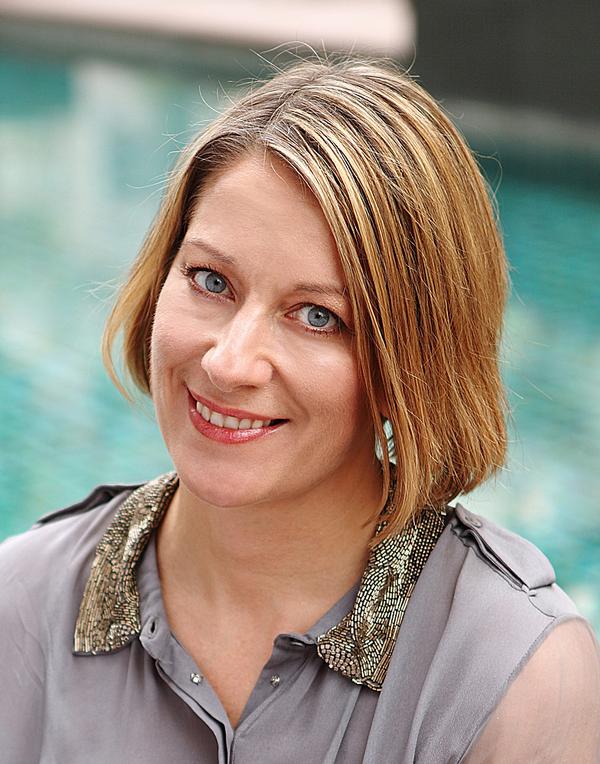
Dr Michael Breus
A US$165 upgrade includes a bag with sleeping aids
a sleep tracker/app and a consultation to review results
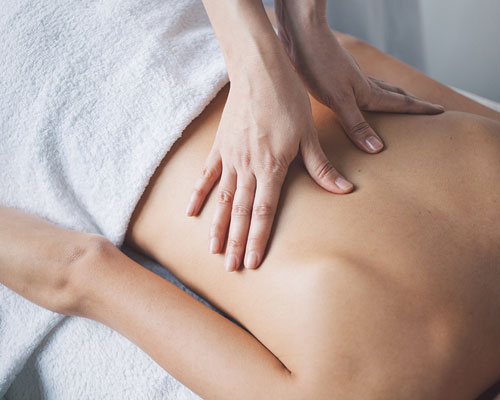
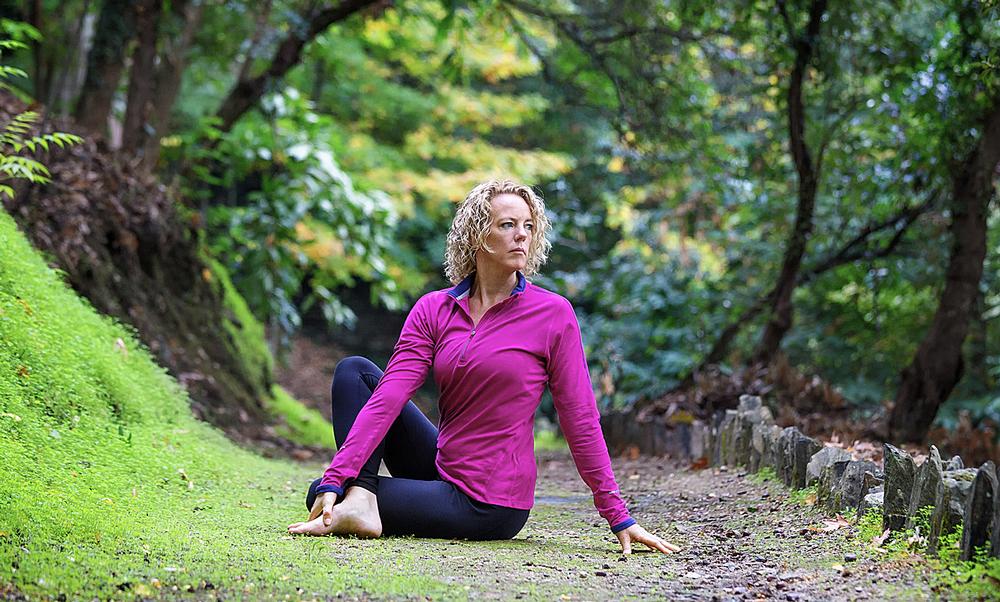
Breus says much of what the industry already offers can help with relaxation, leading to better sleep
Bjurstam says guests are showing great interest in the programme and are experiencing long-lasting benefits
We need an electronic curfew one hour before bed / Syda Productions/shutterstock
The sleep bedrooms are
being rolled out across all 11 Six Senses resorts
In the fast-paced world of fitness and wellness, where high-intensity workouts push us to
our limits and the sweat pours, the importance of efficient recovery cannot be overstated. [more...]
+ More featured suppliers
COMPANY PROFILES
Elemental Herbology
Founded in 2008 by a Traditional Chinese Medicine Practitioner, Elemental Herbology is a spa, retail [more...]
Agilysys UK Ltd
Agilysys, Inc. (Nasdaq: AGYS), is a leading
global provider of hospitality software
solutions that [more...]
Dr Michael Breus, aka America’s ‘sleep doctor’, has dedicated his career to educating people on the importance of sleep. He tells Kath Hudson how spas are set to make an impact in this area
By Kath Hudson | Published in Spa Business 2018 issue 2
Breus was given a blank canvas to create the perfect sleep environment and spa programme for Six Senses
Sleep is the third pillar of health, along with diet and exercise,” says Dr Michael Breus. “Over the past five years we’ve definitely seen a heightened level of awareness of the importance of sleep. More people are now valuing their sleep and starting to understand why they need it.”
A consultant, researcher, author and media spokesperson, Breus is known as ‘the sleep doctor’ in America and is one of the nation’s most eminent sleep experts. He’s heavily involved with sleep research and runs a private practice in Los Angeles. Now, in partnership with Six Senses, he’s entered the wellness industry for the first time.
Dream team Breus believes spas are well placed to help people with sleep issues, since most services promote relaxation, which leads to better sleep. “This was a great opportunity for me to use my skills to do something different,” he says. “Anna Bjurstam, Six Senses’ VP of spas and wellness, offered me a blank canvas to create the perfect sleep environment [and a spa sleep programme] and we took a comprehensive approach.”
Research shows environments are important to how well people sleep, so Breus personally hand-picked the Naturalmat mattresses, taking into account the structural support to minimise lower back pain, he also chose Hanse organic pillows and duvets which are best for breathability and temperature regulation – an important consideration as the spas are in different locations – and organic cotton sheets. Other touches include towelling and bathrobes from the Madison Collection.
The Sleep With Six Senses programme launched in September 2016 and the idea is that guests at all 11 Six Senses resorts will eventually benefit from the perfectly curated bedrooms as standard and that all future openings will have them in place from day one. At least two specialist sleep ambassadors at each property, educated by Breus, have been trained to give individuals an assessment to help improve their sleep. “We take into account their arrival time, so if people are jetlagged we can give them specific recommendations to recover and take the maximum advantage of the stay,” says Breus. “Then their sleep is assessed and we look at ways it can be improved. For example, if it shows up that stress is affecting an individual’s sleep, we’ll arrange for them to have an aromatherapy massage just before bed. All guests have access to a video library, where I’ve answered the 20 most frequently asked questions about sleep.”
Guests who want to learn more can upgrade their package – US$165 (€135, £118) for the first night and US$30 (€26, £22) a night thereafter – to include a Sleep Bag and Withings Aura Sleep Tracker/App. The bag has sleep aids such as bamboo fibre pyjamas, ear plugs, eye mask, Organic Pharmacy bathroom amenities and a worry journal. The results from the sleep app are reviewed in a 30-minute consultation and a variety of spa services will be put together to promote the best sleep possible. Such treatments could include the Sleep Well Journey by Subtle Energies available at select properties (see opposite).
Bjurstam adds: “Our sleep programme has been a success, to say the least, not only for the uptake and interest from guests, but with the results they’re getting. We’ve found the personalised education on how to improve their sleep has long lasting effects, with guests reporting that they’ve been able to combat their long standing sleep problems once back home.”
Three quarters of sleep disorders derive from lifestyle, she says: “We found one of our guests was dehydrated, because she didn’t like the taste of water. By finding solutions to make her drink more, her sleep dramatically improved.”
Although not every spa can go as far as Six Senses in supporting sleeping habits, Breus says research shows much of what the industry offers already can be very helpful. “Anything which helps relaxation, mindfulness and serenity will be positive for sleep,” he says. “Spas could help people learn practises and habits which promote better sleep, such as meditation, muscle relaxation exercises, yogic positions and simple massage training.”
Changing lifestyles Breus says spas could also help educate guests about the lifestyle factors which interrupt sleep, for example, technology use. “It’s important to have an electronic curfew for one hour before bed,” he says. “Checking emails, or social media, activates the mind which is the opposite of what we want before going to sleep. Research has also shown that staring at the blue and white light emitted from digital screens prevents your brain from releasing melatonin, which lets your body know that it’s time for sleep.
“There’s no on/off switch for sleep, it’s a process which we all need to embrace. We should have a power down hour before bed: 20 minutes getting ready for the next day, 20 minutes on hygiene and 20 minutes doing a relaxing activity, like reading, meditating or deep breathing.”
The amount of sleep needed depends on the individual, some people need nine hours, but others only six and a half, so it’s important for people to work out what’s the optimum for them. “One of the biggest problems is the lack of consistency with our bed time and wake up time,” says Breus. “Most people will sleep in on the weekend, which has a negative effect. Also people often go to bed too early: they might feel tired, but their internal biological clock isn’t ready to sleep.”
New discoveries Research into sleep is moving at quite a pace and new discoveries are constantly being made. Breus praises the research into circadian rhythms by Jeffrey C Hall, Michael Rosbach and Michael W Young, which last year won the Nobel prize for medicine. This research might eventually provide the answer of how to tackle insomnia. The scientists found all plants, animals and humans adapt their biological rhythm to synchronise with the Earth’s revolutions, but a genetic mutation has been found in people with chronic sleep problems which impedes this process.
Going forward, Breus says he’s very interested in finding out more about chronotypes and lucid dreaming, but he predicts the next major change in the treatment of sleep problems will be the widespread use of light therapy. This involves sitting near a light box first thing in the morning which mimics outdoor light, but without ultraviolet rays. This can help the individual’s circadian rhythm adjust. Commercially available light bulbs can also do the same thing and these are used in the Six Senses rooms.
According to Breus, sleep problems aren’t necessarily on the rise, but rather they’re finally getting the attention they deserve and moves are being taken to address them. “Until we get people understanding how to lose weight we’ll never get sleep apnea under control,” he says. “But with insomnia we’re starting to see more people using alternative methods of treatment, such as yoga, meditation, relaxation and supplements, which is encouraging.”
Read more from this issue of Spa Business magazine
People profile: Garrett Mersberger
Garrett Mersberger on the overhaul of Kohler Waters’ flagship spa in Europe, plus his vision for ISPA following his appointment as chair of the association
Spa programmes: On the menu
Underwater yoga, healing breathwork and genetics all feature in Spa Business’ brand new series revealing the latest treatments, programmes and retreats in spas
Promotional feature: Zimmer MedizinSysteme
Cold therapy is suddenly all the rage, but Zimmer MedizinSysteme’s icelab takes it a step further, creating a cold sauna for the whole body. Rainer Bolsinger explains more about this cutting-edge therapy
Promotional feature: The Tides: pure Dutch nature inside
Modern living might be tough on our minds and bodies, but newly-launched Dutch wellness and self-care brand The Tides offers just the antidote with a new class of pure, raw products and treatments
Sleep Well Journey by Subtle Energies Just launched at the Six Senses Spa at Elounda Mare in Crete, the two-hour Sleep Well Journey by Subtle Energies begins with guided mediation and pranayama breathing exercises. A full body massage then releases tensions and brings the body’s rhythm back into balance, while a facial marma massage stimulates the pineal gland and the sleep hormone melatonin. This is followed by the nasya, a nasal oil application, which has been used for centuries to relieve sleep issues. The final step is a shirodhara treatment to further activate the pineal gland. The journey costs €320 (US$395, £285).
Elounda Mare’s two-hour Sleep Well Journey costs €320
Lack of sleep doesn’t just cause tiredness and carb craving… • Insufficient sleep, especially stages three and four, decreases our glycogen storage, which is why we have less energy
• Sleeping for less than five hours a night leads to an 11 per cent decrease in testosterone.
• Less stage three and four sleep leads to less growth hormone
• Sleep deprivation causes a reduction in muscle memory recovery, which is one of the most critical aspects of muscle contraction and building of proteins
• Too little sleep leads to a depletion of cytokines required for inflammation reduction
• New data suggests reaction time triples when people are sleep deprived
• Decision making studies show that sleep deprived individuals will know the risks of their decisions, but do not care, and so take unnecessary risks regardless
Antonio Guillem/shutterstock
Optimum sleep needed varies from 6.5 to 9 hours
Dr Michael Breus
A US$165 upgrade includes a bag with sleeping aids
a sleep tracker/app and a consultation to review results
Breus says much of what the industry already offers can help with relaxation, leading to better sleep
Bjurstam says guests are showing great interest in the programme and are experiencing long-lasting benefits
We need an electronic curfew one hour before bed / Syda Productions/shutterstock
The sleep bedrooms are
being rolled out across all 11 Six Senses resorts
A new survey of UK and international spa practitioners shows that stress, burnout and
wellbeing concerns have caused one in three respondents to consider leaving the industry.
The UK's four Chief Medical Officers have published a refreshed edition of Physical activity
guidelines: UK Chief Medical Officers' report, updating the evidence that underpins the nation's
physical activity recommendations and placing greater emphasis on strength, balance, reducing
sedentary behaviour and, for the first time, supporting people taking weight loss medications.
Anna Bjurstam has left her role as Wellness Pioneer at Six Senses Hotels and Resorts and
launched a new wellness, longevity and “consciousness consultancy” called Wahayla.
Fairmont Cheshire, The Mere, has opened today (10 July) in the Northwest of England
with a
1,715sq m Fairmont Spa that has been designed using a ‘Wellness without Walls’
concept.
Wellness hotels generating less than US$1 million (€932,700, £785,200) – or 10 per cent of
total revenue from wellness and leisure – recorded the strongest RevPAR and TRevPAR growth
in 2025 across categories when compared with 2024, according to the latest Wellness Real
Estate Report by RLA Global, produced in partnership with P and L benchmarking firm HotStats.
Lefay Resorts, the portfolio of two luxury wellness properties in Italy, has added emotional
dance classes and group cold plunge sessions in response to market demand for social
connection.
Aditya Saluja, an industry leader in luxury wellness hospitality, has been
appointed as
commercial director of spa and wellness for the spa management division of
Minor Hotels,
MSpa International.
In the fast-paced world of fitness and wellness, where high-intensity workouts push us to
our limits and the sweat pours, the importance of efficient recovery cannot be overstated. [more...]
+ More featured suppliers
COMPANY PROFILES
Elemental Herbology Founded in 2008 by a Traditional Chinese Medicine Practitioner, Elemental Herbology is a spa, retail [more...]