Cold therapy is suddenly all the rage, but Zimmer MedizinSysteme’s icelab takes it a step further, creating a cold sauna for the whole body. Rainer Bolsinger explains more about this cutting-edge therapy
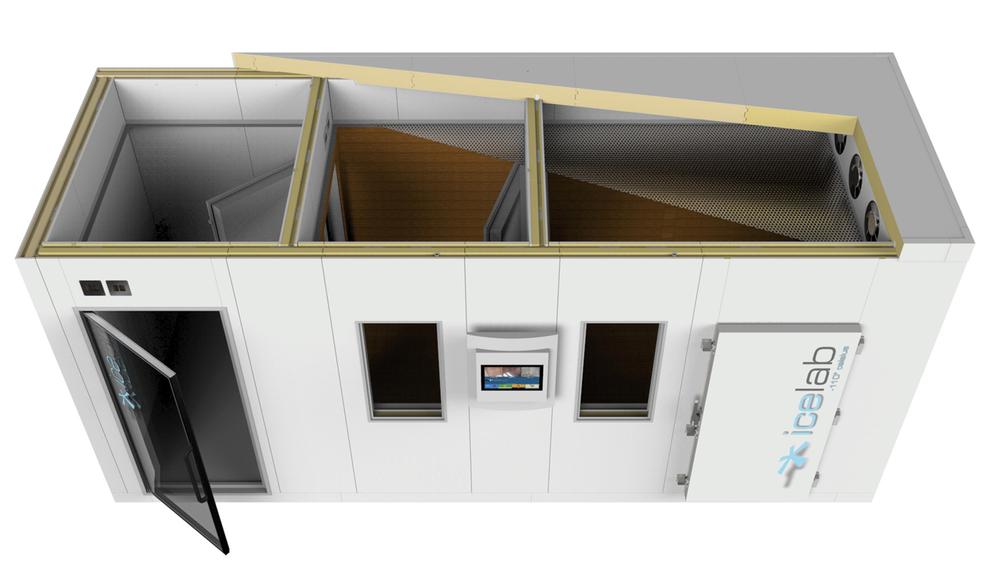
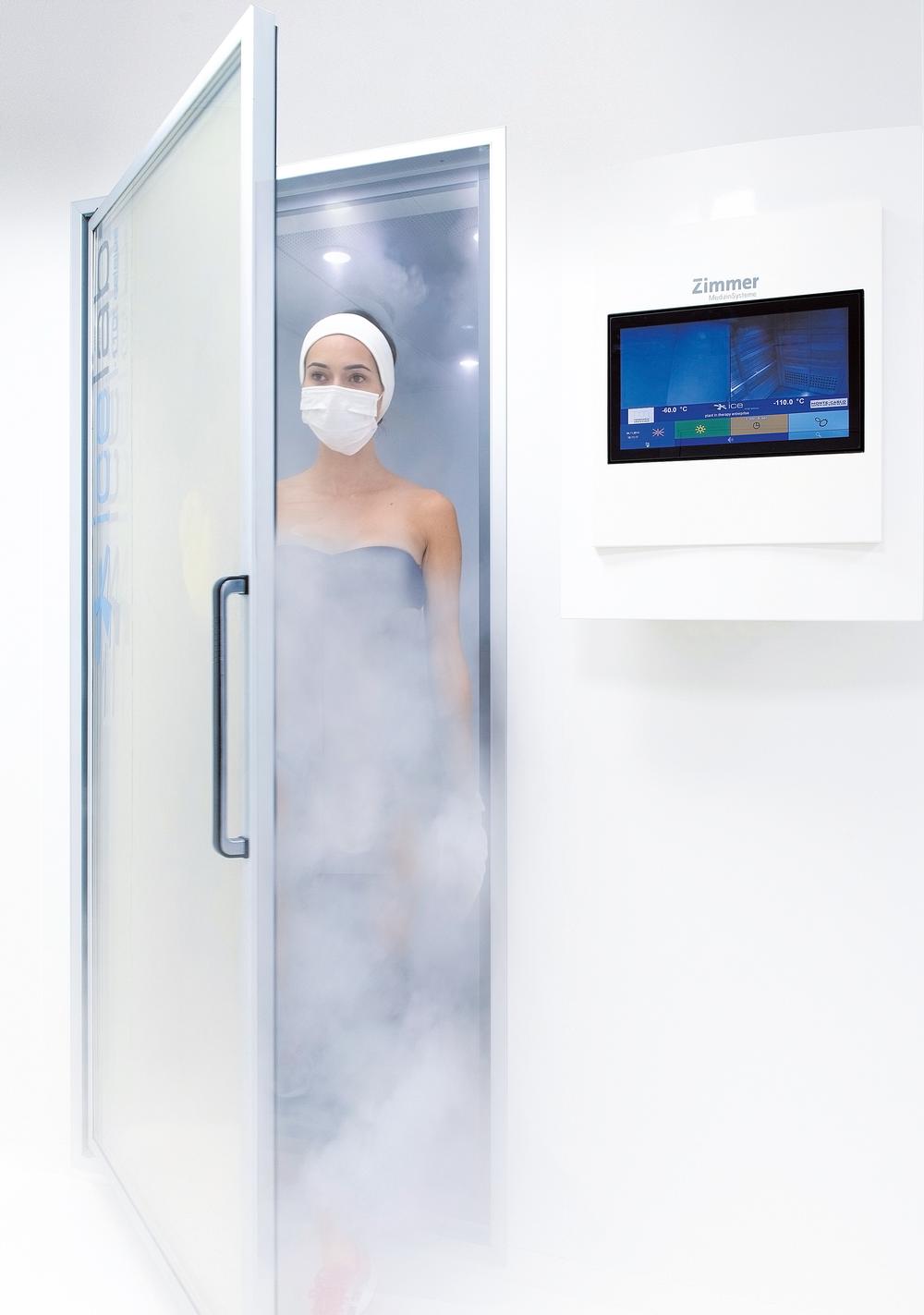
Guests move through three cold saunas, which range from -10C to -110C
Tell us a bit about whole-body cryostimulation (WBC) – what is it and how does it work? Whole-body cryostimulation is a method that uses cold air to increase wellbeing – its roots go back to the time of Hippocrates, but it was first developed as we know it today in the 1980s. WBC has been used in clinics and rehabilitation centres as a method of treating pain and helping with stress and sleep, but today, we’re seeing it move into the world of spas, where it is used for preventive health, wellbeing and beauty solutions.
WBC has several effects on wellbeing and health; it reduces inflammation – much in the way that we ice an injured knee – and stimulates collagenous tissue, which does short-term magic on wrinkles. But WBC also affects the nervous system, forcing our brain into a heightened state of alert, which gives immediate stress relief and clears the mind. During the treatment, vasoconstriction occurs, where blood flow is reduced and sent mostly to the brain and inner organs, and then shortly afterwards, the opposite takes place – vasodilation – where oxygen-filled blood flows through the body. At the same time, endorphins are released, which provides an immediate boost to mood and a sense of wellbeing.
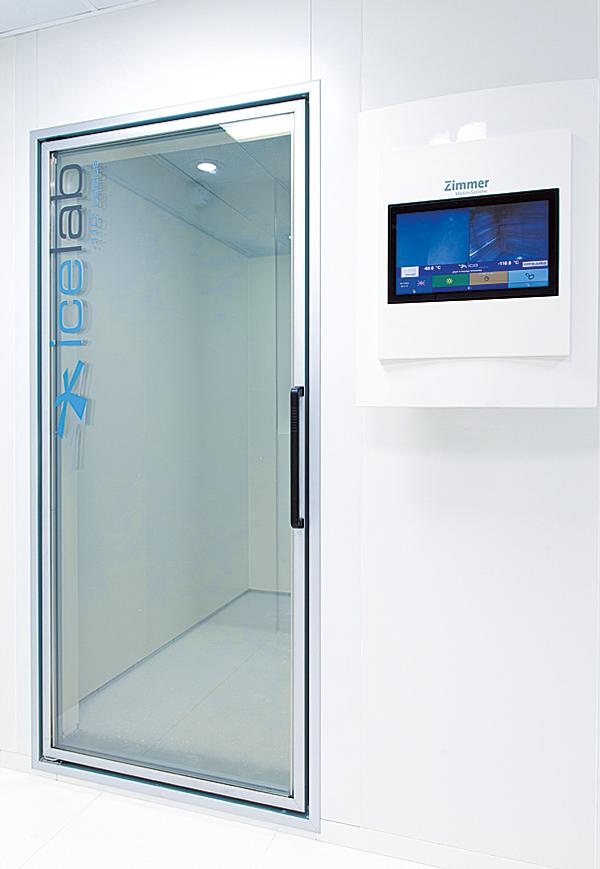
What makes the icelab different? Our icelab is a unique high-tech take on whole-body cryostimulation; it’s a three-chambered cold sauna that up to four people at a time can use. Guests ease their way from -10C to -60C and finally to a third chamber of -110C, where they spend up to three minutes. At this temperature, the air no longer contains moisture, so guests don’t perceive the cold to be as extreme, as warmth exchange takes place mainly via convection (not conduction like in cold water). Icelab is incredibly easy to use – simply switch on the light and microphone, which the therapist can use to talk to the guest during treatment. The variable modular design of the icelab allows it to be adapted easily to almost any space, and there is also a two-chambered model.
How might spas use WBC? While WBC has been used in the past for sports performance and treatment of pain, more and more people are discovering its benefits in everyday wellbeing, which makes it a perfect addition to a spa.
WBC affects both the sympathetic and parasympathetic nervous systems, which can help create clarity of mind. It’s an excellent treatment for jet lag, and is also increasingly popular for people who have trouble switching off; in a world where many people spend their time attached to their devices, WBC is a fast, effective treatment to provide clarity of mind and help your guests disconnect.
Spas can create a ‘welcome’ and ‘goodbye’ treatment using the icelab; it’s a great way to get guests relaxed and ready to enjoy the rest of their time at the spa.
WBC can also be used in the treatment of wrinkles, in weight-loss programmes, and to help clients increase physical endurance.
How long has this treatment been around? Cold therapy has a very long history; it’s described some 400 years B.C. by Hippocrates as a method to treat pain. In the 19th century, Sebastian Kneipp, a pioneer in cold therapy, popularised the Kneipp Method, which uses cold baths, and which is still used today.
The actual whole-body cryostimulation at ultra-low temperature was first applied by Professor T Yamauchi in Japan to treat rheumatoid arthritis, and during the early 1980s several professors in Germany followed his approach and developed the treatment further.
What is the difference between the icelab and other kinds of cryotherapy? Because the icelab surrounds your entire body with its controlled flow of cold air, the positive effects on health and performance are greater than with cryotherapy cylinders, which do not include the head and shoulders – and are in effect only partial-body cryostimulation. The face has an incredible number of nerve connections, so it’s important to include it in the treatment in order to get the best effects. Also, in the icelab, guests can move around as they receive the treatment, and the technician can even speak to them through the intercom, suggesting different ways to move and stretch, which increases the effectiveness of the treatment. Other cryotherapy solutions use evaporated gas – mainly nitrogen – while our icelab uses a more technologically advanced, environmentally friendly convection system, only consuming electricity.
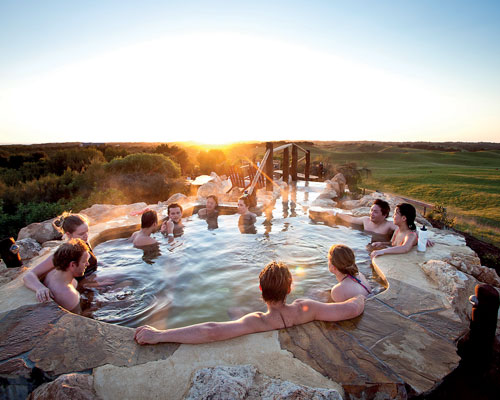
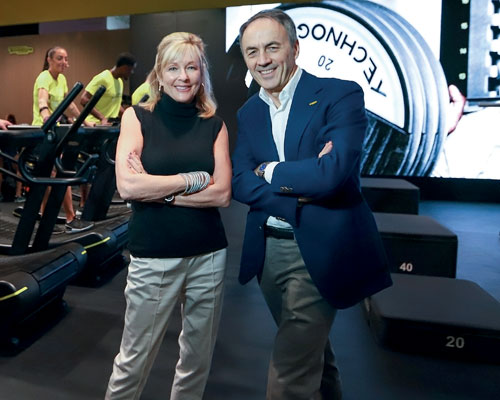
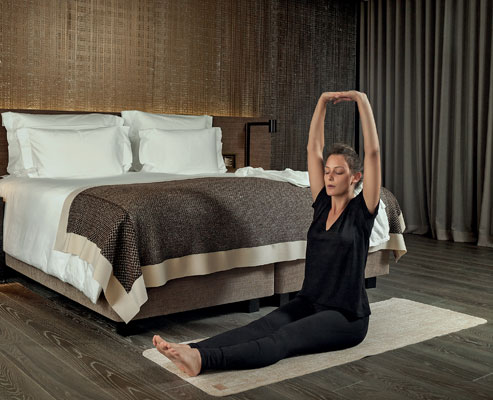
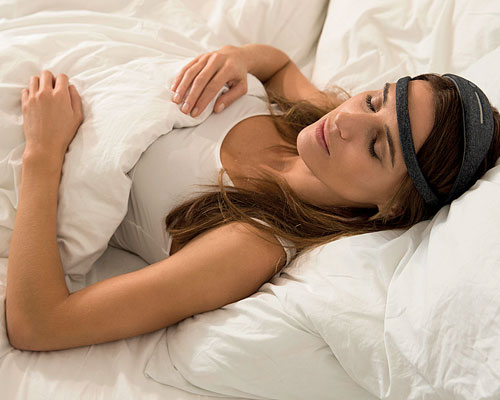
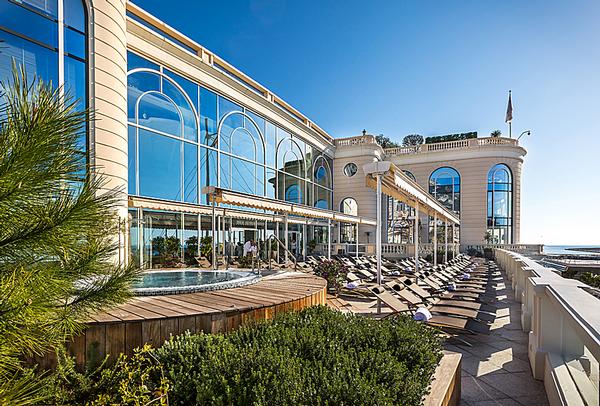
What spas and other facilities already use the icelab? Zimmer’s icelab is currently found in some of the top spas around the world, including the Chenot spas (see pages 48-54), the Waldhotel at the Bürgenstock Resort in Switzerland (see SB18/1 pages 62-70), California Rehabilitation and Sports Therapy in Yorba Linda, The Sparkling Hills Resort in Canada, the KurZentrum group of hotels in Austria and Germany, the Carlsbad Plaza Spa Hotel in the Czech Republic, and Thermes Marins in Monte Carlo (see photos, above).
Major sporting institutions around the world also use our system, including the French Rugby Federation and the FC Bayern football club in Munich.
Read more from this issue of Spa Business magazine
People profile: Garrett Mersberger
Garrett Mersberger on the overhaul of Kohler Waters’ flagship spa in Europe, plus his vision for ISPA following his appointment as chair of the association
Spa programmes: On the menu
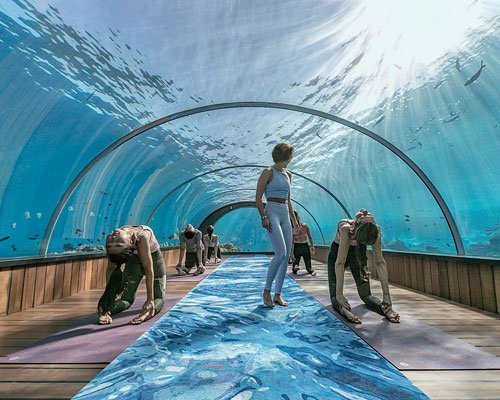
Underwater yoga, healing breathwork and genetics all feature in Spa Business’ brand new series revealing the latest treatments, programmes and retreats in spas
Promotional feature: Zimmer MedizinSysteme
Cold therapy is suddenly all the rage, but Zimmer MedizinSysteme’s icelab takes it a step further, creating a cold sauna for the whole body. Rainer Bolsinger explains more about this cutting-edge therapy
Promotional feature: The Tides: pure Dutch nature inside
Modern living might be tough on our minds and bodies, but newly-launched Dutch wellness and self-care brand The Tides offers just the antidote with a new class of pure, raw products and treatments
The MSpa Oslo series is a perennial bestseller in global markets. With innovative
engineering and premium performance, this completely portable spa line-up is expertly
designed to meet the needs of customers worldwide. [more...]
Cold therapy is suddenly all the rage, but Zimmer MedizinSysteme’s icelab takes it a step further, creating a cold sauna for the whole body. Rainer Bolsinger explains more about this cutting-edge therapy
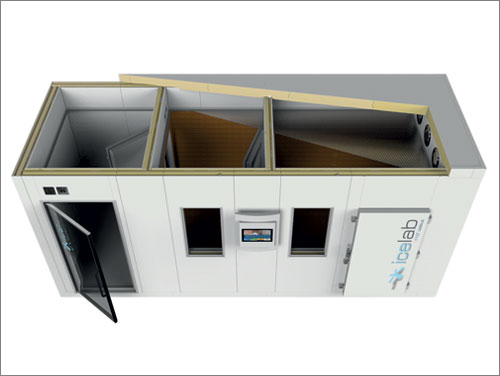
Guests move through three cold saunas, which range from -10C to -110C
Tell us a bit about whole-body cryostimulation (WBC) – what is it and how does it work? Whole-body cryostimulation is a method that uses cold air to increase wellbeing – its roots go back to the time of Hippocrates, but it was first developed as we know it today in the 1980s. WBC has been used in clinics and rehabilitation centres as a method of treating pain and helping with stress and sleep, but today, we’re seeing it move into the world of spas, where it is used for preventive health, wellbeing and beauty solutions.
WBC has several effects on wellbeing and health; it reduces inflammation – much in the way that we ice an injured knee – and stimulates collagenous tissue, which does short-term magic on wrinkles. But WBC also affects the nervous system, forcing our brain into a heightened state of alert, which gives immediate stress relief and clears the mind. During the treatment, vasoconstriction occurs, where blood flow is reduced and sent mostly to the brain and inner organs, and then shortly afterwards, the opposite takes place – vasodilation – where oxygen-filled blood flows through the body. At the same time, endorphins are released, which provides an immediate boost to mood and a sense of wellbeing.
What makes the icelab different? Our icelab is a unique high-tech take on whole-body cryostimulation; it’s a three-chambered cold sauna that up to four people at a time can use. Guests ease their way from -10C to -60C and finally to a third chamber of -110C, where they spend up to three minutes. At this temperature, the air no longer contains moisture, so guests don’t perceive the cold to be as extreme, as warmth exchange takes place mainly via convection (not conduction like in cold water). Icelab is incredibly easy to use – simply switch on the light and microphone, which the therapist can use to talk to the guest during treatment. The variable modular design of the icelab allows it to be adapted easily to almost any space, and there is also a two-chambered model.
How might spas use WBC? While WBC has been used in the past for sports performance and treatment of pain, more and more people are discovering its benefits in everyday wellbeing, which makes it a perfect addition to a spa.
WBC affects both the sympathetic and parasympathetic nervous systems, which can help create clarity of mind. It’s an excellent treatment for jet lag, and is also increasingly popular for people who have trouble switching off; in a world where many people spend their time attached to their devices, WBC is a fast, effective treatment to provide clarity of mind and help your guests disconnect.
Spas can create a ‘welcome’ and ‘goodbye’ treatment using the icelab; it’s a great way to get guests relaxed and ready to enjoy the rest of their time at the spa.
WBC can also be used in the treatment of wrinkles, in weight-loss programmes, and to help clients increase physical endurance.
How long has this treatment been around? Cold therapy has a very long history; it’s described some 400 years B.C. by Hippocrates as a method to treat pain. In the 19th century, Sebastian Kneipp, a pioneer in cold therapy, popularised the Kneipp Method, which uses cold baths, and which is still used today.
The actual whole-body cryostimulation at ultra-low temperature was first applied by Professor T Yamauchi in Japan to treat rheumatoid arthritis, and during the early 1980s several professors in Germany followed his approach and developed the treatment further.
What is the difference between the icelab and other kinds of cryotherapy? Because the icelab surrounds your entire body with its controlled flow of cold air, the positive effects on health and performance are greater than with cryotherapy cylinders, which do not include the head and shoulders – and are in effect only partial-body cryostimulation. The face has an incredible number of nerve connections, so it’s important to include it in the treatment in order to get the best effects. Also, in the icelab, guests can move around as they receive the treatment, and the technician can even speak to them through the intercom, suggesting different ways to move and stretch, which increases the effectiveness of the treatment. Other cryotherapy solutions use evaporated gas – mainly nitrogen – while our icelab uses a more technologically advanced, environmentally friendly convection system, only consuming electricity.
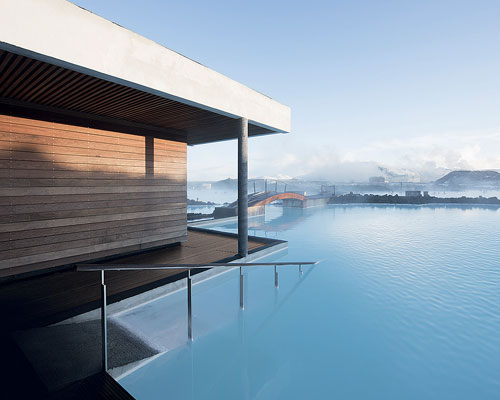
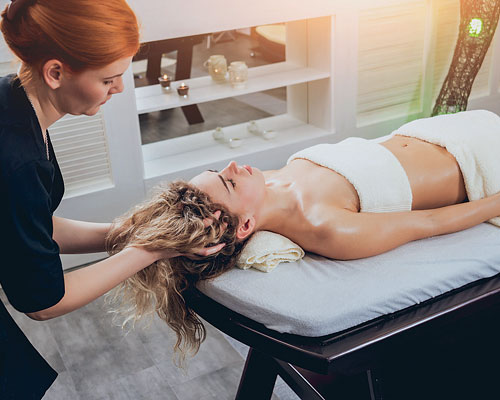
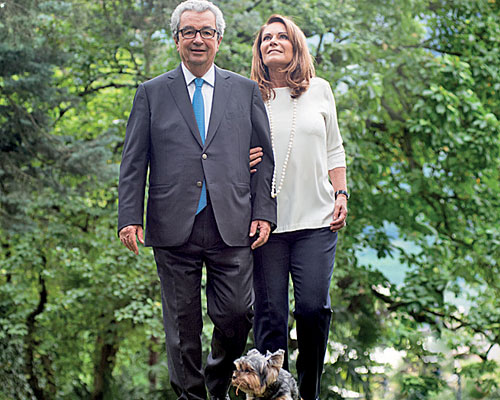
What spas and other facilities already use the icelab? Zimmer’s icelab is currently found in some of the top spas around the world, including the Chenot spas (see pages 48-54), the Waldhotel at the Bürgenstock Resort in Switzerland (see SB18/1 pages 62-70), California Rehabilitation and Sports Therapy in Yorba Linda, The Sparkling Hills Resort in Canada, the KurZentrum group of hotels in Austria and Germany, the Carlsbad Plaza Spa Hotel in the Czech Republic, and Thermes Marins in Monte Carlo (see photos, above).
Major sporting institutions around the world also use our system, including the French Rugby Federation and the FC Bayern football club in Munich.
Read more from this issue of Spa Business magazine
People profile: Garrett Mersberger
Garrett Mersberger on the overhaul of Kohler Waters’ flagship spa in Europe, plus his vision for ISPA following his appointment as chair of the association
Spa programmes: On the menu
Underwater yoga, healing breathwork and genetics all feature in Spa Business’ brand new series revealing the latest treatments, programmes and retreats in spas
Promotional feature: Zimmer MedizinSysteme
Cold therapy is suddenly all the rage, but Zimmer MedizinSysteme’s icelab takes it a step further, creating a cold sauna for the whole body. Rainer Bolsinger explains more about this cutting-edge therapy
Promotional feature: The Tides: pure Dutch nature inside
Modern living might be tough on our minds and bodies, but newly-launched Dutch wellness and self-care brand The Tides offers just the antidote with a new class of pure, raw products and treatments
A new survey of UK and international spa practitioners shows that stress, burnout and
wellbeing concerns have caused one in three respondents to consider leaving the industry.
The UK's four Chief Medical Officers have published a refreshed edition of Physical activity
guidelines: UK Chief Medical Officers' report, updating the evidence that underpins the nation's
physical activity recommendations and placing greater emphasis on strength, balance, reducing
sedentary behaviour and, for the first time, supporting people taking weight loss medications.
Anna Bjurstam has left her role as Wellness Pioneer at Six Senses Hotels and Resorts and
launched a new wellness, longevity and “consciousness consultancy” called Wahayla.
Fairmont Cheshire, The Mere, has opened today (10 July) in the Northwest of England
with a
1,715sq m Fairmont Spa that has been designed using a ‘Wellness without Walls’
concept.
Wellness hotels generating less than US$1 million (€932,700, £785,200) – or 10 per cent of
total revenue from wellness and leisure – recorded the strongest RevPAR and TRevPAR growth
in 2025 across categories when compared with 2024, according to the latest Wellness Real
Estate Report by RLA Global, produced in partnership with P and L benchmarking firm HotStats.
Lefay Resorts, the portfolio of two luxury wellness properties in Italy, has added emotional
dance classes and group cold plunge sessions in response to market demand for social
connection.
Aditya Saluja, an industry leader in luxury wellness hospitality, has been
appointed as
commercial director of spa and wellness for the spa management division of
Minor Hotels,
MSpa International.
The MSpa Oslo series is a perennial bestseller in global markets. With innovative
engineering and premium performance, this completely portable spa line-up is expertly
designed to meet the needs of customers worldwide. [more...]