Latest
issue
GET SPA BUSINESS
magazine
Yes! Send me the FREE digital editions of Spa Business and Spa Business insider magazines and the FREE weekly Spa Business and Spa Business insider ezines and breaking news alerts!
Not right now, thanksclose this window I've already subscribed.
Uniting the world of spa & wellness
Get Spa Business and Spa Business insider digital magazines FREE
Sign up here ▸
News   Features   Products   Company profilesProfiles   Press releasesProfiles   Magazine   Handbook   Advertise    Subscribe  
Letters
SB Forum

Challenge thinking. Share insight. Shape the conversation in the global spa and wellness industry. We’d love to hear from you. Write to [email protected]


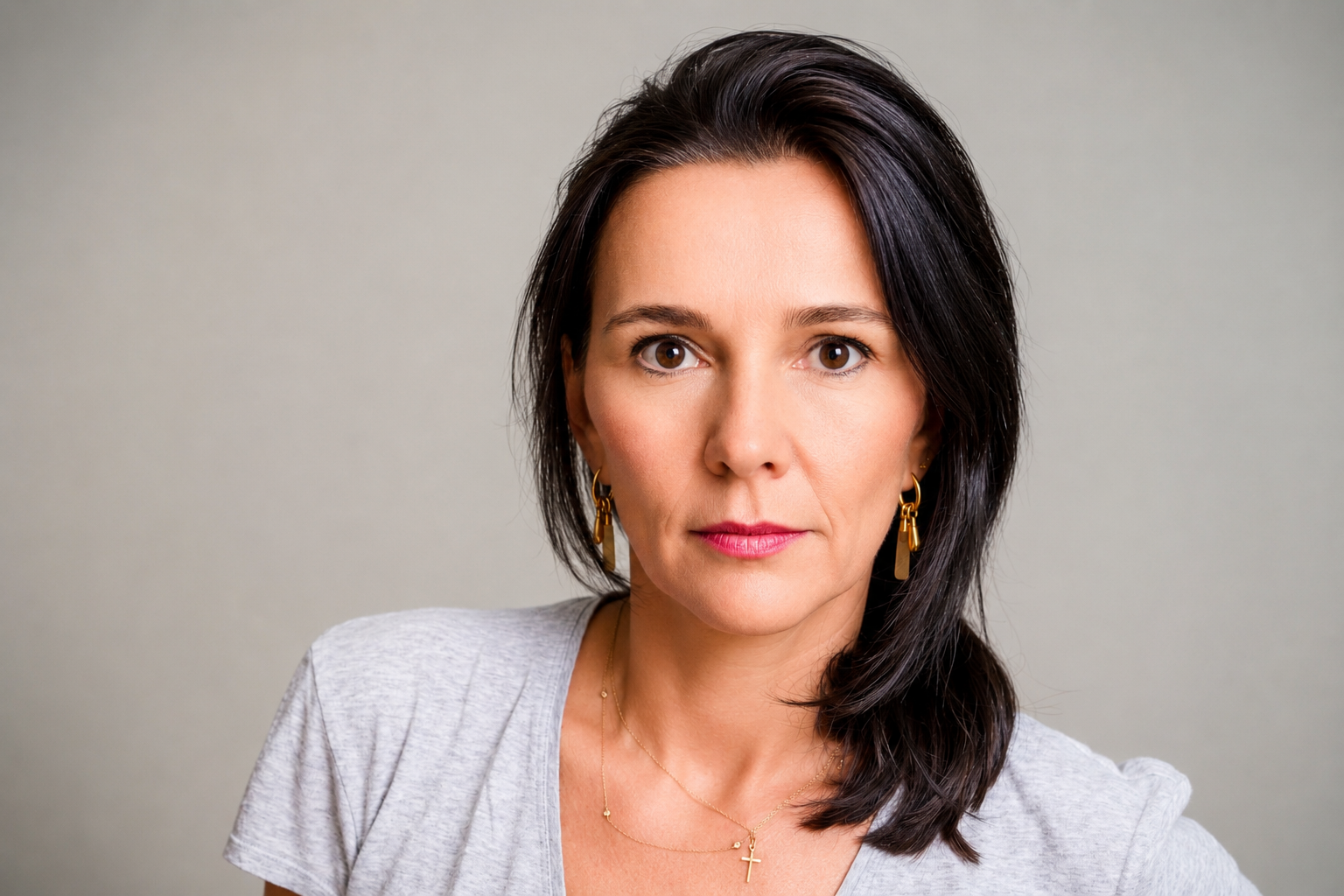
Marc Cohen
The world needs spa now more than ever, says Cohen / Dr Marc Cohen
War or wellness? The geopolitics of human flourishing
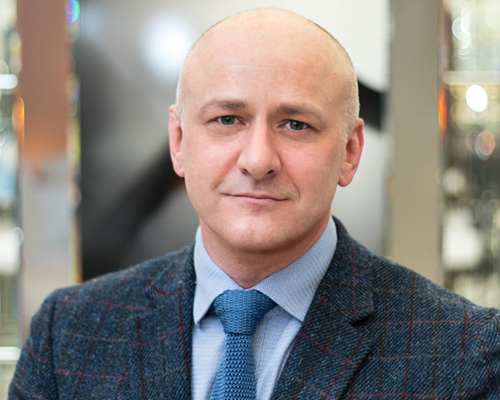
Marc Cohen, professor, integrative doctor, author and entrepreneur

The Middle East has always been a hotspot of human activity, where prophets walked the deserts, empires rose and fell and trade routes distributed spices, knowledge and culture across three continents. It’s also the birthplace of traditions that underpin the modern spa.

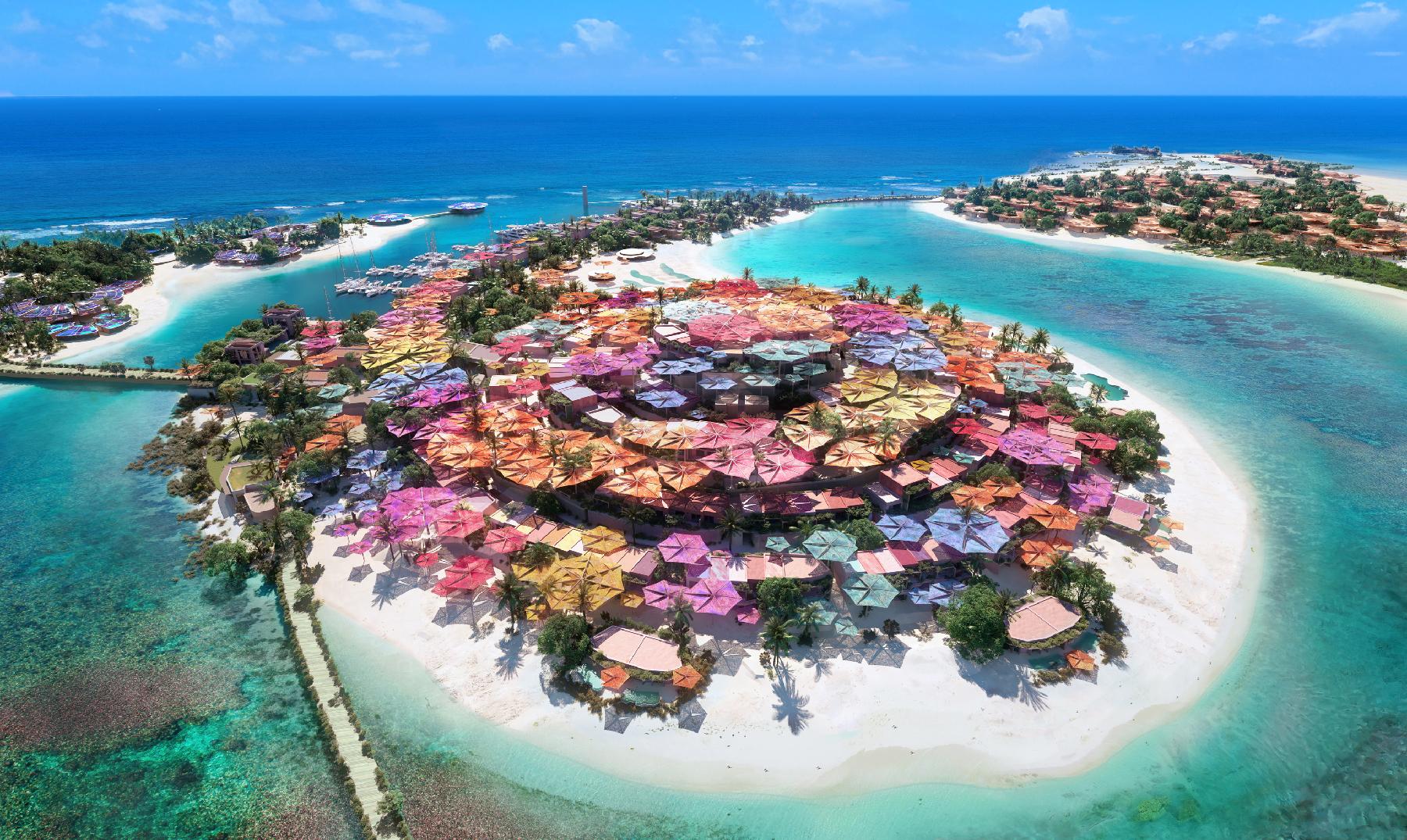
While visiting Saudi Arabia recently, I explored the vast construction sites of Neom, just one of a collection of futuristic giga-projects designed to transform Saudi Arabia into a hub for global tourism with total projected investment over US$8 trillion (€6.8 trillion, £5.9 trillion).

Yet, while engineers and architects are constructing the cities of tomorrow, renewed conflict in the region raises a profound question: Will the future be shaped by war or by wellness?

Tourism or terrorism?

The currency of wellness is connection. Wellness thrives on openness, freedom of movement, cultural exchange and trust between people. Wellness, therefore, requires tourism and people crossing borders and experiencing new landscapes, cultures and healing traditions in the pursuit of human flourishing.

Wellness tourism creates incentives for cooperation, stability and long-term destination value

War and terrorism operate in the opposite direction. Tourism requires open borders and investment in local infrastructure. War closes borders and creates technology that destroys infrastructure. The two are fundamentally incompatible.

This tension is particularly evident in the Middle East, a region that’s been a centre of medicine, scholarship and wellness for millennia.

During the Islamic Golden Age, the Persian polymath Avicenna described a holistic approach to health based on simple, repeatable lifestyle practices: contrast bathing, immersion in nature, and oxymels (tonics made from vinegar, honey, and herbs). These practices embody what modern biohackers and wellness practitioners are rediscovering today: that simple practices, when done consistently, create positive feedback loops with asymmetrical benefits.

The asymmetry of war and wellness

The current Middle East conflict demonstrates that asymmetry is a defining feature of modern warfare. Low-cost technologies like drones are capable of causing damage worth billions.

Wellness has the opposite logic. Many wellness practices are asymmetric to the upside. This suggests the spa industry could become a powerful cultural force.
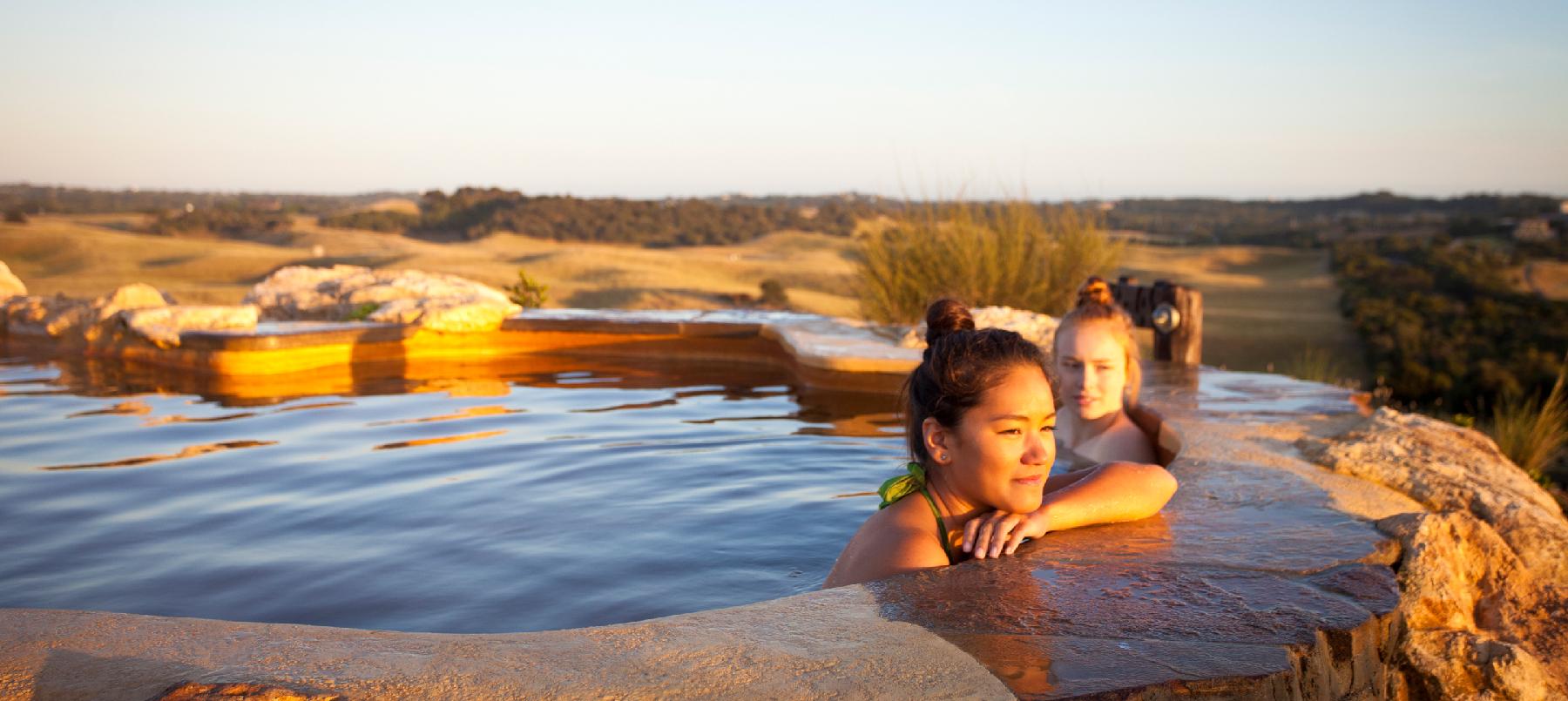
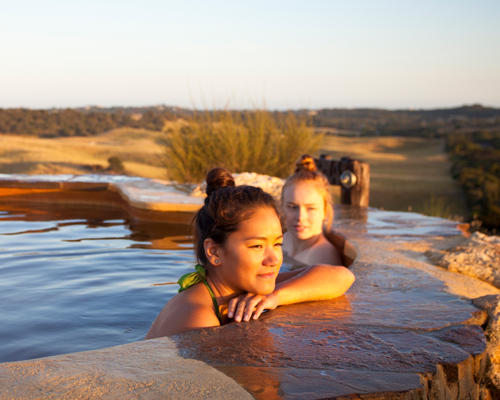
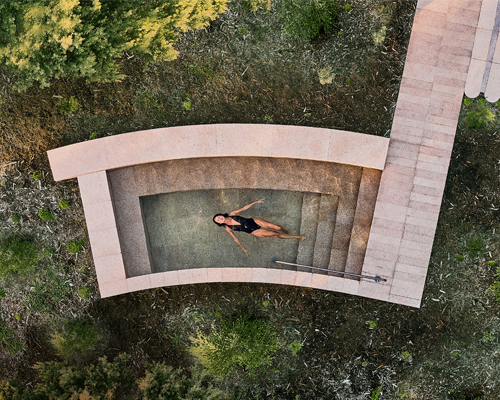
Women in pool
Simple practices often deliver civilisation’s greatest returns / Peninsula Hot Springs

Wellness as geopolitics

The wellness sector rarely sees itself as part of geopolitics. Yet it should.

Unlike extractive industries that concentrate wealth around finite resources, wellness tourism is a service industry that depends on healthy ecosystems, cultural diversity and peaceful environments. A hot spring, mountain trail, or hammam becomes more valuable when shared. Thus, wellness tourism does more than generate revenue; it cultivates the social conditions that make peace a rational economic choice.

Can wellness overcome war?

The global wellness economy is now valued at approximately US$6.8 trillion (€5.81 trillion, £5.04 trillion); more than twice the global military economy of US$2.7 trillion (€2.3 trillion, £2 trillion). But scale alone is not sufficient.

It’s important to examine where investment flows. Wellness developments concentrated on luxury urban destinations accessible only to the affluent don’t build the trust that makes peace durable. Yet, a wellness economy anchored in practices such as thermal bathing, immersion in nature and traditional healing practices available at almost every price point, fosters the conditions for peace and prosperity.

The currency of wellness tourism is connection, trust and human restoration

The goal then is not simply a bigger wellness industry. It’s a more distributed, culturally rooted and accessible one, in which the spa and thermal bathing sector plays a leading role.

What this means for spas

The spa industry doesn’t have to be a passive spectator of world events. It can be an active participant in the choice between war and wellness. By creating beautiful, well-managed places where people feel truly alive, spas contribute more than revenue. They contribute to the social conditions that make peace a rational choice.

Every spa that invests in its natural surroundings, waters, botanicals and cultural heritage, creates an economic argument for protecting that environment. Every operator that trains staff in service and traditional healing practices helps keep living culture alive. Every wellness retreat that welcomes guests from different nations, faiths and backgrounds is engaged in practical diplomacy.

A spa is not a luxury. It’s infrastructure for human flourishing. And the world needs that infrastructure now more than ever.

A choice for civilisation

Humanity now faces an extraordinary choice. War or wellness? Will we continue to invest in weapon systems designed to degrade human life and infrastructure? Or will we invest in places where people can genuinely flourish?

In the end, the most powerful infrastructure we can build may not be a mirrored megacity or a missile defence system, but a global wellness culture where we’re all so interconnected and invested in the pursuit of wellness that war becomes unthinkable.
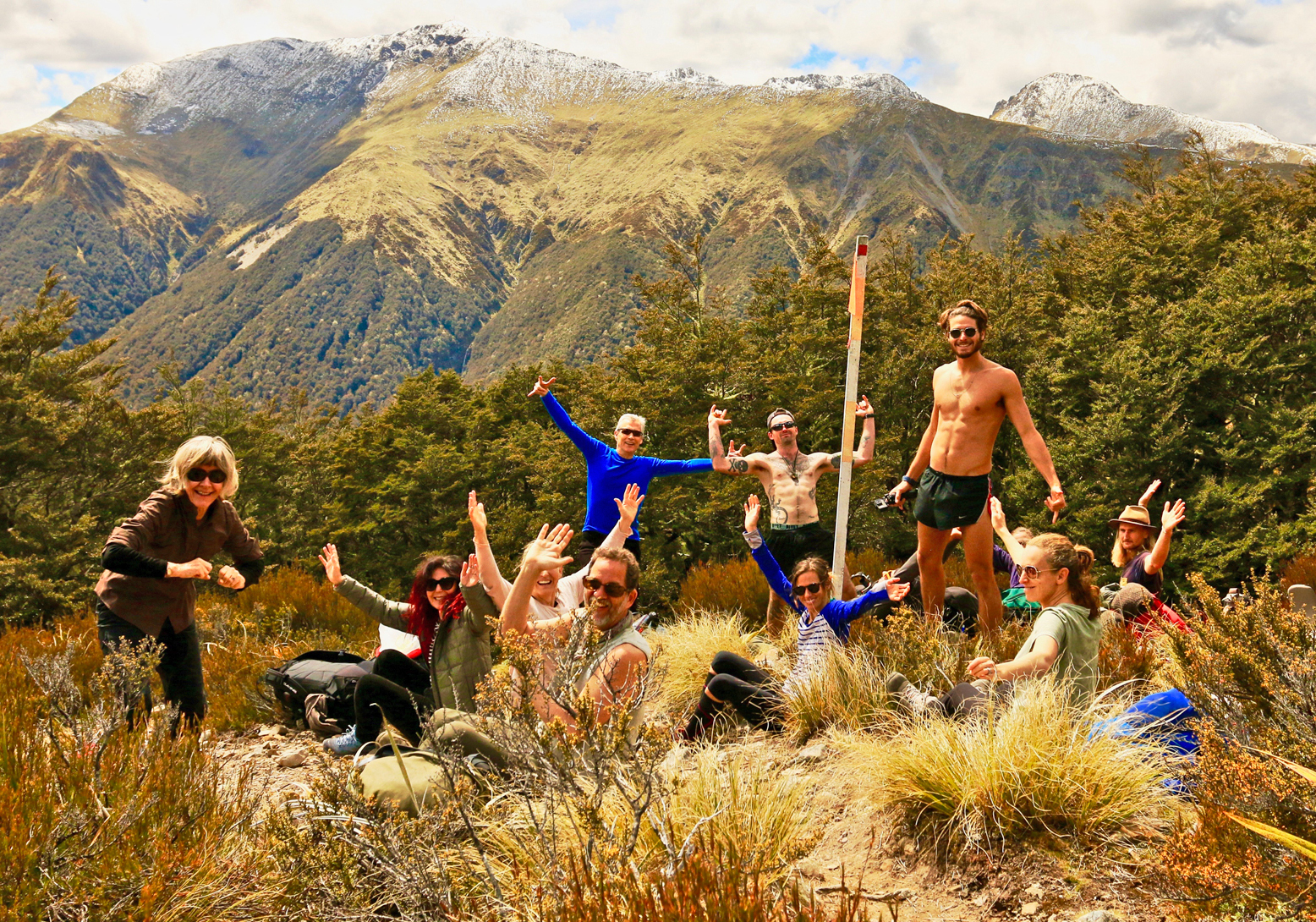
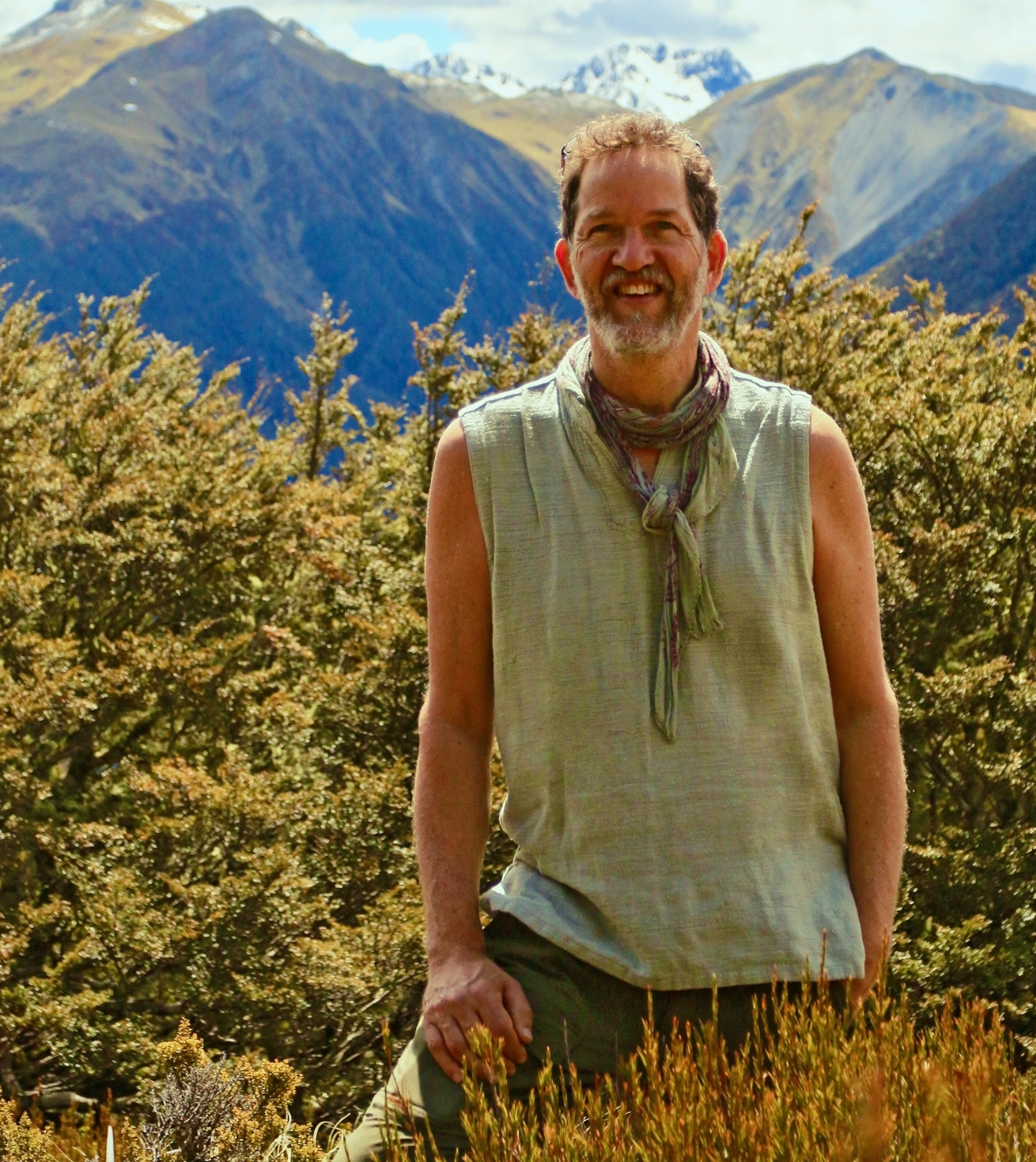
Group posing in mountains
Immersion in nature shapes stronger, healthier societies, says Cohen / Dr Marc Cohen
Steve Porter
Steve Porter / Vanessa Valentine
The best spas in the world will be managed by AI
Steve Porter, co-founder, Trybe

Here’s a statement that will make some spa managers uncomfortable: within five years, the highest-performing spas, the ones delivering the most exceptional guest experiences and the healthiest margins, will be run by artificial intelligence. Not assisted by it. Run by it.

Before you dismiss that as tech-industry hyperbole, consider what’s already happening. AI agents are no longer experimental curiosities. They’re autonomous decision-makers capable of processing vast operational datasets in real time, identifying patterns no human team could spot and acting on them instantly. The spa industry is ripe for this revolution and the operators who recognise it first will leave everyone else behind.

Let me be specific about what this looks like. The spa manager’s role, as we know it, is about to be fundamentally rewritten. The daily grind of scheduling, pricing, staffing, marketing and guest communications will be executed by AI agents making thousands of micro-decisions every hour. Dynamic pricing that shifts with real-time utilisation and demand trends. Therapist rotas optimised not just for coverage, but for revenue per room per hour.

The spa manager′s role will fundamentally be rewritten

The human isn’t removed from this picture. They become the strategist, the quality controller, the final green-button pusher. But the heavy lifting is delegated and the results will be transformational.

The forward-thinking software companies powering this shift will evolve into consultative partners. Operators will spend less time clicking through dashboards and more time delivering expert care and extraordinary hospitality. Platforms will leverage their network data to define what ‘good’ looks like across the industry, then proactively suggest the changes needed to get there.

Imagine this: it’s a Tuesday morning and your AI has already repriced your afternoon slots based on local weather and a cancellation spike across your region. It’s tailored offers to past guests, flagged underbooked therapists and project revenue impact. You arrive, review and approve. That’s your management meeting. Done.

This isn’t science fiction. The underlying technology exists today. The pace of change in AI isn’t linear. It’s exponential. And the spas that wait to see proof will be the ones scrambling to catch up. 

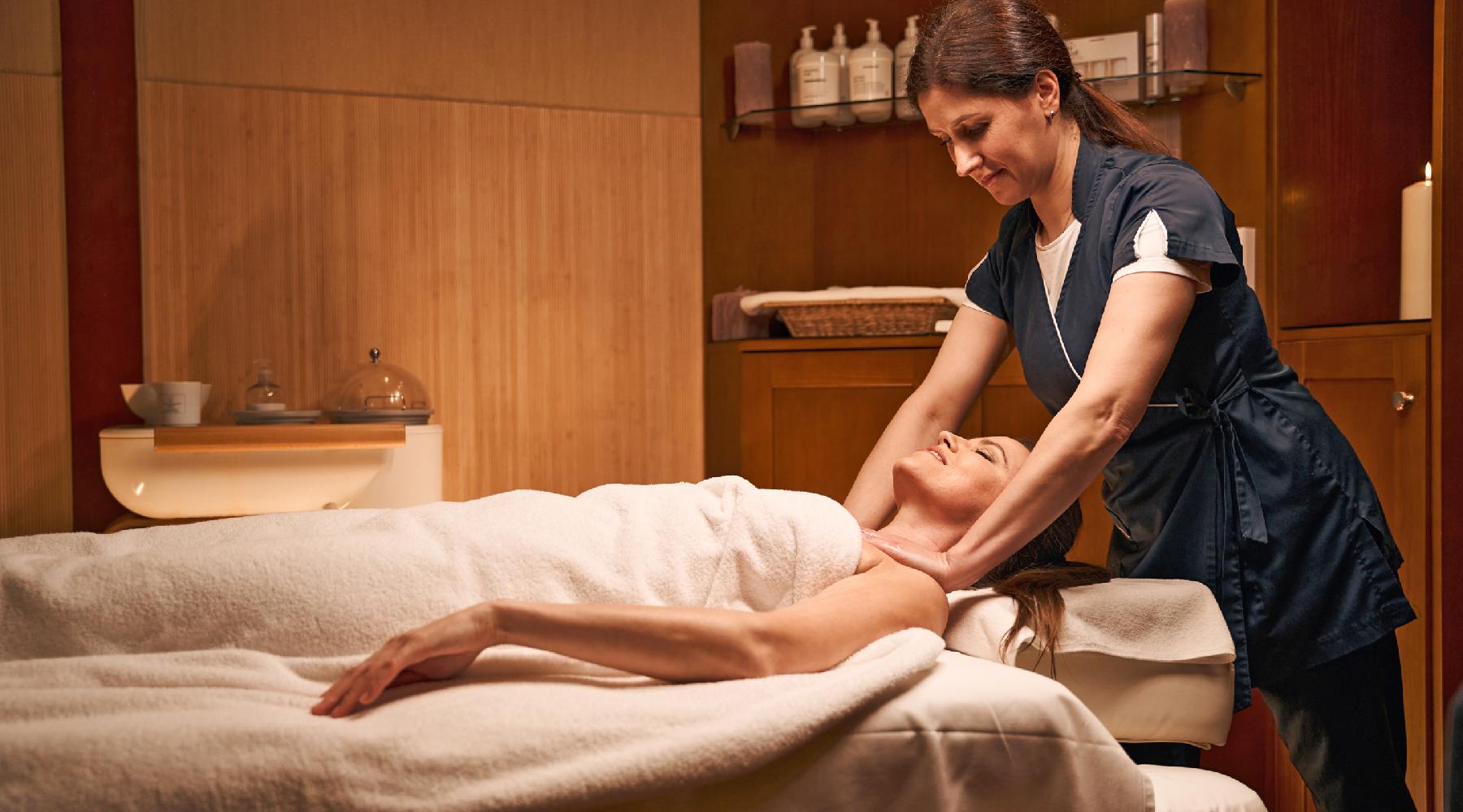
Woman having treatment
Humans will have more time to deliver expert hands-on care / shutterstock/Svitlana Hulko

Read more from this issue of Spa Business magazine

View contents of Spa Business 2026 issue 2
FEATURED SUPPLIERS

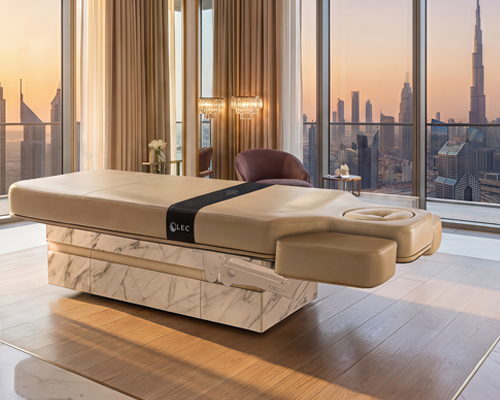
Le Atelier by C.O.D.E. - bespoke means moving beyond the catalogue to delivering contextual design responses
Le Atelier by C.O.D.E. doesn't offer a standard bespoke service, it provides a highly customised approach to designing massage beds and loungers in high-end wellness environments. [more...]

Longevity in spas: a strategic choice, not a default setting
Longevity has become one of the most debated concepts in contemporary wellness. [more...]
+ More featured suppliers  
COMPANY PROFILES
Gharieni Group

For 35 years, the Gharieni Group has redefined wellness, spa and medical equipment, setting global [more...]
Omnisens

Rooted in nature and guided by a holistic philosophy, Omnisens' treatments and products are crafted [more...]
+ More profiles  
CATALOGUE GALLERY
 

+ More catalogues  

DIRECTORY
+ More directory  
DIARY


21-23 Jun 2026

Spa Life International (UK)

Midlands (Venue TBA), Liphook, United Kingdom
22-22 Jun 2026

World Bathing Day

Worldwide,
+ More diary  
 
ABOUT LEISURE MEDIA
LEISURE MEDIA MAGAZINES
LEISURE MEDIA HANDBOOKS
LEISURE MEDIA WEBSITES
LEISURE MEDIA PRODUCT SEARCH
 
SPA BUSINESS
SPA OPPORTUNITIES
SPA BUSINESS HANDBOOK
PRINT SUBSCRIPTIONS
FREE DIGITAL SUBSCRIPTIONS
ADVERTISE . CONTACT US

Leisure Media
Tel: +44 (0)1462 431385

©Cybertrek 2026
Uniting the world of spa & wellness
Get Spa Business and Spa Business insider digital magazines FREE
Sign up here ▸
News   Products   Magazine   Subscribe
Letters
SB Forum

Challenge thinking. Share insight. Shape the conversation in the global spa and wellness industry. We’d love to hear from you. Write to [email protected]


Marc Cohen
The world needs spa now more than ever, says Cohen / Dr Marc Cohen
War or wellness? The geopolitics of human flourishing
Marc Cohen, professor, integrative doctor, author and entrepreneur

The Middle East has always been a hotspot of human activity, where prophets walked the deserts, empires rose and fell and trade routes distributed spices, knowledge and culture across three continents. It’s also the birthplace of traditions that underpin the modern spa.

While visiting Saudi Arabia recently, I explored the vast construction sites of Neom, just one of a collection of futuristic giga-projects designed to transform Saudi Arabia into a hub for global tourism with total projected investment over US$8 trillion (€6.8 trillion, £5.9 trillion).

Yet, while engineers and architects are constructing the cities of tomorrow, renewed conflict in the region raises a profound question: Will the future be shaped by war or by wellness?

Tourism or terrorism?

The currency of wellness is connection. Wellness thrives on openness, freedom of movement, cultural exchange and trust between people. Wellness, therefore, requires tourism and people crossing borders and experiencing new landscapes, cultures and healing traditions in the pursuit of human flourishing.

Wellness tourism creates incentives for cooperation, stability and long-term destination value

War and terrorism operate in the opposite direction. Tourism requires open borders and investment in local infrastructure. War closes borders and creates technology that destroys infrastructure. The two are fundamentally incompatible.

This tension is particularly evident in the Middle East, a region that’s been a centre of medicine, scholarship and wellness for millennia.

During the Islamic Golden Age, the Persian polymath Avicenna described a holistic approach to health based on simple, repeatable lifestyle practices: contrast bathing, immersion in nature, and oxymels (tonics made from vinegar, honey, and herbs). These practices embody what modern biohackers and wellness practitioners are rediscovering today: that simple practices, when done consistently, create positive feedback loops with asymmetrical benefits.

The asymmetry of war and wellness

The current Middle East conflict demonstrates that asymmetry is a defining feature of modern warfare. Low-cost technologies like drones are capable of causing damage worth billions.

Wellness has the opposite logic. Many wellness practices are asymmetric to the upside. This suggests the spa industry could become a powerful cultural force.

Women in pool
Simple practices often deliver civilisation’s greatest returns / Peninsula Hot Springs

Wellness as geopolitics

The wellness sector rarely sees itself as part of geopolitics. Yet it should.

Unlike extractive industries that concentrate wealth around finite resources, wellness tourism is a service industry that depends on healthy ecosystems, cultural diversity and peaceful environments. A hot spring, mountain trail, or hammam becomes more valuable when shared. Thus, wellness tourism does more than generate revenue; it cultivates the social conditions that make peace a rational economic choice.

Can wellness overcome war?

The global wellness economy is now valued at approximately US$6.8 trillion (€5.81 trillion, £5.04 trillion); more than twice the global military economy of US$2.7 trillion (€2.3 trillion, £2 trillion). But scale alone is not sufficient.

It’s important to examine where investment flows. Wellness developments concentrated on luxury urban destinations accessible only to the affluent don’t build the trust that makes peace durable. Yet, a wellness economy anchored in practices such as thermal bathing, immersion in nature and traditional healing practices available at almost every price point, fosters the conditions for peace and prosperity.

The currency of wellness tourism is connection, trust and human restoration

The goal then is not simply a bigger wellness industry. It’s a more distributed, culturally rooted and accessible one, in which the spa and thermal bathing sector plays a leading role.

What this means for spas

The spa industry doesn’t have to be a passive spectator of world events. It can be an active participant in the choice between war and wellness. By creating beautiful, well-managed places where people feel truly alive, spas contribute more than revenue. They contribute to the social conditions that make peace a rational choice.

Every spa that invests in its natural surroundings, waters, botanicals and cultural heritage, creates an economic argument for protecting that environment. Every operator that trains staff in service and traditional healing practices helps keep living culture alive. Every wellness retreat that welcomes guests from different nations, faiths and backgrounds is engaged in practical diplomacy.

A spa is not a luxury. It’s infrastructure for human flourishing. And the world needs that infrastructure now more than ever.

A choice for civilisation

Humanity now faces an extraordinary choice. War or wellness? Will we continue to invest in weapon systems designed to degrade human life and infrastructure? Or will we invest in places where people can genuinely flourish?

In the end, the most powerful infrastructure we can build may not be a mirrored megacity or a missile defence system, but a global wellness culture where we’re all so interconnected and invested in the pursuit of wellness that war becomes unthinkable.

Group posing in mountains
Immersion in nature shapes stronger, healthier societies, says Cohen / Dr Marc Cohen

Steve Porter
Steve Porter / Vanessa Valentine
The best spas in the world will be managed by AI
Steve Porter, co-founder, Trybe

Here’s a statement that will make some spa managers uncomfortable: within five years, the highest-performing spas, the ones delivering the most exceptional guest experiences and the healthiest margins, will be run by artificial intelligence. Not assisted by it. Run by it.

Before you dismiss that as tech-industry hyperbole, consider what’s already happening. AI agents are no longer experimental curiosities. They’re autonomous decision-makers capable of processing vast operational datasets in real time, identifying patterns no human team could spot and acting on them instantly. The spa industry is ripe for this revolution and the operators who recognise it first will leave everyone else behind.

Let me be specific about what this looks like. The spa manager’s role, as we know it, is about to be fundamentally rewritten. The daily grind of scheduling, pricing, staffing, marketing and guest communications will be executed by AI agents making thousands of micro-decisions every hour. Dynamic pricing that shifts with real-time utilisation and demand trends. Therapist rotas optimised not just for coverage, but for revenue per room per hour.

The spa manager′s role will fundamentally be rewritten

The human isn’t removed from this picture. They become the strategist, the quality controller, the final green-button pusher. But the heavy lifting is delegated and the results will be transformational.

The forward-thinking software companies powering this shift will evolve into consultative partners. Operators will spend less time clicking through dashboards and more time delivering expert care and extraordinary hospitality. Platforms will leverage their network data to define what ‘good’ looks like across the industry, then proactively suggest the changes needed to get there.
Imagine this: it’s a Tuesday morning and your AI has already repriced your afternoon slots based on local weather and a cancellation spike across your region. It’s tailored offers to past guests, flagged underbooked therapists and project revenue impact. You arrive, review and approve. That’s your management meeting. Done.

This isn’t science fiction. The underlying technology exists today. The pace of change in AI isn’t linear. It’s exponential. And the spas that wait to see proof will be the ones scrambling to catch up. 

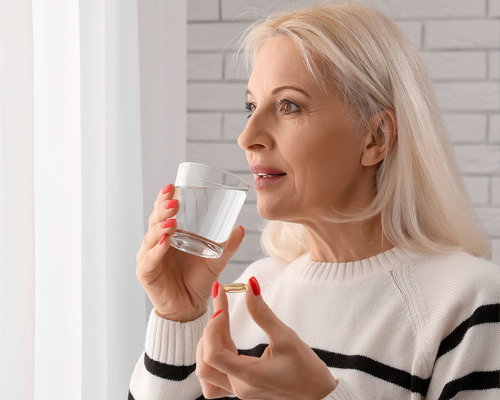
Woman having treatment
Humans will have more time to deliver expert hands-on care / shutterstock/Svitlana Hulko

Read more from this issue of Spa Business magazine

View contents of Spa Business 2026 issue 2
LATEST NEWS
The Good Spa Guide sets up event for modified Good Spa Guide Awards
The UK spa review and discovery platform for consumers, the Good Spa Guide, has announced it will host the Good Spa Guide Awards 2026 during an event on 16 November at Sopwell House Hotel in St Albans, UK.
McKinsey: 84 per cent of consumers say wellness is a top priority
Eighty-four per cent of consumers now say wellness is a top priority in their lives, with this percentage increasing year on year, according to a preview presentation of McKinsey’s Future of Wellness 2026 research report.
Protests continue in Albania against US$1.6 billion luxury resort backed by Jared Kushner and Ivanka Trump
Mass protests have been taking place since Monday 1 June in Albania over the development of a luxury resort by Donald Trump’s daughter Ivanka Trump and her husband Jared Kushner.

Barons Eden rebrands to Hiddenwell ahead of spa hotel portfolio expansion
Barons Eden, the UK parent company that operates luxury destination properties in England, has rebranded to become Hiddenwell.
Belgin Aksoy marks 15 years of Global Wellness Day
Global Wellness Day (GWD) marked its 15th anniversary on Saturday 13 June 2026, with the theme: #JoyMagenta – a celebration of the healing qualities of simple gestures and activities that spark joy.
HUM2N launches longevity clinic at Six Senses London
Global luxury hospitality brand, Six Senses, has partnered with longevity healthcare provider, HUM2N, to launch a clinic at Six Senses London, at The Whiteley.
Mayrlife opens first hotel day clinic in partnership with Rosewood Vienna
As part of its first hotel partnership, Mayrlife – the medical health resort company known for its site in Altaussee, Austria – has launched a day clinic at the Rosewood Vienna.
KX Chelsea invests £15 million to upgrade its wellness offering
Premium London health club, KX Chelsea, will imminently unveil its most significant redevelopment since its launch in 2002 to create an integrated wellness model combining training, recovery and relaxation.
Rosewood Le Guanahani St Barth offers ocean-themed yoga for Global Wellness Day
Rosewood Le Guanahani St Barth, on the northeast coast of Saint Barthélemy in the French West Indies, is offering a programme of ocean-inspired yoga classes between 8-14 June to celebrate Global Wellness Day (GWD).
Butterfly sanctuary to host hot yoga during retreat at Jersey Zoo for Hotel de France
Hotel de France, located on the British Isle of Jersey, has created a wellness retreat package that includes a hot yoga session that will take place in Jersey Zoo’s butterfly sanctuary.
Hoshino Resorts combats summer heat with medically-supervised cool bathing programme for KAI onsen
Hoshino Resorts has developed a “Cool-down onsen soak” programme at properties with Japanese onsen facilities – those within the company’s KAI brand.
Rainforest immersion and mindfulness are on offer at The Ritz-Carlton, Langkawi, for Global Wellness Day
The Ritz-Carlton, Langkawi, in Malaysia, has revealed a schedule for Global Wellness Day (GWD) that includes guided rainforest walks, mindful movement and guided coastal meditation experiences.
+ More news   
 
FEATURED SUPPLIERS

Le Atelier by C.O.D.E. - bespoke means moving beyond the catalogue to delivering contextual design responses
Le Atelier by C.O.D.E. doesn't offer a standard bespoke service, it provides a highly customised approach to designing massage beds and loungers in high-end wellness environments. [more...]

Longevity in spas: a strategic choice, not a default setting
Longevity has become one of the most debated concepts in contemporary wellness. [more...]
+ More featured suppliers  
COMPANY PROFILES
Gharieni Group

For 35 years, the Gharieni Group has redefined wellness, spa and medical equipment, setting global [more...]
+ More profiles  
CATALOGUE GALLERY
+ More catalogues  

DIRECTORY
+ More directory  
DIARY


21-23 Jun 2026

Spa Life International (UK)

Midlands (Venue TBA), Liphook, United Kingdom
22-22 Jun 2026

World Bathing Day

Worldwide,
+ More diary  


ADVERTISE . CONTACT US

Leisure Media
Tel: +44 (0)1462 431385

©Cybertrek 2026

ABOUT LEISURE MEDIA
LEISURE MEDIA MAGAZINES
LEISURE MEDIA HANDBOOKS
LEISURE MEDIA WEBSITES
LEISURE MEDIA PRODUCT SEARCH
PRINT SUBSCRIPTIONS
FREE DIGITAL SUBSCRIPTIONS