WELLSurvey 1.0*, conducted in January 2024, was the first national probability survey to examine how US adults understand the relationship between wellness, wellbeing and longevity. The survey polled a representative sample of 1,004 adults aged 25 to 74, drawn from the top half of all US households defined by annual income. The initial findings were reported in Spa Business in September 2024 (www.spabusiness.com/WS24).
The survey was inspired by the observation that many providers conflate the concepts of wellness and wellbeing and use the terms interchangeably. Brands, operators, service providers, retreats and resorts routinely blur the concepts in their marketing and fail to communicate the unique aspects and benefits of each properly.
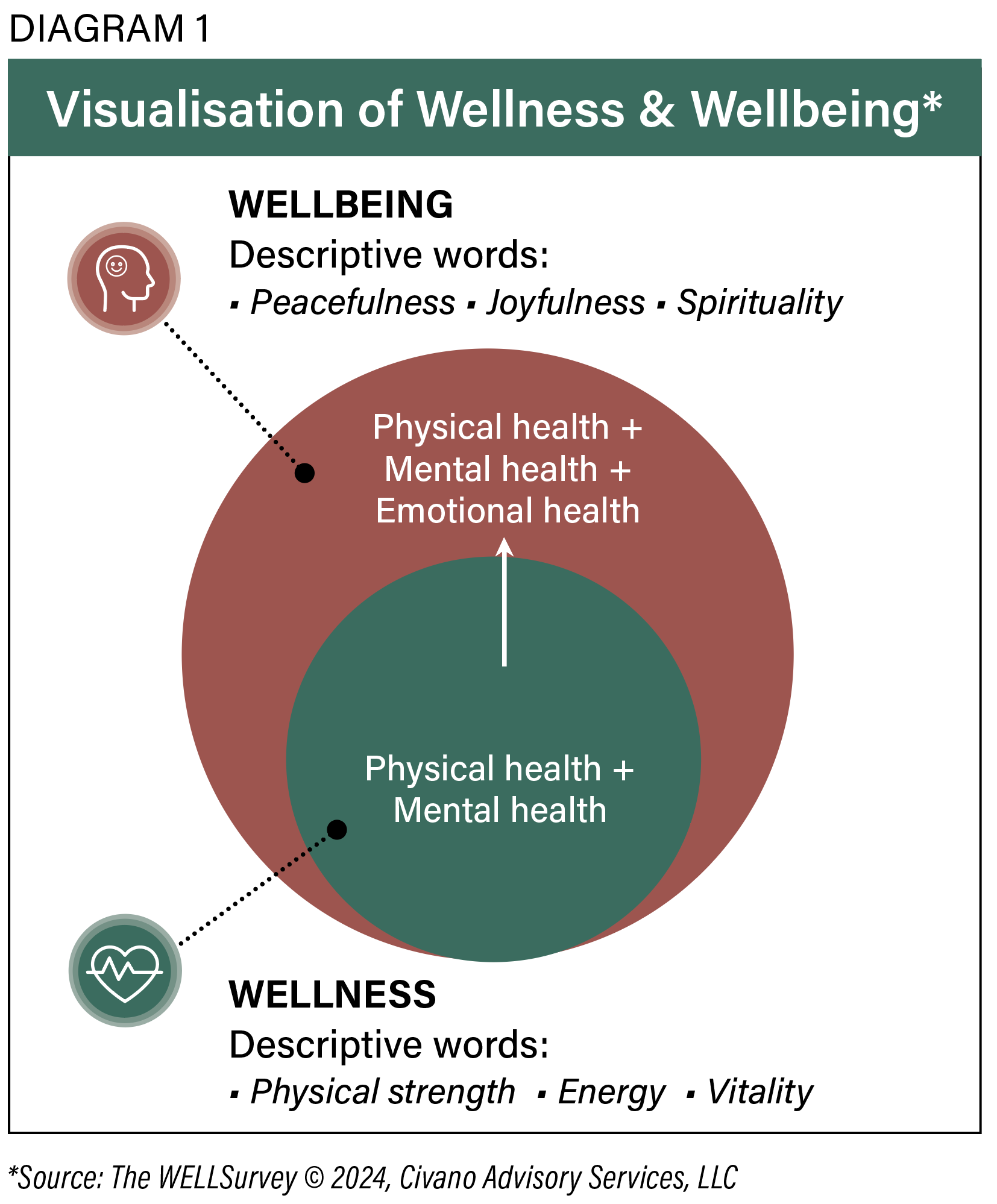
Consumers recognise the concepts of wellness and wellbeing are related but describe different outcomes defined by the associated benefits. Wellness is seen as a set of activities people undertake to support their health, such as exercise, spa treatments and preventive practices. Wellbeing is understood to be a result of those activities viewed through the lens of emotional health: the way a person feels physically, mentally and emotionally. This distinction matters because it frames the appeal of the products, services and experiences consumers seek in the marketplace.
WELLSurvey 1.0 also revealed another very important insight for industry providers – there are more adults interested in enhancing their wellbeing than their wellness. Stated another way: the addressable market for wellbeing is larger than for wellness. But people drawn to each concept differ demographically and psychographically. Their values, attitudes, behaviours and beliefs vary in ways that filter the kinds of products, services and experiences they find meaningful and worth pursuing.
Collectively, the insights from WELLSurvey 1.0 revealed that wellness activities are inputs, wellbeing is the integrated outcome and longevity is a measure of whether that outcome is sustained over time.
These findings led us to ask whether adults in two other major markets think the same way. To answer that question, we conducted WELLSurvey 2.0 across the US, the UK and Germany.

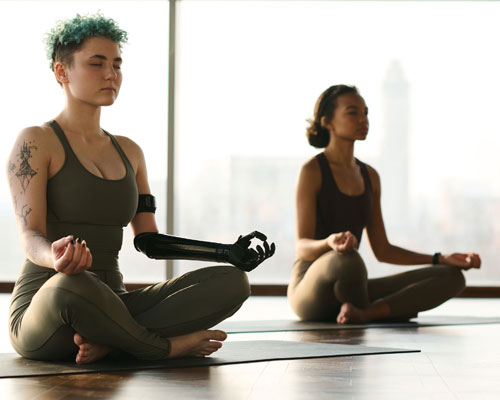
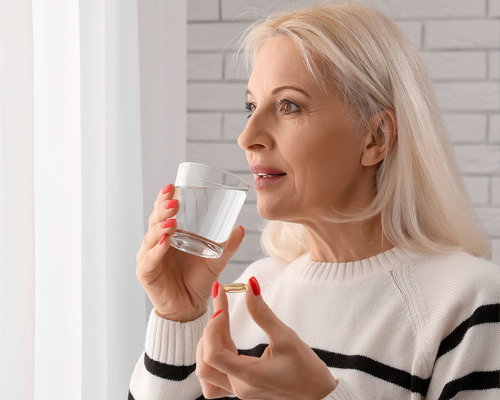
People view ‘wellness’ as active participation in health-supporting behaviours / Freepik / Rawpixel
WELLSurvey heads to Europe
WELLSurvey 2.0 surveyed 2,648 adults aged 25 to 74: 51 per cent were female and 49 per cent male. They lived in the top half of all households defined by annual income in their respective countries. The survey included 1,026 respondents in the US, 804 in the UK and 818 in Germany and was conducted online in November 2025.
Respondents were highly engaged in maintaining their health. More than 70 per cent rated their health as good or excellent. Ninety-one per cent reported taking part in some form of physical activity and 70 per cent collected and monitored their health metrics.
Across the three markets, interest in enhancing wellbeing was also high. Fifty per cent of respondents said they were interested in doing so, while 54 per cent reported they regularly used spa, wellness or preventive therapies. In Germany the incidence rose to 76 per cent of respondents, reflecting particularly strong engagement with integrative health practices there.
These figures reveal that survey respondents were active participants in health-related behaviour. This context is important because today’s consumers have unprecedented access to ways to improve their health. Fitness programmes, supplements, recovery technologies, nutritional plans, preventive diagnostics and longevity protocols are more widely available than at any other time in history. Yet, the results of WELLSurvey 2.0 suggest access alone no longer defines the wellness category. What increasingly matters is how people judge the outcome of their participation in these activities.
WELLSurvey 2.0 also confirmed the central finding of the prequel. Again, wellness was understood primarily as a set of practical behaviours that supported physical and mental health. It covered activities linked to prevention, performance and maintaining the body and mind in working order. Wellbeing included those dimensions but also derived from the addition of other important components of contemporary life: emotional health, social relationships, sense of purpose, financial security, career path and environmental concerns. It was therefore more closely associated with quality of life and longevity than wellness.
The relationship between wellness and wellbeing is shown in Diagram 1 Visualisation of Wellness and Wellbeing, which also includes the three words (of 18 tested) most closely associated with each concept.
*Source: The WELLSurvey © 2024, Civano Advisory Services, LLC
The power of emotional health
Emotional state emerged as a central factor in how individuals judge their overall health, with sleep disruption, anxiety and stress identified as key barriers to achieving wellbeing. Consumers no longer judge wellness activities solely by whether they improve physical strength, endurance or recovery. They increasingly judge them by whether these activities enhance emotional balance.
Across the three markets, 50 per cent of all respondents were interested in enhancing their wellbeing (68 per cent in Germany), compared with 38 per cent who were interested in enhancing their wellness. Fully 80 per cent agreed that “wellbeing increases your longevity”, while a statistically significant lower percentage (76 per cent) agreed wellness yielded a similar benefit. This difference suggests that consumers increasingly think in terms of outcomes rather than activities. Wellness matters, but wellbeing is the state they’re trying to achieve. Longevity, meanwhile, is not seen simply as living longer. It’s increasingly understood as durable health: the ability to sustain physical, mental and emotional balance, or wellbeing, over time.
The main drivers of wellbeing
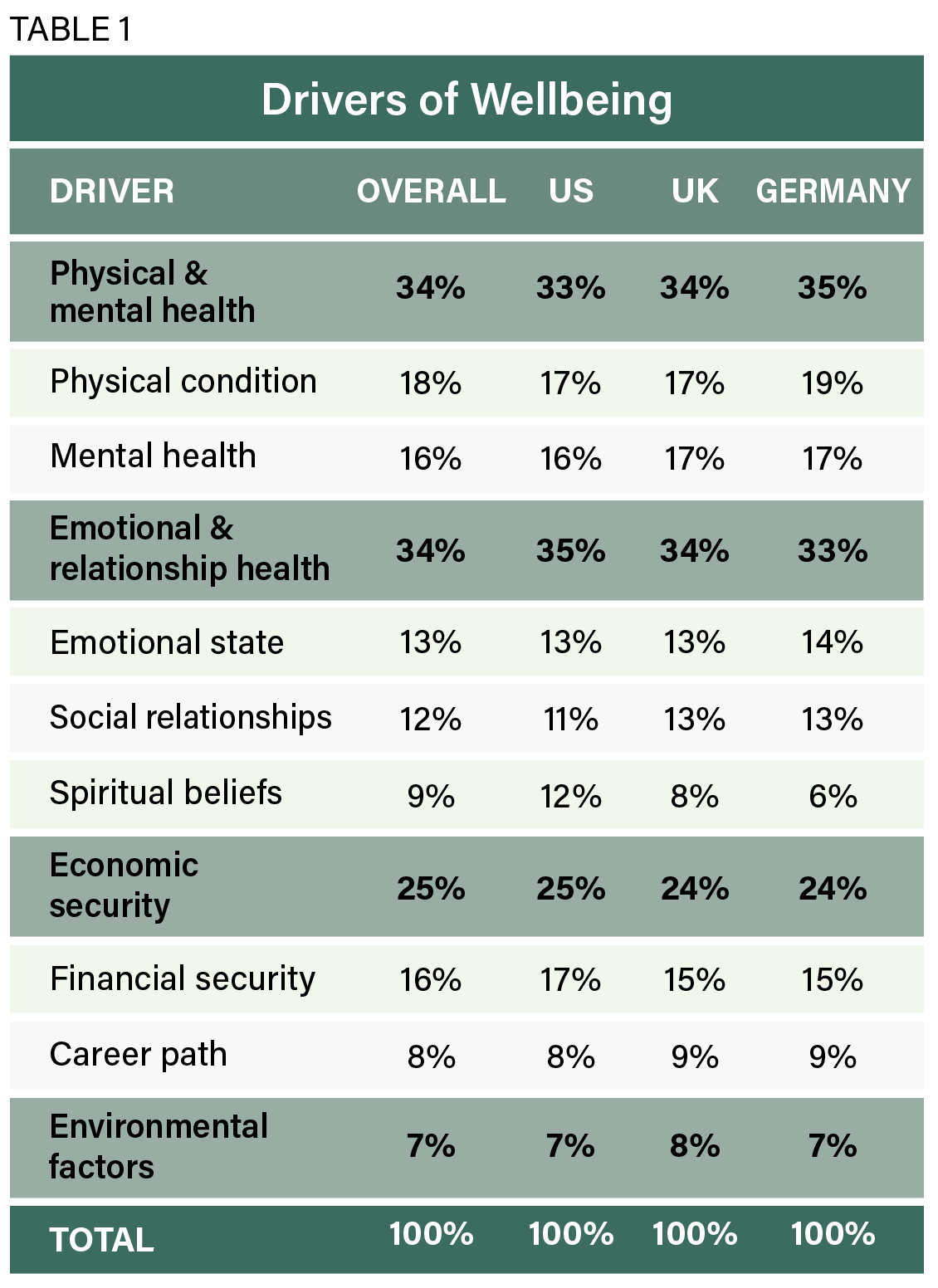
The survey also explored what people see as the main drivers of wellbeing, as shown in Table 1 Drivers of Wellbeing. Respondents were asked to assess the relative importance of eight potential drivers and were required to allocate a total score of 100 points across all of them – forcing people to make trade-offs that revealed the relative importance of each.
A consistent hierarchy of influence emerged in all three countries. The top five drivers collectively represented three-quarters of the total weight: physical condition (18 per cent), financial security (16 per cent), mental health (16 per cent), emotional state (13 per cent) and social relationships (12 per cent).
A particularly revealing insight emerged when the eight drivers were consolidated into four related categories – Physical and Mental Health, Emotional and Relational Health, Economic Security and Environmental Factors. For all respondents, Physical and Mental Health and Emotional and Relational Health were weighted identically at 34 per cent, with Economic Security at 25 per cent and Environmental Factors at 7 per cent. Viewed in this manner, the ratings across all three countries reflect a consistent assessment of the relative importance of the eight drivers that’s obscured in the individual rankings.
But the results for respondents aged 25 to 44 were different: Emotional and Relational Health (35 per cent) exceeded Physical and Mental Health (32 per cent). These results suggest this younger cohort does not separate the physical-and-mental from the emotional-and-relational to the same degree older adults do. Rather, they treat both as contributors to a single integrated outcome – durable wellbeing – evaluated by their emotional state.
The survey results underscore the increasingly important role of emotional state in assessing overall health. In WELLSurvey 1.0, it was identified as a dimension of wellbeing, not wellness. In WELLSurvey 2.0, it moved closer to the centre of both concepts. Consumers still recognised a distinction between wellness and wellbeing, but emotional balance played a much more influential role in how they judged their overall health. Emotional state therefore appears to function as a signal through which people evaluate whether the broader system of behaviours they pursue in support of their wellbeing is working. This also explains why wellbeing is more closely associated with longevity than wellness. Wellness behaviours may support health, but wellbeing describes a more integrated condition that combines functional health with the emotional and social quality of life. Longevity therefore reflects whether this integrated state is sustained over time.

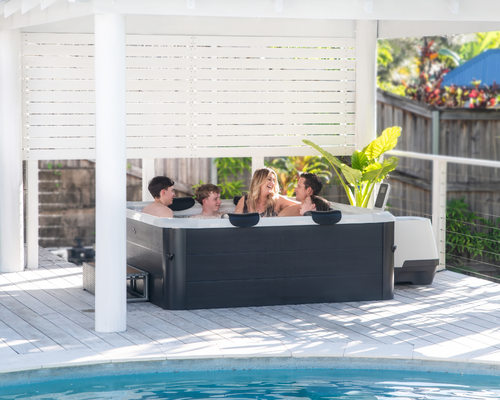
Social connection is seen as a key driver of wellbeing / shutterstock/Master1305
The importance of trust
As this broader understanding of health becomes more widespread, trust in claims about products and services intended to enhance wellbeing becomes more important. The marketplace is crowded with boastful claims about supplements, recovery devices, therapies and longevity protocols. Yet consumers are becoming very selective about which claims they believe.
WELLSurvey 2.0 examined the language consumers trust most in promotional messaging. Across all three markets, the most credible descriptors were “clinically proven” (trusted by 71 per cent of respondents), “recommended by a scientist or medical professional” (67 per cent) and “evidence-based” (66 per cent). At the other end of the scale, terms such as “naturopathic” (34 per cent), “advanced breakthrough” (38 per cent) and “recommended by an actual user” (43 per cent) were seen as far less reliable.
Ratings of trust in information found on popular social media channels told a similar story. Social media has become almost universal as a source of exposure to health information. Across the three markets, 83 per cent of respondents said they used social media to access health-related information, rising to 90 per cent in Germany. Yet fewer than half of respondents considered the information on these platforms reliable. Among younger adults aged 25 to 44, perceived reliability rose slightly for platforms such as YouTube and podcasts, reaching just above the 50 per cent threshold, but trust remained limited for most other social media channels. Across all respondents, fewer than one-third said they were confident in the reliability of information found on social media platforms other than YouTube or podcasts.
In other words, visibility does not necessarily confer credibility. Consumers encounter health claims frequently both offline and online, but that doesn’t mean they believe them. This distinction between exposure and trust is increasingly important. People are not simply buying products or booking treatments. They’re deciding which inputs they’re willing to incorporate into a personal system of wellbeing they hope will support their long-term health. Trust therefore functions as the gatekeeper to participation, while scientific validation increasingly serves as the filter through which that trust is earned.
Cultural differences
Although the overall trends were consistent across the three countries, some cultural differences appeared. American respondents showed a greater willingness to experiment with different wellness activities. British respondents placed more emphasis on validation and evidence. German respondents showed particularly broad engagement with integrative health practices while also demonstrating strong trust in established institutions.
Despite these differences, the broader direction was the same across all three markets. Consumers increasingly see health as something holistic and long-term, with emotional wellbeing playing a central role and longevity sought as the ultimate goal. These findings have important implications for providers of wellness products, services and experiences. Engagement with wellness behaviours is already high. But offering more treatments, devices or programmes alone is unlikely to create meaningful differentiation. Competitive advantage depends on how well a particular offering fits into the personal ecosystem through which a consumer manages his/her health, one that is coherent, credible and capable of supporting both functional and emotional benefits over time.
The distinction between wellness, wellbeing and longevity Frames the appeal of the products, services and experiences consumers seek
The rise of WELLZoomers
One of the most important discoveries in WELLSurvey 2.0 was the identification of a market segment we call WELLZoomers*, adults aged 25 to 44 who display a unique psychological and behavioural profile. The survey included 857 respondents in this cohort across the three markets.
WELLZoomers displayed remarkably similar attitudes across the US, the UK and Germany. And their similarity across borders was greater than among the older cohorts within any of the three countries.
They reported the highest levels of anxiety and emotional strain, as shown in Table 2 Key Stressors, yet this didn’t lead to withdrawal. Instead, it was associated with increased engagement in health practices.
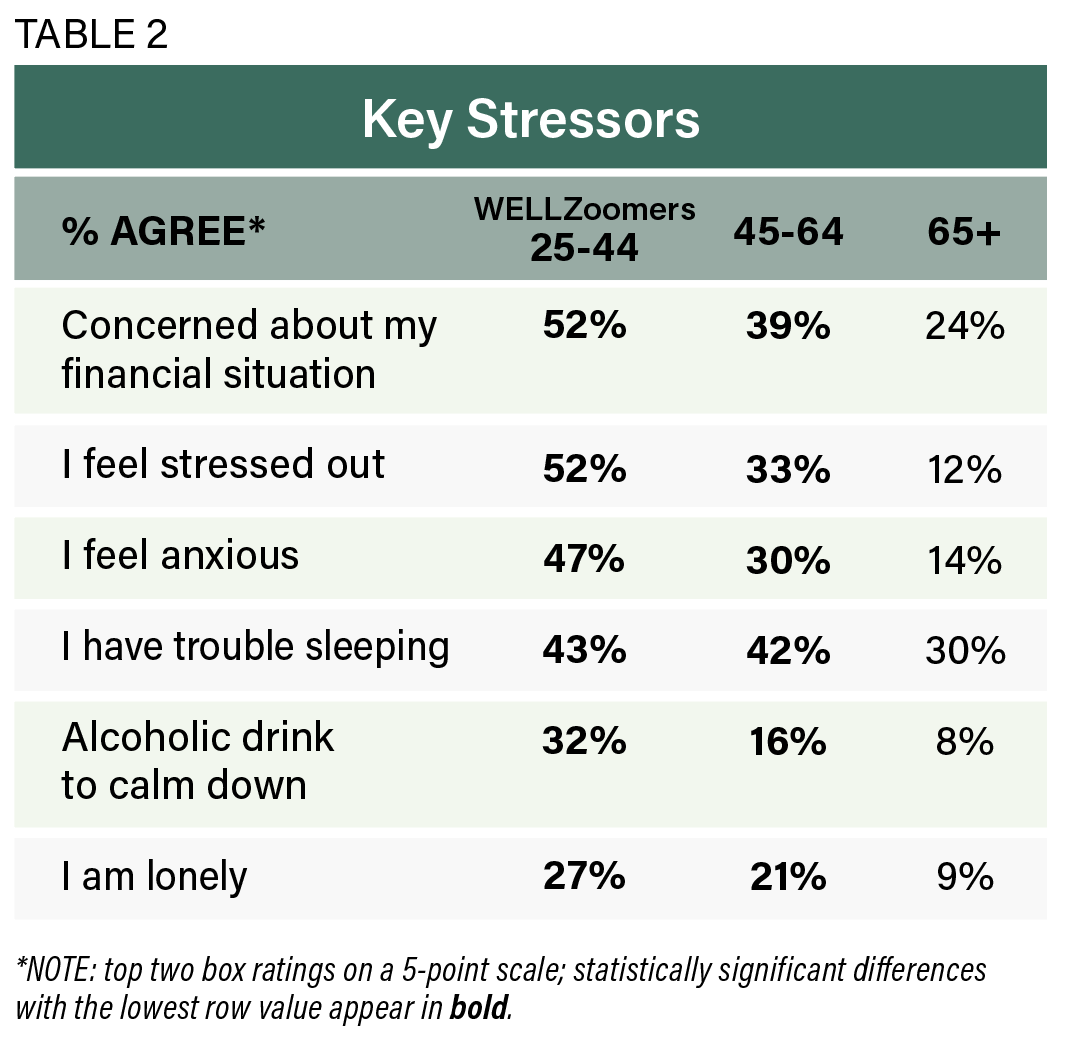
*NOTE: top two box ratings on a 5-point scale; statistically significant differences with the lowest row value appear in bold.
They reported the highest interest in 14 of the 15 wellness practices measured, including massage, water therapies, breathwork, blood testing, Chinese medicine, red-light therapy, sound therapy and osteopathic care. And they’re technically savvy – 79 per cent used a wearable device to collect and monitor their health metrics, significantly higher than reported by older respondents.
They also expressed strong concern about geopolitical instability and environmental change. Yet despite these pressures they remained optimistic about their personal future. Eighty-three per cent agreed with the statement “Nothing is perfect, but you make the best of it”. Many also reported high levels of satisfaction with their achievements, appearance, energy and relationships.
For WELLZoomers, wellbeing is judged primarily through experience. Seventy-nine per cent said they evaluated their wellbeing based on how “hopeful, joyful and energised they feel”, compared with 71 per cent of older respondents.
When multiple wellness practices are used together, they form what may be understood as a personal wellbeing ecosystem. In this sense, much like the integrative digital technologies with which they grew up, WELLZoomers are no longer pursuing isolated wellness activities, or “wellness stacks”.
Instead, they’re assembling personal systems of practices, technologies and experiences that function as an integrated ecosystem and together support their overall wellbeing.
The market opportunity presented by this cohort is significant. With a similar profile appearing across the three countries included in this transatlantic survey we estimate WELLZoomers in the US, the EU and the UK represent approximately 159 million engaged consumers today. Applying conservative assumptions about annual spending on health-related products, services and experiences, this market represents roughly US$298 billion (€254 billion, £219.9 billion) in value annually. Extrapolating the same behavioural participation patterns to emerging geographic markets, while applying lower spending and income filters, the estimated annual value of spending by WELLZoomers rises to approximately US$540 billion (€460.3 billion, £398.4 billion) and continues to grow. Given their similar demographic profile worldwide, WELLZoomers represent an estimated US$606 billion (€516.6 billion, £447.1 billion) global revenue opportunity. This cohort is also relatively easy to identify and reach. What remains underdeveloped is the coordinated delivery of products, services and experiences capable of meeting this demand.
Many brands, but no clear market leader
WELLSurvey 2.0 also explored brand and destination preferences in wellness-related travel. Here, the results suggest a market that is active but fragmented. The wellness industry has expanded dramatically over the past few decades, spreading across hospitality, healthcare, fitness, nutrition and technology sectors. While this expansion increased access and choice, it also created fragmented messaging with limited differentiation between brands.
When respondents were shown 36 prominent wellness resort brands and asked which they would prefer for a future trip intended to enhance their wellness or wellbeing, 53 per cent selected “none of the above”, revealing either a void in brand leadership, the absence of meaningful brand differentiation, or both.
Among respondents who expressed a preference, Six Senses and Canyon Ranch were cited most frequently, each by 10 per cent of respondents, positioning them as ‘reference brands’ rather than category leaders. One noteworthy variance was observed among WELLZoomers: Six Senses received the highest preference rating (17 per cent). While still modest, this suggests that Six Senses may have an early foothold with the generation that will shape future demand for much of the industry’s products, services and experiences, signalling a potential pathway to category leadership if it aligns with this cohort’s evolving expectations around integrated wellbeing.
Geographic travel preferences also followed expected patterns, with respondents tending to favour destinations closer to home. Table 3 Health Resort Venue Preferences shows that coastal locations were the preferred venue for wellness resorts, followed by mountain locations. Urban locations were least preferred.
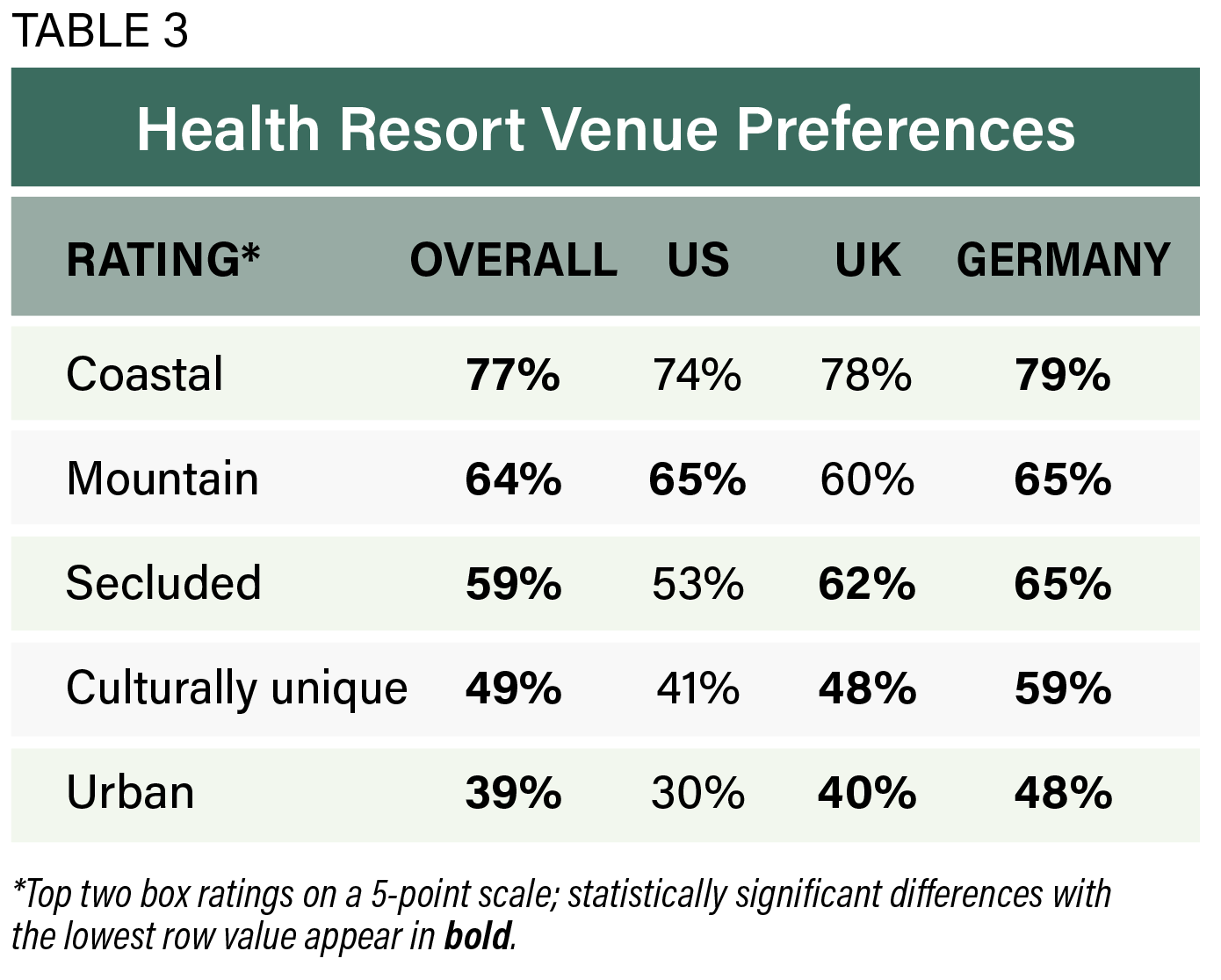
*Top two box ratings on a 5-point scale; statistically significant differences with the lowest row value appear in bold.
The roots of this fragmentation lie in the rapid expansion of the category. Early pioneers such as Rancho La Puerta, Golden Door and Canyon Ranch built immersive wellness environments combining fitness, spa therapies, nutrition and preventive health. As consumer interest in these offerings grew, luxury hospitality brands introduced similar programming. Access improved, but differentiation diluted. Consumers therefore navigate the category through personal research, peer recommendations, perceived scientific credibility, attractive locations and price rather than through strong brand distinction and loyalty.
The wellbeing journey
As wellbeing becomes the central outcome engaged consumers seek, this situation creates both a challenge and an opportunity. The challenge is that episodic resort experiences alone are unlikely to engender lasting relationships with guests. The opportunity lies in moving beyond occasional stays and becoming part of the guest’s broader wellbeing ecosystem and journey.
To achieve this, wellness resorts need to connect pre-arrival engagement with the guest’s experience during his/her stay, after the guest departs and with the relevant data, metrics and services designed to enhance his/her wellbeing. Pre-visit assessments, immersive destination programming and post-visit continuity can together form part of the guest’s coherent wellbeing ecosystem. Very few resort brands currently integrate these elements fully. This helps explain why participation in wellness behaviours is high while category dominance by one or more brands remains elusive.
Traditional wellness resorts have operated successfully for decades, offering immersive programmes built around spa therapies, fitness, nutrition and prevention. These high-touch experiences helped establish the category and remain highly valued by participants. Yet, they are largely episodic – experienced intensively for a period of time but remain separate from the guest’s longer journey to achieve wellbeing. Much, if not all, of what was experienced or learned at the resort is soon abandoned or forgotten. So, competitive advantage no longer lies in simply offering more wellness programming, but in organising programmes into integrated ecosystems capable of supporting long-term wellbeing and longevity.
With participation high and brand preference diffuse, wellness immersion destinations and hospitality brands are converging to create a new category of leisure travel, one we call WELLTravel*. But their operating models need to adapt to attract the growing share of the consumers who are interested in enhancing their wellbeing.
This is not a trivial shift. Hospitality operators already manage complex systems of reservations, staffing, programming, guest experience and luxury service delivery and their instinct is often to simplify by integrating wellness into existing hospitality service lines. Yet doing so risks the dilution of brand differentiation and the acceleration of commoditisation. Achieving category leadership will require more than delivering exceptional experiences during a hotel or resort stay. Guests must enlist the wellness hospitality brands they patronise to become part of the ecosystem that guides their journey toward wellbeing and longevity.

Ninety-one per cent of respondents said they’re physically active / shutterstock/Ericsmandes
Conclusion
The insights revealed by WELLSurvey 2.0 confirm that the market – as defined in the US, UK and Germany – understands and appreciates the meaningful difference between the states of wellness and wellbeing. The results also suggest that the products, services and experiences promoted by industry providers must align with the personal ecosystems that strengthen the emotional health and wellbeing of consumers they serve to build enduring brand preference. Providers would also be well served to develop a deeper understanding of the attitudes, behaviours and intentions of the cohort that will reshape the wellness world as we know it today: WELLZoomers. Brands that adapt their strategies to reflect these collective insights will be rewarded with the spoils of category leadership – a greater share of consumers’ patronage and their loyalty.
Please visit https://civanoadvisors.com/wellsurvey/ for a copy of the survey or contact Kevin Kelly at [email protected] for more information.
• This article is a summary of three separate WellSurvey 2.0 reports written for Spa Business by Kevin Kelly and Peter Yesawic. You can read those three reports here:
Understanding wellbeing: In the first of the three-part series, Kevin Kelly and Peter Yesawich, PhD share their insights into the first WELLSurvey for Europe.
WELLZoomers – set to rock the wellness world: A new market segment with an estimated global spending value of US$540 billion has been identified by WELLSurvey 2.0. Report authors Kevin Kelly and Peter Yesawich delve deeper into the cohort in this second article in a three-part series for Spa Business magazine
Brand illusions: WELLSurvey 2.0 revealed that despite high consumer engagement with wellness, clear market leaders have yet to emerge. Research authors Kevin Kelly and Peter Yesawich, Ph.D. examine why in this third and final article of their three-part series for Spa Business.
*WELLSurvey, WELLZoomers and WELLTravel are trademarks of Civano Advisory Services, LLC
Access to health improvement tools alone no longer defines the wellness category – it’s how people judge the results of these activities

Authors Kevin Kelly (L) and Peter Yesawich (R) / Kevin Kelly / Peter Yesawich

People think of ‘wellbeing’ in terms of how activities make them feel / shutterstock/Breslavtsev Oleg

Trust in claims about products and services is becoming increasingly important / AiImaginography

There’s been a rapid rise in health-related programmes and technology / Ammortal Chamber

WELLZoomers evaluate their wellbeing based on how happy, joyful and energised they feel / Freepik / Andrii Rakov

Coastal venues are the most popular among wellness travellers / shutterstock/PeopleImages

Among 36 wellness resort brands, 53 per cent expressed no preference / Adobe Stock / Nejron Photo

The price of services is seen as one of the only key differentiators between wellness resorts / shutterstock/SPACE_CAT