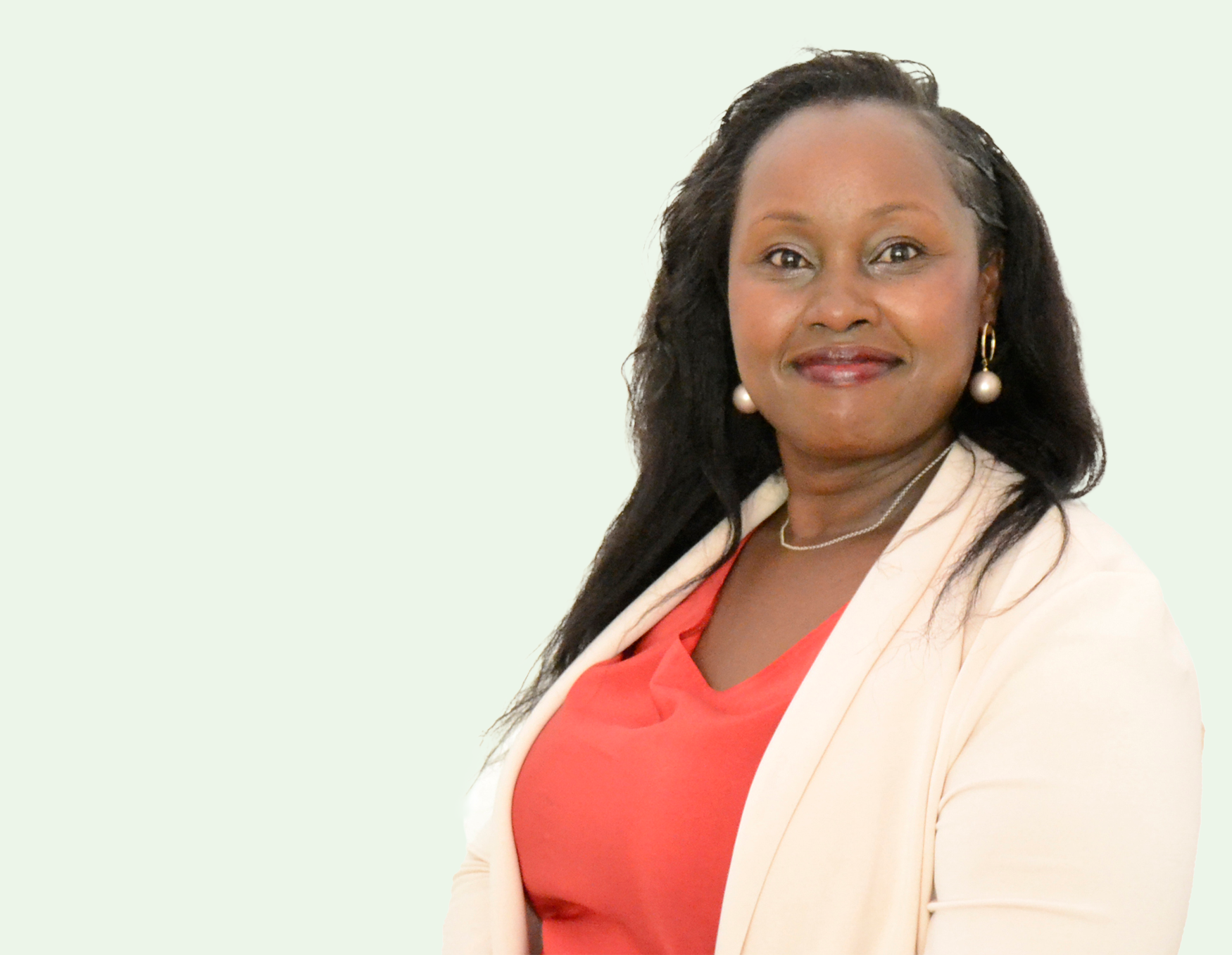
When Beth Gatonye opened a small spa at the Lemigo Hotel Rwanda in 2012, she soon found staff being lured away by competitors because of the scarcity of qualified therapists. That changed when she began training blind women because other hotels were reluctant to hire them.
Blindness in Rwanda affects just over 1 per cent of the population, mostly due to preventable causes like cataracts. Despite disability inclusion policies, blind and visually impaired people still face high unemployment rates, stigma and limited access to education tools.
By 2017, Gatonye founded Seeing Hands Rwanda, with a mission to provide free training for visually impaired people in massage therapy and inclusive technology and then connect them with jobs in spas.
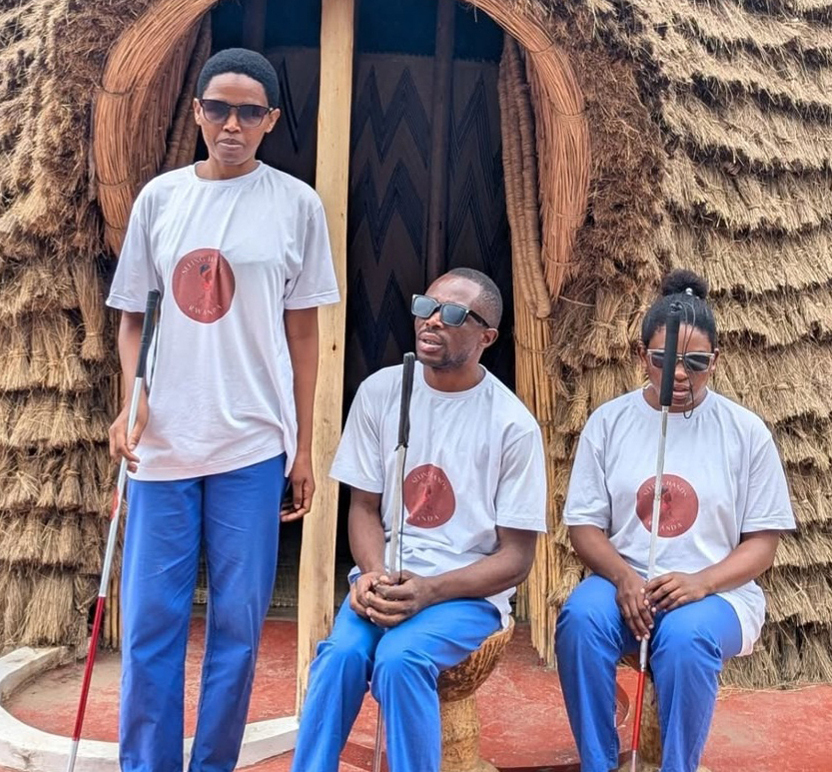
Seeing Hands Rwanda trains up to 30 visually impaired people in massage a year / Seeing Hands Rwanda
I found individuals hidden away in villages, forgotten and without hope
Blind hope
“I’d never seen any blind or visually impaired people working anywhere, so I went looking for them,” says Gatonye. “What I found were individuals hidden away in villages, forgotten and without hope, unable to meet even their most basic needs. I started by training three blind women. In about two months, more women and men kept coming, and I couldn’t turn them away.”
Since 2017, Seeing Hands Rwanda has trained more than 240 massage therapists, with about 80 per cent of them placed in jobs. That figure includes those employed in hotels and wellness centres, those who provide services directly at Seeing Hands Rwanda and others who now run their own businesses. Every year, the organisation trains around 30 new therapists, but beyond that, its different programmes have benefited more than 500 people with visual impairments and blindness.
“Massage is a profession where touch is everything,” Gatonye explains. “With heightened sensitivity in touch, visually impaired people often excel in this field. Their focus and skill quickly win over clients.”
Challenging stigmas
Despite this, Gatonye says some employers believe hiring someone with a disability will harm their business image or reduce customer trust. “Disability is wrongly seen as a curse or punishment, leading to social rejection and exclusion,” she says. “Even when trained, visually impaired therapists often struggle to find workplaces willing to give them a chance. When I began, some clients, after realising it was a blind person who would be giving them a massage, would get dressed and leave the room. That moment of rejection was painful. Although this doesn’t happen as often now, there are still some clients who refuse services once they notice the therapist is blind.”
The challenge isn’t limited to clients but extends to employers as well, unfortunately. “Some employers hesitate to hire blind therapists, focusing only on the disability rather than the ability,” Gatonye explains. “This kind of bias makes it harder for our trainees to transition into stable employment, even after they’ve proven their competence. But we’ve proven that inclusion is not only right – it’s actually good for business. Our therapists are capable, professional and bring value wherever they work.”
Therapists travel to corporate offices, sporting events and other high-profile functions in an effort to change perceptions and challenge stigmas. “Slowly,” Gatonye says, “perceptions are changing.”
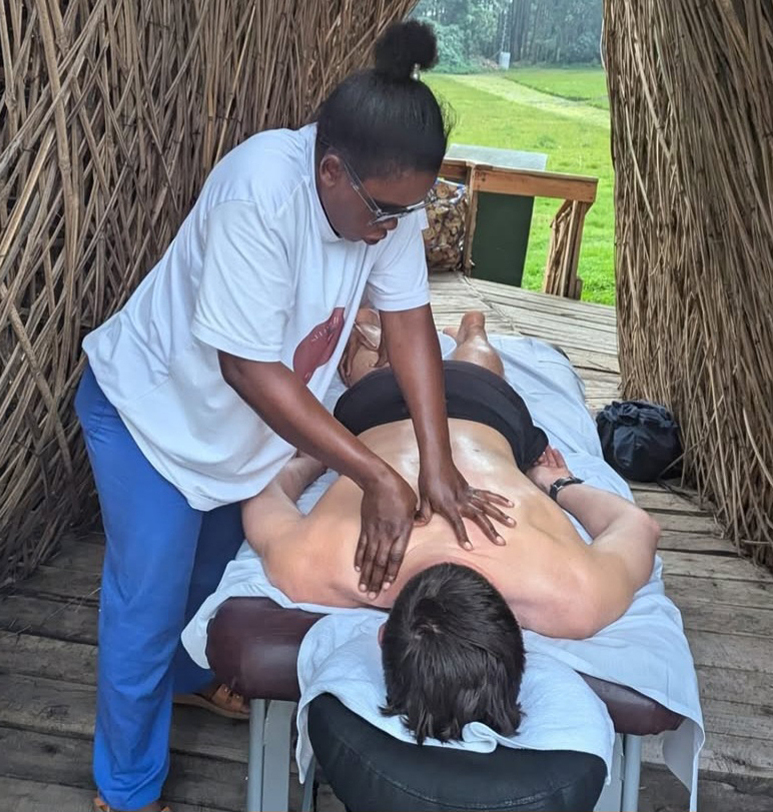
Despite inclusion policies, blind people still face high unemployment rates in Africa / Seeing Hands Rwanda
Offering hope
Beyond discrimination, Seeing Hands Rwanda is also hindered by a lack of funds, which makes it difficult to support trainees from rural areas who cannot afford housing, food or basic living expenses during training. And while the demand for skills is high and many visually impaired people want to learn, Gatonye also has difficulty finding experienced trainers to volunteer their time.
“Despite these difficulties, our commitment remains strong,” says Gatonye. “We go into rural communities, bring visually impaired individuals to the city, train them for free and help them transition into meaningful employment.”
Gatonye says Seeing Hands Rwanda is often able to help single, visually impaired mothers in rural villages with no education and little hope of work transition to earning their own income, caring for their children and living with dignity. “We’ve also seen survivors of the genocide find healing and empowerment through this work – for them, massage therapy has provided not only employment but also restored confidence and a sense of belonging,” says Gatonye. “With the right support, visually impaired people can move from exclusion and poverty to independence and respect.”
Community outreach
Beyond employment, Seeing Hands Rwanda also focuses on community outreach, providing free massage therapy to those who cannot afford it but need it, including patients at Ndera Neuropsychiatric Hospital, female genocide survivors, children and adults with disabilities, and the elderly – groups that Gatonye points out often also face exclusion.
“My work is not only about creating opportunities but also about challenging stigma, changing perceptions, and ensuring that people with disabilities are recognised for their abilities rather than defined by their limitations,” says Gatonye. “For me, this journey is about dignity, independence and hope. What began with three women in a small Kigali spa has grown into a movement that restores confidence and proves that blindness does not mean inability.”
That movement is not slowing down anytime soon; Gatonye is on a mission to change even more lives. “I have seen how our programme in Rwanda transforms lives, but the need is far greater,” she says. “In Kenya, for example, many visually impaired people face the same challenges of poverty and exclusion. With funding and partners, we can expand our free massage therapy training model there and eventually build a network of centres across Africa.”
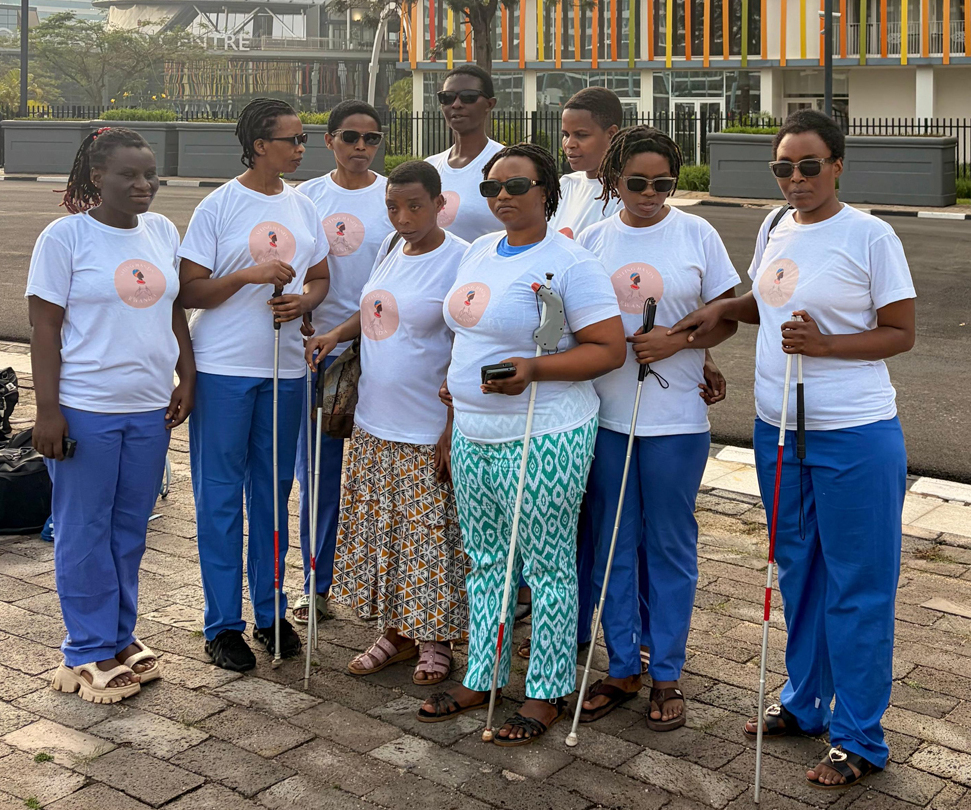
The aim is to build a network of blind massage training centres across Africa / Seeing Hands Rwanda
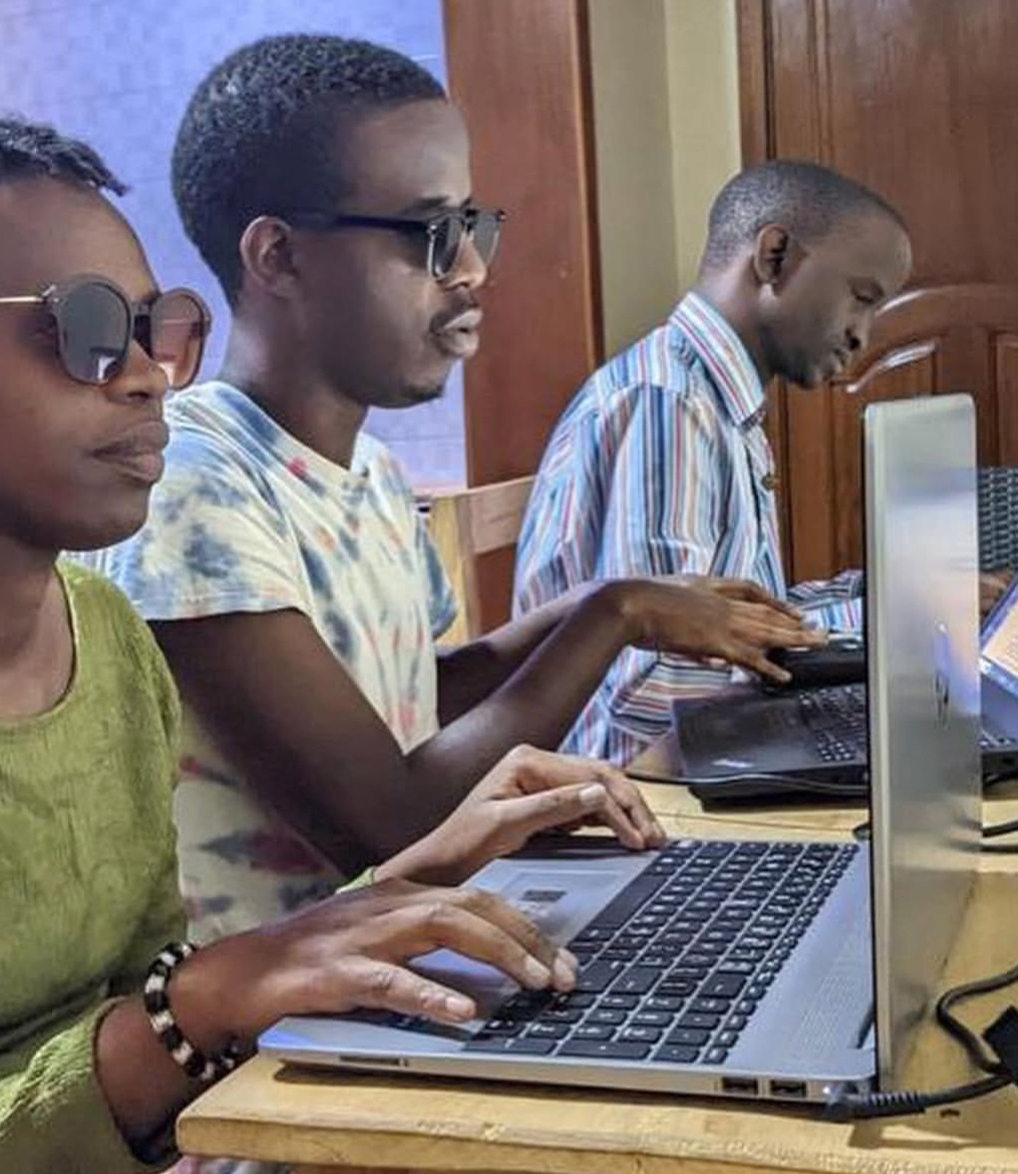
Training includes inclusive technology and pupils are transitioned into jobs / Seeing Hands Rwanda