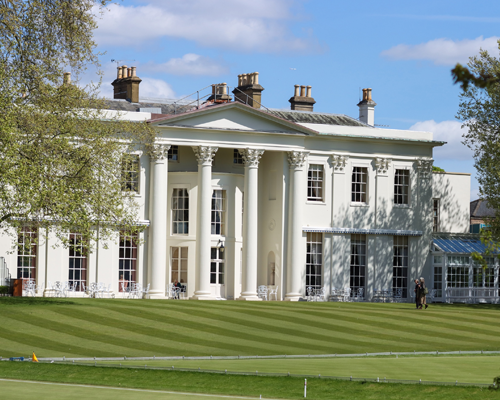
When Alba Thermal Springs and Spa opened on Victoria’s Mornington Peninsula in late 2022, it entered a market dominated by a very well-known neighbour. Just minutes down the road sits Peninsula Hot Springs, one of Australia’s most established bathing destinations. Alba’s task was not simply to compete but to demonstrate that there was room for a different interpretation of thermal wellness.
Backed by a consortium of Chinese-Australian investors, Alba was conceived as a more contemporary, premium expression of geothermal bathing – one centred on design, curated guest experiences and a broader commercial ecosystem spanning bathing, spa, dining and, since mid-2025, luxury accommodation.
The numbers suggest the strategy is working. Total investment is approaching AU$160 million (US$113.7 million, €98.6 million, £85.2 million) and management reports year-on-year growth.
Although Alba can host up to 400 people a day, the goal is to expand yield over volume
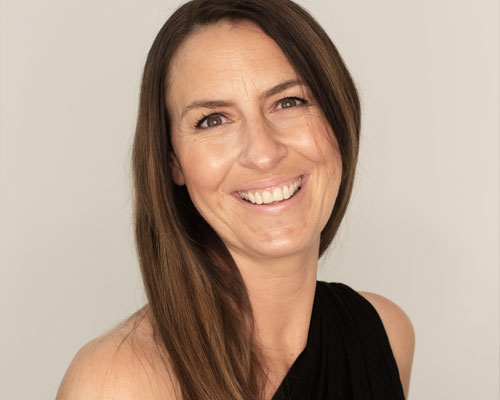
Although the site can host up to 400 people a day, the goal is to expand yield over volume. Spa Business delves further into the numbers with general manager Craig Dodd, spa and wellness director Kelly Adair and director of sales and marketing Kadi Morrison.
All-round offering
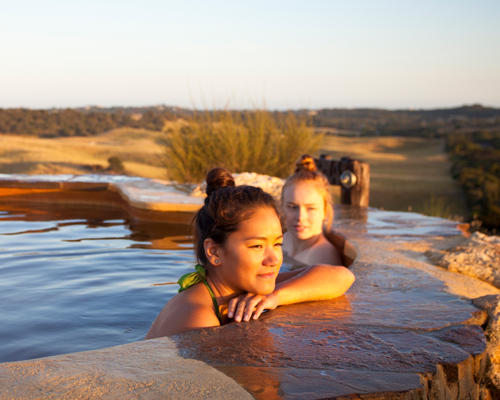
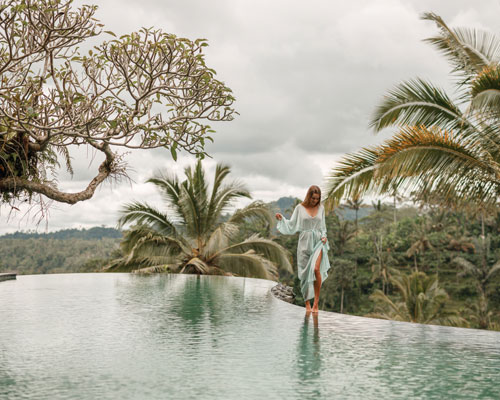
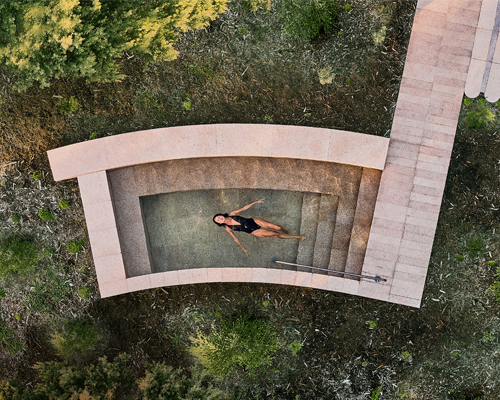
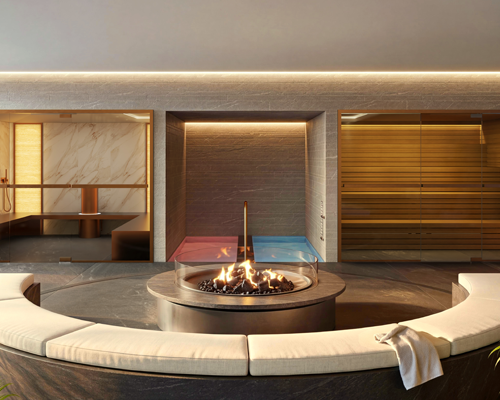
Submerged in a flowering meadow, gently cradled within drifts of waving grass, the 34 geothermal pools within Alba’s landscaped grounds are its star attraction. Alongside these is a 3,500sq m minimalist spa dominated by stone with 21 treatment rooms and an 80-seat destination restaurant with a fresh, wholesome seasonal menu.
The overall approach is thoughtful and considered. Think olfactory marketing and fire-breathing displays while taking to the waters in winter. Plus an array of thermal bathing and spa crossover packages and a wider offering to suit different kinds of guests with different ideas of wellbeing, whether that’s stretching, bathing, having a healthy lunch or drinking champagne with friends.
“We offer an environment where guests can step away from what’s happening in their lives and immerse themselves in the whole experience of our beautiful property,” says general manager Craig Dodd.
Director of sales and marketing, Kadi Morrison, adds: “We debate what to call Alba, because it doesn’t fit neatly into one box. We’re not just a day spa and we’re not just a bathing facility.” Describing it as a wellness destination seems the most apt, she says, explaining that since opening, it’s introduced Springs Club, a membership offering priced at AU$1,500 (US$1,066, €923, £798) a year.
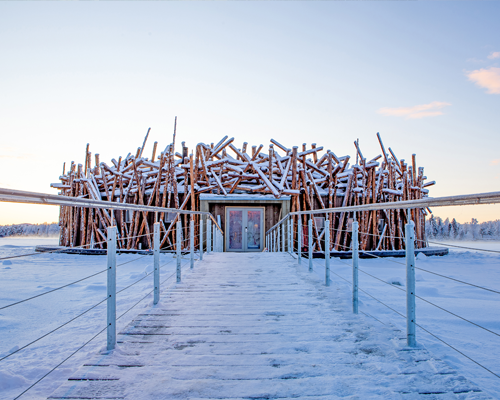
Its most notable addition, however, is The Sanctuary, an enclave of five architecturally appointed villas and two studios which opened in June 2025. Perched on a high point, they offer sweeping views of rolling farms and coastland and interiors with soft, muted palettes commanding a nightly rate starting at AU$1,200 (US$853, €739, £639).
A prescient vision
Although Alba’s consortium of owners has lived in Melbourne for many years, they have roots in China, which has a strong bathing culture. It’s that background, along with their “personal passion for bathing and a belief in its benefits” that drove investment, says Dodd. “In many ways, the vision proved prescient, coming nearly a decade before the bathhouse boom now unfolding across Australia.”
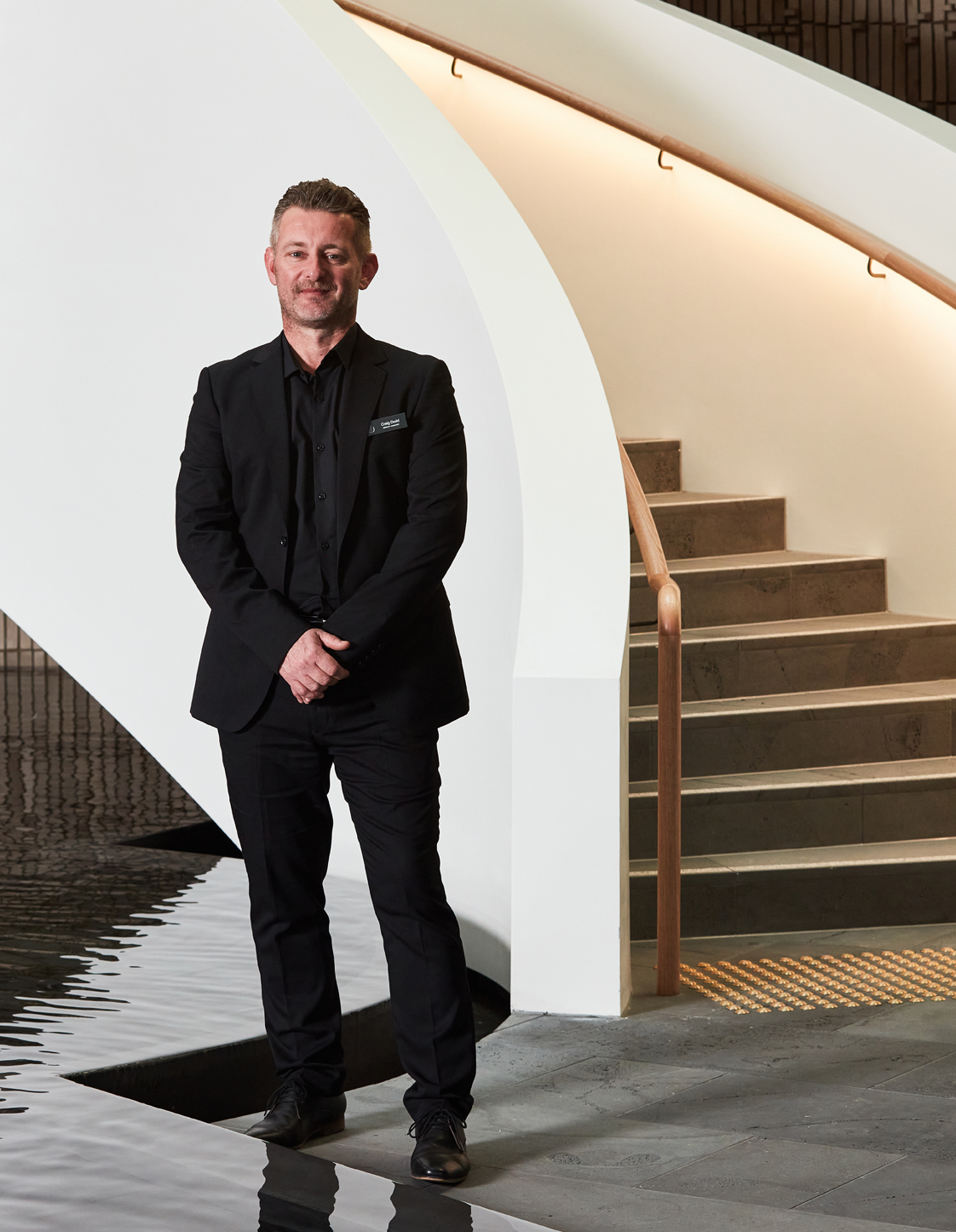
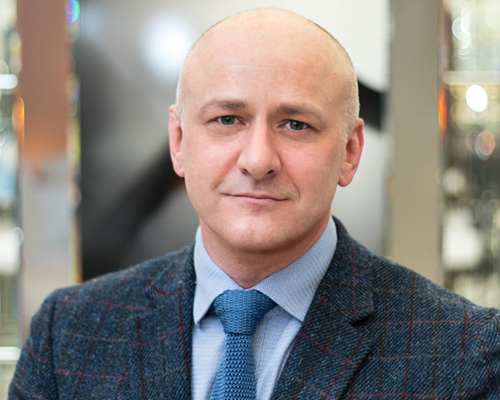
GM Craig Dodd is ‘surprised and delightedʼ at business performance / Alba Thermal Springs & Spa
Morrison explains that it also made strong commercial sense. “Geothermal water this close to a major city is rare. Being one hour from Melbourne – particularly its affluent southeastern suburbs – creates a powerful day-trip market. Add in the peninsula’s existing drawcards – renowned golf courses, wineries and high-quality dining – and the region already had strong destination appeal.”
Exceeding expectations
Open for just over three years, performance at Alba has surprised and delighted the management team. Dodd says: “Coming from a hotel background, I haven’t seen many businesses grow as strong as this,” explaining that it’s looking at double digit growth in both visitation and revenue over the last year.
Mornington Peninsula is considered the playground of Melbourne, like the Hamptons of New York, so that’s a key source market, as well as Sydney, and domestic guests make up more than 85 per cent of clients. There’s also a smattering of international visitors – Americans connected to golf, British travellers visiting friends and family, and returning student markets such as India and Singapore.
Morrison says: “We see a broad range of guests at Alba – young professionals, parents spending time away with friends and older guests whose children are independent and who are ready to spend on themselves. Children are allowed, but Alba hasn’t been designed as a family-focused attraction.”
The site, which can host 400 guests at a time, is regularly full on Saturdays, says Morrison and demand isn’t especially seasonal. “We assumed it might be, but our busiest months fall across January [summer], April [autumn] and July [winter].”
The spread reflects a broader truth about thermal bathing: it attracts people for different reasons throughout the year, from social summer visits to quieter, restorative winter escapes.
The spa-bathing crossover
According to spa and wellness director Kelly Adair, a healthy 8-10 per cent of springs guests also have a spa treatment. “Most spa users visit the springs because access is built into the spa packages,” she says. “Occasionally, someone books just a treatment, which always surprises me, because why wouldn’t you bathe as well?”
The spa sees up to 70 guests a day for treatments and is often booked out several weekends in advance, with Adair noting that Fridays and Mondays have morphed into ‘new weekend’ days, reflecting flexible work patterns and the prevalence of holiday homes in the area.
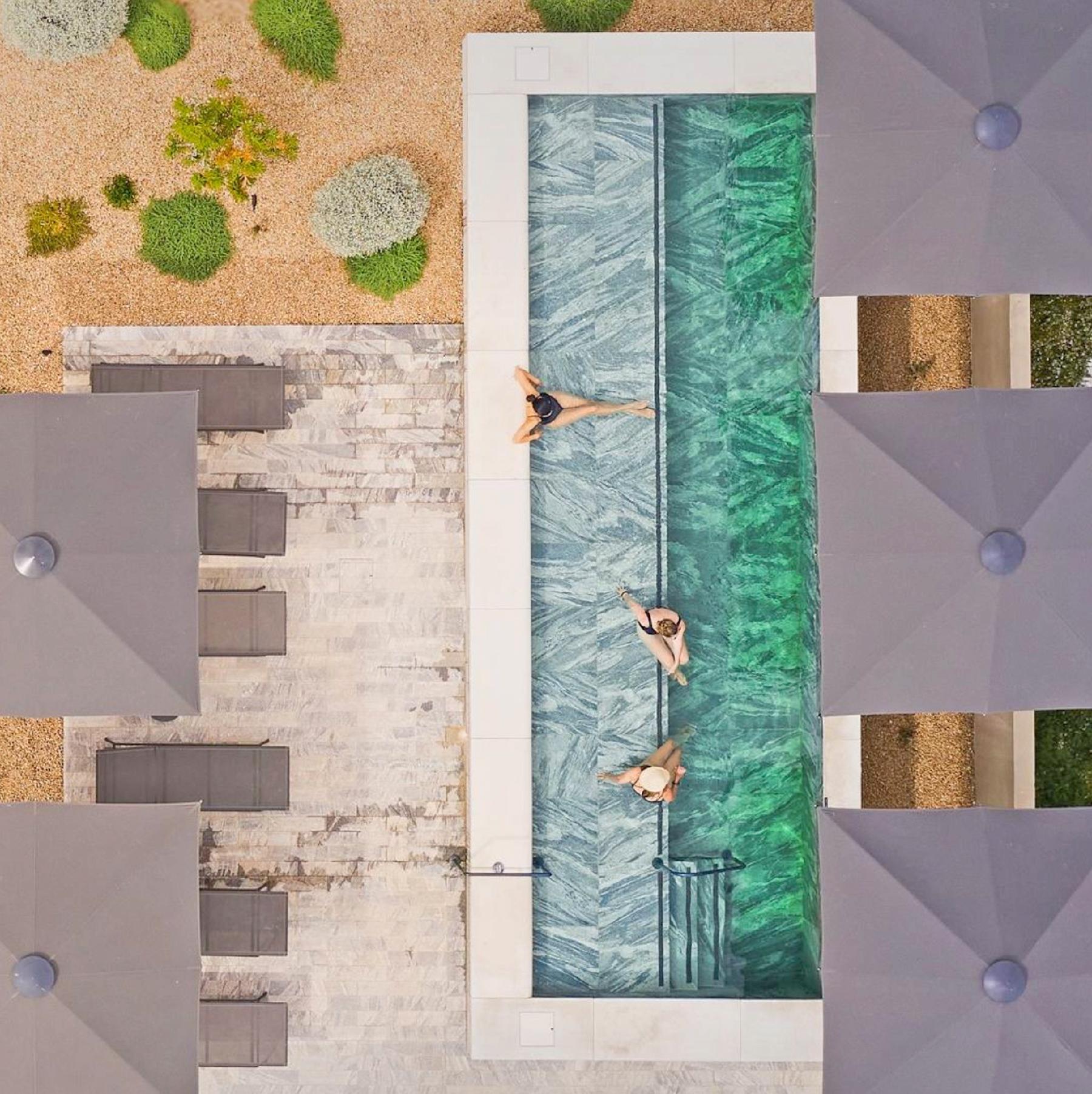
Guests from Australia make up 85 per cent of clients / Alba Thermal Springs & Spa
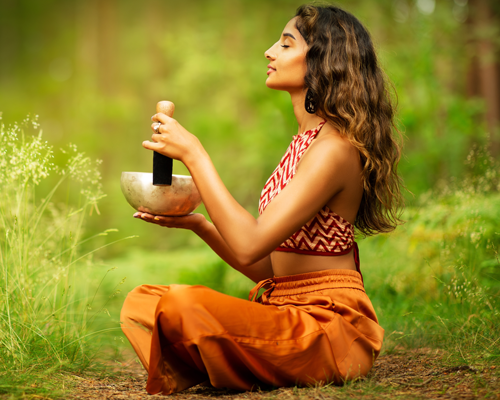
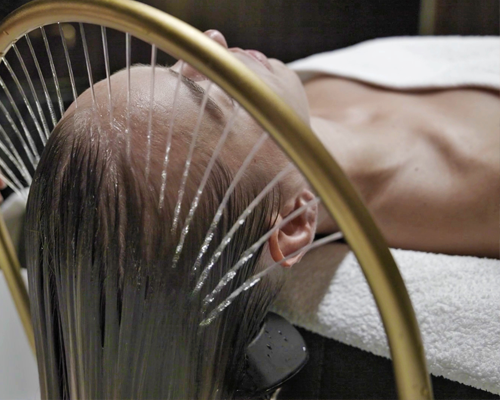
“Our spa treatments have been shaped specifically around the thermal experience,” she says. “Rather than focusing on clinical or corrective massage, they’re designed to calm the nervous system, which is what the body needs after bathing.”
Massage is still the strongest volume driver. Other top sellers include Alba Artisan, an AU$325 (US$231, €200, £173), 60-minute hot stone massage, and Breathe Easy, an AU$405 (US$288, €250, £216) 90-minute exfoliation, massage and facial. Both include access to the springs.
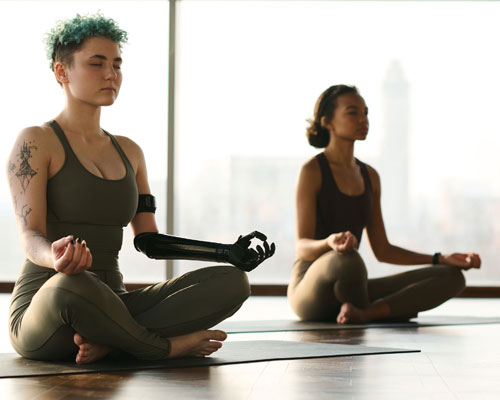
Other activities available are weekday stretching and water-based movement sessions, which typically attract eight to 18 guests. In addition, Alba offers guided facial parties, retreats and wellness collaborations, such as a partnership with a nearby winery where guests combine bathing with lunch and vineyard experiences.
“We’re always looking at what’s performing, what people are responding to and where we can evolve,” Adair says. “But we’re also clear on what we’re not. IV drips and those kinds of things are for other places.”
The Sanctuary effect
Introducing accommodation to the mix has been beneficial in a number of ways, says Dodd. For one thing, demand has been better than expected, with occupancy growing month on month and reaching 78 per cent six months after launching.
Morrison says that being situated on a secluded part of the site offers a degree of privacy that few rivals can compete with. “That’s important for high-profile guests, but also for anyone wanting a truly self-contained wellness stay,” he says, adding that the villas are not simply premium bedrooms attached to a bathing attraction. “They offer a wellness experience in themselves with in-room bathing rituals, food, wellness programming and transport to and from the main facilities.”
Secondly, they support higher-value spa purchasing because they attract a more affluent clientele. On average, a Sanctuary guest will spend twice as much in the spa compared to a day guest. In anticipation of their expectations, Alba launched a premium treatment called The Jewel, an AU$800 (US$569, €493, £426), a 120-minute luxurious scrub, wrap, massage and facial.
Visits and revenues have achieved double-digit growth
Value over volume
While there’s no doubting Alba can host large numbers of guests, capacity is managed carefully. The Ridge – a new cluster of three pools for general access or private bookings – for example, has been added to improve the guest journey and boost spend potential rather than simply increasing footfall.
“It’s all about adding value,” says Morrison. “Food and beverage is very important. A large proportion of springs guests use the restaurant and the quality of the food means people return. Then, accommodation lifts the ceiling on what guests are prepared to spend. Spa is hugely valuable too, although that’s constrained by staffing and therapist availability.”
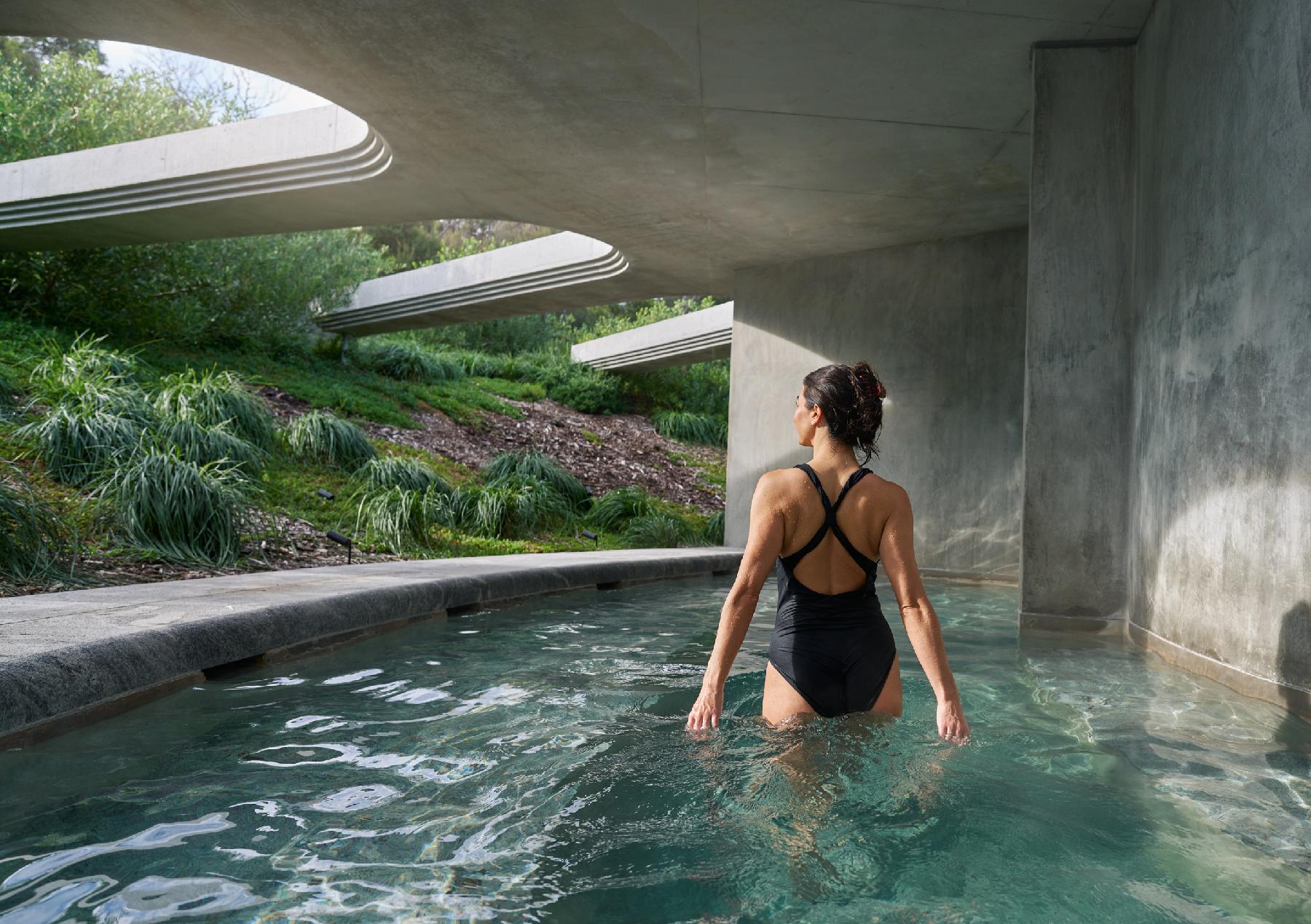
Only an hour away from Melbourne, Alba is a popular day-trip destination / Alba Thermal Springs & Spa
The same goes for the Springs Club membership, which launched in late 2024. “We limit members to 100 people and that works well,” explains Morrison. “These are people who want thermal bathing as part of their regular routine. Some come very frequently, others much less, but many are using the site in off-peak times, which is a real benefit.”
Dodd is also clear that repeat visits can’t be overlooked. “Smart businesspeople are always exploring their options, whether that’s another Alba, a smaller version or something in a city. But for now, our focus is on deepening loyalty.”
In a market where thermal bathing is no longer niche but increasingly mainstream, that may be the smartest play of all.
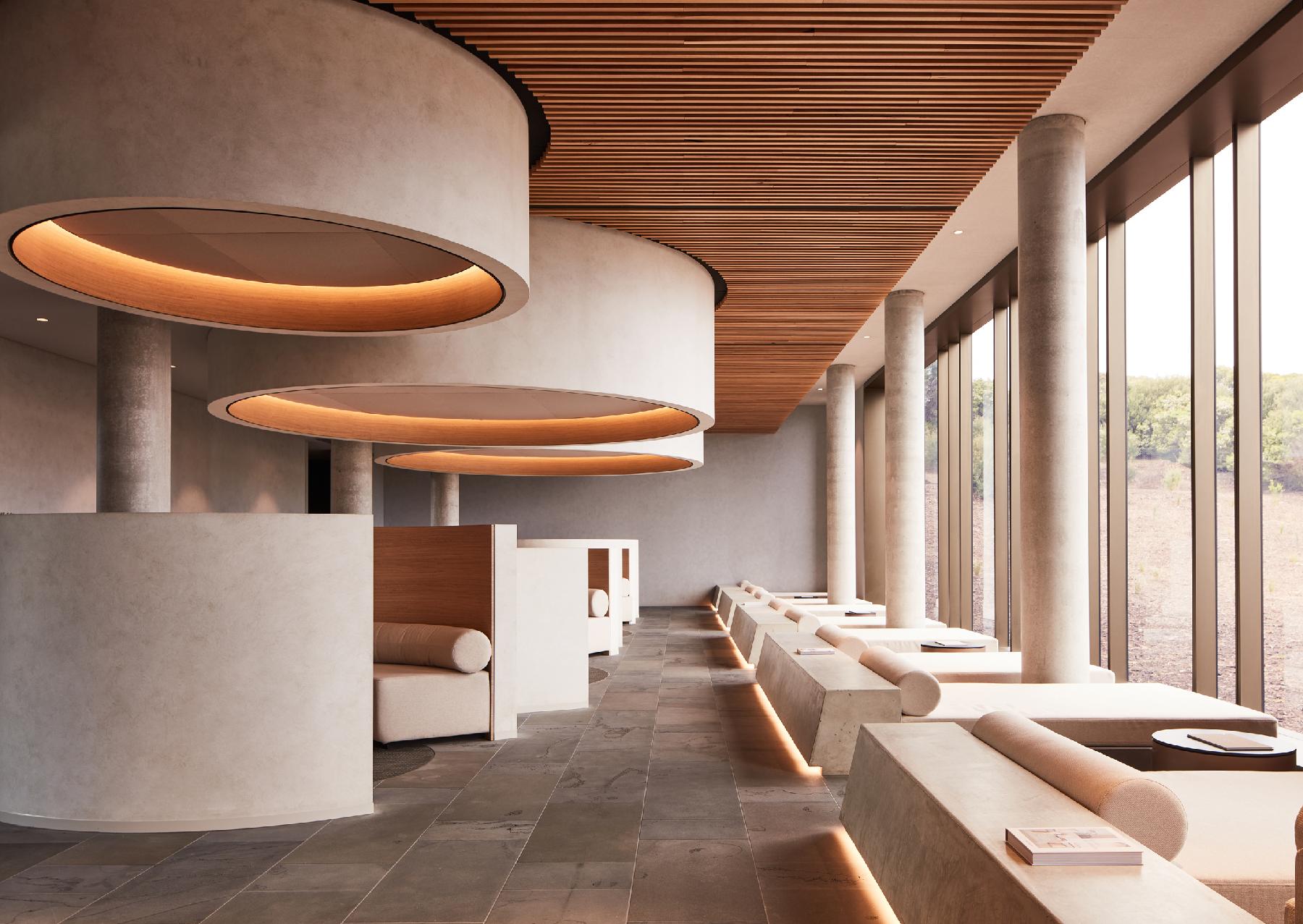
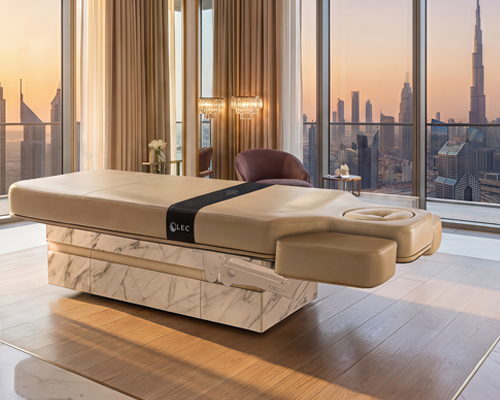
Interiors of the 3,500sq m minimalist spa are dominated by stone / CMcConville - Alba Thermal Springs & Spa
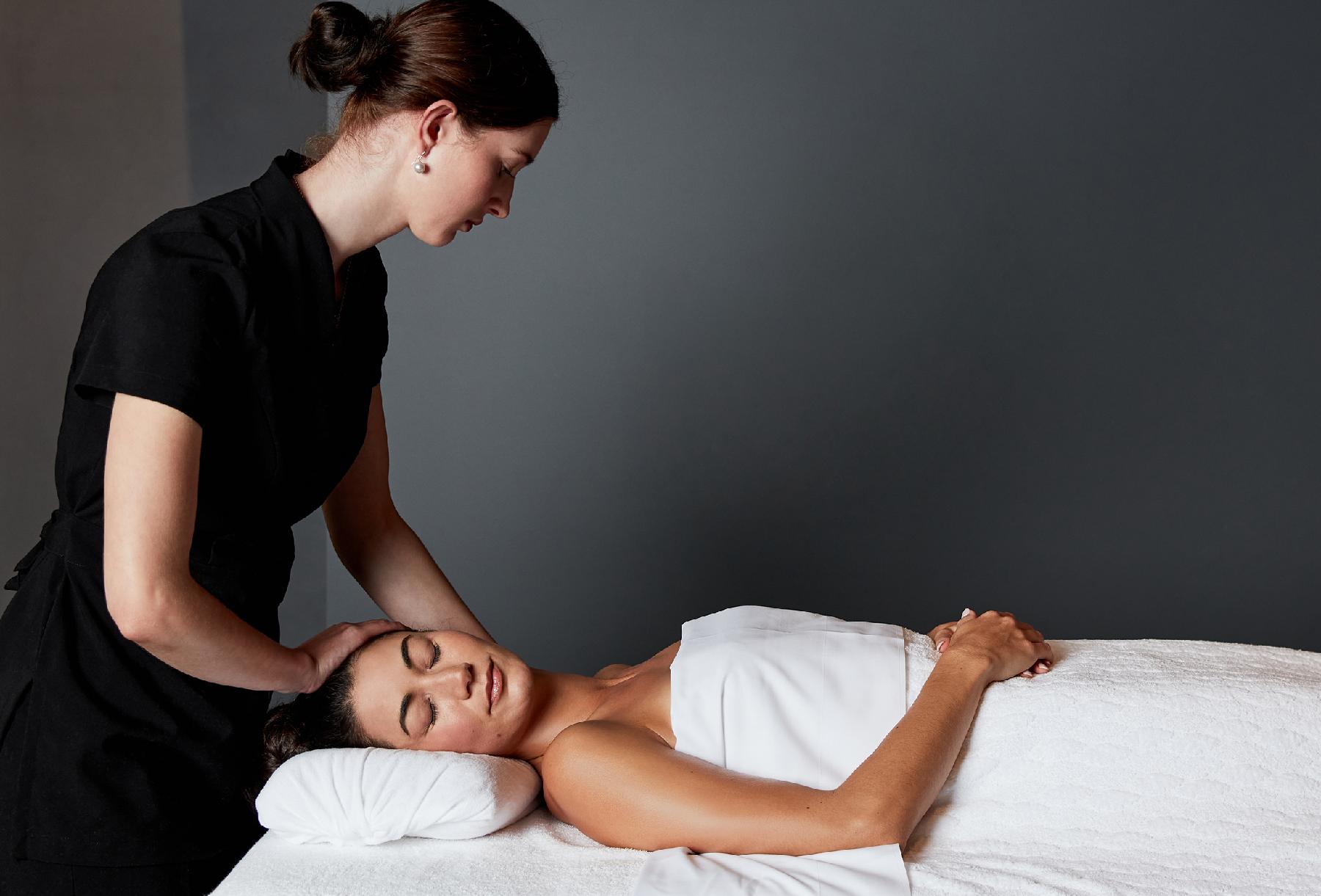
The spa welcomes up to 70 guests a day for treatments / CMcConville - Alba Thermal Springs & Spa
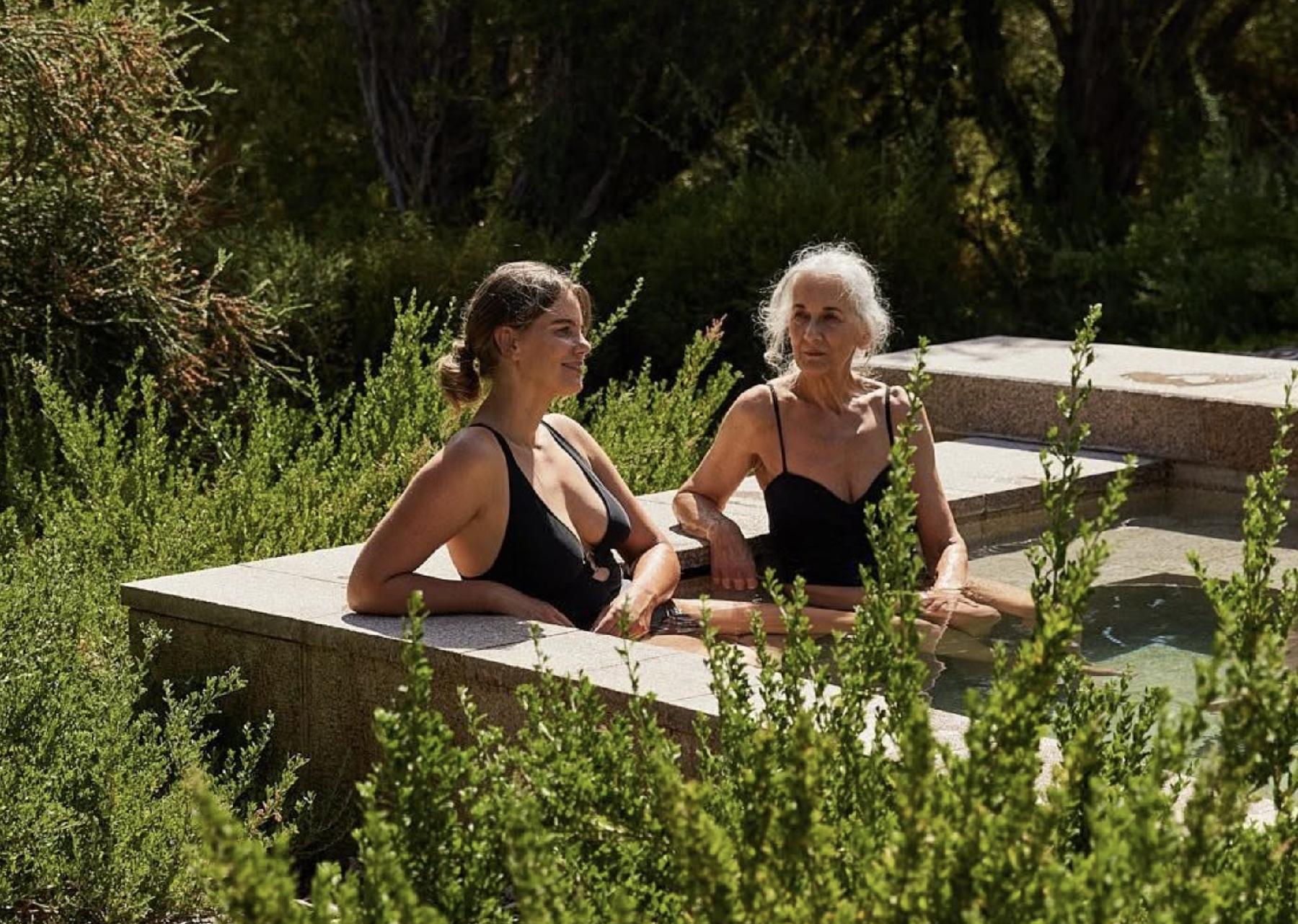
Up to 10 per cent of hot springs guests have a spa treatment as well / Alba Thermal Springs & Spa
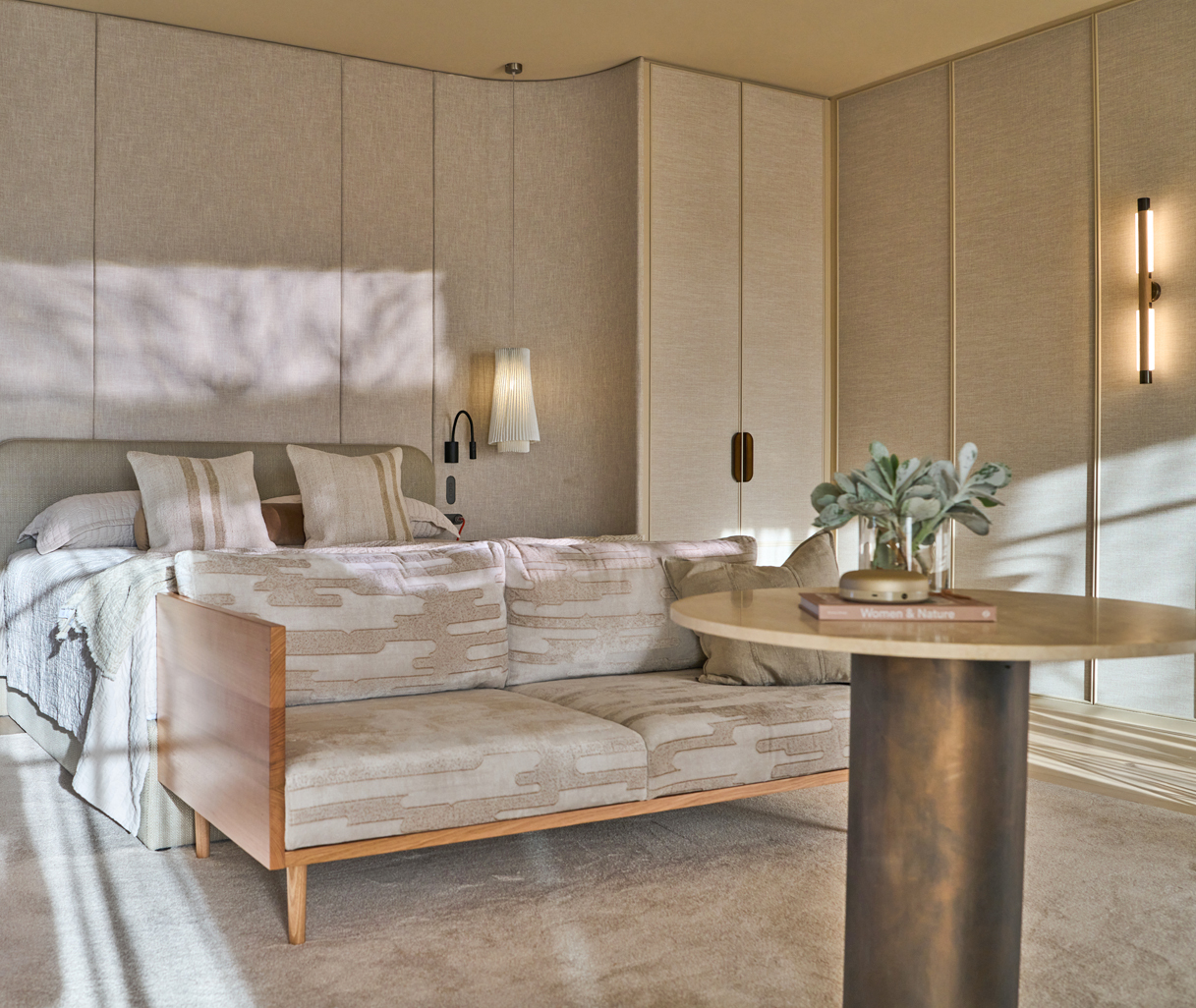
Data shows overnight guests spend twice as much in the spa as day visitors / Alba Thermal Springs & Spa
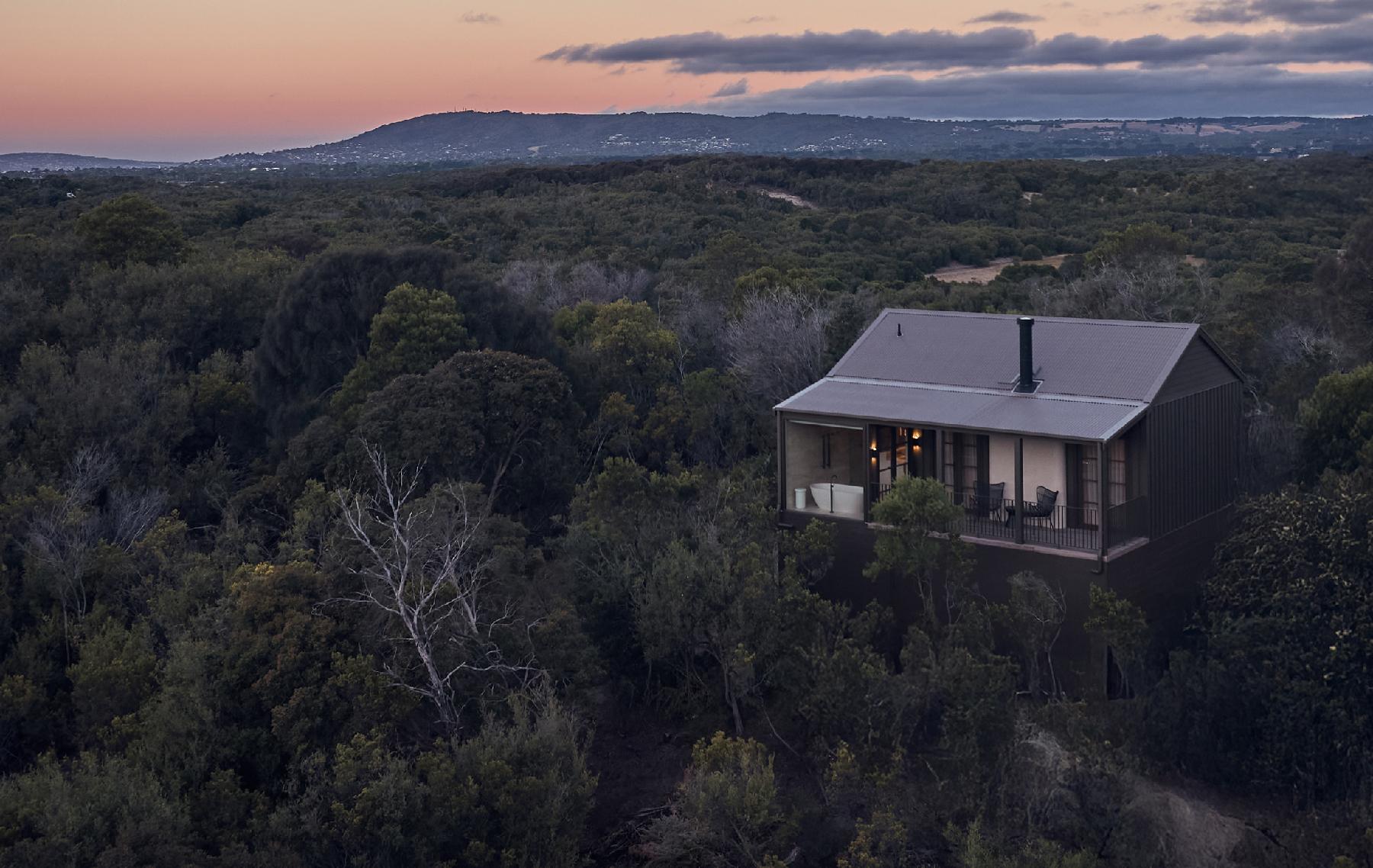
Nightly rates at the new accommodation start at AU$1,200 / Alba Thermal Springs & Spa
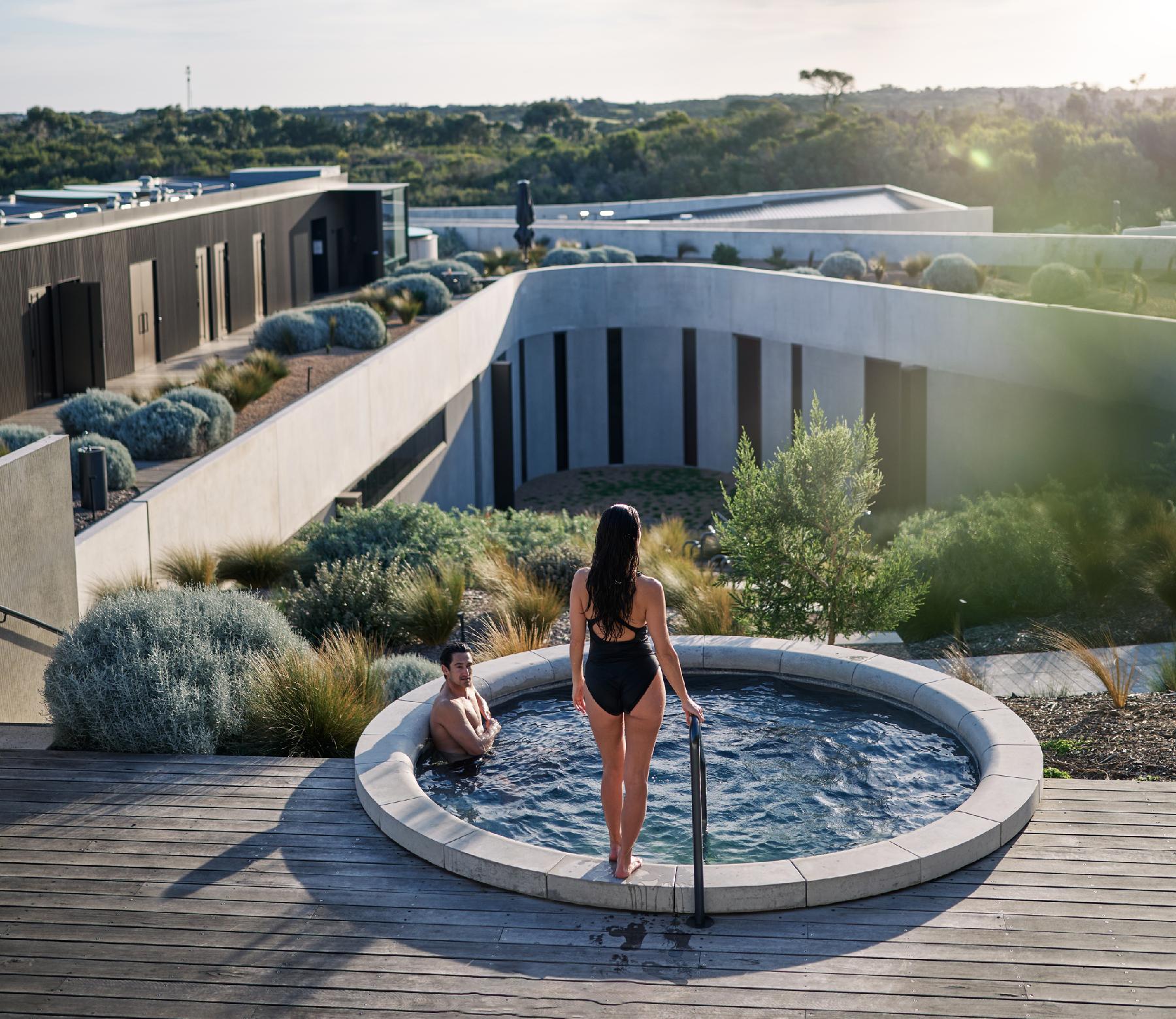
The future goal is to boost spend potential and deepen guest loyalty / Alba Thermal Springs & Spa