Latest
issue
GET SPA BUSINESS
magazine
Yes! Send me the FREE digital editions of Spa Business and Spa Business insider magazines and the FREE weekly Spa Business and Spa Business insider ezines and breaking news alerts!
Not right now, thanksclose this window I've already subscribed.
Uniting the world of spa & wellness
Get Spa Business and Spa Business insider digital magazines FREE
Sign up here ▸
News   Features   Products   Company profilesProfiles   Press releasesProfiles   Magazine   Handbook   Advertise    Subscribe  
Spa People
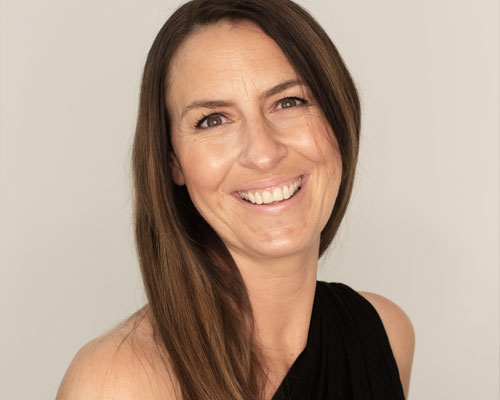
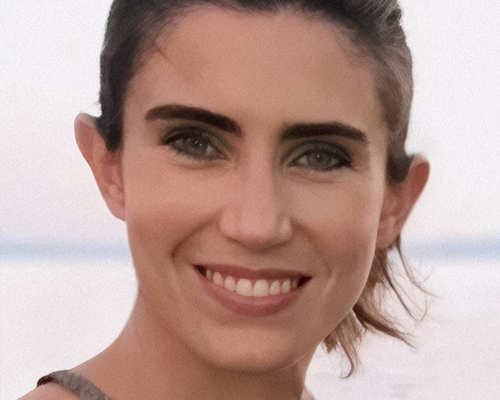
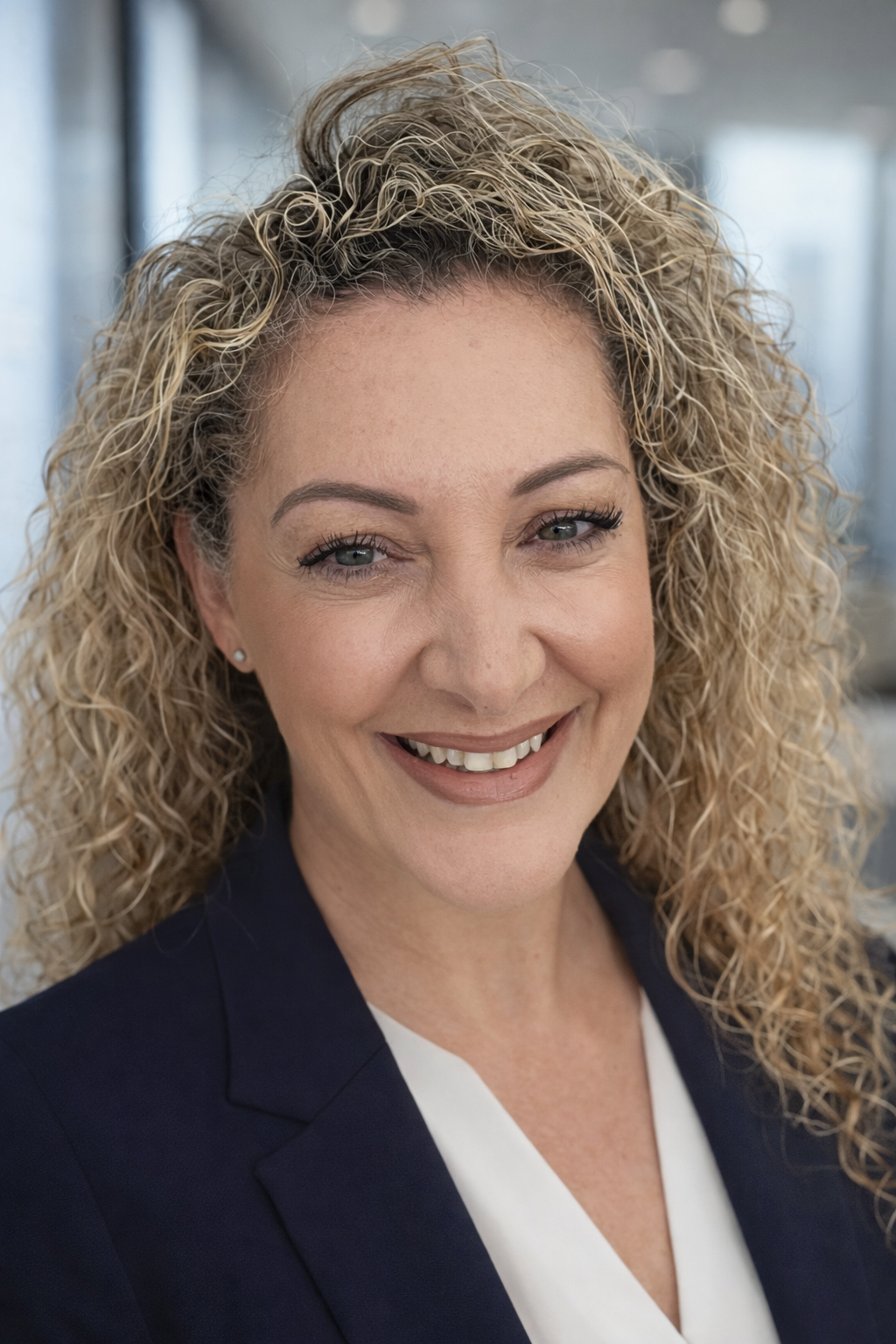
Susan Magsamen


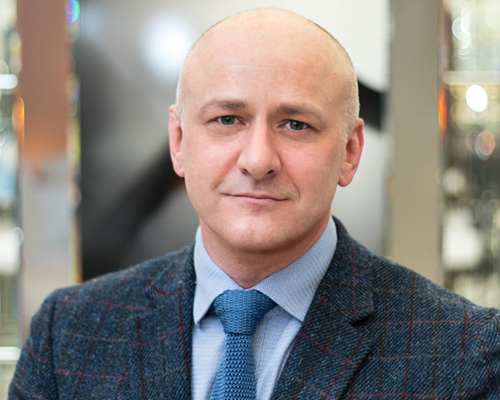
Every environment is already influencing guests’ nervous systems – the question is: are you designing for stress regulation and health restoration?” This is a query posed by Susan Magsamen, executive director of the International Arts + Mind Lab Center for Applied Neuroaesthetics (IAM Lab) at Johns Hopkins University in the US.

As the field of neuroaesthetics gains momentum, science is now validating what our industry has long believed: that environments are powerful drivers of wellbeing.

Here, Magsamen, who’s been at the helm of IAM Lab since it launched in 2010, reveals two new reports, which are designed to help translate this growing body of evidence into real-world spa and wellness environments.

Why does neuroaesthetics matter?

Underpinning the broader field of neuroarts, it’s the scientific study of how the arts and aesthetic experiences – what we see, hear, smell and touch – change the brain, body and behaviour.

From lighting and acoustics to materials, scents and spatial flow, these elements directly affect outcomes like cortisol levels, heart rate variability, mood and cognitive clarity. When you design with intention, what I call ‘aesthetic design’, you can improve client satisfaction and ultimately drive wellbeing and business performance.

Interest in the field is accelerating and we’re seeing healthcare, real estate, hospitality and workplace design all converge around the idea that environments are active agents in human health.

For the wellness sector, this is a pivotal moment. The industry has long understood the intuition of these ideas, but now we have the evidence.

How is it advancing?

This January, IAM Lab released two seminal reports – Intentional Spaces: The Power of Place Foundations and Intentional Spaces: The Power of Place Roadmap. They’re part of its Intentional Spaces Initiative, which has been running for five years and has seen IAM Lab engage with dozens of global experts across neuroscience, architecture, design, psychology and the arts for key insights.

Foundations also draws from a study commissioned by Thermengruppe Josef Wund, the thermal spa operator now owned by Therme Group. It’s the scientific backbone which translates complex research into accessible insights about how environments impact the brain and body, with a particular focus on how the sensory experience shapes perception, regulation and overall wellbeing.

Roadmap is a strategic guide. It outlines how to integrate neuroaesthetic principles into practice, offering actionable pathways for sectors like wellness, hospitality, healthcare and real estate to begin implementing this work.

We’ve also published A Day in the Life, a narrative about how intentional design shapes a person’s journey through a space.

Together, these reports move from theory to strategy, to lived experience, offering the ‘why’ and ‘how’ of designing spaces that support wellbeing. The work of IAM Lab isn’t just about publishing research – it’s about activating it.
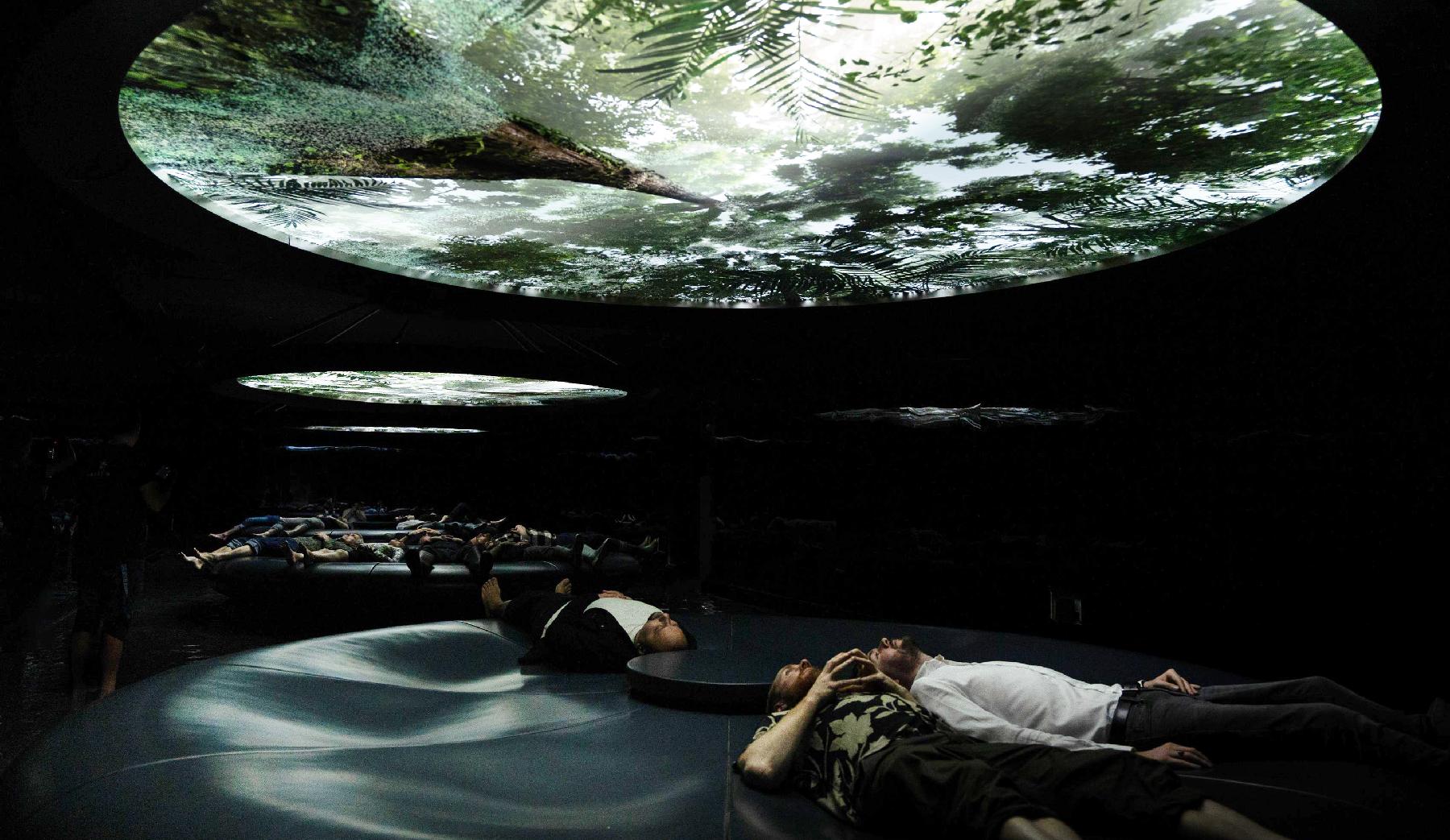
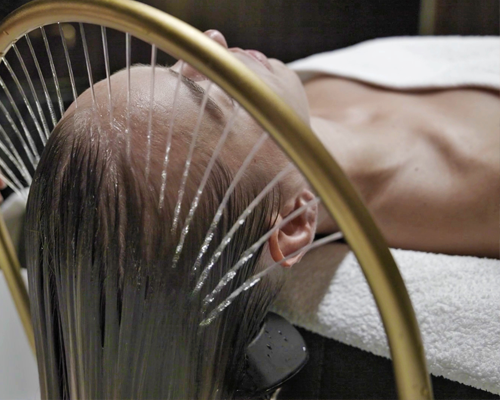
Guests experiencing sight, sound, smell and touch
The findings show how alignment across sight, sound, smell and touch is critical for regulation / ARIANNE AMORES

 What are the key findings?

From our work, we know that:

The brain is constantly scanning environments for safety versus threat

Sensory coherence – alignment across sight, sound, smell and touch – is critical for regulation

Small design shifts can produce outsized physiological effects

Personalisation and cultural context matter deeply

We’ve also found that environments don’t just influence momentary experience – they can shape longer-term outcomes related to stress, resilience and overall wellbeing. This has profound implications for spaces like spas, where the goal is not only relaxation, but restoration and lasting impact.

Is there anything that surprised you?

One of the biggest surprises was just how sensitive we are to micro-features of environments – subtle lighting changes, textures, or soundscapes can significantly shift emotional and physiological states.

Another revelation was how often these elements are considered in isolation. What matters most is how they work together as a system. When environments are designed with coherence and intention, they can support regulation and connection in a much more powerful way than any single feature alone.
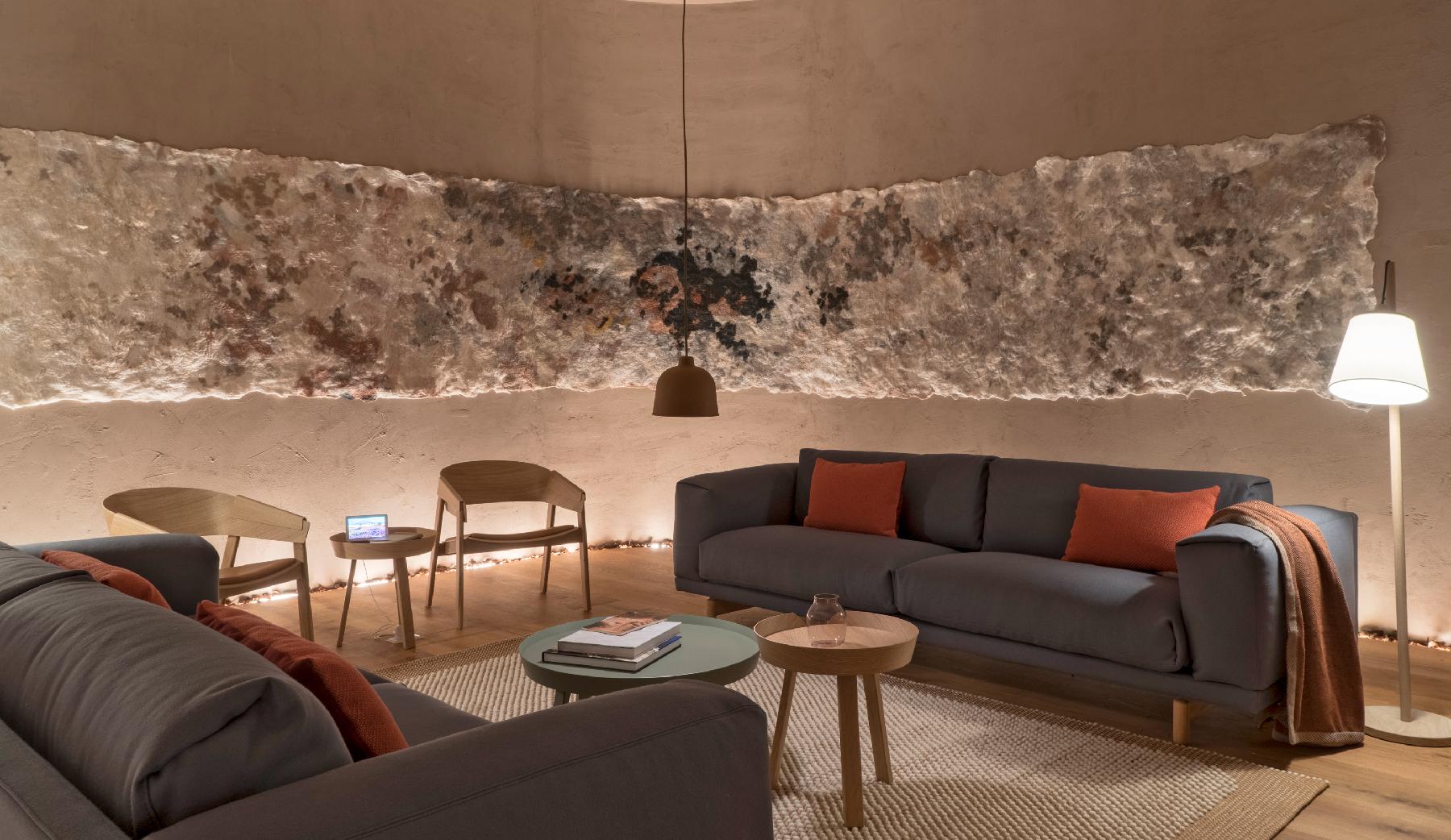
Interior at Milan Design Week
A Space for Being was a neuroaesthetic installation at Milan Design Week / IAM LAB, GOOGLE DESIGN AND REDDYMADE ARCHITECTURE

Why launch Intentional Spaces?

To explore a critical question: How can we design environments that actively support human flourishing? We knew that ‘place’ was one of the most underleveraged tools in health and wellbeing. While much attention is given to behaviours and treatments, the environments we move through every day quietly shape how we feel, think and function. This initiative was created to better understand that influence.

Intentional Spaces is a subfield of neuroarts. In 2019, IAM Lab and global think tank the Aspen Institute launched the NeuroArts Blueprint Initiative to integrate the arts as science-based tools into mainstream medicine and public health.

What other research is there?

There are several emerging areas that are particularly relevant to spas: 

Multisensory integration research. Showing how combining modalities (sound + scent + light) amplifies impact

Nature exposure and biophilic design. Demonstrating measurable reductions in stress and improved recovery

Arts-based interventions in healthcare. Linking music, visual art and movement to pain reduction and faster healing

The takeaway? Wellness spaces can move from an amenity to evidence-based intervention environments.

What’s on the horizon for IAM Lab?

We’re focused on scaling – bringing neuroaesthetic principles into:

Built environments (hotels, spas, urban design)

Digital and hybrid experiences

Policy and public health frameworks

We’re also beginning to translate this work into applied settings through pilot projects and collaborative design initiatives. As part of this, we’re working alongside partners to test how these neuroaesthetic theories can be implemented and measured in real-world environments.

This will then feed back into the Roadmap, which is a living document that will grow and change as we implement its core principles.

What’s the long-term vision?

It’s simple but ambitious. To make intentional, health-supportive design the default, not the exception. 

• To access the Intentional Spaces reports, visit: www.spabusiness.com/iamf and www.spabusiness.com/iamr.
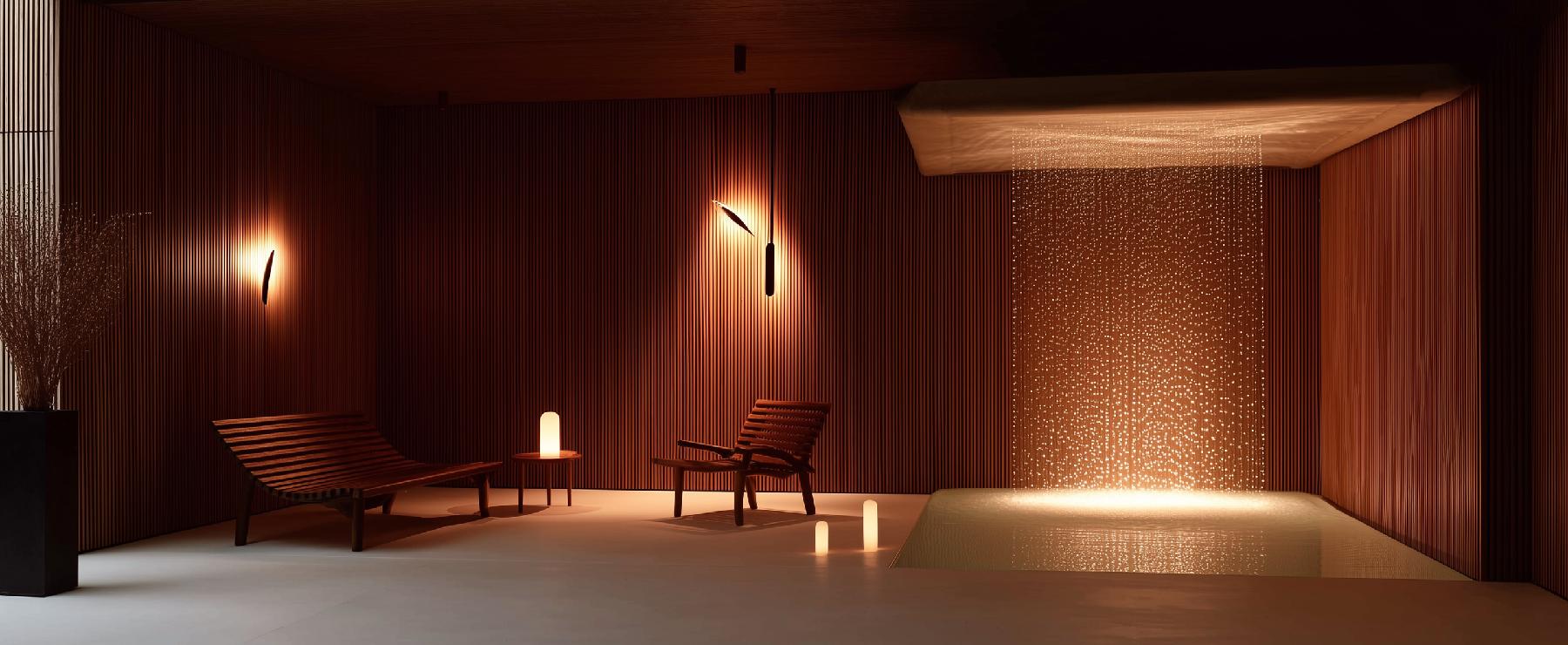
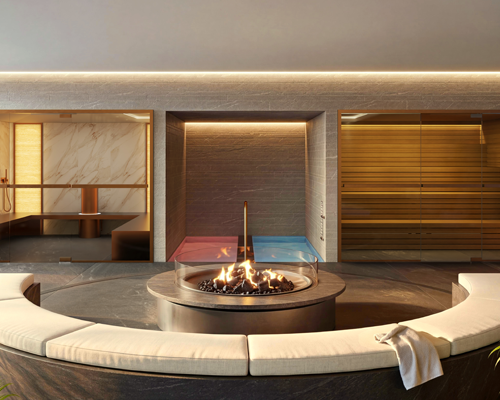
Spa interior
A surprise finding was just how sensitive people are to subtle sensory design features / AI IMAGE BY THE FUTURE LABORATORY

Read more from this issue of Spa Business magazine

View contents of Spa Business 2026 issue 2
FEATURED SUPPLIERS

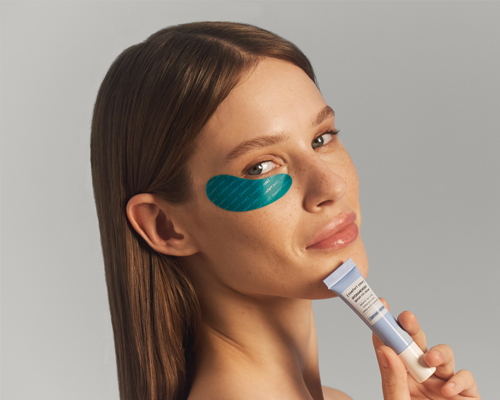
Elemis launches its first Red Light Mask, lighting the way to advanced skin health and restoration
Elemis has branched into LED skincare with the launch of its breakthrough Red Light Mask. [more...]

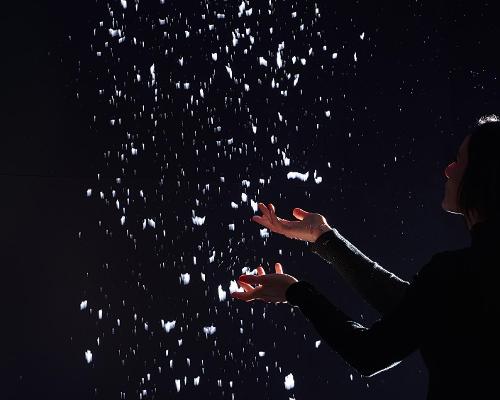
Embrace the chill: TechnoAlpin's Snowsky revolutionises post-fitness recovery with falling snow
In the fast-paced world of fitness and wellness, where high-intensity workouts push us to our limits and the sweat pours, the importance of efficient recovery cannot be overstated. [more...]
+ More featured suppliers  
COMPANY PROFILES
Voya Organic Beauty

Voya Organic Beauty, founded in 2006 in Ireland by Mark Walton and Kira Guckian Walton, is a private [more...]
Comfort Zone

Comfort Zone’s comprehensive face and body professional and retail range allows clients to experien [more...]
+ More profiles  
CATALOGUE GALLERY
 

+ More catalogues  

DIRECTORY
+ More directory  
DIARY


23-26 Aug 2026

Elevate Spa Riviera Maya Edition

The Riviera Maya Edition Kanai, Playa del Carmen, Mexico
10-12 Sep 2026

ASEAN Patio Pool Spa Expo 2026

MITEC Kuala Lumpur,Malaysia, Malaysia
+ More diary  
 
ABOUT LEISURE MEDIA
LEISURE MEDIA MAGAZINES
LEISURE MEDIA HANDBOOKS
LEISURE MEDIA WEBSITES
LEISURE MEDIA PRODUCT SEARCH
 
SPA BUSINESS
SPA OPPORTUNITIES
SPA BUSINESS HANDBOOK
PRINT SUBSCRIPTIONS
FREE DIGITAL SUBSCRIPTIONS
ADVERTISE . CONTACT US

Leisure Media
Tel: +44 (0)1462 431385

©Cybertrek 2026
Uniting the world of spa & wellness
Get Spa Business and Spa Business insider digital magazines FREE
Sign up here ▸
News   Products   Magazine   Subscribe
Spa People
Susan Magsamen


Every environment is already influencing guests’ nervous systems – the question is: are you designing for stress regulation and health restoration?” This is a query posed by Susan Magsamen, executive director of the International Arts + Mind Lab Center for Applied Neuroaesthetics (IAM Lab) at Johns Hopkins University in the US.

As the field of neuroaesthetics gains momentum, science is now validating what our industry has long believed: that environments are powerful drivers of wellbeing.

Here, Magsamen, who’s been at the helm of IAM Lab since it launched in 2010, reveals two new reports, which are designed to help translate this growing body of evidence into real-world spa and wellness environments.

Why does neuroaesthetics matter?

Underpinning the broader field of neuroarts, it’s the scientific study of how the arts and aesthetic experiences – what we see, hear, smell and touch – change the brain, body and behaviour.

From lighting and acoustics to materials, scents and spatial flow, these elements directly affect outcomes like cortisol levels, heart rate variability, mood and cognitive clarity. When you design with intention, what I call ‘aesthetic design’, you can improve client satisfaction and ultimately drive wellbeing and business performance.

Interest in the field is accelerating and we’re seeing healthcare, real estate, hospitality and workplace design all converge around the idea that environments are active agents in human health.

For the wellness sector, this is a pivotal moment. The industry has long understood the intuition of these ideas, but now we have the evidence.

How is it advancing?

This January, IAM Lab released two seminal reports – Intentional Spaces: The Power of Place Foundations and Intentional Spaces: The Power of Place Roadmap. They’re part of its Intentional Spaces Initiative, which has been running for five years and has seen IAM Lab engage with dozens of global experts across neuroscience, architecture, design, psychology and the arts for key insights.

Foundations also draws from a study commissioned by Thermengruppe Josef Wund, the thermal spa operator now owned by Therme Group. It’s the scientific backbone which translates complex research into accessible insights about how environments impact the brain and body, with a particular focus on how the sensory experience shapes perception, regulation and overall wellbeing.

Roadmap is a strategic guide. It outlines how to integrate neuroaesthetic principles into practice, offering actionable pathways for sectors like wellness, hospitality, healthcare and real estate to begin implementing this work.

We’ve also published A Day in the Life, a narrative about how intentional design shapes a person’s journey through a space.

Together, these reports move from theory to strategy, to lived experience, offering the ‘why’ and ‘how’ of designing spaces that support wellbeing. The work of IAM Lab isn’t just about publishing research – it’s about activating it.

Guests experiencing sight, sound, smell and touch
The findings show how alignment across sight, sound, smell and touch is critical for regulation / ARIANNE AMORES

 What are the key findings?

From our work, we know that:

The brain is constantly scanning environments for safety versus threat

Sensory coherence – alignment across sight, sound, smell and touch – is critical for regulation

Small design shifts can produce outsized physiological effects

Personalisation and cultural context matter deeply

We’ve also found that environments don’t just influence momentary experience – they can shape longer-term outcomes related to stress, resilience and overall wellbeing. This has profound implications for spaces like spas, where the goal is not only relaxation, but restoration and lasting impact.

Is there anything that surprised you?

One of the biggest surprises was just how sensitive we are to micro-features of environments – subtle lighting changes, textures, or soundscapes can significantly shift emotional and physiological states.

Another revelation was how often these elements are considered in isolation. What matters most is how they work together as a system. When environments are designed with coherence and intention, they can support regulation and connection in a much more powerful way than any single feature alone.

Interior at Milan Design Week
A Space for Being was a neuroaesthetic installation at Milan Design Week / IAM LAB, GOOGLE DESIGN AND REDDYMADE ARCHITECTURE

Why launch Intentional Spaces?

To explore a critical question: How can we design environments that actively support human flourishing? We knew that ‘place’ was one of the most underleveraged tools in health and wellbeing. While much attention is given to behaviours and treatments, the environments we move through every day quietly shape how we feel, think and function. This initiative was created to better understand that influence.

Intentional Spaces is a subfield of neuroarts. In 2019, IAM Lab and global think tank the Aspen Institute launched the NeuroArts Blueprint Initiative to integrate the arts as science-based tools into mainstream medicine and public health.

What other research is there?

There are several emerging areas that are particularly relevant to spas: 

Multisensory integration research. Showing how combining modalities (sound + scent + light) amplifies impact

Nature exposure and biophilic design. Demonstrating measurable reductions in stress and improved recovery

Arts-based interventions in healthcare. Linking music, visual art and movement to pain reduction and faster healing

The takeaway? Wellness spaces can move from an amenity to evidence-based intervention environments.

What’s on the horizon for IAM Lab?

We’re focused on scaling – bringing neuroaesthetic principles into:

Built environments (hotels, spas, urban design)

Digital and hybrid experiences

Policy and public health frameworks

We’re also beginning to translate this work into applied settings through pilot projects and collaborative design initiatives. As part of this, we’re working alongside partners to test how these neuroaesthetic theories can be implemented and measured in real-world environments.

This will then feed back into the Roadmap, which is a living document that will grow and change as we implement its core principles.

What’s the long-term vision?

It’s simple but ambitious. To make intentional, health-supportive design the default, not the exception. 

• To access the Intentional Spaces reports, visit: www.spabusiness.com/iamf and www.spabusiness.com/iamr.

Spa interior
A surprise finding was just how sensitive people are to subtle sensory design features / AI IMAGE BY THE FUTURE LABORATORY

Read more from this issue of Spa Business magazine

View contents of Spa Business 2026 issue 2
LATEST NEWS
Synergy – The Retreat Show invites consumer and industry perspectives on retreats for research
Synergy – The Retreat Show, the global trade show for retreats, has launched a global research initiative that will provide insights into the retreat sector from both consumer and industry perspectives.
Turkey is crowned the best massage nation at world championship
Turkey came first at this year’s World Championship in Massage between 3-5 July in Copenhagen, Denmark.
The Wellness Tourism Association publishes industry framework for ethical and responsible retreats
The Wellness Tourism Association (WTA) has published a non-regulatory global industry framework designed to ensure the retreat market offers responsible experiences.
One in three spa practitioners have considered leaving the industry due to concerns about their own wellbeing
A new survey of UK and international spa practitioners shows that stress, burnout and wellbeing concerns have caused one in three respondents to consider leaving the industry.
UK updates physical activity guidelines with focus on daily movement
The UK's four Chief Medical Officers have published a refreshed edition of Physical activity guidelines: UK Chief Medical Officers' report, updating the evidence that underpins the nation's physical activity recommendations and placing greater emphasis on strength, balance, reducing sedentary behaviour and, for the first time, supporting people taking weight loss medications.
Sauna advocate Becky Pelkonen drafts global public sauna-bathing charter
Becky Pelkonen, the sauna advocate and researcher, has unveiled the draft of a global public sauna-bathing charter.
Marriott International partners with Fitwel for wellness solutions across its residential portfolio
Marriott International has partnered with Fitwel, a healthy building certification system that aims to optimise occupant health.
Anna Bjurstam steps down from Six Senses to build new company Wahayla
Anna Bjurstam has left her role as Wellness Pioneer at Six Senses Hotels and Resorts and launched a new wellness, longevity and “consciousness consultancy” called Wahayla.
Fairmont Cheshire, The Mere, opens with spa philosophy of ‘Wellness without Walls’
Fairmont Cheshire, The Mere, has opened today (10 July) in the Northwest of England with a 1,715sq m Fairmont Spa that has been designed using a ‘Wellness without Walls’ concept.
'Minor wellness hotels' recorded the strongest growth across top KPIs in 2025, finds RLA Global
Wellness hotels generating less than US$1 million (€932,700, £785,200) – or 10 per cent of total revenue from wellness and leisure – recorded the strongest RevPAR and TRevPAR growth in 2025 across categories when compared with 2024, according to the latest Wellness Real Estate Report by RLA Global, produced in partnership with P and L benchmarking firm HotStats.
Lefay Resorts introduces emotional dance classes to offer experiences that foster connection
Lefay Resorts, the portfolio of two luxury wellness properties in Italy, has added emotional dance classes and group cold plunge sessions in response to market demand for social connection.
Robert Thurman: a life dedicated to enlightenment
Robert Thurman, an expert on Tibetan Buddhism and the spiritual director of Menla Retreat and Dewa Spa in Woodstock, has died, aged 84.
+ More news   
 
FEATURED SUPPLIERS

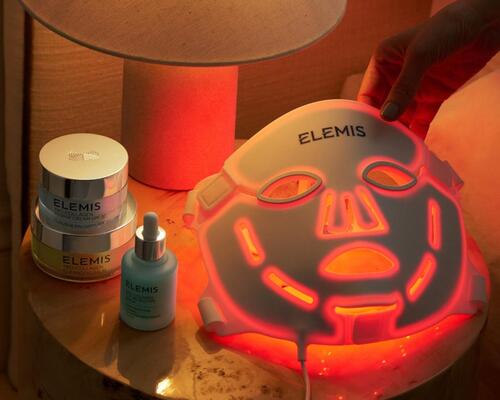
Elemis launches its first Red Light Mask, lighting the way to advanced skin health and restoration
Elemis has branched into LED skincare with the launch of its breakthrough Red Light Mask. [more...]

Embrace the chill: TechnoAlpin's Snowsky revolutionises post-fitness recovery with falling snow
In the fast-paced world of fitness and wellness, where high-intensity workouts push us to our limits and the sweat pours, the importance of efficient recovery cannot be overstated. [more...]
+ More featured suppliers  
COMPANY PROFILES
Voya Organic Beauty

Voya Organic Beauty, founded in 2006 in Ireland by Mark Walton and Kira Guckian Walton, is a private [more...]
+ More profiles  
CATALOGUE GALLERY
+ More catalogues  

DIRECTORY
+ More directory  
DIARY
 

23-26 Aug 2026

Elevate Spa Riviera Maya Edition

The Riviera Maya Edition Kanai, Playa del Carmen, Mexico
10-12 Sep 2026

ASEAN Patio Pool Spa Expo 2026

MITEC Kuala Lumpur,Malaysia, Malaysia
+ More diary  


ADVERTISE . CONTACT US

Leisure Media
Tel: +44 (0)1462 431385

©Cybertrek 2026

ABOUT LEISURE MEDIA
LEISURE MEDIA MAGAZINES
LEISURE MEDIA HANDBOOKS
LEISURE MEDIA WEBSITES
LEISURE MEDIA PRODUCT SEARCH
PRINT SUBSCRIPTIONS
FREE DIGITAL SUBSCRIPTIONS